Campaign tracking is a process of monitoring the performance of the URLs with tracking parameters for marketing campaigns. Marketers use campaign tracking as a tool to evaluate the success of their efforts. It comprises gathering data from several sources, such as website analytics, email campaigns, and social media posts. And then analyzing it to assess the campaign’s effectiveness.
Digital marketers and SEO experts track campaigns to analyze the quality of the marketing channels, traffic sources, and content strategies.
Conversion optimization is a vast area to manage and campaign tracking is an important part of it. To track marketing campaigns, most marketers use URL shortening tools with URL tracking and analytics features.
Why should a company set up campaign tracking?
Campaign tracking is a vital analytics tool. It allows marketers to see which campaigns are performing well and which ones need improvement. Without campaign tracking, it would be difficult to know which marketing strategies are working and which ones are not. There are several aspects of campaign tracking to consider when tracking URLs that an average Joe doesn’t come across every day. Campaign tracking is a URL tracking system to analyze marketing efforts by keeping an eye on the website traffic through specific URLs. Here are the reasons why a company should set up campaign tracking:
To track the clickability and conversion rate of a marketing campaign. When brands and marketers run ad campaigns, they usually add a UTM parameter to the call-to-action button to track clickability and conversion from the specific campaign.
To measure the effectiveness of the channel, meaning campaign tracking comes in handy when the user wants to analyze the performance of a traffic medium, for instance, a banner ad on a popular blog.
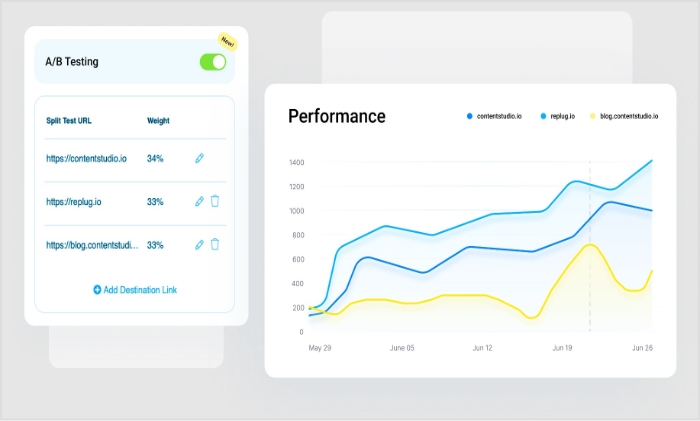
To A/B split test two marketing channels. A/B Testing is crucial to finding the best solution in digital marketing. Therefore, marketers compare different tactics to see what works best for them.
To assess the ROI of the marketing campaign, it’s vital to have campaign tracking. It gives brands a deep dive into the quality of the traffic sources.
What are campaign parameters?
Campaign parameters are URL slugs that add to the website page URL to track, identify, and analyze the traffic sources and campaign performance.
A lot of brands start advertising and promotions during the holiday season. Most of these brands use campaign tracking to see where most buyers are coming from during the campaign.
These campaign parameters help them figure out:
The impact of the marketing campaign
What are the number of visitors that the campaign brought?
How engaged those visitors were?
How many visitors converted into paying customers?
Why are campaign tracking parameters important?
Most first-timers wonder why campaign parameters are important when they’re setting up a retargeting campaign or an ad campaign on social media.
The answer is that campaign parameters provide marketers with crucial campaign information that helps them make important decisions going forward.
Brands usually track their CTAs on the landing pages or short URLs shared on social media to see what’s working for them.
Here are four reasons why campaign tracking is important in digital marketing:
Help track campaign results – whether it’s a social media post that contains a short URL with a slug or an online ad, campaign parameters are included to track campaign results.
Separate multiple campaigns and make them identifiable. Otherwise, it won’t be possible to differentiate multiple campaigns in a dashboard.
Gather clicks and conversion data, which is crucial to the campaign analysis. It’s impossible to figure out whether or not the campaign was successful if there are clicks and conversion data available.
Make performance reporting possible for brands and marketers. A lot of experts use URL shorteners to generate short URLs for social media to ensure that performance reporting becomes possible. Replug offers a powerful free link shortener and tracker for creating, managing, and tracking vanity URLs for social media, online advertising, and email newsletters.
Replug.io is an all-in-one link management tool for marketers, social media experts, influencers, and bloggers. It helps users with URL shortening, branded short links, UTM tracking, bio links, retargeting, and lead generation. You can track various campaigns using it, i.e. :
URL campaign tracking
UTM tracking
CTA campaign tracking
Retargeting pixel campaign tracking
Here’s how you can create a tracking URL with Replug:
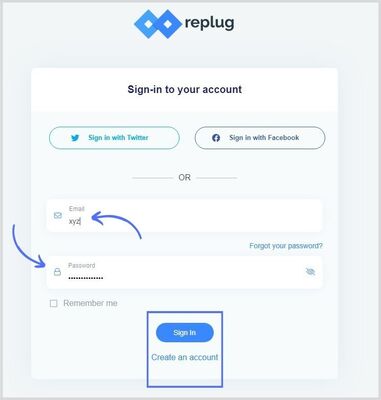
Step #1: Log in to your Replug account
Go to the Replug website and log in to your account. If you haven’t created your Replug account, sign-up for a free trial account and see how this tool works.
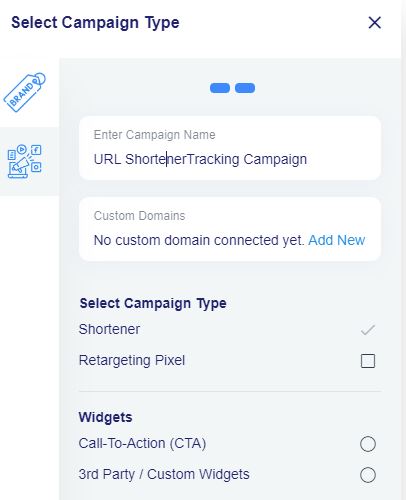
Step #3: Create a short branded URL Paste the URL, you want to shorten afterward and click on the create button.
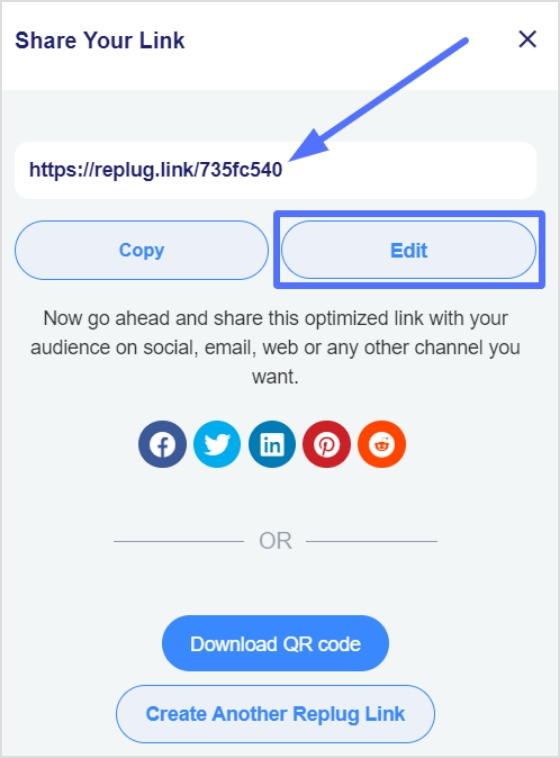
A new window will open where you can edit your URL slug and save the link.
Step #4: Track URL performance in Replug Analytics
Creating a short URL is incomplete with tracking it. Replug allows users to generate and track short URLs.To track your short URLs, go to the Measure section from your Replug dashboard and click on the Analytics option.
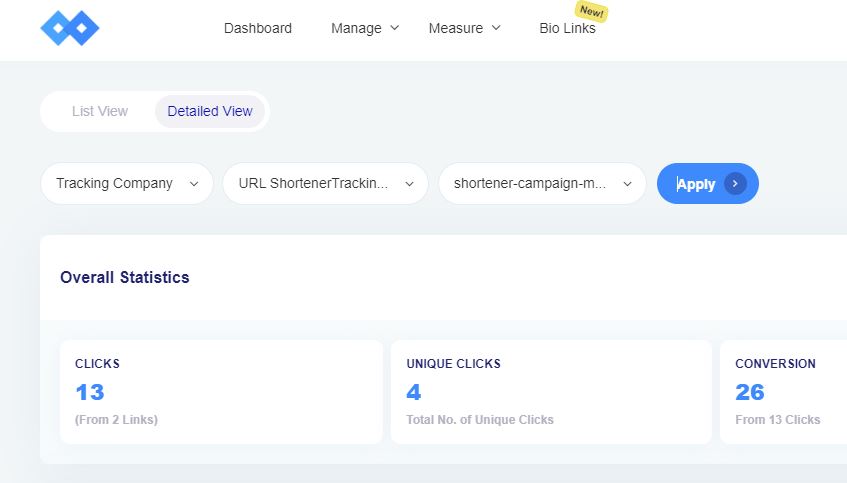
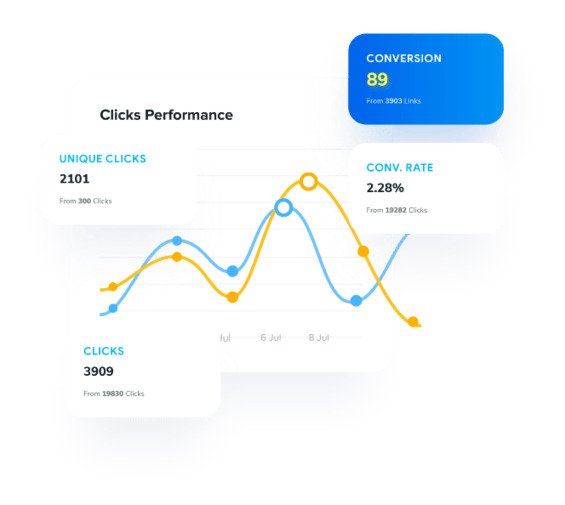
Select the Replug links and click on the appropriate campaign to find your link analytics. Or you can also click on detail analytics to get a detailed view. For a detailed overview, you need to select the brand, campaign and replug link. Detail view highlights click and conversion performance. Furthermore, it shows visitors by country, operating systems, browsers and source. You won’t see the metrics such as clicks, conversion, and conversion rate right away since the link is brand new.
Campaign tracking in Usermaven
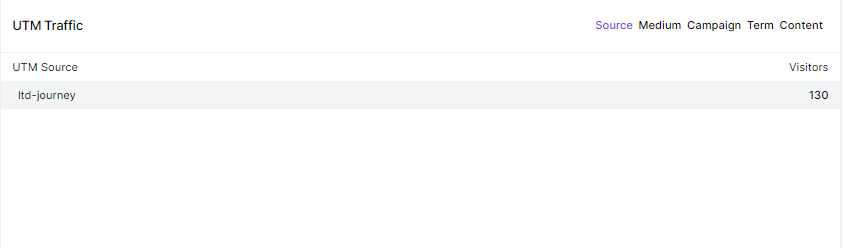
Marketing campaigns are only beneficial when they are producing the results you aimed for. With Usermaven’s campaign tracking, you can stop guessing your campaigns’ performance and start analyzing it through data to increase ROI. All you have to do is use UTM tags to analyze which source, content or campaign is producing results and then tweak your marketing campaigns to increase conversion and reach your business goals. Here’s a preview UTM traffic in Usermaven
What are Google UTM campaign tracking parameters?
Google has provided advertisers and publishers with loads of information on running ads and monetizing websites.
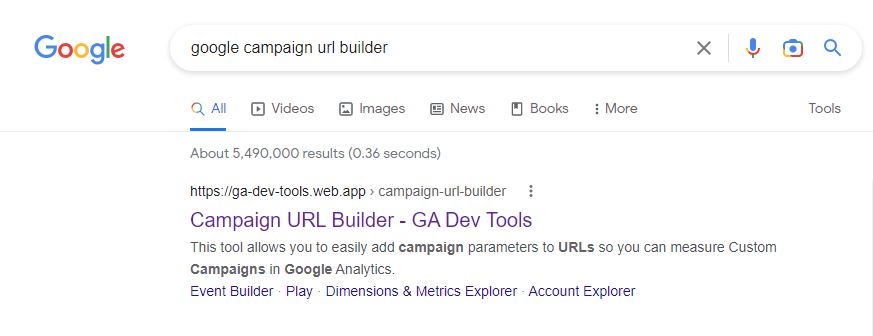
As far as campaign tracking is concerned, Google recommends a tool called Google Analytics Campaign URL Builder. You can also check out Google’s support thread on this topic.
The benefit of using this tool is that users can add campaign parameters to URLs and measure custom campaigns in Google Analytics.
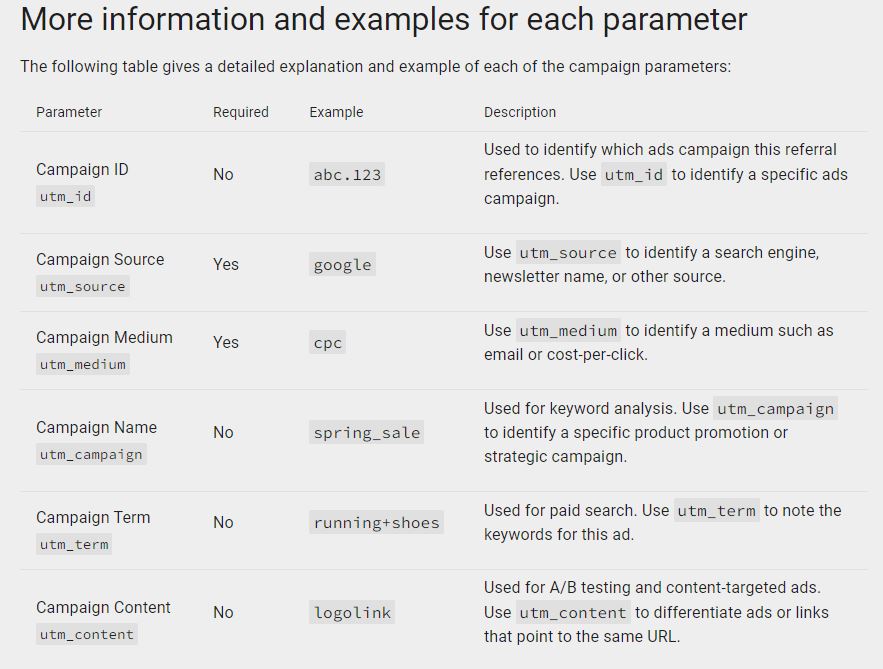
The following are the parameters to be entered to generate a campaign tracking URL:
Website URL: The website or page URL that needs to be tracked. Provide the full URL address including HTTPS.
Campaign ID: This is where the ad campaign ID goes. Most ad networks provide advertisers with campaign IDs to track or identify certain campaigns.
Campaign source: Enter the referral platform, such as a Facebook ad or newsletter.
Campaign medium: Provide the campaign medium, meaning what the marketing medium is for the campaign, for instance, direct ad, sponsored email, or PPC ads.
Campaign name: Give your campaign a name for identification purposes, for instance, holiday-sales or Christmas-offer, etc.
Campaign term: Mostly used for paid search.
Campaign content: It’s used for A/B testing and content-targeted ads.
Let’s look at the steps involved in tracking a custom campaign through Google Analytics.
How to track a custom campaign using the Campaign Builder tool?
Go to the campaign URL builder Access the Campaign URL builder to generate the campaign tracking URL. Make sure you have selected the web version instead of the play. Don’t panic if you haven’t done this before because it’s quite a simple process.
Opt for the GA4
Toggle from UA or GA4 using the button on the (left) sidebar. Don’t opt for UA (older Google Analytics edition) will no longer be available after July 2023.
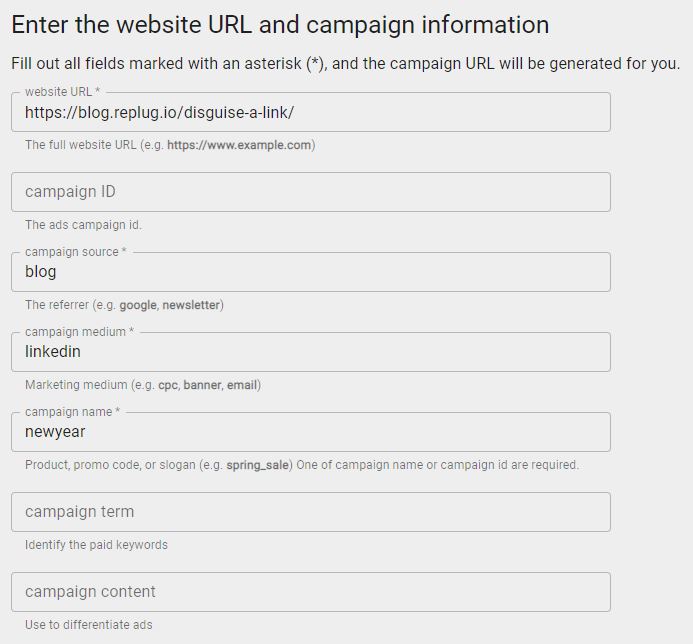
Fill in the campaign builder form
Fill out the form. Go through the explanation of the parameters written in the previous sub-heading of this very article.
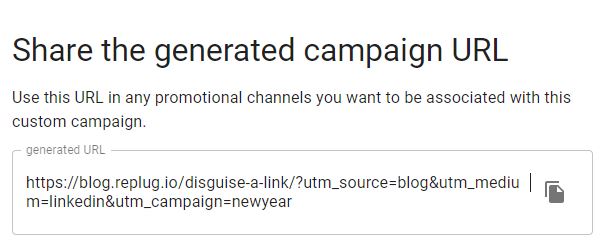
Grab the generated URL
When you fill up the form, the custom campaign tracking URL will be ready to use. You could also shorten the URL using the shortener button at the bottom.
Track via Google Analytics
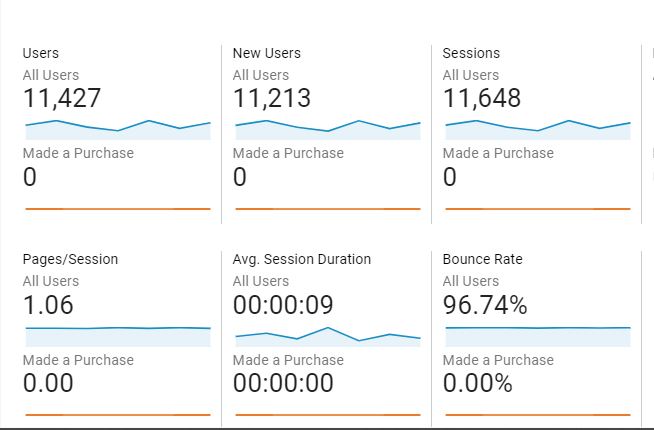
The last step is to track the campaign URL in Google Analytics. Start with logging in to your Google Analytics account. Go to the Reports > Acquisition > Traffic Acquisition > Source/Medium.
A screen like this would appear:
Now you should look out for the campaign after selecting the session source/medium. The campaign source would be a referral, since the traffic would be clicking on your campaign URL and landing on the website.
How to view your URL campaigns in Google Analytics?
Creating any link or CTA is worthless if there is no tracking available to find out the number of clicks and the conversion.
No wonder all major URL shorteners or email marketing services have analytics sections for users to analyze the data.
If you have been playing around with custom short URLs, then you must have thought about viewing the URL campaigns in Google Analytics at some point.
There is a possibility that some marketers have no idea how to capitalize on URL tracking. Therefore, it’s our duty to put some light on every aspect of short-link management and campaign tracking.
Here are the steps involved in retrieving the URL campaigns in Google Analytics to see how they’re doing: Log in to your Google Analytics account
First things first, log in to your Google Analytics account to get started with the viewing process. Make sure that you’re logging in to the correct Google Analytics account.
Go to the reports section
Once you’ve logged in, go to the reports section. It is the area where you see the site performance through reports. If you can’t find the reports option, hover your cursor on the left sidebar or click on the second option from the left – you’ll find the report button.
Open the acquisition area
Go to the Acquisition section from the reports area in the Google Analytics dashboard. It’s the section that provides users with all the information about how a site acquires visitors. The next step will further explain the process.
Access the traffic acquisition
After clicking on the Acquisition option, look out for the Traffic Acquisition option underneath the Acquisition option. It’s the third one under the Acquisition.
Select the campaign source
The source selection is crucial to the whole process. Click on the session drop-down menu right above the data table on the Traffic Acquisition page and choose source/medium.
Search the campaign URL
Provide the campaign URL in the search section right above the session drop-down menu. Once you paste the campaign URL, hit enter and let Google Analytics process your request. It’ll only take a couple of seconds to retrieve the data.
This is how you can view campaign URLs in your Google Analytics account.
This article is written around the importance of campaign tracking, which is essential in digital marketing.
If you haven’t had a chance to learn about campaign tracking, then here’s a quick recap for you: it’s a process of analyzing the performance of the URLs using the tracking parameters that are added to the URLs.
UTM tracking system plays a vital role in tracking URL performance. Replug is a URL shortener and my go-to tool for link tracking along with generating short URLs.
Furthermore, this article goes deep into converting website or blog post URLs into traceable URLs using Campaign URL builder. Plus, I also covered how you can track those campaign URLs using Google Analytics.
Moreover, I cracked open how you can utilize Replug to create tracking URLs for your marketing campaigns. The step-by-step process of creating tracking URLs using Replug would help many readers, especially the beginners.
Digital marketers, social media experts, and content marketers rely heavily on organic traffic, email marketing, and social media marketing.
Therefore, it is essential for them to track campaigns to figure out what is working for them.
Campaign tracking could be a game-changer for gurus and experts trying to understand which medium is getting the most attention. That is why campaign tracking is crucial to the conversion optimization process.
Frequently asked questions
How do you track campaign performance?
Tracking campaign performance involves monitoring and analyzing the key performance indicators (KPIs) that are relevant to the specific campaign goals.
What are campaign tracking codes?
Campaign tracking codes, also known as UTM parameters or tags, are snippets of code that you add to the end of a URL to help you track the performance of a specific marketing campaign. These codes can provide you with information about where your traffic is coming from, which campaigns are driving the most clicks or conversions,
What is UTM campaign term?
UTM (Urchin Tracking Module) campaign term is one of the parameters used in UTM tracking codes to identify the specific keywords or terms associated with a marketing campaign.
As a Twitter user, having a URL for your profile is helpful for several reasons.
First, you can share your URL with friends and gain new followers by promoting it on other social media platforms, including email, business cards, company pamphlets, or restaurant menus. The more your URL is shared, the more likely you attract new followers.
Second, you can include your URL in the social media sections on other websites, allowing you to embed links to other profiles. This can help you grow your following as people search for more of your content on different platforms.
Additionally, having a distinct and solid brand identity across all your social media accounts will help you attract and retain followers.
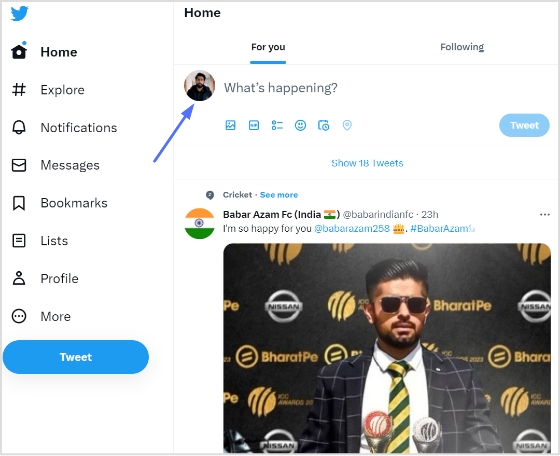
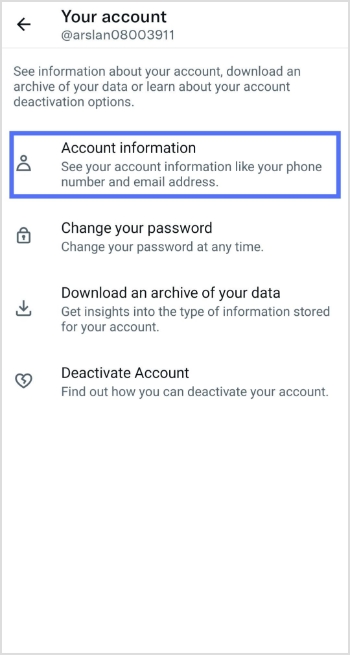
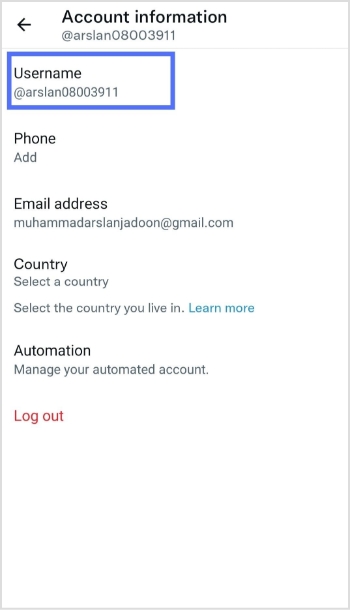
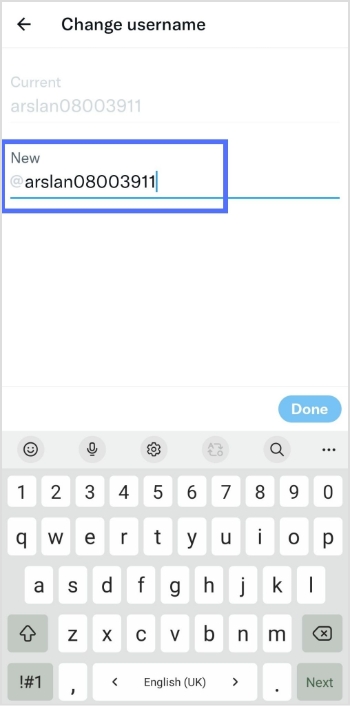
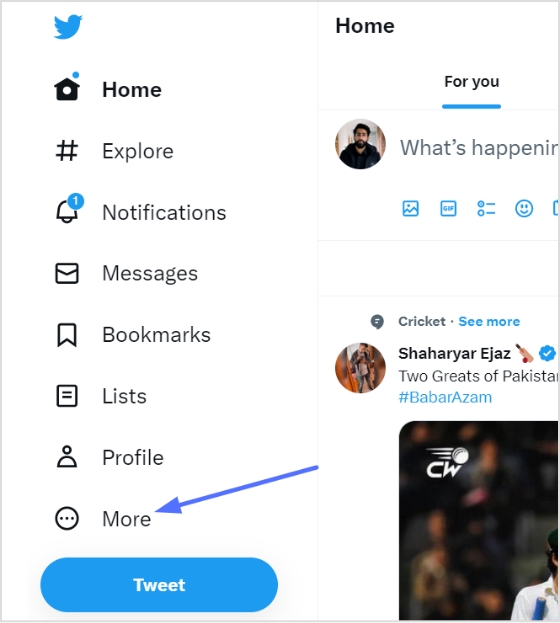
Here’s how to find your Twitter URL:
How to find my Twitter URL on a mobile phone?
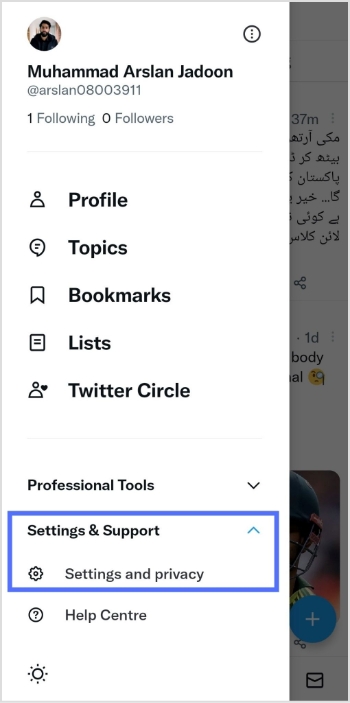
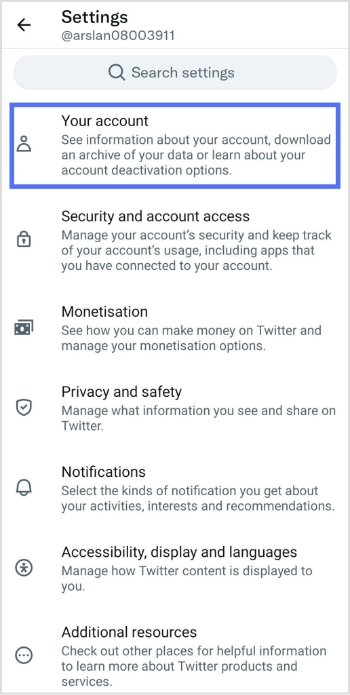
Follow these steps on your iOS or Android mobile device to find your Twitter URL:
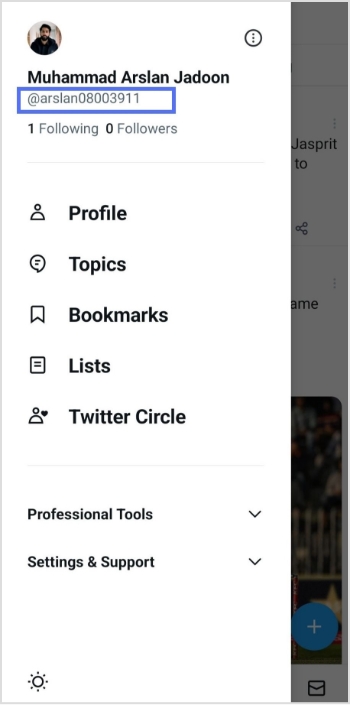
Step 1: Open the Twitter app on your mobile device.
Step 2: Tap the profile icon in the top left corner.
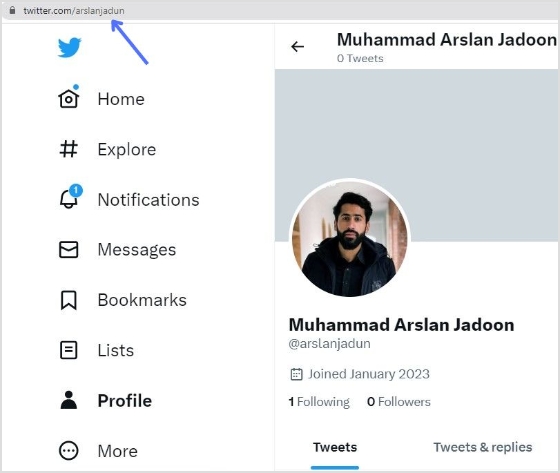
Step 3: You will now see your user name in the sidebar below your name.
Looking for a Better Way to Manage Social Media URLs?
Managing multiple social media accounts is time-consuming, and keeping track of all the links to articles can be challenging. To streamline campaigns, it is recommended to use a tool such as Replug to keep all the links in one place.
It serves as a reliable link management platform that simplifies tracking, organizing, and optimizing your URLs.
However, deciding what links to include in the Replug can be confusing. For Twitter, the best link to start with is the URL of the entire profile, which can be easily shared and is always in the format of “twitter.com/username.”
The ultimate solution for managing all your social media links
Our link management tool provides you with a dashboard to manage all your shortened links, including the ability to track clicks and see analytics on the usage of each link. This can help you understand how your social media profiles are being used and accessed.
Replug provides several benefits when handling all your social media URLs:
Create a consistent brand across all profiles
A consistent brand across all your social media profiles is important for building a recognizable and professional image. Using the same URL shortener for all your profiles, such as Replug, ensures that your profiles are all linked together under one recognizable brand. This makes it easier for people to find and remember your profiles and creates a consistent image for your brand.
Replug provides analytics and click tracking on your links, so you can see how many people are clicking on your social media profile links, where they are coming from, and which ones are most popular.
Shortened Replug URLs are easier to remember and share than individual social media profiles’ long, complex URLs. You can enhance brand recognition and improve your profile’s accessibility by shortening your social media URLs with Replug.
Provide Cross-platform compatibility
Handling all your social media URLs through Replug provides cross-platform compatibility, making it easier for people to access your profiles from any device or browser. Replug links are designed to work seamlessly across all platforms, including desktops, laptops, smartphones, and tablets, ensuring that your profiles are accessible to everyone, regardless of their device.
Social media has become an essential component of any business’s marketing strategy in today’s digital age. Social media networks, with billions of active users, have become a goldmine for businesses trying to generate leads and build their consumer base. To manage all the complex link sharing, tracking and conversion-driven links from social posts and ads in one place, many businesses lean on a dedicated link optimization platform. We’ll guide you on how to leverage social media for lead creation in this thorough guide.
Understanding Social Media Leads
First and first, what exactly are social media leads? Potential clients who have expressed interest in your company by connecting with your content on social media are referred to as social media leads. Likes, comments, shares, and direct messages are all forms of interaction. Social media leads are different from other types of leads in that they are warm leads, which means they have previously indicated interest in your company and are more likely to become paying clients.
What is the significance of social media leads? Social media leads are valuable since they are a low-cost approach to produce leads and expand your consumer base. Social media allows you to contact a big number of people and interact with them on a personal level, which may lead to enhanced brand loyalty and customer retention.
Social Media for Lead Generation
Now that you understand the value of social media leads, let’s look at how to leverage social media to generate leads. Lead generation may be accomplished through the usage of social media sites such as Facebook, Instagram, LinkedIn, and Twitter. Yet, it is critical to identify and focus your efforts on the channels where your target audience is most engaged.
It is critical to provide excellent content that enagages your target audience when developing a social media lead generating plan. Blog entries, infographics, videos, and social media postings are all examples of content. By adding value to your audience, you may position your company as a thought leader in your sector and attract new consumers.
How to generate leads with social media?
The ultimate objective of every marketing effort is to generate leads. Social media has evolved into an effective lead generation tool. Moreover, social media generates nearly twice as many marketing leads than trade exhibitions, telemarketing, direct mail, and PPC (Pay Per Click) efforts.
To properly use social media for lead generation, you must first determine your target audience and develop a content schedule. Your content calendar should include a mix of promotional and instructive content, as well as chances for involvement such as polls, quizzes, and contests.
1. Share branded and personalized url
You may use link shorteners to generate more interesting social media posts and increase traffic to your website. You may create leads and convert your social media followers into customers by putting CTAs and retargeting pixels in your links.
When you publish links to your website on social media, adopting a shortened URL may help your postings seem cleaner and more professional. For a smooth social-media workflow, you can shorten link using Replug — giving you neat, branded URLs that are more likely to get clicked and easy to track. You can also track clicks on your links and get vital data about your audience by utilizing a URL shortener. Creating a personalized URL is an excellent approach to enhance your brand and make your links more memorable. You may combine a custom domain name and a link shortening provider to produce unique, branded links that are easy to post on social media.
2. Optimize your social media profiles
Check to see if your social media profiles are comprehensive, up to date, and visually attractive. Your profiles should include the name of your logo, the URL of the website, and a detailed explanation of what you or your company does. Improving your social media presence may greatly boost your chances of generating leads. Make sure your profile is thorough and contains pertinent information about you or your company.
3. Create valuable & clickable content
Developing great content is essential for gaining new consumers. Be certain that your material is relevant, interesting, and valuable to your target audience. Creating clickable content entails providing material that motivates people to act. CTAs (Calls to Action) and clickable pictures that send viewers to a landing page are examples of this. Including CTAs in your shortened links might motivate your followers to take action and interact with your company. For example, you might include a CTA such as “Click here to get our free trial” or “Join up for our newsletter to receive special deals.”
4. Share testimonials as social proof
Posting client testimonials may help to create trust and credibility. It can also entice potential consumers to act and become leads. Social proof is an effective lead generating tactic.
5. Post consistently & engage with your audience:
Consistent posting implies that you should attempt to post on a regular basis. This keeps your brand in the forefront of your followers’ minds and guarantees that your material is constantly fresh and up to date. You may schedule your posts in advance using social media scheduling software like ContentStudio or Sprout Social. Further, responding to comments, mails, and mentions from your audience may help create trust and establish a relationship with potential consumers.
6. Use social media tools for content distribution:
ContentStudio, Hootsuite, Buffer, and Sprout Social are social media tools that may help you schedule, post, and distribute your content across numerous platforms. You may save time, boost efficiency, and reach a larger audience by using social media technologies.
7. Design user-friendly landing pages
Landing pages are an important part of lead generating. Make sure your landing pages are easy to use, visually appealing, and have a clear call to action.
8. Use bio links to generate social media leads
Bio links can be a powerful tool for generating social media leads, as they provide a direct path for interested users to follow in order to learn more about your brand, products or services.
9.Utilize paid social media advertising
Paid social media advertising allows you to reach a broader audience, while also targeting certain demographics. This is especially important if you’re aiming to reach a certain demographic.
10. Use targeted ads and special offers
Using social media, targeted advertisements and unique offers are efficient strategies to create leads. Make use of data to build highly targeted advertising that will reach your target demographic. To entice people to share their contact information, provide special deals, discounts, or free trials. Ascertain that your offer is significant enough to attract consumers to act.
Promoting or discounting your social network followers might encourage them to become paying clients. Contests are an excellent method to engage your target audience and create leads. You may organize contests on social media networks such as Facebook, Instagram, and Twitter. Users must provide their contact information to participate in the contest, which will help you create leads.
11. Use retargeting Ads & drop-basket campaigns on social media
Retargeting pixels are little pieces of code that may be added to your shortened URLs. These pixels allow you to track visitors to your website and display them customized adverts on social media, depending on their activity. Retargeting advertisements and drop-basket campaigns on social media sites can be used to retarget individuals who have previously expressed interest in your product or service. This can dramatically boost the likelihood of generating leads.
12. Set up sequential retargeting Ads
Sequential retargeting is displaying a sequence of adverts to the same user in order to entice them to take action. This can dramatically boost the likelihood of generating leads.
13. Use social lead ads
Social lead advertising is an excellent technique to get social media leads. These advertisements allow you to capture user information without requiring them to leave the social media network. Because social lead advertising are highly targeted, your offer will reach the proper population. To attract consumers to share their information, utilize clear, appealing content and pictures.
14. Use social media video marketing
Video marketing is a powerful tool for lead generation. Social media platforms like YouTube, Facebook, and Instagram offer opportunities to create engaging video content that can generate leads.
15. Host a virtual event or social media conference:
Leads can be generated through virtual events and social media conferences. Businesses may create leads and establish connections with potential consumers by providing excellent information and encouraging involvement
16. Referral campaigns help generate leads on social media
Referral campaign encourages existing customers to suggest their friends and family to your company. This can dramatically boost the likelihood of generating leads.
17. Personalize your offer
Personalization is essential when it comes to generating leads on social media. Utilize data to build highly targeted offerings that are suited to your audience’s individual requirements and interests. Personalization may range from utilizing a lead’s name in your marketing to making personalized product suggestions based on their purchasing history.
18. Measure and refine with analytics
Monitoring your statistics is another critical component of leveraging social media for lead generation. Analytics may give useful information about how your content is doing and what sorts of material are engaging with your target audience. This data can assist you in optimising your strategy and improving your outcomes over time. Monitoring your social media lead generation activities and evaluating the data can determine what is and is not working. To efficiently create leads, you must monitor your social media performance on a regular basis. Track your engagement, conversions, and ROI with social media analytics tools. Evaluate your data and adjust your plan in light of your results. You may refine your advertising and gain greater results by evaluating your social media performance. [branded_short_links]
19. Build a social media community
Creating a social media community is a strong strategy to produce social media leads. By establishing a community, you can engage your audience, create relationships, and promote your brand as an industry thought leader. Invite your followers to offer their ideas, perspectives, and experiences. Reply to comments, mails, and mentions as soon as possible to establish trust and trustworthiness.
20. Utilize social media listening
Monitoring social media platforms for mentions of your company, industry, or rivals is what social media listening entails. You may obtain insights into your target audience’s wants and preferences by monitoring social media conversations and adjusting your strategy accordingly.
Use Social Media Listening for B2B Lead Generation. B2B organizations may utilize social media listening to find and communicate with potential leads. Businesses may uncover prospective prospects and communicate with them by monitoring industry-specific hashtags.
21. Make use of sponsorships to get more leads on social media
Sponsorships entail collaborating with influencers or other companies to promote your brand. Influencer marketing is a common approach for generating leads on social media. Collaborate with social media influencers in your niche who have a huge following. Work together to generate sponsored content, reviews, and giveaways. You may boost your reach, build reputation, and drive sign-ups by utilizing the power of social media influencers.This has the potential to greatly improve brand visibility and create leads.
22. Be Human!
Be Human! Remember that social media is a social platform. People are looking for human connections, not robotic interactions. Be authentic, engaging, and responsive on social media. Show your audience that you care about their needs and interests. Share your brand story, mission, and values. By being human, you can build trust, credibility, and loyalty with your audience.
23. Utilize AI tools
Using AI tools for social media lead generation can help you save time and resources while improving the effectiveness of your marketing efforts. AI tools can be used for social media lead generation, such as to identify your target audience, use social listening and sentiment analysis tools to identify potential customers, use chat bots to engage with them, and use targeted advertising to convert them into customers.
FAQs
What is the definition of social media lead generation?
The technique of leveraging social media platforms to attract potential clients and produce leads for your business is known as social media lead generation.
What exactly are social media leads?
Potential clients who have expressed interest in your company by connecting with your content on social media are referred to as social media leads.
Which social media sites are the most effective for lead generation?
The most effective social media channels for lead creation are determined by your target demographic. It is critical to determine which platforms your target audience is most active on and to concentrate your efforts on those sites.
How can I generate useful content for social media lead generation?
Understanding your target audience’s wants and preferences, and offering material that answers those needs, is part of creating useful content for social media lead generation.
How frequently should I publish on social media to get leads?
Consistent social media posting is essential for lead generation. Most social networking networks encourage posting at least once every day.
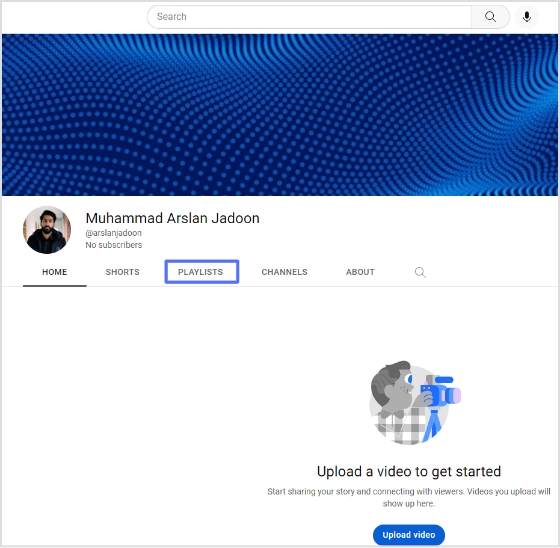
YouTube playlists are a feature that allows users to organize and view a series of videos together. Users can create their playlists or add videos to existing playlists created by other users. Videos in a playlist can be rearranged, edited, or removed at anytime.
Deep links directly link to specific content within an app rather than simply linking to the app’s home page.
Using a deep link to share a YouTube playlist allows the recipient to immediately access and view the playlist without having to search for it within the app. Also, deep links can contain information about the content, such as the specific video or playlist, so recipients know what they click on and why it is relevant.
Using deep links to share YouTube playlists can also help increase the app’s engagement and retention. As a result, recipients are more likely to continue using the app after being directed to the specific content they are interested in.
Here’s how to share YouTube playlists on mobile and computer devices:
How to share Youtube playlist with deep links on a mobile device?
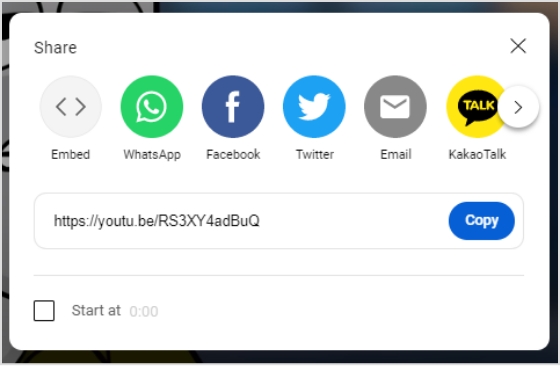
Follow the steps below:
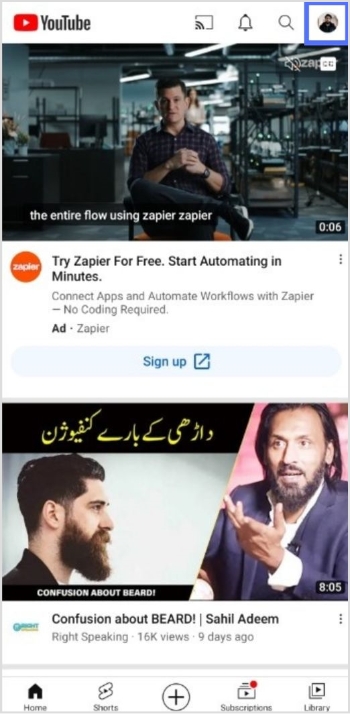
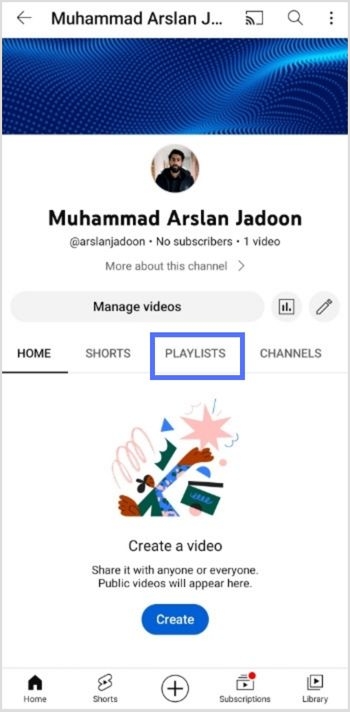
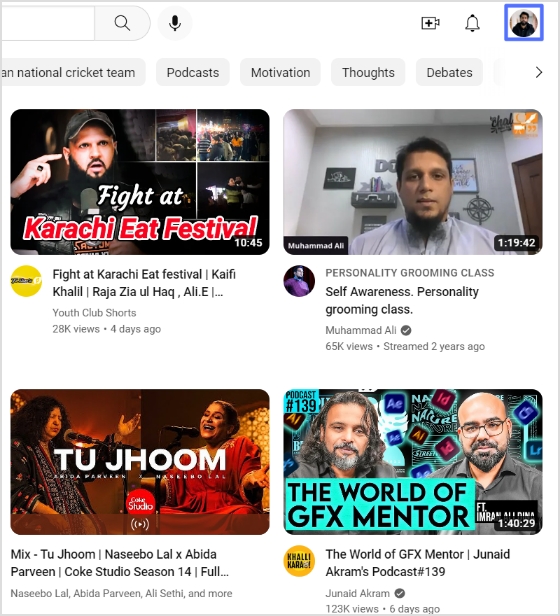
Step 1: Open YouTube on your mobile phone and tap the profile icon in the top right corner.
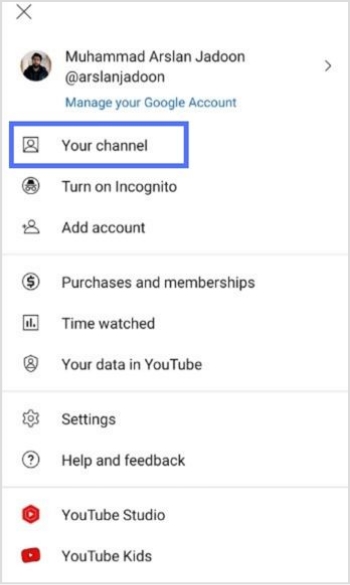
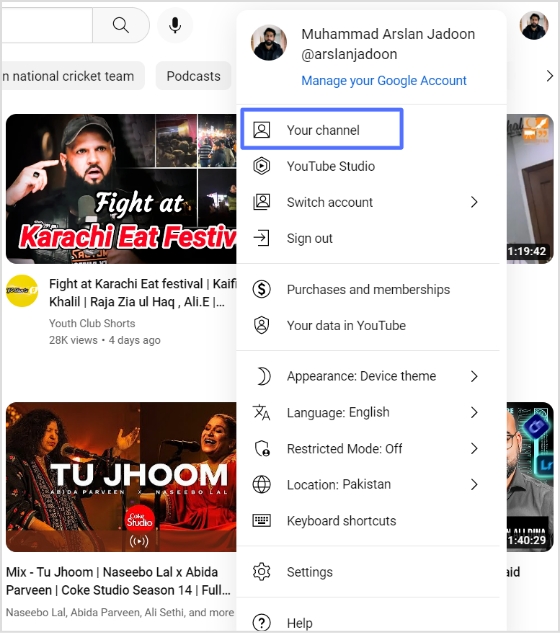
Step 2: Tap “your channel” from the drop-down menu.
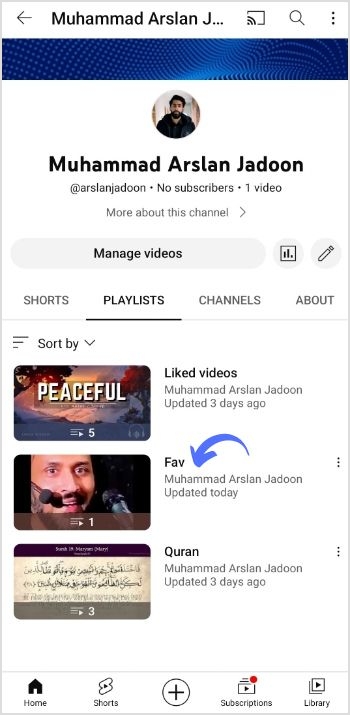
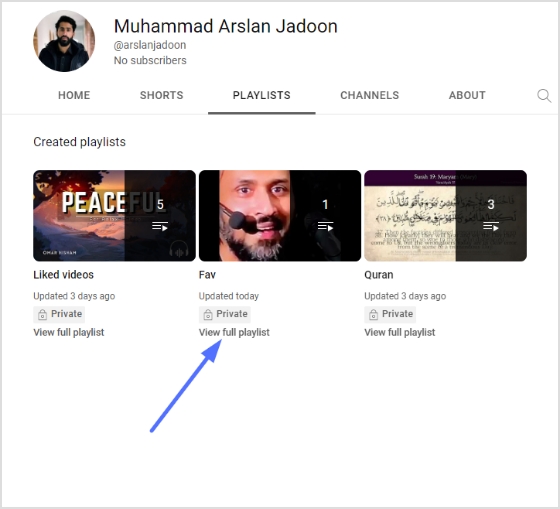
Step 3: Tap “playlist” on your mobile screen.
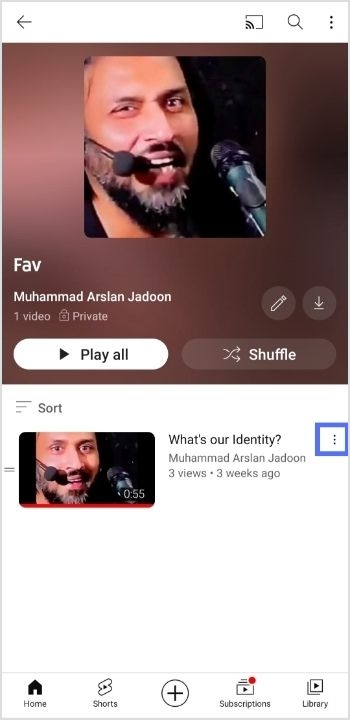
Step 4: Open the playlist you want to share.
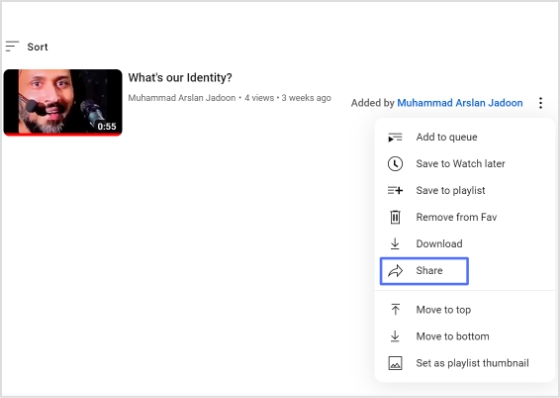
Step 5: Tap three dots alongside the playlist.
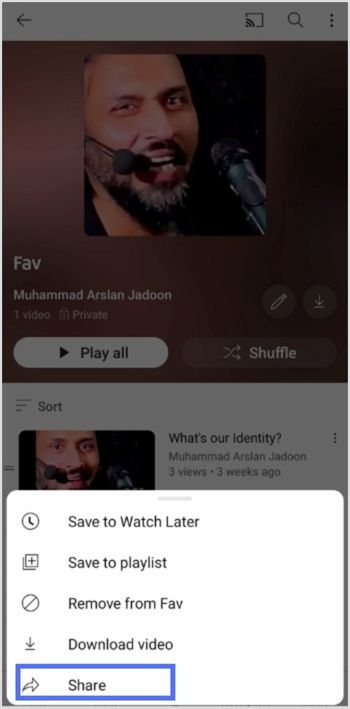
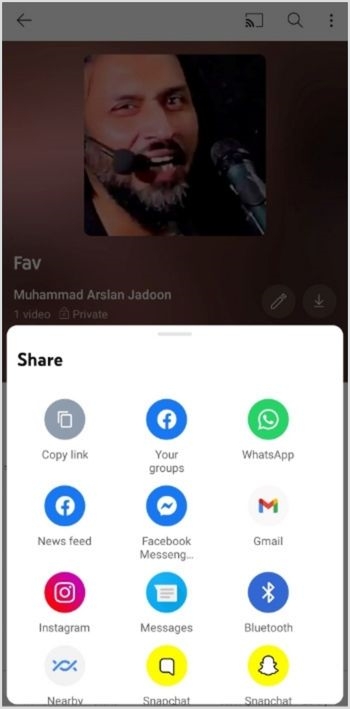
Step 6: Tap share to share the playlist.
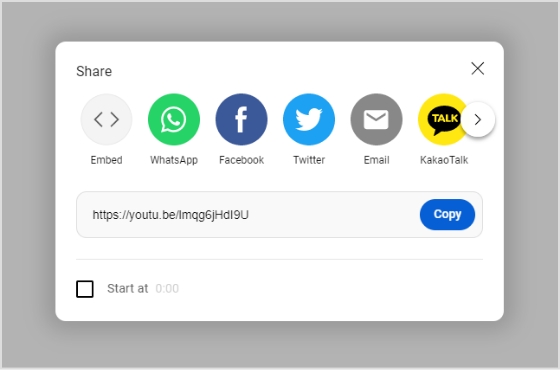
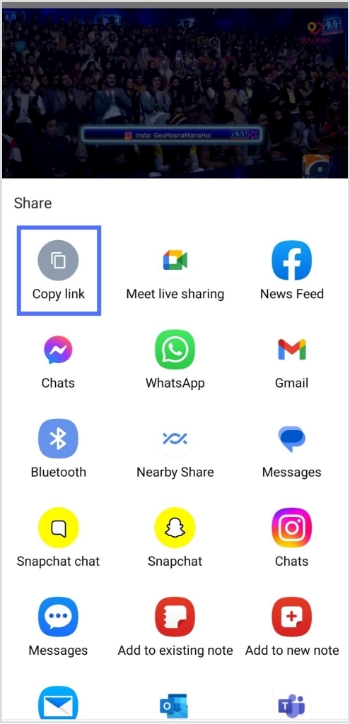
Step 7: Tap Copy link to copy the link and create a deep link for your YouTube playlist.
Maximize marketing ROI
by transforming ordinary URLs into branded short links that convert.
Try Replug for free
Create a deep link for YouTube Mobile Playlist:
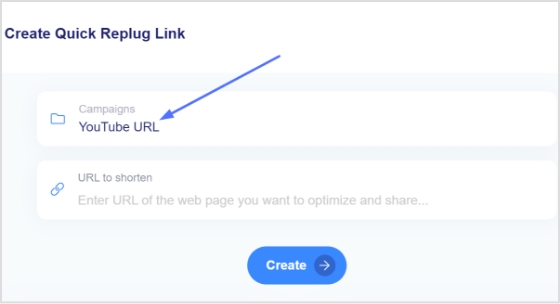
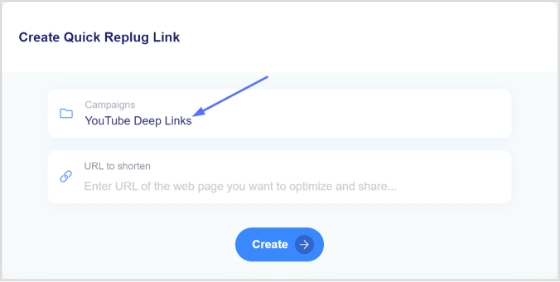
Step 8:Go to Replug and sign in or create an account for free.
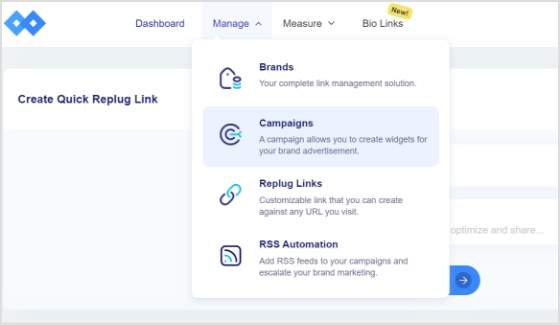
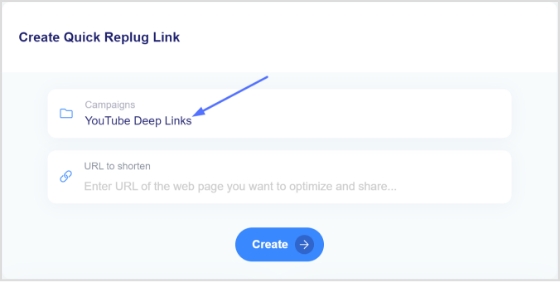
Step 9: Select the desired campaign on the main dashboard or create a new campaign.
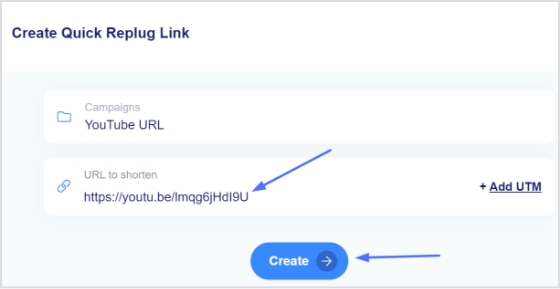
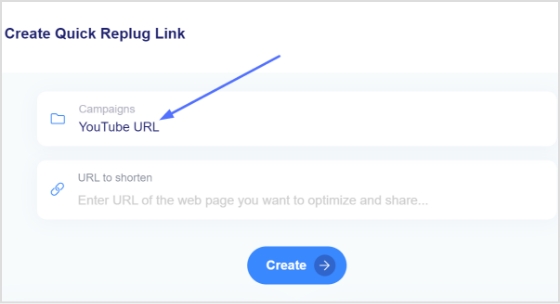
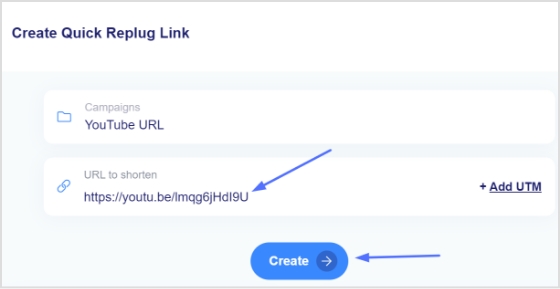
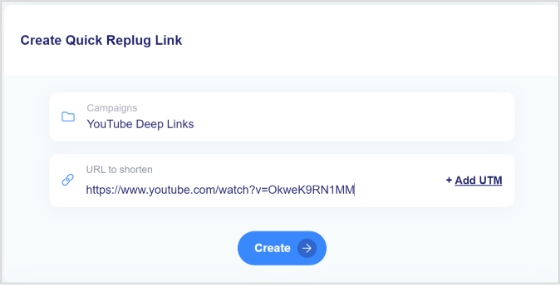
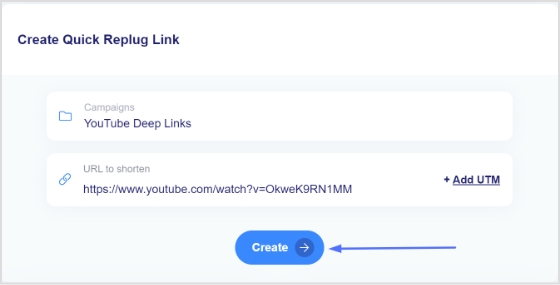
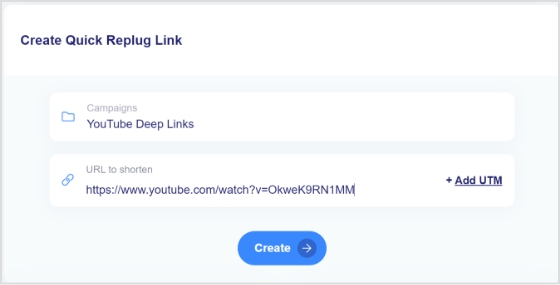
Step 10: Enter the YouTube playlist link in the “URL to shorten” section under the campaigns section, and click create.
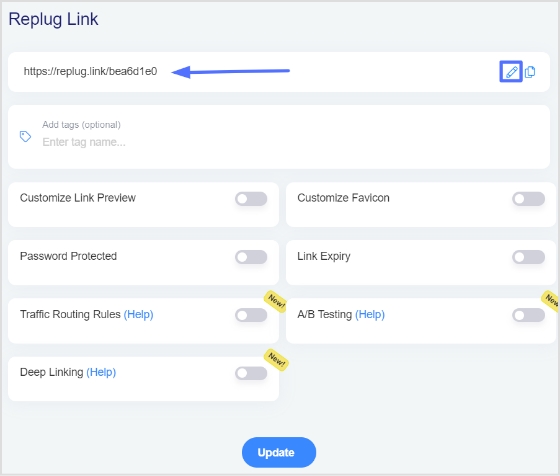
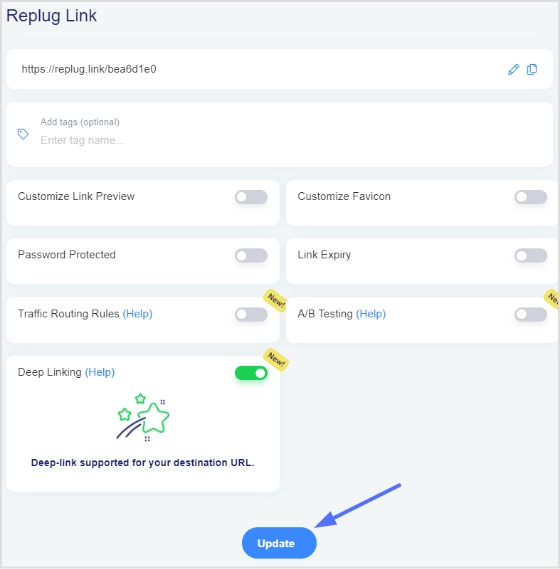
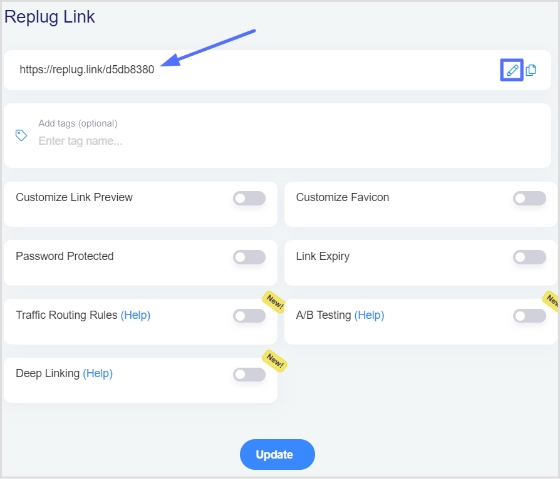
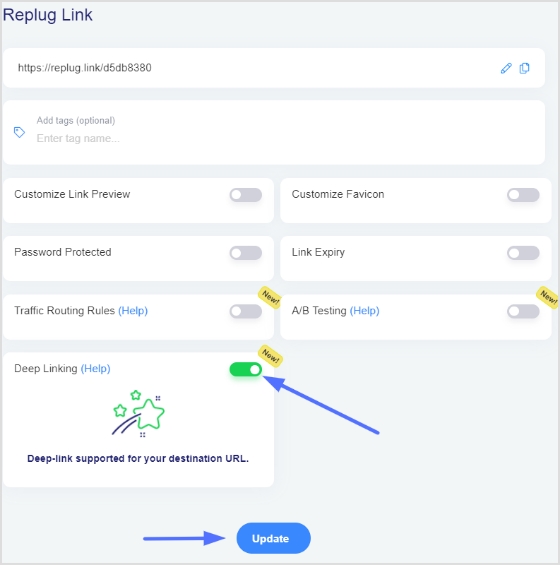
Step 11: You’ve your newly created Replug link. Click the edit icon to customize the link.
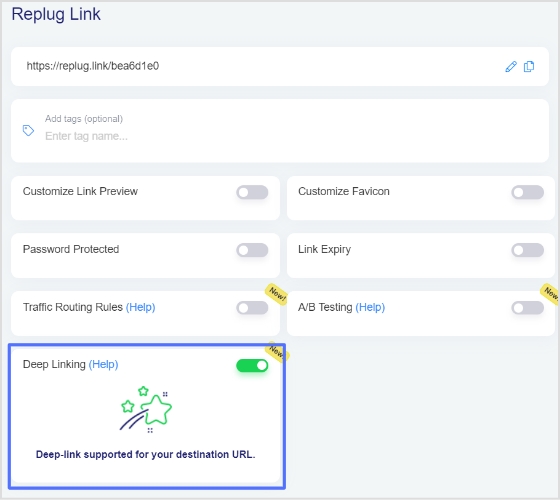
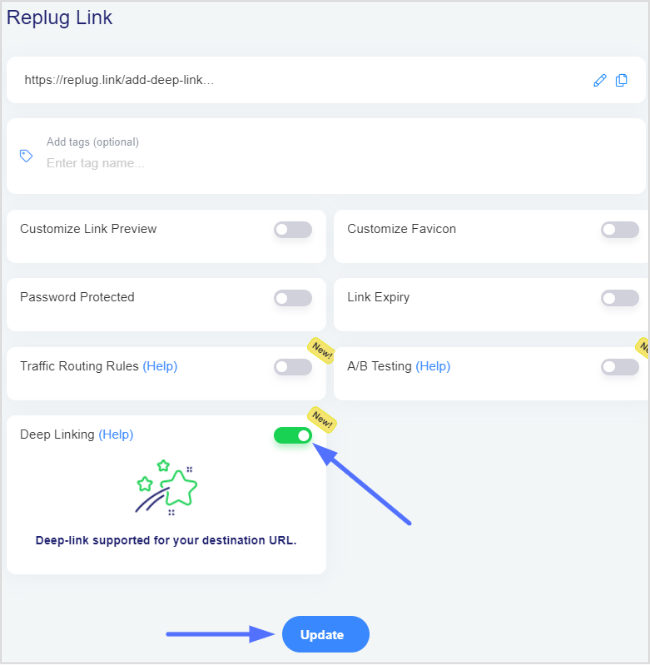
Step 12: Turn on the Deep link button and verify that deep links are allowed for the link.
Step 13: Click the update button to create a deep link for your YouTube playlist.
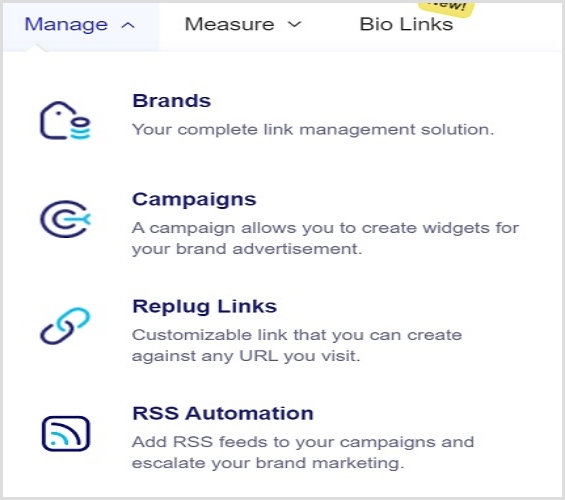
Note: To find the deep link, Go to the manage section on the main dashboard > Click Replug links.
Create a deep link for a YouTube computer playlist:
Step 8:Sign in to Replug or create an account for free.
Step 9: Select the desired campaign on the main dashboard or create a new campaign.
Step 10: Enter the YouTube playlist link in the “URL to shorten” section under the campaigns section, and click create.
Step 11: You’ve your newly created Replug link. Click the edit icon to customize the link.
Step 12: Turn on the Deep link button and verify that deep links are allowed for the link.
Step 13: Click the update button to create a deep link for your YouTube playlist.
Note: To find the deep link, Go to the manage section on the main dashboard > Click Replug links.
Once you have the playlist link, you can create a branded short URL using Replug to make sharing cleaner and more memorable.
FAQs
How to share a YouTube playlist on WhatsApp?
To share a YouTube playlist on WhatsApp:
1. Open the YouTube app on your mobile device and sign in to your account. 2. Find the playlist you want to share and tap on it. 3. Tap the “Share” button, usually represented by an icon of two arrows pointing in opposite directions. 4. Select “Share on WhatsApp”. 5. Select the contact you want to share the playlist with. 6. Your contact will receive a message with a link to the playlist.
Alternatively, you can share the link by copying it and then sharing it on WhatsApp by creating a new message or pasting it into an existing conversation.
Please note that the person you share the link with needs to have the YouTube app installed on their device to view the playlist.
Adding a YouTube link to an Instagram story allows the user to share a video from YouTube on their Instagram story. This allows their followers to view the video directly from the Instagram story without leaving the app and going to YouTube.
It can also help direct more traffic to the YouTube video, increasing its visibility and gaining more views and engagement.
Here’s how to add YouTube links to the Instagram stories:
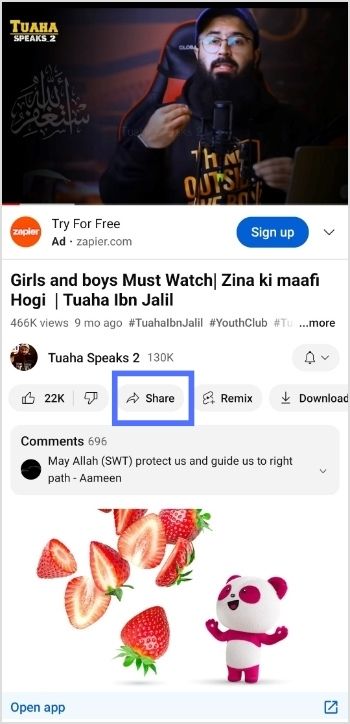
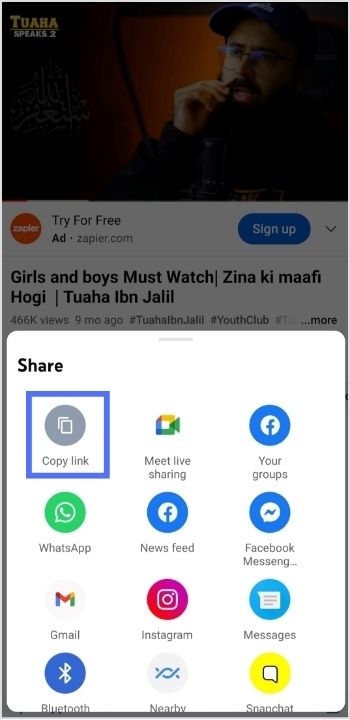
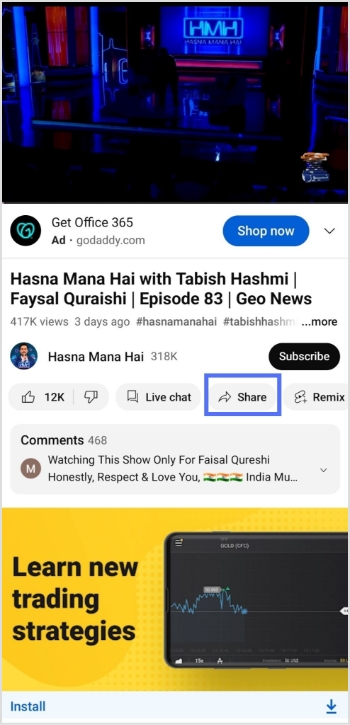
Step 1: Go to the YouTube app and play the video you want to share in Instagram Story.
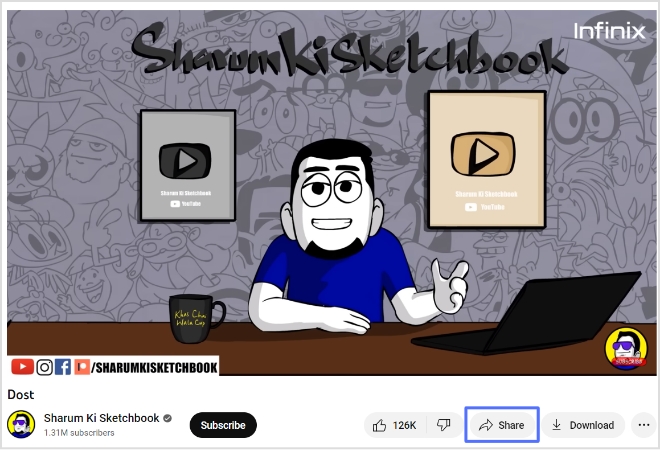
Step 2: Tap “share” right below the YouTube video.
Step 3: Tap “copy link” to copy the link you want to share in the Instagram story.
Note: Before pasting the URL into your Instagram story’s link sticker, you might want to shorten a link first for a cleaner, more shareable URL that looks better in your story and is easier for followers to click. Replug is the reliable link optimization platform to perform this task in the best possible manner.
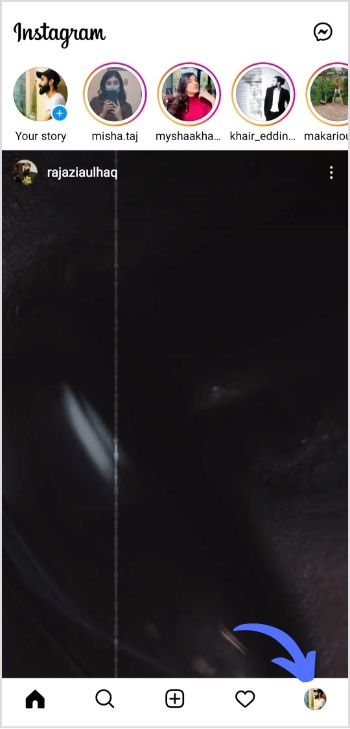
Step 4: Now open the Instagram app and tap the “profile icon’’ in the bottom right corner.
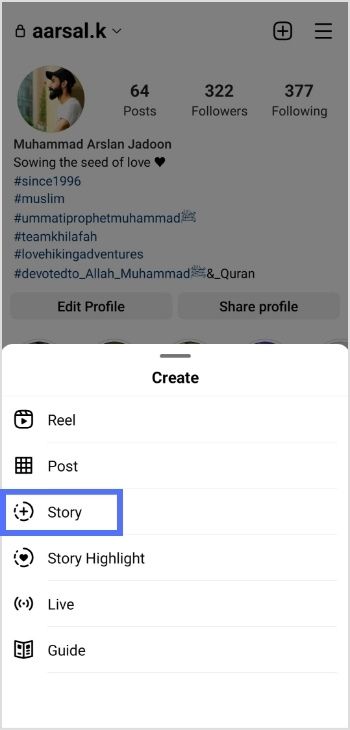
Step 5: Tap the “add (+)’’ sign in the top right corner.
Step 6: Tap “story” to add a new story.
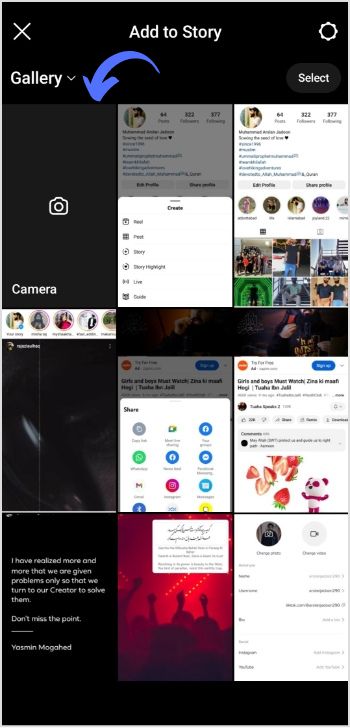
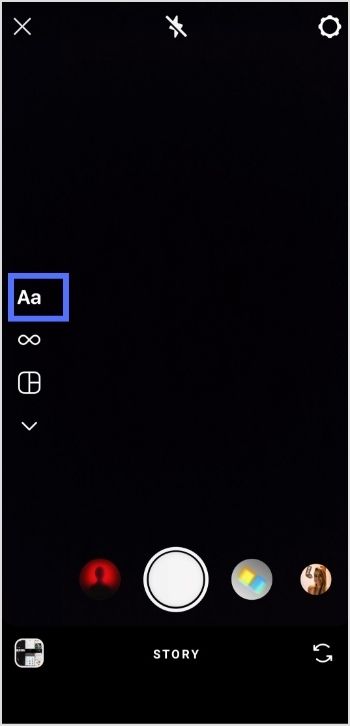
Step 7: Tap the “camera” from different gallery options.
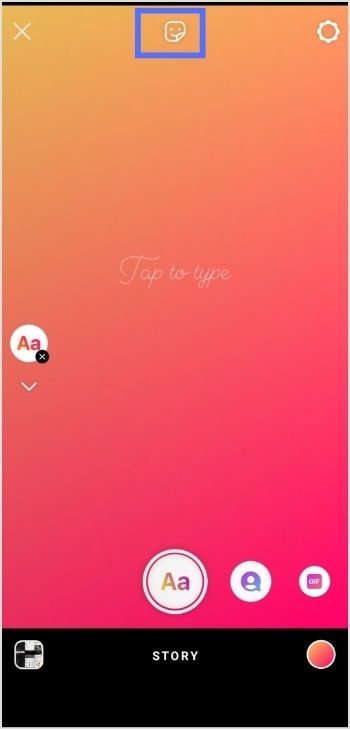
Step 8: Tap “create or Aa” for a new story.
Step 9: Tap the “sticker icon” from the screen’s top.
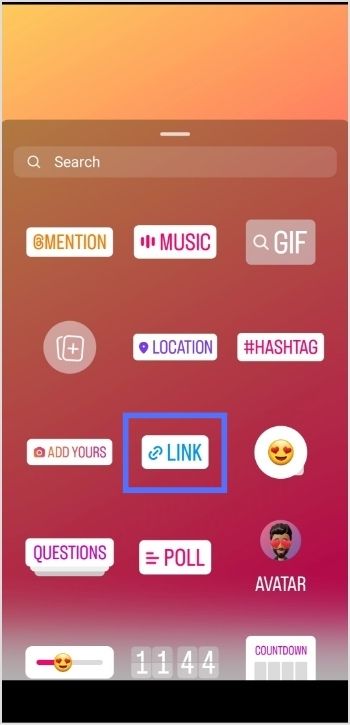
Step 10: Tap the “link sticker” from the options.
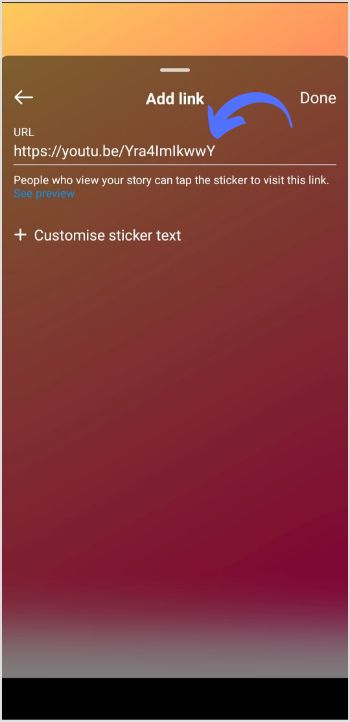
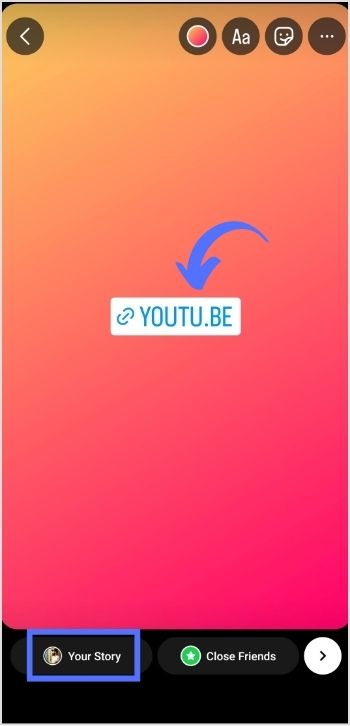
Step 11: Add link screen will open. Paste the YouTube video URL in the URL field and tap done.
Step 12: Tap “your story,” and your YouTube video link will be posted in your Instagram stories.
Point to note:
Adding YouTube links to Instagram stories can increase the visibility and reach of YouTube content and drive more traffic to a YouTube channel. This can benefit creators looking to grow their audience and expand their brand. Additionally, it allows viewers to access and watch YouTube videos directly from the Instagram app, making the viewing experience more seamless and convenient. Adding YouTube links to Instagram stories can be a valuable strategy for growing a YouTube channel and engaging with viewers on both platforms.
Frequently asked questions
How To Put Youtube Link In Instagram Bio?
To add a YouTube link to your Instagram bio, you need to have a YouTube account. Also, the link to the YouTube video or channel you want to share. Once you have that, follow these steps:
1. Open the Instagram app and go to your profile. 2. Tap the “Edit Profile” button. 3. In the “Website” section, enter the link to the specific YouTube video or channel you want to share. 4. Tap “Done” to save the changes to your profile. 5. Return to your profile and see the YouTube link in the bio section.
It wasn’t long ago that TikTok was dismissed as just another fleeting trend, but today, it stands shoulder-to-shoulder with the biggest names in social media.
Its ability to drive engagement, spark conversations, and create overnight sensations has made it an essential platform for brands, influencers, and everyday users alike. No wonder this short, vertical video platform has over 1.04 monthly active users!
If you’re looking to attract more eyes to your profile, optimizing your TikTok bio is a must. For a quick and easy way to manage all your profile links, consider Replug.io (a go-to platform for organizing bio links and shortening URLs hassle-free).
A well-crafted bio isn’t just about introducing yourself; it’s a powerful tool to drive traffic to your website, landing page, or other social platforms. If you want to keep your bio-link clean and easy to share, use this link-in-bio tool to create a compact bio page that looks neat and drives clicks.
To help you further stand out, we’ve compiled a list of creative TikTok bio ideas and hacks that can boost your visibility and engagement.
Without further ado, let’s dive in!
Here are some TikTok bio ideas to inspire you and help you gain more views and followers.
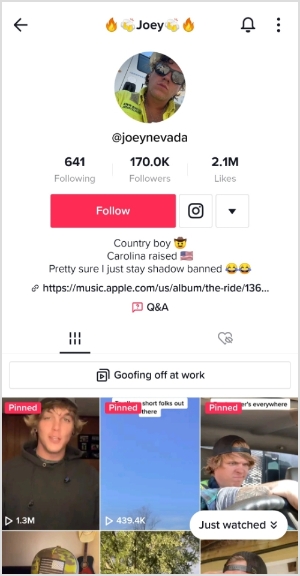
Joey shows self-pity in his TikTok bio using a bit of humor. This TikTok bio seems a little sarcastic but doesn’t attack anyone. Therefore, this makes it quite hilarious.
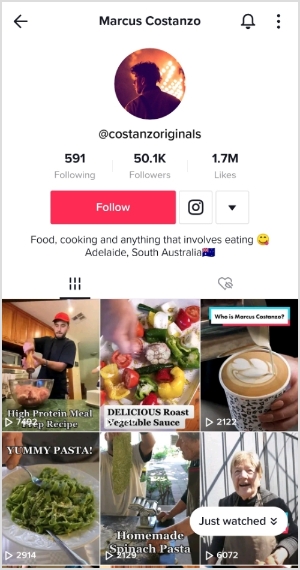
Marcus has quite a funny TikTok bio. It says, “food, cooking, and anything that involves eating,” which cracked me up.
The best thing about this TikTok bio was that it explained what the creator of the account is all about, but in a funny way. It sure is one of the funniest TikTok bio ideas I have ever read.
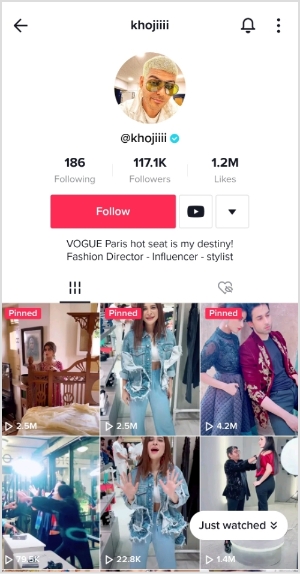
Khojiiii is a fashion expert. However, he came up with quite a motivational TikTok bio that anyone can take inspiration from. He says, “VOGUE Paris hot seat is my destiny.”
Well, some self-help experts and motivational speakers suggest writing down your goals somewhere. And that’s a practical example of that. I found this TikTok bio quite motivational, though.
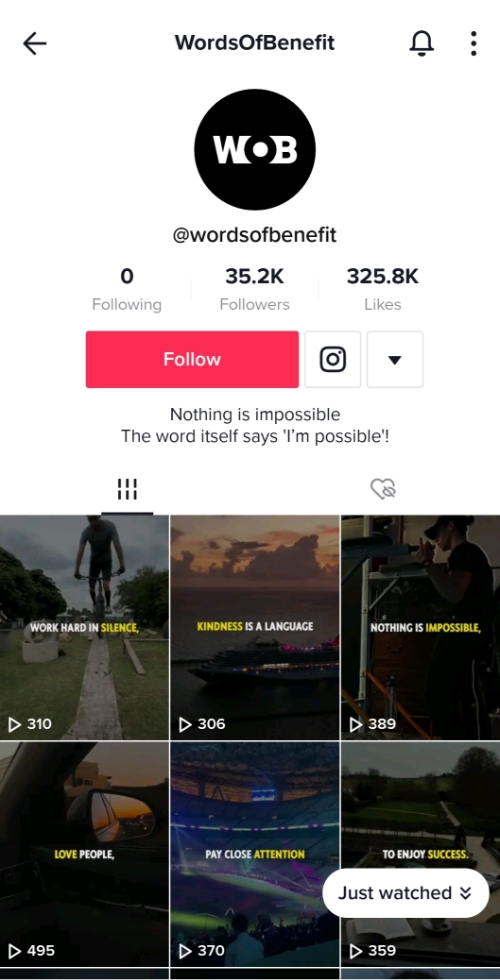
The “Words Of Benefits” TikTok account has a fascinating bio. It goes, “Nothing is impossible. The word itself says I’m possible.” This TikTok bio is simple yet meaningful and deep. No wonder it has made it to the list.
The motivational and self-help social media accounts must have thought-provoking, meaningful, and brief bios so that they’re quick to read and understand. This is surely one of these TikTok bio ideas.
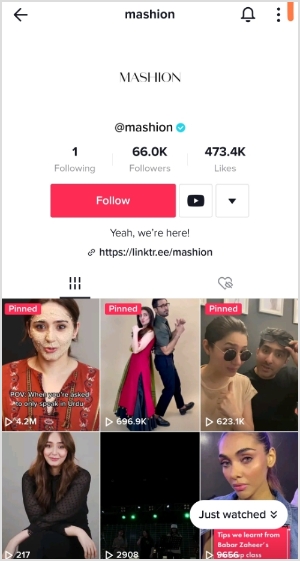
Mashion is a lifestyle and fashion news and updates platform. Their TikTok account has quite a stylish bio. It says, “Yeah, we’re here.”
It’s short, catchy, and entertaining. Isn’t it? The takeaway from their bio is that one can have a brief and to-the-point TikTok bio that grasps the audience’s attention.
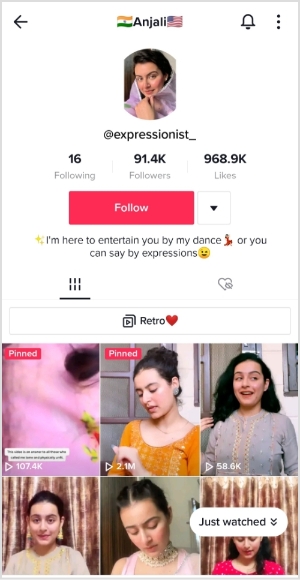
Anjali is a social media influencer. She has a very crystal clear TikTok bio. It says, “I’m here to entertain you by my dance or you can say by expressions.”
It seems like Anjali does expressions on TikTok, but also loves to dance. I found her TikTok bio quite stylish and entertaining.
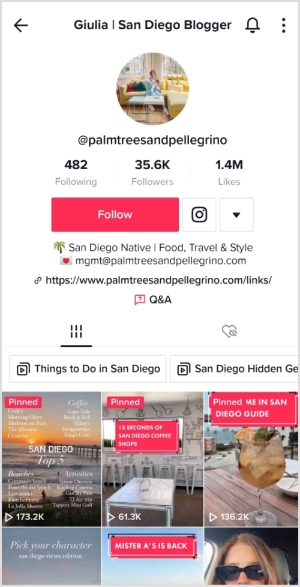
Guilia is a lifestyle blogger and content creator. She has mentioned “food, travel, and style” in her TikTok bio, which pretty much explains everything about her social media presence.
Most lifestyle influencers put out content about fashion, food, and travel. It allows them to collaborate and work with several brands along the way.
Romary is a food and lifestyle content creator on TikTok. Her TikTok bio says, “lifestyle, fashion, and food.” She often posts videos and photos about food.
I liked the way most lifestyle bloggers and influencers use food to create content and attract the audience. No wonder restaurants and food companies work with these TikTokers.
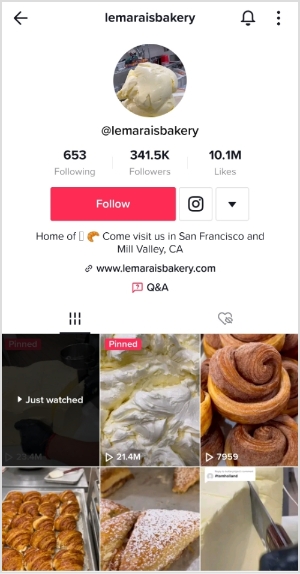
Le Marais is a bakery with branches in San Francisco and Mill Valley. They have quite a foodie TikTok bio. It says, “Home of (Croissant emoji). Come visit us in San Francisco and Mill Valley, CA.”
Since they have a bakery in their TikTok handle and the croissant emoji in their TikTok bio, it’s not difficult to figure out that they’re in the food business.
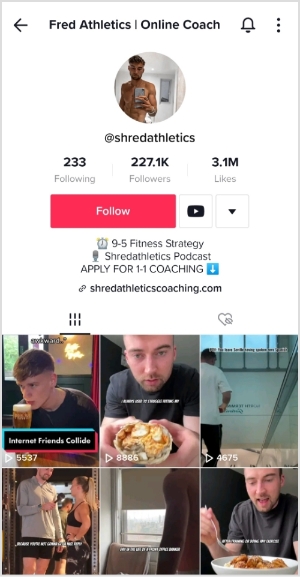
Fred is a fitness expert and coach. He has a fitness-related podcast called Shredathletics podcast. Plus, he also offers a 1-on-1 coaching program.
It looks like Fred has figured out the TikTok platform as he is making the most of the TikTok bio opportunity. He hasn’t bombarded his TikTok bio with loads of info but still manages to share three entities.
Kaitlin York
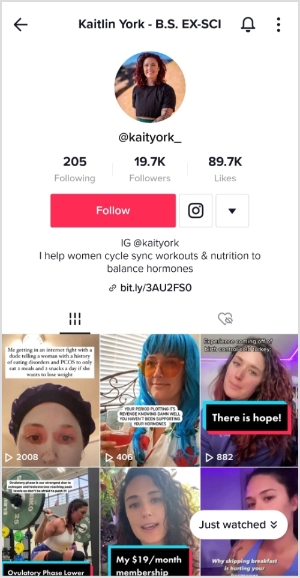
Kaitlin is a fitness expert and nutritionist who guides women on balancing hormones and suitable workouts.
Kaitlin has mentioned her Instagram handle in the TikTok bio. Plus, she has written quite a brief yet helpful TikTok bio line, which makes the viewers understand what exactly she does.
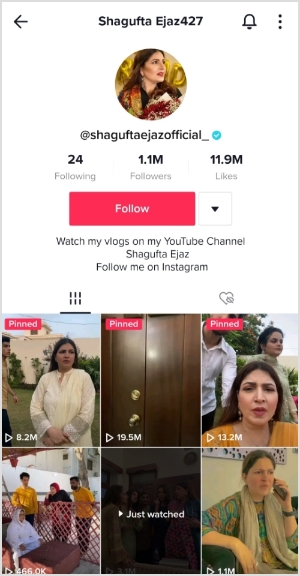
Shagufta Ejaz is a veteran TV actress from Pakistan. She has been creating a buzz on TikTok for the past few months.
Shagufta knows how to cross-promote social media channels to grow its followers. Her TikTok bio is quite a great example of cross-promoting social media accounts as she is promoting her YouTube channel and Instagram account.
However, the links for both platforms are missing out in her TikTok bio, but it still counts as a cross-promotion.
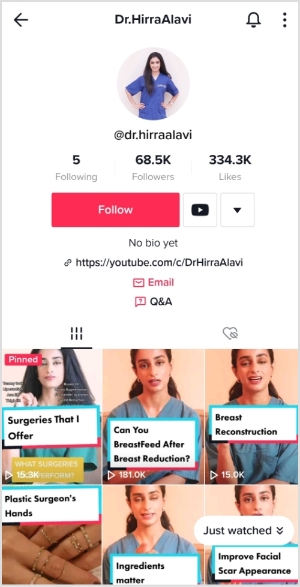
Dr. Hirra Alavi is a TikTok influencer. She came up with a rather creative TikTok bio. Her bio says, “No Bio Yet.” Furthermore, she added a YouTube channel link right away.
Even though her bio says that there is no bio yet, she still has a bio written on her TikTok profile. It’s a smart strategy to drive the audience toward the YouTube channel right away.
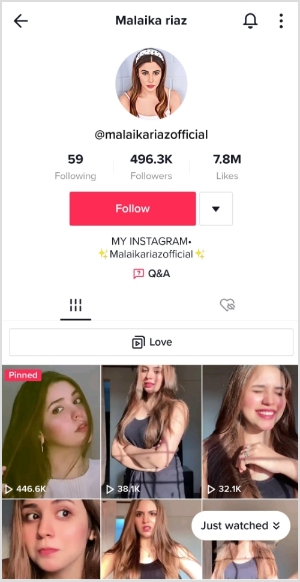
Malaika Riaz
Malaika Riaz is a TikTok creator from Pakistan. She only has her Instagram handle mentioned in her TikTok bio. That’s another example of a cross-promotion strategy as she directs her TikTok followers to the Instagram profile.
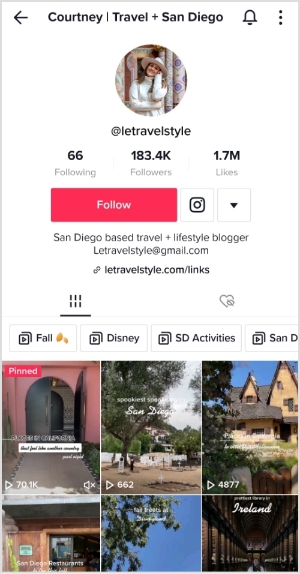
Courtney is a lifestyle blogger and traveler. She has a short, but clear TikTok bio. It says, “San Diego based travel + lifestyle blogger.” Plus, she goes on with adding her email address and website URL.
Influencers like Courtney often collaborate with San Diego marketing agencies, leveraging their local expertise to build partnerships with brands and businesses looking to expand their reach in the regional market.
The point is that Courtney knows how to maximize the TikTok bio opportunity. Not only does it explain what her brand is all about, but she also adds her email address and a bio link that leads to all important links.
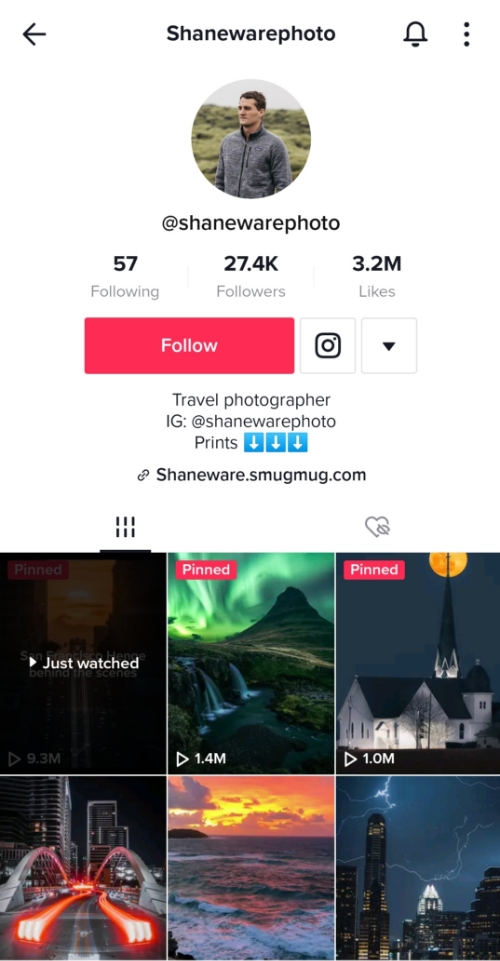
Shane is a travel and landscape photographer based in Austin, Texas. He has quite a simple yet attractive TikTok bio. It says, “Travel Photographer” on the first line, and then there is Instagram handle afterward.
So Shane is using the TikTok platform to showcase his photography as well as pointing the audience to buy his photographs via the link in the TikTok bio. Kudos to this smart move.
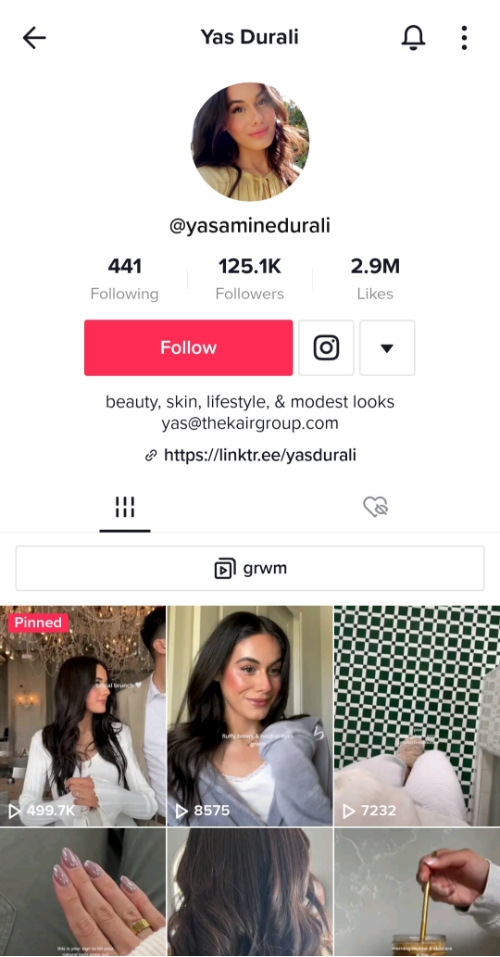
Yas is a lifestyle influencer. Her TikTok bio says, “skin, beauty, lifestyle, and modest looks.” Then, she got her email address mentioned beneath the first bio line.
Besides adding the Instagram handle to the default social media place on the TikTok profile, she also has a short bio link for more links in the add a website section of TikTok. It shows she knows how and where to drive traffic from TikTok.
So these were 15 TikTok bio ideas or examples to learn or take inspiration from for adding your TikTok bio. It’s always good to look up to the influencers and social media experts as compared to going blindfolded.
Are you uploading TikTok videos for a while and looking to get more views? First things first, you got to be smart about TikTok ideas to pull this off.
We’ve got you covered. All you need is a handful of tried and true TikTok bio hacks to turn things around.
Here are some of the tips and techniques for improving your TikTok bio:
How to drive traffic using your bio?
TikTok can surely be a website traffic source for brands, influencers, and experts. All it requires is the know-how to drive traffic. Since we’re discussing TikTok bio hacks, here are some of the things you could do to open the traffic flood-gate through TikTok:
Add your URL to the TikTok bio
TikTok bio is one of the undervalued real estate on social media. To start on the right foot, you must first add the URL where you want to drive traffic to from TikTok. Use the TikTok bio to make it happen.
Don’t clutter your TikTok bio
Most beginners who try to cash in on any social media profile bio make a common mistake, which is cluttering their bio. Bombardment your TikTok or Insta bio won’t help you. The reason is that you won’t properly point the visitors in the right direction.
Create videos relevant to your offer
One of the problems with the TikTok bio is that the content lacks relevancy. To make your TikTok bio work, you should start creating highly relevant and suitable content. Stick to your niche and try to help or entertain your audience with relevant content.
Collaborate with other TikTokers
Collaboration is a key to getting more attention on social media as it helps creators meet like-minded audiences. It’s the social media growth hack almost every social media influencer uses to grow. You’d find Instagram, TikTokers, and YouTubers collaborate with other creators because they know the importance of collaborating with other creators.
Point viewers to the TikTok bio
If you want to effectively drive people to your landing page, website, or sales page from TikTok, try pointing viewers to your TikTok bio. You could ask the viewers at the end of the video or just use the in-video text or description to tell the audience about the link in the bio.
Engage with the audience
Engagement fuels attention on social media. Plus, most social media platforms boost the reach of a profile that gets attention from the audience. One of the best ways to get attention is to have conversations through comments and DMs. If you want to drive visitors through TikTok bio, make sure that you’re getting some engagement on the platform.
Adding a bio to your TikTok account is not rocket science. However, you should know how important this section could be for growth hacking.
It doesn’t matter if you’re on TikTok to generate leads, build an email list, go viral, or drive website traffic – whatever target you’ve set, the TikTok bio would come in handy.
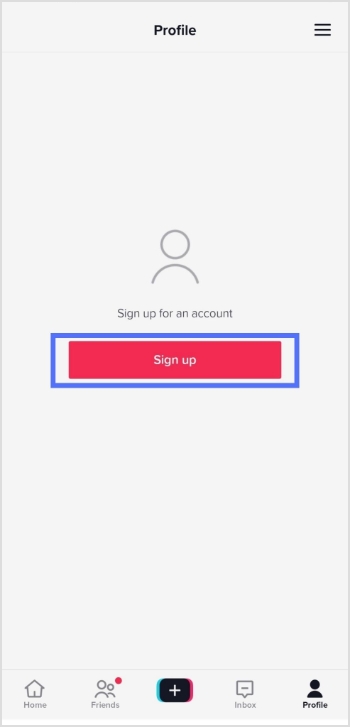
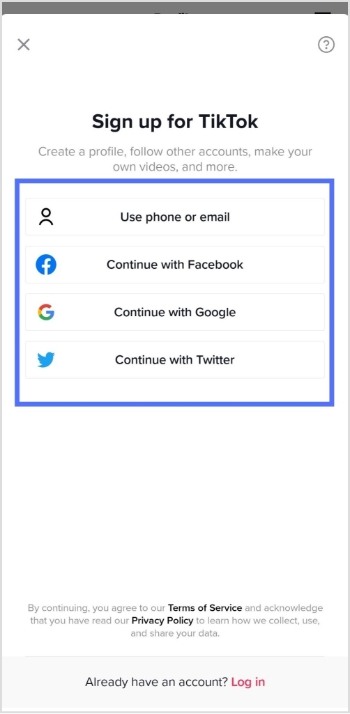
Here’s a simple five-step process for adding a bio on TikTok:
Open your TikTok app to get started with the process. (You could instantly get distracted by the music video or a funny skit, so stay focused).
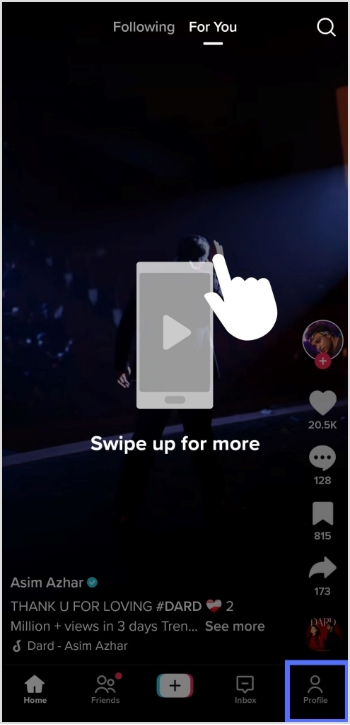
Go to your profile to access the profile area, look at the profile option at the right bottom of the screen. Tap on the profile button to move forward.
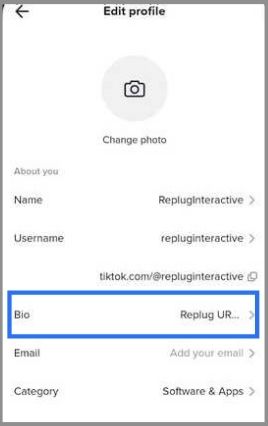
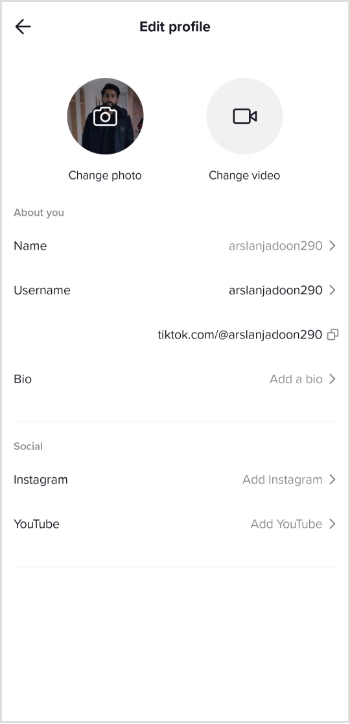
Click on the “Edit profile” button on your profile to add a TikTok bio.
Tap on the “Bio” option; the new window would appear. Write down the TikTok bio. You could add up to 80 characters to your TikTok bio.
Save the bio once you’re done writing it.
That’s how you can add your TikTok bio.
How to Write a Call-to-Action for your TikTok Bio?
If you’re wondering what to write in your TikTok bio, then this section is tailored-made for you. Writing a random bio won’t make a difference unless there is a call to action with proper reasoning.
However, there are always some exceptions, for instance, if a TikToker goes viral, then any link in the TikToker’s bio would get some clicks no matter what.
Similarly, if a celeb adds a charity or donation link to the Instagram or TikTok bio, people would sure check it out.
Example: Casey Neistat – Donations Call
Casey Neistat is a popular filmmaker and YouTuber from New York City. He once shared the story of his friend in a video – A UPS delivery guy who needed money. Neistat’s followers donated a lot of money to the cause.
Precise yet meaningful: A short bio often gets the attention of the audience. Keep your TikTok bio short and precise so that the audience doesn’t bypass it.
Relevant to the audience: Writing some that the target audience doesn’t understand won’t help here. Always try to write a call-to-action in your TikTok bio that’s relevant to your audience.
Irresistible offer: Make your offering so attractive that it becomes hard to resist. Influencers and experts add coupon codes or affiliate links to their social media bio to monetize their social media presence.
Short and sweet links:Long and clunky URLs often push people away. Try using branded short URLs for your TikTok bio links.
Crystal clear meaning: Some social media users add unnecessary jargon to their social media bios to make them look good. As a result, it decreases their click-through rate on social media bio links. Both the social media bio and call-to-action must be understandable for everyone.
This is the right or wrong way to write a good call-to-action for TikTok bio. However, the above-mentioned tips would help you craft a perfect call-to-action for your TikTok bio.
How to add your other socials to TikTok?
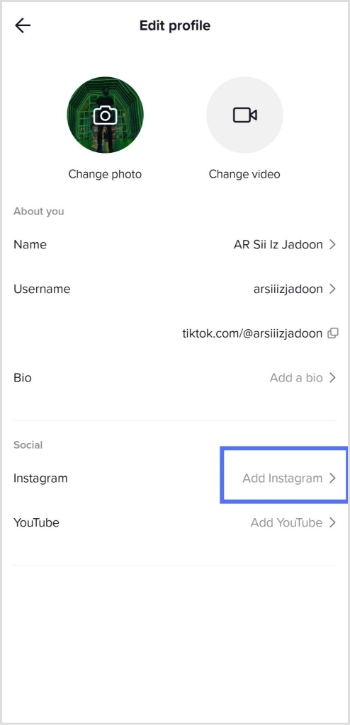
TikTok allows you to add your Instagram and YouTube links to your TikTok account bio. Once you add other socials to your TikTok account, they’ll appear on your TikTok profile.
A four-step process of adding other social handles to your TikTok profile:
Log in to your TikTok account to get started with the process. If you’re already logged in to your TikTok account, move on to the next step.
Open your TikTok profile. The profile option is available at the right bottom of the app. Tap on the profile button to access your TikTok profile.
Tap on the “Edit profile” button on your profile to start the profile editing process. Once you tap that button, it’ll take you to the settings area to edit the profile.
Scroll down to the social section. Tap on the YouTube and Instagram options to add the respective social media accounts. TikTok ensures that TikTokers could display their Instagram and YouTube handles on their TikTok profile.
Driving traffic from TikTok or capitalizing on the TikTok bio isn’t the problem. The only challenge is to establish a TikTok brand. When followers start to enjoy your content and become loyal followers, everything seems doable.
If you ever wish to start TikTok to make money or dominate the competition on social media through TikTok, try sticking to your basics.
The following three key elements will make a huge difference:
Picking a suitable niche
It all starts with the right niche. You can’t predominantly put out content if you aren’t confident about your expertise or passion. The solution is that pick something you’re good at or extremely interested in so that you could keep going no matter what.
Posting consistently
Consistency is the key to success on social media regardless of the social media platform. Don’t start a TikTok account unless you’re not sure about your niche. Figure out your niche first, and then get to work. This way, you would be able to post content for a long time.
Establishing a brand
Once you start enjoying the content creation process, you’re on the track to take off. Try understanding the power of brand building once you’re getting some attention on the platform.
An established social media brand won’t worry about using a short URL or normal URL in the bio; they’d know that followers will click on it anyway. However, it won’t hurt and is a much better practice to use a branded TikTok link in bio.
So these three key elements would immensely help anyone who wants to get big on TikTok.
Furthermore, don’t overlook establishing a bullet-proof TikTok content strategy to make sure that you’re off to a good start.
Capitalize on the opportunities the TikTok platform has to offer? Good luck!
Frequently asked questions
What is a good bio for TikTok?
A good bio for TikTok should be brief, catchy, and informative. Here are some tips to help you write a great TikTok bio: Keep it short Highlight your niche Show your personality Use keywords Add links Keep it updated
What can’t I comment on TikTok bio?
TikTok has recently introduced measures to restrict certain keywords in user comments, such as “shop”, “link”, “bio”, and “Instagram”. If you include these keywords in your comments, they may be subject to censorship or removal by TikTok. This is part of TikTok’s efforts to combat spam and ensure a positive and safe environment for its users.
Where is TikTok bio?
Your TikTok bio is a short description of yourself or your account that appears at the top of your profile.
HTTP 302 status code is a temporary redirect that indicates the requested resource has been temporarily moved to a new URL.
URL shorteners use HTTP 302 redirects to temporarily redirect users from the original long URL. This helps to track clicks, gather analytics, and manage link lifecycles
HTTP 302 redirects can have a positive impact on SEO by preserving backlinks, improving user experience, and maintaining search engine rankings.
You may have experienced HTTP code 302 if you’ve ever visited a website and been redirected to a different page or domain. In this blog post, we’ll define HTTP 302, explain how it works, and discuss recommended practices for using it.
To manage and shorten your own links with reliable redirects, many developers and marketers turn to Replug.io!
What exactly is HTTP 302 status code?
HTTP 302 is a status code that indicates that a client’s request has been temporarily redirected. When a client asks a server for a resource, the server may answer with an HTTP 302 status code and a new location where the resource can be found. To obtain the resource, the client then submits a new request to the new location.
Importance of understanding HTTP status codes
Understanding HTTP status codes is vital because they are required for keeping a well-performing and optimized website. Further, understanding the meaning of various status codes allows website owners and developers to rapidly diagnose and resolve issues such as broken links or server faults.
HTTP status codes are also significant in search engine optimization (SEO). When a search engine crawls a website, the status codes are used to determine the status of each page. To understand HTTP status codes like HTTP 302 is also vital for improving user experience. If a person gets diverted to a different place and does not understand why, they may feel puzzled or upset.
Website owners and developers may guarantee that users enjoy a smooth and seamless experience by giving clear and succinct status codes.
In conclusion, understanding HTTP status codes, such as HTTP 302, is critical for keeping a well-performing and optimized website, as well as for SEO and user experience.
Website owners and developers may guarantee that their websites stay speedy, user-friendly, and search engine optimized by following best practices for managing HTTP 302 redirection.
When a client (for example, a web browser) submits a request to a server for a resource (for example, a web page), the server may respond with an HTTP status code of 302 and a new URL where the requested resource may be accessed. This updated URL is often given in the response headers in the “Location” field. To obtain the resource, the client then submits a new request to the updated URL.
The server may utilize HTTP 302 for a variety of reasons, including redirecting users to a temporary landing page while a website is being maintained, diverting traffic away from an overcrowded server, and so on.
Overall, the HTTP 302 status code is an important aspect of how web servers and clients communicate about the location of requested resources, and it plays a crucial role in ensuring that users have rapid and easy access to the information they require.
How does the 302 code differ from other HTTP status codes?
HTTP status codes are a standardized means for web servers to send to a client’s browser information about the outcome of a request. The HTTP 302 status code is one of many that are used to send various types of information.
A “Found” HTTP 302 status code indicates that the requested resource has been temporarily relocated to a different URL. When a client submits a request to a server and receives a 302 status code response, the client’s browser will immediately redirect the user to the new URL given in the response header.
This is typically used when a website has been relocated to a new domain or when a page has been temporarily moved or deleted for maintenance.
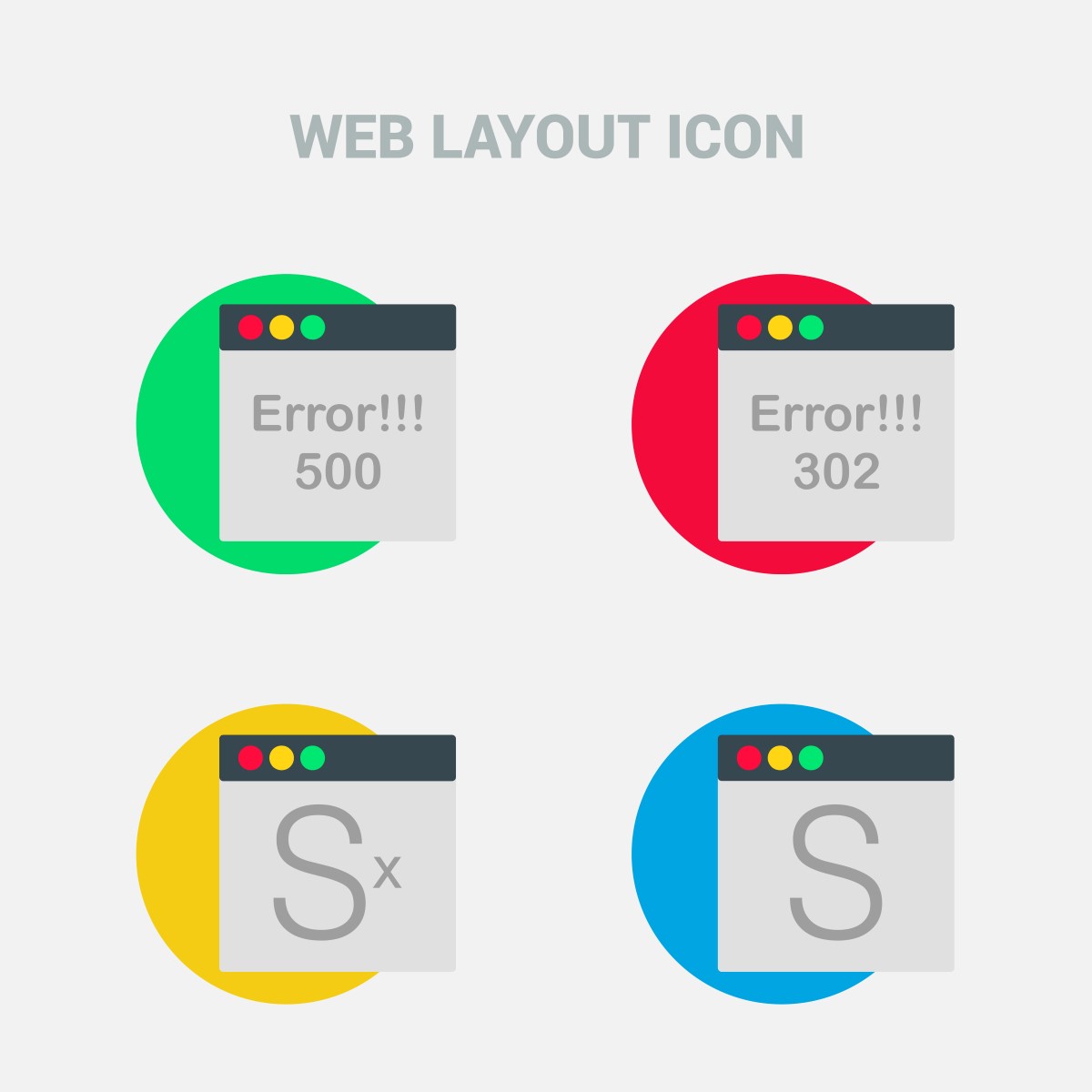
Other HTTP status codes provide other sorts of information. A 200 status code, for example, indicates that the requested resource was successfully located, whereas a 404 status code indicates that the requested resource could not be located. A 500 status code indicates that an issue occurred while the server was processing the client’s request.
When to use HTTP 302 redirects?
Here are some examples of why an HTTP 302 redirect could be useful:
Temporary Page Unavailability: If a webpage is temporarily inaccessible or undergoing maintenance, you may use an HTTP 302 redirect to transfer viewers to a temporary page informing them of the issue. This can assist to enhance the user experience and avoid people from receiving 404 errors.
Product Availability: If a product is temporarily out of stock or unavailable, you may redirect consumers to a comparable product or a waitlist page using an HTTP 302 redirect. This can assist to increase user engagement and decrease bounce rates.
Site Migration: When migrating your website to a new domain or URL structure, an HTTP 302 redirect may be used to temporarily redirect users and search engines to the new URL. This can help you keep backlinks and avoid 404 issues while also updating the URL structure of your website.
A/B Testing: If you’re doing an A/B test on your website, you may split traffic between multiple variants of your page by using an HTTP 302 redirect. This enables you to test many versions of your page without compromising SEO or user experience.
Temporary Promotions: If you’re holding a temporary promotion or sale on your website, you may redirect customers to a landing page that explains the deal using an HTTP 302 redirect. This can aid in increasing user engagement and driving sales.
The role of HTTP 302 code in the performance of URL shorteners
URL shorteners frequently utilize 302 redirects. When a user clicks on a shortened URL, the server responds with a 302 status code and the new URL in the response header, causing the user’s browser to redirect to the original URL.
Here is a general overview of how this process works:
The user enters a long URL into the URL shortening tool.
The URL shortening tool generates a unique, shortened URL for the long URL and saves both URLs in its database.
When a user clicks on the shortened URL, the server hosting the link shortening tool responds with a 302 status code and the original, long URL in the response header.
The user’s browser then automatically redirects to the original, long URL.
Note: By using a dedicated link shortener, you can generate clean, branded URLs that rely on 302 redirects, giving you both flexibility and tracking capabilities.
Advantages of using 302 redirects
The usage of a 302 redirect in this procedure offers various advantages, such as…
One advantage is that it allows to simply alter or update the redirection in the future without affecting any current links that are utilizing the abbreviated URL.
For example, if the long URL or the website domain changes, the URL shortening tool’s database may be updated to redirect the abbreviated URL to the new address, and all old links will continue to function normally.
Another benefit of employing a 302 redirect is that the URL shortening service can measure clicks on the reduced URL. Because the user’s browser instantly redirects to the original URL, the URL shortening service can track how many times the abbreviated URL is clicked and utilize this data for analytics or other reasons. Overall, using a 302 redirect is a frequent and successful method for URL shortening providers to transfer consumers from a short URL to a larger, original URL while still providing flexibility and click monitoring.
Lastly, it also has positive impacts on SEO i.e. preserving backlinks, providing flexibility, improving user experience, and speeding up the redirect process. Lastly, a HTTP 302 redirect can help maintain a website’s authority, relevance, and search engine rankings.
What impact does HTTP 302 status code have on SEO?
Backlink Preservation: When a webpage is relocated, establishing a temporary 302 redirect can assist maintain backlinks that point to the old URL. The search engine can follow the redirect and credit backlinks to the new URL, which can help the website keep its authority and relevancy.
Flexibility: The HTTP 302 status code is a versatile redirect that enables webmasters to make temporary adjustments to their website without affecting the URL structure. This might be handy when a website is being maintained or a page is temporarily inaccessible.
Improved User Experience: When used properly, the HTTP 302 status code may provide a consistent user experience by redirecting users to appropriate information. If a user clicks on a product that is temporarily out of stock, an HTTP 302 redirect might take them to a comparable product or a waitlist page. This can assist increase user engagement and decrease bounce rates, which can enhance search engine rankings.
Enhances Speed: HTTP 302 redirects are reasonably fast since they do not require a fresh DNS query or TCP handshake. This guarantees that consumers are swiftly routed to the new URL, which can enhance both user experience and search engine results.
Easy to Implement: Setting up an HTTP 302 redirect is simple and needs no technical knowledge. This makes it usable for webmasters who may not be well-versed in site building or server management.
URL shorteners can use 301 redirects, but it is not recommended for a few reasons.
To begin, a 301 redirect is a permanent redirect, indicating that the original URL has been permanently relocated to a new destination. This is not always the case when using a URL shortener because the abbreviated URL may be connected with a specific campaign, event, or other transitory purpose. In this case, if a 301 redirect is utilized, search engines and other online services may continue to route consumers to the original URL long after the campaign or event has concluded, resulting in a bad user experience.
Second, temporarily employing a 301 redirect might have bad SEO repercussions. A 301 redirect may be seen by search engines as a signal that the original URL has been permanently relocated, and any authority or link equity connected with the original URL may be transferred to the new URL. If the original URL is restored later, search engines may take some time to identify it as the canonical URL and restore any lost authority or link equity.
How to fix and prevent HTTP 302 code errors in shortened URLs?
The following are some measures you may take to resolve the 302 error:
Check the URL:
Make sure you’ve typed the proper URL for the page you’re looking for. A 302 error might be caused by a mistyped URL or a missing character.
Clear the cache in your browser:
Your browser may have cached a previous version of the page, causing the new page to conflict. Clearing your cache may resolve the problem.
Check your redirects:
If you are the website’s owner and are experiencing this issue on your own site, make sure your redirects are working properly. To find problems with your redirects, utilize a tool like Redirect Checker.
Examine your website for malware:
Malware can occasionally generate a 302 error by forwarding users to a malicious page. Run a malware check on your computer and website to ensure they are free of malware.
Check with the website’s owner:
If you’re having trouble accessing a third-party website, the problem might be on their end. Contact the website’s owner to check if there are any known problems or if they can help.
If the problem persists, try viewing the page from a different browser or device. This will assist you in determining whether the problem is particular to your device or browser.
If none of these solutions work, you may need to contact the website’s owner or your web host.
FAQs for HTTP 302 code for URL shorteners
What is the difference between HTTP 302 and 200?
HTTP 302 is a status code that indicates a temporary redirect, meaning the requested resource has been temporarily moved to a different URL. HTTP 200 is a status code that indicates a successful response to a client’s request, meaning the requested resource has been found and returned to the client.
What is a 301 request?
A 301 request is a status code that indicates a permanent redirect, meaning the requested resource has been permanently moved to a different URL. The client should update its bookmarks or links to point to the new URL.
What is HTTP 404?
HTTP 404 is a status code that indicates the requested resource could not be found on the server. This typically means the URL or file path is invalid or the resource has been removed.
What is 302 and 304 errors?
HTTP 302 is a status code that indicates a temporary redirect, while HTTP 304 is a status code that indicates a “not modified” response. A 302 error occurs when a requested resource has been temporarily moved to a different URL, while a 304 error occurs when the client already has a cached version of the requested resource and the server determines that this cached version is still valid.
How many times have you heard the buzzword “deep links” and thought about googling it?
Deep linking has been around for a while, and if you’re a developer working in the tech industry or you have been doing affiliate marketing to make money, then you may know about this.
However, the rest of the readers might not be exactly sure what deep linking is and why they need to learn about it.
Replug users and blog readers are online marketers, affiliate bloggers, digital marketing gurus, web developers, and social media experts.
So, we need to discuss a vital topic in the link management industry to make sure that you don’t miss out on any user engagement opportunities.
Well, this article is going to help you explain what deep linking is and your brand can benefit from deep linking.
So buckle up because you might want to pick a few nuggets from the sections below.
Drive more clicks, conversions, and app installations by deep linking
to your favorite platforms.
Try deep links for free
What is deep linking?
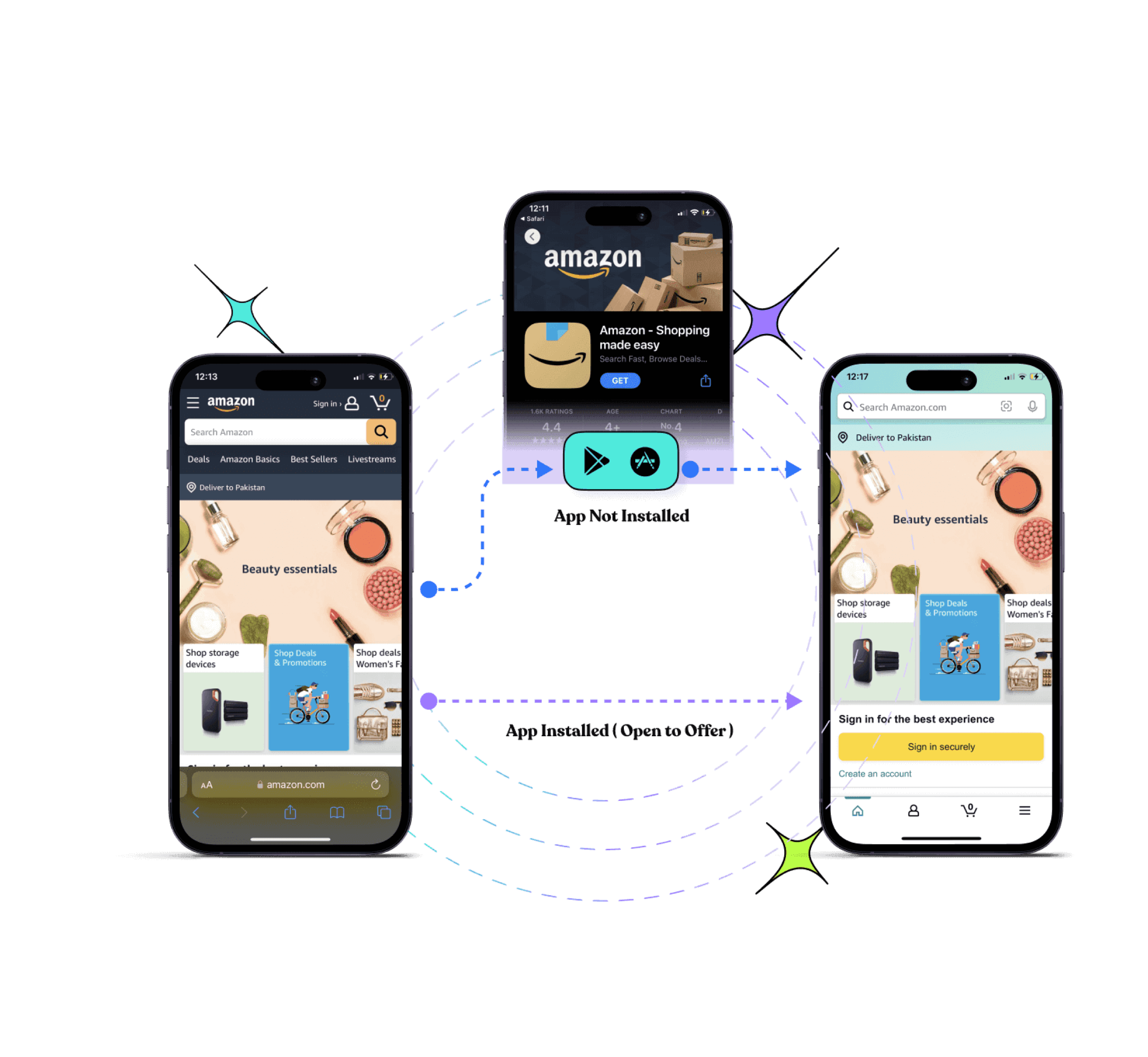
A deep link is a pathway that drives users directly to a specific page or section of the website or mobile app without having to launch the app or open the website from the home page.
In simple words, deep links are administered by marketers or app developers to direct the users to a specific in-app location or website URL before the user decides to take off.
A brief history of deep linking
The concept of deep linking has been around since the early days of the web, but it wasn’t until the widespread adoption of smartphones and apps that deep linking really took off.
Deep linking went mainstream when social media platforms took over the internet marketing realm. In a nutshell, the convenience of linking to specific content or section within an app, rather than just launching the app from the home screen turned things around for this marketing tactic.
Imagine opening an app and going across different sections to reach a specific section within the app. It would surely take a while to do that. Therefore, deep linking is immediately adopted by digital marketers and app developers to improve engagement and conversion.
Importance of deep links
Brands now understand the power of quick user engagement. Therefore, they try to squeeze every marketing channel to attract, engage, and convert the audience.
No doubt, such engagement tactics do wonders for social media marketing along the way. Not only does a deep link improve user engagement, but it also positively impacts the conversion rate.
In 2026, deep links are specifically linked to mobile apps and social media platforms. However, deep linking has been around for a long time.
Pro-bloggers and veteran affiliate marketing would know that many affiliate networks offer a deep linking tool for affiliate marketers to generate deep links to advertisers’/brands’ product pages.
So affiliate marketers copy and paste the landing pages or specific product pages of brands/advertisers into the deep link tools to generate their custom affiliate URLs for their campaign.
Several affiliate networks offer the facility to create a deep link for the specific page of the advertiser’s website. Usually, it’s the landing page or a product page that affiliate marketers want to promote.
Impact Radius is a popular affiliate network that provides a deep linking tool for affiliate marketers. Take a look at the screenshot below:
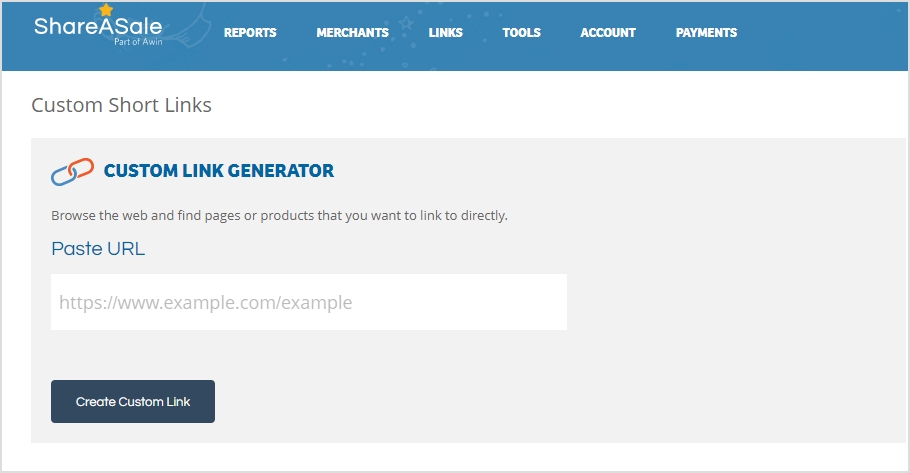
Similarly, ShareASale is another well-known affiliate network that offers a custom link generator, which does the same thing. Here’s the screenshot:
How Does a Deep Link Work?
The way deep links work is that such links are created using a specific URL format that includes the full path to the specific page or content within the website or app.
Suppose a website that has a page with information about a particular product. The URL for the homepage of this website might be “http://www.examplewebsite123.com”, while the URL for the product page might be “http://www.examplewebsite123.com/products/product-name”.
In this case, when the deep link to the product page would be created, the web browser or app will open and navigate visitors directly to the specific product page using the deep link system.
Moreover, in the case of a mobile app, the app may need to be installed on the user’s device in order for the deep link to work properly.
Deep links can be created and used in a variety of contexts, including in emails, social media posts, advertising campaigns, and more. However, they’re widely used in the social media industry mostly by top-tier social media and communication apps.
Why deep linking is so critical in building great mobile journeys?
Deep linking helps brands and influencers create a seo friendly and effective engagement experience that facilities the overall user experience of the prospects and customers.
A great mobile journey is a term that describes how easy and quick the accessibility of a tool or app is for the target audience.
It’s the era of smart devices and mobile communication, so brands might not want to comprise the mobile-first user experience. No wonder companies pay close attention to building responsive websites these days.
Since deep linking assists businesses in providing customers with quick access to resources, it directly influences the conversion rate.
To understand why deep linking is crucial to building a great mobile journey for the audience, it’s important to dive deep into the key reasons to use deep linking for better mobile journeys:
Seamless integration
Deep linking allows for more seamless integration of mobile apps into the overall user experience, as it enables developers to create links that take users directly to specific pages or features within an app, rather than just the home screen. This can help to improve the overall flow and continuity of the user journey.
Intuitive user experience
By allowing developers to link directly to specific content or features within an app, deep linking can help to create a more intuitive user experience, as it makes it easier for users to find and access the information or functionality that they are looking for.
Conversion optimization
Deep linking can be used to optimize the conversion process by allowing developers to create links that take users directly to the pages or features within an app that are most relevant to their needs or interests. This can help to increase the chances of a successful conversion by making it easier for users to find and engage with the content or functionality that they are looking for.
Fast communication
Deep linking can help to facilitate fast communication between apps and websites, as it allows developers to create links that can be used to quickly open specific pages or features within an app. This can help to improve the overall speed and efficiency of the user journey.
User engagement
Deep linking can be used to drive user engagement by allowing developers to create links that take users directly to specific sections or features within an app that are likely to be of interest to them. This can help to increase the amount of time that users spend within an app, and can help to improve the overall user experience.
Customer retention
Deep linking can be used to improve customer retention by allowing developers to create links that take users directly to the features or content within an app that are most relevant to their needs or interests. This can help to keep users engaged with an app and can help to increase the likelihood of them returning to the app in the future.
Benefits of Deep Linking in Mobile Apps
Deep linking has essentially become more useful to social media platforms and mobile applications after the vast adoption of mobile devices globally. The concept seems more like an engagement strategy for mobile users, let’s dive deep into the benefits of deep linking in mobile apps:
Access to location-based content
Deep linking allows you to link directly to a specific location-based page within an app, which can be useful if you want to direct users to content that is relevant to their current location.
Often companies have different versions of the apps or websites, so deep linking helps them navigate the users to the appropriate app or website version based on their country or city.
Personalized user experience
It can be used to provide a more personalized user experience by linking users directly to the content that is most relevant to them or the app version designed for them.
This can be especially useful for e-commerce websites where deep linking can be used to direct users to a specific homepage based on their IP address or other location-detecting parameters.
Target a specific audience segment
Brands and entrepreneurs try to segment their audience whether they’re doing email marketing or social media advertising. Once they successfully do that, it makes it easier for them to reach out to a specific segment of the audience.
This is where deep linking comes in handy when companies and experts can generate specialized deep links based on the credentials of the specific segment.
Speed up the communication
No doubt that deep linking can speed up the communication process by allowing users to access specific content within an app quickly and easily. This can be especially useful in situations where users need to access information quickly, such as when they are trying to make a purchase decision.
Improve conversion rate
By providing a more personalized and relevant user experience, deep linking can help to improve the conversion rate for an app or website. This can be especially important for e-commerce apps, where deep linking can be used to direct users to specific product pages and increase the likelihood of a sale.
You must have noticed that sometimes when you visit a rather big e-commerce store, it automatically detects your country or sometimes directs you to your country-specific online store version.
Improves search engine discoverability
One of the key benefits of deep linking is that it also allows search engines to easily index and rank specific pages or content within a website or app, which can lead to better search engine optimization (SEO) and improved discoverability.
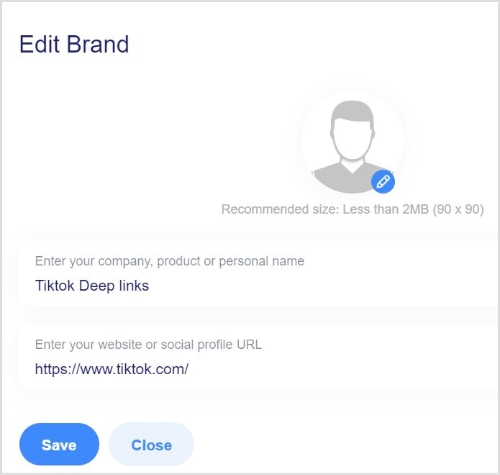
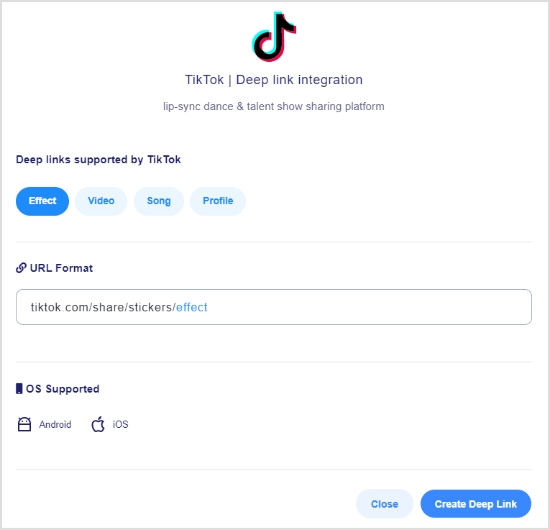
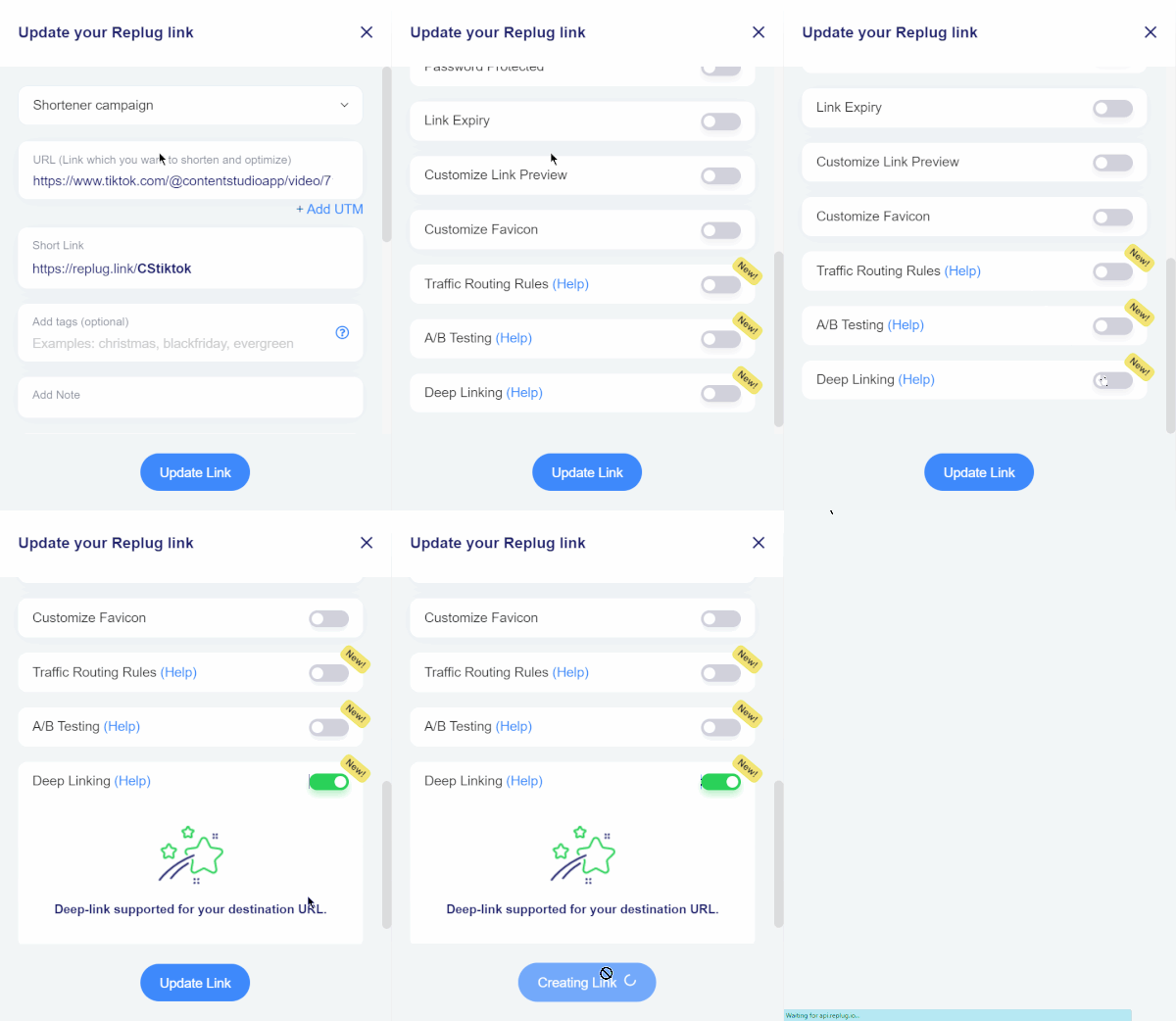
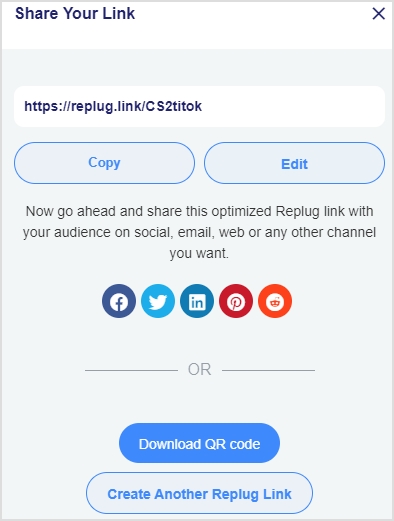
One of the features of Replug is deep linking. I’ll use the TikTok example, meaning I’ll create a deep link for a TikTok video just to showcase how it’s done.
If everything goes perfectly, the short URL will be created as a deep link and it would open the same TikTok video in the TikTok app on clicking on that short link.
Once you successfully create your campaign in the Replug account, go to the deep links area.
To access the deep links section, click on the profile icon from the top left of the dashboard and then click on the “deep links” option.
Step 4: Choose the platform
This is the step where you’d have to choose the platform for the deep link campaign. After landing on the deep links section page, there will be dozens of options across different categories.
Click on the icon of the platform you want to create your deep link for, for instance, TikTok or Pinterest. Once you click on the platform icon, a popup window would appear.
Step 5: Adjust the formatting
The popup window as shown in the above image would be a deep link integration area where you get a chance to adjust the formatting of the deep link.
Moreover, this integration area would also showcase different available deep link formats/options for each platform.
Once everything looks okay, just click on the “create deep link” button to go ahead.
Step 6: Create a deep link-enabled short URL
The last step is also crucial to the whole deep link creation process. It’s the section where you input the associated URL as well as choose the appropriate campaign.
When everything goes smoothly, there shouldn’t be a problem. Turn on the deep link option for the link using the toggle, just in case.
Also, makes sure that the deep link is supported for the URL. Fix the URL formatting if the deep link is displaying an error.
Once everything seems okay, go ahead and save the link. Now you have created a deep link for your favorite social media platform.
As I said earlier that if everything works out fine, the short link would be used as a deep link and it would open the TikTok video in the TikTok app. I tested this short URL and it did open the TikTok video in the TikTok app.
Try it yourself: https://replug.link/CS2titok
FAQs about deep links
What happens when the user is deep linked into an app they don’t have installed?
When a user clicks on a deep link but doesn’t have the relevant app installed, then there are two possibilities that could happen depending on the platform or app. The deep linking system would either open the web version of the app or take you to the relevant app store to install the specific app.
Deep link vs. hyperlink – what is the difference?
A deep link is a mobile link that directs the user toward the relevant app instead of the website. Whereas the hyperlink is a link that sends the website visitor to the specific page or website it’s linking to using a web browser regardless of the device.
What is the biggest benefit of deep linking?
The most important one is that it provides end-users with quick access to the content within the app or website.
Creating a TikTok account can offer a number of benefits depending on your goals and interests. It’s a great way to discover and view the latest and trendiest videos, from funny memes to lip-syncs to dance challenges.
Additionally, TikTok provides a platform for users to showcase their creative talents and share their own videos with a wide audience. It can also be a great way to connect with others who share similar interests and hobbies.
Businesses and brands can also benefit from TikTok by connecting with their target audience. Thus, creating effective marketing campaigns and allowing users to purchase products directly from the app.
It can also be used for personal brand building by consistently creating and sharing engaging content. In addition, you can build a following and establish yourself as an expert in your field.
Overall, having a TikTok account can be a great way to connect with others, and grow your personal or professional brand.
How to create a TikTok account?
Step 1: Download the TikTok app from the App Store (iOS) or Google Play Store (Android).
Step 2: Open the app and tap the profile icon in the bottom right corner.
Step 3: Tap the sign-up button and choose how you like to sign up.
Step 4: Select how you want to create your account, either by using a phone number, or email address, or through a third-party account (such as Facebook or Google).
Step 5: Fill in the required information, including your name, birthday, and phone number.
Step 6: Once your account is created, you will be prompted to fill in your profile information.
Step 7: You can also customize your account by selecting your preferred privacy settings, and connecting your other social media accounts.
Once you’ve finished customizing your account, you can start browsing and creating TikTok videos.
Note: You must be at least 13 years old to create a TikTok account.
For those of you who are into managing multiple links, whether for social accounts, content hubs, or marketing campaigns, Replug makes it much easier to organize, track, and optimize every URL from a single dashboard.
FAQs
Is making a TikTok account free?
Yes, making a TikTok account is free. Users can create an account using their email address, or phone number, or by connecting to their Google or Facebook account.
Does TikTok pay you?
TikTok has a monetization program called the TikTok Creator Fund that pays creators based on their engagement and the number of views they receive on the platform. To be eligible for the Creator Fund, a user must have a minimum of 1,000 followers and meet other requirements set by TikTok. Additionally, TikTok also allows creators to monetize their content through brand partnerships and sponsored posts.
Many people share YouTube videos to introduce others to new music, movies, or other content they have discovered and enjoyed. Sharing YouTube videos can be a great way to connect with others and share your interests and passions.
Deep links allow you to share a specific point in a YouTube video rather than just the video’s main link. This can be useful if you want to share a specific video section, such as a specific song or scene.
Additionally, deep links can allow users to bypass ads or other content at the beginning of a video.
You can share YouTube videos with deep links from your mobile device or computer. Follow the steps below to get started:
How to share YouTube videos with Deep links on mobile phones:
Step 1: Open Youtube from your mobile phone and play the video you want to share.
Step 2: Tap the share button below the video you played.
Step 3: Tap copy link to copy the link and add a deep link feature to your link.
Maximize marketing ROI
by transforming ordinary URLs into branded short links that convert.
Try Replug for free
Step 4: Go to Replug.io. Sign in or create an account.
Step 5: Choose the desired campaign on the main dashboard or if you’re new, create a new campaign in just a few seconds.
Step 6: Once selected the campaign, paste the YouTube video link in the “URL to shorten” section below the campaign section. Using Replug’s YouTube link shortener, you can create a clean, branded, and trackable link for your video.
Note:You can quickly shorten link to make it cleaner, easier to share and track. Here, you can add UTM parameters to your video link.
Step 7: Click the create button to create a new link.
Step 8: Click the edit icon and customize your link.
Step 9:Turn on the deep link button and click update. Your YouTube video link now has deep link enabled.
Note: To find your newly created Replug link, go to manage on the main dashboard and click Replug links.
How to share YouTube videos with Deep links on computer devices:
Step 1: Open YouTube on your computer and play the video you want to share.
Step 2: Click share below the video you just played.
Step 3: Click copy to share the video link or to create a deep link for your video.
Step 4:Sign in to Replug or create an account.
Step 5: Choose the desired campaign on the main dashboard or if you’re new, create a new campaign in just a few seconds.
Step 6: Once selected the campaign, paste the YouTube video link in the “URL to shorten” section below the campaign section.
Step 7: Click the create button to create a new link.
Step 8: Click the edit icon and customize your link.
Step 9: Turn on the deep link button and click update. Your YouTube video link now has deep link enabled.
Note: To find your newly created Replug link, go to manage on the main dashboard and click Replug links.
FAQs
What is YouTube deep linking?
YouTube deep linking refers to a specific video or playlist on the YouTube platform rather than the YouTube homepage or channel. This allows users to easily access the desired content without searching for it or navigating through a channel. It can be done by using the unique URL of a video or playlist.
What is the difference between deep links and dynamic links?
Deep links and dynamic links are both types of links that can be used to redirect users to specific content within an app or website. However, there are some key differences between the two.
Deep links take users directly to a specific location within an app or website. They typically provide direct access to specific content, such as a product page or website section. Deep links can also trigger specific actions within an app, such as opening a page or performing a specific task.
Dynamic links, however, can change depending on the context in which they are used. These links can redirect users to different locations or content based on factors such as the device they are using, the platform they are on, or the time of day. Dynamic links can also redirect users to different versions of an app or website depending on their devices, such as a mobile app or a web-based version.