Smart URLs, also known as dynamic URLs, are generated automatically based on a set of rules. This contrasts static URLs, which are manually created and do not change. Smart URLs can be used to improve the user experience, track website traffic, and improve search engine optimization.
Smart URLs can be valuable for businesses of all sizes.
They can help businesses to:
Improve the user experience by making it easier for users to find the information they are looking for.
Track website traffic and see how users are interacting with the website.
Improve search engine optimization and make it easier for websites to rank higher in search engine results pages (SERPs).
Before using smart URLs, consider:
Make sure that the rules for generating smart URLs are clear and easy to understand.
Use a consistent naming convention for smart URLs.
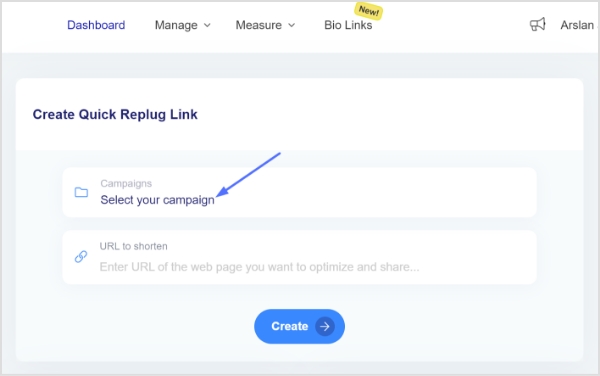
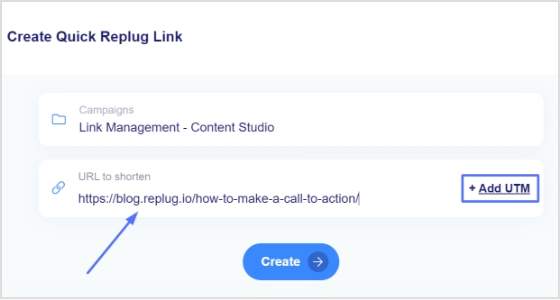
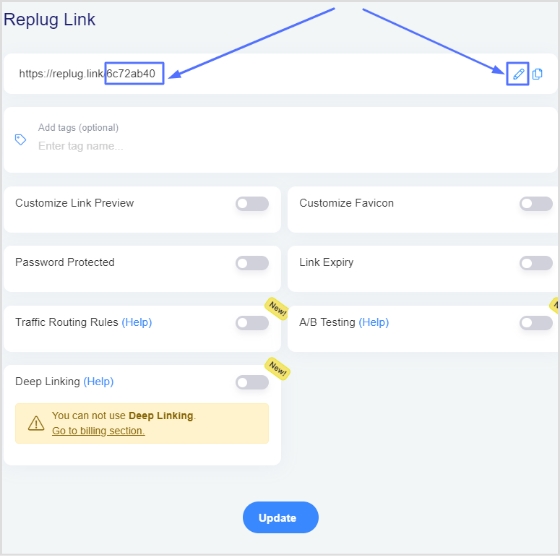
To create a smart URL link, you can use a custom link shortener online. Replug allows you to create short, easy-to-remember links for long URLs. When you create a smart URL link, you can also add keywords and other information to it. This can help people find your link more easily when they are searching for information online.
Here’s how to create a smart URL link using Replug
Make sure that the link is easy to remember and type.
Use keywords in the URL slug so that people can find it easily when they are searching for information online.
Keep the link short so that it is easy to share.
Track the number of clicks on your link to know how it’s performing.
Maximize marketing ROI
by transforming ordinary URLs into branded short links that convert.
Try Replug for free
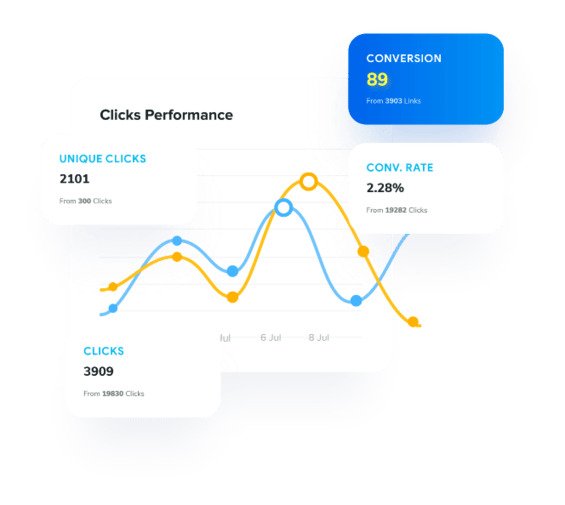
Replug link analytics: Track your link’s performance
Replug empowers you to unleash the true potential of your links by providing a comprehensive suite of analytics.
No more flying blind – with Replug’s data-driven insights, you can make informed decisions that amplify your marketing efforts.
Picture this: a dashboard that paints a vivid picture of your link’s journey across the web.
From the number of clicks and unique visitors to geographical data, referral sources, and even the devices your audience prefers – it’s all there at your fingertips.
A smart URL is a short, descriptive URL that is easy to remember and share. It is also more likely to be clicked on than a long, complex URL. Smart URLs are often used for marketing and advertising purposes, as they can help to increase website traffic and brand awareness.
What is the difference between hyperlinks and smart links?
Hyperlinks are simply links that point to another web page. They are typically used to provide additional information or to direct users to a related resource. Smart links, on the other hand, are more sophisticated. They can be used to track user behavior, personalize content, and even trigger actions.
Are smart links safe?
The safety of smart links depends on the platform or service that generates them. Some smart links are designed to track users and collect data, while others are simply a way to shorten long URLs. It is important to be aware of the risks associated with any smart link before clicking on it.
If you think the clash between Musk and Zuckerberg has cooled down, you’re wrong, as the show has just begun with the launch of Instagram Threads.
Now, we’re guessing you’re here because exploring Threads has left you exhausted. Or you may be curious to discover its hidden features!
If you manage multiple social-media profiles, share content across platforms, or distribute many links, Replug can help you organize and optimize all your URLs in one dashboard, keeping link management simple as you explore new apps like Threads.
And no need to worry anymore! We wrote this handy guide to help you get started. Discover new features, and develop your Threads account in no time.
First, let’s begin by defining Threads, discovering its hidden characteristics, its future, and comparing it with Twitter.
So, let’s get started!
What is Threads?
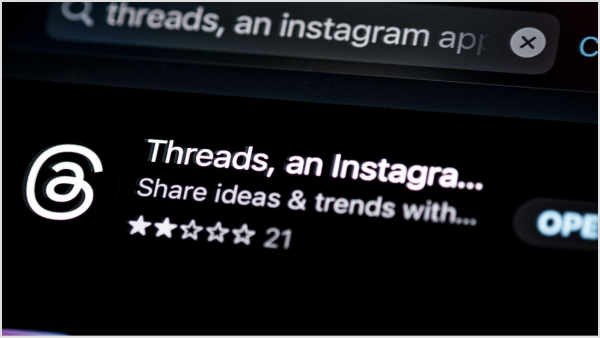
Threads is a text-based social app launched by Mark Zuckerberg in integration with Instagram on the 5th of July, 2023.
Over 100 million people have signed up on the app so far. However, the total number of active users is undefined yet. With Threads, users can create, share or repost multiple types of content, such as short-term texts, images, videos, URLs, etc.
Moreover, the new app is tied to Instagram, so users can automatically be able to connect with all the people they follow on Instagram.
Note: When sharing external links on Threads (or elsewhere), using a trusted short URL generator helps turn long or messy links into clean, easy-to-share URLs that look tidy in posts and are more user-friendly.
How to use Instagram Threads?
Threads offer a variety of popular features that are currently trending in the realm of social media. And have a very user-friendly interface.
However, some of you may be experiencing challenges when trying to sign up for your Threads accounts or when attempting to post a Thread.
Allow me to assist you here.
How do I sign up?
You can sign up directly from your Instagram account. The software will automatically fetch all your data from Instagram, such as your name, username, login credentials, block lists, followers, etc. Additionally, the app can be downloaded for free on iOS and Android devices in over a hundred nations.
Is Threads linked with Instagram?
Yes, Threads is fully integrated with Instagram. It’s like having a mini social network within Instagram.
I don’t have an Instagram account; can I still use Threads?
Currently, the only way to join Threads is through your Instagram account. So, if you want to sign up on the app, you must have an Instagram account first.
Is it safe to use Instagram threads?
One of the most important aspects of any social media platform is privacy, and Threads doesn’t disappoint in this regard. Just like Instagram, this app offers a range of privacy features that allow you to have control over your interactions. For instance, you have the power to block or report any user who may be causing you discomfort or violating your privacy.
How can I create a Thread?
It’s so simple.
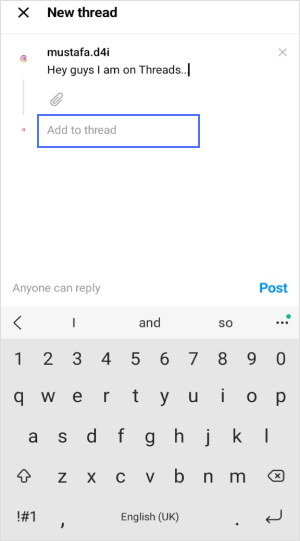
Just tap on the new thread icon at the bottom of your screen.
Add your content, such as text (up to 500 characters), video, or image (up to 10 visual items), and press Done.
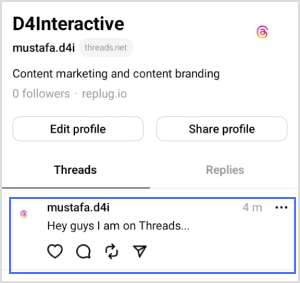
And your thread will be shared on your profile and feed right away.
You may have seen standard thread features like sharing text-based messages, images, video visuals, or reposting your threads post. But below are some hidden features on threads you may not know;
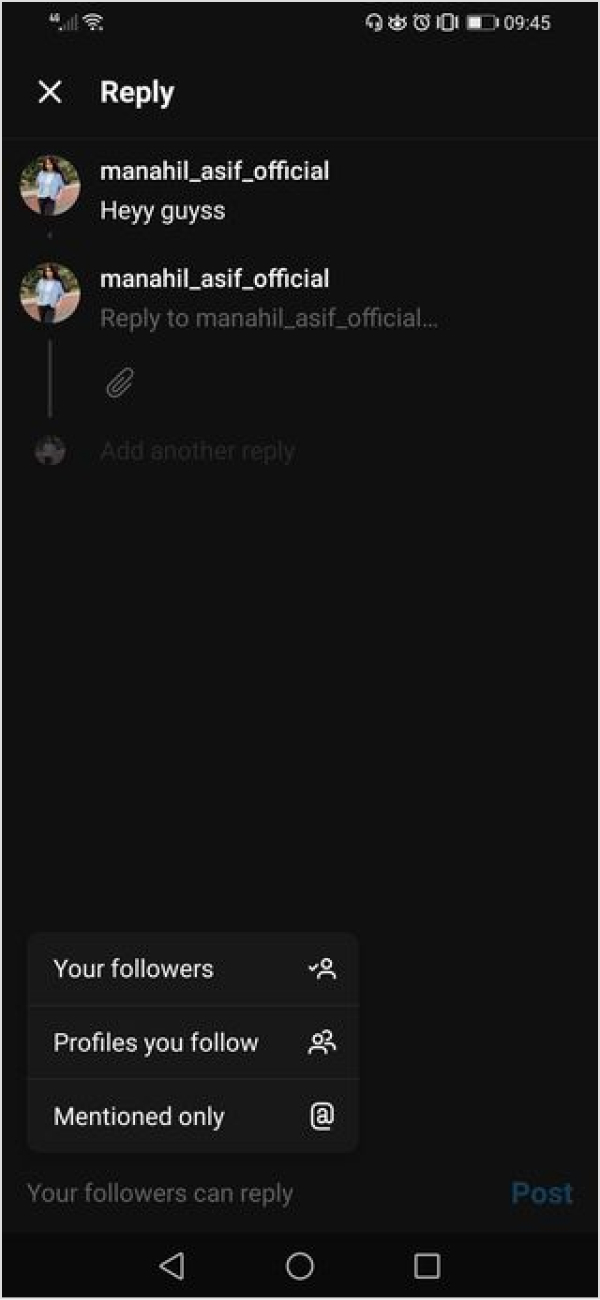
1. Managing replies
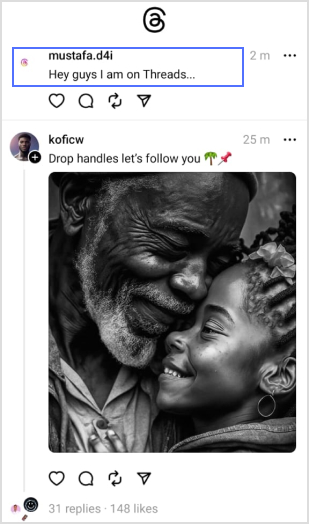
When you post a thread, a dialogue box will appear on your keyboard in the reply section. When you press that button, a menu with three choices will appear. Choose the one which suits you.
2. Modified shortcut
If you press return three times, a new thread shortcut will be created immediately, just below the last thread you posted.
3. Fast open the search bar
If you long-press the search icon. It brings up the search bar and pulls up the keyboard alongside. Or you can double-tap on the search tab to search.
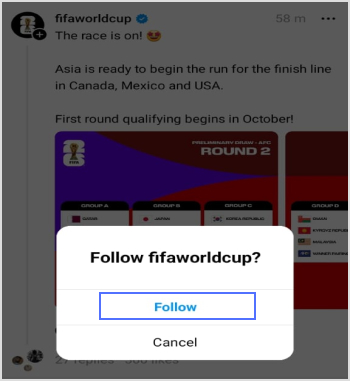
4. Quick account following
To quickly follow an account, simply tap the Profile Icon on the user’s profile.
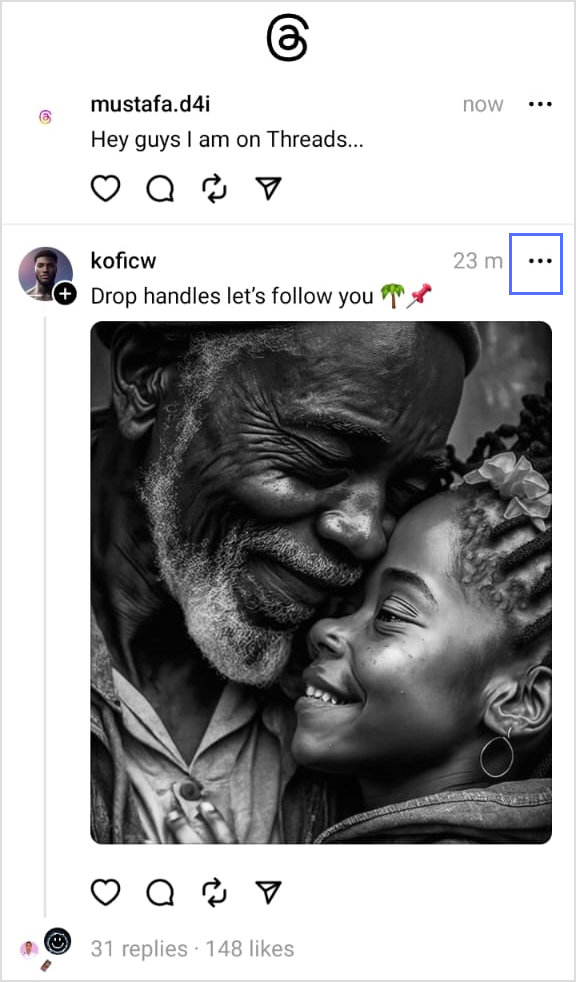
5. Mute a profile without unfollowing
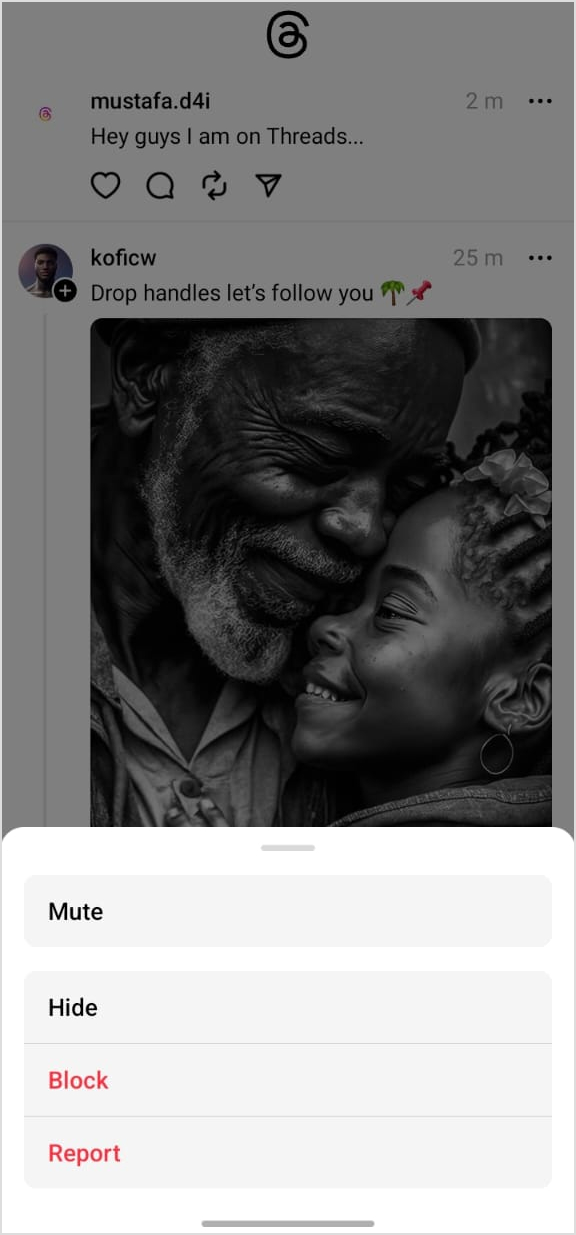
If you don’t want to see threads from a specific user again. You can mute the user profile by tapping the three dots on the extreme right section of the profile that you want to mute.
Now just tap Mute and the selected user will be muted
Note: You’d still be following the user, but none of their Threads will show up in your feed until you unmute him.
6. Time limits option
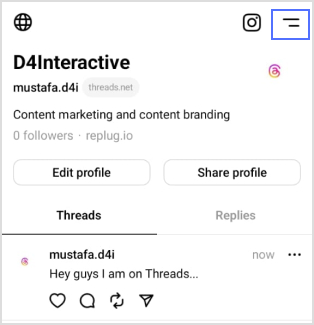
Go to your profile by tapping the Profile icon at the bottom corner of the Threads feed
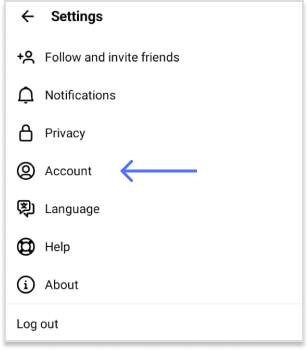
On the top right corner, tap on the right horizontal bars similar to the Hamburger Icon to navigate to the settings menu
Tap on Account
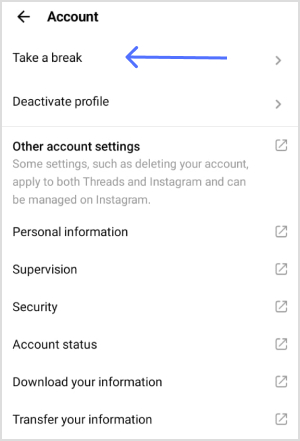
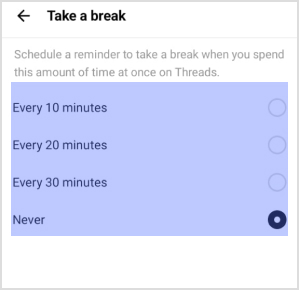
Tap on Take a break
Set the reminder as per your necessity, i.e. from every 10 minutes to 30 minutes
Now the app will remind you to take a break every 10 to 30 minutes after use.
Note: The earlier issues with the app have been resolved. The app now runs smoothly on iOS 17. Also, users can facepile, pill polish, expand pictures on profiles, make extra tall photos that are now fully viewable, trim the binary size, etc. However, Meta is still working on new features, such as following feeds, hashtags, editing posts, post search, web presence, like lists, translations, and many more.
Limitations in the Threads app
But even with all these perks, users are experiencing some limitations listed below.
If someone replies to your thread and you delete the Thread later on, that person’s reply will not be removed.
You can only post a thread text of up to 500 characters.
You won’t be able to view a response to your thread if it comes from a private profile you don’t follow.
Thread feeds show you a mix of posts from people you follow and posts suggested by AI.
You cannot send direct messages to other users.
Currently, no web version of the Threads service is available.
You can only post up to 10 media items (visuals such as images, videos, gifs, etc).
What does Adam Mosseri have to say about Instagram Threads?
There are a lot of rumors and chatter of forthcoming modifications going about the app right now. Such as how Meta will modify Threads. What will happen to Twitter? Is Threads for politics and business? etc.
Adam Mosseri says Threads is for public conversation, not business or politics.
He says in a statement that
“Politics and hard news are important, I don’t want to imply otherwise,”
Further, he says,
“But my take is, from a platform’s perspective, any incremental engagement or revenue they might drive is not at all worth the scrutiny, negativity (let’s be honest), or integrity risks that come along with them.”
After that, users were confused about what to put on Threads and how to develop a network on that platform.
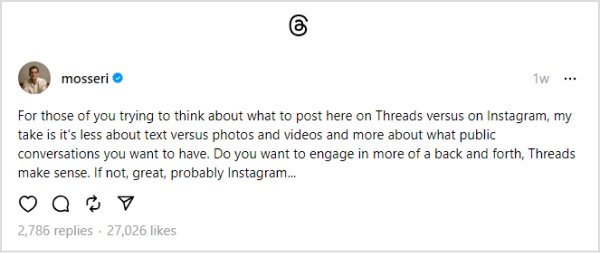
In response to this, Mosseri said…
What are the key differences between Twitter and Threads?
Below are the key differences between Twitter and Threads;
You won’t hear anyone calling Instagram Threads the “Twitter Killer” other than Twitter itself.
In contrast to Twitter’s public, real-time, and open character, Threads provides a platform for private chatting and exchanging information with close pals.
Twitter is widely used because of its general nature, rapid news publication, and accessibility. So, both systems can coexist, with users taking advantage of each for interaction and content creation.
Elon’s rage against Instagram Threads
Musk has threatened to file a lawsuit against the platform(Threads), accusing it of recruiting former employees to work on a ‘copycat’ software to compete with Musk’s original company.
Musk tweeted,
“Competition is fine, cheating is not.”
Twitter lawyer Alex Spiro wrote in a letter:
‘Twitter has serious concerns that Meta Platforms (Threads’) has engaged in systematic, willful, and unlawful misappropriation of Twitter’s trade secrets and other intellectual property.
However, Meta has denied the claims, stating that no current or former Twitter workers are working within the Threads team.
“very optimistic about how the Threads community is coming together.
Competition between the two has become fierce. With Elon Musk rebranding Twitter’s bird logo with “X”. Musk has also repurchased its”X.com” domain (i.e. now redirected to Twitter’s original domain). This shows the intensity will only rise between the two platforms going forward.
The Threads app has already seen 70% decline in its daily active users. While many of the Twitter (now X) users are hating the rebranding of the Twitter app. However, Threads is in its new stages, while Twitter is going through some drastic branding changes, so only time will tell who is going to win this battle.
Frequently asked questions
How do you delete your Threads account?
You can delete your account on Threads; however, to do so, you will also need to erase your account on Instagram. After getting complaints from end-users over this issue, Mosseri announced that the organization is “looking into a way to delete your Threads account separately.“
What is the difference between Threads and Instagram?
Threads is a social media app primarily using texts, while Instagram focuses on multimedia content, particularly visuals.
What can you do on Instagram Threads?
You can actively share images, videos, and text updates on Instagram Threads and effortlessly share real-time updates with your close contacts.
Are there any well-known people posting on the Threads?
On Threads, there are a lot of well-known names, like Selena Gomez, who has more than 5.1 million followers. Kim Kardashian has more than 5 million followers; Mr. Beast has more than 4.6 million followers; and many other famous people.
Imagine you share a link and expect it to simply guide someone to your latest blog or product page, yet behind it might be a tangled mess of tech, misrouting, or even malice.
In fact, over 3.4 billion phishing-related emails are sent every day, many revolving around cleverly disguised URLs.
The problem?
Ordinary web addresses can betray you badly. They expose internal systems, confuse users, or open doors you never intended. That’s when frustration sets in; when clicks go astray, trust fades, and suddenly your neat link strategy becomes a liability.
The solution lies in learning the technique of URL masking. It is a simple yet powerful method that helps you shape how URLs appear, function, and are perceived.
In the next section, we’ll take a quick look at what URL masking actually is, before moving on to methods, best practices, and additional details.
So, let’s get started!
What is URL masking: A brief overview
Think of URL masking as giving your links a stylish mask or camouflage. Simply put, URL masking (also called link masking or link cloaking) is a technique that displays one web address in the browser’s address bar while the content actually comes from a different address behind the scenes.
The primary objective of URL masking is to maintain a clean, branded, or memorable URL for users while hiding the complexity, tracking parameters, or alternate domain that actually serves the content. This can help protect your brand’s appearance, simplify link sharing, and make the experience smoother for visitors.
Now that we’ve got a solid handle on what URL masking means and why it’s used, let’s roll into a concrete example to clarify how it looks in practice.
And you’d prefer it to look short, simpler, and more branded like:
https://yourbrand.com/great-deal
With URL masking, you could set things up so that users see “yourbrand.com/great-deal” in their browser, but behind the scenes, they are served the original long URL’s content.
Another scenario: Your company hosts content on a subsidiary domain like “subdomain.partner-host.com/page”, but you want users to browse while seeing “www.yourbrand.com”in the address bar. URL masking allows this kind of setup.
In either case, the visitor experience is smoother, the URL looks nicer, and you retain control over how your link appears.
Different techniques & types of URL masking
Here are several of the most common ways to mask or “cloak” links, each with its quirks, benefits, and trade-offs.
Domain masking
This technique means that you point a domain (or subdomain) to another target URL, but the user’s browser still shows your original domain in the address bar. Users think they’re on, say, “yourbrand.com”, while the content is being pulled from somewhere else.
Note: It’s great for branding and cleaner links, but keep in mind it can cause SEO issues if search engines see duplicate content at two different domains.
Frame masking
Here, you essentially load another site (or page) inside an <iframe> or similar frame while keeping your domain visible in the browser bar. The user stays on your domain visually, even if the content “behind the scenes” lives elsewhere.
Note: While this provides a seamless user experience, it may limit navigation and bookmarking, and it may also pose search engine optimization or security complications.
Proxy masking
With proxy masking, a proxy server fetches content from a destination site and presents it under your domain. The user hits “yourbrand.com/welcome”, the proxy pulls “otherdomain.com/page”, and you serve that content, but the address bar remains “yourbrand.com/welcome”.
Note: This method gives you more control and flexibility, but it’s more complex to set up and maintain (and you need to think about performance, caching, SSL, etc.).
Server-side scripting
Here, your server script (PHP, ASP.NET, Python, etc.) handles requests for a friendly URL and fetches content from another URL or service, while keeping the visible URL unchanged.
Note: This is a flexible approach if you’re comfortable with backend logic. You can use conditional logic, content transforms, etc., but you’ll still need to watch for SEO fallouts and ensure it’s transparent to users.
URL rewriting
This is more subtle; your server internally maps a user-friendly URL (or masked URL) to the “real” destination URL without changing what appears in the browser bar.
Think of rewriting “yourbrand.com/special-offer” to internally show content from “yourbrand.com/page.php?id=12345”.
Note: It’s commonly used for cleaner, SEO-friendly URLs and better user experience, and often plays nicely with search engine results if done well, because the visible URL corresponds with actual content.
JavaScript redirection
With JavaScript, you can on page load run something like window.location.replace(…) to redirect the user to the destination. However, cleverly, you might keep showing the original URL or manipulate history so it appears masked.
Note: This is relatively easy to implement but less reliable (some users block JS, and search bots may not execute it entirely), and it can feel less perfect.
Meta refresh
This is the simplest HTML trick: a <meta http-equiv=”refresh” content=”0; url=https://destination.com”> tag refreshes the page to the target URL after a short delay. The initial URL stays visible briefly.
Note: It works, but many experts consider it a bit of a legacy approach. It is not very SEO-friendly and is not always regarded as good practice for user experience.
Up next, we’ll explore the different techniques and practices for masking URLs, step by step.
How to do URL masking: Various methods for masking a URL
There are several practical ways to mask a URL, depending on how much control you have over your hosting setup and how fancy you want to get.
Let’s walk through three common approaches.
Server-level (e.g., .htaccess)
This method uses your web server’s configuration, specifically the .htaccess file on Apache servers, to internally map or proxy a visible URL to another destination while keeping the visible link unchanged.
It’s a “behind-the-scenes” technique in which you edit or add rules to the .htaccess file in your web root, and the visitor sees your chosen URL, but the content comes from somewhere else.
How it works:
1. Access your site’s root directory (often public_html or www) and locate or create the .htaccess file.
2. Make sure the server has mod_rewrite enabled (on Apache) so you can use RewriteEngine On, and other rules.
This means when someone visits yourdomain.com/custom-url, the browser address bar shows that, but the server fetches content from /actual/folder/or/page.
4. Test your setup by opening the masked URL and verifying the content shows, but the visible URL remains your custom one.
Important note: This method can create duplicate content or SEO issues if used across different domains without caution.
Using a third-party service or tool
This method uses an external online service (think “URL masking tool online”) that lets you enter a destination URL and handles the redirect/masking for you.
You don’t need to dig into server configuration yourself. Instead, you use a dashboard or a simple interface to get the job done. For instance, many link management or cloaking services let you easily mask affiliate links or vanity URLs without hassle.
How it works:
Sign up (if needed) with the service and go to the “create new link” or “mask URL” section.
Enter the original long, cluttered URL as the destination.
Choose a custom display URL or alias if the service allows it. Some services will say “cloak” or “hide” the destination.
Generate the link. The service returns a new link that shows your chosen alias but forwards to the real URL (behind the scenes).
Share the link. Users click the alias, see your branded, simplified, and unique URL, and are taken to the destination while your custom URL remains in the address bar (or at least appears so).
Finally, monitor performance (clicks, traffic) if the service offers analytics. Some services warn that frames or iframes may not work if the destination blocks them (due to security headers such as X-Frame-Options).
Important note: The “free URL masking online” services and tool versions often have click limits or analytics restrictions.
Using a URL shortener
A URL shortener creates a slim “short link” from a longer URL, which is ideal for sharing and looks much cleaner. Many modern URL shorteners available online let you brand the link, track clicks, and even perform “custom URL masking”.
Maximize marketing ROI
by transforming ordinary URLs into branded short links that convert.
Try Replug for free
How it works:
Pick a URL shortener and create an account if required. We recommend using Replug for this task.
Paste your long destination URL into the platform’s “shorten link” field.
Customize the slug(the part after the slash) to get something memorable or brandable.
Use options (if available) for “custom URL masking,” which may let you replace the domain with a custom one you own, making the short link look like go.yourbrand.com/offer instead of a generic domain.
Generate the short link. Now, when someone clicks it, they see your shortened link in the address bar, click through, and land on the long destination. The user experience is cleaner, and tracking is built in.
Share this link seamlessly. Because you’re using a short, clean URL, it’s easier to include in social media, emails, print, etc.
Important note: A short link doesn’t always “mask” in the most rigid technical sense (it redirects to the destination, and users might spot that). But when paired with a custom domain and branding, it functions effectively for many masking/clean-link use cases.
Using URL masking can bring a bunch of advantages when done thoughtfully. So let’s cover what it can do for you.
Enhances user experience
Masking a URL helps make links simpler, cleaner, and easier to remember. Rather than a long string full of tracking codes or weird characters, visitors see something tidy and on-brand, which makes it more likely they’ll click and feel comfortable.
Protects your brand’s reputation
When links look messy or appear to be affiliate-based, some users hesitate to click them. Masking URLs lets you hide cumbersome links or affiliate identifiers behind a more trusted domain or format. This helps your audience feel the link is legitimate and that your brand is looking after them.
Boosts brand visibility
Every time someone sees your domain (rather than some random partner domain or long URL), the brand imprint grows. A nicely masked link reinforces your brand name, keeps things consistent, and helps users associate the link with you.
Preserves privacy & security
Sometimes the actual URL contains sensitive parameters (trackers, IDs, internal paths) you’d rather keep hidden from view. Masking helps protect those bits and gives you more control over what the user sees, thereby improving perceived security.
Assists in domain parking
If you own multiple domains (or plan to), URL masking lets you forward a domain, so the visible address stays your branded one (even if the content lives elsewhere). This is handy when you’re dealing with domain portfolios or when you want to ensure visitors always see “yourbrand.com” even during transition.
Risks of URL masking
While masking a URL may seem like a handy shortcut, there are real risks involved. It’s good to be aware of them upfront so you can make smarter decisions.
SEO risks
When you mask a URL, you might unintentionally create problems for search engine bots. They could struggle to crawl or index the content correctly.
When the visible URL doesn’t clearly point to the actual content, you could end up with duplicate content issues or diluted authority. Over time, that can hurt your SEO ranking, which is the absolute opposite of what you want.
Loss of credibility
If visitors click a link that appears to lead to one place but actually behaves differently, or if your domain is masking something behind the scenes, you risk making users feel misled. That loss of trust can stick, hurting repeat visits, shares, or referrals.
Violates Google’s guidelines
Techniques that hide or misrepresent where a user or search engine bot is being sent can run afoul of major search engine rules.
For example, practices that resemble “cloaking” are flagged by Google as violations. If you’re seen to be deliberately disguising URLs in a way that misleads bots or users, you risk being penalized or removed from search results.
Requires technical setup
URL masking isn’t always plug-and-play. It might involve server settings, frames, proxies, or rewriting rules.
If you’re not comfortable with the tech side, you might set something up that breaks links, causes slow load times, or behaves inconsistently. This will ultimately result in spending time troubleshooting instead of benefiting.
Doesn’t always display correctly
Not all browsers, user setups, or crawlers will interpret masked URLs the way you expect. Sometimes, the original URL behind the scenes might pop into view, or sharing the link will show the weird internal address instead of your masked one. That kind of inconsistency can confuse users or lead to broken navigation or functionality.
URL masking vs. URL forwarding: Key differences mentioned!
Here’s a friendly look at the primary distinctions between URL masking and URL forwarding, so you can decide which works best for your goals.
Aspect
URL forwarding (Redirect)
URL masking (Cloaking)
What the user sees in the address bar
The browser’s address bar changes to the destination URL after the redirect.
The original domain remains visible, even though the content comes from a different URL.
Technical implementation
Typically done via HTTP status codes (301 or 302) or simple DNS/domain-forwarding settings.
Often uses frames (iFrames), proxy servers, or rewriting so the underlying destination remains hidden.
Impact on SEO & indexing
Generally considered SEO-friendly if done with proper redirects (especially 301).
Can cause SEO issues (duplicate content, indexing confusion) because the actual URL is hidden.
Branding & user trust
Transparent — users see the destination URL, which might be less branded.
Strong branding — original domain stays visible, boosting the appearance of consistency.
Use cases
When you’re permanently moving a site, uniting domains, or want clean redirects.
When you want to retain the appearance of your domain while pulling content from elsewhere.
Potential downsides
Less control over the visible domain; might lose branding opportunity.
May confuse users, interfere with bookmarking/sharing, and pose technical or UX issues.
In short: If you’re going for maximum clarity, SEO safety, and ease of setup, URL forwarding is usually your best companion. On the other hand, if you’re focused on keeping your brand in the spotlight and are okay with managing a little extra complexity, URL masking might be a good fit, but you’ll want to weigh its drawbacks.
Here are some of the most common ways people use this technique. It helps to see them side by side so you can spot which might make sense for your own site.
Affiliate marketing & link sharing: Masking is often used when you’re promoting someone else’s product or a referral link. Instead of sending users to a long, clunky URL with trackers, you show a clean, branded link and hide the real destination behind the scenes.
Branding & aesthetic cleanup: Sometimes you’ve got a link that looks quite messy: lots of parameters, partner domains, or subdomains you don’t want your users to see. Masking lets you present a friendly URL instead.
Embedding third-party content under your domain: If you use a platform or external service but want users to feel like they’re still on your site (your domain in the address bar), masking helps achieve that consistent user experience.
Domain parking or forwarding with your brand domain: You own several domains, or you want old domains to point to your new site without showing the old link. Masking lets visitors see your primary domain even if they typed in one of the other addresses.
Campaign or microsite links: For short-term promotions or specific landing pages, you might mask a long URL. Hence, it’s easier to remember, share on social media, or print on marketing material. The cleaner link also reinforces its origin brilliantly.
Best practices for effective URL masking
When you decide to mask a URL, it’s not just about hiding the real address. It’s about doing it in a way that keeps your users happy, protects your brand, and avoids getting penalized by search engines.
Here are the top things to keep in mind:
Be transparent and build trust: Make sure users aren’t tricked into clicking something unexpected. Masking should clean up or brand a link, not deceive. Transparency helps maintain your credibility and avoids confusing or annoying your visitors.
Think about SEO implications: Masking can introduce SEO risks like duplicate content, indexing issues, or loss of link equity. Always weigh whether a clean redirect or a branded short link might serve you better.
Keep an eye on functionality and test regularly: Test your masked links across browsers, devices, and platforms. Ensure they work properly and don’t break features like login, forms, or share links. Monitoring catches surprises before your users do.
Maintain consistent branding and clarity: Use a URL that aligns with your brand and is easy to remember. Avoid overly long or weird masked URLs, because if users are puzzled, you’ve lost half the benefit.
Use masking only when it adds real value: Masking isn’t necessary in every situation. If a simple redirect or branded short link covers your needs without the extra complexity, go that route instead.
By following these conventions, you’ll ensure you’re using URL masking for the right reasons and doing it in a way that looks professional and doesn’t backfire.
Alternatives to URL masking
If you’re not sure about masking URLs, there are other smart and innovative ways to achieve many of the same goals without the same risks.
Here are some alternatives worth considering:
URL forwarding (redirects): Instead of hiding the real address behind another one, URL forwarding sends users from one link to the destination and updates the browser’s address bar accordingly. It’s more straightforward, more transparent, and usually more friendly to SEO.
URL rewriting / pretty URLs: With this approach, you keep the real destination visible but clean it up: your site rewrites something like “site.com/index.php?page=123” into “site.com/news/latest” using server rules. It maintains transparency while giving users nicer links.
URL shortening & branded short links: Instead of full masking, you shorten a long URL into something like “yourbrand.co/offer”, often via a link management tool or custom domain. It doesn’t completely hide the destination like masking might, but it gives you clean, shareable links and retains trust.
Custom domain or subdomain setup for branding: If the main goal is branding, you can use a custom domain or subdomain (e.g., “go.yourbrand.com”) pointing directly to your content or site. This avoids hiding content entirely but keeps things consistent and branded.
Canonical URLs and self-explanatory paths: Specifically for SEO, focus on drafting URLs that clearly reflect the content (e.g., “yourbrand.com/blog/what-is-url-masking”). Using canonical tags helps avoid duplicate content issues while being honest about the destination.
Wrapping up
To sum up, URL masking can be handy when you want cleaner, more professional-looking links, but it’s not always the best long-term solution.
While it helps with branding and user experience, it also comes with a few risks, like SEO drawbacks and technical complexities.
The key is knowing when and how to use it responsibly, or exploring better alternatives like branded short links or redirects.
And if you’re serious about taking control of your links the smart way, give Replug.io a try today! It’s one of the best custom URL shorteners out there, built to help you create, manage, and track every short link with ease.
Frequently asked questions
What does it mean to mask a URL?
Masking a URL means displaying one web address in the browser’s address bar while secretly loading another page behind it. It’s often used to make long or complex URLs look cleaner and more branded.
Is there a way to hide a URL?
Yes! You can hide a URL using methods like iframe embedding, meta refresh, or server-side redirects. These techniques let you show a custom link while hiding the actual destination.
How to see masked URL?
To reveal a masked URL, right-click the page and select “View Page Source,” or inspect the link in the browser’s developer tools. The real destination URL will usually appear in the iframe or meta tag code.
How to mask a URL in Chrome?
You can’t directly mask a URL in Chrome itself, but you can use a third-party URL masking tool online or a custom redirect through your hosting or domain provider to display a different address.
What is the difference between URL masking and encryption?
URL masking hides the actual address, while encryption protects the data transmitted between your browser and the website using HTTPS. Masking doesn’t secure information; encryption does.
Does URL masking affect SEO?
Yes, it can. Masking hides the real source URL, which can confuse search engines, impact indexing, and even lower your rankings if not done correctly.
How to enable and remove URL masking on a website?
You can enable masking by setting it up in your domain’s control panel (using an iframe or redirect settings). To remove it, disable the masking or switch to a standard 301 redirect instead.
How to request URL masking?
Most domain registrars or hosting providers let you request URL masking through their dashboard or support team. You just need to provide the original URL and the one you want displayed.
How to detect and prevent URL masking attacks?
Use reliable security tools and keep your browser up to date. Avoid clicking suspicious links, and implement SSL certificates and anti-phishing filters to stay protected.
How is URL masking different from URL redirection?
In URL masking, the original link stays visible in the browser’s address bar. In contrast, URL redirection automatically redirects the user to the new destination (by changing or updating the visible link).
What if I tell you that you can 3X your brand growth and become a millionaire overnight?
Ha! Just kidding, I can’t promise that. But I can promise you something that will knock your socks off!
Here’s how, in recent years, social media has taken the world by storm, becoming a hot topic for businesses of all sizes. A powerful approach toward social media platforms can help you enhance your brand’s online presence, generate more leads, and expand your customer base.
By using some effectivesocial media hacks, you can achieve much more than you ever thought possible.
Today, I’m here to talk about some bombastic social media hacks. And some do’s and don’ts that you should keep in mind on your social success journey.
Let’s start!
Things to do
Things not to do
Precise marketing strategy
Buying fake traffic
User-friendly content
Following no trends
Utilizing bio-links
No brand awareness
Scheduling content editorials
Less eye-catching content
Share trendy content
No use of using management tools
Cross-promote content
Generate no buzz
Search-friendly username
Not upcycling content
Use brand-specific hashtags
No storytelling
Analyzing content statistics
Buying Likes/Comments
Collaborating with social media influencers
Providing no monetary value to your business
Note: If you want to make your social-media link handling smarter and more trackable, and upgrade your overall social media game, Replug offers an easy way to manage all your links, from bio links to campaign URLs, under one roof.
1. Create trendy content
Content is king! It’s the backbone of your online presence. Without quality content, your social media game will fall flat. So you must keep up with the Kardashians…I mean, the latest events and upcoming stories.
Stay in the loop. Otherwise, you’ll be as lost as a penguin in the Sahara.
Here are a few tips on how to create trendy content.
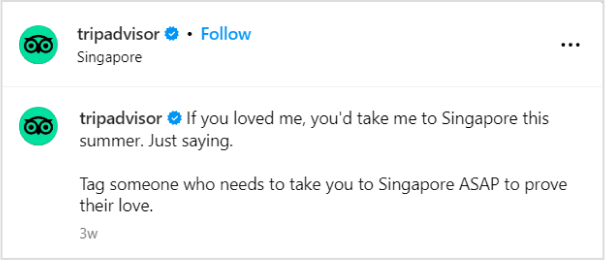
Humorous content:
If you loved me, you’d take me to Singapore this summer.
Just saying.
Don’t worry, I didn’t say that, but Tripadvisor did.
Just like that sharing memes and humorous stories are all great ways to keep your followers engaged and increase your account’s visibility.
Trendy content
Whether it’s through reading the news, following social media accounts, or subscribing to newsletters, staying up-to-date and utilizing trendy content is a must.
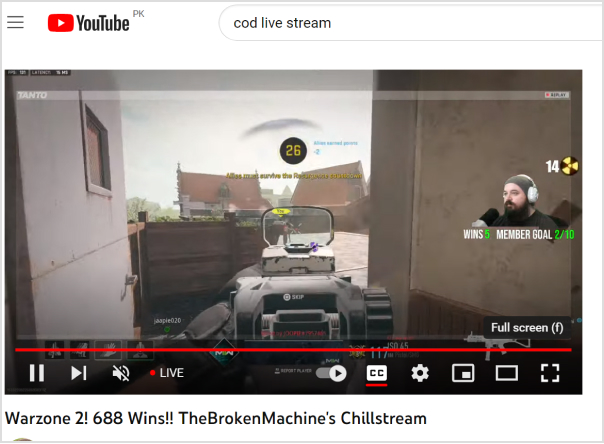
Here Argentine footballerLionel Messi, one of the greatest football players of all time, shared a photo that quickly became a fan favorite.
User-generated content:
Share informational user-generated content like reviews, events, or bite-sized pockets of information.
Moreover, keeping an eye on your fellow competitors can also help you steal followers and the latest trends. By incorporating such trends into your content strategy, you can stay ahead of the game and keep your audience coming back for more.
2. Engagement with comments and stories
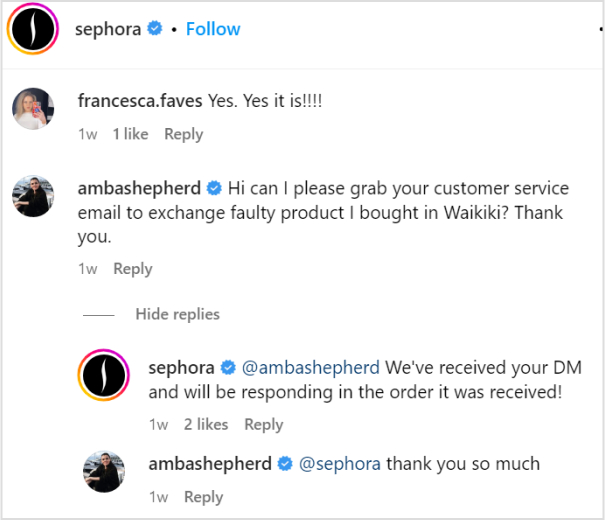
Believe it or not, interacting with your followers on social media is like giving your brand a shot of espresso –it’ll perk up in no time!
Your audience craves genuine human interaction from you. Don’t leave them hanging! And do try stuff like;
Using the comments box to interact with readers.
Put some emotion into your messages by using emoticons.
Going live on Instagram or Facebook stories.
Sharing useful tips and techniques in your stories/posts.
Sharing personal experiences and opinions with your audience.
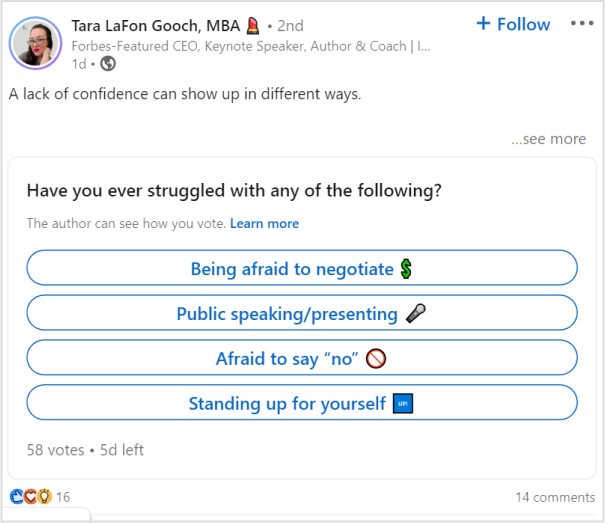
Set up polls and questionnaires to identify your audience’s interests.
Sharing customer reviews about your brand/business.
If you’re getting started with social media hacks, it can be difficult to focus on every platform. That’s why I highly recommend prioritizing a specific social channel that aligns with your brand’s goals and target audience.
By honing in on one platform, you can dedicate your time and resources to creating quality content and engaging with your followers, whether it’s Facebook, Instagram, Threads, Twitter, Youtube, LinkedIn, and Pinterest.
Note that the content strategies for each of these platforms are different from each other. So, you must ensure your content is SEO optimized per the channel.
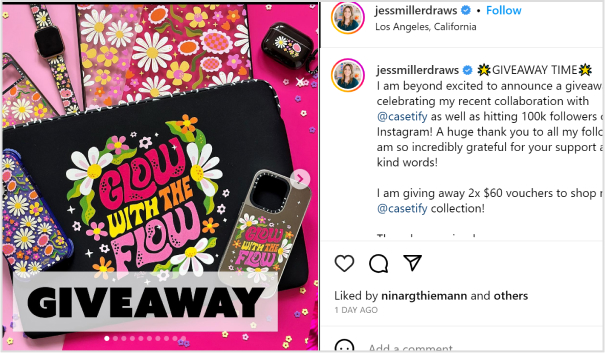
Pinterest is like the runway for your business’s fashion show. You can create fancy pins about your product, add a link to your website, provide a small amount of information on the pin itself as per your product, and so on. The type of pins includes
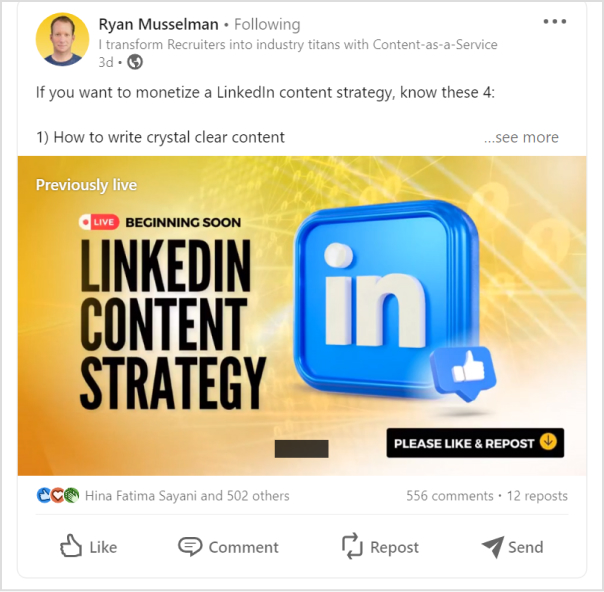
With LinkedIn’s diverse features, it has become a go-to platform for professionals looking to connect with their peers and share their expertise. LinkedIn is mainly preferred for
LinkedIn newsletters
LinkedIn polls
Engaging videos
Carousels
Engaging one-liners
User-generated posts
4. Using relevant hashtags
Let me tell you one of the biggest secrets behind these top-ranking social media accounts nowadays. To cut to the chase, it’s all about playing the hashtag game in your social media profiles.
Adding your brand name or a relevant keyword to your profile creates a sense of professionalism and authenticity. This personalized social media hack helps users recognize and remember your brand.
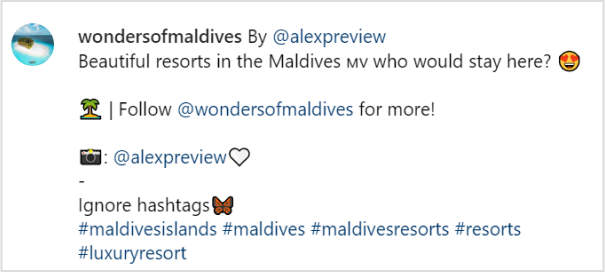
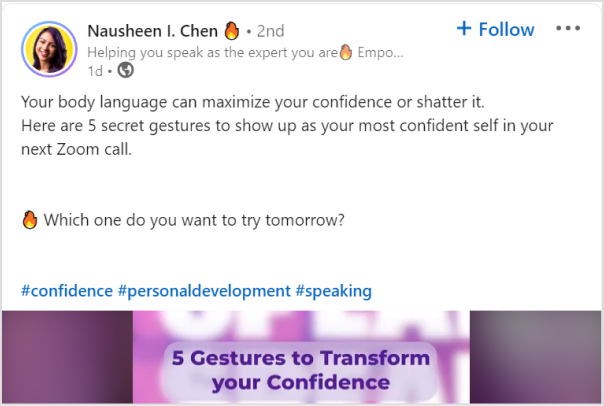
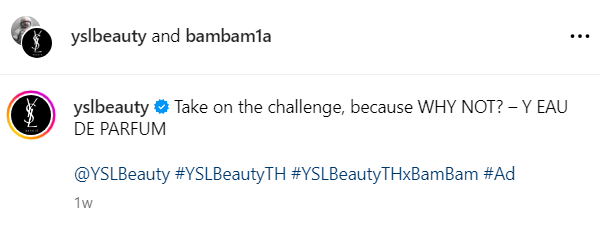
Just like wondersofmaldives sharing relevant hashtags on itsInstagram post.
Use ContentStudio’s AI Writer ✍️trending section to find the most popular niche-specific hashtags. Another valuable social media hack is replicating the hashtags used by the leading influencers in your field.
5. Include visual aids
Visuals can help break up large blocks of text and make the content more visible. Recent reports showed that approximately 84% of social media users favor visual content over text-based content. As you may have heard the phrase:
Pictures speak louder than words, just like this post by digitalwallahon Instagram:
How visual content helps in brand growth?
Visual content has been proven to have a higher click rate and conversion rate than general text-based content. Also, it can boost your online presence and increase your audience’s engagement.
How can I create catchy visuals?
Various AI image generation tools are available for creating and editing visuals. Two popular options are Canvaand Adobe. Whether you want to design graphics for social media or enhance your website’s visuals, these tools can help you achieve your goals.
6. Use exit pop-ups and CTAs
You’re browsing through an online shop, and just as you’re about to click that dreaded “X” button, a pop-up captures your attention.
This, my friends, is what we call an exit intent popup.
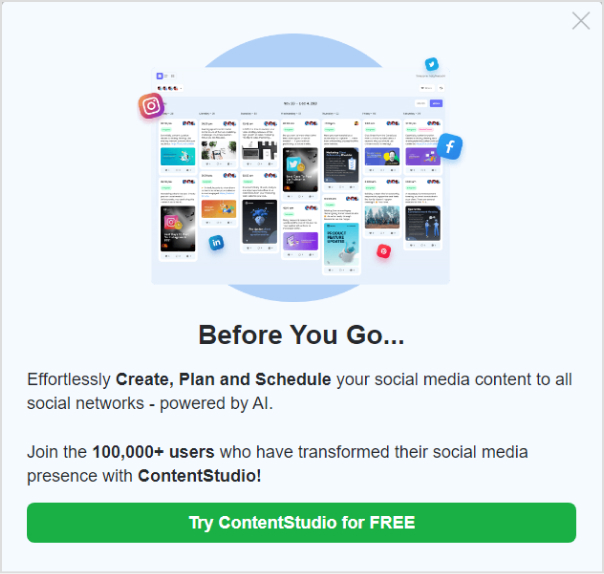
Whenever a user’s cursor moves towards that exit button, the exit intent popup swoops in and grabs their attention. It’s a social media hack website owners use to engage with their visitors and reduce bounce rates.
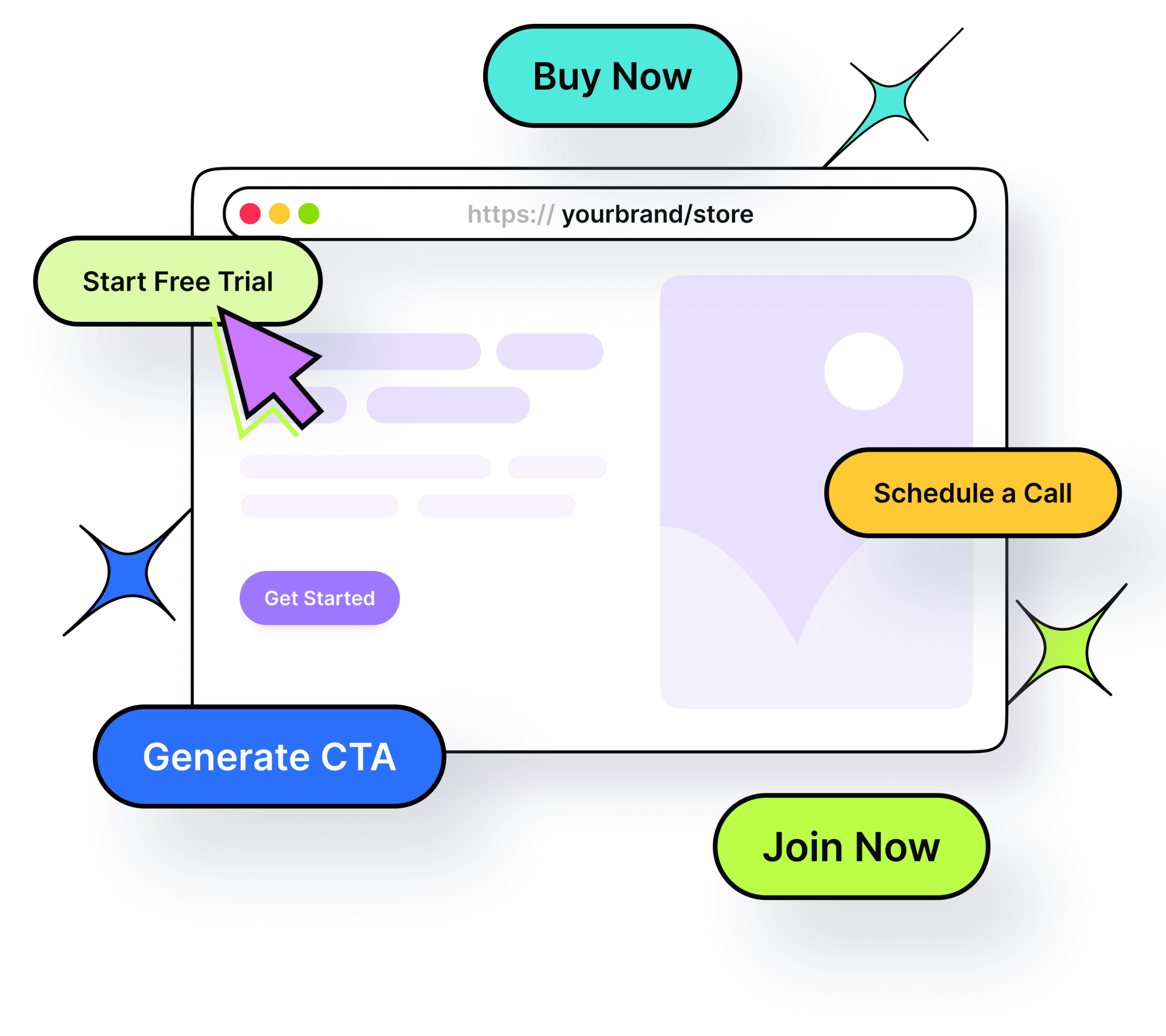
Here’s an example of popup CTA.
By strategically timing the appearance of these pop-ups, brands offer you a special discount, invite you to subscribe to their newsletter, or simply provide more information about their products or services.
How does CTA help in brand growth?
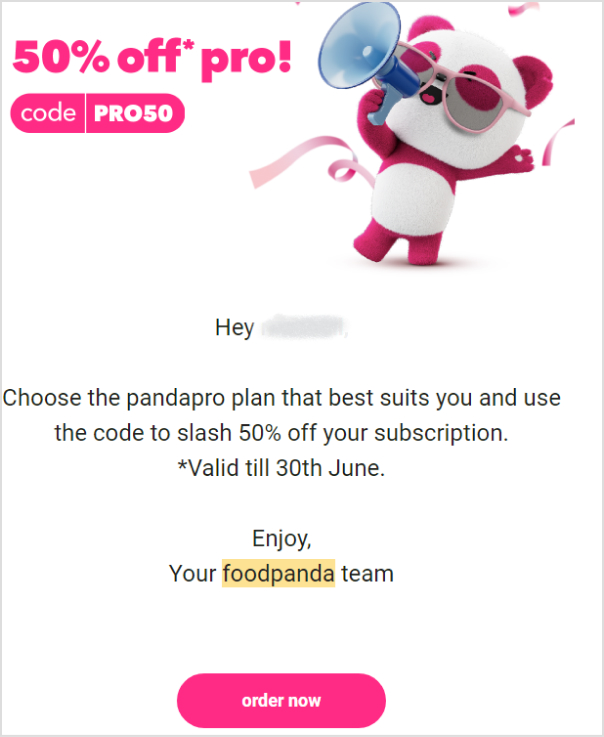
Getting creative with your CTAs can also be a helpful social media hack. They provide the user with a clear direction on what they need to do next, making it easier for them to take action. CTA’s can also help to increase conversions, as users have an immediate call-to-action that they can follow.
Here’s a CTA by Foodpanda;
7. Cross-promote content using bio-links
Generating traffic to your social media channels can be challenging. Despite your best efforts, your content may not be reaching the audience you had hoped for.
In this case, cross-promoting content using bio links may work for you. As it’s one of the most effective social media hacks that can help you to increase your brand’s visibility and much more.
Now you must be wondering what’s a social Bio-link. Well, let me tell you. It’s a clickable URL in any social profile description with an organization and product info. Such as links to the brand’s website, YouTube, or other social channels, etc.
However, modern link management tools allow you to create bio-links with loads of customization options.
Note: By using a branded URL shortener, you can turn long or messy URLs into clean, memorable links suitable for bio-link pages, making it easier for audiences to click and remember your brand.
What are some best ways to cross-promote my content?
The best way to cross-promote your content is to set your Cross Promotion goals. Follow these points when cross-promoting content:
Choose the right social platform to go along with, like LinkedIn and Facebook
Set out offers and discounts
Screenshot of the association on the previous platform when starting your brand on a different platform.
Add links to other social contests
Use Instagram as a content source for other accounts.
Take advantage of Instagram as a content origin for other platforms.
Share your Blog URL in your LinkedIn post.
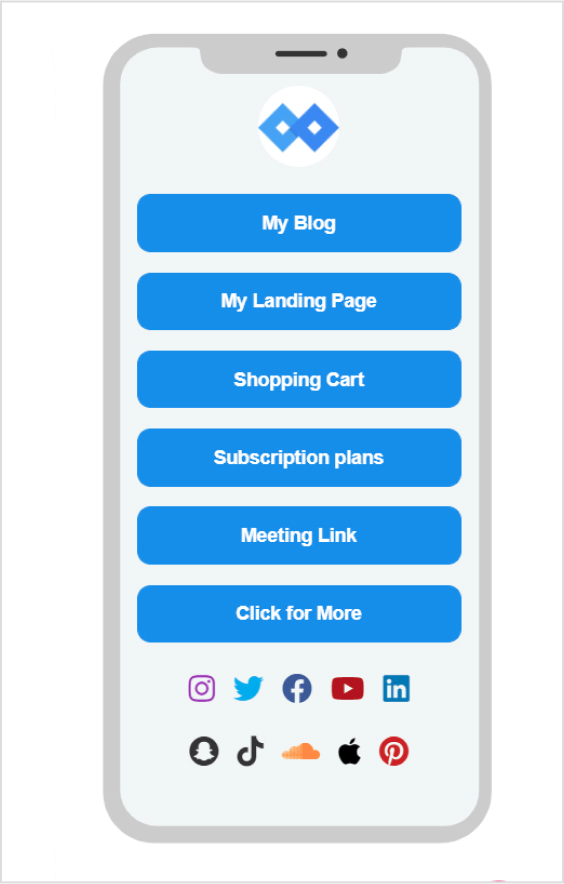
Bio link example;
Say hello to Replug’s revolutionary bio links feature, the game-changer that will transform your social media game from average to extraordinary.
Experience the simplicity and effectiveness of our exciting creation for yourself – a bio link page designed to maximize the potential of every link.
Add videos, images, links, social icons and more within a few clicks to create your own custom landing page. And use that one link to promote your online business on all socials.
See it in action by taking a look at the screenshot below:
When it comes to establishing your brand and making a lasting impression on your target audience, influencer marketing has proven to be one of the most effective strategies.
Influencers’ reach and engagement on social media platforms cannot be ignored. With millions of followers eagerly awaiting their every post, their ability to generate buzz and create a viral effect is unparalleled.
How can collaborating with content creators enhance your brand growth?
Content creators create engaging visuals for brands that draw attention to their products or services, further helping to increase brand growth and visibility. They provide valuable insights into the latest trends in the industry, assisting brands to stay up to date on relevant topics and content. Additionally, working with content creators can help differentiate your brand from competitors by providing a unique perspective on topics related to your brand.
For start-ups and smaller businesses, harnessing the power of social media hacks can be a game-changer. One practical approach that has been gaining traction is collaborating with niche-specific micro-influencers.
Micro-influencers, with their smaller but highly engaged following, can make a significant impact on a brand’s visibility and reach. Unlike macro-influencers who have millions of followers, micro-influencers have a more targeted audience that aligns with specific niches or interests.
Managing multiple social media platforms can often feel overwhelming as we encounter challenges and obstacles that make us question our abilities and the path we have chosen.
Thankfully, there are several popular and useful AI tools available that can make this task much more manageable. These tools include ChatGpt, Google Bard, ContentStudio, FeedHive, Usermaven, and Canva.
Whether it’s content creation, scheduling, or analytics, these tools cater to your needs. Consider giving them a spin, and in the realm of content creation, explore the capabilities of a social caption generator for crafting captivating captions with ease. Additionally, enhance your content strategy with an AI video generator to create stunning video content effortlessly. Discover how these tools can supercharge your social media efforts!
Discover how these tools can supercharge your social media efforts!
10. Social media monitoring
Here comes the last champ-social media monitoring. This social media hackconcludes platform analysis, campaign analysis, as well as reporting.
But you can’t do all this by yourself. So you’d need a social media analytics tool to help you spy on your social media accounts, like ContentStudio– a secret clubhouse for creative geniuses.
Also, you can plan, make, and schedule posts that are interesting and will be sent to the right channels at the right time.
With ContentStudio, You can plan, control, and organize your social content with the help of content calendars.
Additionally, you can also get back and forth to eliminate approval with immediate feedback from clients and the team. Overall, it keeps an eye on your brand’s social media strategy and helps you make it better by analyzing usage data.
Our take:
In today’s digital world, having a strong online presence is essential for both individuals and businesses. The importance of social media hackscannot be overstated. One effective method is to actively engage potential followers and direct them to your social media pages. You can establish a consistent flow of traffic and, as a result, improve your internet presence.
With a well-crafted approach, you can tap into the vast network of individuals waiting to discover what you have to offer.
Make your mark and let your voice be heard.
Frequently asked questions
What are some effective hacks to get more social media followers?
Create engaging content, use relevant hashtags, collaborate with influencers, engage with your audience, run contests, cross-promote on different platforms, and post consistently.
Should I buy followers or use automated services to increase my follower count?
It’s not recommended. Focus on organic strategies to attract genuine followers interested in your content.
How can I engage with my followers and build a community?
Respond promptly, ask questions, share user-generated content, organize live sessions, encourage discussions, and use storytelling.
How long does it take to see significant growth in social media followers?
It varies, but building a substantial following takes time, consistency, and providing value to your audience. Be patient and persistent.
Are you looking to make your website discoverable by millions of users across the web? Do you want to ensure that your content appears in Google’s search results?
If so, you’ve come to the right place! Submitting your URL to Google is an essential step in getting your website indexed and increasing its visibility online.
For marketers who care even more about both visibility and link performance, Replug.io provides an integrated way to shorten, brand, and manage all your shared URLs, so that every link counts.
In this guide, we will simplify the process and provide you with simple, easy-to-understand instructions on how to submit your URL to Google.
Let’s dive in and make your mark in the digital world!
Why submit URLs to Google?
Submitting URLs to Google is essential for several reasons:
Enhanced Visibility: Submitting URLs ensures that your web pages are indexed and appear in Google’s search results, increasing visibility among your target audience.
Faster Indexing: By submitting URLs, you expedite the process of indexing, allowing your content to be searchable sooner.
Increased Organic Traffic: Indexed URLs have the potential to appear in search engine results, attracting organic traffic to your website.
Control Over Search Results: URL submission allows you to prioritize your most valuable web pages in search results, giving you more control over your online presence.
Recognition of Updates: Submitting URLs alerts Google to crawl and index your updated content, ensuring users have access to the latest version.
Improved Rankings: Indexed URLs contribute to higher search engine rankings, boosting visibility and organic traffic.
A complete link management solution
for marketing professionals & agencies.
Try Replug for free
Method 2: Submit an XML Sitemap
Follow these steps to submit an XML Sitemap:
Step 1: Submit your XML Sitemap
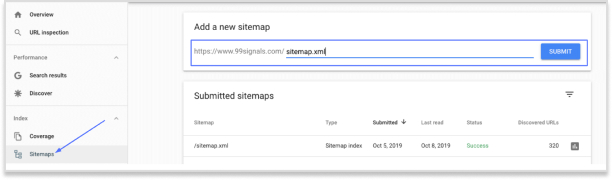
On the Sitemaps page, click on the “Add/Test Sitemap” button.
In the text field that appears, enter the filename or path of your XML sitemap. It should typically be named “sitemap.xml” and located in the root directory of your website.
Click on the “Submit” button to add your XML sitemap to Google Search Console.
Step 2: Verify Successful Submission
After submitting your XML sitemap, Google Search Console will display the status and details of the submitted sitemap. It may take some time for Google to process the sitemap and index the included URLs.
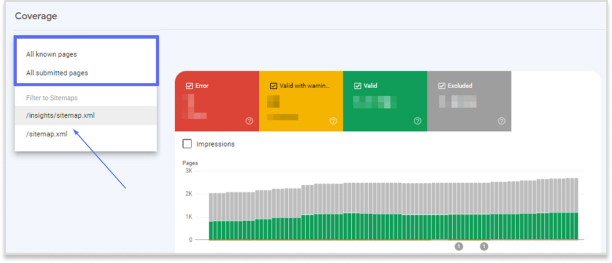
Check the “Coverage” report in Google Search Console to ensure that the submitted URLs are being indexed properly. Monitor any errors or warnings that may require attention.
It’s important to note that Google’s crawling and indexing process may take some time. Submitting a URL doesn’t guarantee immediate inclusion in search results, but it improves the chances of your web page being discovered and indexed by Google.
Repeat this process whenever you have new content or make significant updates to ensure timely indexing and visibility in search results.
And when you’re sharing your newly indexed links, you can shorten them through an efficient link shortener to brand them and track clicks easily. This will ultimately result in making your SEO efforts more measurable and powerful.
FAQs
What is the purpose of submitting URLs to Google?
The purpose of submitting URLs to Google is to enhance visibility and ensure that your web pages are indexed and included in search results.
How long does it take for Google to index submitted URLs?
The time taken for Google to index submitted URLs can vary, but it typically ranges from a few hours to a few days.
Can I submit multiple URLs at once to Google?
Yes, you can submit multiple URLs at once to Google using an XML sitemap or by requesting a crawl through Google Search Console.
Should I resubmit my URLs to Google if I make updates to my website?
Yes, it is advisable to resubmit your URLs to Google whenever you make updates to ensure timely indexing of the modified content.
What should I do if my submitted URLs are not getting indexed by Google?
If your submitted URLs are not getting indexed by Google, you should review potential issues such as crawl errors or content quality to troubleshoot and address the problem.
How often should I review and update my XML sitemap?
Regularly reviewing and updating your XML sitemap is recommended, especially when new content is added or existing content is modified.
Have you ever tried emailing a PDF only to hear, “I can’t open this”?
That’s a real pain, especially when 98% of businesses still rely on PDFs for sharing docs in 2026. And yet, bulky attachments, hidden files, and endless download steps slow everyone down.
If you’ve ever felt frustrated by unclickable docs, you’re not alone! Slow downloads and attachment chaos waste precious time, and they kill engagement.
The good news?
There’s a super simple fix, i.e., turn your PDF into a clean, shareable link online. No downloads, no headaches!
In just seconds, you can create a URL anyone can open with just a single click, and keep everyone happy.
Ready to break down what a PDF actually is before we get into how conversion works?
Let’s get right to it!
What is a PDF?
A “PDF (Portable Document Format)” is a universal file format that preserves a document’s layout, fonts, images, and content, so it looks the same no matter what device or software you use to open it. It was created to make sharing and viewing documents easy and consistent for everyone.
PDFs work on computers, phones, and browsers without changing their actual appearance.
For example, if you save your résumé as a PDF and send it to someone, it will look exactly the same on their screen as it does on yours (no weird formatting or missing fonts).
What is a URL?
A “URL (short for Uniform Resource Locator)” is basically the web address you type or click to find something online, whether it’s a webpage, a video, an image, or even a document like a PDF. It tells your browser where something lives on the internet and how to load it.
Think of it like a street address for online stuff. For instance, https://www.example.com/page1 takes you right to that specific page (i.e., page1).
Can you convert a PDF to a link/URL?
Yes! You can absolutely convert a PDF into a shareable URL online, and most tools do it in just a few clicks.
You simply upload your PDF to a free service, and it hosts the file and instantly gives you a link anyone can open in their browser, hassle-free.
That link lets people view (and sometimes download) your PDF without having to send the file itself.
It’s quick, works on phones and computers, and you can share the URL via email, chat, or social media seamlessly.
How to convert PDF to URL link for free: 4 simple methods discussed!
Sharing your PDF as a link makes it much easier for others to view or download without bulky attachments.
Below are four easy ways to turn a PDF into a shareable URL, starting with the most popular free option using cloud storage like Google Drive, OneDrive, and Dropbox.
Here’s how to convert a PDF to a URL for free, with simple steps anyone can easily follow!
Method #01: Using Cloud Storage (easiest way)
Uploading your PDF to cloud storage lets you generate a quick, unique URL you can share with anyone, anytime. Most cloud drives let you control who can view or edit the file, perfect for free PDF-to-link sharing.
Google Drive PDF to URL conversion
1. Go to Google Drive and sign in to your Google account.
2. Click “+ New” → “File upload” and choose your PDF.
3. Once uploaded, right-click the file and click “Share” → “Get link.”
4. Change the permission from “Restricted” to “Anyone with the link”(Viewer) so others can open it without signing in.
5. Click “Copy link,” then “Done,” and paste it wherever you want to share.
OneDrive PDF to URL conversion
1. Open OneDrive and sign in with your Microsoft account.
2. Upload your PDF by dragging it into your OneDrive folder or using Upload → Files.
3. After the upload finishes, select or right-click the file and click “Share.”
4. Choose “Anyone with the link can view” or “Anyone with the link can edit” to make the URL public.
5. Click “Copy link” and share it.
Dropbox PDF to URL conversion
1. Sign in to Dropbox and upload your PDF to your space.
2. Hover over the PDF and click “Share.”
3. If a link hasn’t been created yet, click “Create link.”
4. Once ready, hit “Copy link” to grab the URL.
5. Share the link, so people can open it in a browser.
These cloud storage methods are reliable ways to learn how to convert a PDF to a URL for free, without extra tools or software. Next, we’ll look at other simple approaches that don’t even require a cloud account!
Method #02: Converting to HTML (for web pages)
If you want your PDF to act like a real online web page, converting it to HTML is a great way to do so.
Turning a PDF into an HTML file lets browsers display it just like a site, and once it’s online, you can share its URL easily.
Here’s how to convert a PDF into a web-friendly HTML using popular tools:
Using Adobe Acrobat
1. Open your PDF file inside Adobe Acrobat on your computer/laptop.
2. From the toolbar on the right, click on the “Create & Edit” option.
3. At the top of the window, choose the “Export PDF” or “Convert” option.
4. In the list of available formats, pick “HTML Web Page” for the output type.
5. Set your desired options (like whether to create a single HTML file or several), and then click “Export” to proceed.
6. Click “Save” and Adobe Acrobat will export your PDF as an HTML document.
7. Upload the HTML file(s) and any related folders to your web host, then open them through their URL.
Using PDFelement
1. Launch PDFelement and open your PDF file in the app (either by dragging it or selecting “Open File”).
2. In the top menu, go to the “Convert” tab.
3. Click the option that says “To HTML” or select “HTML” from the output formats.
4. Choose where you want the converted file saved, and click “Save.”
5. PDFelement will turn your PDF into an HTML web page ready for sharing or hosting online.
Method #03: Using other notable online tools
If you’re looking for quick web-based ways to turn your PDF into a URL without installing anything, several online tools make this super easy.
These platforms let you upload your PDF file and get a shareable link in just a few clicks. Perfect option for converting a PDF to a URL in minutes!
pdfFiller
pdfFiller lets you upload a PDF and instantly generate a shareable URL/link you can send to anyone. No complicated steps!
1. Go to the pdfFiller website.
2. Upload your PDF file using the upload box.
3. Choose the “Share or Create Link” option.
4. Adjust permission settings, and click the button labeled “Create Link.”
5. Wait for the conversion to finish.
6. Copy the link provided and share it via email, chat, or social media.
EdgeOne Pages
EdgeOne Pages offers simple PDF-to-URL hosting. Upload your file and get a direct link, with options for custom domains and secure HTTPS.
1. Visit EdgeOne Pages and sign in or create an account.
2. Upload your PDF file to the platform.
3. Pick a free default domain or connect your own.
4. Click “Deploy” or “Publish” to host the file.
5. Copy the generated URL and share it with anyone.
FlippingBook
FlippingBook converts your PDF into a stylish, interactive online document with a shareable link. Great choice if you want more than a basic viewer.
1. Go to FlippingBook.
2. Upload your PDF via the “Upload PDF” button.
3. Wait while the tool converts it into an online flip book.
4. Customize settings or look if you’d like.
5. When ready, copy the URL for your generated flip book.
6. Share the link by email, social media, or embed it on your site.
Method #04: Via a quick file host
If you want to generate a quick PDF URL without long processes or accounts, using a temporary file host is one of the easiest ways to do it.
These services let you upload a PDF and instantly get a link to share with others. The ideal option when you just need a fast way to convert PDF to URL without storage or setup.
Tiiny.host
Tiiny.host lets you upload your PDF and host it online in seconds, giving you a unique URL others can open right away (with no complicated setup).
1. Visit Tiiny.host in your browser.
2. Drag and drop your PDF file into the upload area.
3. Enter a custom link name if you want a friendly URL.
4. Click “Publish” or “Launch” and wait a moment.
5. Copy the generated link you get and share it. Anyone with the URL can view the PDF online.
WeTransfer
WeTransfer is primarily a file-sharing service that instantly turns uploads into shareable links. A great tool for big PDFs up to ~2 GB.
1. Go to wetransfer.com in any web browser.
2. Click “Add your files” or the “+” icon, then pick your PDF.
3. Choose “Get transfer link (or Link Transfer)” instead of emailing it, from “…” or “More Options.”
4. Hit “Transfer” and wait for the upload to finish.
5. Once done, copy your download link. This becomes your shareable PDF URL.
Note: With the free plan, the link typically stays active for about 3–7 days.
SendSpace
SendSpace is another simple file host that creates a shareable link for any upload, including PDFs, with up to ~300 MB on the free plan.
1. Open sendspace.com in your browser.
2. Click the “Browse” button and select your PDF.
3. Start the upload; wait until it’s fully complete.
4. When finished, copy your unique link from the results page.
5. Share that link anywhere you like! People can visit it to download or view your PDF.
These quick hosts are excellent when you want a fast and free way to convert a PDF to a URL without complex tools. Ideal for one-off shares, portfolios, resumes, or client files.
How to convert a PDF to a URL link on Mac (iCloud Drive)
If you keep your PDF in iCloud Drive on your Mac, you can create a shareable link right from Finder, so anyone with the URL can view or download it.
It’s a great way to share large documents without attachments, and it works across devices as long as you’re signed into your Apple ID.
Here’s how to convert a PDF to a URL on a MacBook, step-by-step:
1. Move your PDF to iCloud Drive: Open Finder, go to iCloud Drive, and drag your PDF in there. Wait a moment for it to finish uploading.
2. Select the file: In iCloud Drive, click the PDF you want to share to highlight it.
3. Open the “Share” menu: Right-click (or Control-click) the file and choose “Share”, then “Share File” from the menu. You can also click the “Share” icon inside the toolbar for this step. It is a square with an upward arrow.
4. Set link access: In the window that appears, click “Share Options” and switch “Only invited people can edit” to “Anyone with the link” if you want anyone to open it without signing in. Also, set the permission to “can view only.”
5. Copy the link: Click the “Copy Link” option. Your unique iCloud PDF link will be copied to your clipboard. Just paste it into an email, message, or post to send it.
That’s all! Now you’ve successfully turned a PDF stored in your iCloud Drive into a URL link others can open easily.
How to convert a PDF to a clickable URL link on a laptop/PC
Turning a PDF into a clickable link on your laptop or PC is simple and takes only a couple of minutes.
You just upload the file to a free online PDF-to-URL converter, and it instantly gives you a shareable link you can copy and send to anyone.
These tools work right in your browser and don’t require downloading special software, making the process quick and easy for everyday sharing.
Step-by-step guide:
1. Pick a PDF-to-URL tool: Open your browser and go to a free converter like PDF Deck, UPDF, or LinkyHost. These let you upload and convert PDFs to URLs right away!
2. Upload your PDF: Click the “Upload” or “Choose File” button and select the PDF you want to share from your PC.
3. Generate the URL: Once the file finishes uploading, the tool will process it and show you a shareable link. (Some tools give you a QR code too!)
4. Copy the link: Click “Copy Link (or similar)” to save the URL to your clipboard.
5. Share the URL: Paste the link into an email, chat, or webpage, so anyone who clicks it can open your PDF in a browser effortlessly.
That’s it! No installs, no tech setup, just a few clicks to turn your PDF into a clickable URL link!
How to convert a PDF to a link in mobile
Turning a PDF into a clickable URL on your mobile phone is easier than you might think. You don’t need to install heavy software for this task.
You can use free online tools right from your phone’s browser to upload your PDF and instantly get a shareable link that anyone can open hassle-free.
Step-by-step guide:
1. Open your mobile browser: Launch Chrome, Safari, or your usual browser on your iPhone or Android phone.
2. Go to a PDF-to-URL tool: Visit a free converter like PDF to Link(pdftolink.io) or iScanner. These work on phones just like on a desktop.
3. Upload your PDF: Tap “Upload” or “Choose File,” then pick the PDF from your phone’s files or cloud storage.
4. Generate the shareable link: Once the upload finishes, the site will create a URL for your PDF. Just tap “Copy Link” to save it.
5. Share your link: Paste the link into a message, email, or WhatsApp. Now, anyone can open your PDF with just a single tap!
👉 Some modern mobile apps also let you create and share a PDF link directly (e.g., certain PDF hosting apps on iPhone), but using a browser tool is usually the fastest way on any device.
By now, you’ve seen that turning a PDF into a clickable URL link is something anyone can do in minutes, no matter if you’re on a laptop, mobile phone, Mac with iCloud Drive, or using cloud storage and online tools.
These methods make sharing documents effortless, eliminate bulky attachments, and keep your links neat and easy to access.
And if you want to go a step further and create short link versions that are trackable and professional, tools like Replug make it pretty simple to shorten, brand, and monitor your links while boosting engagement.
Maximize marketing ROI
by transforming ordinary URLs into branded short links that convert.
Try Replug for free
Yes! You can turn a PDF into a URL by uploading it to an online hosting tool or cloud service. Once uploaded, the platform gives you a shareable link that anyone can open in a browser. Services like PDF to Link and Tiiny.host make this real quick.
Here’s how to turn a PDF into a URL:Just upload your file and copy the link the tool generates. As simple as that!
How to change a PDF to a URL?
To change a PDF into a URL, use a free online PDF-to-URL converter. Just visit the site, upload your PDF, and it will instantly create a unique web link for your file. You can then copy that link and share it anywhere.
How to host a PDF on a URL?
You host a PDF at a URL by placing it on a web server or in cloud storage (such as Google Drive, Dropbox, or a reliable hosting service). After uploading, set the file’s sharing to public and copy the URL it provides you. That link becomes the address (hosted address) others can use to open it.
Can I convert a PDF to a webpage?
Definitely! You can convert a PDF to a web page by converting it to HTML or by hosting it as a web-accessible document. Some tools let you export your PDF as an HTML file or embed it in a webpage viewer, so people can view it like a website rather than just a download file.
How to convert PDF to URL via Adobe?
With Adobe PDF to link, Adobe Acrobat doesn’t directly generate a public URL by itself. Instead, you would first upload your PDF to a cloud or hosting service (like Adobe Document Cloud or Drive), then share the public link it provides.
Note: Adobe Acrobat lets you edit and prepare PDFs before hosting, but the actual URL is generated by the upload service.
How to convert a PDF file to a URL on iPhone and Android?
You can turn a PDF into a URL link right from your phone using free online converters (like PDF to Link or similar). Just open your mobile browser → go to the tool’s site → upload the PDF from your device or cloud, and the tool will generate a shareable link you can copy and send.
Alternatively, upload the PDF to cloud storage (e.g., Google Drive, Dropbox, OneDrive) and use the share feature to get a link.
How do I turn a PDF into a Google link?
To get a Google link for a PDF:
1. Upload the file to Google Drive, 2. Then right-click it and choose “Share.” 3. Change the access to “Anyone with the link (Viewer)” (if needed), 4. Then copy the link and share it.
That link will let others view or download your PDF in a browser.
How to share a PDF as an online link?
The simplest way is to upload your PDF to a cloud service like Google Drive, Dropbox, OneDrive, or a PDF-to-link site. After uploading, use the “Share” or “Get link” option and set the access you want (e.g., “Anyone with the link”). Finally, copy the URL and send it to anyone you want!
How to convert a PDF URL to base64 in JavaScript?
To turn a PDF URL into base64 in JavaScript, you typically fetch the PDF data as a binary blob and then encode it.
Note: Base64 lets you embed the PDF data as text (e.g., in HTML or JSON) instead of linking to a file.
Why might you need to convert a PDF to a URL online?
You might convert a PDF to a URL online because it makes sharing documents much easier. There are no large attachments, no format issues, and recipients can open it directly in a browser.
URLs are great for posting online, sending in chats or emails, and avoiding file size limits that come with attachments.
How to embed a PDF in a web page easily?
To embed a PDF on a web page so visitors can view it without downloading, upload your file to a host (like Google Drive or a PDF hosting service), then use an HTML embed method.
A common approach is to add an <iframe> or <embed> tag with the PDF’s URL as the source to your page’s HTML. This displays the PDF right on the page.
What is the best PDF-to-link converter online in 2026?
In 2026, several good online PDF-to-URL converters exist, but tools like PDF to Link (pdftolink.io) and LinkyHost stand out for simplicity and free use. They let you upload a PDF and get a shareable link instantly.
Some other platforms offer analytics and tracking, too. Also, comprehensive tools like Papermark are gaining popularity for advanced link analytics and custom options.
How to share your PDF link in an email, chat, and on social platforms?
Once you have a shareable URL for your PDF, just copy the link and paste it wherever you want: in an email message, chat app (like WhatsApp or Messenger), or on social sites like Facebook, LinkedIn, or Twitter.
Most platforms automatically turn the link into a clickable item, so recipients can open the PDF in their browser without downloading it.
How to upload a PDF to a URL?
To upload a PDF so it has its own URL, use a hosting solution or service such as cloud storage or an online PDF-to-link tool. Upload the file, then use the platform’s share or generate link feature. The system will host your file and provide a URL you can share. That’s your live link to the PDF.
What are the most common PDF link types?
Here are common types of PDF links you might use or encounter:
–Direct link: A simple URL that opens or downloads the PDF file. –Link to a page: A link that opens the PDF to a specific page (often done with #page=number). –Link to selected text: A URL that highlights or jumps to particular text within the PDF. –Custom link: A branded, user-friendly, vanity URL(often created through a link shortener or custom host).
These cover most ways people share or reference PDFs online.
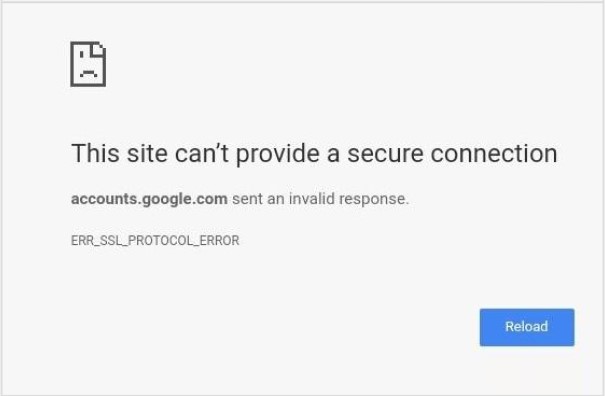
Are you frustrated by the “ERR_SSL_PROTOCOL_ERROR” message that keeps popping up when you try to access websites using Google Chrome? Don’t worry, we’re here to help!
For those who oversee multiple links, using a dedicated link optimization platform can streamline the process, making link management and tracking far easier.
In this guide, we’ll walk you through some simple steps to fix this annoying error and get you back to browsing without any hiccups. No technical jargon or complicated solutions—just easy-to-follow instructions that anyone can understand.
So, let’s get started and say goodbye to the “ERR_SSL_PROTOCOL_ERROR” for good!
What is “ERR_SSL_PROTOCOL_ERROR”?
The “ERR_SSL_PROTOCOL_ERROR” is an error message that commonly occurs when there is a problem with the SSL/TLS(Secure Sockets Layer/Transport Layer Security) protocol during a secure connection attempt between a web browser and a website. SSL/TLS protocols are used to encrypt and secure communication over the internet.
When you encounter the “ERR_SSL_PROTOCOL_ERROR,” it means that the browser was unable to establish a secure connection with the website due to a protocol mismatch or other SSL/TLS-related issue. This error can prevent you from accessing the website and viewing its content securely.
What are the causes for “ERR_SSL_PROTOCOL_ERROR”?
The “ERR_SSL_PROTOCOL_ERROR” can be caused by the following:
Outdated browser or operating system.
Incorrect SSL/TLS settings.
Expired or invalid SSL certificate.
Firewall or antivirus interference.
Server-side SSL/TLS configuration issues.
Network connectivity problems.
These factors can lead to a mismatch in SSL/TLS protocols or other compatibility issues, resulting in the “ERR_SSL_PROTOCOL_ERROR” message.
How to fix “ERR_SSL_PROTOCOL_ERROR” in Google Chrome?
To fix the “ERR_SSL_PROTOCOL_ERROR,” you can try the following steps:
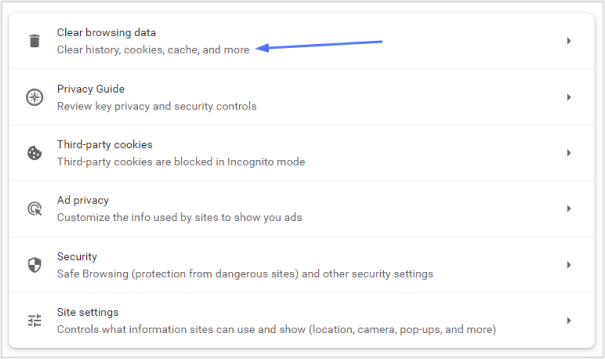
1. Clear Browser Cache:
The browser cache stores temporary data, including SSL certificates. Clearing the cache helps eliminate any conflicts or outdated information. To do this, go to your browser’s settings then privacy and security, locate the option to clear browsing data, and select the cache or temporary files option.
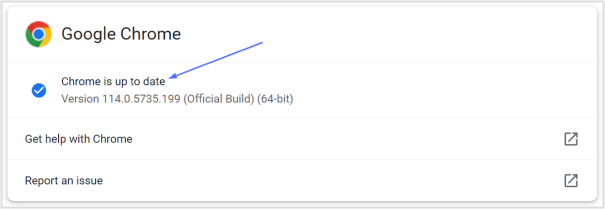
2. Update Browser:
Outdated browser versions may lack support for the latest SSL/TLS protocols. Updating your browser to the latest version ensures that you have the necessary security protocols and fixes. Visit the browser’s official website or use its built-in update feature to install any available updates.
3. Check System Time and Date:
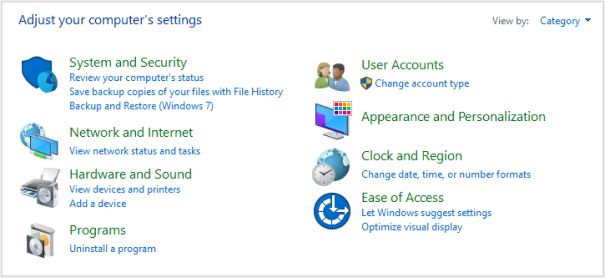
SSL certificates have an expiration date, and if your system’s date and time settings are incorrect, it can cause SSL certificate verification failures. Make sure your device’s date, time, and time zone settings are accurate. You can usually find these settings in the system preferences or control panel of your operating system.
4. Disable Firewall or Antivirus Temporarily:
Sometimes, firewall or antivirus software can interfere with the SSL/TLS handshake process. Temporarily disable any such software and then try accessing the website again. If the error no longer appears, it indicates that the software was causing the issue. Adjust the settings of your firewall or antivirus software to allow SSL/TLS connections or consider contacting the software provider for further assistance.
5. Try a Different Browser:
If the error persists after following the previous steps, try using a different web browser to access the website. This can help determine if the issue is specific to the browser you were using. Install and use an alternative browser such as Mozilla Firefox, Microsoft Edge, or Safari to see if the error persists. If the website loads without the error on a different browser, it indicates that there may be browser-specific settings causing the issue.
6. Disable the QUIC Protocol of Chrome:
QUIC (Quick UDP Internet Connections) is a protocol used by Google Chrome to establish faster connections. However, in some cases, it can conflict with SSL/TLS protocols and cause the “ERR_SSL_PROTOCOL_ERROR.” To disable QUIC in Chrome, enter “chrome://flags” in the address bar, search for “Experimental QUIC protocol,” and disable it. Restart Chrome and check if the error persists.
7. Adjust Your Internet Security and Privacy Level:
Sometimes, overly strict security or privacy settings can interfere with SSL/TLS connections. Adjusting your internet security and privacy level to a more moderate setting can help resolve the “ERR_SSL_PROTOCOL_ERROR.” Check your browser’s settings or security software settings to ensure they are not blocking SSL/TLS connections. Gradually reduce the security or privacy settings until the error is resolved.
8. Contact Website Support:
If the “ERR_SSL_PROTOCOL_ERROR” occurs only when accessing a specific website, it’s worth reaching out to their support team. Provide them with details about the error, including the specific website address (URL) and the browser you are using. The website’s support team can investigate any server-side SSL/TLS configuration issues or certificate problems that may be causing the error and provide guidance on resolving the issue.
Remember, these steps are general recommendations, and the specific solution may vary depending on the cause of the “ERR_SSL_PROTOCOL_ERROR” in your particular scenario.
If the error persists, you may need to contact the website’s support team. Besides, if you’re someone managing links for your site or marketing campaigns and want a clean, branded URL, you can easily create short links with Replug, and benefit from reliable redirects too.
Boost your conversion rates with irresistable CTAs with
Why am I seeing the “ERR_SSL_PROTOCOL_ERROR” in my browser?
The “ERR_SSL_PROTOCOL_ERROR” occurs when there is a mismatch or issue with the SSL/TLS protocol.
Is the “ERR_SSL_PROTOCOL_ERROR” specific to Google Chrome or can it occur in other browsers too?
The “ERR_SSL_PROTOCOL_ERROR” can occur in other browsers besides Google Chrome.
Can an expired SSL certificate cause the “ERR_SSL_PROTOCOL_ERROR”?
Yes, an expired SSL certificate can cause the “ERR_SSL_PROTOCOL_ERROR.”
Should I be concerned about my online security if I encounter the “ERR_SSL_PROTOCOL_ERROR”?
The “ERR_SSL_PROTOCOL_ERROR” indicates a problem with the SSL/TLS connection, and it’s important to address it for secure browsing. However, encountering the error alone doesn’t necessarily mean your online security has been compromised.
An all-time high of 4.9 billion people are now on social media platforms worldwide. In addition, predictions show that by 2027, this number will be increased to almost 5.85 billion.
Still, if you’re exhausted from only getting views and a few clicks from your social media channels, it’s time to rethink your brand’s approach to social media.
Because, with the appropriate approach, social media can drive real traffic and sales to your brand. In this article, we’ll review strategies for making the most of your social media conversions in 2026.
SMART stands for Specific, Measurable, Achievable, Relevant, and Time-bound. Setting goals that meet these criteria gives you a clear direction and a better chance of success.
1. Analyzing buyer persona
To market your products or services effectively, it’s essential to genuinely get to know the people you’re trying to reach. Put another way, it is getting to know your buyer’s persona or target audience.
To create your custom audience, it would be helpful to gather the following information:
User Age
Previous purchasing behavior
User Gender
Current Occupation
Engage in social listening
After crafting your buyer persona, make the most of this valuable information when shaping your content strategy. Moreover, don’t fool yourself into thinking that artificially inflating your follower count by purchasing phony accounts would improve your brand’s visibility. Having social media “likes” but no interaction with your material is pointless.
2. Creating a social media calendar
A social media content calendar gives you a bird’s eye view of your social content: what you’ll be posting, which channels you’ll be posting on, your posting schedule, and so on. Collaborating with social media marketing agencies in Los Angeles can also help ensure your calendar reflects trends and audience behaviors unique to your local market.
By planning out your content in advance, you can ensure that your messages align with your overall goals and objectives and that you share relevant and engaging content with your target audience.
Use tools like Contentstudio.io to create a schedule for each content type on each social media platform, specifying the time of day and day of the week for each post.
3. Create a conversion-focused landing page
To kickstart a solid social media strategy, craft the perfect landing pages to share on one’s social profile.
Replug is an all-in-one link management platform that makes it simple to design a landing page, making it perfect for increasing conversions through social media bio links and retargeting pixels.
Like a game of “Who Wore It Better?”, your audience will play “Who Wrote It Better?” as they devour your landing page’s content.
Create epic content where your products and services engage in an epic showdown with your competitors.
Add Website links, Product links, Affiliate links, Blog or Articles, Videos, Musical tracks, Contact buttons, CTA’s, Sales or discounts, and more in your Bio link page
Remember that visitors will compare your landing page as they read your offerings. Creating pages comparing your offerings to your competitors is a good idea.
Link comparison pages to your bio landing page so your audience can see which solution is the best for them.
4. Adding catchy CTAs
After completing a project of any kind, be it a video, blog article, email campaign, social media post, bio link landing page, etc…. It’s time to make some new CTA, buddies.
Visitors to your landing pages may or may not be ready to purchase immediately. However, after coming over the CTA, some users might click on it, while others may want to know more about the offering before making a decision.
That’s why it’s essential to include a variety of calls to action on your landing page. One in the beginning (above the fold), one at the center, and one at the end.
However, if you rely on email marketing, ensure your emails are short and have a clear call to action. You can use this efficient URL shortener for getting this job done. Include your offer/value/free trial in the email’s subject as well.
The quicker people can consume your content, the better. Don’t hide “the meat” in long emails about unnecessary things.
5. Creating engaging content
With the ever-increasing competition and constant stream of information bombarding users, it’s difficult to stand out.
Nowadays, users crave content that is not only informative but also entertaining and visually appealing. They want to be captivated, inspired, and compelled to take action.
So, how can you ensure your social media content is up to the mark? It all starts with
Visual Content: Visual content has been proven to have a higher click rate and conversion rate than general text-based content. Also, it can boost your online presence and increase your audience’s engagement.
Adding Memes: Memes are static images often enhanced with text and spread quickly through social media.
Trendy content: Whether reading the news, following social media accounts or subscribing to newsletters, staying up-to-date and utilizing trendy content is essential.
Using relevant hashtags: Adding your brand name or a relevant keyword to your profile creates a sense of professionalism and authenticity. This personalized social media hack helps users recognize and remember your brand. And for crafting captivating captions effortlessly, consider using a social media caption generator to enhance your content even further.
Use exit pop-ups and CTAs: Whenever a user’s cursor moves towards that exit button, the exit intent popup swoops in and grabs their attention. It’s a social media hack website owners use to engage with their visitors and reduce bounce rates.
6. Selecting the right social media platform
Social media platforms are a dime a dozen, each with its target market and fan base.
Break down every social channel to determine its target audience so you can pick the best content strategy.
Facebook
Facebook is the most popular social networking platform globally, with 2.9 million monthly active users worldwide. Users between the ages of 25 and 34 comprise the largest demographic group. Questionnaires, Videos (usually short clips), and links to web blogs are popular among Facebook members.
Instagram
Instagram is extremely important to businesses of all sizes in the twenty-first century. Instagram users enjoy high-quality videos, stories, giveaways, collaborations, and carousels.
It’s estimated that 67% of all B2B companies use Twitter(X) as a means of advertising. Users of Twitter enjoy blog links, GIFs, polls, and current soundbites.
Youtube
The platform boasts a monthly active user base of over 2.5 million people. YouTube users have a strong preference for various types of content, including vlogs, YouTube shorts, video reviews, and live gaming sessions.
Pinterest
As many as 478 million people worldwide use Pinterest monthly for ideas and retail motivation. Pinterest users like image pins, video pins, product pins, etc.
LinkedIn
LinkedIn is used by 24% of millennials, 50% of internet users with a bachelor’s degree or above, and 92% of B2B marketers. Among the most popular types of user-generated content on LinkedIn include newsletters, surveys, engaging videos, carousels, and attention-grabbing one-liner postings.
Snapchat
According to Snapchat’s marketing, the app is used for more than 30 minutes every day by its users, including 75% of Gen Z and Millennials. The most popular types of content on this platform are stories, streaks, photos, and short videos that can be modified with various filters, effects, text captions, and drawings.
TikTok
TikTok has over 1.677 billion users globally, out of which 1.1 billion are its monthly active users. Most use TikTok to find funny/entertaining content, followed by posting and sharing content.
Quora
The gender distribution on this popular question-and-answer website is 43% female and 57% male. According to the B2B Marketing Guide on Quora, more than half (54%) of users have an annual household income exceeding $100,000. It serves primarily as a question-and-answer website.
In addition to our previous suggestions, we highly recommend involving cross-promotion in your content strategy.
7. Leverage user-generated content
Did you know that research has found that users can form an opinion about your content in just 0.05 seconds? It’s pretty quick, right? So, you’ve got to impress them right off the bat.
Using user-generated content in marketing has become a significant component of effective content strategies in recent years.
Let’s talk about the various types of user-generated content.
Reviews or Rating
Reviews and ratings rule user-generated content. They are highly valuable since product users make them.
Social media posts
Any time someone posts a social message about you, whether it’s a Tweet or an Instagram post, that’s UGC.
Custom campaigns with specialized hashtags
You can ask followers to share their favorite memories with your products or services, photographs with the product, or something else.
Video content (including live streaming and AR lenses/filters)
UGC includes GoPro films, Instagram Stories, and natively recorded videos, as long as you aren’t paying someone to create the material for you.
Sponsored Content
Organic social media takes time compared to the immediate increase in brand reach and awareness of paid ads.
Q&A Forums (including comments)
Forum discussions like Quora and others serve the unique purpose of in-depth answers to user-generated questions.
User-generated content like these can be used as social proof. Social proof is a vital aspect of your sales funnel content strategy.
8. Create video-centric posts
Did you know that social media posts with videos usually get more engagement? It’s true! People are more likely to interact with posts that have videos. You can attract and keep more clients interested by using a variety of videos.
Here’s an example of a video-centric post by famous LinkedIn content creator Gary Vaynerchuk on Linkedin:
Just like this highly video-centric post, make sure your videos are interesting enough to make people want to stop what they’re doing and watch. Put your brand’s message and a compelling call to action (CTA) in the video’s initial few seconds to increase its conversion rate.
9. Sharing a case study
Case studies are the most popularself-promotion content marketing tactic, with 62.2% of surveyed marketers saying they effectively generate leads. When working on your case study, focus on storytelling rather than solely on numbers.
Once you’ve created an impactful case study. Share it on social media, include it in your email marketing campaigns, make sure it’s prominently displayed on your website, and even link to it in your blogs.
However, creating case studies can be quite time-consuming and requires a lot of effort. If you’re excited about creating something, share it on as many platforms as possible to have the most significant impact.
10. Track your social media analytics
This social media hack concludes platform analysis, campaign analysis, and reporting. But you can’t do all this by yourself. So you’d need a social media analytics tool to help you spy on your social media accounts, like ContentStudio – a secret clubhouse for creative geniuses.
Additionally, you can also get back and forth to eliminate approval with immediate feedback from clients and the team. Overall, it monitors your brand’s social media strategy and helps you improve it by analyzing usage data.
Conclusion
We’ve got you covered with the essential steps to boost your social media conversions and get some desired results. To start, having a content strategy that speaks to your buyers is essential.
Secondly, instead of just focusing on promoting yourself, highlight the benefits of your products or services. This way, you can show potential customers how your offerings can make a difference in their lives.
Lastly, make sure to tap into the power of user-generated content, such as reviews and case studies, to sway potential buyers in a positive way.
Now that you have this information, you can start your revamped social media strategy! Good luck! You’ve got this!
Ever fallen down a tab-hoarding rabbit hole only to realize you can’t find that one article you swore you’d read later? You’re not alone!
With nearly 5.84 billion people browsing the web every day and Chrome alone accounting for about 69% of global web traffic in 2025, the internet is bigger and busier than ever.
That’s why something as simple as bookmarking feels genuinely essential… until your bookmarks become a cluttered maze of forgotten links and duplicate entries. It’s frustrating, time-wasting, and honestly, a productivity killer.
But what if bookmarking was quick, organized, and truly device-agnostic, no matter if you’re on a phone, laptop, or tablet?
In this guide, we’ll start at the beginning: what it actually means to bookmark a URL, and why learning it matters in 2026.
So, let’s get started!
What does it mean to bookmark a link or URL?
When you bookmark a link or URL, you’re basically telling your browser, “Hey, save this so I can get back to it later without hunting for it again.”
In tech terms, a “bookmark” is just the web address of a page that your browser stores in a list for quick access sometime down the road (kind of like putting a sticky note on a page you want to revisit).
The main objective is simple: save time and avoid frustration.
Instead of typing a long URL, searching through your history, or trying to remember where you saw something, you just click your saved bookmark and boom! You’re right back where you need to be.
Bookmarks matter because they help you organize your online life. You can group related pages into folders, revisit favorite sites instantly, and even sync those bookmarks across devices so your saved links follow you everywhere, seamlessly.
How to bookmark a webpage in Chrome (Desktop/Laptop)
Bookmarking in Chrome is super simple and only takes a few clicks. Think of it as making a shortcut to your favorite pages so you don’t have to chase them later.
Open Google Chrome: Launch Chrome on your computer. This works on both Windows and Mac.
Go to the page you want to save: Navigate to the exact webpage you wish to bookmark.
Click the star icon in the address bar: You’ll see a little star (⭐) on the right side of the URL bar. Click it!
Confirm and save the bookmark: A small pop-up will appear. Here you can:
Rename the bookmark (helpful if the page title is long or confusing)
Choose a folder to save it (like Bookmarks Bar or another folder)
When you’re done, click “Done.”
🖥️ Quick tip: Instead of clicking the star, you can press Ctrl + D (Windows) or ⌘ + D(Mac) to open that same bookmark dialog instantly.
Now your page is successfully saved! You can open it anytime from the Bookmarks Bar(if saved there), the Bookmarks menu, or the Bookmark Manager. Perfect for keeping your browsing organized.
How to bookmark a webpage in Chrome (Android)
Bookmarking a page in Chrome on your Android phone or tablet is quick and super handy, especially when you want to save something for later without having to scroll through your history.
Open the Chrome app: Tap the Chrome icon on your Android device to launch the browser.
Go to the page you want to save: Type or search for the site you want to bookmark, then wait for it to fully load.
Tap the three-dots menu: Look for the three vertical dots (⋮) in the top-right corner of the screen and tap them to open the menu.
Tap “Add to bookmarks”: From the menu list, choose Bookmarks (you might see a star ⭐ icon). Chrome will save the page to your bookmarks.
That’s it! You’ll see a tiny confirmation that the page is saved.
Note: To find your bookmarks later, just open the three-dots menu again and tap “Bookmarks.” All your saved pages will be listed there.
How to bookmark a URL on Chrome (iPhone)
Saving a page in Chrome on your iPhone is quick and helpful, particularly when you want to come back to something later without searching for it again.
Here’s how:
Open the Chrome app on your iPhone: Just tap the Chrome icon like you would with any app.
Navigate to the webpage you want to bookmark: Type the web address or search for the page you want to save.
Tap the three dots menu: Look for the three horizontal dots (⋯) in the bottom-right corner of the screen, then tap them. Then, click the “Share” button inside the gray address bar.
Select “Add to Bookmarks”: In the menu that pops up, scroll down if needed, then tap Bookmarks. Chrome will automatically save the page to your bookmarks.
You’re done! To visit it later, just open Chrome’s menu again and tap “Bookmarks.”
💡 Pro tip: If you often save pages, try organizing them into folders once you’re in the Bookmarks view. It makes finding stuff later a lot easier.
How to bookmark a webpage in Safari (Desktop/Laptop)
Bookmarking in Safari on your Mac is quick and makes it way easier to return to your favorite sites anytime.
Here’s how you do it:
Open Safari: First, launch the Safari app on your Mac, whether it’s a MacBook, iMac, or any other macOS device.
Go to the webpage you want to save: Type the address or search for the page you want to bookmark and wait for it to load completely.
Click the “Share” button in the toolbar: Look for the “Share” icon (it’s usually a square with an arrow pointing up) at the top of the window and click it.
Choose “Add Bookmark”: In the menu that opens, tap Add Bookmark. A small prompt will appear asking where you want to save it.
Name and pick a location: You can change the name if you want, and select a folder like Favorites, or save it in a different bookmarks folder. When you’re satisfied, click Add.
Now your page is successfully saved!
How to bookmark a URL in Safari (iPhone)
Bookmarking a webpage in Safari on your iPhone is one of those small but super useful tricks that saves you time, no typing or searching around later.
Here’s how to do it step-by-step:
Open the Safari app: Tap the Safari icon on your iPhone to open the browser.
Go to the page you want to save: Type in the website’s address or search for the page you want to bookmark. Let it finish loading.
Tap the “Share” button: At the bottom of the Safari screen, you’ll see a square with an arrow pointing up. That’s the Share button. Tap it!
Select “Add Bookmark”: In the menu that pops up, scroll if needed, and then tap Add Bookmark.
Edit and save: A screen will appear where you can rename the bookmark if you want and choose where it gets saved (like in your main Bookmarks or a folder). Once you’re happy, just tap Save in the top right corner of your iPhone screen.
That’s it! Your page is now bookmarked.
Note: You can also press and hold the“open book” icon for saving a page as a bookmark. Plus, you can access your saved pages anytime by tapping this icon in Safari and selecting your preferred bookmark.
How to bookmark a webpage in Microsoft Edge (Desktop/Laptop)
Bookmarking a webpage in Microsoft Edge is really simple and feels a lot like saving a favorite in other browsers. In Edge, bookmarks are called “Favorites,” but they work just the same.
Open Microsoft Edge: Launch Edge on your Windows PC or Mac. This works in the latest version of the browser.
Go to the page you want to save: Type the website address or search for the page you want to bookmark, and let it load fully.
Click the star icon in the address bar: Look for the small star ⭐ on the right side of the address bar. That’s the button to add the current page to your favorites. Click it!
Name your bookmark and pick a folder: A little pop-up will appear. You can:
Rename the bookmark: Useful if the page title is too long or not clear.
Choose where to save it: Like the “Favorites bar” or another folder you’ve made.
5. Click “Done” to save it: Once you’re content with the name and location, hit “Done” and your bookmark will be saved.
💡 Quick keyboard tip: You can also press Ctrl + D(Windows) or Cmd + D(Mac) to open the bookmark box fast (just like in other browsers).
Now your favorite page is stored! You can access it anytime from the Favorites menu or from the Favorites bar if you saved it there.
How to bookmark a webpage in Microsoft Edge (Android)
Bookmarking a webpage in Edge on your Android phone lets you save links you want to revisit later (no typing or searching again).
Here’s the guide to do it:
Open the Edge app: Launch Microsoft Edge on your Android device.
Go to the page you want to save: Type the web address or find the site you want to bookmark and let it load fully.
Tap the three-dots menu: At the bottom (or sometimes top) of the screen, tap the three vertical dots (…) to open Edge’s menu.
Tap “Add to Favorites”: Look for Add to Favorites in the menu and tap it. This saves the page as a bookmark. You might see a little message saying “Added to Favorites” once it’s done.
That’s it! Your bookmarked page is now saved in Edge’s Favorites.
Note: To visit it later, open the three-dots menu again and tap “Favorites” to see all the links you’ve saved. Besides, Edge keeps your “Favorites” organized and even syncs them across devices if you sign in with your Microsoft account.
How to bookmark a URL in Microsoft Edge (iPhone)
Bookmarking a webpage in Microsoft Edge on your iPhone lets you save sites you want to revisit later without searching for them again.
It’s quick to add bookmarks in Edge. Take a look!
Open the Edge app: Tap the Microsoft Edge icon on your iPhone to launch the browser.
Go to the page you want to bookmark: Type the web address or search for the page you want to save, and let it load.
Tap the menu button: At the bottom of the screen, tap the three horizontal dots (⋯). This opens Edge’s main menu.
Tap “Add to Favorites”: In that menu, find and tap ⭐ Add to Favorites (this is Edge’s way of bookmarking the page). You should see a brief message confirming it’s been added.
That’s it! Your page is now saved in the “Favorites” list.
How to bookmark a webpage in Firefox (Desktop/Laptop)
Bookmarking a page in Firefox on your computer is super simple, and it only takes a few seconds. Think of it like saving a shortcut to a site you like so you can open it again later without typing the address.
Here’s how you do it step-by-step:
Open Firefox and go to the page you want to save: Just browse like you usually do and stop on the page you want to bookmark.
Look for the star icon in the address bar: It’s right next to the web address at the top of the window.
Click the star icon: When you click it, the star will turn blue. That means the page is now bookmarked! A little window will also pop up so you can edit details.
Change the name (optional): In the pop-up, you’ll see the page’s name. You can edit it to something you’ll remember more easily.
Choose where to save it (optional): You can save your bookmark in different places, such as the Bookmarks Toolbar or the Other Bookmarks folder. This makes it easier to find later.
Click “Done”: Once you’re satisfied with the name and folder, click Done, and you’re finished. The bookmark will stay there until you delete it.
Note: If you’re the kind of person who loves shortcuts, you can press Ctrl + D(on Windows/Linux) or Cmd + D(on Mac). That opens the bookmark dialog right away!
How to bookmark a webpage in Firefox (Android)
Bookmarking a webpage on your Android phone or tablet in Firefox is quick and easy. It’s a handy way to save a website you like so you can open it later, hassle-free.
Here’s how to do it, in a friendly and straightforward way:
Open Firefox on your Android device: Just tap the Firefox app to launch it.
Go to the page you want to bookmark: Navigate to any website you plan to save for later.
Tap the menu button (three vertical dots): It’s usually in the top-right corner of the screen (⋮).
Tap the ★ icon or “Bookmarks”: In the menu that pops up, look for the ★ icon next to “Bookmarks” and tap it. That tells Firefox to save this page as a bookmark.
Done! The page is now bookmarked.
Firefox will save the bookmark for you. You don’t need to do anything else unless you want to edit or organize it later.
Note: After saving a bookmark, you can press and hold it in your bookmarks list, then choose “Add to Home Screen” to create a shortcut icon right on your Android device home screen.
How to bookmark a URL in Firefox (iPhone)
Saving a webpage you like in Firefox on your iPhone is quick and handy. Once you bookmark it, you can jump right back to that site anytime without typing the address again.
Here’s a simple walkthrough to help you do it easily:
Open Firefox on your iPhone: Just tap the Firefox app to launch it.
Go to the webpage you want to save: Use the address bar to navigate to the site you wish to bookmark.
Tap the menu button (three horizontal dots): You’ll find this near the bottom or top right of the screen, depending on your app version.
Tap the ⭐ star icon: In the menu that opens, tap “⭐ Bookmark This Page”. Firefox will save that page as a bookmark right away.
That’s it! You’ll see the star filled in or highlighted. That’s Firefox’s way of saying the bookmark is active.
How to bookmark a webpage in Internet Explorer (Desktop/Laptop)
Even though Internet Explorer (IE) is an older browser that is no longer supported, many people still use it on older Windows computers.
In IE, bookmarks are called “Favorites”. Saving a favorite means you can open a website again later anytime, super handy!
Here’s how to do it:
Open Internet Explorer on your computer: Find it from your start menu or taskbar and click to launch the browser.
Go to the webpage you want to bookmark: Type the web address in the address bar and wait for the page to load.
Click the ⭐ icon at the top-right corner: This opens your “Favorites” panel (that’s the list of all the pages you’ve saved before).
Click “Add to Favorites”: In the little menu that pops up, you’ll see an option that says Add to Favorites. Click that!
Give your bookmark a name (optional): IE will fill in the page’s name for you, but you can change it to something easier to remember.
Pick where to save it (optional): You can save the favorite in the main Favorites list or put it in a folder if you’ve made some already.
Click “Add” to finish: Once you click Add, IE saves the page as a favorite.
You’re done!
How to bookmark a webpage in Opera (Desktop/Laptop)
Bookmarking a page in Opera on your desktop or laptop is straightforward and useful. In Opera these are simply called “Bookmarks,” and you can add them in just a couple of clicks.
Here’s a friendly, step-by-step guide to get it done:
Open the Opera browser on your computer: Launch Opera from your desktop or start menu like you normally do.
Go to the page you want to save: Type the site’s address into the address bar and wait for the page to load.
Click the ❤️ heart icon in the address bar: Look over to the right side of the combined address and search bar. You’ll see a little heart icon. Click it to bookmark the page.
Choose a name and folder (optional): A small box will pop up asking what you want to name the bookmark and where you want to save it. You can keep the default name or type your own. You can also pick a folder (like the Bookmarks Bar or Speed Dial).
Click “Done” or “Save”: Once you’re happy with the name and location, click Done. Your bookmark is saved!
Note: You can open your bookmarks anytime from the heart icon on the sidebar, or by hitting Ctrl + Shift + B on your keyboard to open the full “Bookmark Manager”. This lets you edit, delete, or organize your saved pages.
How to bookmark a webpage on an Android device
Bookmarking a webpage on your Android phone or tablet is super easy. It works in most browsers (like Chrome or Firefox), and the steps are pretty similar.
Open the browser app on your Android device: Just tap the browser icon, as you usually do, to browse the web.
Go to the page you want to bookmark: Type the address in the bar and load the site you want to save.
Tap the three-dot menu (⋮): You’ll see this in the top-right corner of the screen (in most cases).
Tap “Add to bookmarks” (or the ⭐ star): In the menu that opens, look for Add to bookmarks or the star icon and tap it. The browser will save that page to your bookmarks.
Your page is bookmarked successfully!It is automatically added to your “Mobile bookmarks” folder, so you can open it anytime from there.
Note: Whether you’re saving news, recipes, or anything else online, bookmarks make it much easier to get back to the good stuff without hunting for the link again.
How to bookmark a webpage on iPhone
The most common way to bookmark a URL on your iPhone is in Safari, Apple’s default browser, and it works in just a few taps.
Here’s a step-by-step guide to walk you through it:
Open Safari on your iPhone: Just tap the Safari app icon on your home screen.
Go to the webpage you want to bookmark: Type the site’s address in the address bar and wait for the page to load.
Tap the “Share” icon: You’ll see this at the bottom of the screen. It looks like a square with an arrow pointing up.
Tap “Add Bookmark” in the menu: If you don’t see it right away, scroll through the options, then tap Add Bookmark.
Edit the name and location (optional): Safari will suggest a name and place to save it. You can keep the default ones or change them to something you’ll remember better.
Tap “Save”: Finally, tap the text labeled “Save”.
That’s it! Safari has now saved your bookmark.
How to bookmark a webpage on a MacBook
Bookmarking a webpage on your MacBook is one of the easiest ways to save sites you often visit so you can open them again with just one click.
No matter if you’re using Safari(the built-in Mac browser) or another browser like Chrome or Firefox, the process is quick and friendly.
Bookmarking in Safari (Mac’s default browser):
Open Safari on your MacBook: Just click the Safari icon in your Dock or Launchpad.
Go to the webpage you want to save: Type the address in the address bar and wait for it to load.
Click the “Share” button in the toolbar: It looks like a square with an arrow pointing up, usually right next to the address bar.
Choose “Add Bookmark” from the menu: This tells Safari you want to save the current page.
Pick a name and location (optional): You’ll see a small box where you can rename the bookmark and pick where to save it, like in Favorites or another folder.
Click “Add” to save it: Do this, andthe page will now be bookmarked and easy to open anytime from your bookmarks list.
💡 Shortcut tip: If you prefer keyboards, press Command (⌘) + D while you’re on the page. Safari opens the same bookmark box so that you can save it even faster.
Bookmarking in other browsers on MacBook:
If you use Chrome or Firefox instead of Safari, bookmarking works very similarly:
In Google Chrome:
Go to the page.
Click the ⭐ star icon in the address bar.
Choose a name and folder, then click Done.
→ Shortcut:Command + D opens the same bookmark box fast.
In Mozilla Firefox:
Visit the page you want to save.
Click the ⭐ star icon in the address bar.
The star turns solid (blue), the page is bookmarked!
Click it again to rename or move it to a specific folder.
→ Shortcut:Command + D works here too!
How to bookmark a webpage on iPad
Bookmarking a webpage on your iPad is really simple and only takes a couple of seconds. This guide walks you through the steps in an easy-to-follow way.
Here’s how to do it:
Open Safari on your iPad: Just tap the Safari app icon to launch it.
Go to the page you want to bookmark: Type the website address in the address bar and wait for it to load.
Tap the “Share” button: This is the square icon with an arrow pointing up, and is usually near the top (or bottom) of the screen.
Tap “Add Bookmark”: In the menu that pops up, scroll (if needed) and tap “Add Bookmark”.
Edit name and location (optional): You’ll see a small window where you can change the bookmark’s name or choose a folder (like Favorites or Bookmarks) if you want it in a specific place.
Wrapping things up, bookmarking a webpage is one of those small habits that can save you a lot of time every day.
Whether you’re using Chrome, Safari, Firefox, Edge, Opera, or even an older browser like Internet Explorer, the idea stays the same: save a link once and come back to it anytime without the hassle.
We’ve walked through how bookmarking works across desktops/laptops, Android phones, iPhones, iPads, and MacBooks, so no matter what device you’re on, you’re covered.
Once you get used to it, bookmarking becomes second nature and makes browsing way smoother.
And, before you go, if you regularly share or manage links, give Replug.io a try today!
It’s a trustworthy custom URL shortener and an all-in-one link management platform that helps you create branded short links in seconds and keep all your links organized in one place. Definitely worth checking out!
Maximize marketing ROI
by transforming ordinary URLs into branded short links that convert.
Try Replug for free
Frequently asked questions
How do I bookmark links?
To bookmark a link, open it in your browser first. Then click the star icon in the address bar (or use a shortcut like Ctrl + D on Windows or ⌘ + D on Mac) and choose where to save it. This saves the page URL so you can open it later without having to search again.
How do I bookmark a URL that redirects?
Even if a URL redirects(i.e., takes you to another address), you bookmark whatever page you actually see after the redirect finishes loading. Just wait for the final page to open, then bookmark it like normal (with the star or shortcut). Redirects don’t stop the bookmark from being saved.
How to show bookmarks bar in Chrome on top?
To show the bookmarks bar in Chrome:
1. Open Chrome. 2. Click the three dots menu in the top-right corner. 3. Go to Bookmarks → Show bookmarks bar.
You’ll now see your bookmarks just under the address bar. You can also press Ctrl + Shift + B(Windows) or ⌘ + Shift + B(Mac) to toggle it quickly.
How to bookmark a link found on a webpage using only one click?
Most browsers require that you open the link first before bookmarking it (so they save the correct page). However, on a desktop, you can drag the link itself up to the bookmarks bar. That effectively adds it as a bookmark with a single gesture (no need to fully open the page first).
Is there a way to bookmark a link/webpage without the need to open it?
In most modern browsers (Chrome, Edge, Safari), you can’t bookmark a link without opening it at least in some form. You typically have to open the page first, so the browser knows what to save.
Some extensions or bookmarklets can help streamline saving URLs from a list, but the built-in browser tools generally require the page to load first.
How do I add bookmarks to my Google homepage?
You can’t natively add bookmarks directly to the google.com homepage itself in Chrome or other browsers. That page is basically just a search page and doesn’t include bookmark slots by default.
If you want quick access to bookmarks from your new tabs or “homepage,”:
– You can use the built-in Chrome Bookmarks Bar(just show it and put your essential links there), or – Install a new tab/ bookmark extension that replaces the default new tab with your bookmarks on a custom homepage.
How do I turn a link into a bookmark?
To turn any link into a bookmark, first open it in your browser. Then click the star icon (⭐) in the address bar (or use Ctrl + D on Windows / ⌘ + D on Mac).
You can rename it and choose where to save it. That link is now saved as a bookmark you can open later without searching for it again.
How to add a URL to a bookmark?
Adding a URL to your bookmarks is the same as bookmarking a page:
1. Go to the page you want to save. 2. Click the star (⭐)icon in the address bar. 3. In the pop-up, change the name or folder if you wish to, then hit Done.
That’s all! The exact webpage URL is now saved in your bookmarks.
How to make a new bookmark with a URL?
If you already have a URL and want to bookmark it:
1. Paste the URL into your browser’s address bar and press “Enter” to load the page. 2. Click the star icon present at the right of the address bar. 3. Rename and pick a folder if needed, then click Done.
Now you’ve successfully created a new bookmark for that URL.
How to edit or delete a saved bookmark?
– To edit a bookmark(change its name, URL, or folder): Open your bookmarks (via the star icon menu or Bookmarks Manager), then right-click the bookmark, choose “Edit”, make changes, and save. – To delete a bookmark: Right-click it and select “Delete” or click the trash can icon in the edit menu.
On mobile Chrome, tap the three dots next to a bookmark, then pick Edit or Delete.
How to find and sort your bookmarked webpages?
On most browsers, you can open the Bookmark Manager to see all your saved pages in one place. From there, you can search, sort by name, drag to rearrange, or open folders to find what you need.
You can also use the bookmarks or sidebar view to scroll through them visually and click whichever one you want.
How to create a new bookmark folder easily?
In desktop browsers like Chrome or Edge, open your bookmarks menu or manager, then choose “Add new folder” or “New folder.” Give it a name and click save. Now you can drop bookmarks into it.
In Safari on iPhone, open “Bookmarks”, tap the options, choose “New Folder”, name it, and save.
What to do if I want to move my saved bookmarks?
Just open your bookmarks or favorites view, then drag and drop the bookmark into another folder (on the desktop). In Safari, touch and hold a bookmark, tap Edit, choose Location, pick the folder, then save.
How can I view and organize my bookmarks in Safari?
– On Safari for Mac, open the Bookmarks menu or sidebar to see all bookmarks and folders. You can drag to rearrange, right-click to rename, or use Edit Bookmarks to move them around. – On Safari for iPhone, tap the book icon to open bookmarks, where you can scroll through, edit, delete, or move them to folders.
How to see your Mac bookmarks on iPhone?
Make sure you’re signed in with the same Apple ID on both devices, then turn on Safari in iCloud settings (Settings → your name → iCloud → Safari). Your bookmarks from your Mac will automatically sync to your iPhone’s Safari app.
Brand marketing examples showcase the power of effective strategies and creative execution in building successful brands.
From captivating ad campaigns and engaging social media presence to memorable brand experiences, these branding examples demonstrate how businesses have leveraged storytelling, differentiation, and consumer insights to create strong brand identities that resonate with their target audiences.
Before moving on to branding examples, let’s see what key elements make brand marketing successful.
10 Key elements of brand strategy
Brand purpose: Defining a clear and meaningful purpose that aligns with the values and aspirations of the target audience.
Brand positioning: Identifying and establishing a unique and compelling position in the market that sets the brand apart from competitors.
Target audience: Understanding the target audience’s specific demographics, psychographics, and needs to effectively tailor brand messaging and experiences.
Brand identity: Developing a cohesive and distinctive visual and verbal identity, including logo, typography, color palette, and brand voice.
Brand messaging: Crafting compelling and consistent messaging that communicates the brand’s values, benefits, and unique selling propositions to the target audience.
Brand storytelling: Creating a compelling narrative around the brand that connects emotionally with the target audience and builds a strong brand image.
Brand experience: Designing and delivering consistent and exceptional experiences at every touch point, including physical locations, online platforms, customer service, and product quality.
Brand differentiation: Identifying and communicating key points of differentiation that set the brand apart from competitors, emphasizing unique features, benefits, or values.
Brand consistency: Ensuring consistent messaging, visuals, and experiences across all brand touchpoints to build recognition, trust, and loyalty among customers.
Brand monitoring and adaptation: Continuously monitoring brand performance, market and AI design trends, and customer feedback to adapt and evolve the brand strategy as needed, staying relevant and competitive in the market.
From strategy to success: 5 Powerful examples of branding
Here are a few branding examples for stronger brand marketing:
1. TOMS “One For One” brand marketing strategy
TOMS’ brand marketing strategy revolves around its unique “One for One” concept. For every pair of shoes purchased, TOMS donates a pair to a person in need. This strategy emphasizes social responsibility, creating a powerful connection between the brand and customers who want to make a positive impact.
Additionally, TOMS utilizes storytelling and powerful visuals to communicate its mission, inspiring customers to buy its products and support its charitable initiatives. Through this strategy, TOMS has successfully differentiated itself in the market and built a loyal customer base that aligns with its purpose-driven approach.
2. Starbucks’ “It Starts with You” campaign
Starbucks’ branding example shows why creating a welcoming and personalized experience is important. Their iconic green logo, cozy store ambiance, and seasonal promotions establish a sense of familiarity and indulgence, making Starbucks a beloved global coffee brand.
Starbucks’ “It Starts with You” campaign was a successful initiative that highlighted the positive impact individuals can make in their communities.
Starbucks encouraged acts of kindness and community engagement, positioning itself as a brand that cares about making a difference.
The campaign resonated with customers, fostering a sense of connection and inspiring them to take action.
In the branding example, Starbucks creates a premium and aspirational image, enticing customers to spend more. Through visually appealing displays, seasonal promotions, and a customer rewards program, Starbucks encourages repeat visits and larger purchases.
This unwavering loyalty is a testament to Starbucks’ ability to create a unique and meaningful experience that resonates with its customers on a deeper level.
3. Patagonia’s “Don’t Buy This Jacket” campaign
Patagonia, an outdoor apparel company, has built a strong brand relationship with its customers through its commitment to environmental sustainability and activism.
Patagonia’s “Don’t Buy This Jacket” campaign aimed to raise awareness about overconsumption and encourage responsible consumer behavior. It taught a valuable lesson about the importance of sustainability and conscious purchasing choices.
By aligning its brand values with its target audience, Patagonia has created a loyal community of customers who share their passion for the outdoors and environmental preservation.
4. Nike from “Just Do It” to “Believe in Something”
Nike’s branding example can be seen in its iconic “Just Do It” campaign. “Just Do It” encapsulates Nike’s brand ethos, inspiring individuals to push their limits, overcome obstacles, and achieve greatness in sports and life.
Nike’s ability to navigate controversy and position itself as a champion of social change has proven to be a successful marketing tactic, driving both financial success and a positive brand image.
Nike turns controversy into dollars through its marketing by strategically embracing social issues and aligning with controversial figures. Nike generates significant media attention and sparks conversations worldwide by taking a bold stance on divisive topics.
This heightened visibility helps increase brand awareness and exposure. While the company may face initial backlash from some segments of the population, Nike’s marketing strategy appeals to its target audience, which includes socially conscious individuals who value progressive values and inclusivity.
This approach fosters a strong emotional connection and loyalty among these consumers, leading to increased sales and revenue for the brand.
Best Branding Example: Nike’s Colin Kaepernick ad
Nike’s Colin Kaepernick ad was a resounding success. Released in 2018, the ad featured the controversial football player and activist kneeling during the national anthem, accompanied by the powerful message: “Believe in something.” Even if it means sacrificing everything.”
The ad sparked widespread conversation and polarizing reactions, but it ultimately reinforced Nike’s commitment to social issues and resonated with its target audience. Despite the backlash, the campaign garnered significant attention, boosting brand awareness and sales.
Nike’s bold stance and alignment with Kaepernick’s activism tapped into the cultural zeitgeist, praising their willingness to take a stand on divisive social issues and inspiring a new wave of brand loyalty among consumers who shared similar values.
Apple’s brand marketing exemplifies innovation, simplicity, and elegance. Their iconic “Think Different” campaign and product launches build anticipation and create a strong emotional connection with consumers.
Apple’s meticulously planned product launches generate excitement and drive sales. Their strategy showcases the power of building anticipation, creating a buzz, and cultivating a strong brand community.
Apple has established a strong and distinctive brand identity through various campaigns that resonate with consumers worldwide. Apple’s campaigns highlight its ability to create compelling narratives, evoke emotions, and showcase the unique features of its products.
The neuroscience of branding explores how our brains respond to different aspects of a brand. Scientists use brain imaging techniques to understand how things like logos, colors, and associations with a brand affect our thoughts and feelings.
They’ve found that branding can make us feel logical and emotional, so companies must create positive and memorable experiences.
By understanding how our brains react to branding, businesses can make smart choices to create a strong connection with customers and make them more likely to choose and stick with their brand.
URL shorteners can play a role in branding by providing concise and memorable links that promote a brand’s online presence. Having a branded domain is a smart branding strategy that offers a cleaner and more professional appearance, increasing trust and click-through rates.
Additionally, branded short links can be tracked and analyzed, providing valuable insights into user engagement and marketing campaigns.
Replug.io is an excellent URL shortener that offers several link management tools for brands and marketers. It’s a complete toolkit to manage short, branded URLs for brand marketing and digital media campaigns.
In the bid to improve brand marketing, Replug could be useful in many ways. No wonder thousands of brands and marketers use Replug to shorten links and manage them effectively.
Here are some prominent Replug features has to offer to upscale your branding efforts.
Branded domain and custom URLs
It’s been learned that branded URLs could significantly improve audience trust and user clickability. Many brands, entrepreneurs, and digital marketers use branded domains for social media sharing and email marketing.
Here’s an online branding example
You can also retarget audiences using branded links. Implement this marketing strategy on your branded links to retarget the website visitors who have clicked on your short links.
You just need to add pixel codes to Replug from your famous social media platforms like Facebook, Twitter, and Quora, then reach out to them through social media ads.
Bio links for Social Media
Bio links are in trend these days. The purpose behind bio-links is to have all of your content, from links to audio-visual content, on a single custom webpage.
The webpage is easy to create with drag-and-drop functionality. You can set up your bio link webpage in just a few clicks.
Now anyone can use this one-link solution to create social media bio links and connect all your social media profiles, such as TikTok, Instagram, Facebook, and Twitter, with this link.
Branded CTA
Replug allows you to customize and place CTA’s to your short links. Creating branded CTAs encourage immediate action and reinforce brand identity and messaging.
Aligning CTAs with a brand’s tone, values, and visual elements can strengthen your brand’s recognition and drive higher conversions.
QR Code Marketing
QR codes offer a unique opportunity for branding by providing a versatile and interactive marketing tool.
Incorporate branded QR codes into their promotional materials to create seamless offline and online experiences.
Businesses can reinforce their visual identity and increase brand recognition enhancing the overall brand experience.
FAQs on branding examples
What is brand marketing with example?
Brand marketing is promoting a brand to create awareness, build a strong reputation, and establish a connection with consumers. Example: Nike’s “Just Do It” campaign.
What is an example of brand preference?
An example of brand preference is when a consumer consistently chooses a particular brand over its competitors based on personal preference or loyalty. For instance, a person always purchases Nike shoes over other sports shoe brands due to their perceived quality, style, and alignment with personal values.
What is the best example of a branding strategy?
Apple’s branding strategy revolves around simplicity, innovation, and a focus on user experience. They have consistently communicated their brand values through sleek design, intuitive interfaces, and cutting-edge technology. This strategy has helped them create a strong emotional connection with customers.