You’ve probably come across those long, clunky affiliate URLs with tracking IDs, UTM parameters, and numbers that look like they came from a robot. Not exactly something you’d want to click, let alone share.
Link cloaking fixes that.
It’s a method that hides the original destination URL behind a cleaner, shorter one, often with your own domain. Unlike a standard redirect, the cloaked link stays visible in the browser’s address bar even after the page loads.
So instead of something like this:
You see this in your browser:
The user lands on the affiliate site, but all they see is your branded link. That’s URL masking, also called link cloaking or link disguising.
How does link disguising work?
Most link cloaking tools use an iFrame to load the destination page inside your branded one. It’s like placing the real page in a wrapper; your wrapper.
This means:
The user stays on your domain
The destination loads inside it
The original link is hidden
That’s why it’s a go-to move in affiliate marketing. It gives you more control, cleaner links, and keeps your commissions safe.
Link cloaking isn’t without its critics. On some platforms, it can seem deceptive, especially if it’s used to hide important information or mislead users. If you’re going to cloak links, do it transparently. Keep your audience’s trust by being clear about where the link leads.
That’s why tools like Replug.io are built with transparency in mind. You can cloak your links without compromising trust, using branded URLs, clear slugs, and built-in analytics to show exactly how your links are performing.
Boost ROI with branded URLs!
Enhance your marketing campaigns by creating shareable, trackable, and fully multi-purpose
customizable branded URLs.
Enable deep linking, retargeting pixels, CTA buttons, A/B testing, and UTM parameters to track performance and optimize engagement.
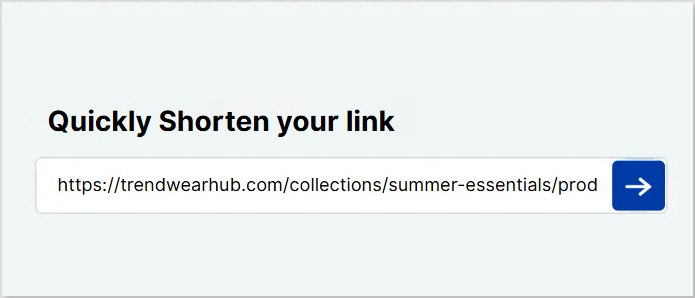
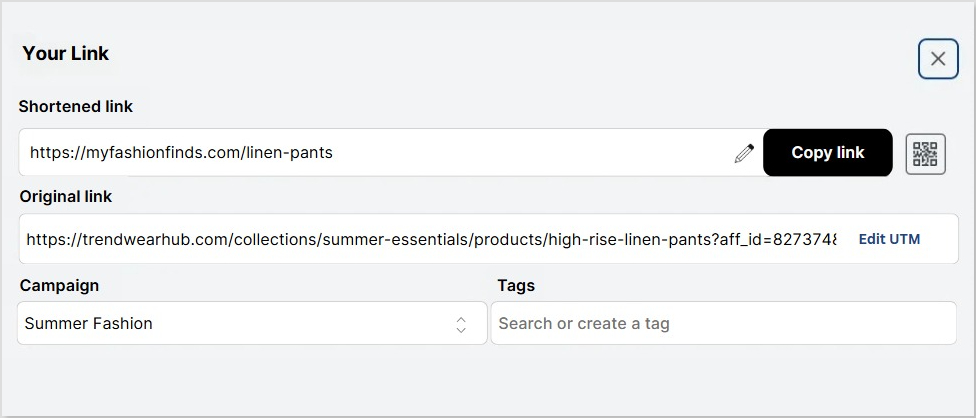
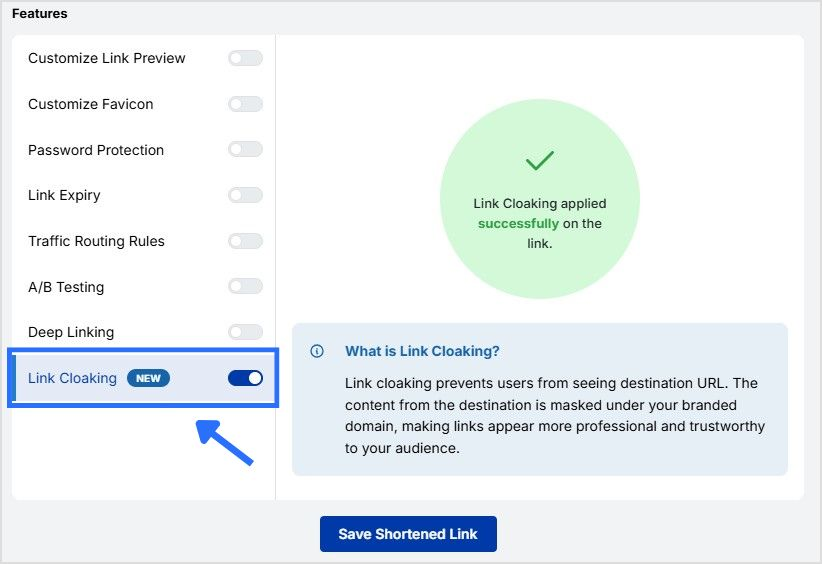
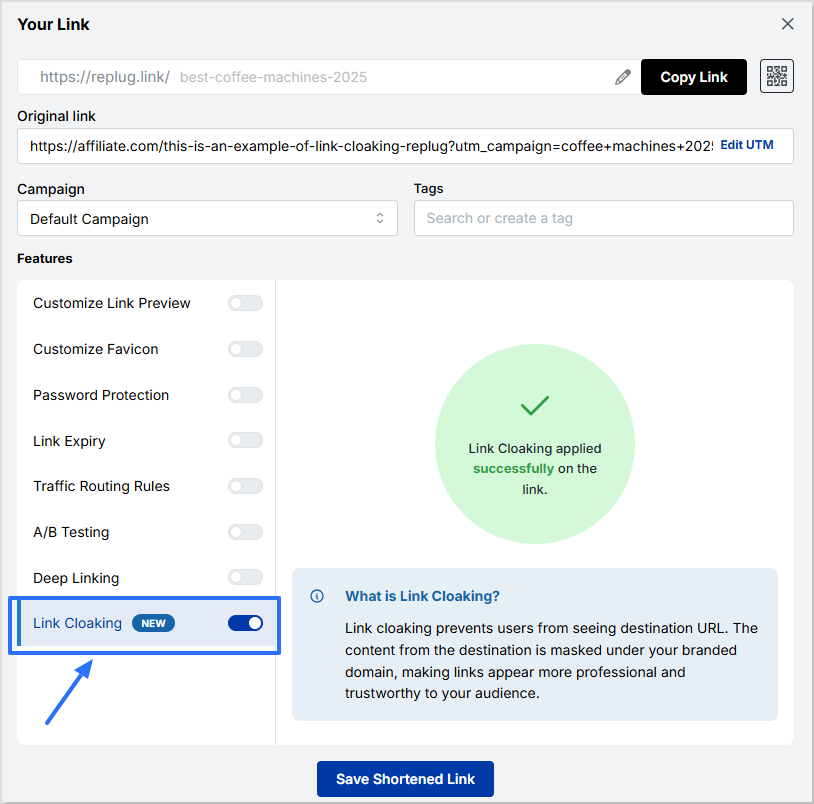
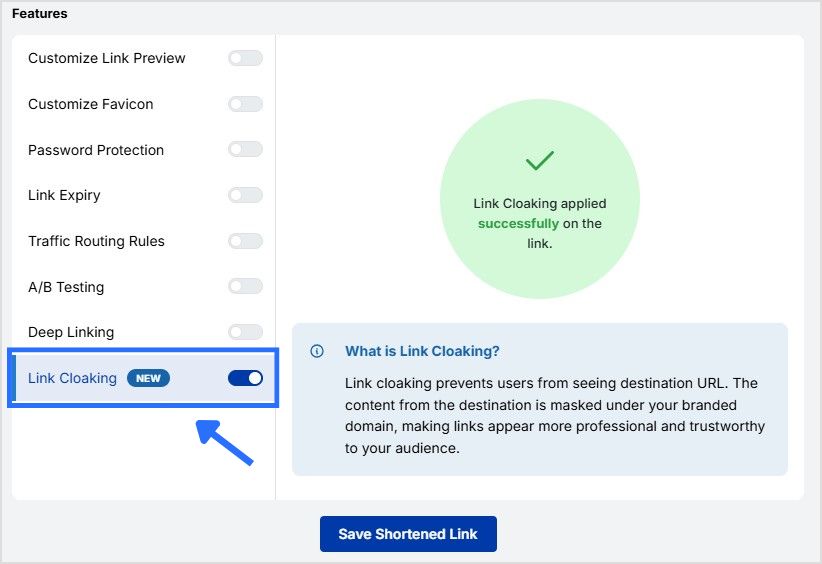
Step 4: Enable link cloaking
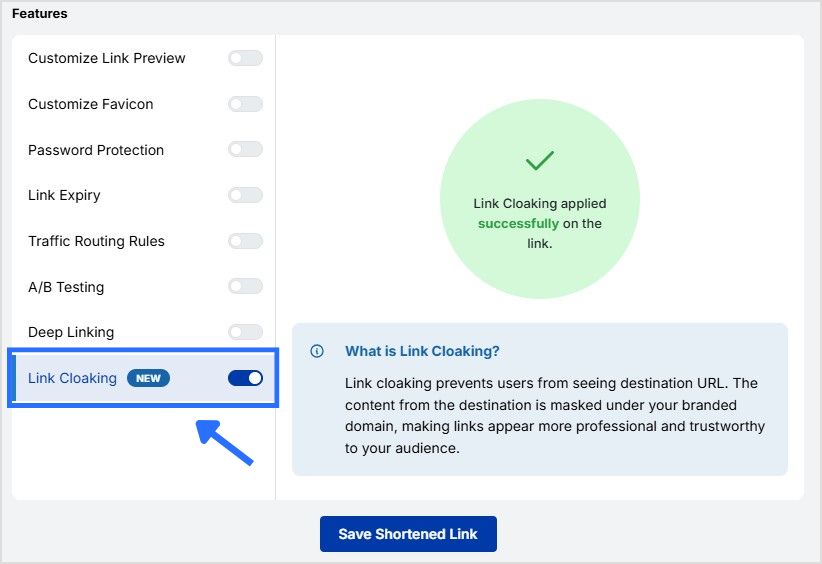
Toggle on Link Cloaking to ensure your branded link stays visible in the browser’s address bar, not the original URL. This keeps your links clean, click-worthy, and aligned with your brand.
Step 5: Save and share
Click Save Shortened Link, and you’re good to go. Share your new cloaked URL anywhere you want: social posts, emails, bios, ads; wherever you want clean, trackable links.
Maximize marketing ROI
by transforming ordinary URLs into branded short links that convert.
Try Replug for free
Conclusion
Link cloaking isn’t just about aesthetics. It’s about trust, control, and smarter affiliate marketing. When used transparently, it can protect your commissions, boost clicks, and elevate your brand presence.
Tools like Replug make it easy to mask links while keeping everything above board. So go ahead, clean up those messy URLs and give your links the makeover they deserve with this all-in-one link shortener tool. Try today!
FAQs on how to cloak a link?
How does link cloaking work?
Link cloaking uses an iFrame to load the destination page while keeping your branded or shortened URL visible in the browser’s address bar. This technique hides the original URL, which is a major advantage for affiliate marketers.
What is the best tool for link cloaking?
One of the best tools for cloaking links is Replug. It offers easy link customization, tracking, and branding features to enhance link performance.
Can I use my own domain for cloaked links?
Yes, absolutely. Most link cloaking tools, including Replug, allow you to use a custom domain to create vanity URLs. This makes your links look cleaner, more on-brand, and easier to trust.
Why do some websites not allow cloaking?
Some websites actively block iFrame loading through security headers like X-Frame-Options. If a site has this restriction (for example, Apple), link cloaking won’t work. Tools like Replug will alert you if a destination link can’t be cloaked.
Can I add retargeting pixels or tracking scripts to cloaked links?
Yes. With affiliate link cloaking, you can still apply Facebook Pixel, Google Tag Manager, and other retargeting pixels to track user behavior and optimize your campaigns.
Why is my cloaked link getting flagged or marked as spam?
In some cases, cloaked links may be flagged by spam filters, especially if they hide the final destination or appear misleading. Some platforms and email providers treat aggressive URL masking with caution. To avoid this, always use link cloaking ethically and transparently.
What are the benefits of link cloaking?
Link cloaking helps you: – Make long affiliate URLs (like Amazon links) look clean and branded – Protect your affiliate IDs and commissions – Improve click-through rates with trustworthy-looking links – Track performance using UTM tags and analytics – Add retargeting pixels to links for remarketing
Is link cloaking good or bad for SEO?
Cloaked links loaded in iFrames aren’t crawled like standard hyperlinks, so they don’t typically pass SEO value. If SEO is your goal, use traditional linking strategies. But if your focus is affiliate conversion tracking, branding, and clean presentation, link cloaking does the job well.
Using QR codes in print campaigns, product packaging, event booths, or posters? Great, but if you’re not adding UTM tags, you’re missing out on valuable data. UTM tags are not just digital marketing fluff; they’re a vital tracking tool that turns blind QR scans into actionable insights.
Let’s say you distribute the same product brochure in two cities, New York and Chicago. If both QR codes lead to the same bare URL, you’ll never know which city drove more traffic or conversions.
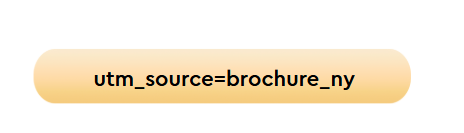
But with UTM parameters like
or
You can pinpoint exactly where your results are coming from.
By embedding UTM tags into your QR code URLs, you unlock the power to analyze campaign performance, A/B test locations, rotate traffic, compare design versions, and optimize your strategy – all with data you can use. The best part? It only takes a few extra seconds.
This guide will show you how to create UTM-tagged links, generate QR codes, and track results like a pro. Whether managing a product launch, hosting a trade show booth, or running a local flyer drop, it’s time to make your QR codes work smarter, not just harder.
A complete link management solution
for marketing professionals & agencies.
Try Replug for free
How to add UTM tags to QR codes in Replug (step-by-step)?
Go to Replug.io and log in to your dashboard. If you don’t have an account, sign up for a 14-day free trial.
Step 01: Paste your link
On the homepage, paste the link you want to use in your QR code campaign into the “quickly shorten your link” bar.
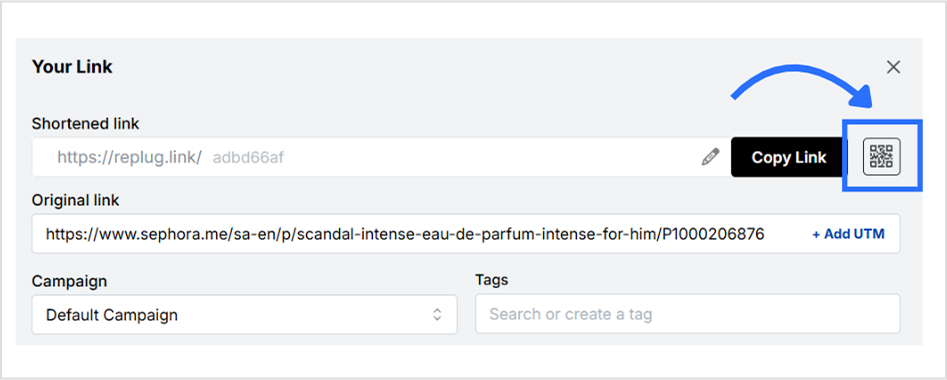
Press Enter, and a pop-up window will appear.
Step 02: Add UTM parameters
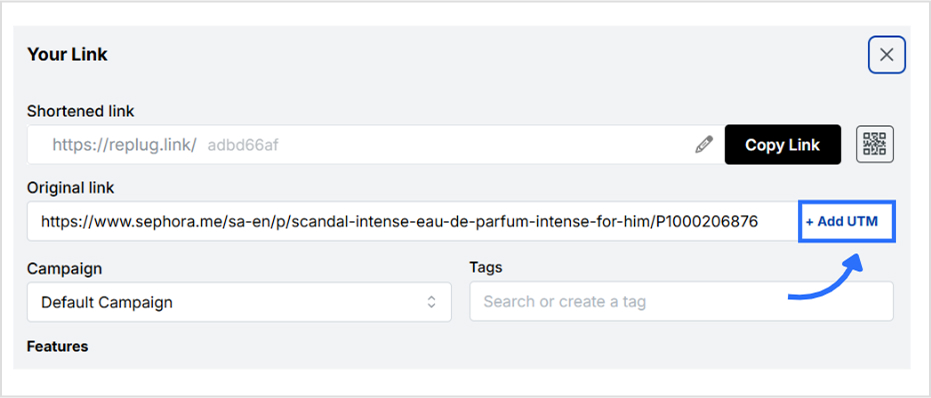
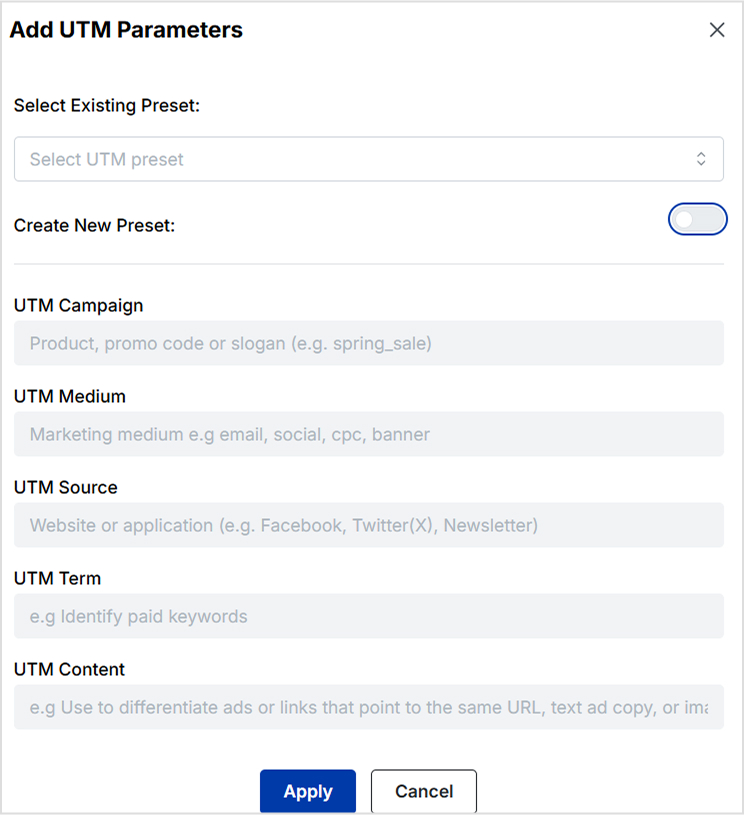
Click on the “add UTMs” button next to your original link.
Fill in your preferred UTM parameters (source, medium, campaign, etc.), then click apply.
After adding preferred UTM data, click on Apply. Your UTMs will be added.
Step 4: Generate a QR code
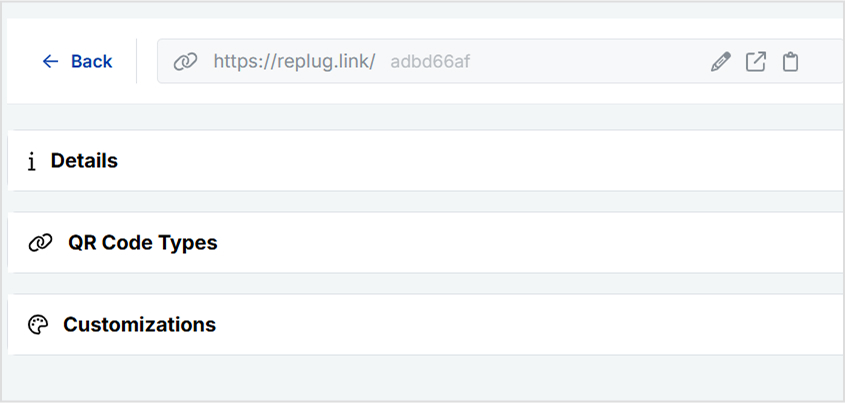
From the same pop-up, click on the QR code button next to the copy link button.
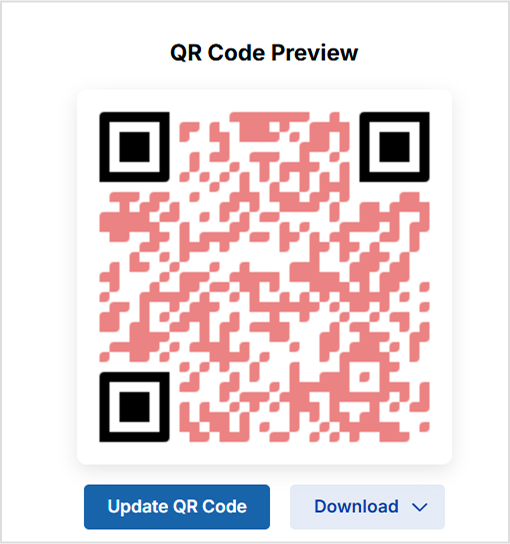
You’ll be redirected to the QR code customization window, where you can style it with custom colors, shapes, and logos.
Step 5: Download and share
Download your QR code in PNG, JPEG, SVG, or WEBP format. Add it to business cards, packaging, flyers, or anywhere else you want to guide people with a quick scan.
Step 6: Track QR code performance
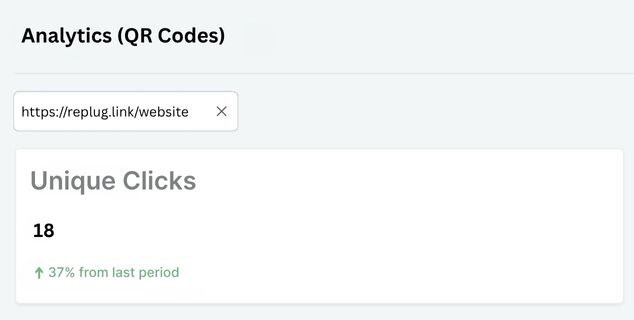
For QR code tracking, head to the analytics tab. Filter performance data by campaign or time and see real-time insights including:
Total scans
Referral sources
Device types
Geographic locations
A complete link management solution
for marketing professionals & agencies.
Try Replug for free
Conclusion
Incorporating UTM tags into your QR codes isn’t optional; it’s the difference between guessing and knowing. Without UTM tracking, your analytics can’t differentiate between a scan from a product box, a printed flyer, or an event badge. That’s a huge blind spot, especially when you’re running multiple offline campaigns and need to justify marketing ROI.
Let’s be real: QR codes are everywhere. However, most businesses still miss the mark by using plain URLs that provide zero context after a scan. UTM tags change that. With just a few parameters added to your links, you gain full visibility into campaign performance, scan sources, and user behavior – all visible in your analytics dashboard.
FAQs on adding UTM tags to QR codes
Can I edit UTM tags after the QR code is printed?
Only if you’re using a dynamic QR code service like Replug. You can update the destination URL even after print.
Are UTM tags readable by QR scanners?
No, the scanner just reads the full URL. The tags aren’t “read”- they’re passed into your analytics tool when the link loads.
Will longer UTM-tagged URLs affect QR code scannability?
Yes, longer URLs can generate denser QR codes, making them harder to scan. Use a URL shortener free tool or dynamic QR code generator to keep it clean.
QR Codes are on almost everything now; from product labels, menus, packaging, to posters, and even email signatures. In fact, a 22% increase in usage of QR codes is expected across different regions by 2025.
But creating and placing a QR Code is just half the job.
What happens after someone scans it?
Did it lead to a sale, a website visit, or just… nothing?
That’s where QR Code tracking comes in. It helps you answer one big question: is this working?
In this guide, we’ll explain how QR code tracking works, how to use it effectively, and why Replug is one of the best tools to manage your QR codes.
A complete link management solution
for marketing professionals & agencies.
Try Replug for free
What is QR Code tracking?
QR Code tracking is the ability to analyze what happens after someone scans your code. It lets you collect data like how many times it’s been scanned, where those scans happened, when they happened, and what device was used.
Whether you’re running a marketing campaign, linking to a product manual, promoting an app, or sharing a digital menu; tracking helps you understand how people are interacting with your QR Codes.
QR Codes can also enhance event experiences, letting guests instantly capture and share moments through interactive photo tools that boost engagement beyond the venue.
Why QR Code tracking matters in modern marketing
Marketing today is all about data. You want to know what’s working, what’s not, and where your audience is actually engaging. With QR Code tracking, you get exactly that.
How Dunkin’ Donuts brewed up big wins with QR Code tracking
Dunkin’ Donuts, the popular coffee and donuts brand, launched a massive giveaway campaign using custom QR Codes printed on specially marked coffee cups. Customers could scan the code to visit the website, fill out a quick entry form, and enter to win prizes like $1,000 cash, free coffee for a year, DD cards, and daily rewards.
But this wasn’t just a fun promo, it was a smart marketing move powered by QR Code tracking. Dunkin’ could see how many people scanned the codes, where the scans were happening, and which stores were generating the most engagement. This gave them valuable insights into customer behavior and campaign performance, helping them refine their strategy on the fly. The results? Higher sales, stronger brand engagement, and more loyal DD Perks members.
And that’s just scratching the surface. With trackable QR Codes, brands can also:
Promote their app and increase downloads
Grow their social media following
Redirect customers to limited-time discounts
Educate buyers with videos, tutorials, or product info
Add QR codes to displays or tags for product details, reviews, or augmented reality experiences
Analyze QR Code usage to uncover audience behavior
Use QR Code UTM parameters to track post-scan actions
Adjust campaigns in real-time based on scan data
And it gets better. With QR Code customization, you can design codes that match your brand, logo, colors, style, without sacrificing trackability. So whether you’re placing a QR Code on your website, a product label, or a flyer; you’re not just adding a shortcut, you’re adding a data touchpoint.
In short: Scans are good. But knowing what happens after the scan?That’s great marketing.
Static vs. Dynamic QR Codes
Not all QR Codes work the same way, especially when it comes to tracking. If you’re looking to monitor scans, gather data, or update your links without reprinting, it’s important to understand the difference between static and dynamic QR Codes.
Here’s a quick breakdown to help you choose the right type for your needs:
✅ Real-time scan data (location, device, timing, etc.)
Includes UTM parameters
✅ But hard-coded
✅ Easily add and update UTM parameters
Why QR code tracking is important
You’re not just creating QR codes for the sake of it. You’re creating them to drive action; visits, signups, installs, purchases. Tracking tells you if that’s actually happening.
Let’s break down the benefits of QR Code tracking:
Real-time insights: No need to wait until your campaign ends. With QR code tracking, you can watch scans happen as they come in. That means if something’s off, you can pivot fast.
Data-driven marketing: Guessing is expensive. QR Code analytics give you exact numbers, such as: how many people scanned, from where, using what device, and when. This helps you make better decisions, faster.
Tracking offline to online engagement: You can track traffic from QR codes placed on flyers, packaging, posters, or business cards and connect your offline materials to real online activity.
Track scan behavior by time, location, and device: Want to know if people scan more at night? Or if users in a certain city are more active? QR code tracking answers that. You’ll know where a code has been scanned and on what OS, so you can tailor future campaigns accordingly.
Improve campaign performance: If one version of a QR code ad is doing better than another, tracking lets you spot that early. Double down on what works and fix what doesn’t.
Enhance ROI: You’re already spending time and resources. Trackable QR codes prove whether you’re getting a return on investment. By analyzing QR Code usage and scan behavior, you’re in a better position to justify your campaign spend.
Optimize user experience: Maybe your iOS users are bouncing. Or people scanning from certain cities aren’t converting. QR code tracking gives you the clues to tweak landing pages, content, and CTAs so users have a smoother journey.
And with tools like Replug, all of this becomes seamless. You get dynamic, editable, fully trackable QR Codes along with a complete dashboard that breaks down scan data in real-time; no complicated setup, no extra plugins.
Maximize marketing ROI
by transforming ordinary URLs into branded short links that convert.
Try Replug for free
Key QR code tracking metrics to know
QR codes have become a go-to tool for connecting offline and online experiences, but their real power lies in what you can track. From location and device type to referral sources and total scans, the right tracking can give you a clear view of how your campaigns are performing.
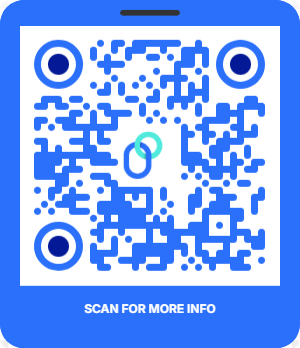
Here’s an example of a QR code created using Replug:
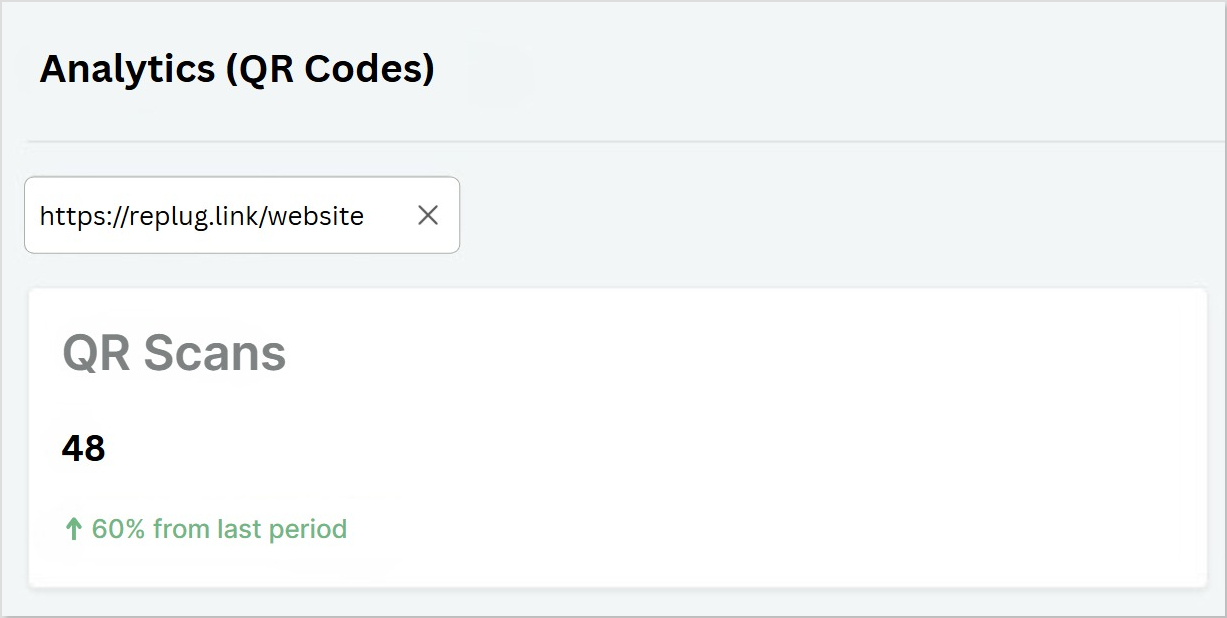
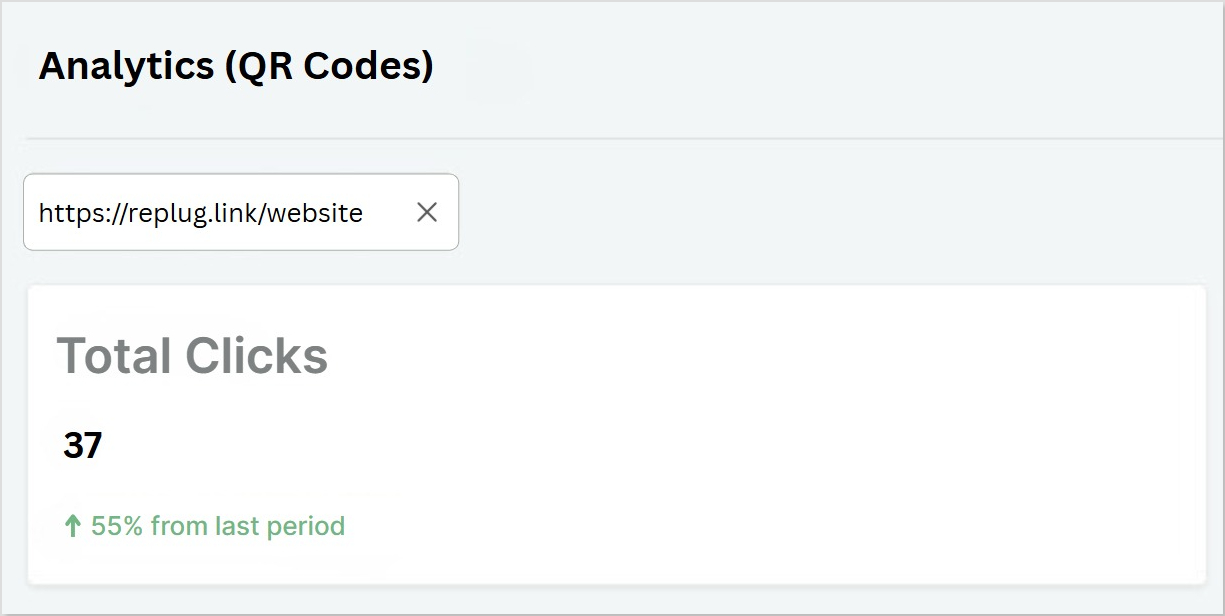
From Replug’s QR code dashboard, you can easily track the following metrics:
Total QR scans
See how many times your QR code has been scanned. This is helpful for measuring reach.
Total Clicks
Counts every time your link is clicked, including multiple clicks from the same user.
Unique Clicks
Tracks individual users. If someone scans your code five times, it still counts as one unique click.
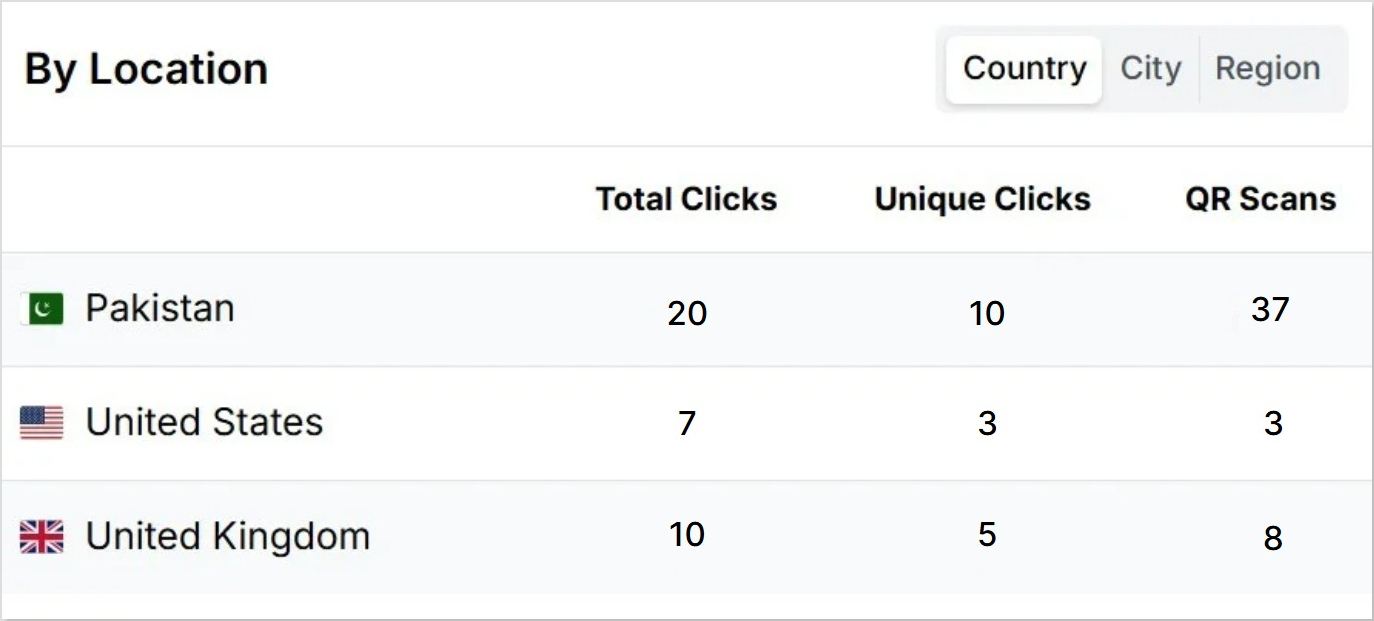
Location (country, city, and region)
Track where a code has been scanned to fine-tune your geotargeting strategies.
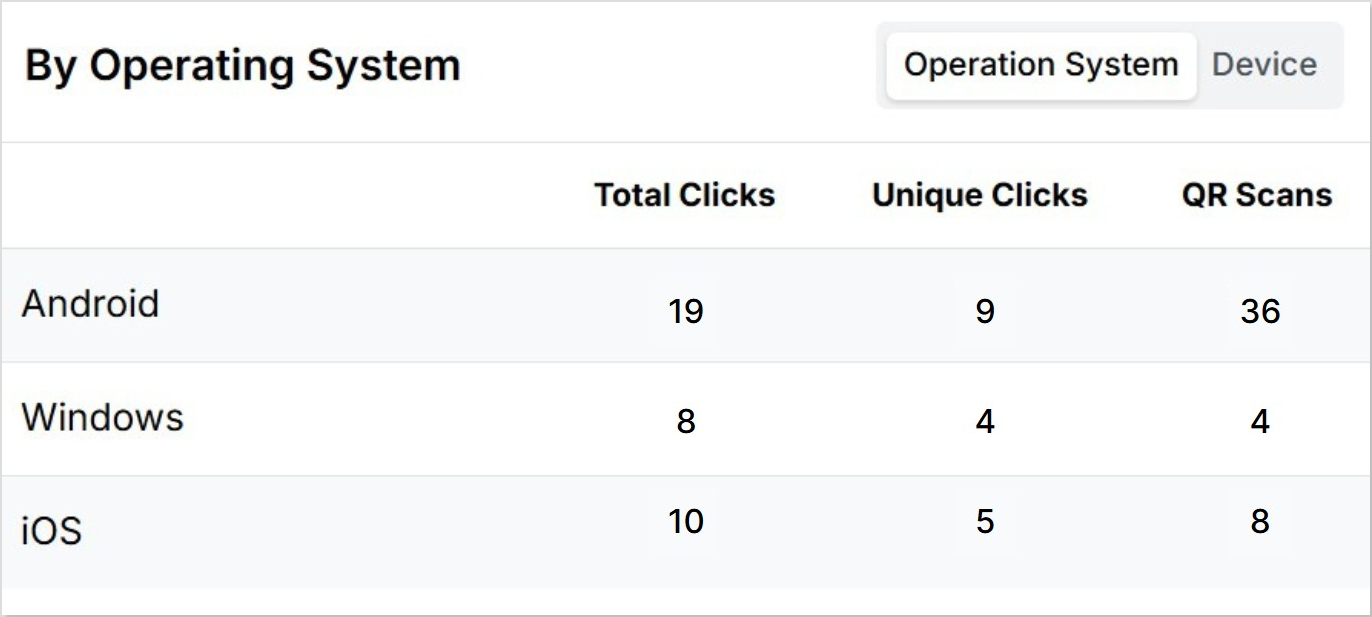
Device/Operating system
Knowing if users scan via Android, Windows, or iOS helps you optimize the landing page or app store experience.
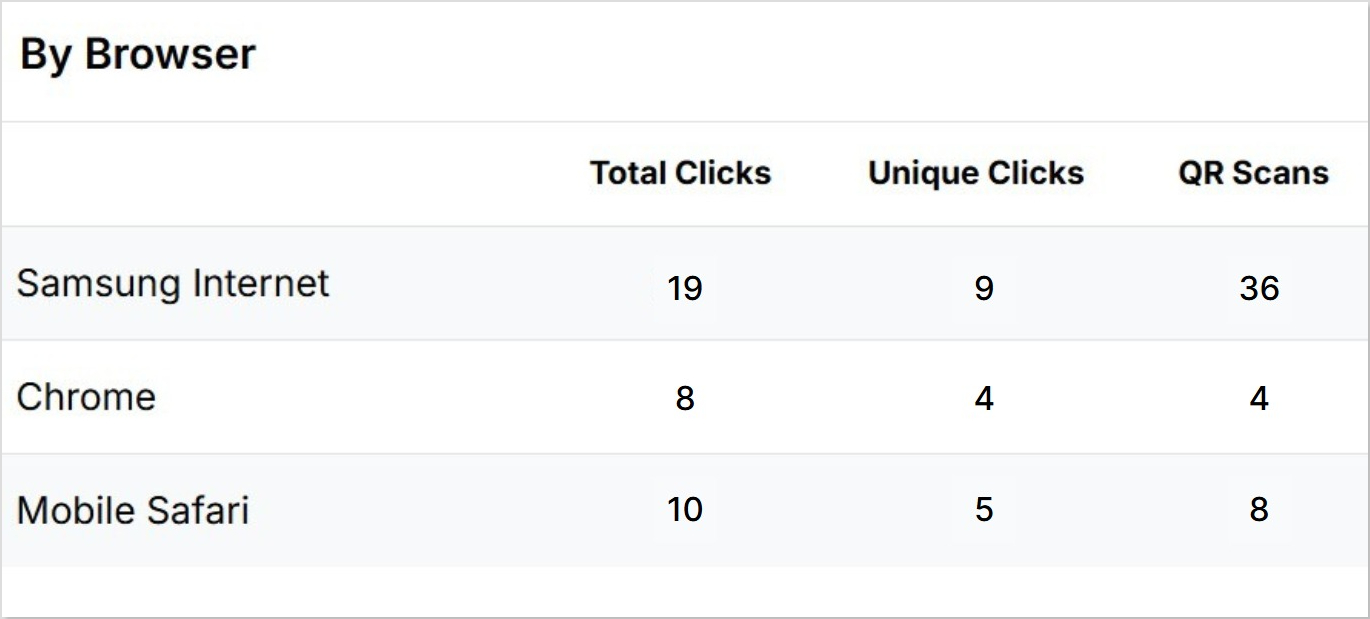
Browser
Track which browser was used to open the QR code link to ensure compatibility and optimize performance.
Referral
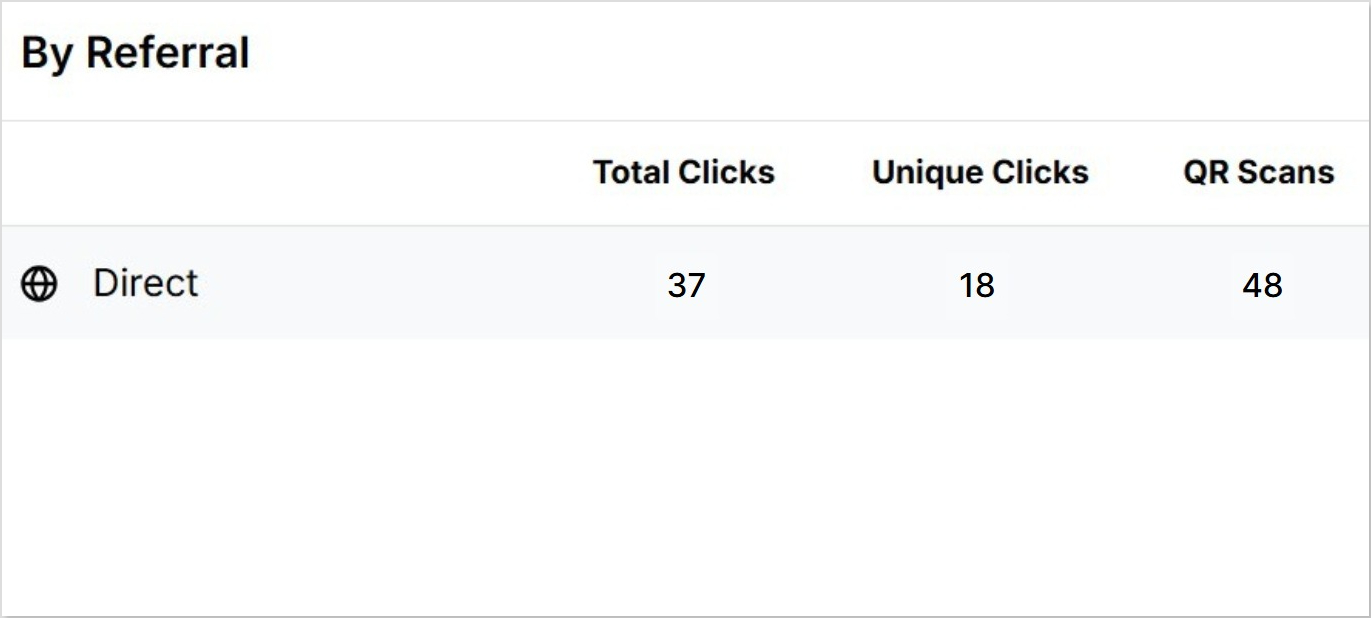
Track where scans come from (e.g. WhatsApp, Instagram) to spot your top-performing channels.
Day and month
Track engagement trends by day and month to figure out when people are most active.
In Replug, all of these metrics are displayed inside a dedicated QR code analytics dashboard; fully filterable and exportable.
What is the best way to track QR Code scans?
The best way is to use an advanced dynamic QR code generator or a link management tool with built-in analytics. Static codes don’t offer tracking, but dynamic ones let you monitor scans by location, device, browser, and referral source.
Replug does all this and much more. With our URL shortener free, you can edit links anytime and track real-time insights from a single, clean dashboard.
A complete link management solution
for marketing professionals & agencies.
Try Replug for free
How to track QR Codes with Replug
If you’re using a free static QR code generator, you’re not going to get scan data. Instead, consider using a dynamic QR code generator like Replug that supports full analytics.
Step 1: Log in to Replug Start by logging into your Replug account. If you’re new, you can sign up for a 14-day free trial.
Step 2: Create your QR Code Go to the QR Code dashboard and click on “Create New.” Choose your QR code type (URL, file, social media, etc.), and customize the design to match your brand. Click “Create QR Code” from the preview on the right, then download and use it across your social or print media; wherever you need it.
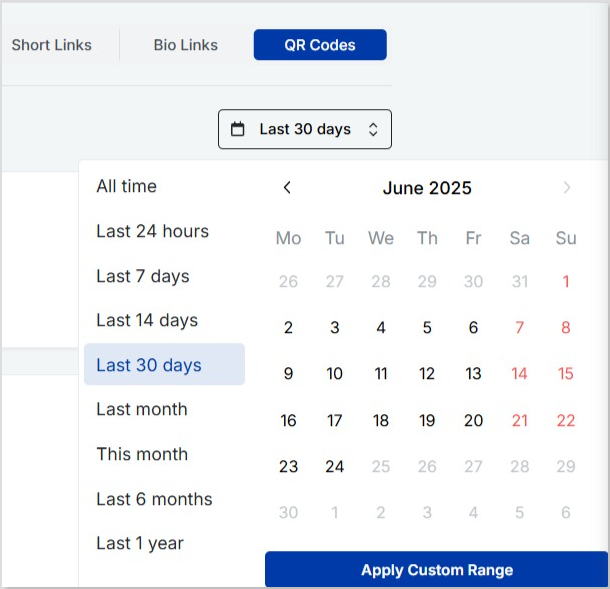
Step 3: Track your analytics Head over to the Analytics to monitor your QR code’s performance. Filter data by date, campaign, or tags. Replug shows you everything from total and unique scans to location, device type, browser, and referral source.
That’s it. Your code is live, editable, and fully trackable.
Cherry on top? Replug visualizes your data with a clear graph that distinguishes between QR scans and total link clicks so you can instantly see how many people scanned the code vs. actually clicked through.
Best practices for QR code tracking
1. Nail the design and placement
Make it easy to scan
Use a call-to-action (e.g., “Scan for 20% off”)
Don’t hide it in a corner or put it too low
Boost your conversion rates with irresistable CTAs with
With Replug’s link rotator, you can send different users to different URLs, all from a single QR code. Set up routing rules based on device type, location, time, or traffic split. It’s ideal for running localized campaigns, showing platform-specific pages, or simply personalizing the experience without ever reprinting your code.
3. A/B test up to 10 URLs behind your QR code
Not sure which landing page will perform best? With Replug, you can A/B test up to 10 different URLs linked to your QR code. Rotate between variations and let the scan data reveal which headline, CTA, or offer drives the most conversions.
4. Retarget every QR code scan
Don’t let your traffic go cold. Replug lets you add retargeting pixels to the links behind your QR codes. This way you can reduce cart abandonment and add anyone who scans your QR code to your ad audiences. This is perfect for staying top-of-mind across Facebook, Google, and other platforms.
5. Stick with dynamic QR codes
Static codes are a one-and-done deal. But with Replug’s dynamic QR codes, you can update destinations anytime, and track real-time QR code analytics.
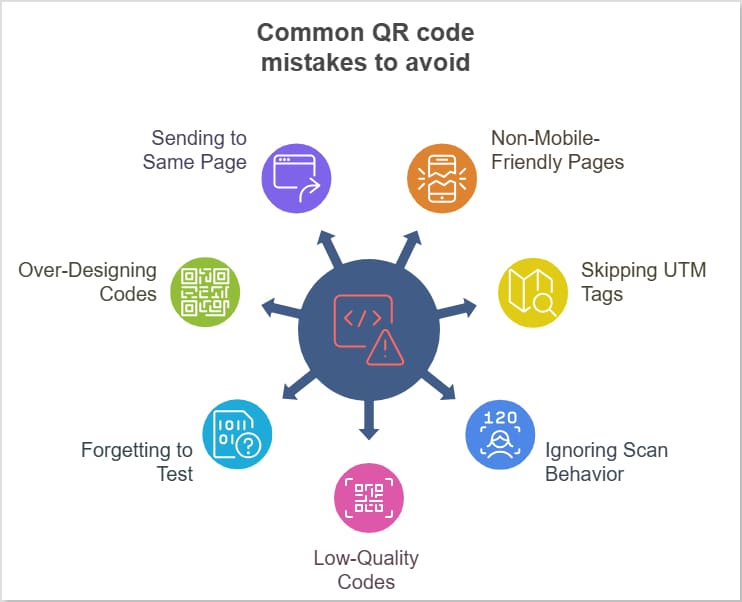
Avoid common mistakes
Linking to non-mobile-friendly pages: Most scans happen on smartphones. If your landing page isn’t mobile-optimized, you’re setting yourself up for high bounce rates. Always test your landing page on different devices.
Skipping UTM tags: Without UTM parameters, you lose the ability to track traffic accurately. Make it a habit to tag every QR code link. Tools like Replug make this easier with their UTM parameter builder.
Ignoring scan behavior: Pay attention to when, where, and how people are scanning your QR codes. This helps you fine-tune campaigns for better performance. Look for platforms that offer detailed analytics to help spot trends.
Using low-quality or blurry codes: Poor-quality or blurry QR codes can fail to scan, especially when printed. Replug allows you to download your QR code in JPG, PNG, SVG, and WEBP; all in high quality.
Forgetting to test before launch: Test your QR code on multiple devices and camera apps to ensure it works under real-world conditions.
Over-designing your QR code: It’s tempting to brand your QR code with colors and logos, but don’t compromise readability. Stick to high-contrast colors and make sure there’s enough white space around the code.
Sending everyone to the same page: Different users may respond better to different content. With Replug, you can use traffic routing (link rotation) to send users to different URLs based on device, location, or time.
E-commerce campaigns: Add QR codes to product packaging that lead to tutorials, upsells, or reviews. It’s an easy way to track post-purchase engagement and boost customer retention.
QR codes for bio links:Create a QR code that links to a branded, custom bio page with all your important links. With Replug, you can build and track it in minutes.
Go beyond generic link pages!
Create custom bio links that truly fit your brand
With Replug, you can create bio links that are unique, engaging, and built to convert.
Event promotions: Place unique QR codes in different event zones, booths, or flyers. Use analytics to track where your foot traffic is coming from.
Print advertising: Add QR codes to billboards, brochures, or magazine ads. Replug’s tracking shows you exactly how your print campaigns are performing.
App downloads: Replug’s smart, app deep links combined with QR codes route users to the correct app store directly, making downloads seamless and user-friendly.
Social campaigns: Track QR code scans across Instagram, TikTok, YouTube, and more. See which platforms are actually driving results.
Conclusion
Creating a QR code is easy. Knowing if it worked? That’s where QR Code tracking earns its place in your marketing stack.
From measuring engagement to improving ROI, tracking lets you treat each scan like a data point—and every data point like an opportunity.
And with Replug? QR code tracking becomes more than a feature—it becomes a strategy.
Track your QR codes today!
FAQs on QR Code tracking
Is QR code tracking free?
Some platforms offer basic QR code tracking for free, but for detailed analytics (like location, device, and referral tracking), you’ll need a tool like Replug. It offers a 14-day free trial with full tracking features.
How to track QR code scans?
To track scans, use a dynamic QR code generator like Replug. It lets you monitor real-time metrics such as total vs. unique scans, user location, device type, browser, and referral sources, all from a single dashboard.
Can I do QR code tracking online?
Yes, many tools offer QR code tracking online through web dashboards. You can view scan activity, filter by campaign, and download performance reports.
What is the best QR code generator for tracking?
A good QR code generator should support dynamic codes, offer in-depth analytics, and allow URL editing. Replug checks all the boxes; plus it adds features like branded links and retargeting.
What is a QR code tracking and reporting system?
It’s a platform that helps you monitor, measure, and analyze QR code performance. This includes data like scan counts, geographic location, device types, and channel sources.
Is there a QR code tracking app?
While most tools work through a browser, some offer mobile-optimized dashboards so you can monitor scans on the go. A full mobile app isn’t always necessary if the web version is responsive.
Link disguising is all about hiding a link so that it looks like another link. Though the term itself might sound dubious, it is very useful in the digital world. People generally mask links to shorten them and brand them.
Disguising a link means concealing the bad parts or random characters of the URL to make it look clean, and here’s where URL shorteners come in handy for turning these messy and random links into something meaningful and useful.
In this article, you’ll learn how to disguise a link effectively and how to rename a link with the help of tools like Replug. If you’re thinking about changing a URL to improve branding, user trust, or click-through rates, you’re in the right place.
A disguised link (also called a cloaked URL or masked URL) hides the original URL and redirects traffic to the original destination URL without damaging the user experience.
Advanced URL shorteners make disguising a URL easy and allow you to quickly create a customized URL (or vanity URL/branded link) that appears to the users when you share with them.
Now the real question arises. Why do people use disguised links?
Why disguise a link?
Creates a great first impression: A URL is something that people see at first sight when you share a profile, video link, company website, or even when promoting your website builder software. So, if it looks suspicious, no one is going to click.
Increases your sales: Disguising a link can significantly improve e-commerce sales, brand engagement, and user experience since users are more likely to click a link that looks branded and clean.
Tracks link performance: URL tracking tools not only disguise links but also allow track performance by creating custom links.
They are easy to create: With the right tools, learning how to disguise a link takes just a few steps. So, why not go for a branded URL rather than one that looks like a jumble of random characters?
Boost ROI with branded URLs!
Enhance your marketing campaigns by creating shareable, trackable, and fully multi-purpose
customizable branded URLs.
Affiliate marketers often rely on link disguising for a cleaner presentation and to protect their affiliate IDs from theft or malware. Using Replug or similar tools, they can:
A URL shortener is your secret weapon to transform any clunky link into a sleek, hidden gem. But that’s just the beginning. You can also track performance, analyze click data, and enhance your links with CTAs, bio links, retargeting pixels, and more!
Let’s say that you are promoting a new line of Columbia whole coffee beans that you just launched.
Here’s how you can use Replug to disguise your link:
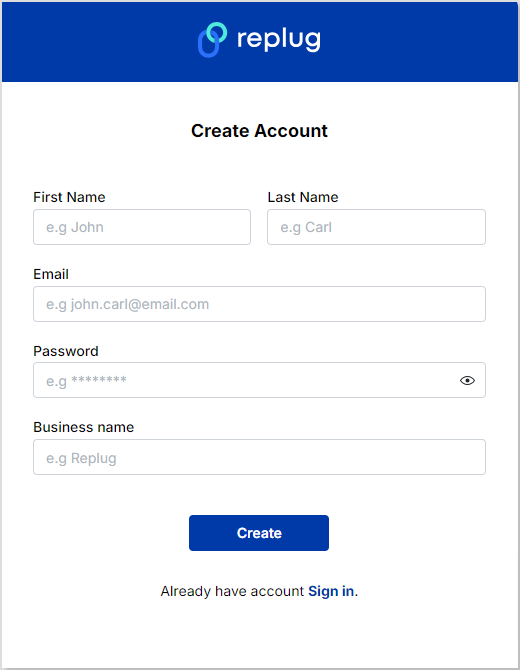
Step 1: Sign in or create an account
Sign in to your Replug account. You will get a 14-day free trial if you’re a new user.
Step 2: Enter the URL you want to disguise
Step 3: Disguise your URL
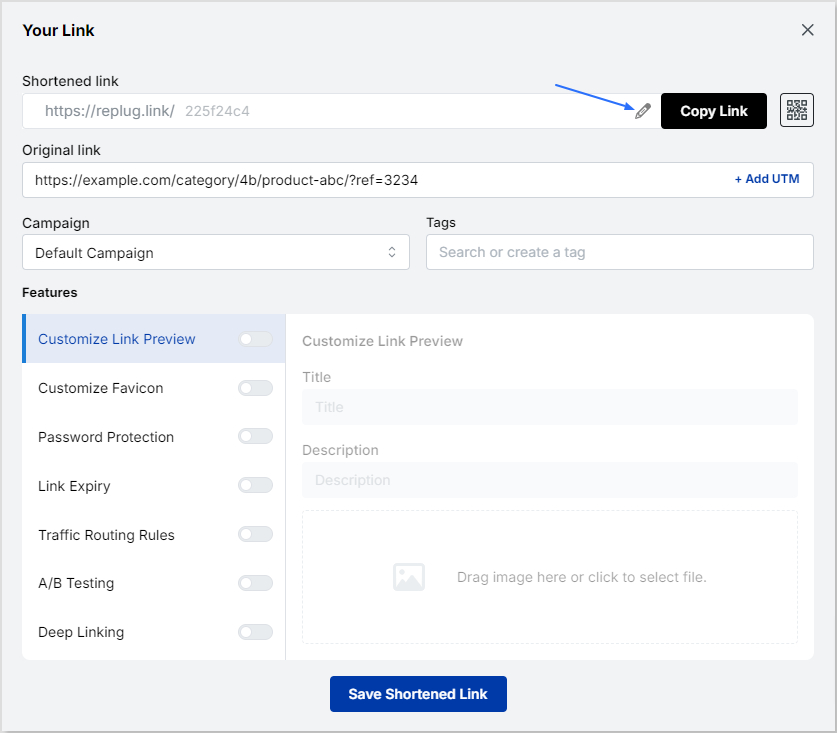
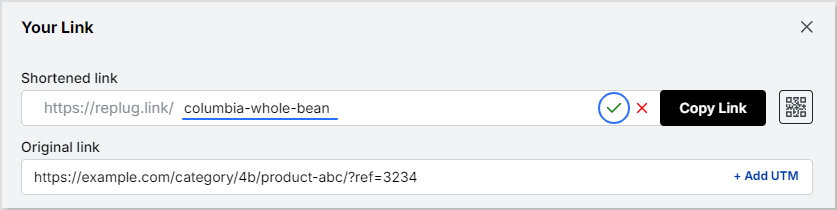
After you click on the blue next button, you’ll be led to a popup. From there, you can change the URL slug, thereby masking your URL so that it doesn’t look spammy.
From here you can also set additional parameters that you want for your campaign, such as customized favicon, deep linking, A/B testing, etc. You can also add a UTM parameter to track your links’ performance.
Now just type the slug (in our example “/columbia-whole-bean”) and click on the green tickmark icon to save your disguised URL.
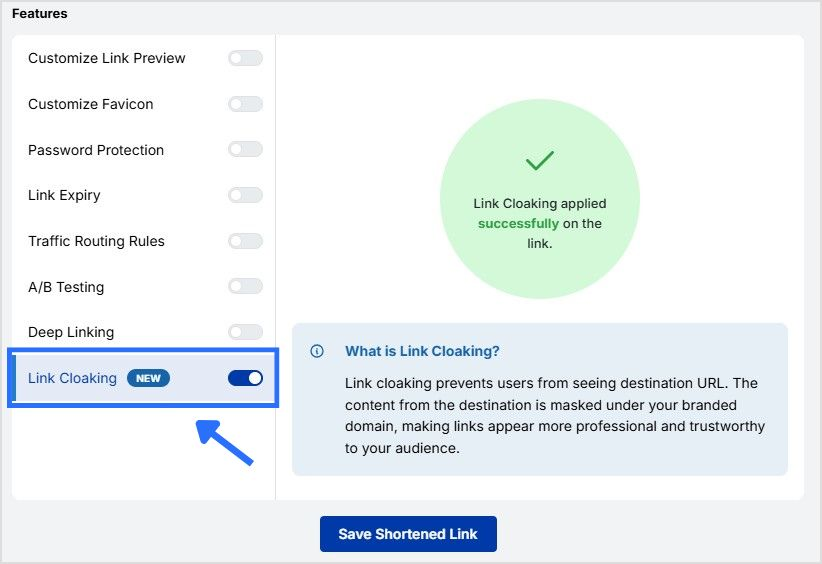
Step 4: Enable link cloaking
Enable link cloaking in Replug to display only your custom, branded link in the browser’s address bar, thereby disguising the original URL. This keeps your link clean, professional, and more trustworthy.
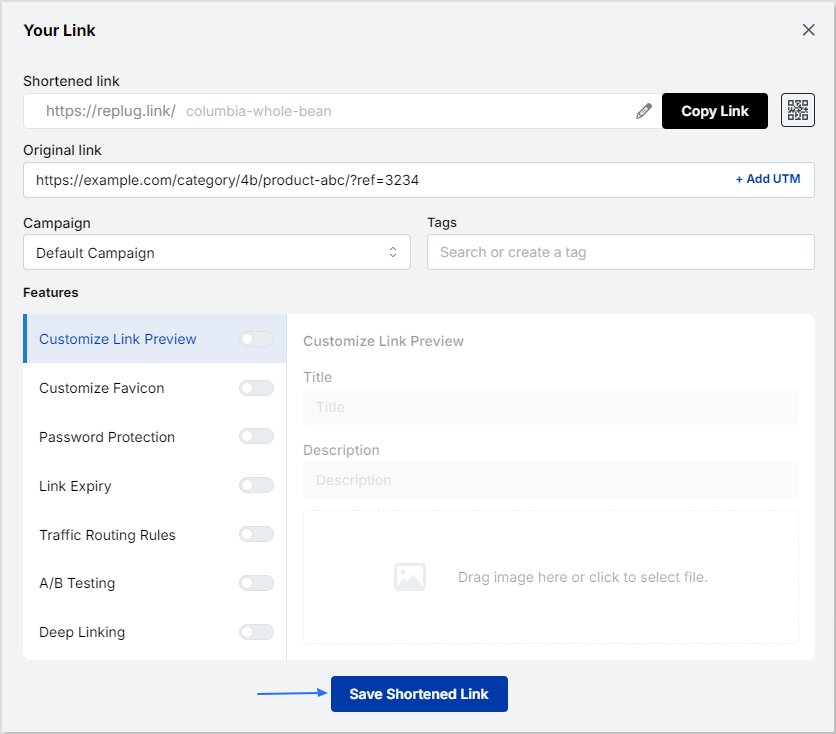
Step 5: Save and share!
Once done, just click on the “Save Shortened Link” button and share it with your audience, whenever, wherever!
Maximize marketing ROI
by transforming ordinary URLs into branded short links that convert.
Try Replug for free
Replug key features
Link management
Multiple link shortening tools are available in the market, but Replug is among the few best link shorteners that offers link disguising, tracking & optimization as well as a catchy calls to action.
Replug is an easy URL shortening and tracking platform that allows you to:
Create eye-catching branded URLs.
Generate social media bio links
Add URL tracking with custom URL UTM parameters, and tags
Add retargeting pixels with powerful analytics and branded links.
A complete link management solution
for marketing professionals & agencies.
Try Replug for free
Replug Chrome extension
Replug’s chrome extension makes it easier to create disguise links. You can download the Google Chrome extension and log into your Replug account by entering your login credentials.
Once completed, you’ll have full control of using Replug features in no time.
Link analytics
Replug stands higher among all link management tools when it comes to link analytics. You can make a profitable brand strategy by keeping an eye on link analytics.
Below are some great click analytics you can track using Replug:
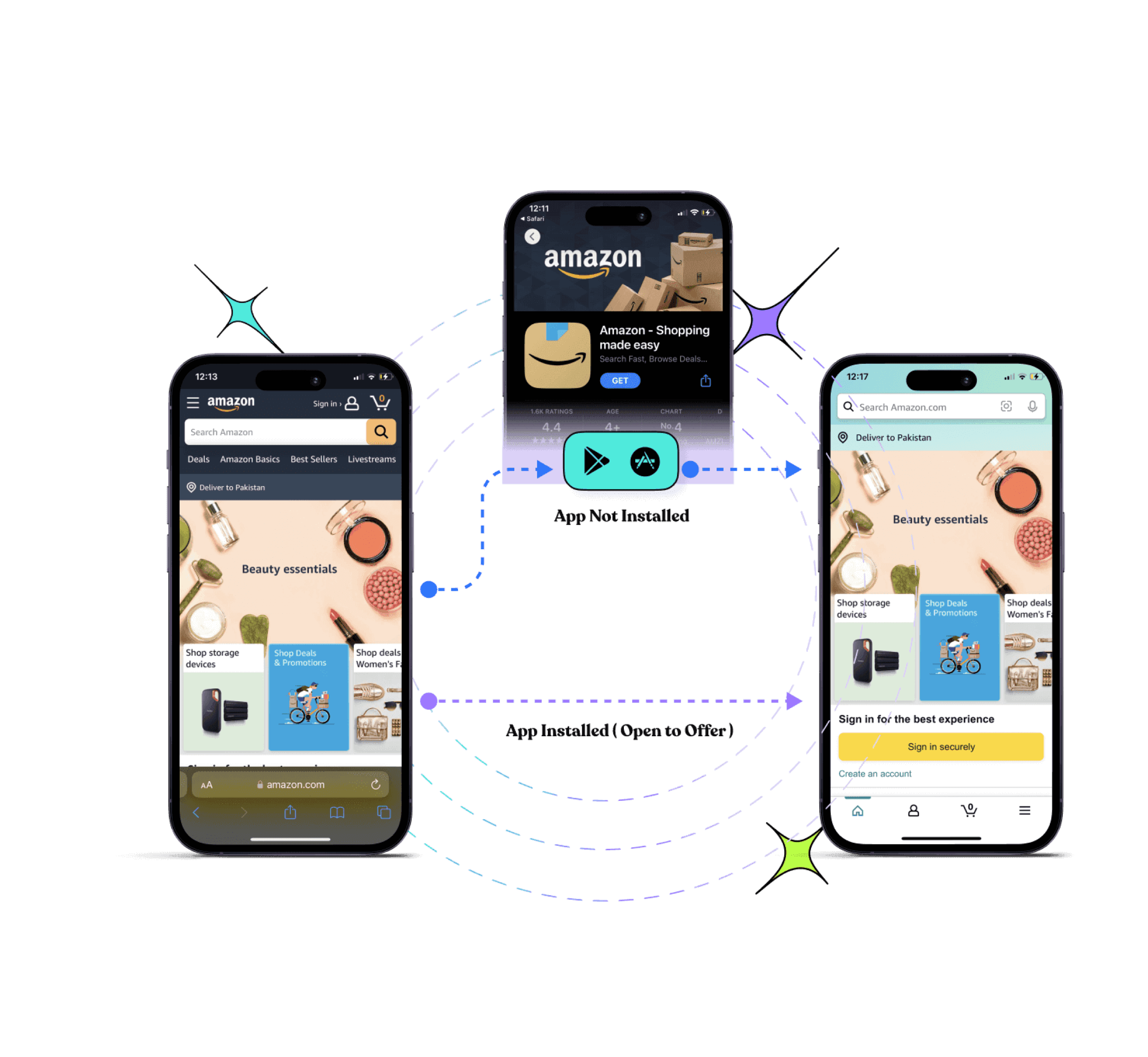
Deep links let users go to the specific application rather than going through the hassle of visiting irrelevant web pages. These powerful links increase overall engagement and conversion rates.
Drive more clicks, conversions, and app installations by deep linking
to your favorite platforms.
Try deep links for free
Link rotation
With the help of Replug’s link rotation (or traffic routing) feature, you can reach your target audience by setting multiple filters such as geography, browser, and device. You can also select the IP address, dates, and time. Hence, link rotation allows you to redirect users and deliver a unique experience on the base of these filters.
QR codes
Replug allows you to create custom, dynamic QR codes. After you you’ve disguised your URL, you can quickly create a branded QR code by changing the customizing the colours, adding a frame, and incorporating your logo. This allows for seamless sharing across all platforms, and also makes your link look cleaner and quicker to access.
Retargeting pixels
Every branded URL can include retargeting pixels to help you retarget website visitors who bounced before buying. This is especially useful for e-commerce brands looking to reduce cart abandonment, re-engage lost leads, and improve return on ad spend. One clean link can bring customers back right when it matters most.
A/B testing
A/B testing features allow you to redirect links to several destinations. With Replug, you can efficiently distribute the weightage and start testing up to 10 links simultaneously.
Final words
Using a URL shortener to disguise a link is not only for the people of the e-commerce world. In fact, URL shorteners are way much more than just a shortening tool.
You can create bio links, test landing pages via A/B testing, add CTA’s for special offers and discounts, route and redirect traffic etc. And this is just the tip of the iceberg.
Ready to disguise and hide your links like a pro? Try Replug today!
Frequently asked questions
What is a disguised link, and why is it useful?
A disguised link (or cloaked URL) hides the original URL, making it cleaner and more trustworthy. It improves click-through rates, builds trust, and is commonly used in affiliate marketing and e-commerce.
How can I track the performance of my disguised links?
Advanced link management tools provide metrics like click-through rates, locations, and conversions. You can also add UTM parameters to gain deeper insights.
How to disguise a link in text?
To disguise a link in text, hyperlink a word or phrase instead of displaying the full URL. For example, use anchor text like “read more” or “visit now”. This improves readability, builds trust, and boosts click-through rates. Use a URL shortener like Replug to create a clean, branded link before embedding it.
What is the best tool for disguising links?
One of the best tools for disguising links is Replug. It offers easy link customization, tracking, and branding features to enhance link performance.
“Link in Bio” is all about breaking the limits of a single link. It’s a way to share multiple links, content, and products, making it an essential tool for individuals, businesses, and influencers.
In this guide, we’ll explore the basics, the role it plays in personal branding and marketing, and how it’s revolutionizing the way we navigate the online world. Whether you’re a social media pro or a newbie, link in bio is your shortcut to success in today’s fast paced world.
Here’s what you need to know.
What does “link in bio” mean?
Link in bio refers to a clickable URL appearing in your profile description, often on platforms like Instagram, TikTok, and Twitter. This link allows users to direct their audience to external websites, content, products, or any other online destinations.
Since many social media platforms limit the number of links or direct clickable links in posts and comments, the link in bio or “bio link”serves as a workaround, enabling users to share multiple links or promote specific content more effectively by directing their followers to their bio section, where they can find and click on the desired link.
It has become a valuable strategy for personal branding, content promotion, and marketing.
If you’re active on social media, you’ve probably run into the dreaded “limited links” problem. Instagram gives you five spots (generous…ish), but TikTok? Just one lonely link. Not exactly the dream when you’ve got a podcast, a blog, a product launch, and a playlist to share. That’s where a link in bio saves the day, turning that single space into a mini hub for everything you want your audience to click on.
Here’s why you should create a link in bio:
One link, many destinations: Social media platforms limit you to just adding a few links in your bio. A link in bio helps you make it count by leading visitors to multiple pages.
Showcase everything: Whether it’s your website, shop, blog, videos, or sign-up forms, you can share it all in one neat place.
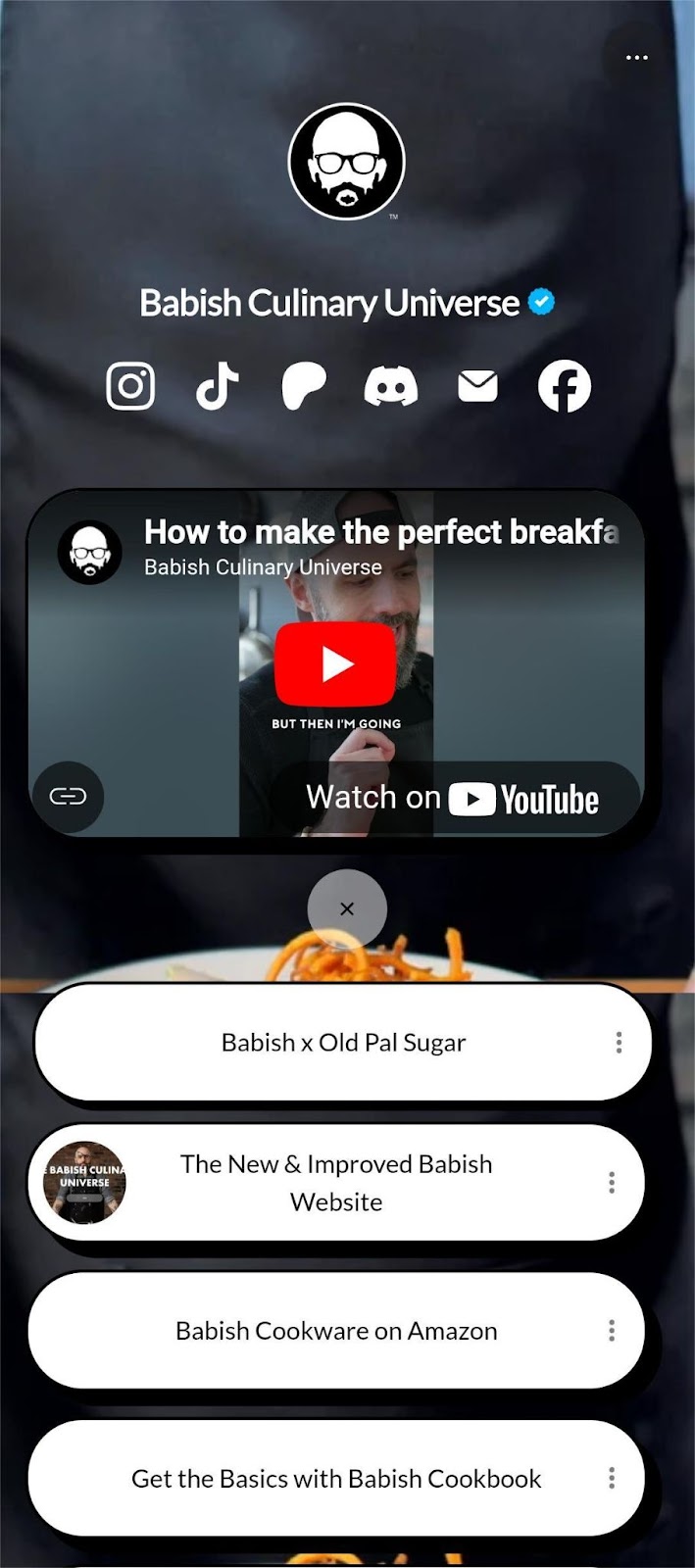
Here’s an example of the famous American Cook, Andrew Rea’s link in bio page for his series “Babish Culinary Universe”:
Make navigation easy: No more “link in latest post” confusion. Your audience knows exactly where to go.
Stay organized: Keep your important links tidy, clickable, and easy to update whenever you need.
Boost engagement: Get more clicks, views, leads, and conversions by directing people to the right content at the right time.
Top benefits of link in bio
A link in bio does more than hold a single URL; it helps you organize, optimize, and amplify your online presence. Here’s a quick look at why it’s a must-have for anyone growing their brand:
Combines all your important links into one
Instead of juggling multiple URLs, your link in bio leads followers to everything you want them to see, whether it’s your latest YouTube video, blog post, or product drop.
Simplifies the path to purchase or action
A link in bio lets you turn browsers into buyers by placing shop links, discount codes, or sign-ups just one tap away, all in one neatly organized spot.
Lets you retarget everyone who clicks
With tools like Replug, your link in bio becomes retargetable so that every click can feed into future ad campaigns and bring people back to your page.
Shows what content your audience loves
You can track clicks on your link in bio from one single dashboard using a top-notch link management platform. This tells you what’s resonating—so you can do more of what works.
Lets you create a fully branded mini landing page
Instead of a plain list of links, your link in bio can become a branded microsite that matches your aesthetic and makes your profile look polished and pro.
Automatically updates with your latest content
Add an RSS feed to your link in bio to keep it fresh, so whenever you post a new video, blog, or podcast, it shows up without you lifting a finger.
Boosts visibility through SEO-friendly design
An optimized, custom link in bio page can be indexed by search engines, giving your most important content extra visibility beyond just social clicks.
💡 Who benefits from a link in bio? Creators, brands, freelancers, agencies; anyone using social media to drive traffic, grow followers, or sell online.
To create a winning link in bio using Replug’s bio links feature, you can follow these steps:
Step 1: Access your Replug account
Sign in to your Replug account, or create one to start your 14-day free trial if you’re new to the platform.
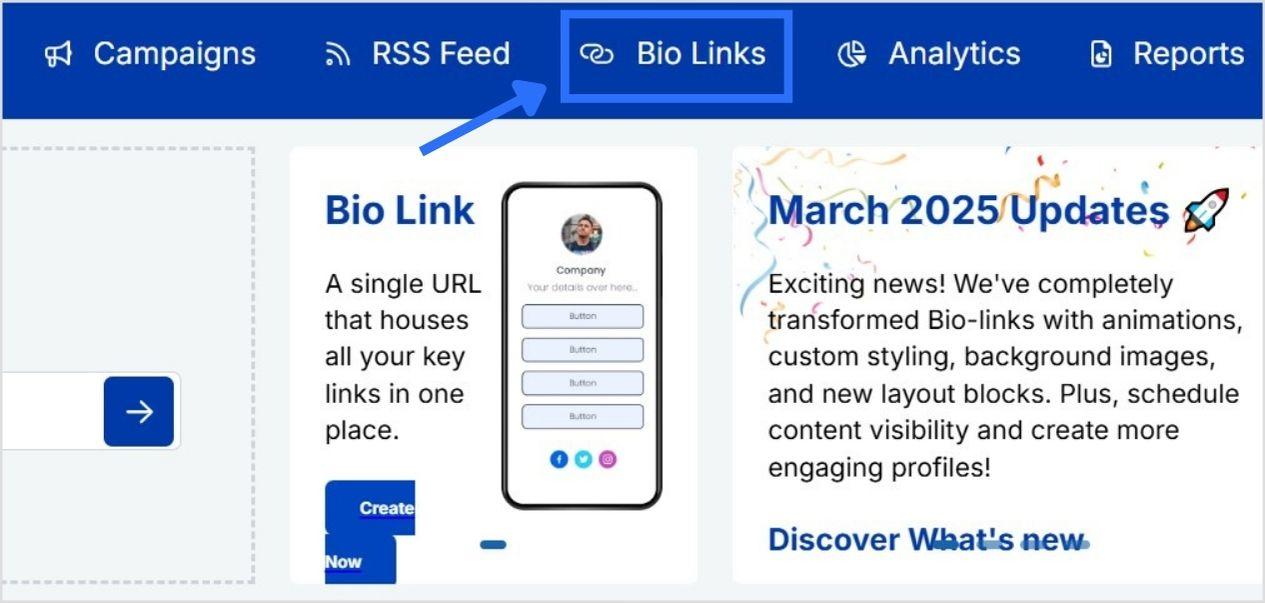
Step 2: Click on “Bio Links”
Once you’re logged in, go to the Replug dashboard and click on “Bio Links” from the navigation bar to get started.
Step 3: Start creating a new link in bio
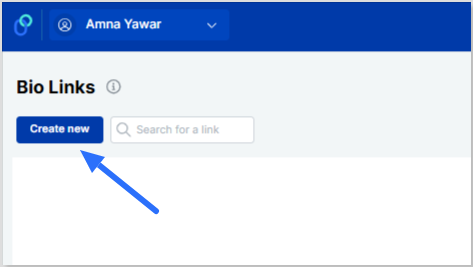
This will take you to the “Bio Links dashboard. From here, click on the “Create new” button to start creating a new bio link.
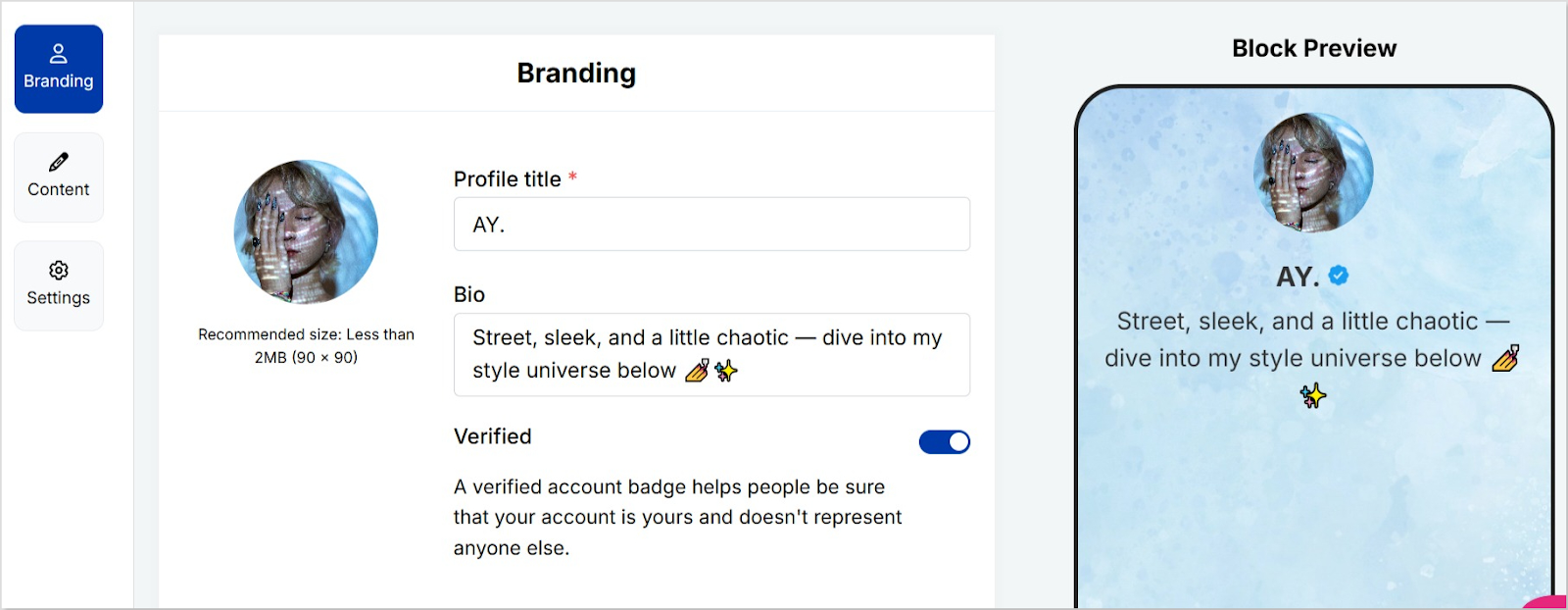
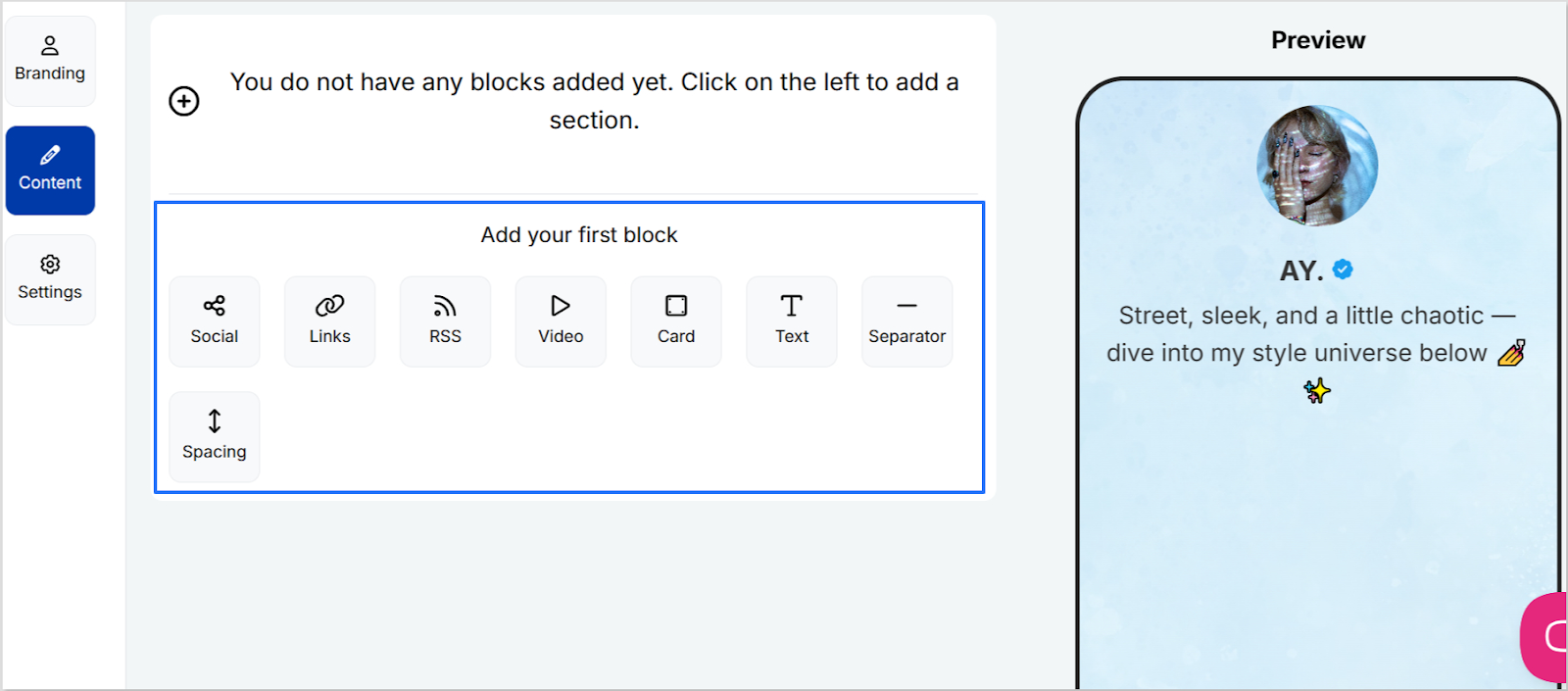
Replug lets you easily manage your bio profile with three main categories: Branding, Content, and Settings.
Branding: Customize the look and feel of your profile with themes, colors, fonts, and button styles.
Content: Add and organize different blocks like links, videos, images, and more to showcase your content.
Settings: Adjust SEO settings, control how your profile appears in social media previews, and add tracking pixels.
Step 4: Brand your link in bio
Customize your bio profile to match your personal style or brand. Upload a profile image, add your title and bio, and choose from a variety of themes, button styles, and colors.
You can also enable a background image and adjust its opacity for a more personalized look. If your account is verified, a badge will appear to help others recognize it’s officially you.
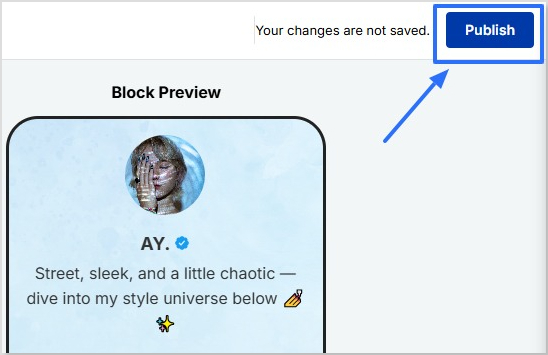
Click on the “Publish” button on the top rightto start customizing your bio link further. If you don’t, you won’t be able to save changes in real-time.
Step 5: Choose content blocks
Choose the type of content blocks you want to add to your bio link page.
Replug offers various content block options, including social icons, links, RSS feeds, audio, video, text, cards, separator, and spacing. Select the ones that best suit your needs.
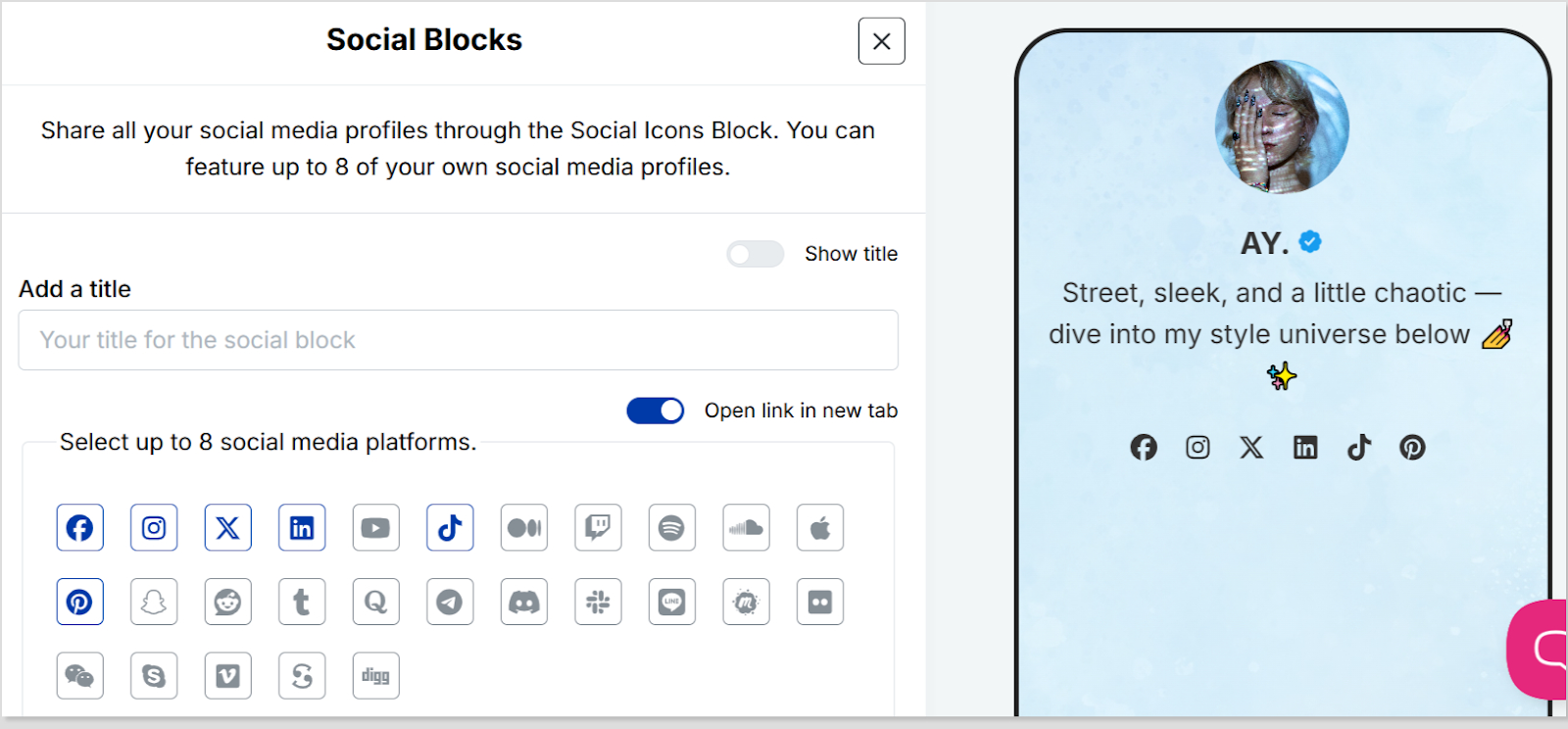
As an example, let’s start with adding social icons. For that, click on the “Social” block button.
Provide titles for each platform, customize the colors for the social icons, and paste the corresponding links. To add each platform, click the “Add Block” button.
You can also schedule, animate, or customize the appearance of your blocks.
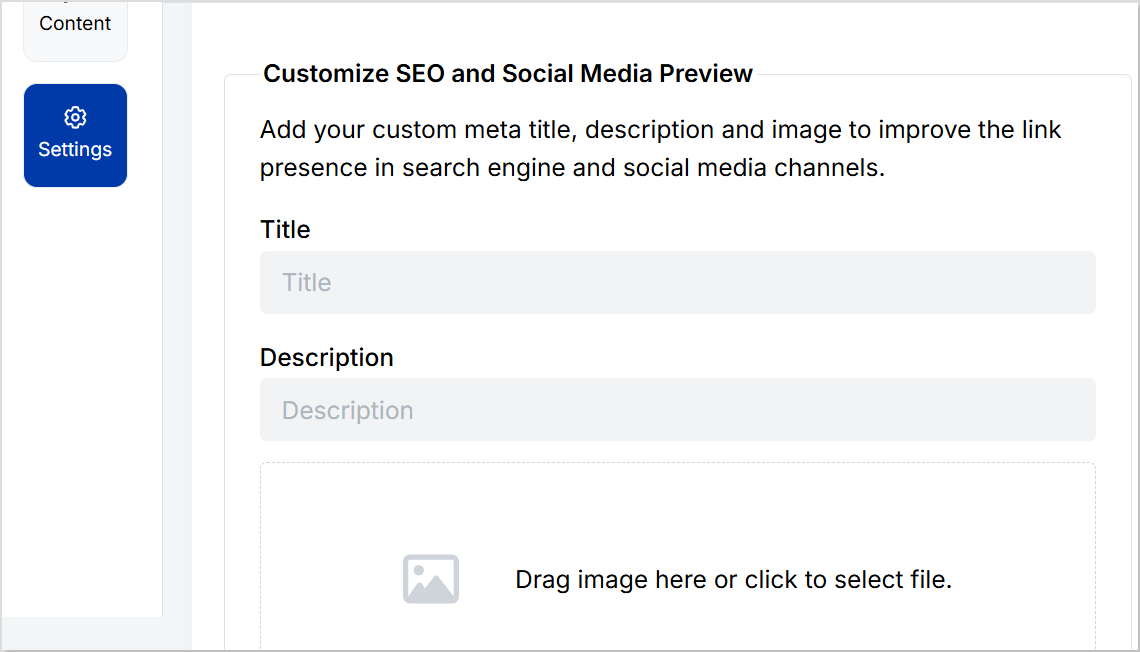
Step 6: Go to Settings and Customize SEO and Social Media Preview
Go to “Settings” to customize your bio link page further by adding a custom meta title, description, image, favicon image.
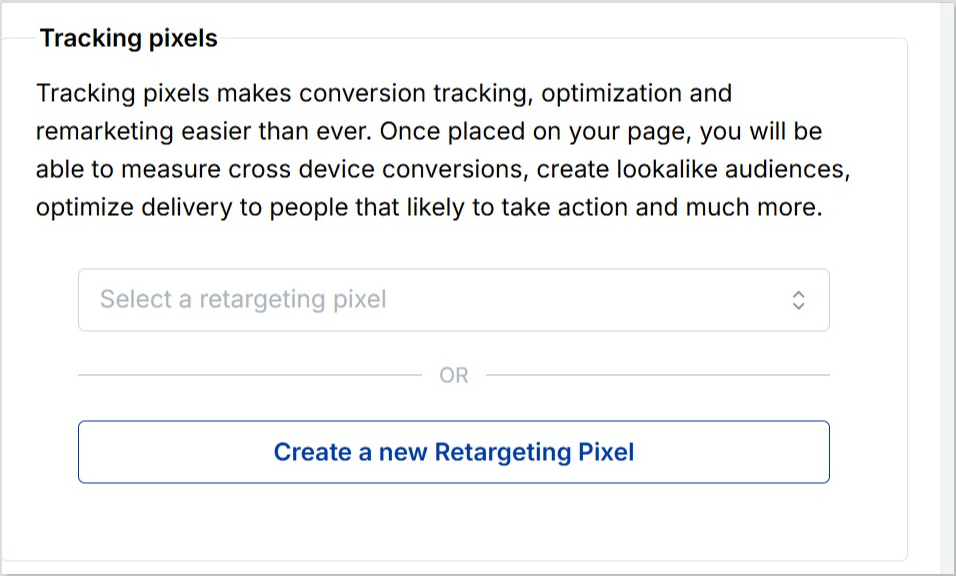
Furthermore, you can also add tracking pixels for conversion tracking, optimization, and remarketing.
Step 7: Review link in bio page
Review your link in bio page as you create it to ensure it looks and functions as you intended. Take advantage of the preview feature to see how it will appear.
Step 8: Update and create a custom URL for your bio link
Update your bio link to save changes.
Create a custom URL by changing the slug of your bio link. You can also connect your custom domain if you have one.
With your Replug-generated bio link, you can effectively share multiple links and content with your audience, making it a valuable tool for content promotion and marketing on the platform.
Enhance this even further by using this custom URL shortener free to create branded, trackable links that boost engagement.
Go beyond generic link pages!
Create custom bio links that truly fit your brand
With Replug, you can create bio links that are unique, engaging, and built to convert.
Make sure your bio link is short and easy to remember.
Use a clear and concise title for your bio link.
Add a description that tells people what they can expect to find on your bio link.
Use an eye-catching image for your bio link.
Share your bio link across your social profiles and include it in your emails. An email signature generator makes it easy to add your link professionally, so every message subtly drives traffic to your content.
Promote your bio link in your email signature and on your website.
Frequently asked questions
What is a “Link in Bio”?
A “Link in Bio” is a clickable hyperlink placed in the bio or profile description of a social media account, allowing users to direct their audience to external websites, content, or products.
Why use a “Bio Link”?
Users employ “Bio Link” to overcome limitations on the number of links in social media posts, making it easier to share multiple links, promote content, and enhance user experience.
How can I add a “Link in Bio” on Instagram?
To add a “Link in Bio” on Instagram, go to your profile, click on “Edit Profile,” and enter your desired link in the website field. This link becomes your “Bio Link.”
Are there tools or services to manage “Link in Bio”?
Yes, there are third-party bio link tools and services like Replug that provide features to create and manage “Link in Bio” pages with multiple links.
Can I customize my “Link in Bio” page?
Yes, many “Link in Bio” services allow users to customize the appearance of their bio link page by adding branding elements, titles, and descriptions.
Affiliate marketing is one of the most accessible and scalable ways to earn income online. But success doesn’t come just by joining an affiliate program. You need to share your affiliate links strategically and effectively to see real results.
That means moving beyond simply dropping links here and there. Instead, focus on platforms and formats where your audience is already active and engaged. This guide explores some of the most effective ways to promote affiliate links, combining proven tactics with smart tools like Replug to enhance performance.
Blogging remains one of the most effective ways to share affiliate links. It helps build trust while giving you the space to go in-depth with your recommendations. If your blog gets steady organic traffic, embedding affiliate links can be incredibly powerful because you’re reaching people who are already looking for solutions. When done right, your content naturally leads to clicks and conversions without coming off as overly salesy.
Some blog formats that work especially well include:
Product reviews
Comparisons
“Best alternatives” posts
Tutorials or how-to guides
Roundups and curated lists
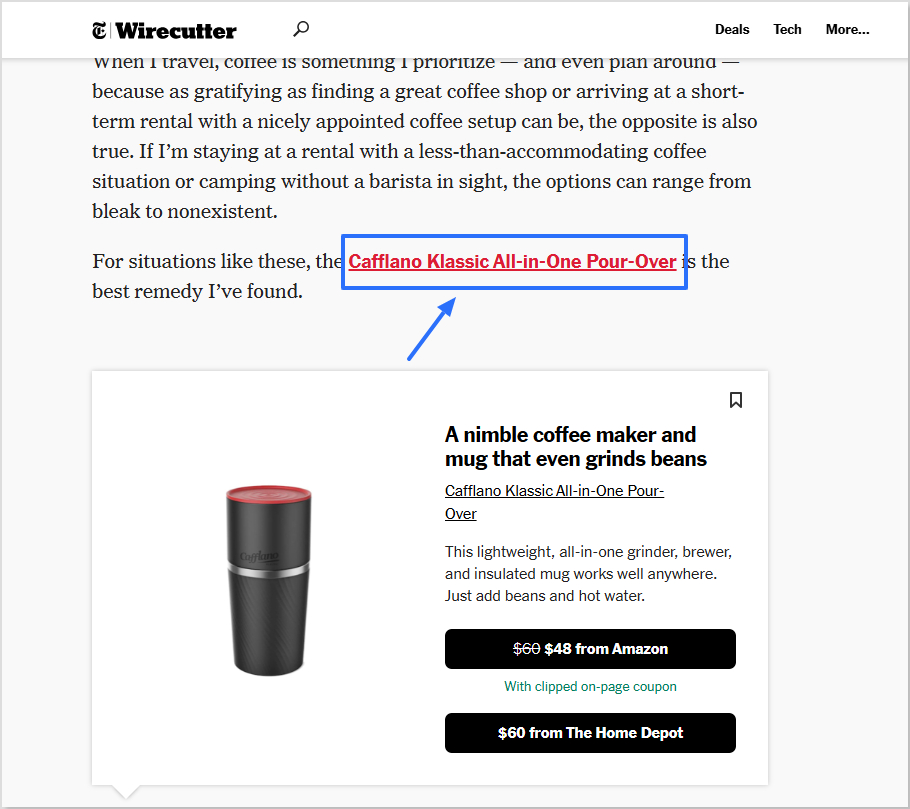
Here’s an example of an affiliate marketer promoting the Cafflano Klassic All-in-One Pour-Over in their blog on Wirecutter through an affiliate link:
As you create content, weave your links in naturally; whether that’s within the text, through buttons, or with helpful widgets. Tools like Replug make it easy to create branded short URLs and customizable CTA buttons that fit seamlessly into your blog, helping boost traffic and build trust.
Just remember: avoid going overboard with promotion. Focus on providing genuine value, follow SEO best practices, and always disclose affiliate links to keep things transparent and build long-term credibility.
Maximize marketing ROI
by transforming ordinary URLs into branded short links that convert.
Try Replug for free
2. Share affiliate links on social media
Social media is a powerful channel for affiliate link promotion. Platforms like Instagram, TikTok, Facebook, X (formerly Twitter), LinkedIn, and Pinterest offer great opportunities for both organic and creative sharing.
Instagram Stories support clickable links via the Link Sticker, and adding them to your Highlights keeps them accessible. Pinterest also works well for visual storytelling. You can create pins, use targeted keywords, and drive users to your affiliate links.
Tip: Stay authentic. Share personal experiences with the product and explain why you recommend it. This builds trust and encourages engagement.
3. Cloak your affiliate links for clarity and trust
Affiliate links can often look long, confusing, and even suspicious to users. Link cloaking solves this problem by turning those long strings into clean, branded URLs that are easier to read and click.
Replug allows you to cloak your affiliate links with your custom domain, making them look professional and trustworthy. This also protects your links from being hijacked or altered. Here’s an example:
Cloaked links are especially useful when sharing on social media, in emails, or on printed materials where aesthetics and trust matter.
Did you know? Replug isn’t just a powerful link management tool; it’s also a great way to earn passive income! Join our affiliate program and earn 30% recurring commission for every customer you refer.
4. Use bio links to consolidate your affiliate offers
Instagram and TikTok are great for visibility, but since captions don’t allow clickable links, promoting affiliate products can get tricky. That’s where a bio link tool like Replug comes in.
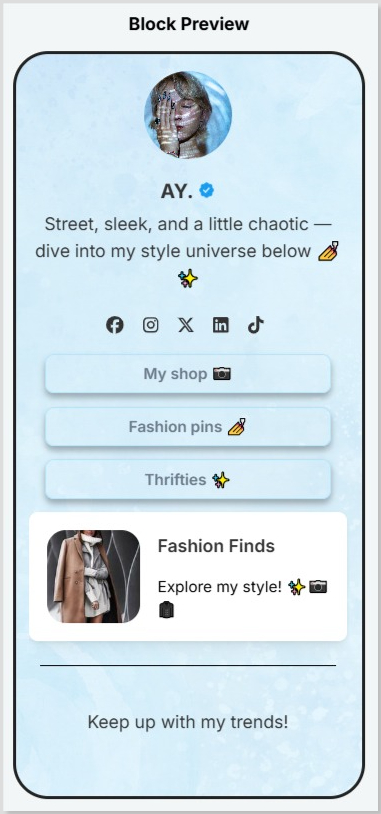
With Replug, you can create a customized link-in-bio page that houses all your affiliate links in one place. Promoting a new product? Add a button or image card that stands out. Running a limited-time offer? Pin it to the top so your followers don’t miss it.
Instead of constantly changing the link in your bio, you give your audience one central hub to explore everything you’re promoting. It’s a simple way to keep your affiliate content organized and accessible, especially when juggling multiple offers.
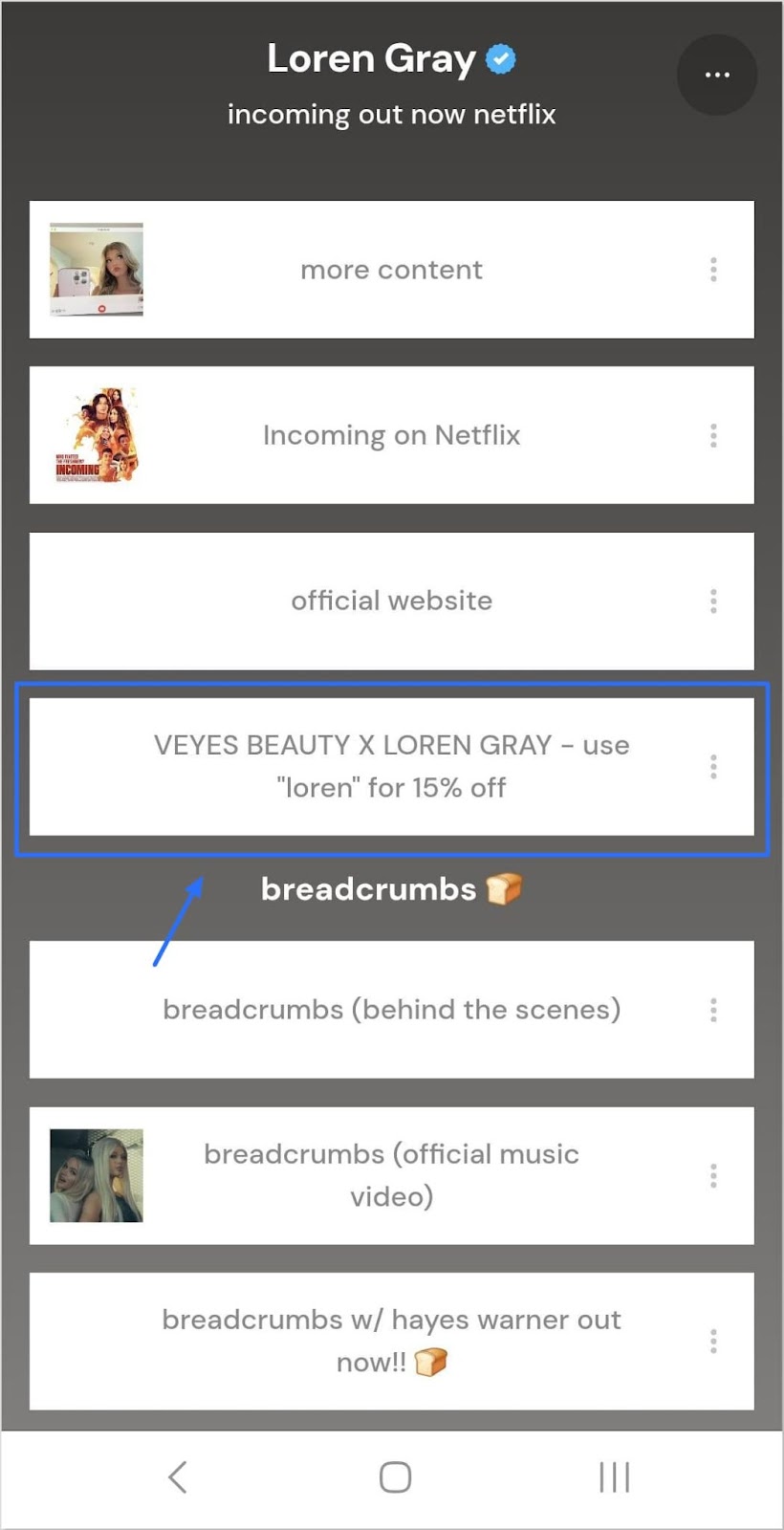
Here’s a look at how the famous TikToker Loren Gray is utilizing her bio link page to promote her affiliate links:
Go beyond generic link pages!
Create custom bio links that truly fit your brand
With Replug, you can create bio links that are unique, engaging, and built to convert.
Email marketing is another powerful channel for promoting affiliate links, when done right.
Start by building an email list for affiliate marketing. Offer a lead magnet like an ebook or guide to capture email addresses from your website visitors. Once you have a list, you can create a series of emails that promote relevant products or services using affiliate links.
There are two main ways to include affiliate links in emails:
Dedicated promos: Send an email focused on a specific product.
Content-driven promos: Include links naturally in educational or value-packed emails.
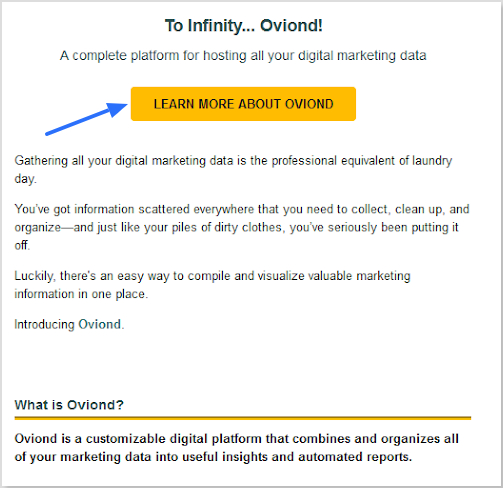
Here’s an example of a content-driven promo affiliate link in an email by AppSumo. They offer a few products, but mainly promote third-party SaaS deals for a commission. Here’s how they once promoted Oviond, a marketing data platform:
You can also send roundup emails featuring deals or top picks, giving you the chance to include multiple affiliate links in one message.
Keep in mind that some affiliate networks or email platforms don’t allow direct affiliate links. In that case, use your email to drive traffic to a blog or landing page with your affiliate links.
And one last tip: avoid adding affiliate links in your very first email. Set up a welcome sequence to build trust before you start promoting.
6. Rotate affiliate links
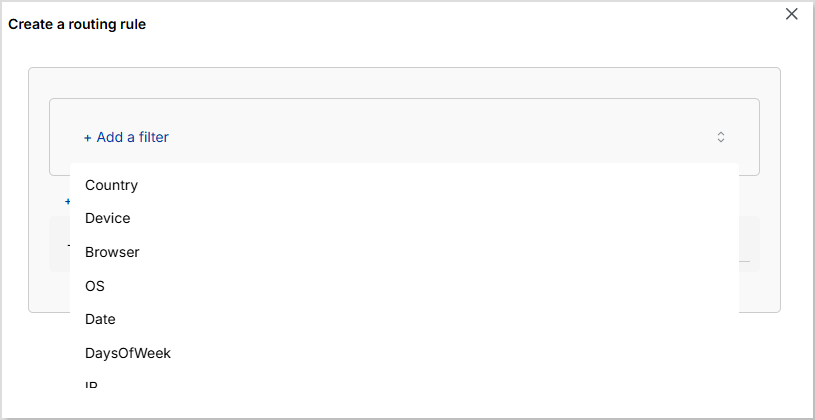
If you have a global audience, affiliate link rotation helps you serve the most relevant offer. With Replug, you can direct users to different URLs based on:
Country
Device
Browser
OS
Date
Days of Week
IP
This ensures that each visitor gets a tailored experience, which increases conversions and improves user satisfaction.
7. Use YouTube and video descriptions
Video marketing has become one of the most effective ways to promote affiliate links. It works similarly to blogging or email marketing. You can either create videos focused on a specific product or mention relevant affiliate tools within educational content.
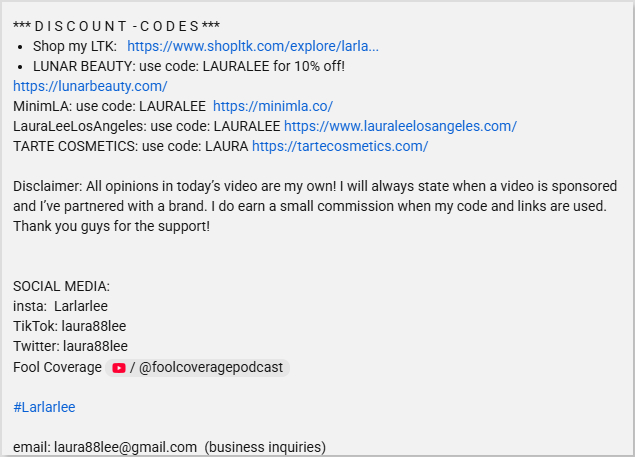
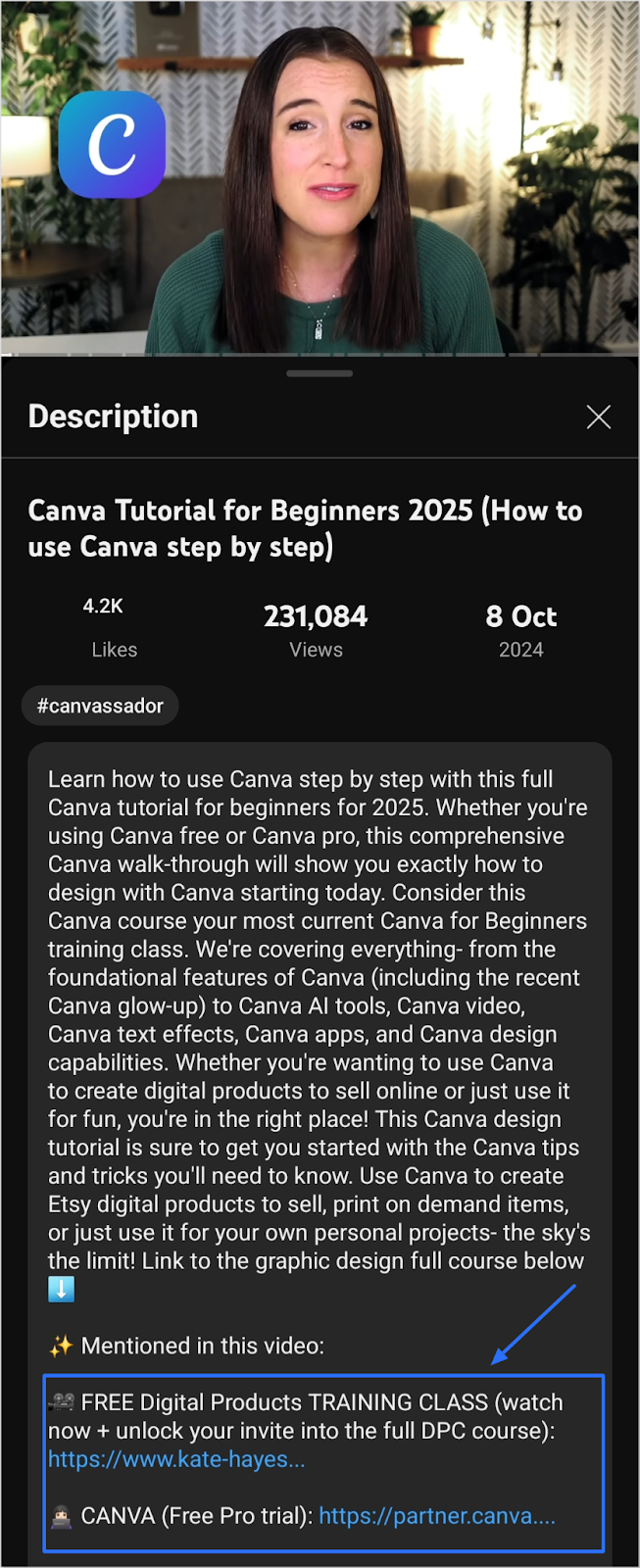
To get the most out of this strategy, include your affiliate links in the video description. Place them near the top so they’re easy to find and clickable. Here’s an example of Laura Lee, a famous makeup vlogger:
With a tool likeReplug, you can create cloaked, branded links that look clean and professional while protecting your affiliate ID and improving trust.
A complete link management solution
for marketing professionals & agencies.
Try Replug for free
You can also increase engagement by offering exclusive discounts or limited-time deals through your affiliate links. And as with any affiliate promotion, don’t forget to include a clear disclaimer letting viewers know you may earn a commission from purchases made through your links.
8. Run retargeting ads with affiliate links
Most people don’t convert the first time they click. That’s where retargeting helps.
With Replug, you can add retargeting pixels to your affiliate links. This lets you build custom audiences and run ads targeting users who previously clicked on your links.
It’s a powerful, indirect method of promoting affiliate links that can significantly improve conversions. Best of all, you don’t need to own the product or manage fulfillment. You just need to set up a compelling ad campaign.
9. Include affiliate links in webinars and podcasts
Webinars and podcasts are highly engaging and allow for direct communication with your audience. Use this format to mention affiliate products and link to them through:
Show notes
On-screen links
Chat sections
Since webinars can be recorded and repurposed, they continue driving traffic to your affiliate links long after the initial session.
Focus on recommending tools or services that are relevant to your topic to maintain credibility and drive higher engagement.
10. Use QR codes to share affiliate links
QR codes are a versatile tool for sharing affiliate links both online and offline. When scanned, they take users directly to your affiliate offer, making them highly convenient and user-friendly.
You can embed QR codes in:
Flyers and brochures
Product packaging
Event displays
Newsletters and digital downloads
Maximize marketing ROI
by transforming ordinary URLs into branded short links that convert.
Try Replug for free
With Replug, you can create custom, dynamic QR codes for your affiliate links easily. This is especially useful for in-person events or physical marketing materials where clickable links aren’t an option.
11. Drop links in online courses
Courses, free or paid, can provide long-term value while opening up opportunities for affiliate link placements.
If your course teaches a specific skill, include affiliate recommendations for tools or resources that support that learning. Below is an example of how Kate Haye’s, a vlogger, is using affiliate links to promote Canva, in her educational content:
Keep it relevant and disclose the affiliate relationship clearly. The goal is to enhance the learning experience, not interrupt it.
12. Share on forums like Reddit or Quora
Forums are a great way to connect directly with people actively looking for advice or solutions. However, many platforms don’t allow direct affiliate links.
Instead of dropping links right away, focus on providing helpful, relevant answers. You can link to blog posts or landing pages that include your affiliate links, offering more context and value.
Being consistently helpful on platforms like Reddit or Quora can build your credibility over time. It can build trust and can lead to steady, long-term traffic to your affiliate content.
13. Use SMS marketing for affiliate links
SMS marketing can be incredibly effective, with high open and click-through rates. To keep your messages clean and concise, use shortened links. Replug lets you create compact branded links that fit easily into SMS campaigns.
Boost ROI with branded URLs!
Enhance your marketing campaigns by creating shareable, trackable, and fully multi-purpose
customizable branded URLs.
This approach works well for time-sensitive promotions or exclusive deals where instant communication is key.
Why share affiliate links?
Sharing affiliate links is one of the simplest ways to earn commission online without creating your own product. Whether you’re a creator, blogger, or just someone with a loyal audience, affiliate marketing lets you recommend tools and services you trust while earning a commission for every sale, sign-up, or click.
Here’s why it works so well:
Earn commission by recommending what you love – You help others find useful products and get rewarded for it.
No upfront investment – You don’t need a website, inventory, or storefront to start earning.
Passive income potential – Create once, earn repeatedly. Your links can bring in commissions long after you post them.
Works across platforms – From Instagram bios to blog posts, affiliate links can be shared wherever your audience is active.
Track your performance – With tools like Replug, you can shorten, brand, and track your links to see which ones are driving the most commissions.
It’s not just about posting links; it’s about sharing genuinely helpful recommendations in a way that feels natural to your audience. Do that consistently, and the commissions will follow.
Final thoughts
Promoting affiliate links effectively is all about delivering value first. It’s not just about sharing a link; it’s about sharing the right link, in the right place, at the right time.
Whether you’re writing a blog, filming a video, or engaging your email list, every channel offers opportunities to integrate affiliate links in a way that feels helpful and professional.
Tools like Replug enhance these efforts by streamlining how links look, behave, and perform. But ultimately, it’s your focus on relevance, trust, and user experience that will drive results.
Start small, stay consistent, and always aim to serve your audience. That’s how you grow affiliate income sustainably.
FAQs for sharing affiliate links
Where can I promote affiliate links for free?
There are plenty of free platforms where you can promote affiliate links without spending a dime. Some of the most effective ones include:
– Social media (Instagram, TikTok, Facebook, LinkedIn, Pinterest) –Forums (Reddit, Quora, niche communities) –Blog posts (especially if you’re using a free blogging platform like Medium or WordPress.com) – YouTube descriptions and video content –Bio link tools (like Replug) that consolidate your links in one place –Email newsletters (via free platforms like Mailchimp)
How do I share affiliate links on YouTube?
The best way to promote affiliate links on YouTube is by placing them in your video descriptions. Mention the product in your video and guide viewers to check the link below. To build trust, keep your links clean using a tool like Replug and always include a short disclaimer that you may earn a commission.
How do I promote affiliate links on Google?
There are two main ways. First, you can use SEO to rank helpful blog content that includes affiliate links; this is a long-term strategy. Second, you can run Google Ads that lead users to a landing page or blog post (not directly to the affiliate link). Always disclose affiliations and ensure your pages comply with Google’s ad policies.
Can I promote affiliate links without a website?
Absolutely. You can use social media bios, email newsletters, YouTube descriptions, and even tools like Replug to create a centralized bio link page for all your offers. Some creators also promote links through PDFs, ebooks, or free courses. The trick is to meet your audience where they already are and provide value first.
How do I promote affiliate links on social media?
Keep it real and keep it relevant. Share your personal experiences with the product, include the link in your bio or post (depending on the platform), and explain why it’s worth checking out. Instagram Stories, TikTok videos, LinkedIn posts, and Facebook Reels can all work well. Just remember to sound human, not salesy.
Can I promote affiliate links on Instagram?
Yes, and it works especially well when paired with bio link tools. You can use Replug to create a customized landing page with all your affiliate offers. Add that to your bio and direct your audience there through Stories or Reels. Since Instagram captions don’t allow clickable links, your bio becomes prime real estate.
How do I promote affiliate links on Facebook?
On Facebook, you can share affiliate content through posts, Stories, Reels, or inside niche groups where it’s allowed. Instead of just dropping a link, offer a quick tip or review to spark curiosity. If direct linking is restricted, drive users to a blog or a landing page that houses your affiliate content.
Dropping random links in your Discord server chat can look a little shady sometimes.
Long URLs flood your message with previews. Affiliate links raise red flags. And those random characters? Yeah. They scream “don’t click me.”
You candisguise a link in Discord using a few formatting tricks. But if you’re serious about growing clicks, building trust, and keeping your brand looking clean, you’ll want to go beyond the basics.
In this guide, we’ll cover:
How to disguise a link in Discord (basic methods)
Why Replug is a smarter, more professional solution
What you can do with Replug beyond just shortening links
Let’s get into it.
Why Discord links can hurt your clicks
If you’re a Discord server, you’ve probably seen a suspiciously long link dropped into a Discord chat that no one dares to click. Something like:
It’s long and distracting.
On top of that, Discord hyperlink text isn’t naturally supported. You can’t just make a clean, clickable word unless you’re using embeds or bots.
This creates a big problem for:
Affiliate marketers
Content creators
Community leads
Anyone trying to get clicks, not confusion
So if you’re wondering how to hide a link in Discord, there are a few formatting tricks. But if you’re thinking long-term, you’ll want a better method.
Basic ways to disguise a link in Discord
If you’re just trying to reduce the messiness and avoid previews, here are three simple ways to go about masking links in Discord:
1. Angle brackets
Wrap the link like this:
This disables the preview and keeps the message clean.
2. Spoiler tags
Hide the link behind spoiler formatting:
Users have to click to reveal it. This is useful if you’re sharing sensitive or exclusive content.
3. Asterisks
Grab the link you want to share and wrap the link like this:
This disables the preview and keeps the message clean. The link still works; it just looks less intrusive.
Note: To hide both the link and its preview, use spoiler tags or asterisks. If you only want to stop the preview but still show the link, angle brackets are your best bet.
4. Turn off previews
For your personal settings:
Go to Settings > Text & Images
Toggle off “Show embed and preview website links pasted into chat”
These three options cover basic Discord link formatting. They’re temporary fixes. Not solutions. If your link still looks like a mess of random letters and tracking IDs, most people still won’t click.
Let’s be real: hiding a link ≠ building trust
Disguising your link should do more than just “hide” it. It should make it look professional. On-brand. Click-worthy.
That’s where Replug comes in.
How to disguise a Discord link in Replug?
Step 1: Log in to Replug
Head over to Replug and sign in to your account. If you don’t have one yet, you can create a free account in just a few clicks.
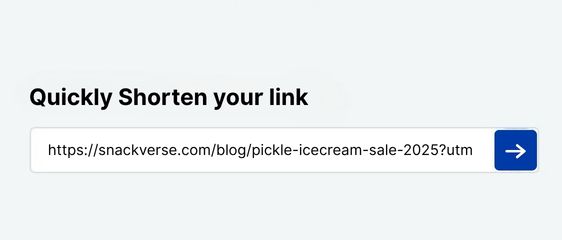
Step 2: Shorten link
Copy the link you want to shorten and paste it in the bar under “Quickly Shorten your link”
Step 3: Disguise your link
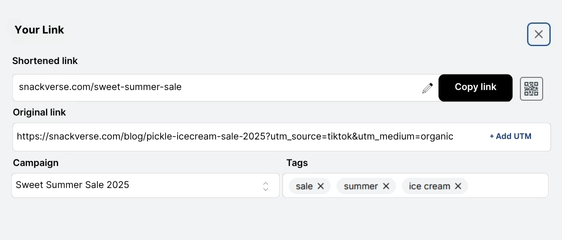
Disguise your URL by connecting your custom domain and changing the slug of yourshortened link.
Step 4: Enable link cloaking
Turn on link cloaking in Replug so users only see your custom, disguised link in the browser’s address bar, instead of the original URL. It keeps your video link clean, branded, and more trustworthy.
Step 5: Save your link
The final step is to save your shortened link. Once done, your disguised or masked URL is ready to be shared in Discord with your community!
Why Replug is a smarter way to disguise links in Discord
Think of Replug as your Discord link’s glow-up. Instead of looking like a raw affiliate dump, your links get a clean, branded, professional look, and you can track everything behind the scenes.
Here’s what you can do:
1. Create branded short links
Forget pasting this:
With Replug, you can share this instead:
Boost ROI with branded URLs!
Enhance your marketing campaigns by creating shareable, trackable, and fully multi-purpose
customizable branded URLs.
This is more than shortening. It’s called a vanity URL, a link that matches your brand and earns trust.
You can create one easily using this short URL shortener, designed to help you share branded, trackable links with ease.
However in Discord, that goes a long way.
2. Get full analytics and link tracking
While Discord gives you zero visibility into link clicks, Replug gives you the full picture through the link analytics dashboard:
Who clicked
When they clicked
Where they came from
What device they used
Perfect for understanding which Discord channels, DMs, or announcements are performing best.
3. Customize your preview and text
With Discord hyperlink text being limited, Replug gives you control over how your link appears elsewhere.
You can:
Set a custom title
Add a preview image
Write your own description
Instead of letting Discord embed something random (or nothing), you own how it shows up.
4. Use dynamic QR codes
Need your link offline? On merch? In event banners? Replug creates dynamic QR codes for every link. And if your destination changes later, you can just edit it, no need to reprint.
That’s especially useful for cross-promotion across social, physical, and community spaces.
5. Add clickable bio pages
If you’re a creator, streamer, affiliate, or run a community, Replug helps you avoid spamming multiple links. You get a bio link page; one smart link that hosts everything.
So instead of choosing one link, you just post one clean URL. You can even customize it for specific audiences, ideal if you’re targeting Discord traffic.
Can I create clickable text on Discord like “click here”?
Not in regular messages. Discord doesn’t support embedded hyperlinks. But with Replug, you can create clean, branded links that look more professional and trustworthy than raw URLs.
How do I prevent a link preview on Discord?
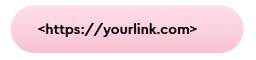
To stop Discord from showing a preview of your link, wrap the URL in angle brackets like this: <https://yourlink.com>. This hides the embed while keeping the link clickable.
Can I hide an entire link in Discord?
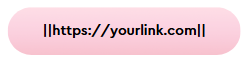
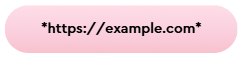
Yes, you can use spoiler tags like ||yourlink.com|| or wrap it in asterisks (*yourlink.com*) to hide it. Users will have to click to reveal the link, making it less intrusive.
How to hyperlink on Discord mobile?
You can’t create embedded hyperlinks (like “click here”) on Discord mobile or desktop in regular chats. Discord doesn’t support that kind of formatting. Your best option is to share a clean, short link, ideally a branded one using a tool like Replug.
What’s the difference between hiding and disguising a Discord link?
Hiding a link (e.g., with spoiler tags) just makes it less visible. Disguising a link (e.g., using Replug) makes it look professional and credible. One’s a quick fix. The other builds trust and boosts clicks.
Just dropped a fire YouTube video? Maybe it’s a tutorial, a product drop, or some BTS magic. You’re hyped to share it, but that standard YouTube URL? Yeah… not the vibe.
This is where using a branded, shortened link steps in. With the right link management tool, you can turn that generic link into a polished, professional URL that reflects your brand and builds trust at a glance.
But it’s not just about aesthetics. A disguised YouTube link builds trust, gets more clicks, and keeps the spotlight on your content. Let’s break down why this tiny switch can level up your share game.
A complete link management solution
for marketing professionals & agencies.
Try Replug for free
What does it mean to disguise a link?
Disguising a link means hiding the original URL behind a cleaner, branded, or shortened version. Instead of showing a long, complex link, like a default YouTube or affiliate URL, you present a custom link that’s easy to read, memorable, and trustworthy.
Tools like Replug let you disguise links using your own domain, add custom slugs, and even enable link cloaking so users only see the disguised version in the browser. It’s a simple way to make your links look more professional and boost clicks.
How to disguise a YouTube video link using Replug?
Replug is an amazing link management platform that makes it easy to disguise long YouTube URLs with custom short links. This results in improving visibility, uplifting trust, and driving more engagement.
Here’s how to hide your YouTube link step-by-step using Replug:
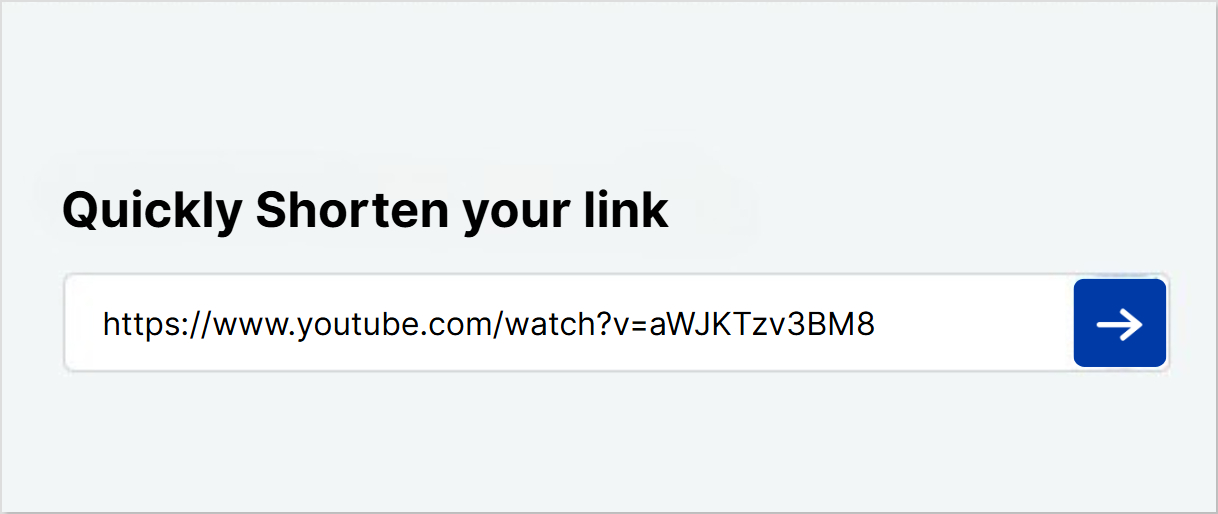
Step 1: Copy YouTube URL
Go to the YouTube app and copy the URL you want to disguise from the search bar.
Step 2: Log in to Replug
Log in to Replug or create a free account if you don’t have one already. You’ll get access to a 14-day trial with full features.
Step 3: Shorten your link
Paste your YouTube embed link into Replug’s dashboard.
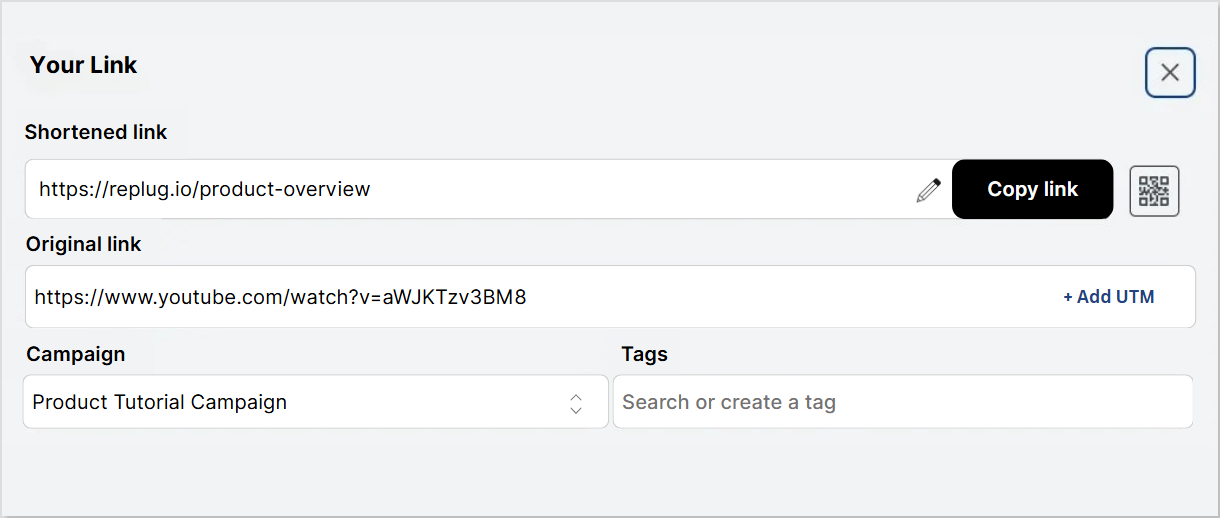
Turn on link cloaking in Replug so users only see your custom, disguised link in the browser’s address bar, instead of the original YouTube URL. It keeps your video link clean, branded, and more trustworthy.
Step 6: Save link
Once you’re set, hit “Save Shortened link” and Replug will generate a clean, trackable short YouTube URL that’s ready to share.
How to Embed a YouTube Video Using YouTube’s Built-in Feature
YouTube also lets you embed videos directly onto your website or blog. Here’s how:
1. Go to the YouTube video
Navigate to the video you want to embed on YouTube.
2. Click the “Share” Button
Below the video player, click the “Share” button.
3. Select “Embed”
In the pop-up, click the “Embed” option (</> icon).
4. Copy the embed code
A preview window with an HTML <iframe> code will appear. Click “Copy” to copy the code.
5. Paste the code into your website
Go to the backend of your website or blog and paste the embed code into the HTML where you want the video to appear.
Tips:
Make sure your site/platform supports embedding HTML (e.g., WordPress, Webflow, Blogger).
You can manually adjust the width and height in the iframe code.
Some website builders also let you paste the YouTube URL directly, and they’ll auto-embed it.
Want a code snippet with your video link in it? Just share the URL!
Benefits of disguising your YouTube video link
1. Make your link memorable and on-brand
Custom short links are easy to remember and look far more professional than default YouTube URLs. When you add your own domain, it reinforces brand recognition across all platforms.
2. Build trust across platforms
Generic or affiliate-style YouTube links can appear suspicious, especially in emails or chats. A clean, branded URL instantly looks more credible.
Boost ROI with branded URLs!
Enhance your marketing campaigns by creating shareable, trackable, and fully multi-purpose
customizable branded URLs.
Disguised links are not just visually appealing; they’re also proven to get more clicks. Shorter, clearer links perform better across marketing channels and potentially have a higher CTR.
4. Keep your messaging clean
Long URLs can clutter up your posts or trigger previews that take focus away from your content. Disguising your YouTube link helps keep things neat and distraction-free.
5. Track every click and conversion
With Replug, you can monitor performance in real-time. See how many clicks your YouTube link gets, where traffic is coming from, and what content drives results.
6. Create a QR code instantly
Want to share your video offline? Replug lets you create a custom, dynamic QR code for any short link, making it easy to promote your video through print or packaging.
7. A/B test multiple video links
Wondering which custom link will make your video stand out? Use Replug to split test up to 10 URLs or more versions and optimize based on actual data.
8. Use link rotators for smarter sharing
Need to promote different videos to different audiences? Replug’s link rotator lets you route users to different YouTube videos without changing the link.
9. Add calls-to-action directly to your link
Don’t stop at just getting clicks, turn them into actions. With Replug, you can add CTA buttons, and create bridge and summary pages that display while your video plays.
Boost your conversion rates with irresistable CTAs with
If you’re serious about growing your YouTube presence, your link strategy shouldn’t be an afterthought. Disguising your YouTube video link with a branded short URL isn’t just about looks; it’s about boosting trust, engagement, and performance across every platform you share on.
With Replug, you get full control over how your video links appear, perform, and convert. From link cloaking to CTAs, QR codes, analytics, and more, it’s your one-stop solution for turning any video drop into a brand moment.
So the next time you’re ready to share your content, skip the clunky links. Share it smart. Share it with Replug.
You can disguise a YouTube video link by using a link shortener like Replug. It allows you to create a clean, branded short link that hides the original YouTube link. This improves trust, looks more professional, and gives you access to analytics, CTAs, and link cloaking options.
How to send a YouTube link without showing the thumbnail preview?
Use the embed link or shorten it with Replug to avoid auto-thumbnails. Some apps also let you manually remove the preview before sending. With Replug, you can go a step further by customizing or disabling the preview entirely for a cleaner, on-brand look.
What is the benefit of using a custom URL for a YouTube video?
A custom URL makes your YouTube video link more memorable, branded, and trustworthy. It helps with click-through rates, especially on social and professional platforms, and gives you control over tracking and performance using tools like Replug.
Can I track who clicks my disguised YouTube link?
Yes. With Replug, you can track clicks, traffic sources, devices, locations, and even retarget viewers. It turns your YouTube link into a data-rich marketing asset instead of just a plain video drop.
What’s the difference between link shortening and link disguising?
Link shortening creates a shorter version of a long URL, while link disguising goes a step further. It hides the original URL, applies branding (like a custom domain), and can include cloaking so only your branded link shows in the browser bar.
Want to build more trust and brand recognition with your short links? Replug now offers its paid users the ability to claim a custom domain for free for one year, no need to purchase a domain or deal with complex DNS settings.
This guide walks you through how to claim your free domain on Replug, why a branded domain matters for your marketing campaigns, and the benefits of using a branded short link.
A complete link management solution
for marketing professionals & agencies.
Try Replug for free
Eligibility to claim a free domain on Replug
To qualify for a free domain from Replug:
You must be on a paid user.
Each workspace is allowed one free domain.
The domain is free for the first year, and renews at $12/year after that.
Here’s how you can claim you free domain
Step 01: Sign in to your Replug account
Log in to your Replug account using your credentials. Once you’re in, you’ll land directly on the main dashboard.
Step 02: Open the settings menu
Click the small Settings icon located at the top right corner, next to your profile initials.
From the settings menu, select “Custom Domain”. You’ll be redirected to the custom domain dashboard.
Step 03: Select the Free.Link domain option
On the Custom Domain dashboard, you’ll the option to:
Claim a Free.Link domain.
A pop-up will appear, allowing you to search for your preferred domain.
Note: Only one free domain can be claimed per workspace.
Step 04: Search your domain
Type in your desired domain name. If available, it will appear with the option to claim it. If not, Replug will suggest similar domain names.
Step 05: Claim your domain
Choose your preferred domain from the list and click the “Claim Domain” button.
That’s it! Your free custom domain is now live and ready to use in your campaigns.
Important: To transfer your free .link domain to a different registrar, you must stay subscribed to a Replug paid plan for a minimum of one year.
Want to use your own custom domain for short links? Use Replug
If you’re serious about link branding and campaign performance, a custom domain is non-negotiable. With Replug.io, you can claim and set up your branded short domain in just a few clicks.
A complete link management solution
for marketing professionals & agencies.
Try Replug for free
A custom domain doesn’t just make your links look clean and professional. It also:
Stronger brand recognition: Your links reflect your brand. A custom domain builds trust and makes your content instantly recognizable across platforms.
Here’s an example of a custom link
Simple URL
Custom URL
Better SEO and link authority: Branded short links can improve your link’s visibility and indexing in search engines, giving your campaigns an SEO boost.
Memorable and easy to promote: Short, branded links are easier to remember, type, and share, perfect for print, social media, and verbal mentions.
Helps avoid your links getting flagged or blocked: Generic shorteners are often associated with spam. A custom domain significantly reduces the risk of your links being filtered or blacklisted.
Pro Tip: To unlock all these benefits, start using a reliable link shortener with a custom domain and make your campaigns more impactful.
Advanced tracking and analytics: Track every click, referral source, and location in detail, Replug gives you in-depth analytics to fine-tune your marketing strategy.
Better user experience: Custom links look clean, load fast, and align with your brand, leading to more trust and higher click-through rates.
Conclusion
Claiming your free custom domain on Replug is a smart move for anyone serious about growing their brand and optimizing marketing efforts. It’s quick, hassle-free, and gives your links a professional edge that builds trust and drives more clicks.
FAQs
Can I claim more than one free domain on Replug?
No, only one free domain is allowed per workspace. You can add more domains manually if needed.
What happens after the first free year?
After the first year, your domain will renew at $12/year, still an affordable branding investment.
How long does the free .link domain last, and what happens after it expires?
The free .link domain is valid for 1 year from the date you claim it. About a month before it expires, you’ll receive an email reminder prompting you to renew. At that point, you can choose to pay the renewal fee to keep your domain or simply let it expire with no additional charges.
Can I use my own domain instead of the free one?
Yes! You can still add a domain you’ve purchased elsewhere by updating your DNS settings.
Is DNS configuration required for the free domain?
Nope! The free domain offered by Replug is automatically set up, no technical setup needed.
Can I change my free domain later?
Once claimed, a domain cannot be changed or reassigned to another workspace. Choose wisely.
Instagram lets you add up to 5 links in your bio now, but that doesn’t mean they’re all going to convert. When it comes to personal branding or promoting a business on Instagram, every detail matters, including the link in your bio.
Your Instagram bio is one of the first things visitors notice, and it’s a powerful tool to drive traffic to your website, blog, or other social media profiles. If you’re pasting a long, messy URL straight into your profile, you’re missing the point. Instead, rename it using a branded short link.
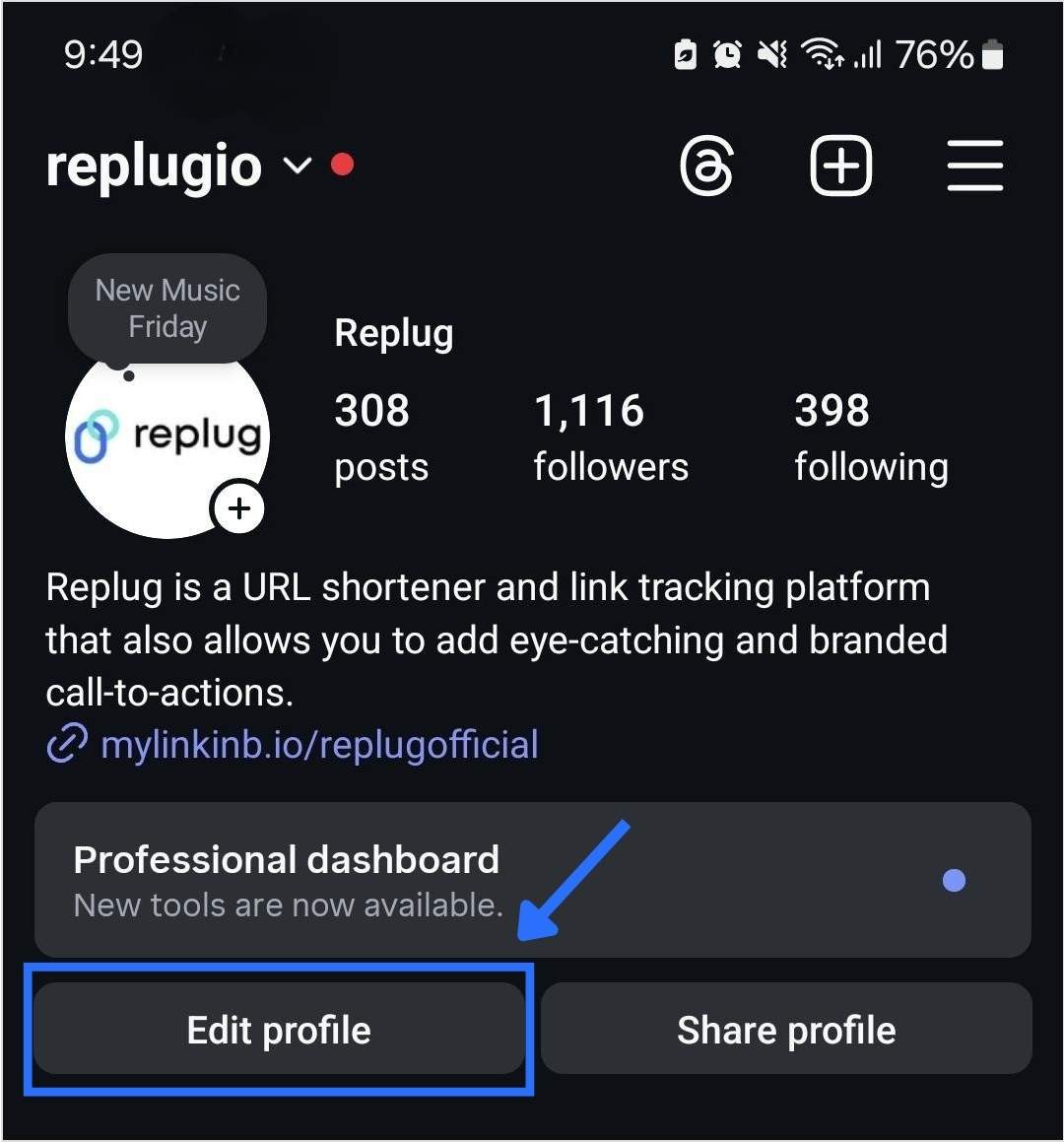
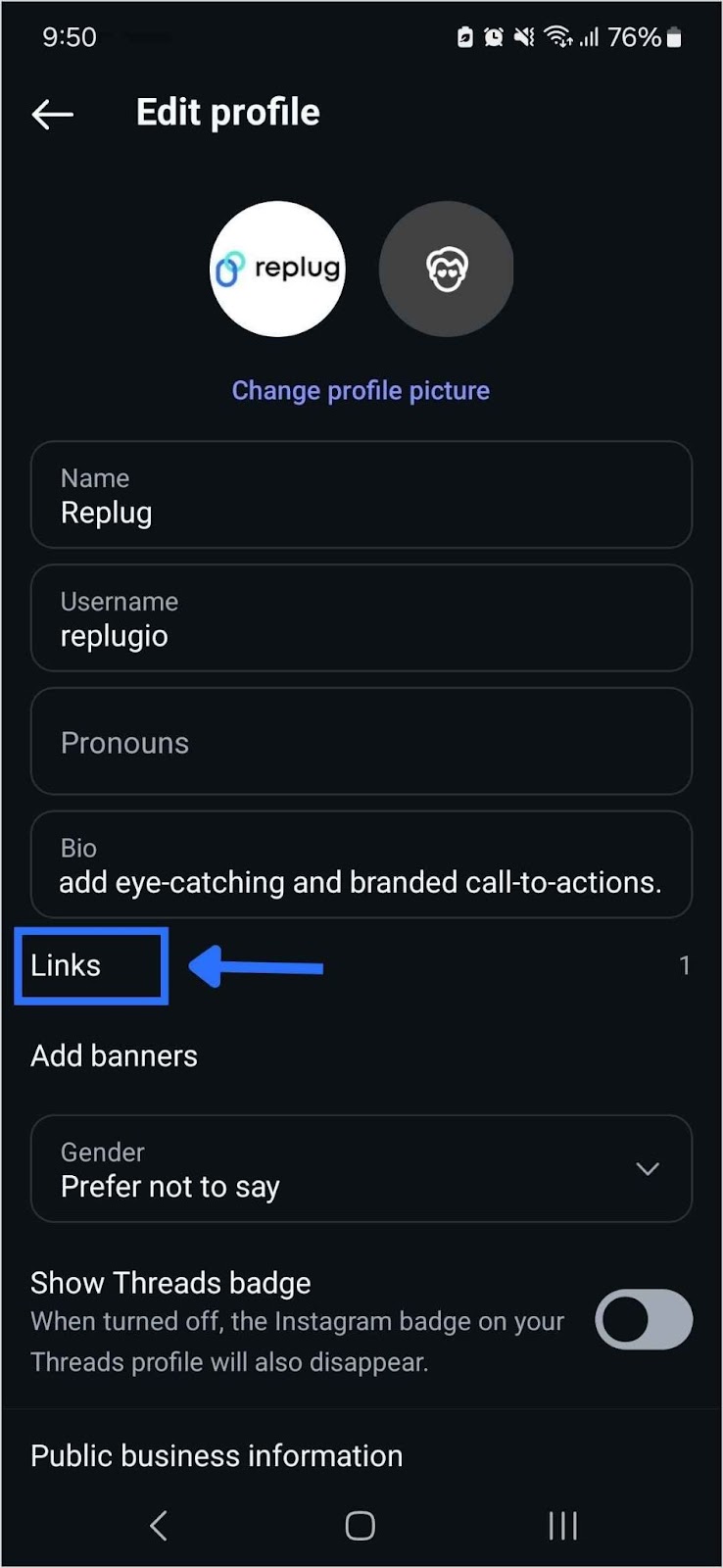
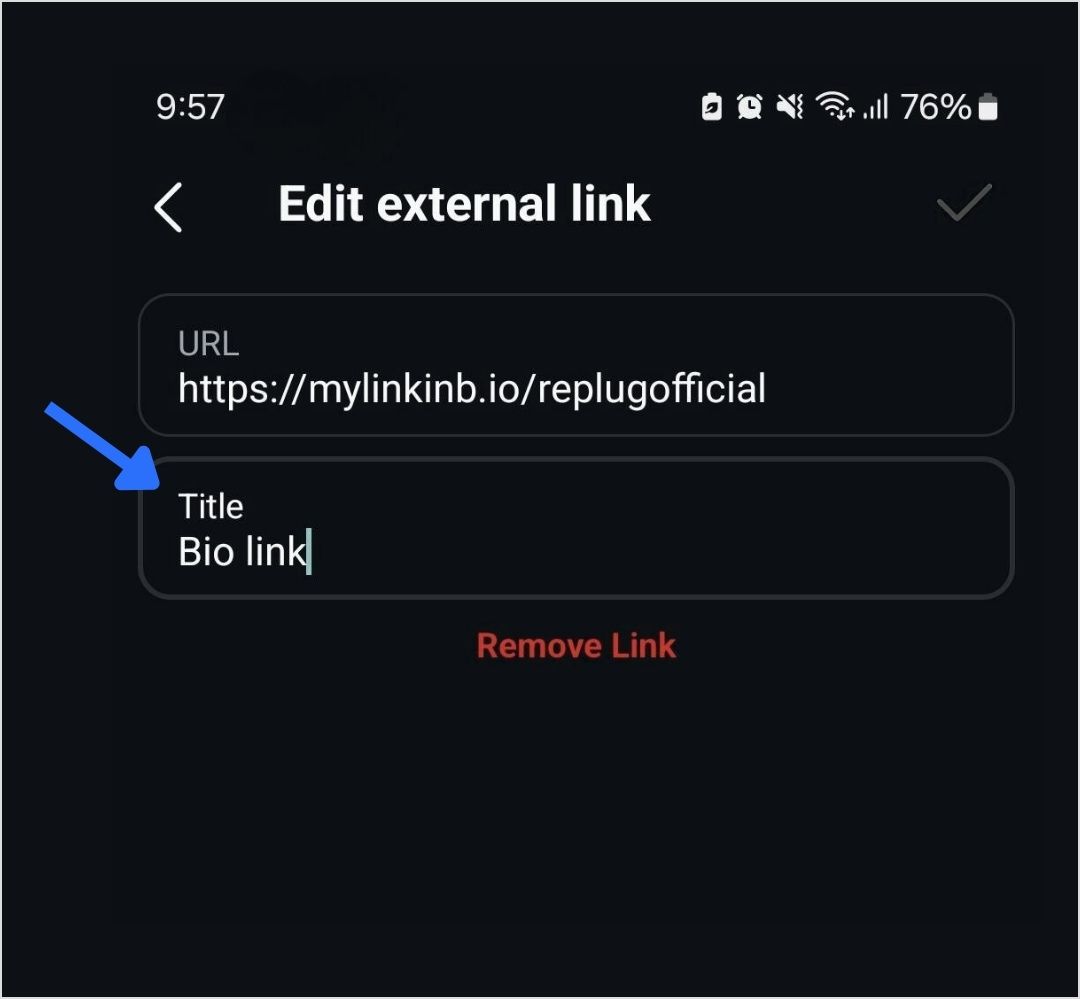
Let’s walk through how to rename your Instagram bio link, and how to stretch its potential using Replug.
Step 6: Tap the save icon in the top-right corner to apply your changes. Your renamed link will now appear in your bio.
What is a “link in bio” on Instagram?
A “link in bio” on Instagram refers to the clickable URL that users can include in their profile’s bio section. Since Instagram does not allow clickable links in individual posts, the link in bio is a valuable method for directing followers to external content, such as websites, blog posts, online stores, or other social media profiles.
Why it’s important:
Traffic and conversion: The link in bio is a direct avenue to convert Instagram engagement into website traffic, sales, or other conversions. It’s an essential part of any Instagram marketing strategy.
Branding: A well-curated link and description contribute to a cohesive brand experience on Instagram, helping users quickly understand what to expect when they click the link.
How to make the most of your single Instagram bio link?
Renaming your Instagram link might seem like a small tweak, but it plays a big role in shaping user expectations, strengthening your branding, and increasing click-throughs. And if you’re managing multiple destinations? Users can use Replug’s link-in-bio tool, to overcome this limitation, which allows multiple links to be hosted on a single landing page.
Here’s how Replug can enhance your Instagram bio link:
Customizable landing page: Customize your branding by adding a profile name, description, profile image, cover photo, and brand colors. Additional tip: Enhance your visuals with a photo editor to give your bio link page a personal touch.
Multiple links: Share links to your latest blog posts, online store, social media channels, promotional offers, and more in one place.
Analytics: Track link performance to see which links are getting the most clicks, allowing you to optimize your content strategy based on data.
Add a relevant CTA: When it makes sense, add a call-to-action (CTA) to your link title like “Shop Now,” “Learn More,” or “Subscribe.” CTAs give your audience clear direction and can increase both clicks and conversions from your bio link.
Use custom, branded URLs: Custom URLs do more than save space’ they make your bio look cleaner and more intentional. Using tools like Replug’s URL shortener free tool, you can create branded links that match your style, improve trust, and keep your Instagram profile looking sharp.
Boost ROI with branded URLs!
Enhance your marketing campaigns by creating shareable, trackable, and fully multi-purpose
customizable branded URLs.
Keep it short: Long or cluttered titles can be overwhelming and easy to skip. A short, punchy title is more scannable, looks better in your bio, and makes it easier for followers to know exactly what to expect when they click.
Keep it clean: Avoid clutter in your link titles. Skip unnecessary punctuation, symbols, or random emojis. A clean, straightforward title is easier to read and looks more polished in your bio.
Match your brand voice: Your link title should reflect your brand’s tone, whether that’s casual, bold, or professional. Brand consistency helps build trust and makes your profile feel more intentional.
Final thoughts
By utilizing an efficient link management platform, and implementing effective strategies, you can transform your single Instagram bio link into a powerful driver of traffic and engagement. Regular updates, strong CTAs, and a well-structured landing page can significantly enhance the user experience and help you achieve your marketing goals.
FAQs for how to rename a link on Instagram bio
Why can you only have one link in your Instagram bio?
Instagram limits users to one link in their bio to keep profiles concise and avoid spammy behavior. This restriction encourages users to choose the most relevant link for their audience.
How can I add multiple links to my Instagram bio?
You can add multiple links by using our link-in-bio tool, Replug. It helps you create a landing page that hosts multiple links accessible through a single URL in your bio.
What is a link-in-bio tool?
A link-in-bio tool is a service that allows you to create a customizable landing page with multiple links.
Can I track the performance of my Instagram bio link?
Yes, Replug offers analytics features that allow you to track the number of clicks and other engagement metrics, helping you optimize your content strategy.
How often should I update my Instagram bio link?
You should update your Instagram bio link regularly to reflect your latest content, promotions, or events. Keeping the link current ensures it aligns with your marketing goals and provides value to your followers.
Can I use a custom domain for my Instagram bio link?
Yes, Replug allows you to use a custom domain, which can enhance brand recognition and trust among your audience.