Category: Marketing

Read blogs covering digital marketing, strategies, tools, and growth insights to level up your campaigns.

  • Conversion tracking: Best tools, tips, and tricks

    Conversion tracking: Best tools, tips, and tricks

    What good is all the effort you put into creating engaging content and driving traffic to your website if it doesn’t result in meaningful actions?

    Therefore, having a powerful tool at your disposal can help you not only boost your conversion rates but also understand exactly how and why your audience is taking action.

    And if you’re not using those advanced conversion tracking tools or not following the smart tips you’re probably missing out on a lot of revenue.

    That’s why we are here with a quick guide just for you guys. So you can get your hands on some of the top-notch conversion tracking tools, tips, and much more… 

    Conversion tracking tools at a glance

    ToolDescriptionPricing
    Branded link management & analytics
    ReplugAll in one branded link management solution, from custom short links to conversion tracking to link retargeting to A/B testing and more.Pricing starts from $19 / month
    LinklyLinkly simplifies link tracking, allowing users to monitor click activity on specific links. Utilize your own domain to generate custom branded short-links and promote your business with every click, making it an ideal tool for conversion tracking and marketing.Pricing starts from $29 / month
    SniplySniply is a powerful marketing tool that allows users to add custom CTAs to any link they share. With Sniply, you can drive traffic back to your own website or landing pages.Pricing plan of Sniply starts from $9 / month
    Website & product analytics
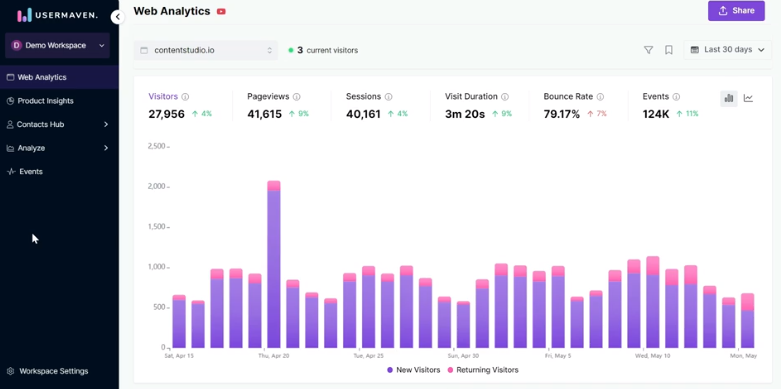
    UsermavenBest for detailed link analytics and capture UTM parameters, setting up conversion goals, analyzing user journeys, UTM attributions etc. It gives you 100% data ownership, ensuring full control over your analytics data.Pricing plan starts from $14 / month
    MixpanelMixpanel provides powerful conversion tracking tools for businesses, enabling better decision-making and growth monitoring. With Mixpanel, you can track user engagement and compare current trends to past performance, helping you optimize conversions and drive business success.Pricing starts from $20 / month
    KissmetricsKissmetrics provides powerful conversion tracking tools for businesses. With its advanced analytics platform, businesses can track customer behavior across their websites and campaigns, allowing for targeted optimization and increased conversions.Pricing starts from $25.99 / month
    MatomoMatomo is a comprehensive conversion tracking tool that offers detailed insights into user behavior and website performance.Pricing starts from 22EUR / month
    Social media analytics
    ContentStudioMonitor and analyze performance of your social media channels with multi-channel social analysis.Pricing starts at $25 /month
    SprinklrSprinklr offers advanced conversion tracking featuires to optimize your social media presence. Monitor and enhance performance across platforms for improved engagement and increased conversions.Pricing starts at $249 per seat / month

    Let’s get going. So if you’re new and don’t know

    What is conversion tracking?

    Conversion tracking is the process of monitoring specific actions users take on your website, app, or elsewhere, signifying that they’ve interacted with your brand in a way that’s valuable to your business.

    But conversions go beyond just sales. They bring in a variety of valuable actions, such as:

    • Purchases (of course!)
    • Email signups
    • Phone call initiates
    • Live chat engagements
    • Social media engagements
    • Form submissions (e.g., contact forms, download requests)
    • App downloads (if you have an app)
    • And much more…

    Importance of conversion tracking

    By tracking conversions, you gain valuable insights into how well your marketing campaigns are performing and where you can optimize for better results.

    Today, conversion tracking is not just a luxury but a necessity for any business looking to thrive in the competitive online landscape.
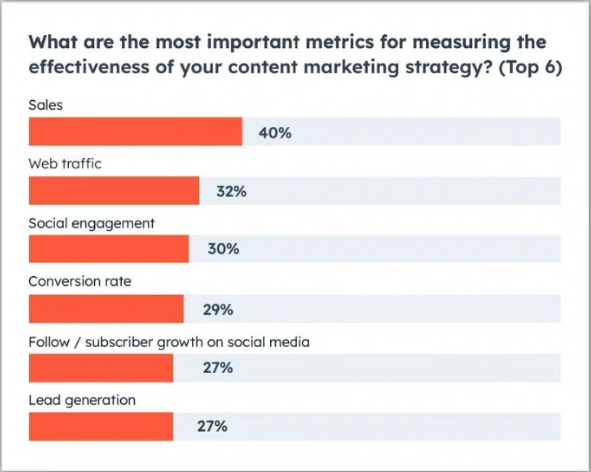
    According to a study, conversion rate is the 4th most important metric for marketers. These numbers highlight the pivotal role that conversion tracking plays in modern marketing strategies. It’s not just about tracking sales; it’s about understanding customer behavior, optimizing campaigns, and maximizing ROI.

    What are the benefits of conversion tracking?
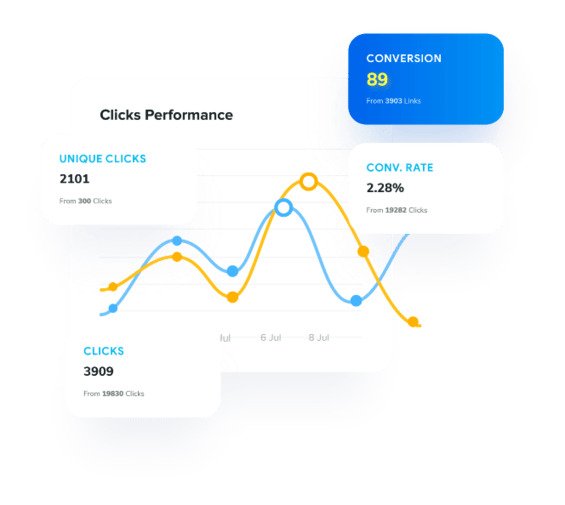
    url-tracking- analytics

    When you start keeping track of your conversions, you open up a world of benefits. Here are some of the best ones:

    1. Improved return on investment (ROI) – By understanding what’s working and what’s not, you can allocate your resources more effectively and maximize your return on investment (ROI).
    2. Making smarter choices with data – Conversion tracking provides you with valuable data that you can use to make data-driven decisions about your marketing strategy. This data can help you identify trends, understand your target audience better, and create more effective marketing campaigns.
    3. Fine-tuning your website and landing pages – Identify areas on your website or landing pages that are hindering conversions.
    4. List out top content – You can use conversion tracking data to see which pieces of content are most effective at driving conversions. This information can be used to create more content that is likely to convert visitors into leads or customers.
    5. Seeing which campaigns do the most – See which campaigns (paid ads, social media posts, email marketing) are driving the most conversions, allowing you to focus your budget and efforts on the most successful ones.
    6. Gain customer insights – Conversion tracking data can reveal valuable insights into your customer behavior, helping you tailor your marketing messages and offerings to better meet their needs.
    7. Smarter budget allocation – With conversion data in hand, you can allocate your marketing budget more effectively. You can invest more in the channels that are driving the most conversions and less in the channels that are not performing well.

    Best conversion tracking tools

    1. Replug

    Replug Branded Short Links CTA
    A complete link management solution
    for marketing professionals & agencies.
    Try Replug for free

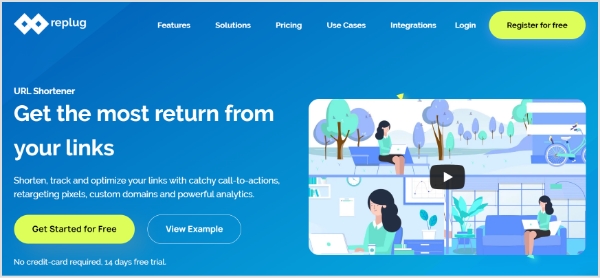
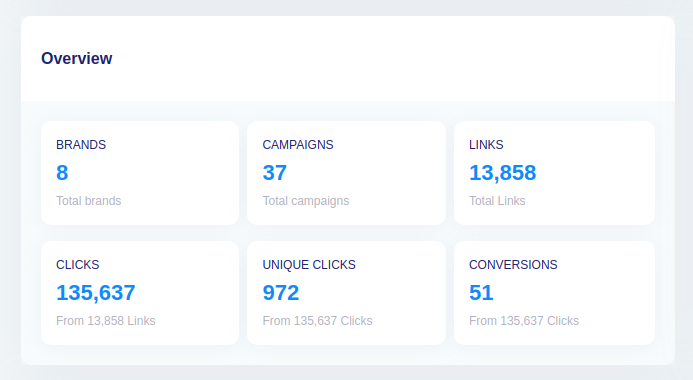
    Replug is a complete link management platform that allows brands to track a multitude of URL parameters such as clicks, conversions, and unique visitors to make informed decisions on doubling down on profitable streams.
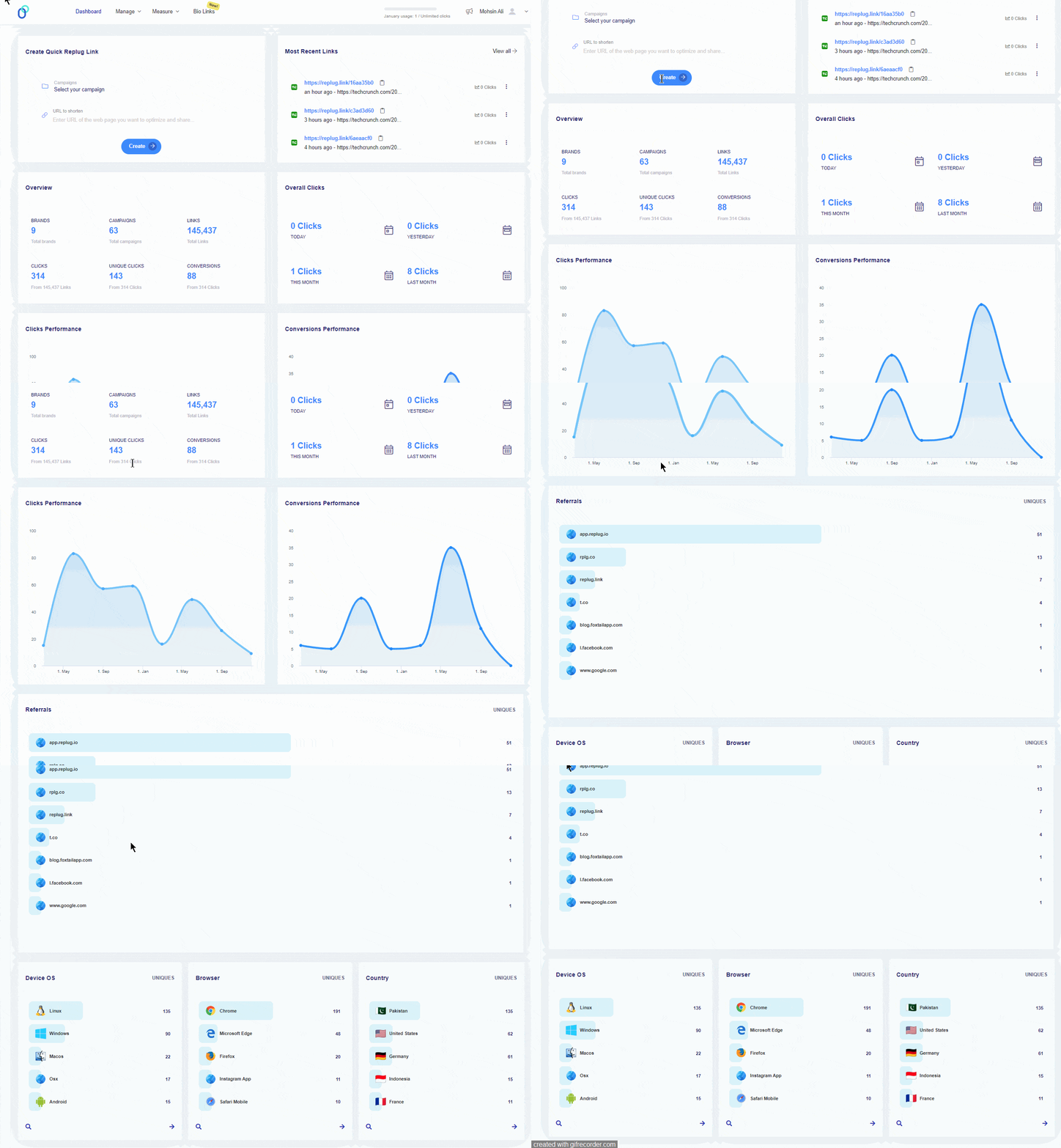
    With this conversion rate optimization tool, you can set goals for your campaigns to track and analyze how many conversions you have achieved for certain campaigns. Examine traffic parameters such as device type, browser, country, and IP to create targeted campaigns.
    Real-time Analytics

    In easier words, Replug’s click analytics help you track where users click on your website or within links you’ve shortened. This provides insights into user behavior, such as which buttons or CTAs (calls to action) are most effective and where users navigate after clicking a link.

    Pricing starts from $19 / month

    2. Linkly
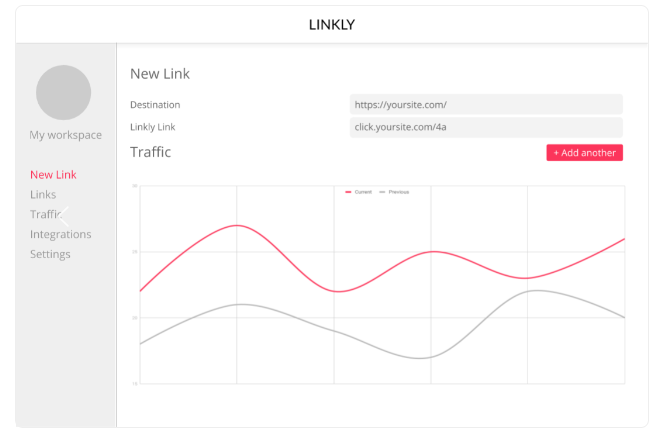
    Linkly conversion analytics tool

    Linkly is another link management tool for marketers, as the platform provides shortened and branded links. With features like A/B testing and retargeting, it also helps one to optimize link performance. Besides that Linkly does help in conversion tracking. It provides insights into how many clicks on your links lead to desired actions, such as purchases or sign-ups. Depending on your needs, Linkly’s pricing might not be the most competitive. It’s always best to compare pricing plans of different tools before making a decision.

    Pricing starts from $29 / month

    3. Sniply

    Sniply stands out for its unparalleled ability to track and analyze user behavior, empowering marketers to refine their content curation strategies based on genuine audience engagement.
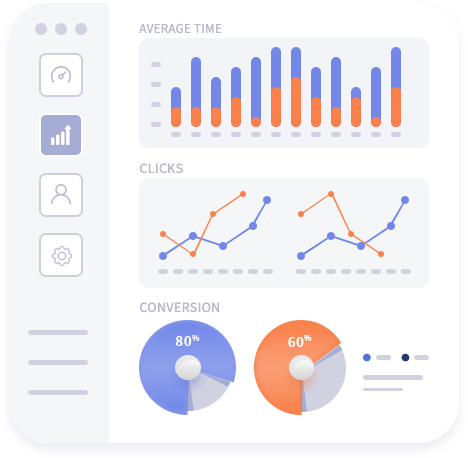
    Sniply conversion tracking

    While monitoring click-through rates on your call-to-action (CTA) provides valuable insights into the effectiveness of your content curation efforts, Sniply goes further.
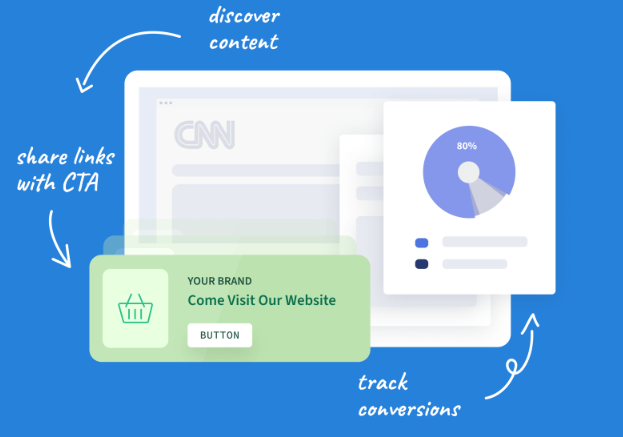
    Sniply CTA conversion tracking tool

    It’s essential to recognize that while Sniply offers robust analytics features, its primary function remains centered around content marketing and enhancing engagement through strategically placed CTAs.

    Pricing plan of Sniply starts from $9 / month

    4. Usermaven

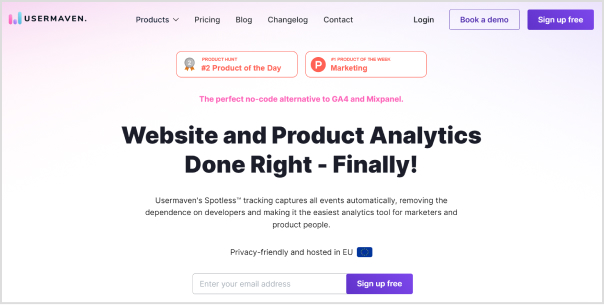
    An affordable yet advanced alternative to Google Analytics. It automatically captures most user actions on your website or app without any developer dependency. 

    Some of the key metrics you will see on the web analytics dashboard include total visitors, page views, covered events, bounce rate, scroll depth, time spent on the page, top traffic channels/sources, devices, locations, and top-performing keywords, etc.

    Besides that with the multi-touch attribution feature, one can even capture UTM parameters (tags used to track campaign performance) and backfill data even if a user signs up later.

    Or segment users based on various criteria like demographics or behavior. This lets you analyze conversion rates for specific user groups. You can also visualize conversion funnels to pinpoint drop-off points where users abandon the conversion process. 

    Pricing plan starts from $14 / month

    5. Mixpanel

    Now let’s get back to our traditional analytics tools. Just like Usermaven, this powerful analytics platform allows you to track user behavior across platforms and devices. 

    conversion analytics tool

    Mixpanel excels at creating custom funnels and reports, enabling you to analyze the entire conversion journey and identify bottlenecks. By understanding user behavior, you can identify areas for improvement and optimize your product or website to drive engagement and conversions. Other than that the platform offers clear visualizations and insightful reports, which allows you to make data-driven decisions to achieve your marketing goals.

    However, keep in mind that setting up and configuring Mixpanel can require some technical knowledge, especially for complex tracking needs. 

    Pricing starts from $20 / month

    6. Kissmetrics

    Another user behavior analytics platform with a focus on customer journey analysis, Kissmetrics helps you understand the “why” behind user actions. By analyzing user behavior patterns, you can identify drop-off points to personalize the experience and improve conversion rates. 
    conversion analytics tool

    However, there are some drawbacks to using kissmetrics as well. Take for example the platform lacks a free tier and has a starting price point that might be steep for small businesses or startups.

    Besides that when compared to some competitors, the conversion tracking platform platform might have fewer out-of-the-box integrations with other platforms. This might require additional development work for certain setups. 

    Pricing starts from $25.99 / month

    7. Matomo

    Matomo prioritizes privacy and data ownership. Unlike some analytics tools, it keeps your website visitor data on your own server, giving you complete control. You can customize what data is collected and avoid relying on third-party servers. 

    Matomo analytics

    However, this self-hosted approach requires some technical setup compared to hosted solutions. Additionally, the user interface might feel less intuitive for beginners, and some advanced features require paid plans. Despite these drawbacks, Matomo’s focus on privacy and data security makes it a strong choice for businesses prioritizing user data control.

    Pricing starts from 22EUR / month

    8. ContentStudio
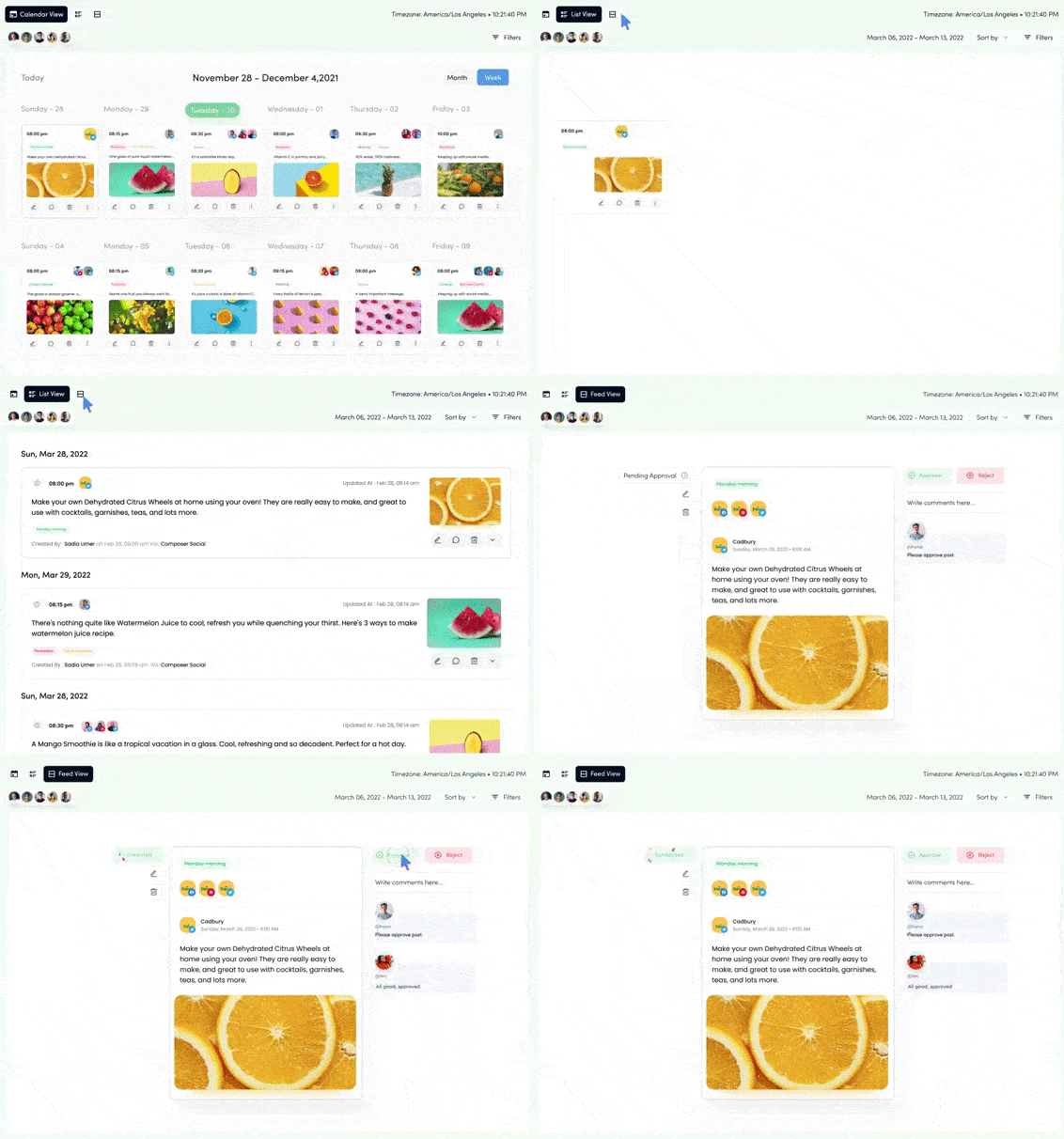
    ContentStudio-Scheduling

    ContentStudio helps you manage your social media campaigns all in one place. This lets you see how different pieces of content are performing within a campaign, which can help you identify what types of content are most effective at bringing in conversions.
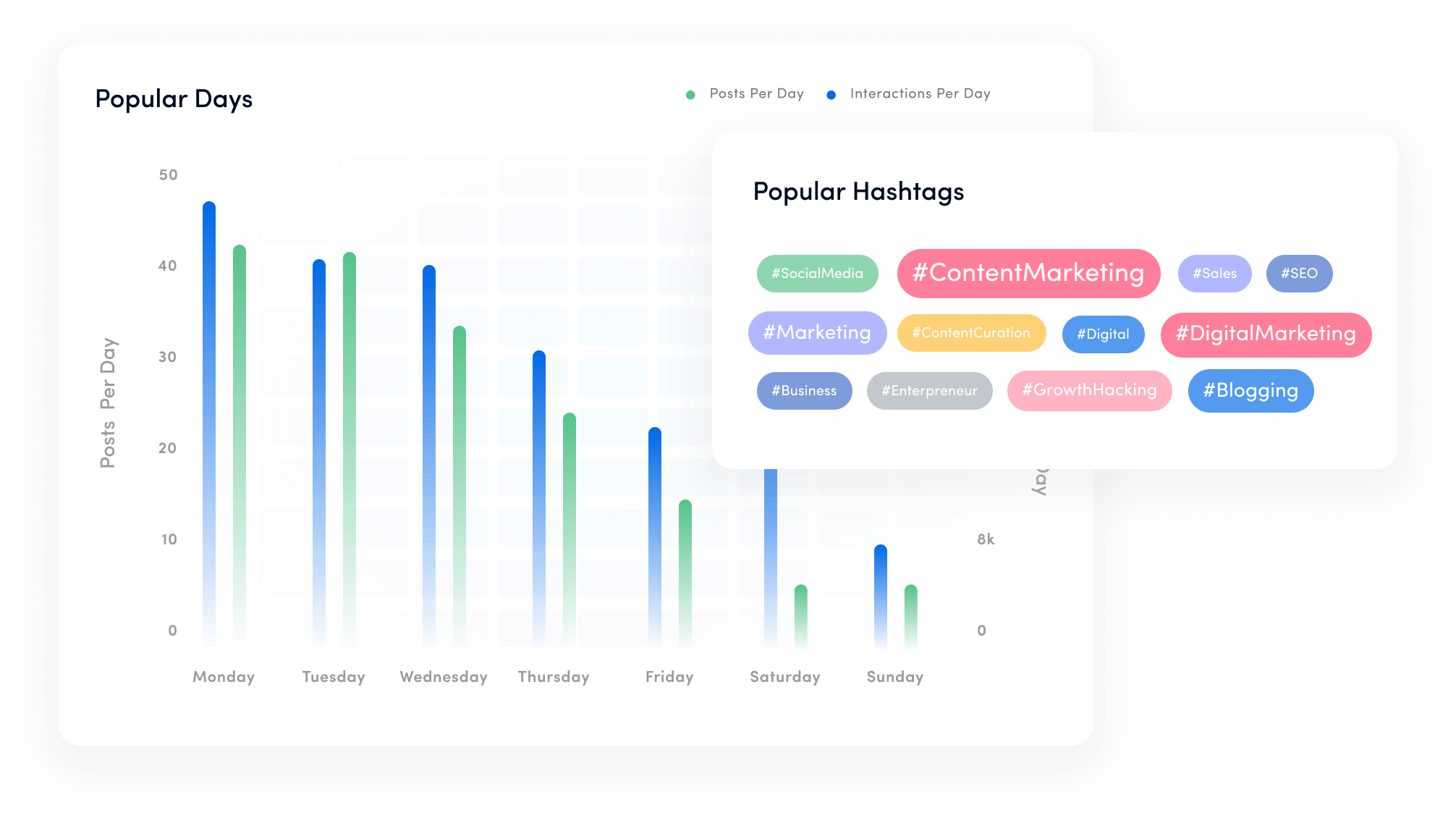
    social media analytics

    Overall, this all-in-one content marketing platform offers built-in conversion tracking functionalities. For example, you might create a campaign to promote a new product launch. By tracking the performance of different social media posts within that campaign in CS you can see which posts are generating the most interest and conversions.
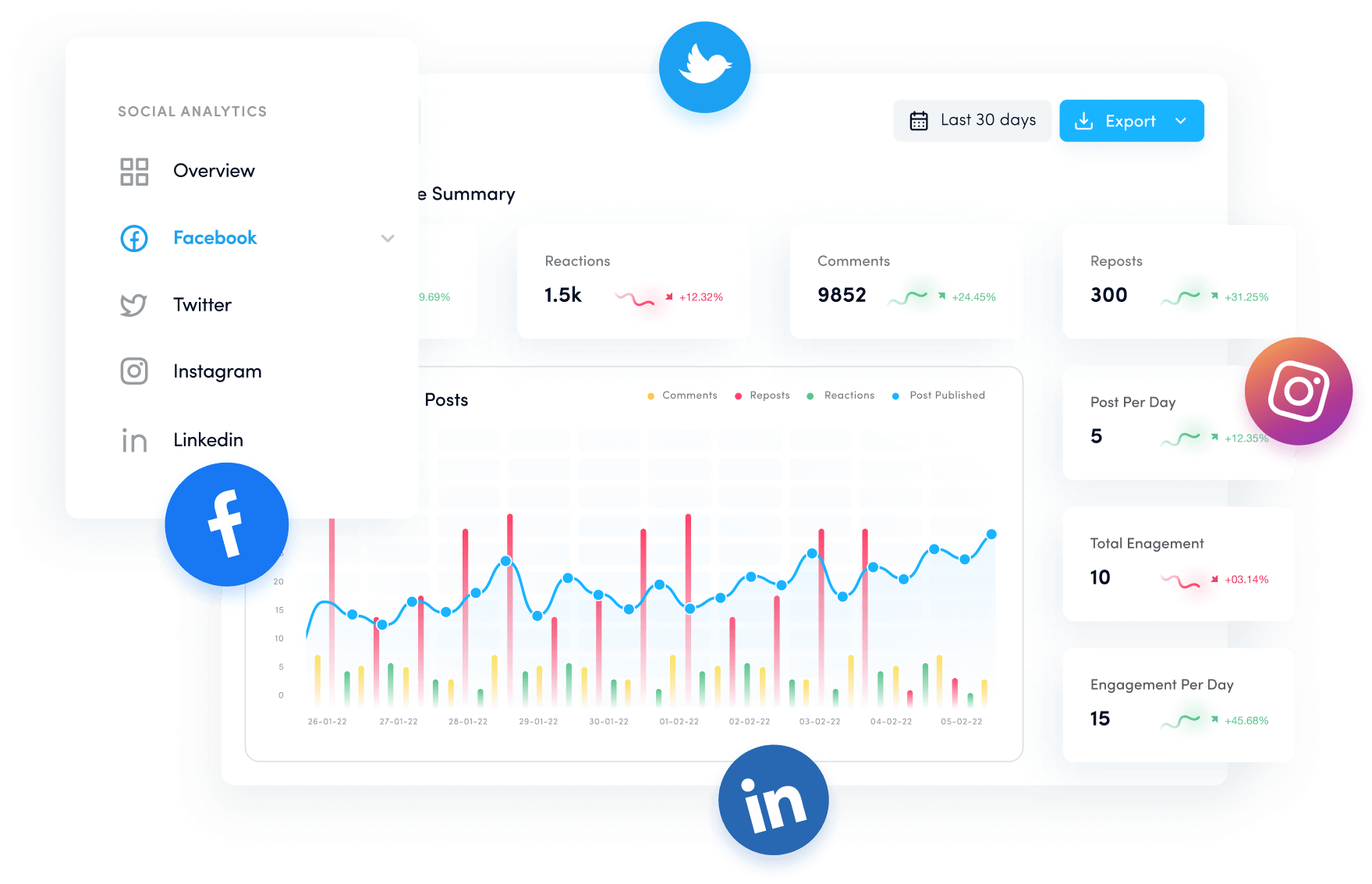
    social analytics

    Pricing starts at $25 /month

    9. Sprinklr
    Sprinklr

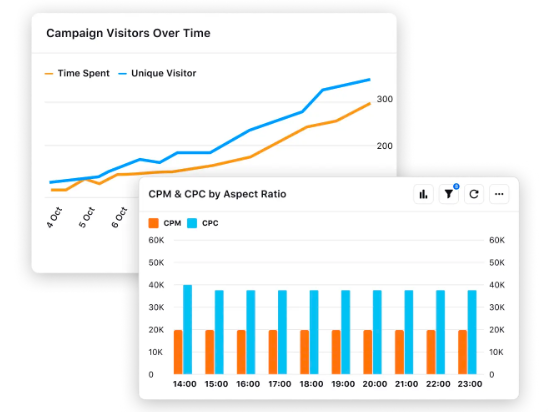
    Sprinklr is a comprehensive social media management platform used by businesses worldwide. It offers tools for scheduling posts, engaging with audiences, and analyzing performance across various social media channels. Its advanced analytics provide valuable insights into audience behavior and campaign effectiveness, conversion tracking helping brands make data-driven decisions.

    Pricing starts at $249 per seat / month

    Best conversion tracking tool

    Our top pick as the best conversion tracking tool is a high-end analytics tool known as Usermaven.

    Brands can gain a deeper understanding of user behavior throughout the conversion funnel by utilizing Usermaven. 

    Key features of Usermaven

    • UTM campaign and event tracking
    • User journey insights
    • Advanced segmentation
    • AI assistant
    • Pixel white-label
    • Session recording 
    • Actionable insights
    • Activity heatmaps 
    • Data retention
    • Funnel analysis

    While if you require a tool that can do more than analytics then Replug should be your first choice.

    Key features of Replug

    • Link analytics 
    • Retargeting pixels 
    • A/B testing
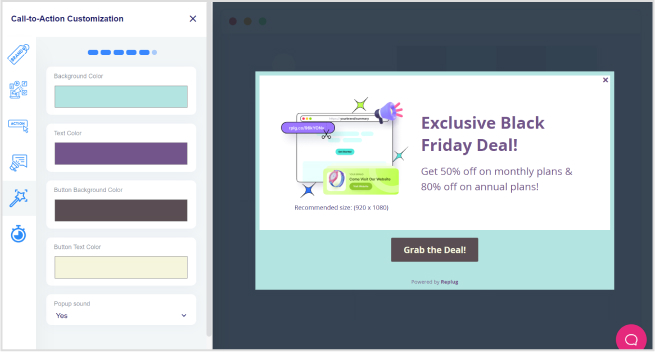
    • Custom CTA
    • Trackable shortened links
    • Deep links 
    • Bio links

    Top tips for effective conversion tracking

    Replug Branded Short Links CTA
    A complete link management solution
    for marketing professionals & agencies.
    Try Replug for free
    • Define clear conversion goals: What actions do you want users to take on your website or app? Be specific and measurable.
    • Set up conversion tracking correctly: Ensure your tracking code is implemented accurately to capture all conversion data.
    • Track multiple conversion points: Don’t just focus on sales; track other valuable actions like sign-ups, downloads, or video views.
    • Segment your data: Analyze your conversion data by different segments (e.g., traffic source, device type) to gain deeper insights.

    • Regularly review and optimize: Monitor your conversion data and make adjustments to your marketing campaigns and website based on your findings.

    As we wrap up, it’s clear that conversion tracking isn’t just a trend—it’s a necessity for businesses aiming to thrive in the digital age. By utilizing the right tools and following smart tips, businesses can gain valuable insights, optimize their marketing efforts, and ultimately drive more revenue.

    FAQs about conversion tracking

    Why do I need conversion tracking?

    Conversion tracking shows how well your marketing efforts drive sales or desired actions (sign-ups, downloads). Optimize campaigns to get more results for your investment.

    How do you track customer conversion?

    Use website tags, and UTM codes, or track specific actions like purchases or form submissions to see how customers convert.

    What is the goal of conversion tracking?

    To understand which channels (social media, email) bring in the most valuable customers by tracking conversions.

    What is conversion rate tracking?

    Conversion rate tracking calculates the percentage of visitors who take a desired action (e.g., buy something).

    What is conversion tracking protocol?

    Conversion tracking protocols ensure consistent and accurate data collection across different platforms.

    How do you keep track of the conversion rate?

    Divide the number of conversions by total visitors and multiply by 100% to find your conversion rate.

    What is the recommended way to track conversions?

    Use conversion tracking tools like Replug for simplified setup, tracking, and analysis of your conversion data.

    What is the difference between a micro conversion and a macro conversion?

    Micro: Smaller actions like adding items to a cart.

    Macro: Bigger goals like completing a purchase or signing up for a service.

    Are tracking pixels illegal?

    Tracking pixels is not illegal, but respecting user privacy and getting consent for data collection is crucial.

    Who uses pixel tracking?

    Marketers or product owners use pixel tracking to understand ad performance and website visitor behavior.

    What is the difference between tracking pixels and cookies?

    Pixel: Tiny image that sends data when loaded, works even with cookie blocking.

    Cookie: Small data file stored on the user’s device, privacy concerns exist.

  • How to create high-converting landing pages [Pro tips & examples included]

    How to create high-converting landing pages [Pro tips & examples included]

    When it comes to high-converting landing pages, attaining a 10% conversion rate is widely regarded as a pivotal metric for success.

    To meet this standard, it is imperative to focus on crafting high-converting landing pages that offer mutual value propositions tailored to the needs of both your organization and your target audience.

    But, it’s not as simple as just putting something out there. Marketers and brands always need to offer something irresistible. And to make that offer work, they need a landing page that really sells it. We’ll explain what a high-converting landing page is and how you can make one.

    What are high-converting landing pages?

    Landing pages are designed with a specific goal in mind: to make the maximum number of website visitors take the action you want them to take.

    Any landing page that has a higher percentage of converting visitors into paying customers or leads as compared to other landing pages is called a high-converting landing page.

    The most common type of landing page is the sign-up landing page. It has one specific conversion goal: to encourage visitors to sign up for a service. The main aim of this page is to minimize the friction involved in the conversion.

    So, the high-converting landing page can be in any niche or industry. However, it must fulfill the basic criteria of conversion rate which has to be crazy high.

    Boost ROI with branded URLs - Replug dashboard showing performance metrics and branded URL creation
    Turn your bio links into click-boosting machines
    Check

    Drive up to more clicks than plain URLs

    Check

    Share multiple destinations with one link

    Create bio links free

    How can you create a high-converting landing page?

    1. Identify your landing page purpose

    The first and foremost step is to have a clear vision of what you want to achieve and why you want to take a certain action. In this case, one must make a clear statement about the purpose of creating a landing page.

    Is it about getting email newsletter subscribers generating leads for a SAAS tool or selling your ebook? Whatever the goal you have in mind, just be clear on that because it’s going to impact the way you go about creating a high-creating landing page.

    Pro tip: Always align your landing page objective with your broader marketing goals and ensure that every element on the page serves that objective directly.

    2. Understand your audience:

    brand user experience

    Know who your target audience is, what they need, what problems they face, and how your product or service can solve those problems.

    Understand their demographics, preferences, the problems they encounter, and how your product or service solves these problems.

    This knowledge allows you to connect more effectively and personalize your messaging to resonate deeply with your visitors

    Pro tip: Create buyer personas to visualize and understand your audience better. Regularly update these personas based on feedback and analytics to keep your understanding fresh and relevant.

    3. Craft a compelling headline:

    The headline is often the first thing visitors see. Make sure it’s compelling and clearly communicates the benefit of your offer. It should grab attention and encourage visitors to stay on the page.

    A great headline sets the stage for the entire user experience on the page and primes them for the message and value proposition that follows.

    Pro tip: Use A/B testing for your headlines to see which one performs better in capturing attention and driving engagement, thus optimizing your conversion rates.

    4. Provide a clear value proposition:

    Explain why your offer is valuable in a concise and convincing manner.

    Highlight the benefits, not just the features, of your product or service. Why should the visitor care? What makes your offering better than competitors?

    Be explicit about the advantages and ensure they are relevant to your audience’s needs and expectations.

    Pro tip: Use bullet points to break down complex information into easy-to-digest pieces that quickly communicate the core benefits of your offering.

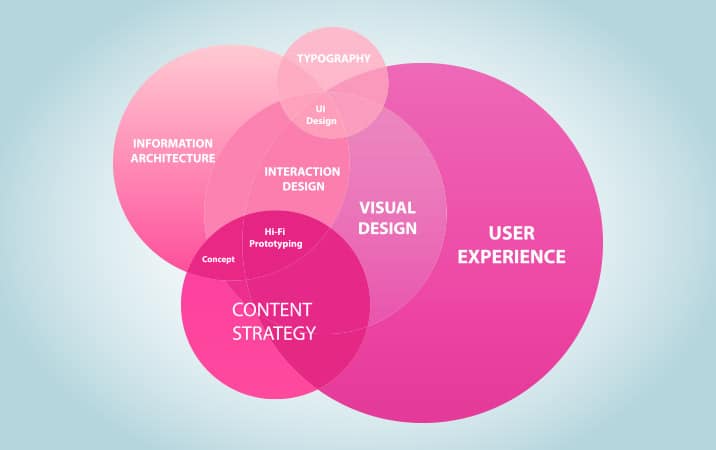
    5. Optimize design & user experience:

    According to Klienboost, landing pages featuring tailor-made graphics increase conversions by 13%.

    Therefore, design a clean, attractive layout that guides users towards the conversion action, using strategic color schemes and readable fonts.

    Understanding the psychology of web design can further help in choosing colors, visuals, and layouts that influence user emotions and decision-making.

    Incorporate relevant, high-quality images or videos to support your message and engage users. Ensure the page looks great and functions well on all devices, especially mobiles.

    Pro tip: Keep accessibility in mind by designing for various users, including those with disabilities. This inclusivity can significantly widen your potential audience.

    6. Write a compelling copy

    Convincing-Content

    Copywriting is an integral part of any type of website, landing page, or sales page. Without a compelling copy, it’s pretty much impossible to grasp the visitors’ attention.

    To write a compelling landing page copy, one must use a confident voice, showcase authority, and keep the message crystal clear.

    Here are some of the best tips on writing a powerful landing page copy:

    • The content on your landing page should be engaging and lead the visitor towards a clear action.
    • Use persuasive writing that speaks directly to the visitor’s needs and desires, emphasizing how your offer provides the solution.
    • Keep paragraphs short, use powerful calls to action, and highlight key points with bullet lists or bold text.
    • Adding necessary information about the offer is always good, but don’t go overboard with it. Too much information or in-depth detail often leads to page abandonment. So, watch out for that.

    Pro tip: Employ psychological triggers such as urgency (limited time offer), scarcity (limited availability), and reciprocity (providing something of value before asking for something in return) to enhance persuasion.

    You may also like: 7 Ways to Boost Your Website Traffic Through Social Media

    7. Add prominent call-to-action buttons

    Call to action

    Call-to-action buttons are like road signs that direct your traffic to the right funnels. Without adding clear, prominent, and well-designed call-to-action buttons, it’s not possible to convert visitors into paying customers or leads.

    According to HubSpot, customized calls-to-action outperform standard CTAs by a staggering 202%.

    The CTAs must be coherent with the color scheme and layout theme so that they go perfectly with the landing page design. However, make sure that they clearly stand out on the landing page. Using similar colors for CTAs as the website design doesn’t work out. So, take care of that.

    8. Build credibility with social proof

    social proof

    Leverage testimonials, case studies, or endorsements to build trust and credibility. Showing that others have benefited from your product or service can significantly increase conversion rates.

    Did you know testimonials increased conversions by 34% for Wikijob.

    Pro tip: Display badges of trust like security seals, awards, or media mentions near key conversion points to reinforce credibility.

    9. Create and test different versions

    A/b testing replug

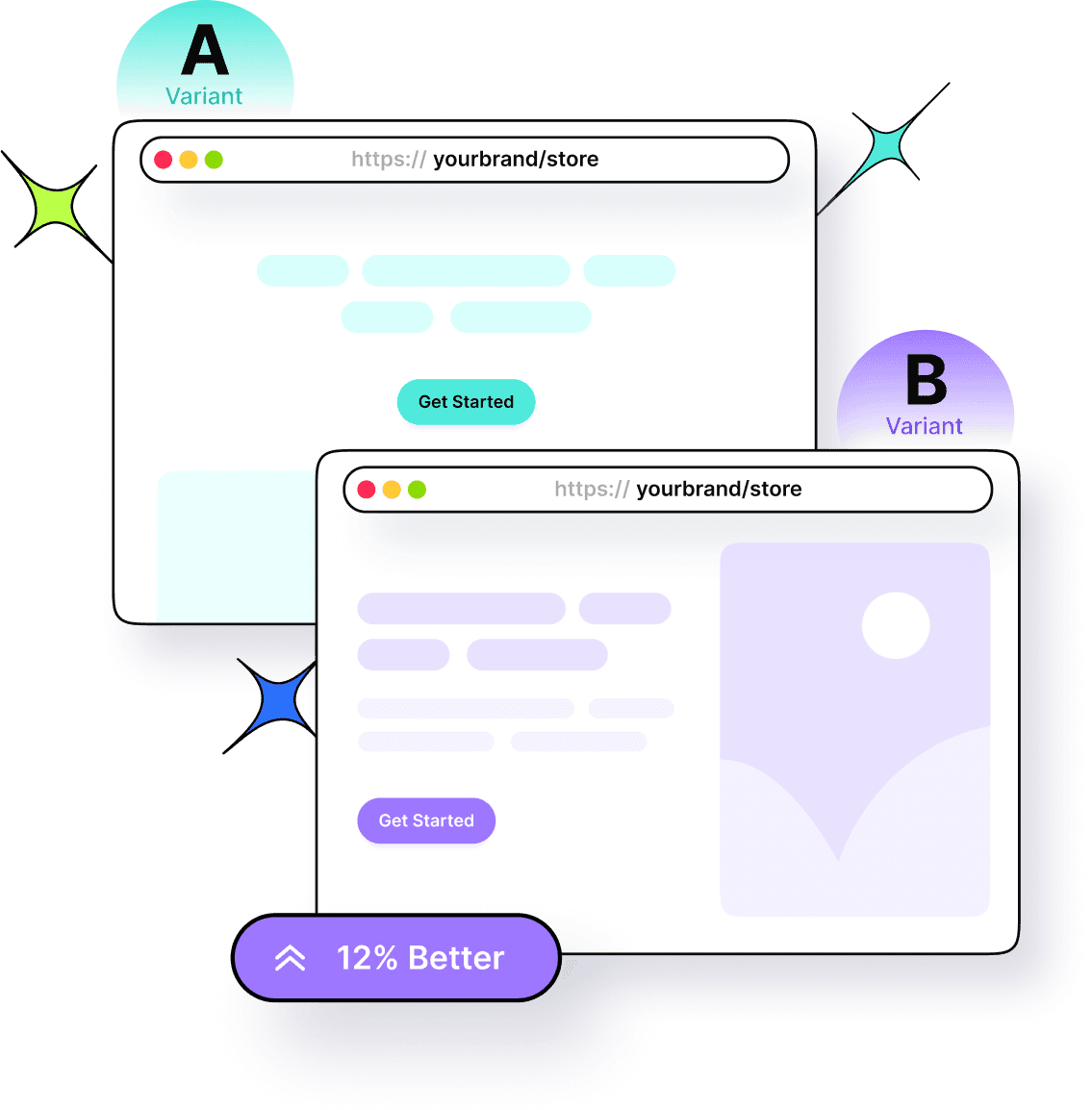
    Once you have created the landing page, don’t just get settled with the single design. Instead, A/B tests multiple landing page designs to see which one works best for you.

    You can test out different color schemes, layout designs, fonts, and much more. It’ll give you a clear indication of which landing page design outperforms the rest.

    Pro tip: When conducting A/B tests for your landing page designs, focus on testing one element at a time to accurately determine its impact on conversions. This approach allows you to isolate variables and make data-driven decisions, leading to more effective optimizations.

    10. Track performance & adjust:

    Real-time Analytics

    Use analytics to monitor how your landing page performs. Look at metrics such as traffic, bounce rate, conversion rate, and user behavior on the page. These insights can help you make informed decisions about what’s working and what’s not.

    Pro tip: Set up conversion tracking in your analytics tool to better understand how visitors interact with your page and where they drop off, allowing for more targeted optimizations.

    11. Infuse the branding elements

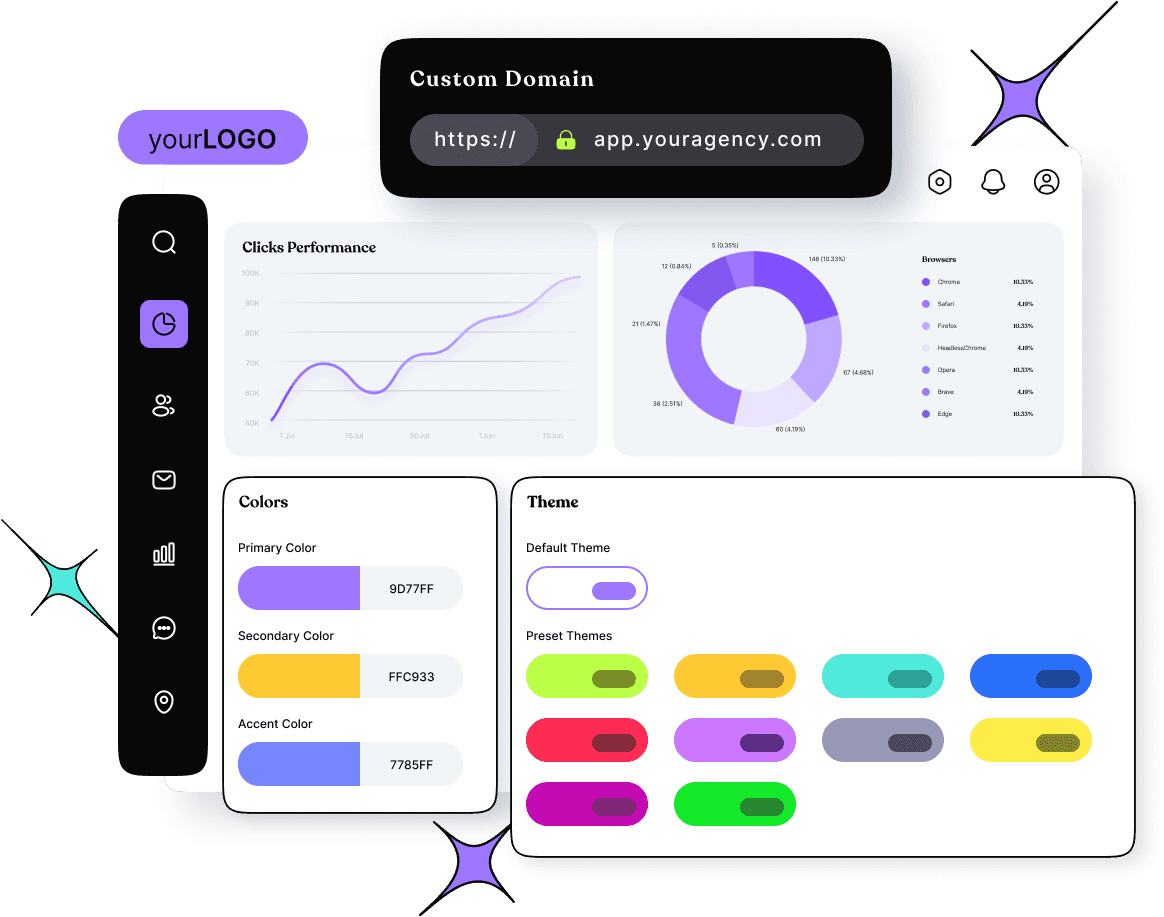
    white label branding

    A landing page is usually an extension of your website, and sometimes, hosted entirely under a different domain name. However, in some cases, marketers host the landing page on the same domain. Just make sure that the landing page must have proper branding regardless of the type of landing page.

    Here are some of the branding elements to include:

    • Decent brand logo
    • Attractive landing page design
    • Layout color scheme (in line with the brand)
    • Suitable font combination
    • Beautiful icons
    • Unique images

    Pro tip: Consistency is key when it comes to branding on your landing page. Ensure all branding elements are aligned with your overall brand identity. This cohesion enhances brand recognition and builds trust with your audience, increasing the likelihood of conversions.

    You may also like: Online Branding: The Roadmap to Stand Out and Succeed Online

    Pick a suitable toolkit to create
    high-converting landing pages

    One of the essential steps of creating high-converting landing pages is to pick a powerful tool or a combination of powerful tools. So, we have compiled a list of tools that will make your job easy in creating high-converting landing pages.

    1. Replug for creating landing pages and more

    Replug Branded Short Links CTA
    A complete link management solution
    for marketing professionals & agencies.
    Try Replug for free

    Replug is all in one branded link management solution that allows you to create branded short links, personalized webpages in the form of bio links with your own custom domain, call to actions, deep links, SMS links. Other key features of this top-notch URL shortener include:

    • A/B test performance of multiple URLs.
    • Route traffic with preset conditions and filters, such as time, day, country, etc., using link rotation.
    • Retarget audiences using short links.
    • Option to add UTM parameters to each link for tracking performance of your marketing campaigns.
    • Get click and conversion data tracking with the help of powerful link analytics.

    and more.

    2. Usermaven for detailed analytics

    Usermaven is a privacy friendly analytics tool. It’s useful for understanding demographic and behavior data about your audience.

    Usermaven analytics

    The advanced Google Analytics alternative helps track user interactions and conversions.It also helps monitor detailed metrics about your landing page’s performance.

    Get advanced segmentation and funnel analysis features that can help you further understand specific behaviors and tailor your strategies.

    3. Adobe Creative Cloud for visuals and designs

    Adobe creative cloud

    When it comes to designing, Adobe is a powerful tool for creating high-fidelity designs and prototypes. Create or edit images and videos for your landing page.

    4. TrustPulse for social proof

    Trust Pulse

    Integrate social proof with customer testimonials and reviews directly on your landing pages.

    TrustPulse will directly boost the credibility of your landing pages. Place them strategically near conversion points, using a mix of quotes, case studies, and video testimonials.

    Ensure testimonials are verifiable and represent genuine experiences to humanize your brand and encourage conversions.

    5. SurveyMonkey for user feedback:

    Survey Monkey

    SurveyMonkey is a powerful tool for collecting user feedback, essential for refining landing pages. They offer customizable surveys and forms that can match your brand, making it easier to gather detailed insights from users. With a variety of question types available, you can extract nuanced feedback to guide targeted updates.

    Additionally, both platforms support integrations with CRM systems, email marketing services, and analytics tools, enabling automated workflows and enhanced data utilization for continuous landing page optimization.

    Other notable tools

    • Google PageSpeed Insights: Use it to get specific recommendations for each identified issue to speed up your site.
    • Testsigma: Brings automated testing to your entire workflow, helping teams easily test web, mobile, and APIs at scale with a cloud-based, AI-powered platform.
    • Grammarly: Additionally, Grammarly offers tone detection to ensure your copy aligns with the emotional appeal of your brand.
    • Hemingway Editor: This tool’s readability score can help simplify complex information, making it more accessible.
    • Value Proposition Canvas: This tool can also help to directly align your product features with customer profiles and pain points, ensuring a highly targeted approach.
    • BrowserStack: This tool also allows for automated testing across various devices, helping streamline the QA process.

    High-converting landing page examples

    Let’s take a look at some of the fascinating high-converting landing pages that we came across lately:

    1. Growth Sprints

    High converting landing page example of Growth Sprints

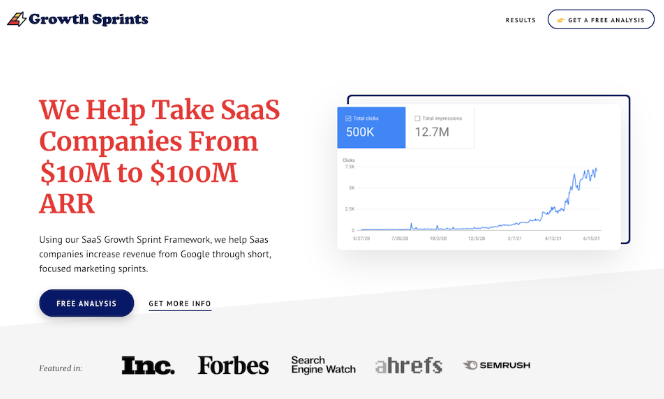
    On the Growth Sprints landing page, simplicity remains key, and it’s a key strength. The design is sleek and uncluttered, capturing attention without overwhelming visitors.

    The headline cuts to the chase, clearly stating Growth Sprints’ mission: “We Help Take SaaS Companies From $10M to $100M ARR.” It’s direct and concise, devoid of unnecessary embellishments.

    Following suit, the subheading hones in on the product, offering just enough information to spark curiosity and prompt further exploration.

    What truly sets this page apart?

    Rather than inundating users with text, they leverage visuals to illustrate customer progress, making the content more accessible and compelling.

    By clicking the “learn more” button, visitors are swiftly directed to the founder’s calendar, streamlining the process and enhancing the user experience for all parties involved.

    2. Serpple

    High converting landing page example of Serpple

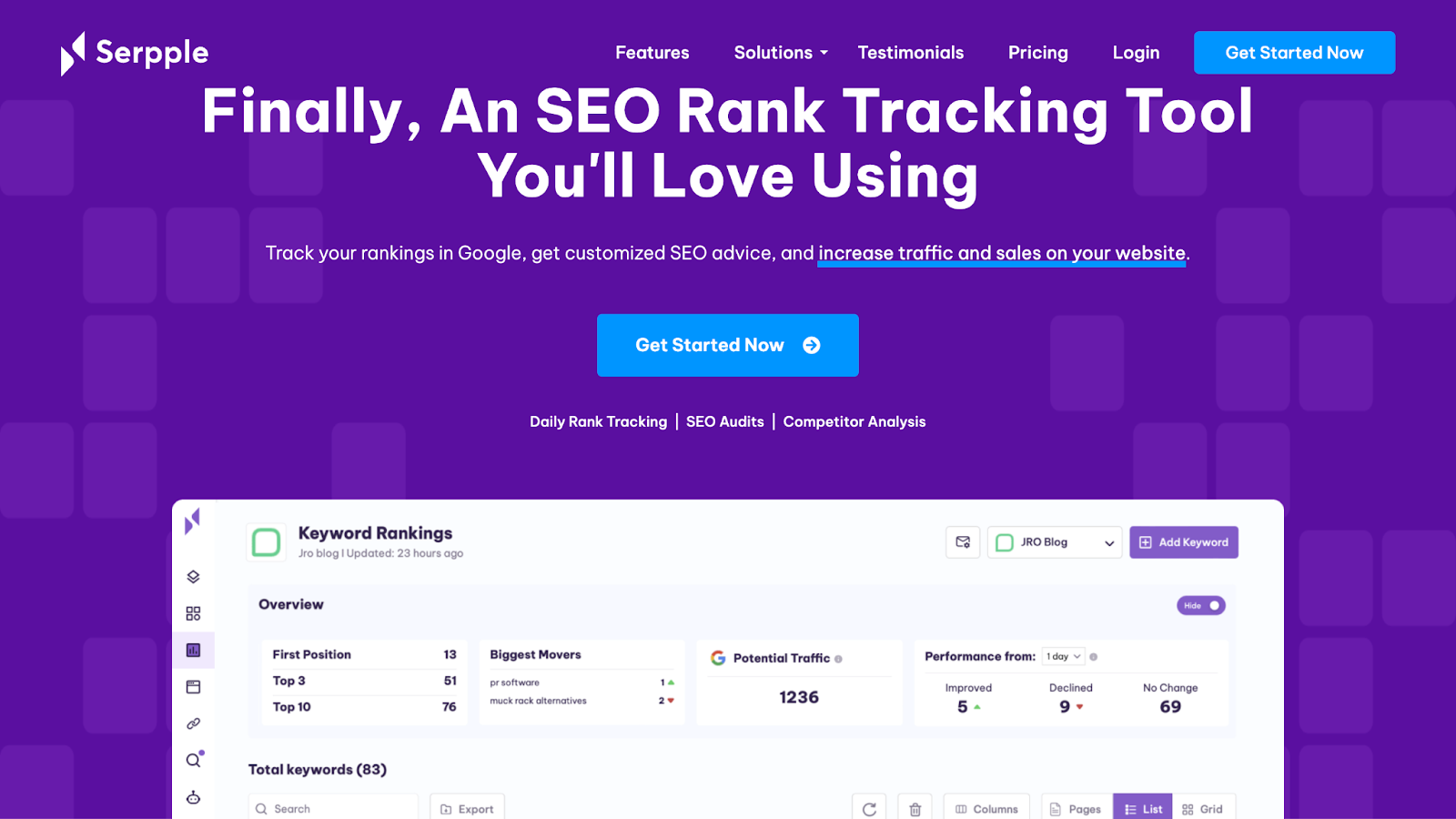
    Landing page success doesn’t always demand elaborate designs. Sometimes, a clean layout with clear messaging and a restrained color scheme can deliver exceptional results.

    The secret sauce behind Serpple’s high-converting homepage:

    • Providing glimpses of their product’s features and functionality helped them enhance transparency, fostering trust with potential customers.
    • They considered integrating a few key questions towards the end of the landing page. This proactive approach helps address potential queries and concerns, reducing the need for direct support team involvement.

    3. Apple

    High converting landing page example of Apple

    Apple’s landing pages are renowned for their high-quality design, intelligent utilization of visual components, and effortless user navigation.

    The landing page for the iPhone 15 Pro launch effectively captivates the audience with its strategic use of various elements.

    Through the incorporation of captivating animations, the standalone page engages users as they scroll, providing a seamless experience.

    These animations facilitate smooth transitions, allowing Apple to present comprehensive details about the product in a manner that informs without overwhelming prospective customers.

    4. SnapSubscribe

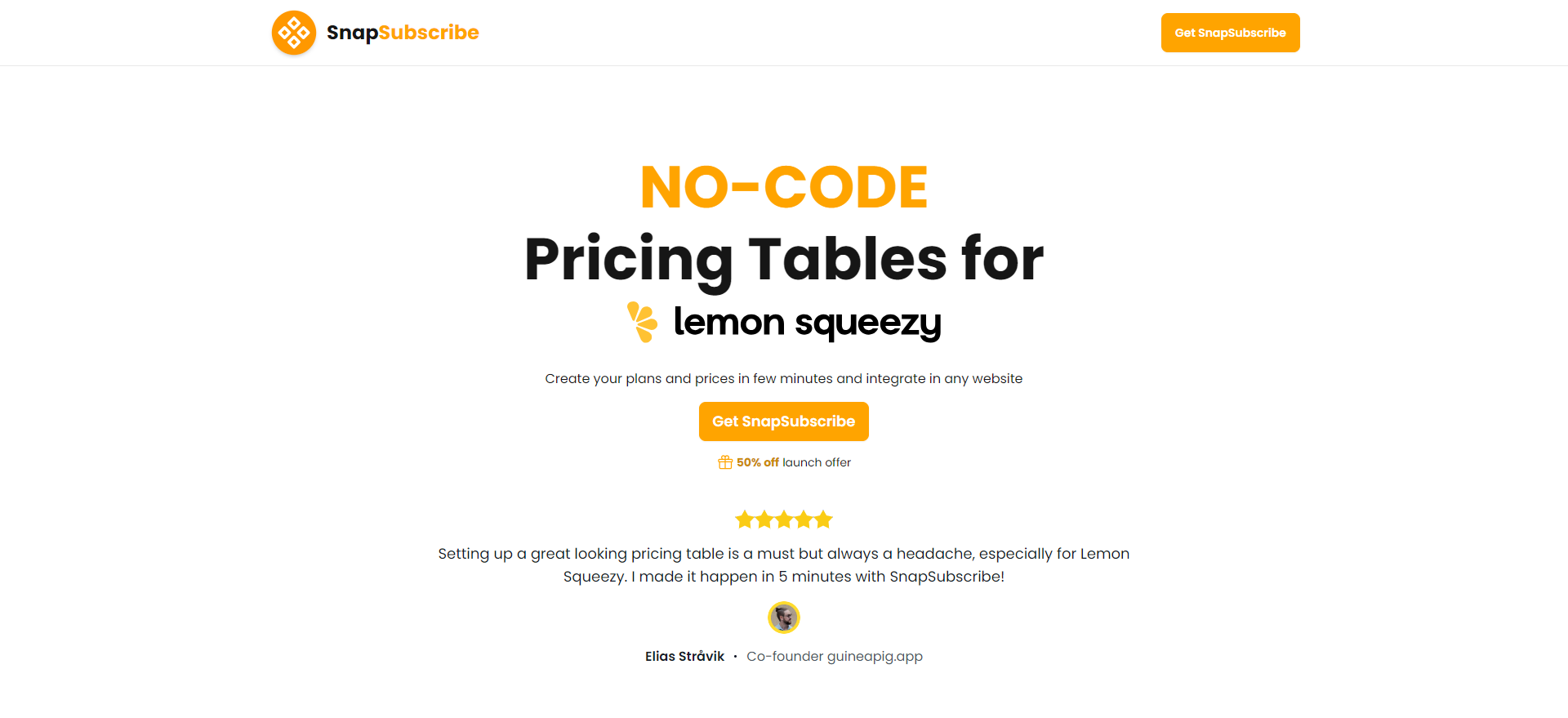
    SnapSubscribe is a no-code solution for creating pricing tables for the Lemon Squeezy platform. It lets Lemon Squeezy users create attractive and easy-to-make product pricing tables for customer engagement and conversion.

    High converting landing page example of SnapSubscribe

    SnapSubscribe’s landing page seems simple, brief, and to the point, and it appears that it’s working for them quite well.

    5. Netflix

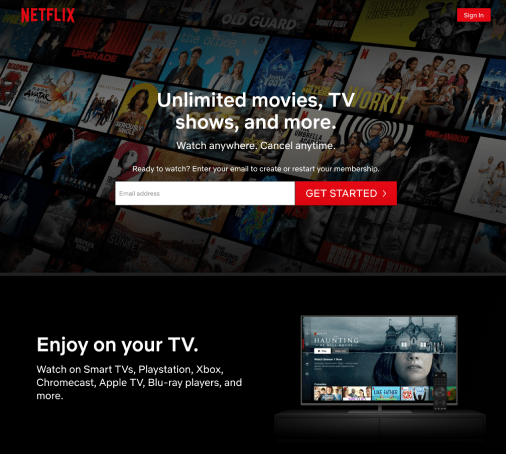
    High converting landing page example of Netflix


    Netflix stands out as a prime example of a minimalist landing page, opting for simplicity to showcase its extensive array of TV shows

    This straightforward landing page example emphasizes the key benefits without overwhelming potential sign-ups with complexity.

    Here’s what you can learn from their landing page strategy.

    • Netflix keeps things simple with its sign-up form, making it accessible to users of all levels of tech proficiency. By requesting only an email address, they ensure that anyone can take the first step effortlessly, regardless of age or technical know-how.
    • They address pricing changes in a dropdown FAQ at the page’s bottom, keeping users informed without overwhelming them upfront.
    • Unlike the lengthy binge-worthy shows on Netflix, Netflix has short form content on their landing pages so that visitors can quickly digest this landing page in just a few seconds.
    Boost ROI with branded URLs - Replug dashboard showing performance metrics and branded URL creation

    Go beyond generic link pages!

    Create custom bio links that truly fit your brand

    With Replug, you can create bio links that are unique, engaging, and built to convert.

    Start free trial

    10 Key Performance Indicators (KPIs) for landing pages

    Key Performance Indicators (KPIs) for high-converting landing pages are essential metrics used to measure the effectiveness and success of your landing page in achieving its objectives. Here are some common KPIs to consider:

    1. Conversion rate:

    The percentage of visitors who take the desired action on your landing page, such as filling out a form, making a purchase, or signing up for a newsletter.

    Related:  How to create high-converting landing pages

    2. Bounce rate:

    The percentage of visitors who navigate away from your landing page without taking any action. A high bounce rate may indicate that your landing page is not engaging or relevant to visitors.

    3. Average session duration:

    The average amount of time visitors spend on your landing page. A longer session duration typically indicates that visitors are engaging with your content.

    4. Click-through rate (CTR):

    The percentage of visitors who click on a specific element on your landing page, such as a call-to-action button or a link. A higher CTR indicates that your landing page is effectively driving engagement.

    5. Cost per conversion (CPC):

    The average cost incurred for each conversion on your landing page, particularly relevant for paid advertising campaigns where you want to optimize your cost-effectiveness.

    6. Return on investment (ROI):

    The overall return generated from your landing page compared to the investment made in creating and promoting it. This metric helps assess the profitability of your landing page efforts.

    7. Lead quality:

    The quality of leads generated from your landing page, measured by factors such as lead-to-customer conversion rate, lead engagement, and lead demographics.

    8. Exit rate:

    The percentage of visitors who leave your website after viewing your landing page. Analyzing exit rates can help identify potential friction points or areas for improvement on your landing page.

    9. Scroll depth:

    The percentage of visitors who scroll down the page to various depths. Understanding how far visitors scroll can provide insights into the effectiveness of your content hierarchy and layout.

    10. Form abandonment rate:

    The percentage of visitors who start filling out a form on your landing page but abandon it before completion. High form abandonment rates may indicate issues with form length, complexity, or usability.

    Related: Abandoned Cart Email Examples & Tips That Actually Convert

    FAQs about creating high-converting landing pages

    How do I increase conversions on a landing page?

    Make an irresistible offer and create an appealing landing page. A/B tests the design, copy, and CTAs from time to time to see what works best for you. Also, follow the best practices mentioned above for more details.

    What are high-converting websites?

    High-converting websites are web properties that successfully convert a sizeable number of visitors into subscribers, leads, or paying customers. Every niche or industry has different standards of good and bad conversion rates, but a 3% to 15% conversion is usually considered very good across the board.

    What are the key elements of high-converting landing pages?

    The landing page key elements include headlines, sub-headings, copy, media content, color scheme, layout and design, offer, opt-in forms, and call-to-actions.

    Why do landing pages convert better?

    The most common reason why landing pages convert better is that they’re specifically designed to attract, engage, and convert the target audience with a laser-focused content strategy around a single offer. You won’t find multiple offers on the same landing page. This is why landing pages are better than regular website pages or blog posts when it comes to conversion rate.

  • 9 ways to multiply your sales with eCommerce retargeting

    9 ways to multiply your sales with eCommerce retargeting

    Did you know that over 68% of shopping carts get abandoned online?

    Don’t worry eCommerce retargeting can significantly improve those odds.

    In this blog, we’re going to reveal some insider secrets that can help businesses of all sizes double their monthly sales.

    What is retargeting?

    Retargeting is a marketing strategy used by brands to reconnect with individuals who have previously interacted with their website, social media profiles, or other digital content. It involves displaying targeted advertisements to these individuals across various online platforms, to re-engage them and encourage them to take a specific action, such as making a purchase or signing up for a newsletter.

    Here’s how retargeting typically works:

    Key retargeting featuresDescription

    Tracking

    Whenever someone engages with your website, clicks on an advertisement, or uses your application, a small piece of code (such as a pixel) tracks their actions. This code doesn’t disclose any personal information but helps distinguish individual users.

    Targeting

    Using the collected tracking data, you can create specific groups of users based on their interactions with your brand.

    Ad display 

    With these targeted user groups identified, you can display tailored ads across the social media platforms they frequent. These ads serve as reminders of your brand, offer enticing incentives, or highlight relevant products and services.

    Also read: 7 Retargeting Best Practices Every Marketer Should Follow

    Types of eCommerce retargeting:

    Here are some types of e-commerce retargeting:

    • Cart abandonment: Target users who left items in their cart without purchasing.
    • Product page: Show ads for viewed products to encourage purchase.
    • Cross-sell/upsell: Promote related products after a purchase.
    • Discounts/promotions: Offer special deals to entice users to buy.
    • Reactivation: Re-engage users who haven’t visited or purchased recently.
    • Dynamic: Display personalized ads based on past interactions.
    • Email: Send targeted emails to remind users of their abandoned carts or showcase product recommendations.

    What are the differences between retargeting and remarketing?

    While retargeting and remarketing are often used interchangeably, there are subtle differences between the two.

    Feature

    Retargeting

    Remarketing

    Definition

    Retargeting primarily focuses on reaching users who have visited a specific website or interacted with a brand in some way, and to reconnect with past visitors or customers.

    Remarketing, on the other hand, encompasses strategies primarily through personalized email campaigns

    Purpose

    To re-engage users who have shown interest in the brand or its products but have yet to complete a desired action, such as making a purchase.

    To reconnect with users who have previously interacted with the brand and encourage them to take a specific action, such as completing a purchase or signing up for a newsletter.

    Target audience

    Users who have visited a specific website, viewed products, or interacted with digital content.

    Users who have previously engaged with a brand’s website, social media profiles, or other digital channels.

    Tracking method

    Typically, it uses cookies or pixels to track user behavior and activities on a website.

    Often relies on email addresses or contact information provided by users during previous interactions with the brand.

    Conversion rate

    Generally higher conversion rates as it targets users who have already shown interest in the brand or its products.

    Conversion rates can vary depending on the remarketing campaign’s effectiveness and the messaging’s relevance to the target audience.

    Ad-display

    Utilizes targeted ads displayed across various online platforms, such as social media, search engines, and websites.

    Primarily involves personalized email campaigns, although ads may also be displayed on websites, search engines, and social media platforms.

    Replug Branded Short Links CTA
    A complete link management solution
    for marketing professionals & agencies.
    Try Replug for free

    Top 9 eCommerce retargeting strategies to follow

    1. Segment your audience

    The first step is to identify key segments and customize your eCommerce retargeting campaigns to cater to the specific needs and interests of each segment.

    For example, you might create separate ad campaigns targeting users who abandoned their carts versus users who browsed specific product categories but didn’t make a purchase.

    2. Catchy ad copy

    Eye-catching visuals are a must in eCommerce retargeting, but stunning images alone can’t seal the deal. Without a compelling message, your ads risk getting lost in the scroll.

    Here’s where powerful copywriting takes center stage. Great copy grabs attention, ignites emotions, and motivates action. By incorporating these elements, your retargeting efforts won’t just reconnect with past visitors, they’ll turn them into authentic buyers.

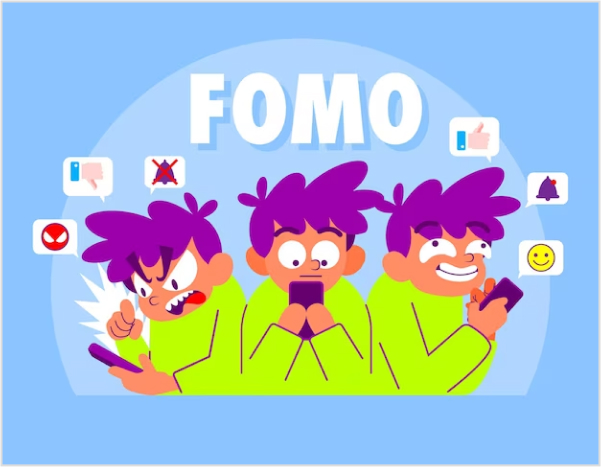
    3. Inject FOMO to boost last-minute sales

    FOMO- eCommerce retargeting strategy

    When done right, retargeting ads can lead to great conversion rates. But there’s always room for improvement. You can boost your conversion rates by adding a sense of urgency, like creating FOMO (fear of missing out). 

    This can be done with countdown timers, last-minute deals, or limited-time offers. When your audience sees that a popular product is available for a limited time, it triggers their impulse to buy. You can also customize your ads with countdown timers to make them feel more urgent.

    4. Cross-sell new and existing products

    This usually depends on the type of products you sell. However, there’s a good chance that some of your products will complement one another.

    You can utilize both customer and sales data to come up with a list that targets particular purchases. Then, you’ll show your audience ads that might be a product that complements their purchase. Your ad should make the value of the purchase clear to their mind. Show them how these purchases will complement one another.

    Offering relevant cross-sell suggestions demonstrates that you understand your customers’ needs and preferences. This personalized approach enhances the shopping experience, fostering customer satisfaction and loyalty.

    5. Retarget based on the sensitivity of pricing

    One of the main reasons people abandon their shopping carts is the high shipping costs and finding a better deal elsewhere via a competitor.

    For instance, millennials are quite careful about spending on non-essentials and spending less than the generations before them. Now that you know you’re dealing with price-sensitive customers, you can win them over by targeting them based on less.

    Free shipping- eCommerce retargeting

    You can target those people who have left at a specific point in the checkout process. For instance, right before they pick out shipping options. You can then offer them free shipping or give them discounts to entice them to come back and make a purchase.

    6. Adjust your retargeting ads’ frequency

    Most people are quite receptive to eCommerce retargeting ads, just as long as you don’t overdo it. If some ads are frequently popping up, this can hurt the relationship between the brand and the customer.
    Up to the point where the customer ends up frustrated with these ads because you’re someone intruding into their lives, in an almost creepy way.

    7. Keep your content updated

    Repeatedly using the same ad copies in your eCommerce retargeting campaign can quickly diminish its effectiveness. When your customers encounter these ads everywhere, they eventually tune them out, similar to how we overlook billboards or road signs.

    This phenomenon, known as advertising blindness or banner blindness, reduces the impact of your messaging. To maintain engagement and combat this, it’s essential to keep your approach fresh by regularly updating your ads to capture your audience’s attention effectively.

    8. A/B testing for optimization

    Another way to increase eCommerce sales is by exploring diverse ad creatives, copies, and strategies using A/B testing. Experiment with variations to pinpoint what connects most effectively with your audience. If needed, develop new retargeted ads tailored to your user base. Test various elements such as headlines, images, and calls to action to fine-tune your retargeting strategy and enhance overall performance.

    9. Monitor and analyze results

    Regularly monitor the performance of your retargeting campaigns and analyze metrics such as click-through rates, conversion rates, and return on ad spend (ROAS) to identify areas for improvement and optimization.

    What is the best tool for retargeting?

    The choice of the best tool for retargeting can vary depending on factors such as the specific needs of your business, budget constraints, and the platforms you wish to target.

    However, one of the best retargeting platforms is Replug. It’s affordable and easy to use, and it goes beyond basic retargeting, offering functionalities like link cloaking, traffic routing, cross-platform conversion tracking, and much more.

    Replug Branded Short Links CTA
    A complete link management solution
    for marketing professionals & agencies.
    Try Replug for free
    • Replug allows you to create specific campaigns designed for retargeting. Within this campaign, you can define which retargeting pixels you want to use.
    • This top-notch link optimization platform integrates with so many popular social platforms, that you can simply add the relevant pixel to your links.
    • Once you’ve set up your retargeting campaign with pixels, you can create branded shortened links as usual with this short URL shortener. When someone clicks on your Replug link, the retargeting pixel fires in the background, adding that user to your retargeting audience.

    Why eCommerce businesses should prioritize retargeting?

    Ever lost a potential customer who browsed your website but left without buying anything? eCommerce retargeting can bring them back!

    1. Cross-device retargeting

    Shoppers often research across multiple devices – phones, laptops, tablets. Cross-device retargeting ensures your ads follow them easily, keeping your brand top-of-mind no matter which device they use.

    2. Email remarketing

    Email remarketing is a powerful strategy for eCommerce businesses to tackle one of their most common challenges: cart abandonment. By implementing follow-up pixels in their email campaigns and pairing them with crm software outlook integration, businesses can effectively reduce cart abandonment rates and increase conversions.

    Highlight the abandoned products, offer targeted discounts to incentivize completion, and provide a clear path back to checkout for a seamless recovery experience.

    3. Social media retargeting

    Retargeting pixels placed on your website to track visitors and then display targeted ads on their social media feeds. These ads can feature products they browsed, similar items, or special promotions, increasing the chances of re-engagement and conversion.

    Besides that here are some of the major benefits of retargeting: 

    • Increased conversion rates: Retargeted ads have higher conversion rates compared to regular display ads since they target users with demonstrated interest.
    • Brand awareness: By maintaining a presence in front of potential customers, retargeting helps reinforce brand awareness and credibility.
    • Customization: eCommerce retargeting campaigns can be tailored based on users’ browsing behavior, ensuring relevant and timely messaging.
    • Cost-effectiveness: Retargeting ads increase brand search by 1046%. This helps you maximize the impact of the advertising budget by focusing on a warm audience.

    Best examples of eCommerce retargeting

    Here are some of the best examples:

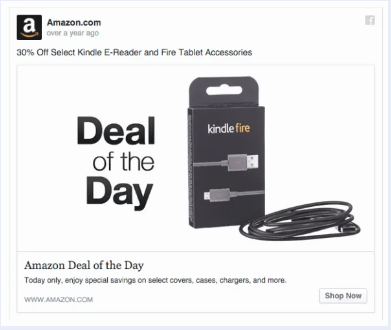
    1. Amazon

    Amazon-eCommerce Retargeting

    This Twitter retargeting ad example shows how brands can use Twitter’s native ad format to display relevant products or services in front of their targeted audience. The product being advertised here is for sale on Amazon, which means that those who visit this page can purchase it directly from Amazon without having to go through any other steps in between.

    2. Udemy

    The next in line is Udemy,  If a user browses through Udemy’s course catalog but doesn’t enroll in any courses, Udemy may use browser retargeting to display targeted ads across other websites visited by the user. 

    Udemy-Retargeting Example

    These ads may showcase popular courses or highlight topics the user previously showed interest in, enticing them to return to Udemy and enroll in a course.

    FAQs on eCommerce retargeting

    How can businesses measure the success of their eCommerce retargeting efforts?

    Businesses can measure the success of their eCommerce retargeting campaigns by tracking metrics such as click-through rates, conversion rates, return on ad spend (ROAS), and overall revenue generated from retargeted users.

    What is the best tool for social media retargeting?

    The choice of the best retargeting tool depends on factors such as business needs, budget, and targeted platforms. However, Replug is one of the top retargeting platforms in 2026, offering affordable pricing and advanced functionalities like link cloaking, traffic routing, and cross-platform conversion tracking.

    What are some effective eCommerce retargeting strategies?

    Some effective strategies include segmenting your audience, creating catchy ad copy, injecting FOMO (fear of missing out) to boost sales, cross-selling complementary products, retargeting based on pricing sensitivity, adjusting ad frequency, and much more…

  • 10 content marketing tips to drive conversions and build loyalty

    10 content marketing tips to drive conversions and build loyalty

    Are you ready to revolutionize your content marketing game and unleash its true potential? 

    Look no further! 

    Whether you’re a seasoned marketer or just starting, these invaluable content marketing tips will empower you with the knowledge and strategies needed to craft compelling content that resonates, engages, and converts.

    Simply put, a well-planned content marketing strategy can help your brand reach its full potential. It holds the ultimate power to captivate your audience and earn their loyalty in the easiest way possible. 

    Get ready to create content that not only grabs attention but also leaves an ever-lasting impact on your audience, driving your brand’s success in the digital realm.

    Before we dive in, let’s talk about the core of the matter. 

    What is content marketing?

    Content marketing is a strategic marketing approach that focuses on creating and distributing valuable, relevant, and consistent content to attract and engage a specific target audience. It is a long-term strategy that aims to build trust, establish credibility, and foster relationships with potential customers. 

    Instead of using traditional advertising methods, content marketing seeks to provide informative, entertaining, or educational content that addresses the needs, interests, and pain points of the audience.

    The content can take various forms, such as blog posts, articles, videos, podcasts, infographics, ebooks, case studies, and social media posts. The key principle behind content marketing is to deliver value to the audience, positioning the brand as a knowledgeable and trusted authority in its industry.

    However, the following are characteristics for which content marketing is known.

    1. Less expensive
    2. Boosting sales
    3. Loyal customers

    Typically, the goal of content marketing is to increase traffic to the website you’re running. So these viewers can then be guided through the appropriate channels to become actual customers.

    10 content marketing tips to drive conversions and build loyalty

    Below are some of the most effective content marketing strategies for driving traffic to your website. 

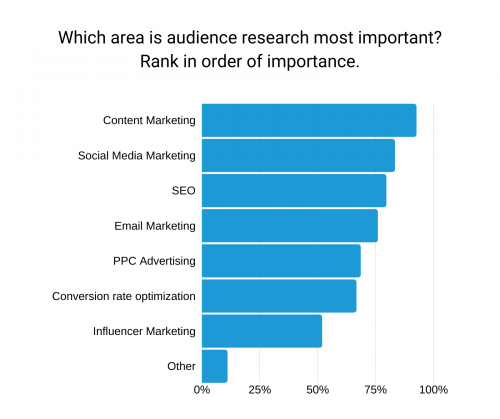
    1. Identifying the target audience – Clear buyer persona

    content-marketing-tips

    The first step towards maximizing website traffic is to determine the target audience and create a detailed consumer persona. To create a clear buyer persona, you need to observe consumer trends closely.  

    The Golden rule of running a successful business is to constantly evaluate the market value and demand for your products. A company’s first step in building a successful brand should be focusing on its target demographic. And figure out how to satisfy its user’s needs. Creating a comprehensive buyer persona is an essential step for effective content marketing. Understanding what drives your target audience and capturing those insights in structured persona templates can greatly enhance your ability to produce content that truly resonates with your audience’s needs. These tools serve as blueprints, helping marketers to tailor messages that engage and convert prospects efficiently.

    Generally, there are two types of audiences; 

    • Warm audience: People who value your content.
    • Cold audience: People who show no interest in your content. 

    However, targeting the niche audience demographically, based on different regions and other factors, is the hardest part. Multiple tools, social platforms, and devices gather incoming data about the customer’s preferences, interests, needs, and more. 

    These tools enable marketers to identify the conversion rate and audience engagement, and create marketing automation campaigns that allow them to compose a message to the right prospects at the right time.

    Moreover, industry challenges can be learned by marketers, and competitor strategies and their customers can be examined. Business owners should always remember: customers seek products or materials that will help them reach their goals or gain knowledge. Satisfying these needs is key to success.

    Partnering with a managed services marketing agency can help turn these insights into targeted campaigns that consistently align with customer goals.

    2. Sketch out your customer’s journey

    The next technique is to map out your customer’s journey. One can use a framework for effectively carrying out marketing approaches. And collecting dependable information at each stage of the client journey. 

    Therefore, one must develop persuasive instructional content and update it regularly to reflect changes in the consumers’ demands and needs. As,

    Forrester Research analyst Lori Wisdom says:

    “Buyers control their journey through the buying cycle much more than today’s vendors control the selling cycle. In a recent survey, 74% of business buyers told Forrester they conduct more than half of their research online before making an offline purchase. This buyer dynamic changes the role of B2B marketing in a fundamental way.”

    However, concise, easy-to-read, and audience-engaging content is essential. So,  marketers should prioritize quality over quantity. Of course, it’s not as easy as it looks; wasting time trying to sway people’s attention with information they don’t like is more like writing content they don’t like.

    content-marketing-tips

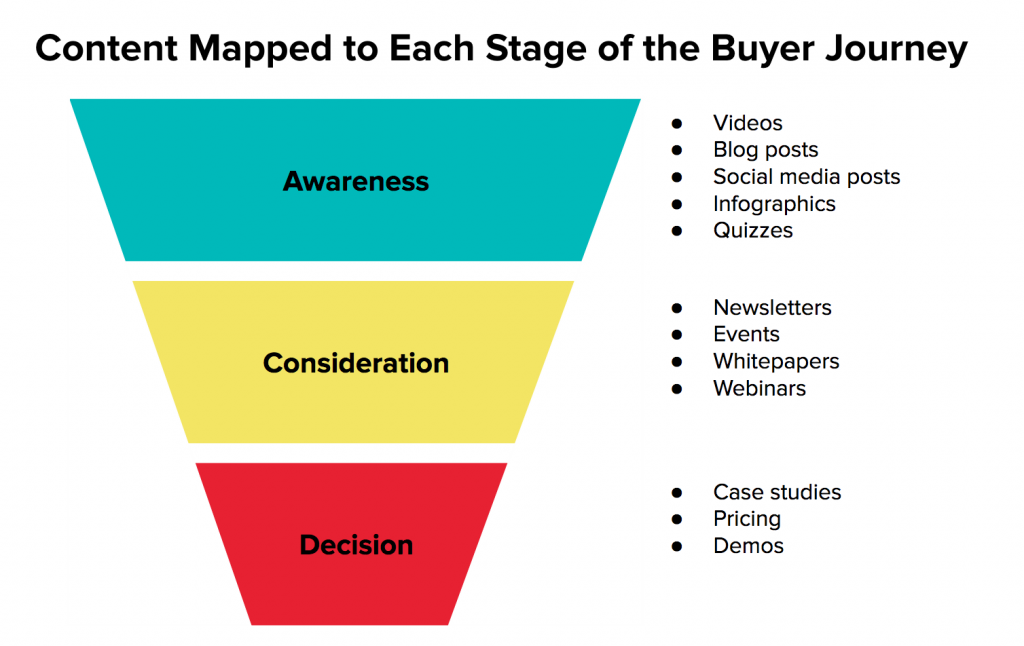
    The customer journey cycle consists of three primary steps.

    • Awareness
    • Consideration
    • Decision

    Let’s go through these steps one by one.

    Brand/Business Awareness

    This is the TOFU (top of the funnel) stage, where you can make a larger audience recognize your product or service by addressing the public’s pain points in the content creation process. This will make them feel important and turn your possible customers into real buyers.

    However, the below processes offer an opportunity for marketers to connect with their target audiences, get their attention, identify their pain points, and offer solutions or new perspectives.

    • E-books- infographics- white papers- educational content
    • Analyst reports- webcast- video podcast– live interaction

    One important thing that every business owner should remember is that customers are always looking for products or materials that Will help them get what they want or learn something new. Moreover, focusing on areas where customers spend more time and are interested is a great way for marketers to raise brand recognition and get known in the vast content marketing landscape.

    Ingenious consideration

    The second step is known as consideration, and during this stage, potential customers finally evaluate the solutions to their pain areas, While also searching for a variety of different choices.

    In this stage, referred to as MOFU (in the middle of the funnel), marketers are required to provide informative content. That demonstrates to the audience why they should choose your product over the other options currently available on the market.

    According to the Content Marketing Institute

    “The marketing and business process for creating and distributing relevant and valuable content to attract, acquire, and engage a clearly defined and understood target audience — to drive profitable customer action.”

    Decision making

    The term BOFU “bottom of the funnels” refers to the process of reinforcing certain offerings to improve or increase the conversion chances that are related to your brand. 

    Moreover, this gives customers the confidence that they have made the appropriate decision for their company or the solution to the issue. However, this includes live demos, case studies, and trial downloads.

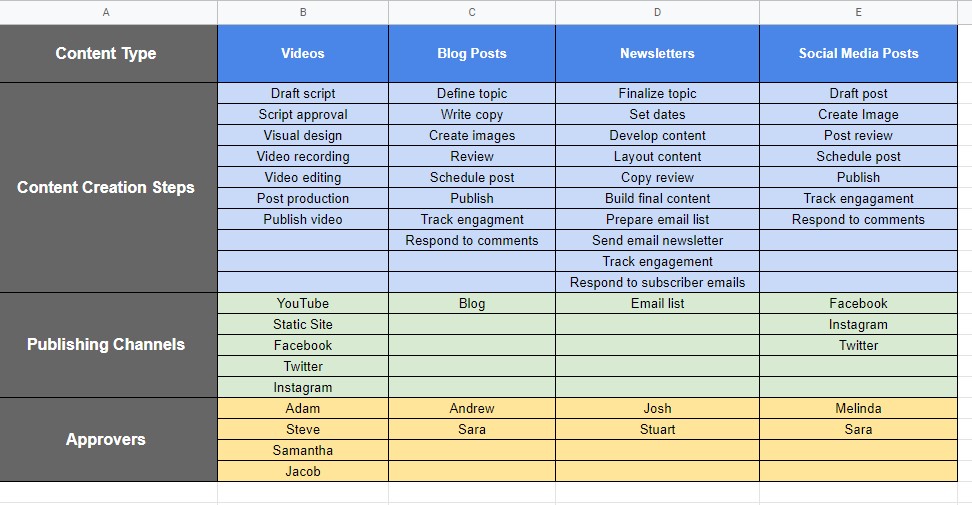
    3. Set up an editorial content calendar

    Content marketing is a long-term strategy that requires the use of marketing strategies, the creation of high-quality content, and the fine-tuning of promotional efforts. Therefore, it is challenging to deal with everything simultaneously.

    The content editor’s calendar provides a platform for strategic marketing planning, work management, and content preparation. It serves as a road map to better marketing outcomes and helps the team stay focused on the company’s mission and objectives.

    Without a content plan, it will be difficult to create leads from your website’s marketing efforts. A well-organized editorial calendar is essential for a successful content strategy. However, If you want to create magnificent content, you need to use editor calendar software that explains to marketers and their teams how they may best connect with and serve their target demographics.

    content-marketing-tips

    4. Identifying the right platforms for your audience – Leveraging social media channels 

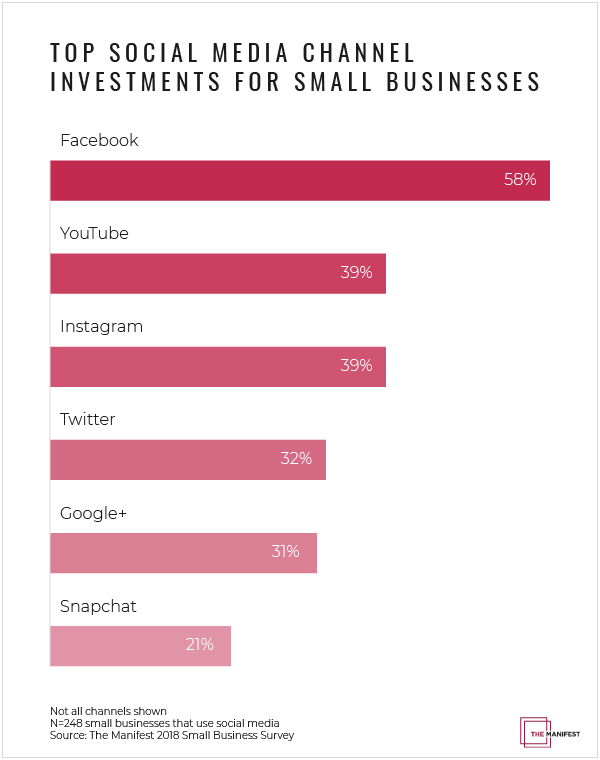
    Identifying the best channels to reach your demographic and generate traffic to your site is another important consideration. An increasing number of people have turned to various social media sites to network with like-minded individuals, peruse blogs, and learn more about the companies whose offerings they adore.

    To manage these interactions effectively at scale, businesses often rely on community management tools to monitor conversations, respond to users, and maintain consistent engagement across platforms like Facebook, Twitter, Instagram, and Pinterest.

    content-marketing-tips

    However, businesses can reach a wide audience and build brand awareness by using social media to convey intriguing stories about their products and brands. Channels like Facebook, Twitter, Instagram, and Pinterest play a monolithic role in increasing engagement and conversion rates. 

    Tools for analyzing statistics:

    In 2026, there are a lot of great tools that can help you manage your daily, weekly, and monthly tasks, and keep track of your sales and conversions. 

    However, when analyzing performance metrics or creating data-driven campaigns, marketers should rely on the most accurate AI tools like GPTZero and a rank tracking tool for LLMs like Promptwatch to track how often your brand is mentioned in AI-powered responses, ensuring your insights are precise and trustworthy.

    I’m going to give you a rundown of some of the most fascinating tools that can help you figure out the statistics of your marketing campaign on social channels. And you can also see how different marketing strategies affect your business with less time and money.

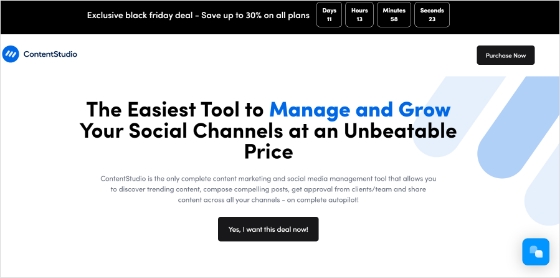
    • ContentStudio

    ContentStudio is one of the best marketing tools because it lets you build a custom campaign to promote your product. You can use fancy filters to improve the content and share it on any of your social media networks to raise brand awareness.

    It also lets you write your scheduled posts and customize them for your real and potential audiences, so you don’t have to post the same thing on all your social channels.

    content-marketing-tips

    However, It’s so easy to see the big picture of all the marketing activities when they’re laid out in a calendar and a list. You can control and handle the posts you’ve set up to go out on your social media accounts at a certain time, and you can keep track of when the posts are due.

    • Replug

    Replug lets you shorten URL for free with your brand’s name in them. This helps your brand stand out and gives you more trust in your custom domains.

    It lets you make a brand for your business and run ads to get the word out about what you’re selling. It is an all-in-one link optimization platform that offers a lot of brilliant features, such as a URL shortener, custom domain, retargeting, link analytics, etc.

    content-marketing-tips

    You can add RSS feeds to your campaigns. Every 30 minutes, the content from the RSS feed will be automatically retrieved and put on your shortened Replug link, which you can share with your audience.

    However, Replug also lets business owners make an eye-catching call to actions to draw their audience to their website or retarget the audience with the same content to any page on the website. It also gives your email marketing efforts more power and makes your email reach wider.

    5. Creating engaging and informative visuals

    One versatile method of attracting clients’ attention to your business is using humorous clips that showcase your products or services in action.

    For teams looking for efficient tools to create such content without a steep learning curve, exploring a Descript alternative for streamlined audio and video editing can be a game-changer.

    Moreover, visual content is helpful for marketers since it provides in-depth knowledge of the product you have and opens the door to making a personal connection with your audience.

    content-marketing-tips

    Know that with the developments in technology and increased access to the internet, things have continued to develop in the same manner they always have. The relevance of video marketing in this day and age is readily apparent to every one of us. 

    However, to achieve your goal of increasing the number of social media conversions, you should consistently focus your attention on the Audience, by placing sponsor advertising on Facebook, LinkedIn, Tiktok, and other social media platforms.

    6. Craft captivating web-content

    Your content represents you and tells consumers why your company exists and what problems you solve. Convince them to choose your product over competitors, and makes it easier for them to find you.

    Moreover, research is one of the key elements of being a good content marketer if you want to keep people’s interest. It’s necessary for every business owner needs to dedicate some time and effort to studying the market. 

    Albert Szent-Gyorgyi said:

    “Research is to see what everybody else has seen and to think what nobody else has thought”

    Extensive marketing research is crucial for recognizing who your target audience is, what they want, and how to best serve them. After conducting research, you can develop a content process that details the steps you should take to identify your target audience and alert your readers.

    The keywords can help marketers organize the issues about which their target audience has questions. Keywords boost the effectiveness of content marketing efforts and also help with search engine optimization. Using a Google SERP API can provide real-time insights into search results, competitor rankings, and keyword opportunities that make your content more discoverable.

    However, when it comes to coming up with original ideas, brainstorming is one of the most widely used methods. It can help you come up with a better topic for your blog article if you use it correctly. In general, it’s all about coming up with original ideas, not putting them into practice.

    You can also use the essay humanizer tool to make your written content sound more natural and improve readability before publishing.

    7. Analyze results – data-driven content 

    Monitoring and analyzing the performance of your content is crucial for understanding what works and what doesn’t. By utilizing analytics tools, you can gather valuable data on metrics like page views, engagement, conversion rates, and audience behavior. Tools like real-time speech analytics can also provide actionable insights to improve customer satisfaction in live interactions.

    This data-driven approach enables you to identify trends, refine your content strategy, and make informed decisions to continuously improve and optimize your content for better results.

    Data-driven success with Usermaven: Your analytics solution

    Usermaven is the game-changer for data-driven content marketing success. With comprehensive analytics, a streamlined workflow, privacy compliance, and tailored features, Usermaven empowers businesses to optimize content strategies, deliver personalized experiences, and gain a competitive edge. 

    Unlike Google Analytics, Usermaven offers no-code event tracking, a user-friendly interface, and a privacy-friendly approach. 

    Elevate your content marketing with Usermaven and unlock the power of analytics for remarkable results.

    content-marketing-tips

    8. Enhance the user experience: A key priority in content marketing

    When it comes to content marketing, prioritizing the user experience is paramount. No matter how well-crafted and informative your content may be, a subpar website experience can drive away readers and negatively impact your rankings. More importantly, it results in missed opportunities for conversions. 

    content-marketing-tips

    To ensure an optimal user experience, consider the following tips:

    • Optimize site performance: A fast-loading website is essential. Users expect quick access to content, especially on mobile devices. Make sure your site is optimized for speed by optimizing images, using caching techniques, and leveraging a reliable hosting provider.
    • Mobile responsiveness: With the increasing use of mobile devices, your website layout must be mobile-friendly. Responsive design ensures that your content adapts seamlessly to different screen sizes, providing a consistent and enjoyable experience for all users. A well-designed responsive layout ensures your content adapts seamlessly to different screen sizes, providing a consistent and enjoyable experience for all users
    • Enhance navigability: Make it easy for users to navigate through your content. Incorporate features such as a table of contents and a back-to-top button to facilitate smooth scrolling. Clear and consistent headings help users find relevant information quickly.
    • Readability and typography: Ensure that your content is easy to read across devices. Use a sans-serif typeface, maintain a reasonable font size, and create a visually pleasing layout. Consider readability for users with different visual abilities by optimizing for high contrast and adhering to accessibility standards.
    • Accessibility optimization: Cater to users with disabilities by optimizing your website for accessibility. Provide alternative text for images, include captions in videos, and ensure that your content can be read aloud by screen reader software. By prioritizing accessibility, you expand your reach and create an inclusive experience for all users.

    9. Avoid fixating on word count for blogs

    This situation arises from the misconception that longer articles automatically generate more organic traffic. However, Ahref’s analysis of 900 million pages reveals a moderate negative correlation between word count and organic traffic for posts exceeding 2,000 words.

    In essence, a typical 10,000-word post receives less search traffic compared to an average 2,000-word post.

    Therefore, it’s time to relinquish the fixation on word count. Readers aren’t enthusiastic about lengthy content. Instead, focus on covering the necessary information, omitting irrelevant details, and delivering concise, to-the-point content.

    10. Re-engage your audience with remarketed content

    By repurposing your existing content, you can transform a previously covered topic into a fresh format. However, the power lies in remarketing that content to re-engage users who interacted with it but didn’t convert initially.

    Numerous variables may work against us in capturing user attention. The timing might not align with their immediate need or financial situation. But by strategically remarketing your content to those who have already demonstrated interest, such as through targeted follow-ups from a cold email marketing agency, you increase the likelihood of capturing their attention at the right moment.

    After all, that’s the essence of content marketing – delivering value when it matters most.

    Our final verdict

    These days, no marketing strategy can succeed without the perfect content marketing techniques, at its core. It is essential to have a firm grasp of the dynamics of marketing and the kind of content that will be the most effective for your company.

    In my opinion, the most effective method of content marketing, however, is to conduct research into the barriers faced by your targeted audience. And coming up with a content strategy to address those challenges. 

    Leave a comment below, letting us know. Which content marketing strategies best match the growth goals you’ve set for your business? 

    We’d be thrilled to get some feedback from you. You have our deepest gratitude for staying with us to the very end. Your time and effort are very much appreciated. 

    FAQs on content marketing

    What are the most common types of content marketing?

    Some of the common types of content marketing can be done through social media marketing, Blog content marketing, infographic marketing, video content marketing, podcast content marketing, paid ad content marketing, etc.

    Is content marketing strategies effective for small business?

    Yes, building a content marketing strategy for a small business can be very effective for small business. However, it’s no different than large organizations.

    What are the pillars of content marketing?

    The pillars of content marketing conclude; creation, insights, audience, distribution, and experience.

    What are the major benefits of content marketing?

    Some of the major benefits of content marketing include audience engagement, building trust, and driving maximum conversions.

    How to develop an effective content marketing strategy? 

    Content marketing is a crucial aspect of any successful digital marketing strategy. It involves creating and sharing valuable, relevant, and consistent content to attract and retain a clearly defined audience.

  • Top 7 E-commerce Payment Trends of 2026

    Top 7 E-commerce Payment Trends of 2026

    Forget cash, ditch the plastic! Pay online for all your online purchases with easier and more secure e-commerce payment trends. From speedy QR code payments to secure biometric authentication, get ready for a future where paying online is smoother than ever. So, grab your phone, settle in, and let’s explore the future of online shopping!

    What do you mean by e-commerce payment trends?

    “E-commerce payment trends” refer to the changing patterns and preferences in online transactions, showcasing specific payment methods and technologies in the e-commerce industry. 

    Here are some of the most common questions e-commerce experts ask:

    How can I boost my e-commerce sales?

    There are multiple features and strategies brands can utilize to boost their e-commerce sales. Some of the most effective ones include branded short links for your brand, bio-link landing pages, deep links, adding retargeting pixels to your links, creating custom call-to-actions as per your brand, link-routing, personalized QR codes, A/B testing pages, etc. Let’s see how each of these features can benefit your brand. 

    • Bio-links: Create a central hub for multiple links, making it simple for customers to navigate. 
    • Retargeting pixels: These are handy for re-engaging interested customers who didn’t make a purchase. 
    • Deep links: Send app users directly to the most relevant content.
    • Custom CTAs: Motivate clicks with clear and branded calls to action.
    • Link routing: Split traffic and optimize campaigns for better results.
    • Personalized QR codes: Track scans and create a branded offline marketing experience.
    • A/B testing pages: Discover which website variations convert better.

    These methods enhance visibility, engage users, and boost e-commerce sales when used strategically.

    How can I track my e-commerce sales?

    Just like integrating advanced payment methods in your e-commerce business, tracking your e-commerce sales is also necessary. But the question is how: well you can use management tools like Replug, ContentStudio, Usermaven, etc to do so.

    Let us break down the process for you. 

    • The first one you need is a link management tool that will help you track the exact stats of your link campaigns such as bio-link campaigns, branded short link campaigns, or how many of your intended audience members have successfully converted through that particular call-to-action (CTA) and more stats like that.
    • Secondly, if you want a strong social presence, you need a social media management tool that allows you to plan, create, and schedule eye-catching posts to be published to the right channels at the right time.
    • The next in line is the analytics platform which is indeed very necessary for your e-commerce website as it helps you track in-depth customer journeys, keep an eye on page views, bounce rate, total visitors, etc. See which channel brought in the most audience and where they dropped off. Get engagement metrics like DAU, WAU, MAU, DAU/MAU, and WAU/MAU. Also, get accurate stats with adblocker bypassing cookie-less tracking and much more.
    • Explore advanced tools often used in e-commerce for performance insights. Like tracking online sales metrics with analytics platforms, understanding financial statements through P&L report analysis can critically assess your business’s profitability and liquidity.
    Boost ROI with branded URLs - Replug dashboard showing performance metrics and branded URL creation
    Boost ROI with
    branded URLs!

    Enhance your marketing campaigns by creating shareable, trackable, and fully multi-purpose customizable branded URLs.

    Try Replug for free

    Top 7 e-commerce payment trends of 2026

    1. Account-to-account (A2A) payments: A2A payments, also known as direct bank transfers, are experiencing significant growth, particularly in regions like Europe and America. This e-commerce payment trend eliminates the need for card networks and digital wallets, offering several advantages for both merchants and consumers:
    • Reduced fees: A2A transactions typically incur lower processing fees compared to traditional card payments, offering cost-saving benefits for merchants.
    • Faster settlements: Funds are transferred directly between bank accounts, leading to faster settlement times, and allowing merchants quicker access to their revenue.
    • Strong security: A2A payments often leverage multi-factor authentication, a key feature enabled by advancements in mobile banking application development, providing increased security for consumers concerned about data breaches

    Moreover, VRPs offer greater convenience and flexibility for customers, enabling them to pay for subscription services or utility bills based on their actual usage patterns. With SAP BRIM, businesses manage these payment models efficiently while ensuring accurate billing and revenue recognition. Digital transformation platforms play a crucial role in integrating such solutions, enabling seamless coordination between billing, customer experience, and financial systems.

    To further enhance these capabilities, integrating banking IT services can streamline financial operations and improve transaction security, aligning seamlessly with the digital transformation goals of modern businesses. The rise of AI in retail banking can further optimize these payment systems by providing smarter, more personalized services to both customers and merchants.

    Also read: Effective Risk Management Strategies to Manage Social Media Risks

    1. Embedded finance

    Embedded finance is the ideal integration of financial services like payments, bridging loans, and insurance directly into the customer experience within a merchant’s platform. This innovative trend is transforming e-commerce by offering:

    • Frictionless checkout: Embedded finance removes the need for customers to switch between websites or apps to complete their purchases. This streamlined checkout process reduces cart abandonment and potentially increases conversion rates for merchants.
    • Personalized financial offerings: Embedded finance solutions allow customer data to offer tailored financial products and services. For instance, a customer purchasing a new appliance might be presented with a loan option tailored to the specific purchase value. This personalized approach can enhance customer engagement and loyalty. It’s also precisely why 82% of U.S. adults own at least one credit card, as Solosuit reports.
    • Increased transparency and control: Such finance platforms often provide customers with a clear and consolidated view of their finances, including purchase history, available credit, and upcoming payments. This transparency empowers customers to make informed financial decisions while shopping online.

    As embedded finance continues to gain wider adoption, its impact on e-commerce payment processing is expected to become even more significant in the coming years.

    Also read: Best Apps For Shopify To Create a Surge In Your eCommerce Sales

    1. Mobile wallets take center stage
    Payment Trends

    Mobile wallets have become a prevalent e-commerce payment method, offering customers a convenient and secure way to pay for online purchases. This trend shows no signs of slowing down, driven by features such as

    • One-click payments: Mobile wallets eliminate the need to repeatedly enter card details during checkout, offering a faster and more seamless experience.
    • Better security: Biometric authentication through fingerprint and facial recognition or facial liveness adds an extra layer of security to mobile wallet transactions, mitigating the risk of unauthorized access to payment information.
    • Loyalty program integration: Many mobile wallets integrate with loyalty programs, allowing customers to earn and redeem rewards directly at checkout. This additional layer of value incentivizes customers to use mobile wallets as their preferred payment method.

    With the increasing penetration of smartphones and the growing familiarity with mobile wallets, their dominance in the e-commerce payment landscape is likely to persist in 2026 and beyond, especially as automated payment systems enable seamless recurring transactions and subscriptions.

    1. Cryptocurrencies and blockchain

    While still in its early stages, the use of cryptocurrencies and blockchain technology as e-commerce payment methods is garnering increasing attention. This trend offers several potential benefits:

    • Faster and cheaper transactions: Blockchain tech can facilitate faster and potentially cheaper cross-border transactions compared to traditional methods.
    • Greater transparency and security: Blockchain offers a secure and transparent way to record and track transactions, potentially reducing. If you’re looking to integrate blockchain solutions into your business, blockchain development can help create more secure, transparent transactions, improving both trust and efficiency in your e-commerce operations

    Also read: 25+ E-commerce Marketing Tools For Successful Marketing

    1. Buy now, pay later (BNPL)
    BNPL- Payment Trend

    BNPL solutions offer customers the flexibility to split their purchase costs into smaller, interest-free installments. This trend is gaining traction, particularly among younger generations, due to:

    • Increased affordability: This e-commerce payment trend allows customers to manage their finances and budget for larger purchases more effectively.
    • Improved conversion rates: By offering an alternative payment option, BNPL solutions can potentially increase conversion rates for merchants.
    • Wider adoption: As BNPL providers partner with more merchants and offer more flexible payment plans, their influence in the e-commerce payment space is expected to grow.

    However, consumers must be aware of the potential downsides of BNPL, such as the risk of overspending and potential fees if payments are missed.

    1. By scanning the QR codes

    QR codes (Quick Response codes) are square-shaped barcodes with a complex pattern of black and white squares. They act as digital keys that, when scanned by a smartphone camera, unlock information or initiate actions.

    In the context of payments, merchants can display a unique QR code representing the purchase amount. For example, QR codes on tables allow diners to pay their bills directly through their phones after verifying with biometrics.

    Also read: Basics of e-commerce marketing, key strategies and more

    1. Payment through biometrics

    Biometric authentication utilizes unique physical or biological characteristics, such as fingerprints, facial recognition, or iris scans, to verify your identity. This e-commerce payment trend is increasingly integrated into smartphones and other devices, making it a convenient and secure way to authenticate yourself for various purposes, including payments.

    • Security: Biometric authentication adds an extra layer of security to the payment process, as it relies on unique personal identifiers that are difficult to replicate.
    • Reduced contact: By eliminating the need to touch physical buttons or cards, this method offers a more hygienic pay method, especially in the post-pandemic era.
    Boost ROI with branded URLs - Replug dashboard showing performance metrics and branded URL creation
    Boost ROI with
    branded URLs!

    Enhance your marketing campaigns by creating shareable, trackable, and fully multi-purpose customizable branded URLs.

    Try Replug for free

    Conclusion 

    We still have a long way to go before getting to the tail-end of 2025, and we’re always looking to see what pops up in all these digital payment trends. All in all, these methods look promising and will likely help you make more sales, there’s more that’s yet to happen. 

    Meanwhile, take a look at some of the following questions most people ask us about their e-commerce business.

    People also ask

    What potential benefits do cryptocurrencies and blockchain offer in e-commerce?

    Cryptocurrencies and blockchain offer faster and cheaper transactions and greater transparency and security in e-commerce payment methods.

    What is the best tool to create bio links for my e-commerce store?

    The best tool for creating bio links for your e-commerce store is Replug. It is an all-in-one link management platform providing a centralized hub for multiple links in your bio.

    What are the advantages of payment through biometrics in e-commerce?

    Biometric authentication adds security and reduces physical contact, offering a hygienic way to pay, especially in the post-pandemic era.

    How can I create branded links for my e-commerce store?

    Create branded short links for your e-commerce store using Replug’s URL shortening tool. This amazing tool allows customization for strong brand identity in URLs.

  • 11 Best Affiliate Marketing Tools of 2026 – Features, Reviews, Pricing, and More    

    11 Best Affiliate Marketing Tools of 2026 – Features, Reviews, Pricing, and More    

    Looking for the best affiliate marketing tool? Don’t worry we’re talking key features, reviews, pricing plans, and all the juicy details to help you pick out the perfect affiliate tools.

    We’ll also be sharing insider tips and tricks, so you can get the most out of each tool and maximize your ROI leaving your competitors in the affiliate dust.

    So let’s get started; 

    What is affiliate marketing?

    Affiliate marketing is a performance-based marketing strategy where you earn a commission by promoting other companies’ products or services. Essentially, you act as a middleman, connecting potential customers with a brand and earning a reward for each successful referral.

    The following image shows how affiliate marketing works:

    5 things to look for in your affiliate marketing tool

    Before getting into the details let us give you a quick overview of some of the necessary aspects to look for in your affiliate marketing tool:

    1. Ease of use

    Look for a tool with a user-friendly interface – something that won’t make you scratch your head every time you need to tweak a campaign or check your stats.

    1. Budget

    We all know budgets are real-life struggles. Your affiliate marketing tool shouldn’t be adding to the stress. Check the price tag and make sure it fits your pocket. But also, keep an eye out for sneaky extra charges. You want a tool that gives you value for your hard-earned money.

    1. Customer support

    Choose a tool that offers responsive customer service, whether through live chat, email, or phone support. Consider the availability of resources such as tutorials, documentation, and a knowledge base. A responsive support team can be invaluable when you encounter issues or need assistance to maximize the tool’s potential.

    1. Feature set

    The effectiveness of an affiliate marketing tool lies in its features. Analyze the tool’s capabilities in terms of campaign management, tracking, reporting, and analytics. Look for features that align with your goals, such as detailed performance metrics, real-time reporting, and customizable dashboards.

    Also read: How to Create Affiliate Links and Keep Track of Affiliate Results?

    1. Reviews and ratings

    Before making a decision, check reviews and ratings from other users who have hands-on experience with the tool. Online platforms, forums, and social media can be valuable sources of information. Pay attention to positive and negative feedback to understand the tool’s strengths and weaknesses.

    Top 11 affiliate marketing tools to try

    CJ – Commission Junction

    CJ, also known as Commission Junction, stands as a prominent affiliate marketing network founded in 1998 – that connects advertisers with publishers like bloggers, influencers, and websites, enabling them to promote products and earn commissions on sales. CJ operates in over 170 countries, granting access to massive audiences for publishers. Also, you will just have to pay for successful conversions, which makesa it a cost-effective marketing channel for advertisers.

    affiliate-marketing-tools

    Track campaign performance, optimize strategies, and gain valuable insights for informed decision-making.

    Plus, everyone loves how CJ’s payment system is totally reliable, earning them big points for keeping the relationship between advertisers and publishers happy and stress-free!

    Key features 

    • In-depth monitoring and analytics
    • Affiliate network
    • Commissions and payouts
    • Email updates
    • Cookieless Tracking

    Check out reviews:

    “One of the best and most flexible affiliate advisors “

    Yashwant P.

    Replug

    This beast right here, is your go-to link optimization platform for simplifying the world of affiliate marketing with its awesome link cloaking and tracking features. Say goodbye to those long, confusing affiliate links – no one clicks on them! 

    Replug lets you create short links with its top-notch link shortener that are not only easy to recall but also protect your affiliate links from potential hacking, ensuring you get the commissions you rightfully earned.

    affiliate-marketing-tools

    But hold on, there’s more! Replug is not just a link shortener; it’s a complete link management solution. This means you get a bunch of cool features to level up your affiliate game, like A/B testing (discover the best-performing links and landing pages), retargeting pixels (target website visitors with personalized ads)  deep links, traffic routing, CTA generator (craft compelling calls to action for your links), SMS links, QR codes (generate scannable codes for offline marketing), and the list goes on. 

    If we talk about pricing, it’s pretty handy for businesses of all tiers. The plans start from just $19/mo and go up to $79 and more as per your brand requirements. 

    Key features

    • Branded links
    • Traffic routing
    • Custom Call to Action
    • Retargeting links
    • Bio links
    • Deep links
    • QR codes
    • White label
    • Advanced link analytics

    Check out reviews:

    “Handy Link Management Tool with URL shortener and more”

    Alan N.
    “Very convenient platform to create Branded Links with Marketing & Reporting”

    Karen S.

    Also Read: How to add a link in bio to your Instagram profile?

    ShareASale

    Similar to CJ, ShareASale serves as a valuable affiliate partnership program that bridges the gap between publishers and advertisers seeking assistance in boosting sales. Publishers can earn compensation based on the actions they drive for the advertiser, whether it be phone calls, leads, or website visitors.

    affiliate-marketing-tools

    Besides that, this affiliate marketing tool provides a user-friendly experience and offers a variety of tools to empower affiliate marketers in discovering and promoting products. These tools include a searchable merchant database, customizable product links, and banners, as well as deep linking options allowing direct links to specific pages on a merchant’s site. 

    Additionally, ShareASale takes care of the payout process, streamlining the financial aspect for users and eliminating the need to set up multiple accounts with different merchants.

    Key features

    • Customizable programs
    • Multiple commission structures
    • Performance-based advertising
    • Automated tools
    • Targeted audience access

    Check out reviews:

    “Shareasale is awesome but the tracking is meh”

    Justin A.

    ContentStudio

    ContentStudio is an all-in-one social media management tool that serves as your affiliate campaign builder as well as your marketing calendar tool. Yes, you heard us right!

    affiliate-marketing-tools

    It’s one of the best AI tools for affiliate marketing, as it’s packed with so many AI features that cut content creation and scheduling time to half. Affiliates can schedule posts in advance, curate trending content, and leverage AI-powered features like caption writing and image generation.

    With CS, you can analyze the success of your social channels and make smarter business decisions. Create useful automated reports to share information with your team and clients. In addition, you’ll get a single social inbox to help you manage and respond to incoming messages and comments across all of your social networks.

    Key features

    • Workspaces
    • Content planner
    • Content calendar
    • Discover trending content
    • Advance analytics
    • Content creation

    Check out reviews

    “Honestly one of the best content management platforms out there”

    Alex.
    Great 360-degree approach to content for startups”

    Jeremy.P

    Also Read: How to Increase Brand Awareness: 9 Best Strategies

    Constant Contact

    Constant Contact is an email marketing tool known for its user-friendly interface, offering features like customizable email templates, robust contact management, and real-time tracking, enabling businesses to create, send, and analyze effective email campaigns effortlessly.

    affiliate-marketing-tools

    Amplify your affiliate reach and maximize your growth with effective tools for automation, segmentation, and more. Whether you’re a small business or a large enterprise, Constant Contact offers the tools necessary to lift up your email marketing strategy and enhance customer engagement. The pricing on the other hand starts at $12/month and goes up to $80/month depending upon your needs.

    Key features

    • Data import and export tools
    • Integration APIs
    • Building and personalizing emails
    • A/B testing

    Check out reviews

    “Great Email Marketing Service for Any Company”

    Shawn B.

    Cloudways

    Cloudways ensures optimal performance for affiliate websites by offering a range of top-tier cloud providers, such as AWS and DigitalOcean. This choice of providers boosts loading speeds and enhances user experiences, critical factors in the success of affiliate campaigns.

    affiliate-marketing-tools

    One standout feature of Cloudways is its scalability, allowing affiliate marketers to effortlessly adjust hosting resources based on the traffic demands of their campaigns. This ensures a smooth and responsive experience for users, even during peak traffic periods. In addition to performance, Cloudways prioritizes security with regular patches and SSL certificates, fostering customer trust and credibility for affiliate marketers.

    Key features

    • Multi-cloud support
    • One-click applications
    • Agency hosting
    • Smb hosting
    • E-commerce hosting

    Check out reviews

    “Hosting is great! Support is Great! Dashboard could improve…”

    Brandon P.

    Usermaven

    Usermaven tops our tool favorites – the go-to tool for affiliate marketers wanting to get in-depth insights to their affiliate websites. Covering the basics, it tracks visitors, pageviews, sessions, bounce rate, and more. Plus, it’s not just about numbers; you can pinpoint top traffic sources, revealing which affiliate campaigns bring the most visitors. 

    affiliate-marketing-tools

    Now, here’s the cool part – Usermaven has some serious Jedi-level features that big names like GA4, Heap, Matomo, and Piwik Pro might not offer. Think user journey mapping, actionable insights, automated events, pixel white label – basically, everything you wished your analytics tool could do. What’s more, it doesn’t break the bank; Usermaven is an affordable tool with both competitive pricing plans and an impressive feature set.

    Key features

    • Simple web analytics dashboard
    • Cookieless tracking option
    • Power users
    • Traffic and conversions AI insights
    • User-level reporting
    • User flows 
    • Funnel analytics
    • Multi-channel attribution
    • Segmentation
    • Data retention
    • Ad-blocker bypassing
    • And more…

    Check out reviews

    “The absolute best Google Analytics Alternative Hands Down!”

    Matthias L.
    An innovative and user-friendly tool that significantly aids in enhancing marketing strategies.”

    Karim S.

    SEMRush

    SEMrush is a powerful SEO tool for affiliate marketers, providing essential insights and elements for success. It excels in keyword research, helping affiliates discover high-performing keywords aligned with their niche, ensuring optimized content for search engine visibility.

    affiliate-marketing-tools

    Additionally, SEMrush’s competitive analysis features offer valuable insights into competitors’ strategies, keywords, and backlinks. Armed with this information, affiliate marketers can strategically position their campaigns, gaining a competitive edge by identifying market gaps.

    Key features

    • Keyword research
    • Competitor analysis
    • Rank tracking
    • Content marketing
    • Content optimization

    Check out reviews

    “Excellent range of tools for SEO, Marketing & Web Development”

    Tim A.

    Grammarly

    With real-time grammar and spelling checks, Grammarly ensures that affiliate content is polished and error-free. This feature contributes to the overall professionalism of marketing materials, establishing trust with the audience.

    affiliate-marketing-tools

    Affiliate marketers can craft more compelling content by leveraging Grammarly’s writing style suggestions. This feature provides insights into tone, clarity, and engagement, allowing marketers to fine-tune their messaging for maximum impact. Crafting content that resonates effectively with the target audience is crucial for affiliate marketing success.

    However, maintaining authenticity in affiliate marketing is paramount, and Grammarly’s plagiarism checker ensures originality in content. By verifying the authenticity of their materials, affiliate marketers uphold ethical marketing practices and build trust with their audience.

    Key features

    • Grammar and spelling check
    • Sentence structure enhancement
    • Plagiarism detections
    • Customizable writing goals

    Check out reviews

    “Grammarly has made my work easier”

    Jamie N.

    Also Read: Top 29 personal branding tools to upscale your marketing efforts

    Canva

    Canva allows marketers to effortlessly design visuals that capture the attention of their audience. This visual appeal is crucial for increasing conversions and making a lasting impression. A standout feature of Canva is its extensive library of templates, catering to various design needs, including social media posts, presentations, posters, and flyers. These templates provide affiliate marketers with a quick starting point, ensuring consistency in branding across different marketing materials.

    affiliate-marketing-tools

    Collaboration is made easy with Canva, enabling team members to work seamlessly on design projects. This collaborative environment streamlines the design process, ensuring that affiliate marketing visuals align with the overall campaign strategy.

    However, Canva’s export and share options further enhance its usability for affiliate marketers. Marketers can easily export visuals in various formats, optimizing them for different channels and ensuring a smooth distribution process across online platforms.

    Key features

    • Drag-and-drop design
    • Customizable elements
    • Stock media library
    • Design resizing
    • Print and downloading options

    Check out reviews

    “Great Tool for Beginner Graphic Design”

    Nelson Jr. A.

    ManyChat 

    The next in line ManyChat – create chatbots that engage your audience in real-time, answer their questions, and guide them seamlessly towards your affiliate offers. With ManyChat, you can easily run A/B tests on different chatbot messages, landing pages, and offers. 

    affiliate-marketing-tools

    Set up automated drip campaigns and chat flows based on user preferences and actions. This means targeted messages, relevant recommendations, and personalized offers delivered exactly when they’re most likely to convert. Moreover, you can also segment your followers based on interests, demographics, or purchase history. 

    Key features

    • Multi-channel marketing
    • QR code
    • A/B testing
    • Deep analytics

    Check out reviews

    “An Invaluable Tool for Streamlining Communication: My Five-Year Journey with Manychat”

    Vadim C.

    Conclusion


    As you explore the 11 top tools of 2026, consider key factors such as ease of use, budget, customer support, feature set, and reviews. These aspects will guide you in making informed decisions and maximizing your return on investment in the world of affiliate marketing.

    When evaluating tools, ask yourself:

    • How user-friendly is the interface for easy campaign management?
    • Does the pricing align with your budget, avoiding unexpected charges?
    • Is customer support responsive and resourceful for any assistance needed?
    • Does the tool’s feature set cater to your specific goals, including advanced analytics?
    • What do reviews from other users say about the tool’s strengths and weaknesses?

    However, Each tool, from CJ and Replug to Usermaven and Canva, brings unique strengths to the table. Whether it’s link management, social media analytics, email marketing, website hosting, or comprehensive analytics, there’s a tool tailored to meet your affiliate marketing needs. 

  • Email Marketing Best Practices For 2026

    Email Marketing Best Practices For 2026

    Every year, the digital marketing landscape changes drastically; however, e-commerce marketers continue to find email to be one of the most effective channels.

    Studies show that email marketing can generate an ROI of 4200% on average. In order to keep track of leads and move them through the sales funnel, you probably already rely heavily on email.  Therefore, you need to know some of the best email marketing best practices, whether you’re a startup or a large business.

    The success of email marketing is heavily dependent on its strategy, even though it has a high ROI. You may find that your email marketing efforts do not produce as desired results if you do not follow email marketing best practices.

    You can contribute positively to your sales team’s bottom line by using email marketing as part of your overall marketing strategy.

    It doesn’t matter if you failed to get the most out of your email marketing efforts in 2026. To help you out, we have compiled a list of best email practices that you can apply in 2026. Different audiences require different approaches, making it essential to test which strategies work best for you.

    For a streamlined, scalable solution to manage, brand, and track all your email marketing campaigns easily, consider using a full-featured link optimization platform.

    Below are a few best practices for email marketing. Check them out, now!

    Personalize Your Emails

    Your email marketing campaigns will be more effective if you personalize them. If your email is not customized to the consumer’s interests or needs, they won’t even engage with it. Your emails’ open rate, reply rate, and click through rate improve when you personalize them. Additionally, to ensure deliverability and reach intended recipients, consider using a DMARC checker to validate your domain’s authentication policies, helping your emails avoid spam filters. 

    To know your audience more, you can try to utilize the email verifier software, which will automatically find and validate the most relevant emails for your campaign needs. In addition, prospects are more likely to make a purchase after reading your emails. 

    “The costs of acquiring customers can be cut in half by personalizing emails. Your email marketing campaigns can generate up to 760% more revenue.”

    Personalized emails get higher conversion rates than non-personalized emails by 10%. Your sales cycle will be shorter when you personalize your email messages. As a result, you can develop a better relationship with your leads since you are able to provide them with relevant and helpful content.

    Email personalization can help you improve customer retention and brand loyalty by showing customers that you care about them and positively influencing how they feel about your brand. With a measly 39% of businesses personalizing their emails, focusing on email personalization also helps you stay ahead of your competition.

    Following are some email marketing tips for personalization:

    • Identify specific segments and recommend products to them
    • Use customer behavior to trigger emails, such as abandonment of a shopping cart with the help of good ecommerce marketing.
    • Put the name of the recipient in the message.
    email marketing stats

    Clean Your Email List

    You need to clean up your act in 2026 if you didn’t remove inactive subscribers the previous year. Ideally, you should do your email list cleaning at least twice a year.

    Not doing so can lead to poor email deliverability. You’ll also be able to present a more accurate picture with your metrics since you won’t be affecting them with customers whose email addresses have changed. 

    If you are removing inactive subscribers from your email list, it’s a good idea to send win-back emails first. Take a chance – you may get a few subscribers who wish to stay on your list. After this re-engagement email, inactive recipients should be removed with a clear conscience from your list.

    Make Use Of Welcome Emails

    Do you think it is important to send a welcome email? Consider the following example. The average open rate for a welcome email is 80% – and the clickthrough rate is somewhere between 22 and 25%, according to GetResponse. The purpose of welcome emails, in addition to providing your new subscribers with a warm welcome, is to present relevant content at a time when your customers are psychologically ready for your company. If a new subscriber joins your mailing list, many email marketing services enable you to send an automated welcome email. Your welcome email should be relevant and evergreen to attract new subscribers.

    You can use a welcome email to build brand affinity for your company and strike a chord with your subscribers. Introduce yourself and your company to new readers, showing them the journey from idea to launch. Your email should be personalized with a photo of your team and a handwritten signature.  Keep in mind that it needs to be a professional email signature to build trust and maintain professionalism. Tools like Exclaimer’s email signature generator make it easy to create polished, on-brand signatures in minutes.

    Below Mentioned Are Some Welcome Email Best Practices:

    • Give a brief introduction of your company and yourself.

    You can use a welcome email to build brand affinity for your company and strike a chord with your subscribers. Introduce yourself and your company to new readers, showing them the journey from idea to launch. Your email should be personalized with a photo of your team and a handwritten signature. 

    • Curate The Best Content You Have To Offer.

    Unless you share useful tips and information with new subscribers as part of your email marketing strategy, they won’t have access to the backlog of your previous content. Curate a few of your most popular articles or messages in your first email to a new subscriber. 

    • Provide A Discount Or Promotional Offer. 

    By offering a promotional discount, like 10% off their first purchase, businesses entice website visitors to sign up for their email list. You should follow up on that promise in your welcome email by providing a discount code and even providing a selection of products they can indulge in. 

    Send At The Best Time

    A lot depends on the timing of your email marketing campaign. Sending an email at the optimal time can significantly boost open rates, clickthrough rates, and revenue per subscriber. According to online data, the best days to send marketing emails are Tuesdays and Thursdays. On the whole, it is better to send the email during the workweek, but these two days, in particular, will offer the highest open and clickthrough rates. 

    The time is equally important as the day of the week. In general, the best time to send an email is when your subscribers are taking a break.

    However, you should still conduct your own testing to determine the best time and day to market to your target audience. Additionally, prioritize your email response time to ensure potential clients get the responses they need when they get in touch. In the end, it is critical to find that sweet spot in 2026 so that your emails appear at the top of subscribers’ inboxes when they check them.

    best time to send email

    source

    A/B Split Test Your Email Campaigns

    Anybody can create an email marketing campaign that gets opened and clicked. Nevertheless, if you’re serious about creating a truly groundbreaking email marketing strategy, you’ll need to split test your campaigns.

    In order to improve your 2026 email marketing strategy, you need to get hands-on and experiment with A/B testing. Measuring the results of your emails will help you discover what works and what does not.

    Below are some email test ideas to get you started:

    • Messages with different subject lines
    • Emails with or without images
    • Call to action buttons of different colors
    • Try sending at different times of the day
    • Try sending emails with both short and long subject lines.
    • Try both short and long email messages in different emails.
    • Different names of the senders (try using a company’s name or a person’s name.)

    In the long run, testing will ultimately help you to understand your customers better, which in turn will lead to a more satisfying experience.

    Test Emails Before Sending

    Test your campaigns before you send them. That is perhaps one of the most important email marketing tips that small businesses must consider. A successful overall digital marketing strategy requires that you test your email marketing campaigns, even though it may seem like just another step. It’s surprising how easily typos or display issues can slip into your emails.

    If you haven’t done so already, try previewing your content with your email marketing software once you’ve finished. Be sure to test your emails on desktop, mobile, and tablet and send them to yourself and a few colleagues.

    Optimize Email Subject Lines

    A well-written email is only effective if the recipient opens it. Because of this, writers need to make sure their headlines stand out from the clutter in their inboxes. Using all caps, exclamation points, or emojis can seem gimmicky. Instead, use these tips:

    • Limit the number of characters in your subject line to say more with fewer words.
    • Don’t be afraid to speak your mind. Be clear about what your subscribers will find when they open your email.  
    • In the subject line of your email, let readers know if you have a special discount or a sale ending soon.
    • The overuse of words like “free” can turn readers away and may negatively affect deliverability.

    Create Drip Email Campaigns

    Modern email marketers have access to powerful tools in marketing automation. You need a drip campaign to convince subscribers to act if you want to automate time-consuming tasks. Moreover, you don’t want to be spammy in your approach.

    Subscribers are usually sent drip campaigns after they register with your newsletter sign-up form. Fortunately, there are many great drip campaign examples to inspire you.

    A welcome email drip campaign is the most popular series. You can send a series of emails with different incentives to onboard new customers. It is possible to include a discount in the first email. Your loyalty program could serve as an incentive for them to join the next one. Finally, the third email introduces your team or who is behind your brand. You are humanizing and promoting your brand image this way.

    brand image

    source

    Focus On Email Accessibility

    When preparing your campaigns, making your emails open to everyone is the most important factor to consider. Regardless of your recipients’ demographic, ability, or device, you need to ensure your email message is understood. It’s easy to make a website look great by creating a great user experience by using easy-to-read text and clear graphics and by experimenting with typeface, size, and color.

    A trend currently dominating visual and online design trends, Dark Mode, is one of the best ways to make emails more accessible. It is easier on the eyes and enhances contrast when used in dark mode, making lighter objects stand out more.

    Consider The Following Email Marketing Tips For Accessibility:

    • In an email, add alternative text to images so screen readers can read them 
    • In order to avoid seizures, animations should be flashing between 2 Hz and 55 Hz 
    • You should aim for a minimum font size of 14px and a readable font style 
    • For people with visual impairments, the color contrast ratio should be at least 4.5:1 
    • People with dyslexia will have a hard time reading center-aligned text.

    Use Confirmed Opt-In

    Your landing pages or Facebook page can be used to set up a sign-up form to grow your email list. Make sure to send a confirmation email once they sign up. The best way to improve your delivery rate is to get your subscribers to confirm that they want to receive your emails again. You know they were serious about signing up since they confirmed their email address.

    heir responsiveness and email engagement should increase as a result, especially when you regularly use anemail list cleaner to remove inactive subscribers, ensuring better deliverability and more engaged recipients.

    Plan A Smart Thank-You Email Strategy

    Particularly for a business, gratitude is a valuable trait to have. This part will discuss some ways you can use thank-you words at various stages in your email marketing life cycle. As an alternative to sending a thank you word after someone becomes a new subscriber, you might consider combining a note of thanks with an order confirmation email.

    Customers usually wait or expect a receipt against their purchase after completing the checkout process on your site. When they receive it, they are sure to open it and check the details. You can also send customers a thank-you message on their anniversaries or when they reach important milestones. It is certainly possible to amplify your brand’s engagement with customers by showing your appreciation, even if it does not directly lead to sales.

    Conclusion

    Due to new technologies, shifting regulations, and other factors, email marketing changes dramatically every year. As far as email marketing trends go, you’ll need to stay on top of them and adjust your plans accordingly in order to stay competitive.

    You need to use the best practice email marketing strategies to get one step ahead of your competition. We provided you with a list of the best email marketing tips that you can apply to your email marketing practices.

    After reading this article, you might find some inspiring and wonderful ideas for creating emails for your business.

    And, what’s best is that you can even use Replug to shorten link instantly, ensuring every link you send in your emails is clean, professional, and trackable, thus resulting in more leads!

  • How to create affiliate links and keep track of affiliate results?

    How to create affiliate links and keep track of affiliate results?

    Curious about the perks of affiliate links and how to make them work for you? You’re in the right place. We’ll walk you through the basics, the benefits, and the nitty-gritty of crafting links that get results. Plus, we’re throwing in our top tips to help you amp up your website traffic and sales figures.

    Let’s dive in and discover the simplicity behind using affiliate marketing to your advantage. Get ready to not only create killer links but also keep tabs on your affiliate results for a marketing strategy that packs a punch. Let’s get started!

    What are affiliate links?

    Affiliate links are like regular links, but with a special twist—they come equipped with a unique ID that lets you monitor the link’s performance. Picture it as a digital trail: every time someone clicks on the link, you capture that click. If the click ultimately translates into a sale, your analytics will spell it out for you, attributing the sale to that precise link. 

    This system is your compass for recognizing which affiliate deserves the credit for driving traffic or sealing the deal. In essence, affiliate links provide a transparent way to link actions to outcomes, ensuring credit lands where it’s due.

    How to create affiliate links?

    Creating affiliate links is a breeze, and here’s a simple step-by-step guide to get you started, with a bonus tip on making them even better using Replug.io:

    Step 1: Choose your affiliate network

    Select an affiliate network that suits your needs. Popular platforms include Rakuten, ShareASale, and ClickBank. Ensure the platform aligns with your goals and provides the features you require.

    Step 2: Set up your affiliate program

    Once inside your chosen affiliate network, establish an affiliate program. Define custom rules, outline promotions linked to your affiliate links, and specify the commissions affiliates will earn.

    Step 3: Select affiliates 

    Browse through the available affiliates on the platform and add your preferred ones to your program.

    Step 4: Generate unique affiliate links: 

    Using the affiliate dashboard, generate distinct affiliate links for each affiliate. This step ensures accurate tracking of their performance.

    Step 5: Integrate Replug for enhancement

    Sign up or log in to Replug, a link management service. Leverage Replug’s link management to create custom vanity URLs (available to Basic plan users and above). This replaces the standard “rplg.co” part of a shortened link with your custom-branded domain.

    Step 6: Opt for descriptive links

    Utilize Replug to customize the slug of your links as well. This transforms the affiliate link’s unique ID string into a more descriptive and attractive component. People are more likely to click on links that hint at their destination.

    Setting up your affiliate program takes a bit of groundwork, but once in place, crafting and enhancing affiliate links through Replug becomes a matter of minutes. While optional, using custom domains and descriptive slugs not only boosts credibility but also increases the likelihood of clicks from your audience.

    Also read: How to shorten link using a URL shortener?

    Replug Branded Short Links CTA
    A complete link management solution
    for marketing professionals & agencies.
    Try Replug for free

    Benefits of using affiliate links:

    Affiliate links can offer several lucrative benefits. Here are a few:

    1. Expand your brand reach with affiliate links:

    The affiliate marketing industry’s significant growth is projected to reach $27.78 billion by 2027, and underscores the vast opportunities it offers. 

    By engaging in affiliate marketing, you tap into a network that extends beyond your immediate audience. Each affiliate brings their followers, creating a ripple effect that dramatically expands your brand’s reach and exposure.

    2. Boost Sales: The affiliate marketing advantage

    According to a survey by Digiday and Awin, 80% of marketers consider affiliate marketing a crucial revenue source. Unlike some marketing strategies focused on generating clicks, most affiliate programs are geared toward driving actual sales. 

    Affiliates actively market your products, directing potential buyers to your pages and maintaining high conversion rates to earn commissions. It’s a win-win situation, aligning their efforts with your sales goals.

    3. Track success: Mastering affiliate link analytics

    The unique identifiers embedded in affiliate links empower you with robust performance tracking and analytics. Unlike generic websites or social media analytics, affiliate marketing allows you to pinpoint the effectiveness of each link. 

    Dive into metrics to understand why certain links outperform others—whether it’s the affiliate’s chosen channels, audience reach, or content strategy. This granular insight enables you to optimize your approach for maximum impact.

    4. More cost-effective advertising:

    Affiliate marketing stands out as a cost-effective advertising method. Your primary investment includes the setup of an affiliate marketing platform and the establishment of partnerships, often requiring a modest monthly fee. 

    Unlike other digital marketing avenues that demand substantial investments in website development, brand visibility, or content marketing, affiliate marketing leverages the creativity and strategies of content creators—bloggers, influencers, email marketers—whose efforts align with your product promotions. This approach helps brands like CISIN naturally expand their reach by connecting with audiences through trusted and relatable voices. The result is an efficient and budget-friendly advertising strategy that delivers tangible results.

    Also read: Affiliate Link Tracking To Optimize Your Earnings

    Supercharge your affiliate marketing with Replug

    Ready to take your affiliate marketing game to the next level? Look no further than Replug.

    We offer a robust toolkit that empowers you to craft captivating and effortlessly traceable affiliate links. Bid farewell to complicated URLs and embrace a world of simplicity and effectiveness with our powerful link shortener for affiliate marketers.

    Replug affiliate marketing

    Craft clear, clickable links:

    Shorten your links effortlessly and infuse them with custom branding for a unique and captivating touch.

    Precise tracking & analytics:

    Delve into Replug’s analytics to gain a profound understanding of link engagement and conversions. Use these insights to make strategic decisions.

    Effortless A/B testing:

    Experiment with different link variations effortlessly. Discover what resonates best with your audience, elevating your conversion rates.

    Pro-level retargeting:

    Ensure valuable leads don’t slip away. Replug’s retargeting feature lets you reconnect with potential customers, maximizing your marketing ROI.

    Deep linking precision:

    Guide users directly to relevant content, enhancing relevancy, customizing experiences, and increasing conversion chances.

    Centralized promotion with bio links:

    Effortlessly showcase multiple offers in one location. Customize your bio link to reflect your brand identity and gain insights into your top-performing offers.

    Ready to amplify your affiliate game? Join the ranks of successful marketers who have embraced Replug’s power—increased click-through rates, boosted conversions, and maximized earnings are just a click away!

    Replug Branded Short Links CTA
    A complete link management solution
    for marketing professionals & agencies.
    Try Replug for free

    FAQs

    How do affiliate links work?

    Affiliate links track clicks, and when someone purchases through the link, the affiliate earns a commission.

    How to promote affiliate links?

    Promote affiliate links through social media, blogs, and email marketing. Create engaging content and provide genuine recommendations.

    How to use Amazon affiliate links?

    Join the Amazon Associates program, generate links in your dashboard, and use them in your content to earn commissions on sales.

    How much do affiliate links pay?

    Affiliate link payments vary; they can be a percentage or a fixed amount. Research programs aligned with your niche for optimal results.

  • How to Craft an Effective SMS Campaign?

    How to Craft an Effective SMS Campaign?

    Ever wonder why that little red notification matters so much? The power of SMS is the one ping that commands instant attention. Yet, many marketers need to take advantage of this direct line to their audience.

    This guide is your straightforward manual for SMS campaign success. We’ll tackle character limits, rules, and link tricks. Learn to craft trustworthy messages and get those clicks.

    Whether you’re starting or leveling up, this guide has you covered. Let’s make SMS marketing simple, effective, and impossible to ignore. Ready to dive in?

    What is an SMS campaign?

    An SMS campaign is a marketing strategy that involves sending promotional or informational messages to a target audience via Short Message Service (SMS), commonly known as text messaging. This form of mobile marketing allows businesses and organizations to directly communicate with their customers, clients, or subscribers through text messages on their mobile phones.

    SMS campaigns are often used to:

    • Promote products or services: Businesses use SMS to share information about new products, promotions, discounts, or special offers.
    • Engage customers: SMS is a direct and immediate way to engage customers, whether for surveys, feedback, or contests.
    • Provide information: Organizations use SMS to convey important information such as event details, appointment reminders, or updates.
    • Drive traffic: SMS messages can include links to websites, landing pages, or mobile apps to drive traffic and conversions.
    • Increase brand awareness: Sending regular and relevant messages helps keep a brand in the minds of customers.
    sms-campaigns

    Maximize SMS campaign success with smart strategies:

    In the dynamic landscape of SMS marketing, achieving success requires a strategic blend of compelling messaging and thoughtful approaches. Here’s a closer look at each essential strategy to elevate your SMS game:

    1. Choose the right software:

    Selecting the right software is pivotal. Choose a solution like Replug that not only caters to your current SMS needs but is also user-friendly for seamless integration. Ensure it supports multimedia content, allowing for versatile and engaging SMS campaigns.

    2. Craft concise, impactful messages:

    SMS is all about brevity and impact. Branded links are your tool for creating short, trackable links that won’t eat up your character limit. Craft messages with a clear call-to-action, guiding recipients on the desired actions you want them to take.

    Boost ROI with branded URLs - Replug dashboard showing performance metrics and branded URL creation
    Boost ROI with
    branded URLs!

    Enhance your marketing campaigns by creating shareable, trackable, and fully multi-purpose customizable branded URLs.

    Try Replug for free

    3. Navigate regulatory compliance:

    Sailing through SMS regulations is vital for a successful campaign. Implement opt-in procedures, making sure recipients have given consent. Offer an easy opt-out option to respect user preferences. Use link management to seamlessly include compliance information without overwhelming your message.

    4. Time smartly for maximum impact:

    Timing can make or break your SMS campaigns. Leverage analytics to understand when your audience is most active. An optimized mass text message service automatically schedules broadcasts during peak engagement hours across different time zones. Send messages during these peak periods to ensure higher visibility and engagement.

    5. Develop a personalized content calendar:

    Staying organized with a content calendar is a game-changer. Personalize your messages to resonate with your audience. Use link management to keep your links organized and relevant, ensuring your SMS content remains engaging without becoming intrusive.

    6. Optimize scalability with branded links:

    Scalability is key to growing your SMS campaigns effortlessly. Branded links, especially through a reliable link optimization platform like Replug, allow you to create a high volume of consistent links, boosting brand visibility without compromising efficiency.

    7. Simplify tracking with automated UTM:

    Simplify your tracking process with automated UTM parameters. Incorporate this feature through your chosen platform to gather robust analytics without overcomplicating your SMS texts. It’s about getting valuable data without the extra effort.

    8. Ensure seamless link redirects:

    Enhance the user experience with link redirects. Sometimes you need to change a link after sending it out. With link redirects, you can do this smoothly, preventing confusion or errors for your audience. It ensures a seamless journey for your recipients.

    9. Holistic monitoring of link performance:

    Numbers matter, especially in SMS marketing. Monitor link performance comprehensively. Analyze click-through rates, views, and other metrics in real time. This data empowers you to make informed adjustments on the fly for a more effective campaign.

    10. Elevate personalization with dynamic links:

    Dynamic links are the secret to personalization. They adapt to different devices and platforms, ensuring your SMS messages look good and work well for everyone. It’s the modern way to make your messages stand out and resonate with your audience on an individual level.

    Replug Branded Short Links CTA
    A complete link management solution
    for marketing professionals & agencies.
    Try Replug for free

    Why choose Replug for your next SMS campaign?

    Unlock the full potential of your SMS marketing with Replug, a comprehensive link management tool designed to elevate your campaigns. Here’s why Replug stands out:

    1. Streamlined SMS marketing at scale:

    Efficiently utilize the limited characters in your SMS campaigns with Replug’s link shortener. Ensure each character counts in conveying your message within the 160-character limit.

    2. Brand-centric SMS links:

    Elevate customer engagement by embedding hyperlinks with your brand name in SMS. Drive clicks effortlessly, directing customers to websites, e-commerce stores, surveys, apps, or videos. Boost sales with a branded touch.

    3. Versatile SMS campaigns, one platform:

    Create tailored SMS campaigns with Replug – from limited-time offers to reach out to previous buyers. Enhance your strategy by incorporating branded short links into your text messages.

    4. UTM codes for SMS link tracking:

    Add UTM codes to URLs within your SMS content. Replug ensures these parameters remain discreet while providing valuable data upon link access. Fine-tune your campaigns with precise insights.

    5. Precision tracking of SMS link performance:

    Track the efficacy of your SMS links using Replug. Capture essential consumer insights, optimize campaigns, and deliver targeted messages at each customer journey stage. Seamlessly integrate advanced link tracking into your SMS strategy.

    6. Beyond SMS: Unlocking Replug’s full potential:

    Replug extends beyond SMS marketing, offering a comprehensive solution for brand marketers. Deep link your short URLs for smooth navigation or guide users to a bio page. Explore traffic routing with preset filters or conduct A/B tests for landing page optimization. Replug is your gateway to a diverse set of possibilities.

    Replug Branded Short Links CTA
    Drive more clicks, conversions, and app installations by deep linking
    to your favorite platforms.
    Try deep links for free

    Elevate your SMS marketing strategy with Replug – where every link, character, and campaign is optimized for success. Discover the power of Replug in maximizing the impact of your SMS communication.

    FAQs

    Why should I include SMS campaigns in my marketing strategy?

    SMS campaigns offer a direct and immediate way to reach your audience, as text messages are typically read within minutes. They are effective for promotions, notifications, and customer engagement.

    How do I track the performance of my SMS campaigns?

    Utilize tracking tools and analytics to monitor key metrics such as click-through rates. Evaluate the success of your campaigns and use insights to refine your SMS marketing strategy over time.

    Are there industry-specific best practices for SMS marketing?

    Different industries may have unique considerations. It’s advisable to research and adhere to best practices in your specific industry, ensuring your SMS campaigns align with industry standards and regulations.

  • Deadly Email Marketing Mistakes to Avoid

    Deadly Email Marketing Mistakes to Avoid

    In a digital landscape where email usage continues to soar, with 4 billion users currently, and projections indicating a climb to 4.6 billion users by 2026 (source: Statista), the significance of effective email marketing cannot be overstated.

    Sometimes, even the most well-intentioned email marketing can hit a few bumps. For best results, many marketers use a centralized link management platform to organize, brand, and track all their campaign URLs, ensuring every link in your email strategy stays professional and measurable.

    However, let’s take a closer look into the common email mistakes to avoid in email marketing.

    Email mistakes

    To avoid these pitfalls and keep your emails clean and trustworthy, you can use Replug to generate a branded short URL, making every link you send in emails neat, easy to click, and easy to track.

    Why do people make email mistakes?

    A study by Tessian has reported that 34% people send emails to the wrong person due to the pressure of sending emails quickly. While the remaining identified, fatigue, distractions and overload to be reasons for such email mistakes.

    Further, the findings of a survey by Grammarly on workplace emails., reported 93% of participants admitted to making errors in their emails.

    Further findings are as below

    • 64 percent of respondents acknowledged making embarrassing typos or grammatical errors.
    • 63 percent reported sending incomplete emails.
    • 50 percent stated that the recipient misunderstood their intended message.

    Common email mistakes

    The most common errors while sending emails are as under.

    The address doesn’t exist:

    This error occurs when the provided email address is invalid or does not correspond to an active email account, possibly due to a typo, a non-existent domain, or an outdated email address.

    Solution: Double-check the email address for accuracy. If possible, verify the recipient’s contact information and ensure that there are no typos. If uncertain, reach out to the recipient through alternative means to confirm the correct email address.

    The email could not be delivered:

    This error indicates a general failure in delivering the email, often due to network problems, server unavailability, or a temporary disruption in email services.

    Solution: Wait for a moment and try resending the email. If the issue persists, consider reaching out to your email service provider for assistance. Check your internet connection and ensure that there are no ongoing service interruptions.

    The recipient’s mailbox is full:

    When the recipient’s email inbox reaches its maximum storage capacity, new emails cannot be delivered.

    Solution: Contact the recipient through an alternative method to inform them about the issue. They will need to clear space in their mailbox to receive new emails. Alternatively, suggest using a file-sharing service for larger attachments.

    The email has been rejected by the server, flagged as spam:

    Email servers often employ spam filters to identify and block unsolicited or potentially harmful emails. If your email is flagged as spam, it might be rejected by the recipient’s server.

    Solution: Review your email content to ensure it doesn’t trigger spam filters. Avoid using excessive capitalization or including suspicious links. If possible, ask the recipient to check their spam folder for your email and mark it as “Not Spam.”

    The domain doesn’t exist:

    This error occurs when the specified domain in the email address is not a valid domain or is no longer active.

    Solution: Verify the domain spelling in the email address. If there’s a mistake, correct it. If the domain no longer exists, try reaching out to the intended recipient through alternative means to obtain their updated email address.

    You may also like: