Content marketing is one of the crucial aspects of digital marketing. It is all about how you communicate with your audience and present your content to build up the brand’s reputation.
If the audience finds your content relatable, informative, and valuable, then they will surely share your content.
That’s why many marketers turn to Replug — a top-notch solution to craft clean, branded links that make your content more trustworthy and share-worthy before you hit “Publish”.
Here, we have devised 8 tips that will make your content soar and roar in the digital world. Take a look at the below infographics.
What is shareable content?
Shareable content refers to digital material, such as articles, videos, images, or infographics, that is designed and crafted in a way that encourages and facilitates easy sharing across various online platforms and social media networks. Shareable content is created with the intention of being shared by users, increasing its visibility and reach on the internet.
The purpose of sharing content is to share valuable information and entertain others. Posting shareable content increases engagement with your audience.
What makes a content shareable?
Sr.
Creating Shareable Content
1.
Make your content special by bringing something unique to the table, i.e. statistical figures or tips.
2.
Evoke emotions through story telling and discussing the pain points of your target audience.
3.
Make your content digestible. Consider the word count strategically, depending upon the topic you select, you don’t want to deliver less nor do you want to overwhelm your audience.
4.
With the attention spans getting lower and lower. So, the headlines,CTAs and visuals are key drivers to hook attention.
5.
Linking your content to other content pieces can bring more eyes to your content. Create evergreen content and repurposing it for different platforms is one of the smart ways to increase content shareability.
6.
Bio links can give you a 360-degree marketing approach to showcase your top performing content. With this amazing URL shortener you can turn long, messy links into neat, branded URLs, making it easier for readers to click, trust, and share your content across social platforms. Personalizing your bio web page and promoting your content on all platforms using a single bio link is much easier now!
7.
Collaborating with influencers that carry a respectable following can get more eyes on your brand.
8.
When it comes to content, keeping up with the trends is important for any industry to deliver value. Stay updated with the latest trends and developments in the industry, such as trending news, meme marketing or any other information can lead to more likes and share
9.
Last but not the least. Using tools like social media schedulers helps maximize the reach of your content, encouraging more shares across various online platforms, ultimately boosting visibility and engagement.
We’ve just uncovered the best content marketing platforms and tools that can transform your content creation journey.
Without crafting a solid plan for distribution and promotion, putting out content could be a waste of energies. Therefore, what you should do is begin with choosing the right content marketing platforms instead.
This lineup has everything from content management systems to powerful AI-driven tools.
Sr.
Content Marketing Platforms
Category
1.
ContentStudio
Social Media Management
2.
Hubspot
Customer Service Management
3.
Brevo
Email Marketing
4.
Replug
Branded Link Management
5.
Canva
Graphic & Image Editor
6.
WordPress
Content Management System
7.
BuzzSumo
Social Listening Tool
8.
Medium
Content Publishing Network
9.
ContentIdeas
Explore Content Trends Tools
What is a content marketing platform?
A content marketing platform is a digital tool that assists businesses in creating, publishing, and managing marketing content effectively. To maximize its utility and ensure it stays ahead of technological advances and market trends, continuous platform development is essential, enabling the platform to support evolving content strategies and integrate seamlessly with other digital marketing tools
Top 9 Content Marketing Platforms
Many kick off their content marketing journey by developing a content plan, which isn’t a bad approach if you have a clear direction.
But for most, the initial step should be choosing content marketing platforms carefully. This way, they can more easily map out a solid plan to create and spread their content.
Below is a list of some of the best content marketing platforms:
1. ContentStudio: Social media management
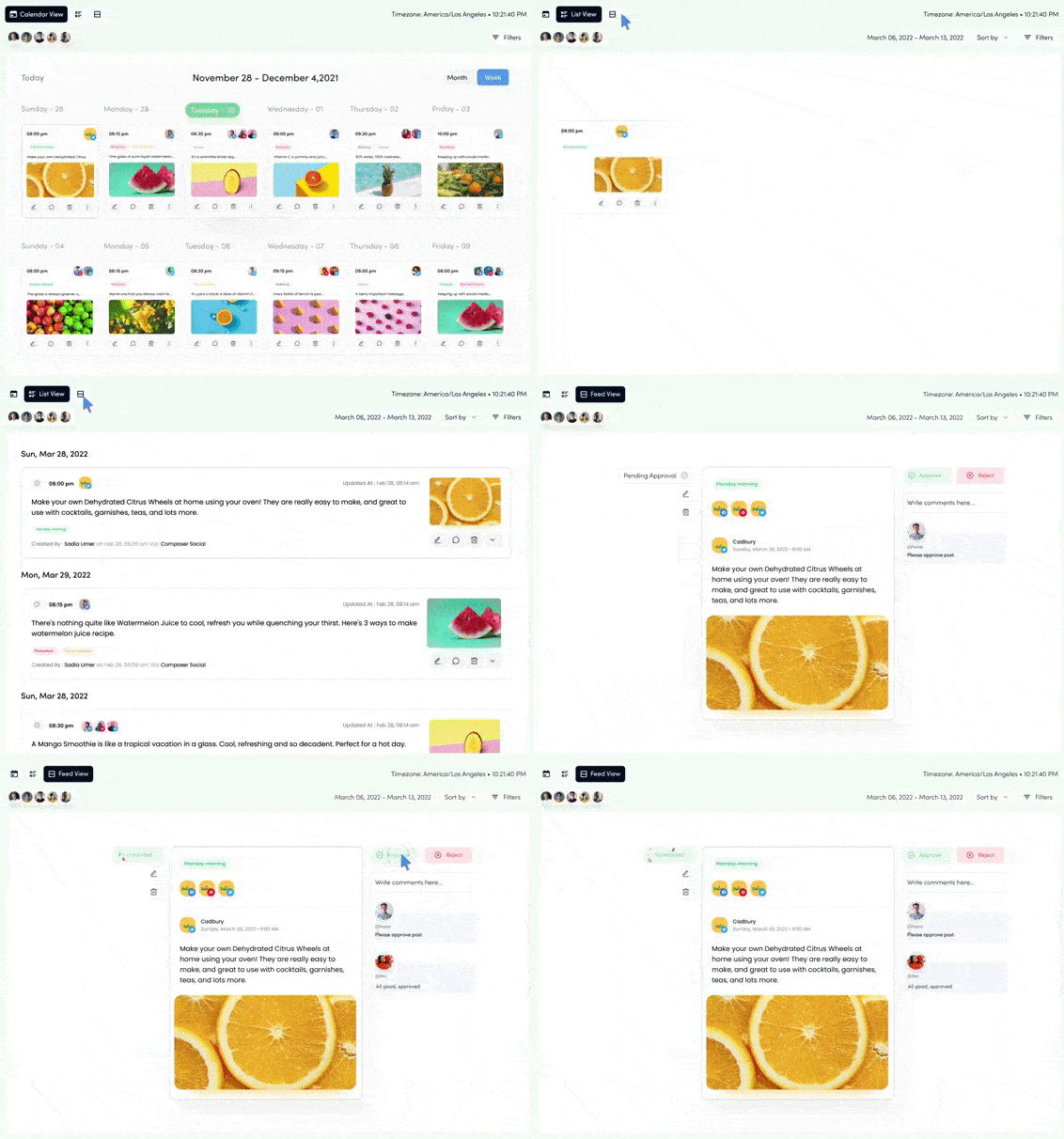
ContentStudio is a content marketing and social media management platform that streamlines content discovery, curation, and publishing.
Key Features:
Content curation
Social media analytics
Social media automation
Analytics and reporting
Social media management
Pros:
It helps you find trending content in your niche, making it easy to curate and share.
Allows you to automate social media posting for consistent engagement.
ContentStudio is suitable for teams with workflow and approval features.
Cons:
Like any new tool, it may take time to understand its full capabilities.
More advanced features are locked behind higher pricing tiers.
It offers basic engagement analytics, but more detailed insights may require integration with other tools.
Other honorable alternatives:
Hootsuite
Sprout Social
2. HubSpot: Customer service platform
HubSpot is an all-in-one inbound marketing, sales, and customer service platform that provides tools to help businesses grow.
Key features:
CRM (Customer Relationship Management)
Email marketing and automation
Landing pages and forms
Pros:
HubSpot offers a suite of tools, including CRM, marketing, sales, and service hubs, all under one roof.
It allows you to automate marketing campaigns, lead nurturing, and sales processes.
Provides detailed analytics and reporting to measure the success of your marketing efforts.
Cons:
HubSpot can be complex for beginners, requiring time to master.
While it offers a free version, more advanced features come at a price.
Small businesses may find its array of features overwhelming.
Other honorable alternative
Sprinkler
Share Spring
3. Brevo: Email marketing tool
Brevo (formerly Sendinblue) is an all-in-one marketing platform that offers email marketing, marketing automation, and transactional emails.
Key Features:
Email marketing
Marketing automation
Transactional emails
Pros:
SendinBlue combines email marketing, SMS marketing, and marketing automation.
It’s beginner-friendly with a simple and intuitive interface.
Competitive pricing, especially for small businesses.
Cons:
Some advanced marketing automation features may be limited.
Despite being user-friendly, it may take time to master all its capabilities.
Email deliverability rates may vary based on the quality of your email list.
Other honorable alternatives:
Mailchimp
Moosend
Active Campaign
4. Replug: BrandedLink Management
Replug is an efficient URL shortener and a complete link optimization platform that helps you optimize, manage, and track your links hassle-free.
Key Features:
Link branding and shortening
White-label solution
Link tracking and analytics
Call-to-action overlays
SMS marketing
Link rotator
Bio-link generator
Pros:
You can customize and brand your links to match your style.
Replug offers link analytics to track link clicks and performance.
Add call-to-action overlays to your shared links to boost conversions.
Cons:
It’s not a content creation tool but focuses on link optimization.
Some advanced features may be behind a paywall.
Other honorable alternatives:
Bitly
Rebrandly
5. Canva: Graphic designing tool
Canva is a user-friendly graphic design tool that empowers everyone to create visually appealing content.
Key Features:
Template library
Drag-and-drop design tools
Collaboration and sharing
Pros:
Canva’s intuitive interface makes design accessible to beginners and professionals.
It offers a vast library of templates for social media, marketing, and more.
Teams can collaborate in real time on design projects.
Cons:
While great for basic design, it may not replace advanced graphic design software.
Brand consistency can be tricky, especially for larger organizations.
Some features may still require design skills to be used effectively.
Other honorable alternatives:
Vengage
Adobe Express
6. WordPress: Content management system
WordPress is a popular open-source content management system that powers millions of websites and blogs.
Key Features:
Themes and plugins for customization
SEO plugins for optimization
Blogging capabilities
Pros:
It’s highly customizable and suitable for various website types.
WordPress is known for its SEO capabilities and offers numerous plugins for optimization.
A vast community ensures plenty of support and resources.
Cons:
Regular updates and maintenance are necessary to secure your website.
Customizing and managing WordPress may require a learning curve.
You may need to invest in plugins and hosting for optimal website speed.
BuzzSumo is a content research and social listening tool that helps you find popular content and track your brand’s online presence.
Key Features:
Content discovery and research
Social listening and monitoring
Influencer identification
Pros:
Discover the most shared and trending content in your niche.
Monitor mentions of your brand or topics relevant to your business.
Find key influencers in your industry for collaboration.
Cons:
Some advanced features may be available only in higher-priced plans.
Learning to use all features effectively may take time.
BuzzSumo primarily focuses on content research and may not cover all marketing needs.
Other honorable alternative
Share Spring
8. Medium: Content publishing network
Medium is a publishing network that allows you to publish written content. There are several content categories to pick from while posting the content. It’s a complete interactive platform with features like the following system: a paid plan, commenting, and liking.
Key Features:
Writing and publishing articles
Partner program for writers to earn income
Curation for recommended content
Pros:
Medium is a go-to platform for written content.
It’s user-friendly and simplifies the process of publishing.
It comes with a built-in audience interested in long-form written content.
Cons:
It focuses on written content, which may not suit all content needs.
There are limited options for writers to make money.
Curate trending content for a better social presence, get ideas for your next blog posts, find new link-building opportunities, or stay updated with the industry via ContentIdeas.
Key Features:
Content topic generator
Keyword research
Competitor insights
Customizable filters
Content calendar integration
Pros:
Save time and effort by generating content ideas in seconds.
Customize content ideas to match your specific niche and audience.
Plan, create, and schedule content all in one place.
Work seamlessly with your team on content projects.
Understand how well your content ideas are performing and make data-driven decisions.
Cons:
The tool may require some time to learn and fully utilize.
Check if the tool integrates with your existing content management systems.
Requires a stable internet connection for real-time updates and collaboration.
Other honorable alternatives:
Google Trends
Exploding Topics
How to use content marketing platforms to drive business?
A roadmap is necessary to achieve any goal. Here’s a road map on how to use content marketing platforms to drive business growth.
Choose the best platform for content publishing.
Streamline your workflow with cutting-edge software.
Distributing the content and boost engagement.
Analyzing analytics and conversions.
Optimize and necessary changes.
How to plan a perfect content marketing strategy?
Here’s what a proper content plan looks like
A content plan is a roadmap of the content that guides your marketing strategy in translating what your brand wants to achieve through content. The emphasis of a content plan is more on the subject matter and the implication of content on the audience.
This is why selecting content marketing platforms was discussed before building the content plan. Understandably, once the content platforms have been selected, your content plan will be built accordingly.
Here are the key elements one should consider in building a content plan:
Setting clear goals
What do you aim to achieve with your content? Whether it’s generating leads, increasing brand awareness, or boosting sales, your goals should be specific, measurable, and attainable.
Keyword research and SEO integration
Keywords are the foundation of SEO. Identify relevant keywords and integrate them strategically into your content. Optimize meta tags, headers, and descriptions to enhance search engine visibility.
Building a content calendar
Plan your content in advance with a ContentStudio’scontent planner. This helps you organize your topics, schedule posts, and stay ahead of important dates and events.
Content creation
This is where the magic happens. Craft compelling and valuable content that addresses your audience’s needs and interests. If you struggle with introductions, reviewing some hook sentence examples can help you grab attention from the first line. Ensure a consistent tone and style across all your materials.
Analytics and conversion
Regularly analyze the performance of your content. Utilize tools like Usermaven to track traffic, engagement, and conversions. Adjust your strategy based on the data.
Creating evergreen content
Evergreen content remains relevant over time. Balance your content strategy with timely and evergreen pieces to ensure consistent traffic.
Content promotion
Producing great content is just half the battle. Promote your content through social media, email marketing, and guest posting to reach a wider audience.
What are the best platforms for sharing your content?
You can share content on the following content platforms:
1. Facebook
Facebook connects billions worldwide, where you can share text, images, and videos. It’s your personal and business hub.
Key Features:
News Feed for posts and updates
Messenger for private chats
Business Pages for brands
Advertising tools for targeting specific audiences
Pros:
Facebook has a massive user base of over 2.8 billion people, providing a vast reach.
You can share text, images, and videos, allowing creative expression.
It’s a great place to engage with friends and family through likes, comments, and shares.
Businesses find it valuable for advertising, brand-building, and gaining insights into content performance.
Cons:
Frequent algorithm updates can affect how many people see your posts without paid advertising.
Facebook has faced privacy concerns, which may worry some users.
Standing out in the crowd can be a challenge.
2. Instagram
Instagram, the visual wonderland, lets you share stunning images and videos. It’s a creative haven for influencers and brand promotion.
Key Features:
Stories for temporary posts
IGTV for longer videos
Reels for short, engaging clips
Business profiles with insights
Pros:
Instagram focuses on visual content, making it perfect for showcasing products and services.
It’s a hotspot for influencer marketing, with popular users promoting brands.
Advertising options are available to reach the right audience.
Features like IGTV and Reels keep users entertained.
Cons:
Like Facebook, Instagram’s algorithm can affect organic reach because of continuous algorithm challenges.
If your content isn’t visually appealing, it may not perform as well.
3. TikTok
TikTok, the addictive platform, offers short, diverse videos. It’s the go-to platform for entertainment and creativity.
Key Features:
Quick, music-filled videos with effects
Duets for collaboration
Challenges for engagement
Pros:
TikTok’s clever algorithm suggests content users love, keeping them hooked.
Users can discover a wide range of content, from funny sketches to educational tutorials.
It’s incredibly popular with younger folks, making it a hit for reaching Gen Z.
Cons:
TikTok has had its share of privacy concerns.
Content is limited to short videos, which may not suit all creators.
YouTube
YouTube, the video giant, hosts a wealth of content. It’s your source of learning, entertainment, and creativity.
Key Features:
Personal channels for creators
Video editing tools
Live streaming
Options for making money
Youtube shorts
Pros:
YouTube is the top platform for sharing videos, ideal for content creators.
Creators can make money through ads, memberships, and merchandise.
It’s a fantastic source for educational and how-to content.
Cons:
The platform is saturated, making it challenging for new creators to gain attention.
High-quality video production may be required to stand out.
Pinterest
Pinterest is a visual treasure trove, inspiring users with captivating images and ideas. It’s a go-to for creative inspiration and visual discovery.
Key Features:
Pins for sharing visual content
Boards to organize pins
Shopping features for e-commerce
Add others’ pins to your boards
Pros:
Pinterest is the place to discover and get inspired visually.
It’s gold for fashion, home decor, and lifestyle businesses.
Pins last longer compared to typical social media posts.
Create boards related to your famous blog categories.
Post pins consistently to increase your chances of ranking.
Focus on quality over quantity in your content.
Cons:
Pinterest attracts users with particular interests in visual discovery.
It’s best for businesses with highly visual products or services.
The whole point of this article is to educate you on paying close attention to your content types, distribution methods, and the right platforms for getting business.
The ultimate goal of your content marketing plan is to bring the customers, sell the products, and build an audience around your brand. It might not happen on a whim, but it takes time.
If your content is working and you’re on the right platforms, things will show indications that you’re moving in the right direction.
FAQs
How do I choose the best content platform for my business?
When choosing a content marketing platform, look for features like ease of use, content creation tools, SEO capabilities, and integration with your existing marketing stack.
What’s the advantage of using Replug for link management?
Replug allows you to create short links, track their performance, and add call-to-action features to enhance user engagement. It acts as a complete hub for easily managing all your branded links from one place.
How do I analyze the conversions or traffic of my website?
You can use tools like Usermaven to analyze website traffic or conversions.
Which platform is best for e-commerce businesses?
Shopify is a great choice for e-commerce businesses, as it provides features tailored to this industry.
Which is the best social media management tool?
Contentstudio is the best social media management tool brands can use.
Are these platforms suitable for small businesses?
Yes, most of these platforms offer scalable solutions, making them suitable for businesses of all sizes.
No, it’s not measuring how many people fall asleep on their keyboards while reading your blog.
Although, if that were a metric, some of us would be setting records!
We get it; creating engaging content in 2026 can be a real challenge.
But worry not!
We’ve put together a practical guide with tips and tricks to help you out. Let’s get started.
What is content engagement?
The term “content engagement” describes a level at which a person is interested in and involved with a specific content. This interaction can take various forms, such as:
Engaging content builds trust and credibility, enhances visibility, and drives conversions. Moreover, it provides valuable feedback for content improvement and fosters long-term relationships with your audience.
To make that process easier, from branding to tracking link performance, many content creators rely on Replug.io as their go-to solution for professional link management and optimization.
Steps to create engaging content
Step 1: Understand your audience – The secret key
Before you put pen to paper, you need to get inside the minds of your readers. What are their pain points?
What keeps them up at night?
Tailoring your content to their needs and desires is the first step to engagement.
Step 2: Craft a catchy headline – Reel ’em in
Your headline is the first thing people see.
Make it count!
All the best headlines have the following qualities:
Emotionally compelling
Problems, questions, and curiosities
Relevant keywords
Perfect length
Clear and specific
Without a catchy headline, your content won’t get a chance to engage readers. So craft headlines that stop readers and compel them to click through. Creating engaging challenges as part of your strategy can motivate readers to interact and participate, enhancing their overall experience with your content.
Step 3: The storytelling magic
Stories connect with people. They remind us that we are more alike than we tend to think. That’s why storytelling is one of the most popular writing methods among marketers.
Some of the stories you can tell:
Success stories
Case studies
Showcase your brand’s values
Your challenging beginnings
Choosing to take chances
Remember, great storytelling combines high-quality content, using real-life stories and testimonials from customers and employees.
Nobody has time for long, dense paragraphs. Format your content for easy scanning, making it accessible and engaging. Lists, for example, are shared more frequently than other types of content.
Try Adding:
Contests
Quizzes
Assessments
Infographics
Learning doesn’t have to be boring or monotonous. It can be a thrilling adventure that keeps you hooked and wanting more.
Step 5: Add some personality – Don’t be a robot
Readers can easily spot when something feels forced or insincere. Try adding some personality.
Whether you’re writing a blog post, an article, or even a social media caption.
Let your true self shine through.
Write as you talk
Be Relatable and Trendy
Use a “behind the curtains” approach
Build suspense
Use User-Generated Content
Be witty or humorous
We know adopting a more formal or generic tone when writing is easy. But when you add relatable content, it builds trust with your readers and also keeps them coming back for more.
Step 6: Power of visuals
Gone are the days when plain text alone could captivate an audience. In this age of “pics or it didn’t happen,” visual content is a must.
A well-designed image or video can instantly capture the viewer’s interest. Stats showed that
Video content generates 1200% more shares than text content.
Infographics are shared 300% more often than text-only articles.
Images are shared 94% more often than text-only articles.
This content format is highly suitable for sharing on social media platforms as it allows for compelling storytelling and visual representation of events.
Step 7: Guide your readers with CTA’s
Every piece of content should have a purpose. So craft compelling CTA’s (calls to action) that guide your readers toward the desired action, whether subscribing, sharing, or purchasing.
Boost your conversion rates with irresistable CTAs with
Some of the evergreen brand-friendly CTA’s include:
Learn more
Sign me up
Get for free
Shop now
Let’s do this
Check now
Try now
Create benefit-oriented CTAs for your websites and multiply your conversion rate and lead generation.
Step 8: Optimize your content
Increase your credibility with potential readers by making it easy for them to find the information they want in your content.
Some tips to optimize your content
Target long-tail keywords
Use key phrases with less competition to rank better
Matching the search intent of a search query
Adding an optimized meta title, meta description, and URL
Fixing technical SEO issues affecting your website
Adding relevant internal links and working on your backlink strategy.
Answer frequently asked questions.
While content optimization focuses on improving the user experience and providing value to visitors, SEO primarily drives traffic and improves a website’s visibility in SERPs.
Step 9: Use of AI tools
You can produce high-quality content that resonates with your audience, thanks to Ai. Here’s how AI helps you in the following fields:
Keyword Suggestions: AI tools can suggest topic keywords, helping you hit the bullseye with your content.
Content Structuring: They help structure your ideas, ensuring your content flows seamlessly and keeps readers engaged.
Data Analysis: AI tools analyze data and trends, giving you precious insights to make your content stand out in the crowd.
Grammar and Spelling: Bid farewell to embarrassing typos and grammar slip-ups. AI tools ensure your content is polished and error-free.
Enhanced Readability: AI paraphrasing tools offer style and tone suggestions, making your writing more engaging and enjoyable.
SEO Optimization: Boost your content’s visibility with AI’s SEO process. They analyze keywords and offer tips to improve your content’s search engine ranking.
AI Checker Support: Many creators now rely on an AI checker to ensure their content remains authentic, high-quality, and free from unintentional overuse of automation. Many writers now use an AI humanizer to make their content sound more natural and emotionally engaging, ensuring every piece feels authentic and truly written by a human. In addition, platforms like Coursiv can help creators integrate these AI insights seamlessly into their workflow, making the process more organized and actionable.
In short, AI tools have transformed content creation into an efficient, streamlined process, saving time and effort.
How do we measure content engagement?
There is a famous saying; ‘what doesn’t kill you makes you stronger.’ When you have a detailed report, you can measure your achievements and identify past mistakes However, tools like Usermavenprovide privacy-friendly websites and product analytics with pre-built reports.
Here are some key metrics to consider:
1. Session metrics
Understanding the average session length helps decipher user behavior. Long sessions signal that your content structure effectively guides users to explore more. Short sessions, on the other hand, can be positive if users quickly find what they seek.
2. Page views and (CTR)
These basic metrics show how many people view your content and click through to read more. While they don’t provide deep insights into engagement, they are still essential indicators.
3. Time spent on page
This metric tells you how much time users are spending on your content. A longer time spent typically indicates higher engagement as it suggests that users are reading or consuming the content rather than quickly bouncing away.
4. Social shares and likes
Monitoring how often your content is shared on social media platforms, and how many likes or reactions it receives, can provide insights into its popularity and appeal.
Utilizing specialized analytics tools like ContentStudio and staying up-to-date with trends in the field is crucial for successful social media engagement tracking.
5. Scroll depth
This metric measures how far users scroll down a webpage. If users are scrolling deeply into your content, they find it engaging and valuable.
6. Email sign-ups
Email sign-ups are the link that connects visitors to leads and future customers. They represent an urge to remain connected. You may efficiently nurture leads by including a simple sign-up option within your content.
7. CTAs & conversion rates
Conversion rates for various CTAs might shed light on how effective they are. However, if your content is part of a larger marketing funnel, track how many users take a desired action (e.g., signing up for a newsletter and purchasing) after going through your content. You may also like
8. Bounce rate
This is the percentage of visitors who leave your website after viewing only one page. A high bounce rate can indicate that your content is not engaging enough or irrelevant to the audience.
Final Word
To measure content engagement effectively, it’s essential to use a combination of these metrics and tools. Additionally, the specific metrics you focus on may vary depending on your goals and the type of content you’re producing.
Regularly analyzing these metrics and adjusting your content strategy based on the insights gained is vital to improving content engagement over time.
You can even use this brilliant link shortener to turn long, messy URLs into polished, branded links, making sharing easier and more trustworthy across social, email, and content platforms.
Have you ever heard the phrase “leaving money on the table”?
Well, cart abandonment is somewhat similar – the customers leave the website without completing the transaction.
Bummer. Right?
Most e-commerce brands struggle with minimizing cart abandonment so that they can squeeze more money from their website traffic.
However, it doesn’t happen unless they have a bullet-proof strategy in place.
To fix the problem, one needs to come up with an excellent shopping cart abandonment email template that tempts the reader to get back to the website and complete the purchase process.
You’re about to learn:
What is a cart abandonment email?
Why do marketers send out cart abandonment emails?
Why buyers abandon shopping carts in the first place?
The best cart abandonment email templates to get inspiration from
How to approach a prospect who has abandoned the cart
But first things first, you must know what the heck is cart abandonment email.
What is an abandoned cart email?
The abandoned cart email is the one that you receive in your inbox when you add a product to your shopping cart on an e-commerce website, but leave the site without completing the transaction.
The purpose of sending an abandoned cart email is to re-engage the customers who left the website without placing the order.
In some cases, e-commerce brands successfully convert those customers who left the website without buying by sending them the best-abandoned cart emails.
I’ve seen some SAAS companies send out a discount offer to website visitors who abandon the shopping cart on their website.
There could be several reasons why customers might abandon a shopping cart, for instance:
Got distracted and left the website
Found the product on a competitor’s website
Changed their mind about buying it
The reason why it’s important to understand abandoned carts and reach out to those customers is that a customer with a buying intent would add a product to the shopping cart.
Such customers are way more valuable than those lurkers who click through your offers from social media ads but never end up buying anything.
So the next time you leave Target or Amazon’s website after adding a product to your shopping cart and receive an email reminder about that product, don’t be surprised.
Do abandoned cart emails work?
Most of the time, they do work unless you mess it up in the email newsletter formatting or send it out too late. No wonder it’s a widely adopted sales strategy. It looks like a lot of brands recover lost sales through abandoned cart emails.
Statistics by Moosend are clear proof that abandoned cart emails actually convert.
Cart abandonment emails exhibit impressive engagement statistics. They achieve open rates of over 40%, occasionally even reaching a remarkable 45%.
Furthermore, half of these abandonment emails are not just opened but also clicked on, with 21% of the opened emails resulting in click-throughs.
The most compelling fact is that 50% of the users who click through these emails go on to complete their purchase. In essence, half of the recipients who engage with the email content ultimately make a purchase, underlining the effectiveness of these campaigns in converting potential customers into buyers.
What do you write in an abandoned cart email?
There is a not rocket science. You have to quickly explain to the customers where they left off when shopping on your website. Showcase the product they added to the cart, and place a CTA button that takes them straight to the shopping.
10 abandoned cart email examples to learn from
Let’s take a look at some of the best-abandoned cart email templates that work for businesses:
1. Fiverr
Fiverr is quick to send out an email to buyers who search for a specific gig but never end up placing an order on the platform.
The freelancing platform finds a bunch of relevant gigs and emails to the buyer. Here’s what I got when I searched for dog-related gigs while doing some research on the platform:
2. Daraz
Daraz is a popular e-commerce website in Pakistan. It was acquired by Alibaba in 2018. Here’s how Daraz sends out emails if you abandoned carts on their platforms.
Here’s what I found:
3. Kayak Media
Kayak Media is a software company that makes small software.
I once wanted to test out one of their softwares, but somehow, I didn’t go through the purchase process.
Then I received this cart abandonment email which sounds about right:
4. NetPeak Software
Netpeak is yet another software company that immediately sends out cart abandonment emails if you don’t complete the purchase process. Here’s an example:
5. Away
Away is an e-commerce website that sells travel and fashion accessories. I stumbled upon their abandoned cart email template while researching this topic. Here’s what their abandoned cart email looks like:
Ugmonk is a desk accessories e-commerce store that sells aesthetically pleasing and classy office and desk accessories. They send out abandoned cart emails in style as well:
Peel is a well-known brand in the phone case space. They sell all sorts of iPhone and Android phone cases. They also send out cart abandonment emails if you don’t complete the purchase and leave their website. Here’s how they send out a reminder via email:
8. Bearsville Soap Company
Bearsville Soap Company has an interesting approach to sending out abandoned cart emails. They have a brief email copy with a CTA that says, “Return to your cart.”
9. ThredUp
ThredUp comes with a straightforward message in their abandoned cart. They have several things added to their abandoned cart email, for instance, discounted prices, coupon codes, and the CTA.
10. Vans
Vans is a footwear brand that sells sneakers for kids, women, and men. They adopted a unique yet interesting approach in their abandoned cart email. They quickly remind the customers who abandoned the cart that they’re still holding the shopping cart for them.
Plus, they go on to mention the products that the customer might also like, which is quite an ambitious approach.
These were some of the examples of abandoned cart newsletters which were using unique and diverse email newsletter templates to attract, re-engage, and convert abandoned visitors. Sure, marketers could take away a lot from these newsletter examples.
Note: If you handle multiple campaigns and want full control over how your links are shared, tracked, and retargeted, Replug is a comprehensive solution that simplifies link management for modern e-commerce marketers.
A complete link management solution
for marketing professionals & agencies.
Try Replug for free
Moreover, by using a branded custom URL shortener, you can generate neat, memorable links for your cart-recovery emails, improving link click rates, brand recall, and overall campaign performance.
Abandoned Cart Email Best Practices
Wondering how do I email someone who’s abandoned a cart?
If you’re curious about emailing customers who have abandoned the shopping cart and are not sure what to do or say, then this section might come in handy.
Compliance with the best practices will give you better results in turning cart abandoners to customers.
Without any further ado, let’s get right into it:
1. Set up the email automation
Email automation is the process of setting up an email sequence that sends out a series of emails to customers depending on the situation.
When a customer signs up on an e-commerce website, usually the first email that comes through is an account verification email. Similarly, when a purchase is made by the user, a confirmation email goes out to the customer.
So most e-commerce platforms seamlessly integrate with email marketing softwares and allow merchants to send out abandoned cart emails.
To get started with sending abandoned cart emails, simply set up an email sequence in your e-commerce platform or email marketing software to get going.
An email newsletter template is an email theme that a sender uses to compose and design the email message.
Keep in mind that most e-commerce businesses go for a fancy email newsletter template when setting up an abandonment cart email.
While an attractive email newsletter template could attract the customers to take action, it could also create a hurdle in engaging the customers.
The reason is that sometimes the email services block out the email template and notify the email receiver to unblock the template if they want to.
This could impact the clickability of the email and divert the attention of the customer to somewhere else. Similarly, a text-only email doesn’t appeal to the customers to take any section.
Therefore, it’s necessary to find a middle ground where you use an email newsletter template that increases the click-through rate of your email.
3. Write a compelling email subject and body
The email subject line and the in-body message are essential parts of the email. No matter how good your offer is, it won’t work out unless you don’t get the email subject line and body right.
The subject line of your cart abandonment email is the gateway to engagement. This can be achieved through various techniques, such as humor, creating a sense of urgency, or utilizing personalized language.
Writing a compelling email subject and body would significantly help you succeed in generating sales from abandoned carts. Whereas, the body of the email message would convince readers to take action or ignore it altogether.
There has always been a debate about the length of the email newsletters. Some believe that it has to be short, sweet, and brief as a well-crafted subject line entices recipients to open the email and explore its contents further. Whereas, a lot of marketers prefer to send out in-depth email newsletters.
Moreover, a catchy and attractive email subject line would massively impact your abandoned cart email open rate.
4. The first email reminder:
The first email should ideally be dispatched within an hour or two of cart abandonment. At this point, the shopper’s interest is at its peak, making them more likely to return and complete the purchase.
Subsequent reminder emails can be strategically spaced out over a few days or a week to gently encourage the customer to take action without bombarding them with messages.
5. Test out the email sequence
It’s vital to do testing before you move on to the next thing. Don’t shy away from sending out a few test email sequences to yourself to be 100% sure about this.
If you don’t test your abandoned cart email sequence, you’ll never know what customers receive when they abandon the cart.
6. Follow-up sequences:
Achieving the right balance in terms of email frequency and timing is crucial. While follow-up emails are effective, sending too many in quick succession can irritate recipients. Experiment with different timing strategies to identify what resonates best with your audience without inundating them with reminders.
A series of follow-up emails can be a powerful strategy if the initial reminder email doesn’t lead to a conversion. These subsequent emails can build upon the previous messages, progressively strengthening the offer or message. By providing additional incentives or addressing specific objections, you increase the likelihood of convincing hesitant shoppers to complete their purchase.
7. Clear & compelling content:
The content of your cart abandonment email should be clear, concise, and compelling. It should remind the shopper about the items they left behind, emphasizing the unique benefits of those products. Explain why completing the purchase is an excellent decision, using persuasive language and complementing your message with high-quality images of the products. The aim is to reignite the shopper’s interest and urgency to buy.
8. Personalization:
Personalization adds a human touch to your emails. It involves addressing the recipient by their first name and referencing the specific items left in their cart. This level of personalization can significantly increase engagement because it demonstrates that you’re paying attention to their preferences and needs.
Urgency and scarcity tactics can create a sense of FOMO (fear of missing out). You can implement these tactics by mentioning limited stock quantities or including countdown timers for discounts or promotions. These elements encourage recipients to take prompt action, fearing they may miss out on a great deal.
10. Call-to-Action (CTA):
The call-to-action (CTA) is the key element that prompts recipients to take action. It should be clear, visually striking, and placed prominently within the email. The CTA button should guide the recipient directly back to their abandoned cart or the checkout page. Use action-oriented language in the CTA, such as “Complete Your Purchase” or “Get Started Now,” to motivate immediate action.
Boost your conversion rates with irresistable CTAs with
Incentives are powerful tools to entice shoppers to return and complete their purchase. Common incentives include limited-time discounts, free shipping, or complimentary gifts. To maximize the effectiveness of incentives, ensure they are directly relevant to the items left in the abandoned cart. Additionally, clearly communicate the urgency of these incentives to drive immediate action.
12. Mobile responsiveness:
Given the prevalence of mobile shopping, it’s imperative that your cart abandonment emails are mobile-responsive. Mobile-responsive design ensures that your emails display correctly and are easy to navigate on smartphones and tablets. To ensure compatibility, thoroughly test your emails on various devices and email clients to guarantee a seamless experience for all recipients.
13. Segmentation:
Segmentation is a strategic approach to dividing your email list into distinct groups based on customer behavior, purchase history, and the value of the abandoned cart. Once segmented, you can tailor your email messaging to suit the unique preferences and needs of each group. This level of personalization can significantly enhance engagement and conversion rates.
14. Social proof:
Social proof is a psychological phenomenon that influences behavior. In your cart abandonment emails, you can leverage social proof by showcasing positive reviews, testimonials, or product ratings from satisfied customers. By highlighting the experiences of others, you build trust and demonstrate the popularity and quality of your products, making recipients more inclined to complete their purchase.
15. Privacy and trust:
In an age of heightened concern for data security and privacy, assuring customers of their information’s safety is paramount. In your cart abandonment emails, display trust symbols, security badges, and contact information prominently to instill confidence. By addressing these concerns, you build trust and reduce potential barriers to completing the purchase.
16. A/B Testing:
A/B testing, also known as split testing, is a method of experimentation where you compare two versions of an element within your emails to determine which performs better. This can involve testing different subject lines, email content, CTA buttons, or incentives. A/B testing is an ongoing process that allows you to fine-tune your emails and optimize their performance based on data-driven insights.
Providing accessible customer support options in your cart abandonment emails demonstrates your commitment to customer satisfaction. Include easy-to-find contact information or a chat option for recipients who may have questions or need assistance. A responsive and helpful customer support system can contribute to higher satisfaction levels and increased conversions.
18. Opt-out option:
Including an opt-out or unsubscribe option is both a best practice and a legal requirement to comply with email regulations. This feature allows recipients to stop receiving emails if they no longer wish to be contacted. Respecting recipients’ preferences is not only ethical but also important for maintaining a positive brand reputation.
19. Analytics and monitoring:
Leveraging analytics tools is essential for tracking the performance of your cart abandonment email campaign. Key metrics to monitor include open rates, click-through rates, conversion rates, and the revenue generated from the campaign. By closely analyzing these metrics, you gain valuable insights into the effectiveness of your strategy and can make informed adjustments.
FAQs About Abandoned Cart Emails
Let’s shed some light on the frequently asked questions about abandoned carts:
How many abandoned cart emails should I send?
There is no right or wrong way of doing this, especially when it comes to the number of emails one should send out when a customer abandons the shopping cart. Most brands send out one email to remind customers to complete the transaction. However, some brands send up to three abandoned cart emails.
How to keep unwanted emails away?
There are several settings available in the user account settings area on almost every e-commerce platform. Users must go through the settings and alter the settings for notifications, promotional offers, and emails. That’s the perfect way to keep unwanted emails away from your inbox.
Is it legal to send abandoned cart emails?
An abandoned cart email is just another email newsletter that you send to your customers. Make sure you have mentioned in the email or communication section of the terms and conditions of your e-commerce website that the customers may receive promotional or abandoned cart emails from the brand.
What is the best time delay for an abandoned cart email?
It depends on multiple factors, such as time zone, genre, demographics, etc. For instance, if a customer is shopping at 3 a.m. and abandons the cart, you might not want to send out that abandoned cart email at 4 a.m. because he might have gone to bed.
Therefore, you can always test out different time delays so that you can decide what works best for you. Give it at least 10 to 12 hours before you send out the first email.
Using only tried-and-true advertising methods won’t cut it in the 21st century. Nowadays, consumers are flooded with knowledge, so companies need to do something creative to stand out.
In such a case, collaborative marketing is an innovative and fruitful marketing method. In this approach, two brands can work together to build positive connections, share resources, boost sales, and increase their respective audiences.
To make collaborative campaigns simpler and more trackable, especially when multiple partners are involved, many teams rely on a dedicated link management platform to organize, share, and monitor their marketing URLs.
Let’s dive into the world of co-branding by looking at its advantages and some inspiring examples of how businesses use it to bring about incredible results.
What is collaborative marketing?
Collaborative marketing is a straightforward and exciting idea. Instead of competing against each other, businesses typically choose to team up and form collaborative partnerships.
This way, brands get to hit the jackpot in making sales and getting their brand out there to a broader audience.
Collaborative marketing definition:
When two or more companies work together to promote their goods and services, it’s known as the practice of collaborative marketing, frequently referred to as co-branding.
How do brand collaborations work?
Brand collaborations aim to utilize each brand’s strengths and equity to achieve specific business goals. In the notion of co-branding, here’s how brand collaborations work.
Determining the Goal
Choosing Suitable Partners
Establishing Responsibility and Values
Creating Co-Branded Products or Services
Quality Assurance and Product Growth
Customer Engagement
Success Metrics
Retaining the Connection
5 benefits of collaborative marketing
Here are 5 benefits of collaborative marketing or co-branding:
1. Greater brand awareness and recognition
Collaborative marketing leverages other businesses’ reach and resources to boost market presence. When two businesses work together to promote one another’s goods or services, it can boost both companies’ reputations and attract new customers.
Note: By using branded and easy-to-share short link URLs for co-branded campaigns and cross-promotions, both partners make it easier for audiences to remember and engage, increasing the chance of conversion or sharing.
2. New leads and a strong customer base
Having a new audience increases brand awareness and expands the sources of lead generation and potential customers for both companies. By introducing new and improved products through unique campaigns, co-brands have the potential to encourage potential customers to purchase their products and services.
Furthermore, brands can potentially attract conversions from customers not typically part of their target audience.
3. Cost-effective and better (ROI)
Businesses can cut down on their marketing budgets by working together. This is a more cost-effective method of advertising for smaller companies. Also, brands can increase their return on investment (ROI) and build a growth marketing strategy with a more significant impact by combining their resources, experience, and marketing expenditures.
4. Greater credibility
By engaging in strategic partnerships with established businesses, companies can strengthen their credibility and foster trust among their intended audience. This partnership may provide an image that is more dependable and trustworthy in the eyes of the customer.
5. Data insights
Collaborative efforts can provide access to valuable customer data and insights, helping brands better understand their target audiences and refine their marketing strategies for improved results.
Steps to a successful collaborative marketing approach
Identify Potential Partners
Determine which brands or businesses align with your goals, target audience, and values. Look for mutually beneficial partnerships.
Set goals
Define clear goals for your collaborative marketing campaign, such as increasing brand awareness, expanding customer reach, or boosting sales.
Plan a Marketing Strategy
Plan a unique marketing strategy with the partner brand, including co-branded ads, PR campaigns, publications, discounts, shared social media, referral/commission plans, and joint promotions.
Setup terms and conditions
Once you establish a partnership, set up terms such as the products or services, promotional plans, launch plan, budget breakdown, and time frame.
Create Co-Branded Content
Create co-branded commercials, content, and materials that reflect both brands and connect to your mutual audience.
Track and Measure Results
Continuously monitor the campaign’s performance using key performance indicators (KPIs) and analytics to assess its impact and make necessary adjustments.
Some creative examples of collaborative marketing
Here are some examples of successful co-branding:
1. Nike & Apple
Nike and Apple’s collaboration resulted in the iconic Nike+ Running app seamlessly integrating with Apple devices.
This partnership encouraged users to track their runs, share progress on social media, and compete with friends, ultimately enhancing the user experience and benefiting both brands.
2. Doritos and Taco Bell
The collaboration between Doritos and Taco Bell resulted in the creation of the “Doritos Locos Tacos,” which quickly became a sensation.
This unique product showcased Taco Bell’s taco wrapped in a crunchy Dorito shell, maintaining the delightful flavors fans adore. The packaging featured clever co-branding to reach out to a wider audience.
3. BMW & Louis Vuitton
Louis Vuitton has developed an exclusive assortment of luggage specifically designed for the plug-in hybrid BMW i8 by BMW. The objective of this collaboration was to reach a specific, high-end audience by capitalizing on their shared values and admiration for talent and innovation.
4. Burger King & McDonald’s
In an unexpected move, Burger King collaborated with its competitor, McDonald’s, to promote each other’s brands.
The popular whopper food item was temporarily taken off the menu at Burger King in favor of a charitable project. The public’s response to this imaginative effort was overwhelmingly positive and highlighted an innovative viewpoint within the same field.
In conclusion, collaborative marketing is a powerful and adaptable tactic that is changing the face of business. Brands can get increased visibility, lower production costs, higher reputation, access to a wider range of expertise, and much more.
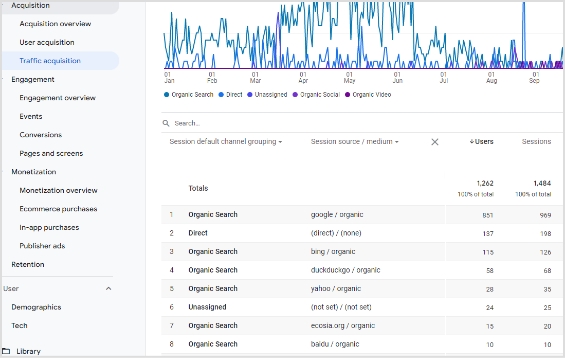
Picture this: you have a website, and you want to know where your visitors are coming from to improve your strategies. But there’s a tricky kind of traffic called “dark traffic.” It’s like visitors arriving in disguise – you can’t tell where they’re really from. This is a problem because you can’t figure out what’s working or not in your marketing.
Dark traffic happens because sometimes, visitors directly type in your website’s address or use bookmarks. Also, links shared in private messages or some apps can’t be tracked properly. So, even though they’re visiting your site, you don’t know where they’re coming from.
Solving this puzzle is essential. By understanding dark traffic better, you can make your marketing smarter and improve how you reach people. That’s exactly what Replug.io is built to help you with, shedding light on hidden traffic paths so you can make more data-driven decisions.
Let’s dive into the world of dark traffic, learn why it’s a challenge, and find ways to uncover the hidden paths your visitors take to reach your website.
What is dark traffic?
Dark traffic refers to the website or app traffic that is attributed as “direct” traffic in analytics tools, but its true source or origin is not accurately tracked or identified. In other words, it’s traffic that comes to your website or app without clear referral information.
There are several reasons why dark traffic may occur, including:
Direct bookmarks:
Users manually typing in your website’s URL or using a bookmarked link.
Untracked links:
Links shared through private messaging apps or email that are not properly tagged with tracking parameters.
Mobile apps:
Traffic from mobile apps might not pass referral information correctly.
HTTPS to HTTP redirects:
If a user clicks a link on an HTTPS site that redirects to an HTTP site, referral information can be lost.
Social media apps:
Links clicked within social media apps might not always be accurately tracked.
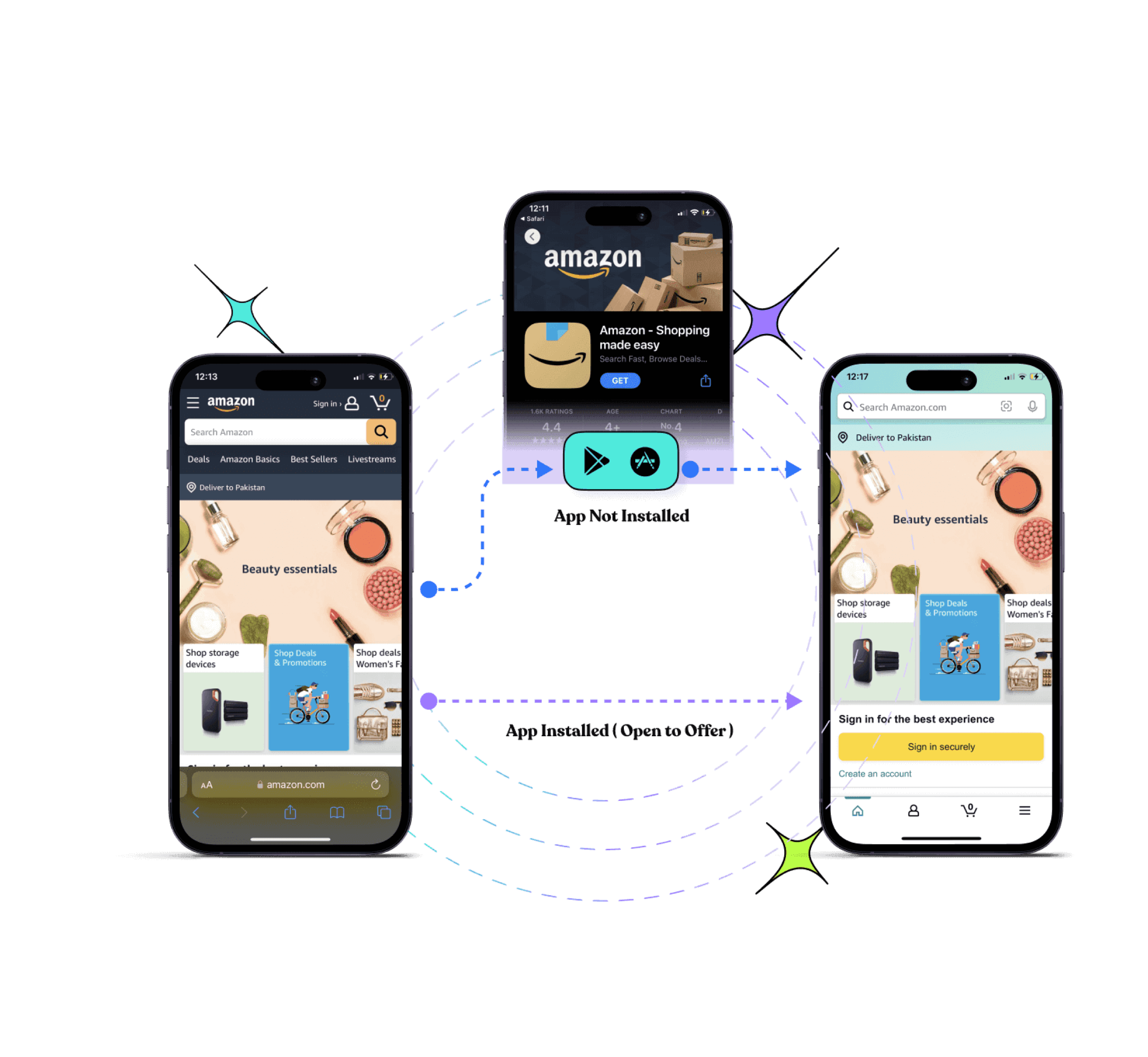
Drive more clicks, conversions, and app installations by deep linking
to your favorite platforms.
Try deep links for free
How to resolve the dark traffic problem?
To deal with dark traffic, consider the following steps:
Implement UTM parameters:
Use UTM parameters in your links whenever you share them online. UTM parameters are tags added to the end of URLs that help track the source, medium, campaign, and other relevant information about the link. This can help you better categorize your traffic and attribute it accurately.
Note: When you need to shorten a link, using a branded link shortener like Replug can help you add UTM tags more cleanly and still get precise attribution, making your analytics much more reliable.
Use analytics tools:
Utilize web analytics tools like Google Analytics or Usermaven to track and analyze your website’s traffic. While these tools may not completely eliminate dark traffic, they can provide insights into trends and patterns that might help you identify sources of direct traffic that should be categorized differently.
Monitor referral sources:
Regularly check your analytics data to identify unexpected spikes in direct traffic. Investigate the source of these spikes to determine if they are the result of dark traffic or if there might be new referral sources that are not being properly tracked.
Educate team members:
Ensure that everyone who shares links on behalf of your organization is aware of the importance of using properly tagged links with UTM parameters.
Improve tagging:
If you’re using social media or other platforms to share links, ensure that these platforms are correctly handling referral information. Some platforms might strip out referral parameters, leading to inaccurate tracking.
Monitor trends:
Keep an eye on traffic patterns and trends. If you notice a consistent pattern of dark traffic from a specific source, it might be worth investigating and finding ways to properly attribute that traffic.
Regularly review and clean data:
Periodically review your analytics data to identify and clean up any discrepancies or misattributions.
While it’s challenging to completely eliminate dark traffic, taking these steps can help you minimize its impact and gain a clearer understanding of your website’s true traffic sources.
Dark traffic scenario
Imagine you’re the owner of a thriving online fashion store, and your website is bustling with activity. You’re excited about the traffic flooding in, but there’s a twist. A significant portion of your website’s visitors fall under the mysterious realm of “dark traffic.”
You log into your analytics dashboard and notice that a substantial chunk of your traffic is labeled as “direct traffic.” This is the category that includes visitors who type in your website’s URL or use bookmarks to access your site. While this is expected to some extent, you suspect that not all direct traffic is as it seems.
You’re aware that social media shares and private messages could be contributing to this direct traffic, but without proper tracking, you can’t pinpoint the exact sources. This puts a wrench in your efforts to measure the effectiveness of your marketing campaigns accurately.
You know that understanding your traffic sources is crucial for making informed decisions. You want to know which campaigns are driving the most visitors and which platforms are performing best. Without proper attribution, your marketing strategies could miss the mark.
Solution: Unmasking the shadows
Armed with the knowledge that dark traffic can skew your insights, you decide to take action:
UTM parameters: You start incorporating UTM parameters into your links whenever you share content. These magic tags allow you to tell Google exactly where the visitors are coming from. Now, whether it’s a link shared on Twitter, in a WhatsApp message, or through email, you’re covered.
Segmentation: You dive into your Google Analytics dashboard and create a segment specifically for direct traffic. This allows you to isolate the dark traffic and understand its impact better.
Page analysis: Navigating to the “All Pages” section, you look for anomalies. Certain pages seem to have unusually high direct traffic. You cross-reference these with your marketing campaigns and recent shares.
Education: You make sure your team is well-versed in using UTM parameters. You emphasize the importance of tagging links correctly to avoid the shadowy realm of dark traffic.
Refinement: Armed with insights from UTM-tagged links, you refine your marketing strategies. You identify which platforms are truly driving traffic and adjust your efforts accordingly.
Continual monitoring: You understand that dark traffic isn’t entirely escapable, but you commit to regular monitoring and adjustments to keep it at bay.
By unveiling the sources of your dark traffic, you’re not only improving your data accuracy but also making more informed decisions about your marketing efforts. The hidden paths are no longer a mystery – you’re shedding light on the shadows and navigating your website’s success with clarity.
Boost your conversion rates with irresistable CTAs with
Dark traffic makes it difficult to understand the true sources of your website’s traffic and the effectiveness of your marketing efforts. Without proper attribution, you might misinterpret the impact of your campaigns.
How does dark traffic happen?
Dark traffic can occur when users manually type in URLs, use bookmarked links or click on links shared through private messages or certain apps. Referral information can be lost in these cases.
What are UTM parameters?
UTM parameters are tags added to the end of URLs to track the source, medium, campaign, and other information about a link. They help in accurately attributing traffic to specific sources.
How can UTM parameters help with dark traffic?
UTM parameters provide a way to tag links shared on different platforms, ensuring that even if the traffic appears as direct, you know its true origin.
What are some common sources of dark traffic?
Direct bookmarks, links shared in private messages, traffic from certain mobile apps, and links clicked within social media apps can contribute to dark traffic.
How can I prevent dark traffic?
To minimize dark traffic, use UTM parameters consistently, educate your team on their importance, and monitor referral sources regularly to identify anomalies.
Can I completely eliminate dark traffic?
It’s challenging to eliminate dark traffic entirely since some direct traffic is legitimate. However, you can take steps to reduce its impact and improve tracking accuracy.
How do I analyze dark traffic in Google Analytics?
Use segmentation to isolate direct traffic. Analyze specific pages that might have unusually high direct traffic. Look for patterns and trends that can indicate the origin of this traffic.
Brand marketing and online branding have become critical elements for conquering the digital landscape.
Designing a strategic marketing road map has become necessary to understand the fundamental idea of branding.
Multiple brands have successfully demonstrated effective brand building and brand marketing strategies.
Apple stands out with its sleek design, innovative products, and consistent messaging that evokes sophistication and forward-thinking.
Coca-Cola’s timeless branding focuses on fostering emotional connections and spreading happiness through their refreshing beverages.
One excellent tool to help execute and manage branding efforts is Replug, which allows marketers to create and distribute branded links across multiple channels.
Let’s elaborate on the basic concepts and then we’ll move forward to the details.
What is a brand?
A brand is a business or company that sells a product or service and has positioned itself into a well-reputed business in the niche or market segment.
Plus, the brand identity and positioning in the users’ minds play a vital role in the establishment of any brand.
Brand Attributes
Brand attributes are the traits that reassure the brand values by implementing the core values of the brand.
Here are the most common brand attributes that shape brands’ perceptions:
Relevancy: Brand relevancy means how relevant a brand’s approach is toward prospective customers. The target audience is key to getting noticed by the market segment.
Consistency: Stick with your publishing or marketing regime, especially if it’s working out for you because consistency takes you ahead of your competition.
Credibility: Credibility revolves around how a brand is perceived by people. Brands put a lot of effort into building brand reputation because being in the audience’s good books is essential for repeat clients.
Positioning: Brand positioning is an attribute that showcases how a brand shapes its image in the customers’ and prospects’ minds.
Types of Brand Attributes
Brand attributes can be divided into two types:
i. Hard brand attributes: These are the properties involving visual appearance and tangible qualities. It includes logos, brand names, slogans, sign boards, mascots, etc.
ii. Soft brand attributes: These are the characteristic values of a brand in the customers’ minds. It includes uniqueness, trustworthiness, innovation, convenience, etc.
What is branding and why is it important?
Branding is a marketing buzzword widely used in the sales, marketing, and public relations departments.
Branding is a strategy to build a company’s identity and carve out an image in the end-users’ minds.
The purpose of branding is to create awareness and spread the word about the brand.
For instance, Nike is an American brand known for manufacturing athletic shoes, apparel, and sports equipment. Plus, they sponsor sports celebs and sporting events across the globe.
The reason we all recognize the “Nike” logo is that they have spent billions of dollars over the years on building their brand’s identity.
Branding encapsulates everything from creating the identity of a brand to shaping the perception through several tactics, such as:
Choosing a brand name
Creating a logo
Making the branded stationery
Designing the official merchandise
Putting up the sign boards
Printing the pamphlets
Benefits of branding
Here are some key benefits of branding to remember:
Builds trustworthiness: Branding is crucial to building trust between a brand and the consumer base. A brand’s logo, name, slogan, and colors help develop recognition among the masses.
Establishes brand positioning: Brand positioning is the image of a brand in the customers’ minds. Often brands’ are known for their high-quality products or low prices and such perks help shape their position in the end-users’ minds.
Infuses brand loyalty: Branding sparks brand association that pulls the loyal customers and fan base toward their favorite brands. Brands understand the psychology of brand loyalty so they use branding to leverage that brand association in their marketing campaigns.
Helps customer acquisition: Branding works as a channel to communicate, attract, and engage both existing and potential customers. Companies use all sorts of channels to promote their branding, for instance, giveaways, charity events, sponsorship, etc.
Inspires purchase decisions: Since branding is all about creating awareness about a brand with direct and indirect brand promotion, it excites potential buyers and loyal fans to make a decision who are on the fence.
What is brand marketing?
Brand marketing is a process of establishing a connection between a brand and its users.
Brand marketing focuses on highlighting the effectiveness of a brand and how the entirety of the brand is important to the customers’ survival in the market.
Brand marketing doesn’t emphasize selling the product or service directly. Instead, it paves the way for building and growing a strong relationship with the end users.
Most brands opt for the traditional route and use digital marketing mediums like ads, email, and social media for product marketing. As a result, their goal gets tied with the transactional part of the communication.
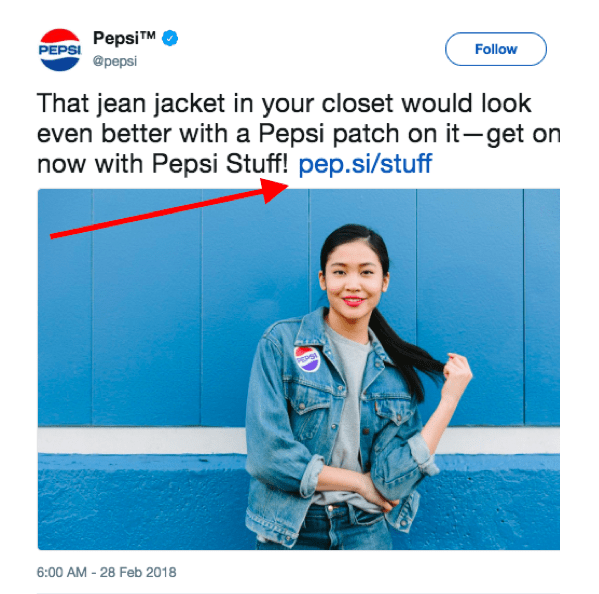
Pepsi’s brand marketing strategy revolves around capturing the spirit of youth and pop culture. Pepsi’s online brand marketing efforts are a testament to their ability to connect with consumers in the digital sphere.
Pepsi employs branded URLs strategy to reinforce brand recognition and simplify online experiences. For this, they use a reliable URL shortener, which helps convert long campaign links into clean, memorable, and trackable branded links.
By using customized short links featuring their brand name, Pepsi ensures consistent branding across digital channels.
What’s the difference between branding and marketing, and which comes first?
The main difference between branding and marketing is that branding brings recognition, identity, and positioning. Whereas, marketing gets brand attention, eyeballs, and engagement.
The branding vs. marketing debate isn’t worth it because both are essential from publicity and sales standpoints.
However, if you’re wondering which one comes first, it’s pretty clear that branding comes first.
For instance, if you launch an SEO agency, you’d start with a brand name, logo, domain, and website instead of hopping on Facebook to run Facebook ads.
What are the types of brand marketing?
There are several types of brand marketing, the below-mentioned three are the popular types of brand marketing:
i. Corporate brand marketing: It revolves around companies’ strategies to develop their reputation and build a connection with the audience through different means. These corporations often communicate their brand values through a mission statement, promotional offers, and press releases.
ii. Personal brand marketing: Personal brands are individuals who have managed to hone in on certain areas and dominate a small segment of the market. Social media influencers cash in on their personal brands. They use content distribution by leveraging social media platforms and amassing an audience which wants to listen to them.
iii. Product brand marketing: Product brand marketing is a process of branding a specific product by pouring all energies into it. In product brand marketing, brands often pick their best-performing product and try to put it on a pedestal to win the attention of the end users.
4 things to keep in mind when developing a brand marketing strategy
A branding marketing strategy doesn’t build on a whim – it always takes some time to put together a strong brand marketing plan.
Here are a few key elements to consider when developing a brand marketing strategy:
Brand marketing is a long-term strategy. Don’t rush it. Otherwise, you might end up frustrated within a few weeks. It’s about building a brand’s identity based on the available resources, relationships, and communications.
It takes time to reap the fruit. It’s not a short-term marketing strategy like an ads campaign that shows results at the end of the week, month or quarter.
It is ongoing and can take many forms. It doesn’t only revolve around choosing a brand name, opting for a nice logo, and designing the brand’s stationery. In fact, brand marketing encompasses everything you do to establish your brand’s identity through collaborations, partnerships, sponsorship, giveaways, etc.
The overarching goal of brand marketing is to grow the business, whether it’s done through building relationships with new prospects, attending seminars or industry meetups, or launching a content marketing plan to attract, engage, and convert the audience.
An effective brand marketing strategy involves understanding different market attributes, including brand positioning, which is a critical aspect that helps shape how a brand is recognized. In Cincinnati, diverse techniques are blended to leverage brand presence and reach an amplified audience base. This modern approach includes collaboration with a leading Cincinnati marketing agency that inspires local and international brands by marrying traditional concepts with contemporary technology and creative executions.
How to build a strong brand marketing strategy?
Brands with strong business positioning in their industry often are the ones that build a branding strategy and follow it. Remember, it’s not a get-rich-quick scheme; branding is a real deal.
Here are 9 tips that can help you can build a strong brand marketing strategy:
1. Identify your brand marketing goals and vision
The first and foremost thing to do when building a strong brand marketing strategy is to identify the brand’s marketing goals. Every brand sets eyes on certain targets to achieve.
In order to build a powerful brand marketing strategy, start by envisioning the future. It doesn’t matter whether it’s gaining a significant market share or entering into a monopolistic market. Collaborating with a specialized marketing agency can provide valuable insights and expertise in reaching your branding goals.
Once the brand marketing goals have been set, it gets easier for the team to execute marketing and branding plans.
2. Develop your brand identity
The brand identity means what this brand stands for or is known for. These brands try to develop their brand identity to attract potential customers and social media audiences.
When brands educate the audience about their belief system, they basically share what they believe in to spread brand awareness. Many organizations use digital sign software to display these messages consistently across offices, stores, and public spaces. Almost every brand tries to position itself as culturally diverse, with no tolerance for racism, and gender equality.
4. Build brand loyalty
To create a strong brand marketing structure, it’s vital to have brand loyalty on the customers’ part. Brands pay close attention to the ideas that help them earn brand loyalty from customers.
Once these things sort out, building a brand identity seems like a piece of cake.
5. Research target market
Understanding the target market and the challenges that might arise is crucial to establishing a solid brand marketing strategy.
Researching the target market means analyzing the market segment you’re about to enter to help bring clarity to the process.
Brands often turn a blind eye to the competition, which is a big mistake. There may have been a couple of reasons: the first is that they overrate themselves right at the beginning of the journey and the second is that they think competitors won’t notice them, so they don’t consider their competitors a threat just yet. Understanding your target market also helps shape your content, SEO, and advertising strategies to match customer expectations. For businesses looking to scale without building an in-house team, partnering with the best white label SEO service can streamline audience targeting and ensure consistent, high-quality search visibility.
There are two factors to consider when considering research on the target market for building a brand marketing plan:
Narrow in on the target audience: Zooming in on the right segment of the audience would take you closer to the target audience. This is exactly what every brand dreams of when entering the market.
Know your competition: Every brand that excels on social media or in SEO is always aware of its competition. They closely follow their content strategy, social media content distribution, SEO tactics, and more. To make this process more efficient, many teams automate data collection using proxy scraper tools, which help track competitor site activity and gather structured insights at scale.
The target market research would take you ahead of many competitors who don’t care much about understanding the competition or haven’t had a chance to learn more on this topic.
6. Determine your brand marketing tactics
One of the important steps when building a brand marketing strategy is to determine what route to take to get to the destination. The decisions such as color schemes, blog content style, social media content strategies, and other strategies fall into this category.
Clarifying the brand marketing tactics would provide the team with a roadmap to follow and help develop a system to save time in the future. Using Gantt chart software can make planning and visualizing these tactics easier, ensuring tasks are organized and deadlines are met.
However, there are always some inside secrets that only team members know and these secrets aren’t supposed to get out. The reason is that competitors spy on you the way you keep an eye on them.
The keys to remember when determining the brand marketing tactics are:
Develop brand marketing collateral: Branding marketing requires a set of tools and resources. Developing an arsenal whether it’s a PDF outline or a list of online tool subscriptions – this would come in handy for the team.
Outline a messaging strategy: The message-driven content always does better than vague and pointless content. Make sure that the content is sending out a clear, concise message to the chosen audience.
Define messaging and positioning: It’s necessary to communicate to see that everyone is on the same page. The team must be crystal clear about the brand position. Don’t shy away from explaining the brand message to the team to ensure that every individual team member knows about it.
7. Rollout a timeline
Rolling out a timeline means allocating a time window to a specific project or campaign. Brands always set a timeline whether they’re hiring a new freelancer or opting for a new URL shortener.
It’s best to set a timeline for a campaign to analyze its performance and effectiveness at the end. Brands usually choose monthly, quarterly, biannual, and annual timelines for their campaigns.
When you’re building a brand marketing strategy, don’t hesitate to choose a time frame for the strategy. The reason why it matters is that it helps brands measure the performance of the campaign afterward.
8. Create a consistent brand image
One of the goals of establishing a strong brand marketing strategy is to come up with a consistent brand image. A brand image means building a positive brand reputation among customers.
Burger King UK faced backlash for tweeting ‘Women belong in the kitchen’ on International Women’s Day. The tweet was criticized for its insensitive and derogatory language, which undermined the significance of the day and perpetuated harmful stereotypes about women. Many people expressed their disappointment and called out the fast-food chain for the inappropriate message. Burger King later issued an apology and acknowledged the need to deliver a more respectful and inclusive message.
This example shows why it is crucial for companies to recognize the importance of fostering an inclusive and supportive environment both online and offline. Small gestures, like providing personalized office items such as custom paperweights, can also contribute to creating a more welcoming and cohesive workspace.
The brand position or image doesn’t establish overnight; it takes forever to establish a brand in the eyes of the audience. It requires continuous effort and a dedicated plan to pull this off.
Brands that successfully establish their reputation and goodwill try to continue that momentum and live up to the customers’ expectations. No wonder they build this brand position and image over the course of several years.
Therefore, it’s vital to make efforts to create a consistent brand image through actions, offerings, customer support, high-qualityproducts/services, and pricing to build and maintain a strong brand reputation.
9. Measure the success of your brand
No one wants their successful strategies to go unnoticed because otherwise they wouldn’t realize what worked for them and might as well try something new.
Therefore, the success measurement of the brand marketing campaign is crucial to the whole process.
In order to get disciplined about measuring the success of the branding strategies, keep the following tactics in mind:
Create brand guidelines: Don’t sleep on setting the ground rules for everyone to follow. It could be anything from choosing the best time to post on TikTok to using a specific font for social media image copies.
Make sure your product delivers on your promise: The product or service has to be top-notch to fulfill the promise. Otherwise, your marketing tactics would fall flat.
The question you might ask is how someone could measure the success of their brand marketing strategy.
Well, there are several indicators that might give you an idea of how well or badly your brand marketing campaign has performed over the course of the campaign, such as:
These indicators may vary from brand to brand. I won’t be surprised if some brand would go further down the rabbit hole and analyze numerous other factors to measure the success of their branding campaign.
How to use social media to market your brand successfully?
Social media has become an important part of the marketing arsenal. No individual or brand could think of marketing a brand without using social media.
The reason why social media is inevitable in marketing is because it has the attention of the masses. Now social media platforms have over 1 billion monthly active users.
So, you might wonder how you can use social media to market your brand without breaking the bank. Well, I have a handful of tips that would help you cash in on the social media real estate:
Create a community of like-minded people: Don’t shy away from starting something from scratch. Build a community of true fans or like-minded people using a Facebook group discord channel or any other similar tool.
Put out compelling, helpful content: Publishing high-quality, effective, and useful content is your ticket to engagement, attention, and eyeballs. Social media ads won’t cut it for most people, so use content marketing as a great alternative to advertising.
Build a strong relationship with the audience: Building a healthy, strong relationship with your audience means you care what they want to know or learn. Provide them with efficient customer support and help them out by going out of the way – it will make a difference in the long term.
Show up consistently on social media platforms: One of the best strategies to market a brand on social media is to consistently show up on social media platforms. You could always use a social media scheduling tool like ContentStudio to schedule your posts for the future.
Use promotional strategies to spice things up: Most brands only focus on once-a-year discounts. However, if you’re a B2C company, then use giveaways, discounts, and promotional offers throughout the year to strengthen the relationship with the audience. Don’t shy away from giving away free brand merch or arranging meet-ups with customers or fans.
Frequently asked questions
Let’s answer some of the burning questions about brand marketing:
What is the marketing of a brand?
Marketing a brand means putting the brand in front of the prospective audience and establishing an image of the brand.
What are the four branding strategies?
Here are four of the essential branding strategies to follow”
1) Start with finding your brand’s mission. 2) Identify the target market to enter. 3) Build your brand’s image. 4) Measure the outcome of the branding campaign.
What are the benefits of using a marketing strategy for a brand?
– Provides clear direction – Targets the audience – Increases brand awareness – Establishes brand recognition – Defines a unique brand identity – Engages and fosters customer loyalty – Maximizes ROI – Drives business growth
Which is better: marketing or advertising for brands?
There is no right or wrong answer for this one. It depends on the industry, company’s type, growth hacks being followed, and tactics that have worked – most brands tend to use both and put more energy into whatever works for them.
When is brand marketing most successful?
Brand marketing is most successful when it effectively communicates a compelling brand story, resonates with the target audience, and drives positive brand perception, loyalty, and engagement.
What should be included in a good marketing plan for my brand?
The common tactics for establishing a solid marketing plan must include clarity of the brand’s offering, effective communication, and a powerful analytical mechanism to measure the outcome.
QR code is the bridge between your online and offline marketing efforts. Nurturing your consumers through the marketing funnel by giving them the correct information at the right time is the key to a successful influencer marketing campaign
Technology is meant to complement traditional print marketing and advertising instead of replacing it. The most successful and engaging marketing campaigns have one thing in common: integrating digital marketing approaches with conventional advertising.
What is QR Code?
QR are 2D barcodes that are scanned through smartphone devices through cameras or their QR code scanning capability.
The strategic use and placement of QR codes with access to the updated and relevant information can be the most significant asset.
Why does QR code marketing matter?
The QR codes were used by a Toyota subsidiary named Denso in 1994. They helped in tracking the vehicle parts and streamline the manufacturing process.
This allowed the fast-decoding process and thus called Quick Response Code.
Back when it was introduced, there was a minimum number of people leveraging this technology. With a tiny number of use-cases, marketers predicted the QR code trend not to last too long.
Fast forward to 2020; the pandemic catapulted the QR code adoption not because of its versatility but for the fact that it was a safe, hygienic and cost-effective solution.
Not just that, it also gave an option to collect data from the traditional marketing campaigns.
Is QR code marketing here to stay?
According to Bank My Cell, there are 6.648 billion smartphone users globally, which means 83.40% of the world population owns a smartphone.
With the growing rate of QR code adoption, they can help increase brand awareness, increase sales and enhance customer engagement with the brand.
Modern way to create QR codes is through URL shorteners. Tools like Replug (i.e., an all-in-one link optimization platform) and other allows users to create custom shortened URLs without needing to know anything about HTML.
If you’re just getting started and want a free tool to manage and shorten your links, check out this free link shortener.
When sharing these shortened links, users just need to scan the link with their smartphone camera. You can easily shorten a link and then create a QR code pointing to it, all in a few clicks. This method is great because no technical skills are required.
How can you use QR codes for your marketing goals?
Increase social media following:
Social media presence for any business is no longer an option. It’s a necessity. You can use QR codes on the products for your marketing material to direct users to your social media pages like Facebook, Instagram.
This is a great way to maximize reach on social media networks. You can also ask them for a review of your product or tag them in the user-generated content with your product.
Get app downloads:
If used strategically, QR code marketing can be one of the fastest ways to increase app downloads and drive users into the mobile app marketing funnel. Burger King used them during 2020 MTV VMAs to let viewers download the Burger King app. These ads encouraged the viewers to scan the codes to download the app and avail various discounts.
Drive more traffic to your website:
You can use the QR code to direct viewers to a page or website with detailed information. The information not covered in the print ad, such as product description, pricing list, dates and time, the procedure to place an order, can be communicated via the code. The luxury brand, Burberry, introduced sustainable labeling where they outlined the product attributes through this.
QR codes can be used on marketing materials from billboards, print ads and business cards to direct users to webpages. This helps marketers to build email lists by asking users to sign up to avail certain offers.
You can improve the user experience by offering them valuable and necessary information in the QR code—for example, an instructional video to set up the product or printable sheet or link to the recipe on food products.
QR codes can be strategically used for lead generation according to the kind of business. For example, a real estate agency had to sell a large office building. They used these to generate and track leads.
You can use QR codes for establishing product transparency through product packaging. This will help you to win your customer’s trust. It will increase the customer’s loyalty and engagement which is why they are more likely will stick to the brand.
With the vCard QR code, you can share your contact details such as email, work address, phone details, location etc., with your customers. The dynamic one gives you the freedom to edit the information many times without reprinting the code.
With the flexibility to embed multiple content formats into QR codes, brands have attracted customers with personalized shopping experiences. JC Penny on Christmas released “Santa tags”. The idea was to allow the giver to record a personalized message played when the recipient scans the code.
Increase post purchase engagement:
Avail the opportunity to engage your customer after the purchase. QR codes for rating and review pages are the one way to go about it. You can also link these to discount coupons for their future purchases, so they continue shopping with you. The Amazon QR codes drive repeat purchases and thus increasing the website traffic.
According to writers block hive, 86% of people said they trust online reviews as much as they believe in word of mouth. You can use a QR code to ask for product reviews and build the customer’s trust by providing them with the information they are looking for.
With the pandemic, restaurants looked for safe and hygienic options for their customers. From menus to payments, restaurants used QR codes to design a contactless experience for their customers.
QR code menus lower the printing price and are also more convenient to update about the availability of items, price, details etc., without reprinting.
One cannot deny the effectiveness of OOH advertising. According to Dash Two’s study, 71% of consumers said digital billboards are more appealing than online ads. Pairing the billboard with a QR code strategically can drive consumers to take action and thus getting you data.
Walmart, during the 2020 holidays, when their sales are supposed to be high, didn’t observe the shoppers due to the covid-19 pandemic, they launched virtual billboards at places where they did not have brick and mortar stores.
These virtual stores allowed people to scan and buy the products on the spot from their online stores.
Visitors scan the code next to a painting, and they get a series of stories about the artwork, its history and the painter themselves.
The intriguing stories about war, deception, insanity, love and romance added to the experience of the museum visitors.
4- Recycling:
PepsiCo used an integrated hydration platform with QR codes in their soda stream style dispenser. For single-use plastic, PepsiCo used an integrated hydration platform. Other companies are embracing this innovation as well. Waste Direct, a leading waste disposal and recycling service in the UK, is leveraging QR codes to simplify waste management for convenient waste collection scheduling and more.
The users can bring their bottles to fill them with still or carbonated options. Thus, replacing the vending machine with dispensers that use QR code stickers. The system was launched in schools and offices, but it was later expanded into public places.
Add a call for action next to your QR code: A QR code is like the door opening into the experience your customer wants to have. But if there is no sign on the door, nobody will enter. A compelling call to action is therefore necessary.
QR code Placement: Make sure your QR code is strategically placed in a well visible place where your target user can notice it and quickly scan it. It should be set against a bright background to increase its readability.
Brand your QR code: Make sure the QR code reflects your brand identity. Branding is an essential part of it as well to generate more scans. Make them more attractive by customising them with brand colours and logos. Source
Mind QR code proportion: While using it on the marketing material or packaging, make sure not to distort the ratio since it can make the scanning difficult.
Minimize the number of QR codes: If there are multiple QR codes on the package or your print ad, it’ll confuse the audience, and thus you’ll miss the opportunity. Ideally, you should go with one goal per QR code, but if you want to give them a holistic view of your product, then you should create a universal link and direct them to the information they are looking for.
Use interactive landing pages: When linking your QR code to the video, file or landing page, make the content accessible on a smartphone and mobile-friendly.
High-quality QR code: Make sure you use a high-quality QR code with well-maintained whitespace so it is easy to read and scan.
Track data: Once your QR code marketing goes live, keep track of data. This data will tell you about your best performing and underperforming campaigns, and you can optimise them accordingly.
Benefits of dynamic QR code:
Editable: You can edit your dynamic QR code’s content at any time, allowing you to print your active QR codes, and you can still change the content at any time.
Data tracking: You can track data of your dynamic QR code addresses, contact numbers, and names; you can follow the number of scans, time of a scan, location of the scan and even people used it to scan it.
Cost-effective: A QR code generator is very cost-effective, and some platforms even offer it for free
Choosing a QR code generator:
Making the right choice of a QR code generator is the prerequisite of leveraging QR code marketing for your business. There are unlimited free QR code generators available, but make sure to choose with:
The accurate data tracking feature
Cost-effective with unlimited scans
High-resolution printable QR codes
Excellent documentation
Excellent customer support service
Frequently Asked Questions:
What are the data points you can get from QR codes?
QR codes are easy to use and are a great tool to analyse users’ click behaviour. They offer multiple data points such as time of the scan, location of the scan, times it has been scanned etc. With the right messaging and strategy, you can ask your users for email addresses, contact numbers and names.
Is there any expiration date for QR codes?
Some QR code generators offer a limited period or a limited number of scans. Once that is over, your QR code expires. However, some QR codes provide a lifetime of free access, and there is no limit on time or number of scans. In this case, you only have to make sure the URL is not broken.
How can we use QR codes in marketing?
QR codes are one of the most widely used tools for marketing by brands and businesses of all sizes. You can use QR code for: – Directing customers to your website – Getting App downloads – Share the business and contact details with potential clients – Share the address and location – Building email lists – Encouraging customers to leave a review – Engaging the customers for post-purchase – Personalized marketing tools the marketing – Sending prompted SMS and emails – Access AR for marketing
How to promote QR codes for your business?
There are various ways in which you can promote QR codes: – Include QR codes on the packaging – Include QR codes on marketing material both online and offline – Include QR codes in email signatures – Include QR codes on your business cards – Stick QR codes on tables, doors and signage where it can grab customer’s attention
Want to tap into the latest content marketing best practices to ensure you’re doing what’s best for your business? Then, you are in the right place. In this piece, we dive into the latest content marketing best practices for 2026 that are a must-do.
Content marketing is one of the most critical marketing strategies for companies today. After all, content is king. The right content can help you win new customers, expand your company’s reach, and generate more leads. But inappropriate content can backfire and hurt your brand more than anything else.
That’s why smart marketers use Replug.io, to manage, brand, and track all content-related links in one place and make content distribution more efficient across channels.
Here are some Semrush stats and facts that you must know before developing a content strategy for 2026.
High-performing content types were videos followed by blog posts, success stories, and case studies.
The top channels for AI content distribution were organic social media, email marketing, paid social media, and organic search.
The top 5 content marketing challenges were attracting quality leads with content, promoting content, creating content that resonates with the audience, proving ROI of content, and improving the SEO performance of the content.
What are the Pillars of Content Marketing?
The pillars of content marketing are as follows
Creation
Insights
Audience
Distribution
Experience
Content Marketing Best Practices
Below we have discussed each of the content marketing best practices. We’ve also shared amazing content marketing tips to help you put them into action and overcome the challenges. By organizing information into structured content, you can make your strategy more scalable, consistent, and easier to repurpose across different channels.Ready to up your content marketing game?
Let’s dig in:
1. Increase Use of AI-Technology
AI Technology is becoming a significant game-changer, and it will add more innovation to the business practices in the coming years. For example, AI-based content generation tools like Vondy, Jarvis, and Sonic help put out larger quantities of content with lesser effort.
But the negative side of AI tools is that they can affect the authenticity of the content.
How to Make the Most of AI Tools?
Google AI is getting smarter day by day, and it can detect AI-generated content. However, using cheap AI will surely cost you as Google will not rank such articles. Here’s what you can do:
Do not completely generate a piece of content as user-generated content has a higher value.
Write a piece of content and improve the content structure using an AI writing tool.
Use AI tools such as Grammarly to refine your content.
Use Quillbot’s AI humanizer to efficiently humanize the AI-generated text.
Many keyword research and content analysis tools, such as SEMrush, Ahrefs, etc.., give you a better idea of what keywords to use and perform better to rank Google SERP. However, it’s always good to explore other options as well. If you’re looking for different solutions, Semrush alternatives can offer unique features and pricing models that may better suit your needs.
Tools like answerthepublic.com and Sparktoro.com help determine what the audience is talking about.
AI is not confined to automatic writing but also other technologies. For example, the use of AI-based chatbots is increasing, and by 2027 it will drive $112B in retail sales. In addition, as AI, machine learning, and Natural Language Processing grow, chatbots will become more used as 24/7 customer service agents.These advancements also play a crucial role in managing high call volume, ensuring efficient and timely responses to customer inquiries
Here’s a statement of SEO expert Eli Schwartz on AI Technology
Source:contentmarketinginstitute.com
2. Use of AR and VR
Since 2020, augmented and virtual reality use has doubled as 85 million people used VR/AR technology in 2025. It is expected that the market size of the VR industry will grow up to $300 billion by 2026. Also, VR and AR enhance user experience so that they will become an integral part of the content marketer’s strategy and content. With innovations like Apple VR, companies are pushing boundaries, making these technologies more accessible and immersive for consumers and businesses alike. Another practical example is Banuba makeup AR, which lets brands add virtual try-on experiences that make AR-powered content more interactive and conversion-friendly.
Why Incorporate AR and VR into Your Content Marketing Strategy?
Augment Reality
3D imaging and AR have become a popular part of the e-commerce industry. Incorporating AR tech gives customers higher visibility on how the products will fit the actual space. Evolve your content strategy to evolve the customer’s shopping experience for years to come. 71% of consumers believe AR technology will positively impact their purchase decision.
Hybrid Events
The pandemic has given businesses a long break from hosting in-person events. Now that doors of streaming events live have reopened, 93% of marketers plan to invest in virtual events as it is allowing them to reach a wider audience. It’s believed that a hybrid solution of both offline and virtual events is the way to go in the future.
If you are a start-up or if it’s your first time hosting an event, then holding an online webinar or live session would be suitable for you. However, a hybrid strategy is better for more prominent companies as virtual events significantly drive traffic and leads. Do invest in a good microphone and camera setup.
3. Incorporate Data Driven Content Marketing
When people think content, they often think creative. But in reality, great content marketing is a blend of both creativity and data. A proper data-driven approach to a content strategy can help brands avoid wasting resources by trying to connect with the wrong audiences in the wrong places. Data can help identify target audiences and their trending topics, channel-specific preferences of potential customers, and the influencers most relevant to those groups.
The difference between good and great will be a brand’s ability to leverage data-backed insights. Data insights empower content marketers to create more impactful content. Be sure to incorporate data-driven analysis into the following areas of your content strategy.
Deliver data-driven content marketing using the below tips.
Go for Hyper-Personalization
Customer hyper-personalization goes beyond simply addressing them by name. Instead, it caters to their wants, needs, and preferences. Hyper-personalization creates unique interactions with each customer by using data, analytics, automation, AI gateway, and artificial intelligence.
In doing this, marketers cater content to each buyer’s persona, using targeted products, marketing channels, and language. Brands such as Amazon, Netflix, Stitch Fix, Naked Wines, WES, and VI Trainer already using hyper-personalization strategies effectively.
Leverage Influencer Marketing
What makes influencer marketing so powerful?
Trust cannot be manufactured. An influencer’s fan base is as powerful as a friend’s recommendation when endorsing a product, service, or business.
In addition, real stories shared by real people have an impact. Considering all these factors, you will see higher sales and better-qualified clients.
Understand what your target audience discusses and to whom they listen. For example, if you create joint content with other companies and people in your field with a broader audience, your content marketing will be most successful.
These brands attribute their social media following gains according to their influencer strategies. Over a single year, GNC credited social influencer targeting with over 380,000 new Facebook fans.
In the B2C and D2C spaces, influencer marketing is now established, and the days when influencer marketing was a dirty word in the B2B sector are now long over.
More B2B businesses will embrace influencer marketing and sponsored user-generated content this year, two of the most successful marketing methods.
Content creation requires more than intuition. The aim is to create content that’s accurate, relevant, and based on user needs. It’s possible to test your content’s effectiveness using A/B tests.
Through A/B tests, you can gain insights into user behavior and what elements influence vital metrics. Conversions, bounce rates, customer confidence, and revenue generation are some metrics. Revenue increases are a more tangible metric than something subjective like visitor experience.
Best URL shorteners include features such as creation of branded links, A/B testing of landing pages, traffic routing, traffic analytics, etc., that amplify your content marketing campaigns. Get a URL shortener, create branded short links and use the content that gives you the most traffic and conversions.
4. SEO Content will Win
In 2019, Google processed over 3.5 billion searches daily. In 2022, it’s 8.5 billion searches per day. Translation: everyone will race for the search engine results pages (SERPs) to rank better for improved brand awareness and organic traffic.
We have a comprehensive guide on how to publish content that ranks, but here are some quick tips to get you started:
Content Optimization
Target long-tail keywords or key phrases with less competition to rank better
Answer frequently asked questions. Perhaps they’ll land you in Google’s Featured Snippet.
Structure your content based on questions asked by the searchers. Get these insights from the ‘People also ask’ and ‘Related searches’ sections.
Not to forget, focus on quality now more than ever. “It will become more difficult to crush it with SEO because the competition will be stiffer, but we’ll see a major increase in the quality of content that brands publish.” Odak comments.
So what’s quality content, again? First, it’s content that solves your audience’s problems–thoroughly answering their questions. Second, the content reflects expertise, authority, and trust (E.A.T.).
While building your brand’s authority takes time, for instance, by consistently creating content on specific topics to help visitors, you can work on improving your expertise right away. How? By interviewing subject experts.
Let’s give you an example: for this piece on how you can grow your YouTube subscribers, we reached out to someone who’s done it so that we can share actionable advice with you. See? Doesn’t that make the guide even more trustworthy?
Additional tip: Use AI tools to create SEO-optimized content. Explore the best AI tools for business to streamline your workflow.
Mobile Optimization
It doesn’t matter how great your website content is. However, suppose it isn’t optimized for mobile. Then, You are about to lose out on a massive part of your audience. Content marketers will probably continue to pay close attention to this trend as most searches will come from mobile devices.
Voice search is expected to rise as apps like Siri or Alexa have become popular in asking about any random query.
One of our top content marketing best practices for 2026 is to answer questions with long-tail keywords.
Significance of Core Web Vitals
Algorithms and search engines have improved and are more sophisticated. Strong web vitals contribute to better search engine results. All content marketers should optimize speed for desktop and mobile, images with the proper tags and labels, and even a site map.
These technical elements must contribute to the visibility of your content, just as a wall hook or picture hanger contributes to a painting on your wall. A big mess is inevitable if you do not follow the proper structure or fundamentals. Don’t let this happen to your content! Instead, implement technical SEO tactics to maximize your content visibility.
5. Prefer User Generated Content
User-generated content (UGC) has become an essential component of content marketing strategy in today’s era when customers are ready to talk about your services and products online. In UGC, users create content about brands.
The Nielsen Consumer Trust Index reports that 92% of consumers trust organic, user-generated content over traditional advertising.
Ways to Use UGC
Reviews
User reviews show potential customers that your products and services are reliable.
Video
You can connect with your audience through videos in ways that other media cannot. In addition, you are much more likely to gain sales from user-generated videos since they are more likely to go viral.
Gamification
It is another way to create UGC and engage users. Gamification aims to allow users to earn points and rewards for completing specific tasks.
Holiday Season Content
During the holiday season or other special events, consider great ways to incorporate UGC into your content marketing strategy. Businesses can engage with customers at an emotional level in several ways. For example, Starbucks runs the #RedCupContest every year during the holiday season and invites its fans to take part by sharing their personalized coffee cups across social media to win Starbucks gift cards.
This alone reveals how marketers value reusing content. Essentially, content repurposing helps you get more eyeballs to the content you create. Not everyone in your audience might be a reader, for example. So you can always take the blog post’s content and make a video of it for the video-lovers in your audience.
Repurposing helps keep your content bank full to the brim. With your content pool complete, you can consistently grow your online presence and support your community-engaged while saving time.
How to Repurpose Content?
It’s easy to assume that content repurposing involves copying and pasting content from one platform to another, from your blog to a Medium publication. But that’s not what it is about.
Content repurposing is creatively tweaking and reusing content you’ve created in different formats to use on other platforms. For example, curating medium-length articles on the same topic idea into an eBook by developing a narrative for them, so they’re all arranged. Then, reading them is easy for the reader (and makes sense too). Capeesh?
Now follow these two steps to start content repurposing today:
One, look at your content performance metrics
Example: dig them out from Google Analytics. If a piece on evergreen content is doing relatively good or a video has impressive views, consider repurposing it. But hang on. Why look at this metrics? So you know that you’re recycling content that’s popular with your audience since it resonates with them.
Two, decide which format you want to recycle content into
You can always turn blog posts into videos, Facebook and LinkedIn posts, Quora answers, and Twitter threads. You can get exciting stats from your written content into social media graphics or present steps in a LinkedIn carousel.
Also, you can do the exact reverse. For example, if you write Quora answers addressing different questions people have on the same topic, you can put them together into a blog post. Similarly, you can take all the social media stats graphics and package them into an infographic for your blog.
These are but a few ideas to repurpose content. Check out these 50+ ideas to repurpose content here.
Diversifying your content will allow you to reach different audiences.
To achieve success, companies need various content types across all marketing channels. The human brain is receptive to images, increasing the likelihood of consumers engaging with them more quickly. As a result, consumers will continue to be attracted to visual content, particularly infographics.
Well-created infographics can be a great source of helpful information.
Infographics allow consumers to engage, gain information, and understand quickly what you are presenting simply by a glance. Visual learners will particularly benefit from infographics.
For example, Hiive recently used a simple yet powerful infographic in their breakdown of Figma IPO insights, visually comparing the IPO performance of multiple companies, making complex market insights easier to grasp at a glance.
Visually appealing and informative content contributes to a more engaging customer experience and improves message and communication.
It can convey information using graphic representations of data or knowledge in less time.
Infographics are essential for content marketing because, as the saying goes, a picture speaks a thousand words.
Infographics are graphics that provide a visual representation of data or explain a concept. They are typically used to communicate important information quickly, and 45% of marketers who leverage content marketing use them.
According to 56% of content marketers, it’s the most effective marketing type.
Most marketers will invest the same amount in infographics over the next 12 months.
Information graphics are popular because of their shareability, aesthetic appeal, informative nature, and ability to provide helpful information to the reader.
8. Personal Brands will Take Over
For businesses, personal branding has been the talk of the town lately. That translates as having a brand identity and a voice while letting your employees take the online stage.
This comes with multiple benefits: it shows your work culture, helps you grow brand awareness as people come to know your employees, employees share behind-the-scenes content, and many other things.
Having an online presence also means you can keep a pulse on your target audience’s likes and interests and maybe even source content ideas from them. It also means you can grow your authority, promote content and grow an online community.
If you’re not ready, simply bring your social team forward. SEMrush’s Diana Richardson is famous in their Twitter circle.
How to grow your Online Presence?
Pick a Platform
This could be a social media channel or a Q&A community like Quora or Reddit.
Create an Action plan
Answer: How do you plan to engage on the channel? What content will you share with your audience? How much time will you invest? Who’s going to be involved? Don’t forget to jot down precisely what you stand about so people can see your human side.
Be Consistent
When all’s said and done, consistency is what’s going to take you to success. Show up regularly, share value, and focus more on ‘giving’ than ‘taking.’
9. Video Marketing is going to be big, including Live Streaming
People are in love with videos, and whether it’s a virtual event, a social media live streaming session, an informal Zoom coffee hour, live audio streaming, or a pre-planned webinar series. And marketers are already making the most of it in a zillion ways. In 2026, videos will be the leading source of internet traffic (82%). Furthermore, 93% of marketers say videos are essential for their marketing strategy. While, 86% of marketers believe videos will be a crucial source in getting leads.
Video Trends to watch out for in 2026
Short-form videos will be the significant video trend.
Using interactive videos will increase.
CTA’s in videos will increase leads.
Live streaming videos, such as Vlogs, Webinars, etc., are becoming an essential part of content marketing strategy.
Using videos as a storytelling approach in content marketing connects you with your target audience. People watch live streams 10-20 times longer than on-demand content. You know what that means, right? So you got to invest in video marketing if you already haven’t. But don’t worry, you don’t have to break the bank doing so.
DIY video creation tools can help you create videos from templates. Thus, making the job easy to do, quick and cost-effective. Besides using a DIY video tool to create intro videos, customer testimonial videos, client onboarding tutorials, etc. Therefore, considering going live is a must. Exclusive AMA sessions, masterclasses, fireside chats, live tutorials, and sharing behind the scenes content are some ways to engage your audience with live video.
How to start with Video Marketing
The following steps will help:
Get Started with a Plan First
How many videos do you aim to create? What content will you cover? Who will you target, and at which stage of the buyer’s journey?
You’ll need an action plan covering where you want to stream (YouTube, Facebook, Instagram, TikTok, or LinkedIn), what content you want to protect, and how you’ll engage your audience.
Don’t forget that you need a content sharing plan for videos and live streams.
Get your Gear
We’ve already suggested InVideo as a video-creating tool. Just make sure your video specs are correct since each social platform has a different requirement.
If you’re planning to create a video by recording your screen, plenty of AI tools and Loom alternatives can make the process easier and more professional. For live streaming, most social platforms already offer free built-in options. The key is to choose the platform where your target audience spends the most time and start creating from there.
Suppose you find yourself divided between two or more platforms. Then consider live streaming on multiple platforms. How? By simulcasting using a tool such as Vimeo that supports it.
Suppose you are ready to shell out some money. In that case, it’s a good idea to get some low-cost live streaming tools, including a microphone, camera, or even a tripod and an encoder.
Prepare an outline and Shoot
The script is also a crucial part of the video content. Whether it’s a live stream or template-based video for your social media, you need to be careful with your words. So, an essential step is to work on your script. Then, once ready, start creating.
10. Audio Content
Audio content is as popular as video content. Instead of a video ad, real human voice-based interaction builds trust among consumers. The number of voice assistants users is continually growing. Therefore, optimizing content for voice search has become a necessity. It’s no hidden truth that the trend of Podcasts will keep growing. Apps like Clubhouse (audio chatroom) provided new ways to reach out to customers.
What to Do?
Set up your podcast as it offers an excellent opportunity for marketers to reach out to new audiences.
Optimize content for voice search.
Use good audio tools like Audacity’s Levelator tool to adjust audio levels in segments and ensure that your content is of top quality. This saves you time, so you don’t have to do it yourself!
11. Targeted Content that Resonates with your Audience
Last year also taught content folks the significance of creating content that resonates with their audience and helps them through their buyer’s journey (the awareness, consideration, and decision stages).
This understanding becomes even more practical for companies that outsource customer support services, as real customer questions often map directly to each stage of that journey.
The Creative Marketing Alliance’s Director of Content Strategy, Kenneth Hitchner, notes, “Structured content that addressed a specific part of the buyer’s journey will go mainstream. More companies will adopt this style to reach their prospects along the sales funnel no matter where they are.
This type of content program is long-term cost-effective — remember, this content is slowly replacing your ad budget, which is gone once it’s spent, at three critical things:
Moving future customers down the sales funnel in a way that makes them believe it was their idea,
Drive content engagement, which is a new-fangled word for ‘involvement’ that breeds commitment, and
Connecting the marketing team with the sales team, blaming others for shortfalls.
How can you get to know your Audience in-Depth?
Four ways to learn about your audience:
Talk to your Customers or Target Audience
Ask your sales team to get you connected with your loyal customers. So you can ask them about the challenges they face, how they prefer to consume content, and so on and on.
Survey your Email list
You can also share the same survey with your connections on social media. But remember: take the time to study the study to create better content.
Take to Social Listening
Surf through hashtags to uncover what troubles your target audience and what sort of content they prefer to consume.
Analyze Google Analytics
This lets you see what content gets the most views (therefore, resonates with your audience), your target demographic, and other details to polish your content strategy.
12. Improve Content Experience
Next up on content marketing best practices is a better content experience or making it easy for your audience to enjoy your content. Visitors need to stay on your site, love the content you’ve created, and enter your sales funnel.
How to improve the Content Experience?
Good page design involves a few fundamental things: readable font size and type, optimal use of white space, and a good color scheme. Medium, for example, is designed with content experience on the front with everything from the font type and size, white space, design elements used, navigation, and so on.
Interactive content is one that your audience can engage with.
That doesn’t mean you create the next Black Mirror: Bandersnatch. A Netflix interactive film about a game developer, Stefan, who had to decide (that users made on his behalf) to develop a game.
Quizzes will also do instead. Women.com credits over half of its engagement to online quizzes, which helps it dominate even BuzzFeed!
Other ideas for interactive content include sliders, timers, calculators, tools, and interactive visuals.
Last, make it easy for readers to consume content. While the design does half the job, the way you format your content and write does the rest. We know that lengthy content may rank first on SERP, but most readers likely move on towards something shorter and digestible.
Hitchner applauds storytelling as he states, “we’ve come a long way from keyword stuffing.” As search engine algorithms continue to advance, so will online marketing content.
Start connecting people to brands through the story. It will drive engagement and cut through the noise by helping others.
Follow these tips to make your content easy to read,:
Write short sentences and paragraphs
Use active voice and get rid of fluff words
Get straight to the point or use the BLUF (bottom line up front), giving the essential details first.
13. Community Building will continue its Upward Trajectory
Last year saw the rise of personalization in marketing, Money Heist trending, and creative ways to make the most of chopped marketing budgets. One such approach included community building. Whether it’s a content community or a customer community, the benefits of both are unparalleled.
According to the 2022 Community Industry Trends Report, 87% of community professionals say that community is essential to their company’s mission.
So how can growing an engaged community help you? If it’s a content community, you can:
Welcome guest posts to keep your content pipeline full and
Pool subject experts or request community members to connect you to experts in their network
Here’s Shopify’s Content and SEO Lead, Kameron Jenkins, leveraging the content marketing community on Twitter:
On the flip side, a customer community delivers the following benefits:
Better learn your target audience’s pain points to create targeted content.
Source user-generated content to share on your marketing channels
Improve customer journey and trust as customers or customers-to- learn about the humans behind your brand, your values, processes, and more.
In short, online communities can help enhance brand awareness and credibility, giving you the most bang for your buck.
How to start an Online Community today?
Now that you know how fruitful an online community can be, how do you start one?
Starting a community is no rocket science and doesn’t require you to invest early. However, you might need to later on. For example, host giveaways for keeping your community engaged.
Take the following steps:
One, decide whom your target audience is by selecting whether you’d like to start a customer or content community.
Two, pick a platform. Slack is a great paid platform for starting a community. Facebook and LinkedIn groups are free to make. Similarly, Twitter chats are free to start. Or, if you’re an email marketing enthusiast, create a newsletter to grow your community.
Here’s an inside look at Christina Pashialis’ paid Content community:
Third, prepare an action plan, answering questions like,
What will your community be about?
How will you promote it?
How do you plan to provide value to your audience and stand out from similar communities?
What steps will you take to keep your community engaged?
Once done, get started.
Alternative plan: if it’s a content community you are after, join one. How? Look for relevant Facebook and LinkedIn groups. The Content Marketing Lounge on Facebook, for example, is a valuable community for content marketers. Are you looking for social media marketers in the community?
We have a Facebook community named ContentStudio.io Community (Marketing Strategies, Tips, and Hacks).
There’s a lot to be excited about, from working on establishing your online presence to creating an engaged community, repurposing content, and polishing your storytelling skills. Focus on these content marketing best practices to stay competitive and updated with the market.
Bonus: You can also use a reliable link shortener to convert long, messy URLs into clean, branded links, ideal for sharing content or repurposing posts across social media and email.
E-commerce marketing tools are platforms used to promote, sell, and optimize online businesses. These include email and social media marketing, search engine optimization (SEO), pay-per-click (PPC) advertising, content marketing, affiliate marketing, and retargeting. By using a combination of these tools businesses can establish a strong online presence and increase their brand awareness.
Picture this: You have a great product, a beautiful online store, and the determination it takes to succeed in the world of e-commerce marketing. But for some reason, you just can’t seem to get the traffic, conversions, and sales that you need to grow your online business.
Well, in today’s digital age, it’s no longer enough to simply have a great product or website – you need to actively market your brand and products to stand out from the crowd. That’s where the right marketing tools can make all the difference.
In this blog post, we’ve compiled a list of 25 of the best e-commerce marketing tools. From email marketing to social media management, SEO optimization to customer management, we’ve got you covered with a comprehensive list of tools that cater to all your marketing needs.
And the best part? We’ve included both free and paid options, so you can choose the tools that work best for your budget.
Let’s get started.
Social media branding and management
These tools are like your personal assistants that make your life easier by handling tasks such as scheduling posts, tracking metrics, managing multiple accounts, creating and curating content, and analyzing audience engagement.
Below are some useful social media branding and management tools that you can use to manage the social media presence of your e-commerce business.
1. Replug
Replug is an all in one platform that provides link management and conversion optimization to businesses and digital marketers. It is an awesome e-commerce marketing tool that offers several features to help businesses like yours grow.
First off, there’s pixel retargeting – this feature lets you track your website visitors and retarget them with relevant ads on other platforms – such as Facebook, Instagram, and Google. This help boosts your conversion rates, enhances ad efficiency and reduces marketing costs.
Next up, there’s social branding with branded URLs. With this amazing URL shortener, you can create branded URLs by adding your domain name that can be shared on social media, email campaigns, and other promotional materials. Custom URLs help increase brand recognition and improve the click-through rate of your campaigns.
Another awesome feature is customizable call-to-action (CTAs). With Replug, you can add CTAs to any piece of content, encouraging users to take a specific action – like signing up for a newsletter or making a purchase. This can help you drive more conversions and sales.
But that’s not all – Replug also offers a bio link feature that lets you create a landing page with multiple links to your products, services, and social media profiles. This simplifies the user experience and is ideal for platforms with limited link options e.g. Instagram.
Finally, Replug offers detailed tracking and analytics tools to track the number of clicks, conversation rate, referral sources, locations and devices of your visitors on any link. So you can analyze which of your digital campaigns are working and adjust your strategy accordingly for a high ROI. Here’s a review on G2 from one of Replug’s loyal customers.
Pricing of Replug: Starts at $19 per month.
Free trial: 14-day free trial.
2. ContentStudio
ContentStudio is an all-in-one solution for content marketing and social media management. You can use it to discover new content, curate posts, plan your content calendar, schedule your social media posts, and analyze your social channels’ performance using detailed analytics.
The best part? It integrates with popular social media platforms like Facebook, Twitter, LinkedIn, Instagram and content marketing platforms like WordPress, Medium, etc, so you can manage everything from one place. Plus, it supports third-party tools like Canva, Giphy, and Google Drive, giving you even more flexibility to create and share engaging content.
Pricing of ContentStudio: Starts at $25 per month.
Free trial: 14-day free trial.
3. Google Trends
Have you ever wondered how to keep up with the latest trends and find out what people are searching for on the internet? Well, that’s where Google Trends comes in. It’s an online tool that allows you to track and analyze the popularity of search terms and topics across different regions and languages.
With Google Trends, you can get a glimpse into the search behaviour of internet users, and see how different topics or keywords are trending. You can also discover related queries and topics that people are interested in, and even find out which regions in the world are most curious about certain search terms.
Pricing of Google Trends: Free. (certain features or data sets may require a paid Google Ads account or a Google Cloud account)
UpPromote is an affiliate management software to grow your online business through affiliate programs. This tool helps you onboard affiliates, track their performance, manage commissions, and automate payouts.
With UpPromote, you can create different commission structures and rules tailored to your business needs, and monitor your affiliates’ activity with real-time reports and analytics. You can also list your affiliate offer on their marketplace and get discovered by potential affiliates/influencers.
Pricing of UpPromote: Free plan available with basic features. Paid plan starts from $29.99 per month.
Brandwatch is a social media listening and analytics platform that you can use to keep an eye on what’s being said about your brand online.
With Brandwatch, you can monitor and analyze online conversations about your brand, competitors, industry trends, and consumer insights. The platform uses AI and machine learning algorithms to gather data from various social media channels, news sites, forums, and blogs.
Pricing of Brandwatch: No fixed pricing is mentioned on their website. Contact their sales team for customized pricing.
Visual content plays a vital role in e-commerce marketing. Graphic designing tools help you create visually appealing and persuasive content for your website, social media profiles, and marketing campaigns. These tools include graphic design software, image editors, and templates for creating images, videos, and animations.
Here are some of the best graphic designing tools for e-commerce businesses.
6. Canva
Canva is a great option if you’re looking for a user-friendly tool that offers a wide variety of templates and design elements to help you create stunning graphics. It’s perfect for creating social media posts, product images, and other visual content for your e-commerce store. And the best part is it allows you to create stunning visuals even if you don’t have extensive design experience.
Pricing of Canva: Free plan available with basic features. Paid plan starts from $54.99 per year per user.
Free trial: 1-month free trial.
7. Compressor.io
Are you tired of slow loading times and large file sizes for your website’s images?
Well, have you heard of Compressor.io? It’s an online tool that can compress your images and decrease their file size without losing quality.
Whether you have JPEGs, PNGs, GIFs, or SVGs, Compressor.io can help you convert from PNG to SVG. By optimizing the compression algorithm for each image, the tool can achieve the smallest possible file size without sacrificing image quality.
This e-commerce marketing tool is an absolute game-changer. Your website’s loading times will significantly improve with smaller file sizes, and your bandwidth usage will decrease.
Pricing of Compressor.io: Free plan available with basic features. Paid plan is priced at $50 per year for 1 user.
Free trial: Not mentioned on their website.
Email marketing/survey tools
If you’re running an online store, you know how important it is to stay in touch with your customers. That’s where email marketing comes in. With email marketing and survey tools, you can create, send, and track email campaigns, newsletters, and surveys segment your audience, automate your campaigns, and even do A/B testing to ensure that your emails are optimized for success.
Here are some of the best email marketing tools.
8. Mailchimp
Mailchimp is an email marketing platform to create and send targeted email campaigns that engage your customers and drive sales. It integrates with popular e-commerce platforms such as Shopify, WooCommerce, and Magento allowing you to seamlessly synchronize your customer data and track your sales.
Mailchimp also offers automation features such as abandoned cart emails and product recommendations, making it easier than ever to reach your customers at the right time with the right message.
Pricing of Mailchimp: Free plan available with basic features. Paid plan starts from $13 per month for 500 contacts.
ConvertKit is an email marketing platform designed for content creators and online businesses. While it is not specific to e-commerce, it can be used by online stores to create and manage email marketing campaigns to promote products, communicate with customers, and build relationships with subscribers.
ConvertKit offers features such as customizable forms and landing pages, automation workflows, and subscriber tagging and segmentation, making it a valuable tool for e-commerce businesses looking to improve their email marketing efforts.
Pricing of ConvertKit: Free for 300 subscribers with basic features. Paid plan starts from $9 per month.
Free trial: Available.
10. SurveyMonkey
If you’re looking for an online tool that can help you collect feedback and insights from your customers, then SurveyMonkey is worth considering. With SurveyMonkey, you can create and conduct online surveys, polls, and questionnaires that can provide you with information to improve your products or services.
Whether you need to ask multiple-choice questions, open-ended questions, or Likert scale questions, SurveyMonkey has got you covered. And if you need more advanced options like branching logic or skip logic, SurveyMonkey has those too.
Pricing of SurveyMonkey: The basic plan is free with limited features. Paid plan starts from $35 per month.
Free trial: Not mentioned on their website.
11. ReferralCandy
Imagine being able to reward your customers for simply telling their friends and family about your business. You can do this with ReferralCandy!
ReferralCandy is a referral marketing platform designed specifically for e-commerce businesses. It allows you to create and manage referral programs that incentivize your customers to refer new customers to your store. Then you can offer them enticing rewards such as discounts, store credits, or even cash.
Pricing of ReferralCandy: Starts at $59 per month.
Free trial: 1-month free trial.
12. GetResponse
GetResponse is an all-in-one email marketing platform that helps businesses create engaging email campaigns and newsletters with ease. It offers powerful tools for automation, list segmentation, and performance tracking to help you connect with your audience and boost sales.
You can use its drag-and-drop email editor to design professional-looking emails, or choose from a wide range of pre-built templates. GetResponse also supports autoresponders, allowing you to send welcome emails, product updates, or follow-ups automatically.
Whether you’re a small business or an online store, GetResponse makes it simple to manage your subscribers and deliver the right message at the right time.
Pricing of GetResponse: Free plan available with basic features. Paid plan starts from $15 per month.
Free trial: 30-day free trial.
Monitoring and analytics
These tools provide you with insights into your e-commerce business’s performance, customer behaviour, and the latest market trends. With these powerful tools at your disposal, you can track your website traffic, measure conversions, analyze bounce rates, and monitor click-through rates, among other metrics. Armed with this information, you can make data-driven decisions that will help you achieve your goals.
Here are some of the best monitoring and analytics tools for e-commerce businesses.
13. AdRoll
AdRoll is a digital marketing platform that offers retargeting and prospecting solutions for businesses. With AdRoll, you can target your ads to potential customers who have already shown interest in your brand or website, which can lead to more conversions and increased revenue. Using machine learning algorithms and customer data, AdRoll delivers personalized ads across various channels, including social media, email, and websites.
Pricing of AdRoll: Pay-as-you-go option or you can opt for a fixed pricing plan at $36 per month.
Google Alerts for e-commerce is a tool provided by Google that allows you to monitor your online presence by receiving alerts whenever there are mentions of your brand, products, or competitors across the web. These alerts can help you stay informed about industry trends, identify potential opportunities or threats, and monitor customer feedback.
Pricing of Google Alerts: Free.
15. Google Analytics
With Google Analytics for e-commerce, you can dive deep into your customer demographics, track their behaviour, and analyze their purchasing patterns. This data can help you make informed decisions about your online store and marketing strategies, as you can see exactly what’s working and what’s not.
Some of the features that come with Google Analytics for e-commerce include sales and conversion tracking, custom reports, funnel analysis, and real-time data monitoring.
Pricing of Google Analytics: The basic version is free with limited features. For paid version, no fixed pricing is mentioned on their website. Contact their sales team for a pricing quote.
Free trial: Not mentioned on their website.
SEO optimization tools
These tools can do wonders for your e-commerce business by improving your website’s search engine rankings and visibility. With SEO tools, you can perform keyword research, analyze your website’s backlinks and your competitors’ strategies, and optimize your website’s content and structure for search engines.
Here are some suggestions for top SEO optimization tools for e-commerce.
16. Google Optimize
Google Optimize is an online tool that allows you to create and run A/B tests and personalization campaigns on your website to improve conversion rates and overall user experience. What’s more, it integrates seamlessly with Google Analytics, providing you with insights and recommendations to optimize your website’s performance. With features like A/B testing, multivariate testing, redirect tests, and personalization, Google Optimize is a must-have for any serious e-commerce business owner.
Pricing of Google Optimize: The basic version is free with limited features. For paid version, no fixed pricing is mentioned on their website. Contact their sales team for a pricing quote.
Free trial: Not mentioned on their website.
17. Moz
If you are looking to boost your e-commerce business’s online visibility and drive more traffic to your website then Moz is a comprehensive software toolset for search engine optimization.
With Moz, you can easily analyze your website’s keywords, identify opportunities for optimization, and receive recommendations for on-page and off-page SEO strategies to improve your search engine rankings. Plus, Moz offers other helpful features like site crawling, backlink analysis, and competitor research to help you stay ahead of the competition.
Pricing of Moz: Starts at $14 per month.
Free trial: 1-month free trial.
18. Ahrefs
Ahrefs is a popular SEO tool that provides you with insights and data to improve your website’s search engine rankings and traffic. By using Ahrefs, you can analyze your competitors, identify the most effective keywords, track your backlinks, and monitor your website’s SEO performance. This tool can help you develop an effective SEO strategy for your e-commerce business to increase visibility and sales.
Pricing of Ahrefs: Starts at $99 per month.
Free trial: Not mentioned on their website.
E-commerce management tools
If you are tired of spending countless hours managing your online store, inventory, orders, shipping, and payments, then listen up. E-commerce management tools can make your life a whole lot easier! With features like product listings, order management, and customer management, these tools are designed to streamline your e-commerce operations. Integrating field service management software can be a game-changer for businesses that extend beyond e-commerce and into physical services. Not only does it enhance the management of on-site tasks, but it also aligns with streamlining your overall business operations efficiently. Trusted by various industries, this innovative software facilitates the optimal allocation of resources by tracking locations and managing workloads seamlessly.
Here are our top recommendations for e-commerce management tools.
19. BigCommerce
BigCommerce is a cloud-based e-commerce platform that enables you to create online stores and sell products or services online. It offers a wide range of features, including customizable website design, product and order management, payment processing, and marketing tools. With its user-friendly interface and comprehensive features, BigCommerce is the perfect choice for any business looking to succeed in the world of online sales.
WooCommerce is an open-source e-commerce platform designed as a plugin for WordPress. It helps you to create an online store and sell products and services online. WooCommerce offers a wide range of features, including payment and shipping options, inventory management, order tracking, and tax calculation.
Pricing of WooCommerce: Free. (you may need to pay for additional services such as web hosting, domain name registration, premium themes, and plugins)
21. Magento
Magento, now Adobe Commerce is an open-source e-commerce platform that allows you to build and manage your online stores. With Magento, you’ll have access to powerful tools for managing your product catalogue, processing payments, and handling orders. Plus, its built-in SEO and marketing capabilities will help you attract more customers and increase your online visibility.
Pricing of Magento: Their pricing is not publicly disclosed. Contact their sales team for customized pricing.
Free trial: Not mentioned on their website.
22. SearchSpring
SearchSpring is an eCommerce search and merchandising platform designed to help you deliver relevant search results, personalized product recommendations, and optimize your site search and merchandising strategies. SearchSpring offers features such as natural language search, product autocomplete, dynamic filters, personalized product recommendations, and visual merchandising tools.
Pricing of SearchSpring: Starts at $599 per month.
Free trial: Not mentioned on their website.
23. ShipStation
ShipStation is an e-commerce shipping software designed specifically to help online sellers like you manage their shipping processes with ease. With ShipStation, you can import and manage all your orders in one central location. It automates tasks like label printing, tracking, and order management, making your life much easier.
You also get access to real-time rate comparisons from various carriers. That means you can find the best deal for your shipping needs and save even more money.
Pricing of ShipStation: Starts at $9.99 per month.
If you want to build stronger relationships with your customers and increase sales then Drip is a marketing automation platform designed specifically for online businesses like yours.
With Drip, you can create personalized email campaigns, targeted advertising, and messaging that speak directly to your audience’s interests and behavior. By segmenting your customer base and using automation, you can send timely and relevant communications that will keep your customers engaged and coming back for more.
Pricing of Drip: Priced at $39 per month.
Free trial: 14-day free trial.
25. Partial.ly
Partial.ly is a payment platform that provides a flexible payment solution for e-commerce businesses. With Partial.ly, your customers can pay for their purchases over time with scheduled payments, instead of paying the full amount upfront. This means that customers can make purchases that fit their budget and financial situation, which can result in increased sales and reduced cart abandonment rates for your business.
Pricing of Partial.ly: 5% + 30¢ per transaction.
26. Klarna
Sometimes, shoppers hesitate at the checkout page because they don’t have the funds to pay for everything upfront. Or maybe their paycheck hasn’t arrived yet. That’s where Klarna comes in.
Klarna is a payment solutions provider for e-commerce businesses that allow customers to pay for products and services through different payment methods, such as instalment plans, deferred payment, or pay later options. This flexibility increases conversion rates and reduces cart abandonment, as customers can complete their purchase without having to pay the full amount upfront.
Pricing of Klarna: You will be charged per transaction. Fees will be outlined during the onboarding process depending on the size of your business.
27. Visme
Visme is a web-based tool that allows users to create a variety of visual content, including presentations, infographics, reports, social media graphics, and more. It’s designed to be user-friendly, making it accessible even to those without design experience.
Visme offers a wide range of customizable templates, graphics, icons, and charts, enabling users to create visually appealing content quickly and easily. It also supports collaboration, allowing teams to work together on projects. Visme is popular among businesses, educators, and marketers who need to produce professional-looking visuals for various purposes.
With these e-commerce marketing tools in your arsenal, you have everything you need to boost your online presence, increase your sales, and transform your online store into a sales and conversion magnet. So what are you waiting for? Start implementing these tools today and watch your e-commerce business soar!
The 7 C’s of online marketing refer to a set of essential principles for effective digital marketing. These are:
1. Customer: Knowing your target audience 2. Content: Creating and sharing valuable, relevant, and engaging content 3. Context: Delivering your content at the right time and in the right format 4. Connection: Building relationships with your target audience 5. Community: Creating a sense of community around your brand 6. Customization: Personalizing content and user experiences 7. Conversion: Optimizing your online marketing efforts to drive conversions
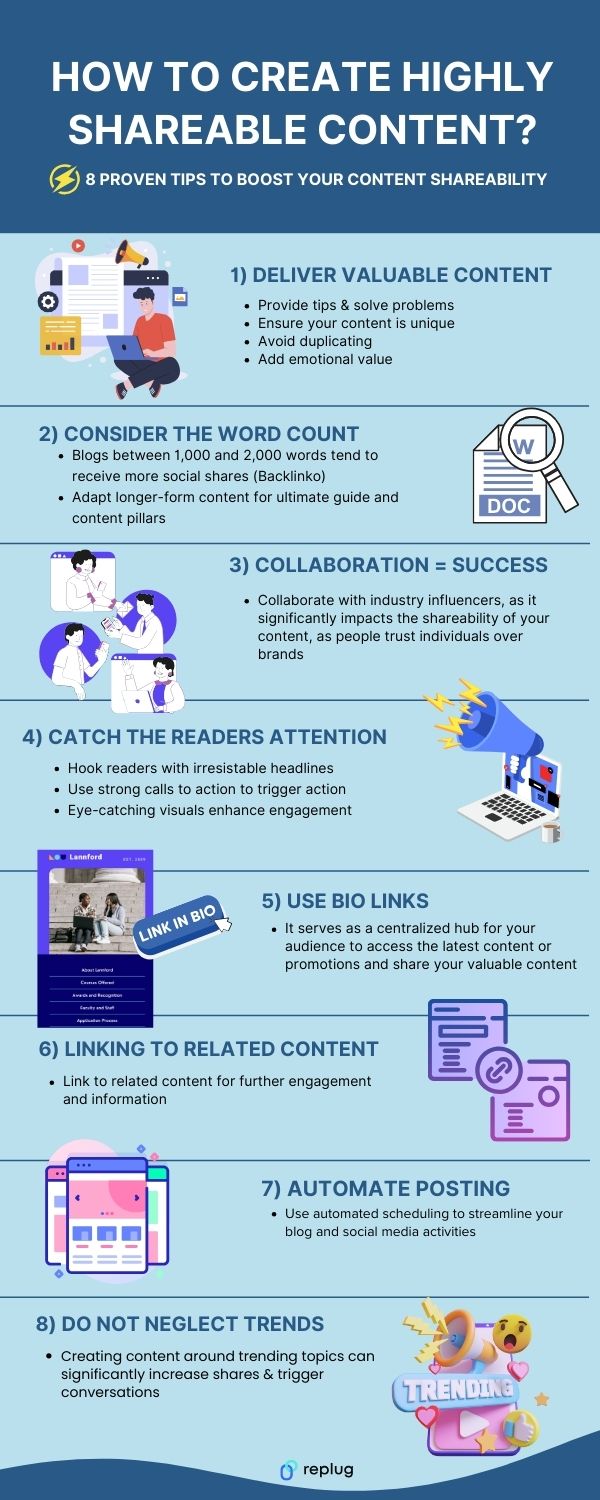
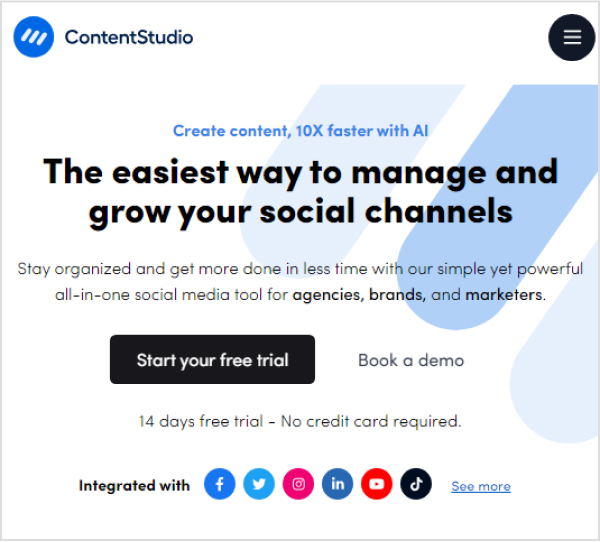






 However, tools like

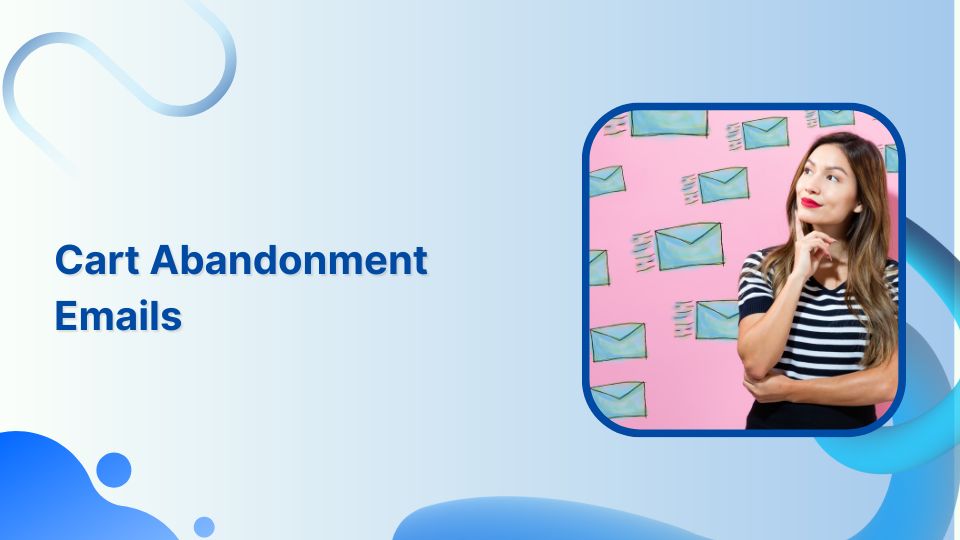
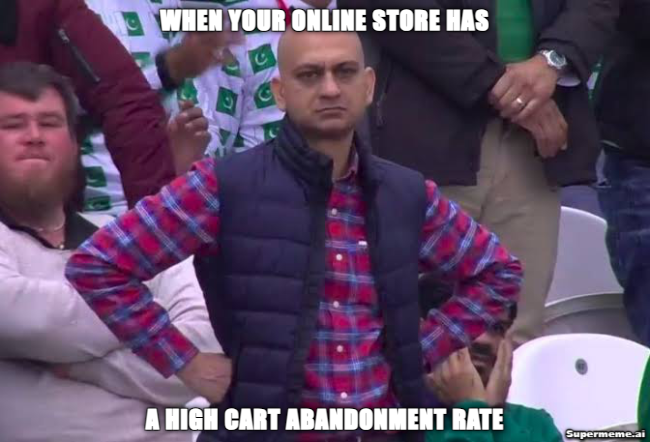
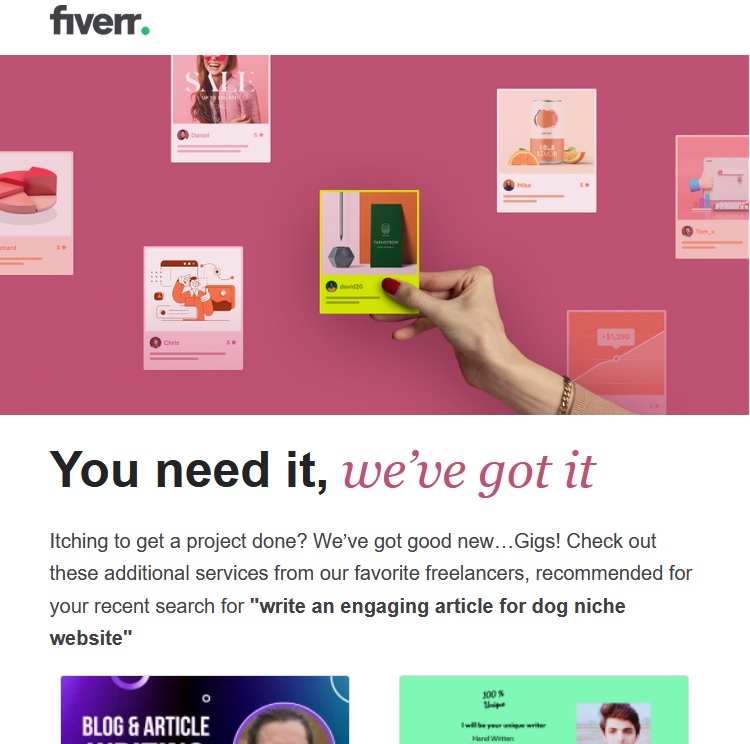
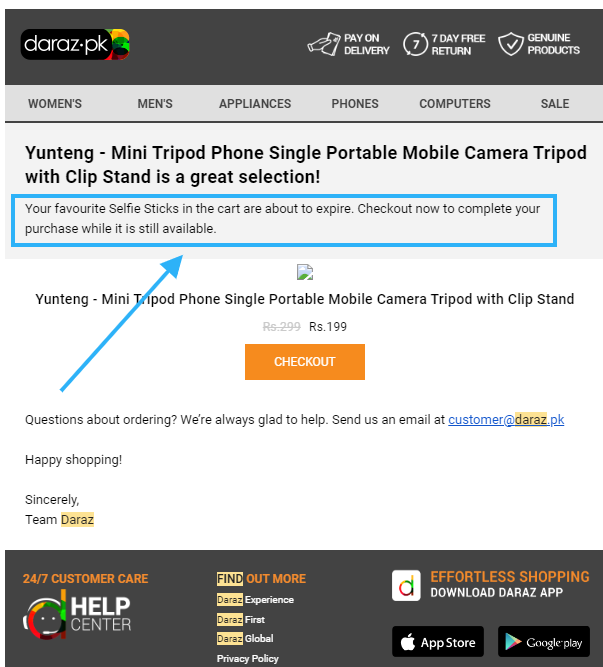
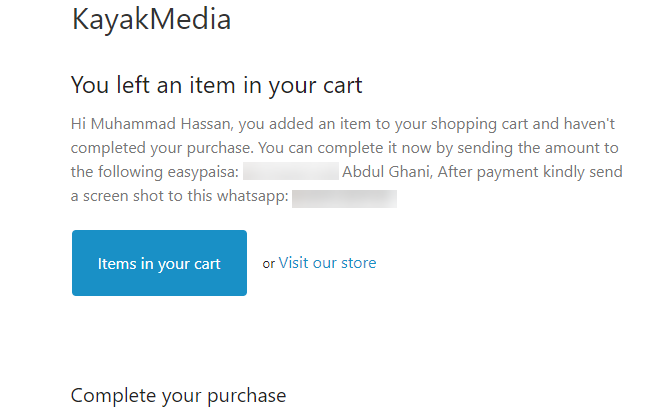
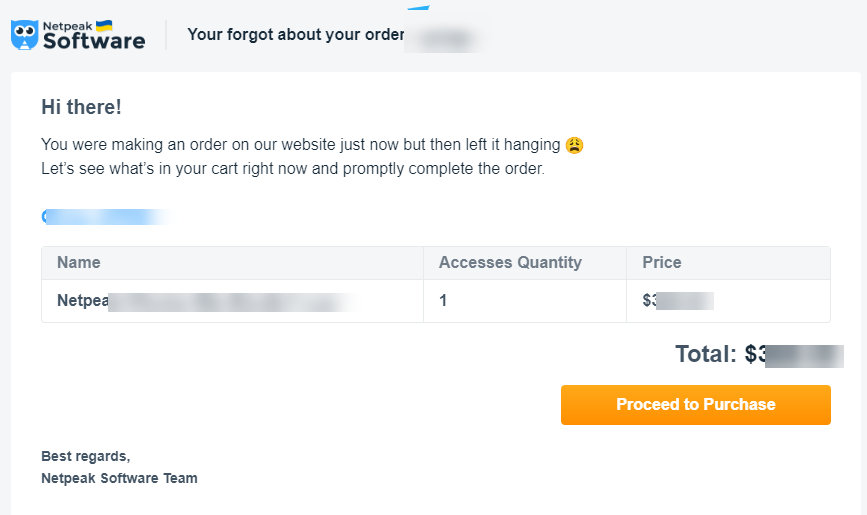
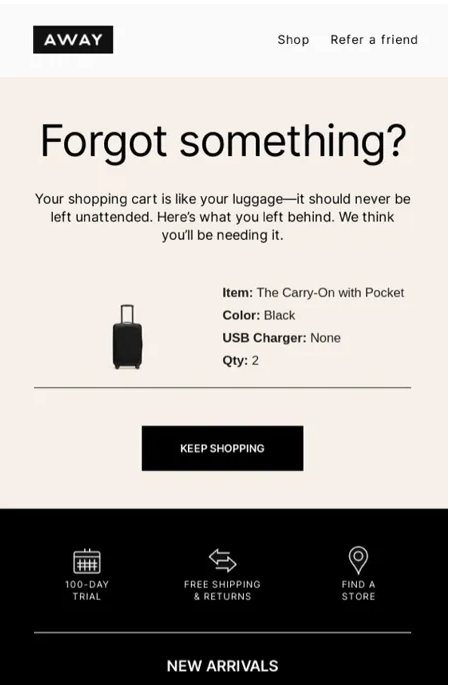
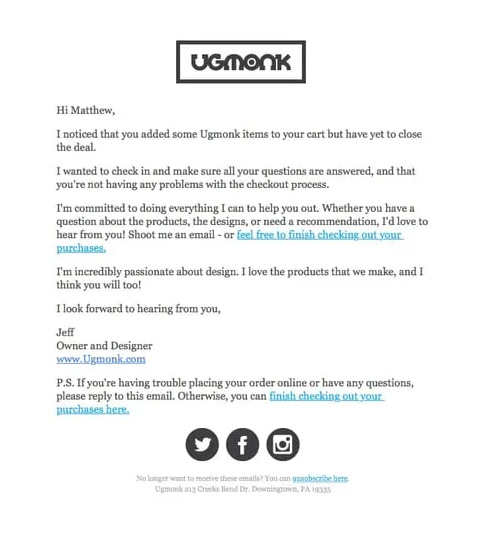
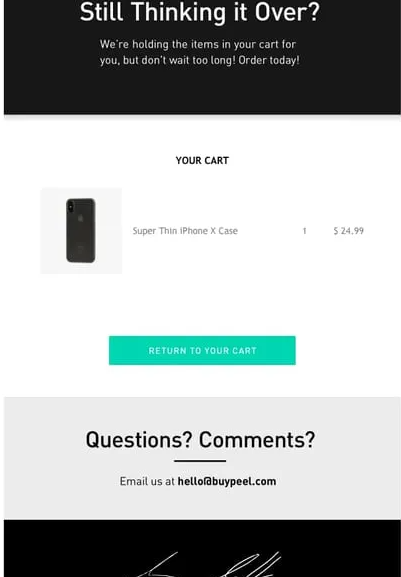
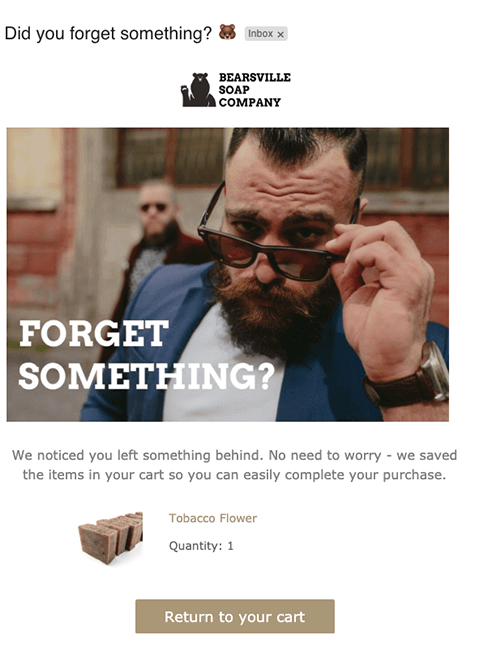
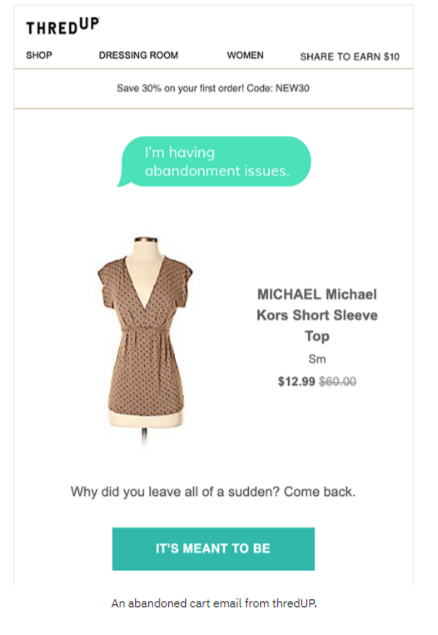
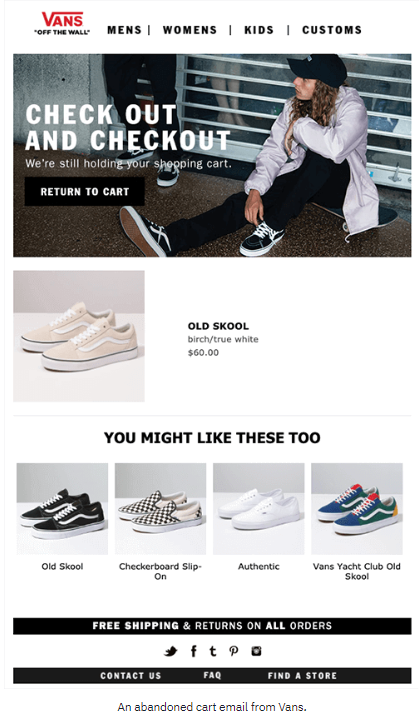

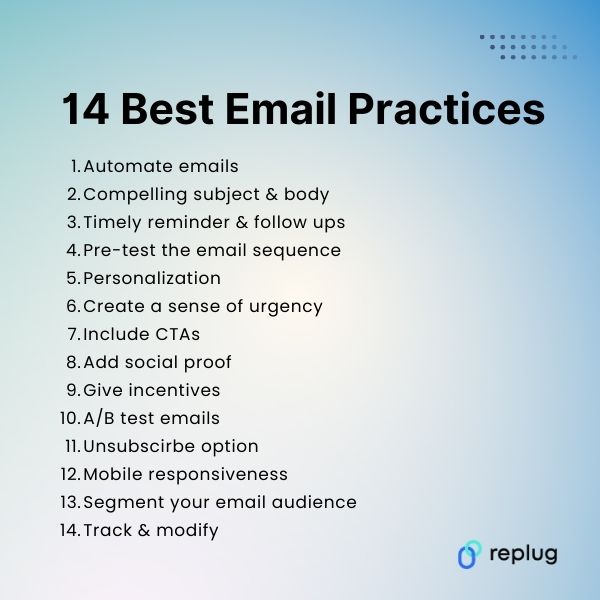
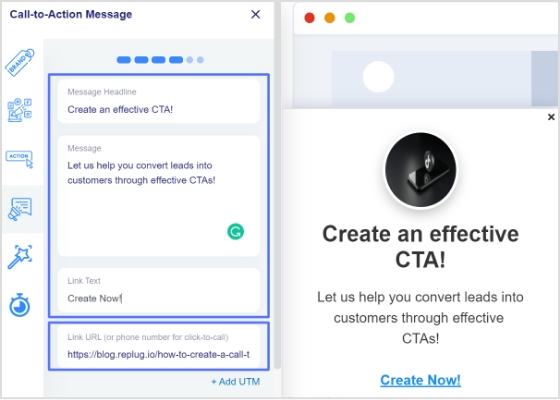
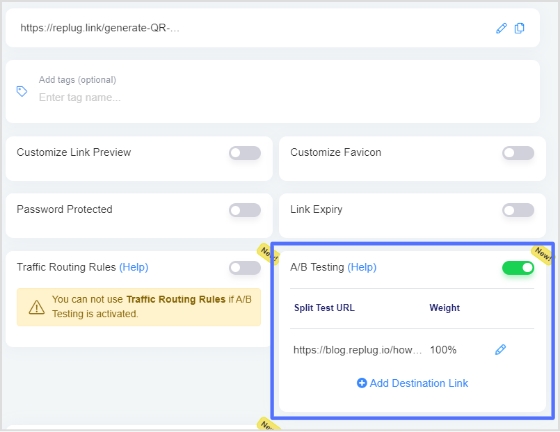
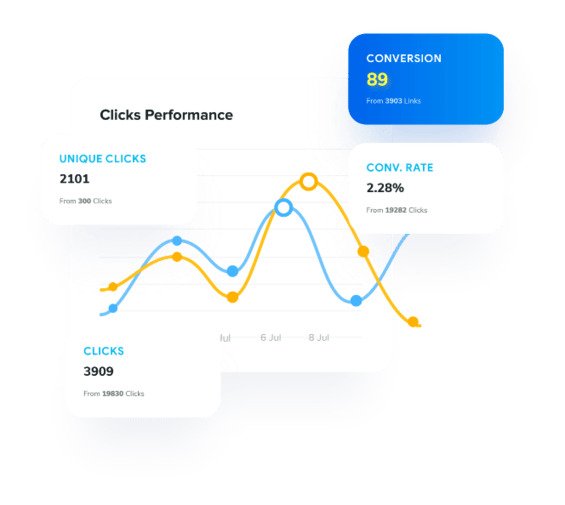

 Furthermore, brands can potentially attract conversions from customers not typically part of their target audience.
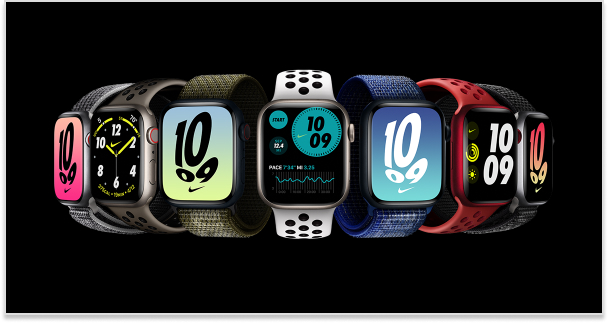
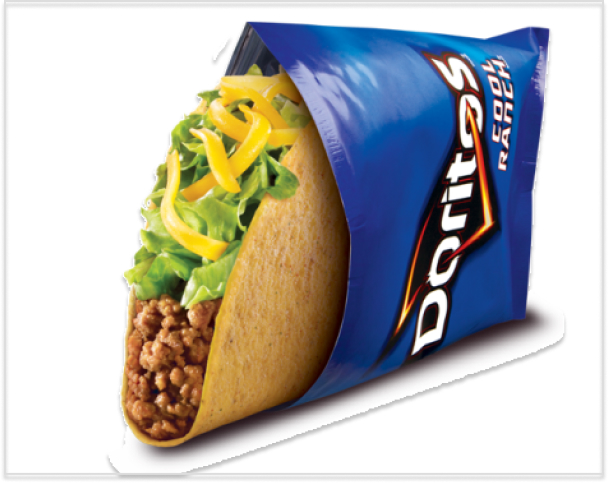
 Louis Vuitton has developed an exclusive assortment of luggage specifically designed for the plug-in hybrid BMW i8 by BMW. The objective of this collaboration was to reach a specific, high-end audience by capitalizing on their shared values and admiration for talent and innovation.