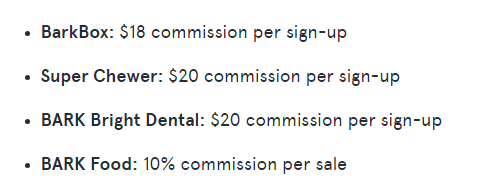
Whether you’re showcasing a curated collection from your Amazon storefront, promoting products with your affiliate link, or making your links look cleaner and more inviting, you’ve got some great options.
In this guide, we’ll walk you through three simple methods on how to add Amazon link to your TikTok bio.
We’ll also cover how to customize your links and utilize tools like Replug.io for better tracking, retargeting, and more.
Let’s start and get your links set up!
Different methods of adding Amazon links to TikTok bio
As previously discussed, there are various types of links that people can include in their TikTok bio. These include links for affiliate marketers, Amazon store owners, and influencers, among others. To assist you, we’ve outlined a straightforward process for each scenario.
Here are three methods for adding a link to your TikTok bio:
1. How can i add my Amazon store link to my TikTok bio?
First, make sure your TikTok profile is set to a creator account.
Then, head over to Amazon, find your store, and copy the URL.
Go back to TikTok, paste the link into the “Website” field, and save your changes.
Your Amazon store link will now appear in your TikTok bio!
2. How do i share my favorite Amazon finds on TikTok?
Step 1: Find your product
Go to Amazon and locate the product you want to share.
Step 2: Get the link
On the product page, click on the address bar at the top of your browser to highlight the URL. Right-click and select “Copy,” or press Ctrl + C to copy the link.
Step 3: Paste your link
Paste the Amazon link you copied into the “Website” text box in your bio. You can do this by right-clicking and selecting “Paste,” or by pressing Ctrl + V.
You can also share your Amazon finds by adding them to your TikTok posts or even sending them directly to your viewers via DM if needed.
3. How can I include my affiliate link in my TikTok bio?
The last and most common term is adding your affiliate link to your TikTok bio.
Step 1: Get your Amazon affiliate link
Log in to your Amazon Associates account.
Find the product you want to promote.
Click the “Share” button, and a bar will appear. Copy your affiliate link from there.
Alternatively, you can copy the affiliate link directly from the Amazon Associates website.
Step 2: Shorten your link
Amazon allows you to shorten the URL. In the Amazon Associates SiteStripe bar at the top, click “Get Link: Text”. This block will pop up.
Select “Short link” to create a shorter URL.
And you’re done here. Simply following the previous copy and paste method you can add the affiliate link to your bio.
Here’s a key issue that many marketers overlook: shortened links created using Amazon appear suspicious to your audience because they don’t clearly reveal where the link leads.
As a result, many people may hesitate to click on it, considering it spammy or misleading.
So, what’s the solution? Customize your link using a reliable, free URL shortener tool to make it more trustworthy and appealing.
Log in to your Replug account. If you don’t have an account, sign up and log in.
Step 1: Create a new link
Go to the dashboard and click on the option to create a new link or “Add new link.”
Step 2: Enter your URL
After setting up your campaign. Paste the URL you want to customize into the designated field.
Click ‘Create’ and you will be redirected to this page.
Customize the link: Change the part of the URL that comes after the domain name (the “slug”) to something memorable and relevant.
Maximize marketing ROI
by transforming ordinary URLs into branded short links that convert.
Try Replug for free
Set up redirects: If you want to redirect the link to another URL or add tracking parameters, configure these options as needed.
Add tracking and analytics: If you want to track the performance of the link, enable tracking options available in Replug to gather data on clicks and engagement.
Save and share: Save your customized link. Replug will provide you with a new, branded URL for your TikTok bio, social media, or any other platform.
Edit your TikTok profile:
Go to your TikTok profile and tap “Edit profile.”
Locate the “Website” field.
Paste your Amazon affiliate link into the selected field.
Additionally, what other features can Replug offer?
You can add the following features with Replug:
Bio-links: Use Replug’s bio-link tool feature to create a landing page where you can include multiple links, including your Amazon storefront and affiliate links. This makes it easier for followers to explore all your recommendations in one place.
Add retargeting pixels: Replug allows you to retarget visitors who click on your links. This means you can remind them about the products they are interested in, and potentially increase conversions.
A complete link management solution
for marketing professionals & agencies.
Try Replug for free
Link Tracking: Track clicks and engagement with your links through Replug. This helps you understand what’s working and refine your strategy.
Custom CTAs: Create custom call-to-action buttons that align with your brand and campaign goals. This allows you to drive specific actions from your audience, such as signing up for a newsletter, making a purchase, or following your social media profiles.
Integration with other tools: Replug integrates with various third-party tools and platforms, such as email marketing services, social media networks, and CRM systems.
Conclusion
By following the steps outlined in this guide, you can successfully embed your Amazon links into your TikTok profile, making it easier for your followers to find and buy your favorite products
However, improving your links using tools like Replug not only makes them more engaging and reliable but also increases your ability to track your activity and connect with your audience.
Frequently Asked Questions
Can i add more than one link to my TikTok bio?
TikTok allows only one clickable link in the biofield. However, you can use a link management tool like Replug to create a landing page with multiple links that you can include in your bio.
How often should i update the link in my TikTok bio?
It’s a good idea to update your TikTok bio link regularly to keep your audience engaged with your latest content, promotions, or product recommendations.
Can i track the performance of my TikTok bio link?
Yes, using link management tools like Replug, you can track clicks, engagement, and other metrics related to your bio link to understand its performance and optimize your strategy.
Are there any restrictions on the types of links i can add to my TikTok bio?
TikTok doesn’t have strict restrictions on the types of links you can add, but they should comply with TikTok’s community guidelines and terms of service. Avoid using links that lead to prohibited content.
Want to know the secret to creating text links that people can’t resist clicking? Read on to discover the strategies that work.
This article will explore strategies for creating high-performing text links that deliver tangible results for your business.
Here you will find tools to create text links, tips, benefits, and much more regarding text links. Let’s not waste any more time and get you started.
What are text links?
Text links are interactive text elements that take users to a different destination or resource when clicked, which can be within the same page or on another page.
Besides that, these links are often highlighted and underlined to make their clickable nature obvious.
A complete link management solution
for marketing professionals & agencies.
Try Replug for free
Why are text links important?
Below are some of the major benefits that highlight the importance of text links;
Helps you get more traffic: Text links guide visitors to different parts of your site, potentially increasing the number of people who find and explore your content.
Highlights popular content: Monitoring which links get clicked helps you understand what interests your audience most.
SEO benefits: Search engines crawl and index pages using text links, influencing your site’s ranking.
User experience: Thoughtfully placed text links make it easier for users to navigate and find valuable content.
Build trust: Backlinks from other trusted websites can make your website look more reliable. Knowing how to find backlinks and tracking them is crucial for improving your website’s credibility and authority, as sometimes you can get backlinks from low-quality website as well.
Common text link errors to avoid for better engagement and SEO
Avoid these pitfalls to optimize your website’s performance:
Mistake
Description
Ignoring anchor text
Descriptive anchor text improves search visibility and user understanding. Don’t use generic terms like “click here.”
Over-optimizing anchor text
Keyword stuffing in anchor text can harm your rankings. Maintain a natural balance.
Neglecting internal linking
Connect related content within your website for better navigation and SEO benefits.
Broken links
Broken links frustrate users and damage your website’s credibility. Regularly check and fix them.
Poor link placement
Consider where you place links. A call-to-action should be prominent, while informational links can be less conspicuous.
How can i create and track a text link?
The easiest way to create and manage text links is by using a URL shortener free tool.
Replugstands out with its comprehensive link management features, which allow users to shorten and customize links easily.
We recommend Replug, particularly for brands, agencies, and marketers, as it offers high-end features for customization, performance tracking, and insights—all in one platform. It’s an excellent tool for creating professional links and understanding their effectiveness.
Here’s how you can generate and track a text link with Replug:
Choose or create a campaign: On your dashboard, select an existing campaign or set up a new one.
Shorten your URL: Enter the URL you want to shorten in the “URL to shorten” section under your chosen campaign, and click “Create.”
Customize your link: After shortening, you can add a custom alias by clicking the edit icon. This makes your link more memorable and shareable.
Copy and use: Copy the newly generated link, hit the update button to save changes, and you’re all set.
Note: In HTML, Use the shortened URL as the ` href ` value within an ` <a> ` tag, and specify the anchor text.
Track performance: Return to your Replug dashboard to monitor your link’s performance, including click-through rates and other useful analytics.
In summary, while Replug focuses on shortening and managing your URLs, adding hypertext is done through the context where you’re using the URL, such as in HTML code or within content editors.
Maximize marketing ROI
by transforming ordinary URLs into branded short links that convert.
Try Replug for free
Best practices to follow when creating text links
Clear and relevant anchor text: The text used for the link should accurately describe the destination page. For instance, “Learn more about our products” is better than “Click here.”
Keyword optimization: Incorporate relevant keywords into your anchor text to improve search engine visibility. However, avoid keyword stuffing.
Link placement: Consider where the link is placed within your content. A call-to-action link should be prominent, while links for additional information might be less conspicuous.
Link appearance: Customize the link’s appearance (color, font, underline) to match your website’s design and make it stand out.
Regularly monitor and analyze data: Identify trends and optimize your links accordingly.
Experiment with different anchor texts and link placements: To find what works best for your audience.
Additional tips
Internal linking: Link to relevant pages within your website to improve navigation and SEO.
External linking: Link to authoritative external sources to establish credibility.
Mobile optimization: Ensure your links are easy to click on mobile devices.
Link attribution: Accurately attribute link clicks to the correct marketing channels.
Conclusion
Creating and tracking effective hyperlinks is a cornerstone of successful online marketing. By following the strategies outlined in this guide, you can enhance user experience, boost SEO, and drive conversions. Remember, the key to success lies in crafting clear, relevant, and visually appealing links that align with your audience’s needs. Continuously monitor and analyze your text link performance to refine your approach and maximize results.
FAQs on text links
Can I use too many text links on a page?
Yes, excessive use of text links can distract users and negatively impact readability. Aim for a balance that enhances content without overwhelming visitors.
How often should I update my text links?
Review your links regularly to ensure they remain accurate and relevant. Update broken links promptly, and consider refreshing anchor text for better SEO.
How can I add an anchor link to my URL?
Add an anchor by including an id attribute in the target element, and then use #id in your hyperlink. For example: Go to Section 1.
What are the three types of hyperlinks?
The three types are hyperlinks, internal links (to the same site), external links (to other sites), and anchor links (to specific sections within the same page).
What is the ideal length for anchor text?
There’s no strict rule for anchor text length. Focus on clarity and relevance. Generally, concise anchor text is preferred.
Should I use the same anchor text for multiple links?
While it’s not harmful to occasionally use the same anchor text, varying it can improve SEO and user experience.
Looking for a more focused and impactful way to reach your target audience? Microsites might be the answer!
Don’t know what microsites are?
Worry not! This guide will help you understand and create microsites. Here’s what we’ll cover:
What are microsites? Learn what they are and their key features.
Why use them? Find out the benefits for businesses, creators, and organizations.
How do they differ? Compare microsites with landing pages and regular websites.
How to build one? Follow the steps to create a microsite from start to finish.
Other uses: See how microsites can be used in various fields beyond marketing.
Whether you’re an experienced marketer, content creator, or just looking for a new way to engage with your audience, microsites offer a powerful way to achieve your goals. Let’s get you started
A microsite, also known as a link-in-bio page or landing page, functions as a compact, focused website for your agency, brand, or profile. Its primary goal is to highlight a specific product, promote a special event, or effectively run targeted campaigns, drawing attention and engagement.
Can a microsite really enhance your social presence?
In 2026, social media is the main source of sales and conversions for almost every business of every type. In order to stand out, you need something unique such as medium to showcase your brand story, and microsites are one of the best way. A microsite can help by giving you a focused platform to showcase your best content, engage with your audience, and turn followers into loyal customers.
Here are some of the most common benefits of creating a microsite:
Cost-effective marketing: Unlike developing a full-fledged website, microsites are generally more affordable to create and maintain. This makes them a budget-friendly option for targeted marketing campaigns.
Campaign flexibility: Do you need to adjust your messaging on the fly? Microsites allow for quick and easy updates, making them ideal for dynamic campaigns or real-time promotions.
Keep track of important metrics: Advanced microsite tools allow you to track visitor count, bounce rate, time spent on the page, conversion rates, and user engagement. This hands-on approach helps you understand what’s working, make informed adjustments, and continuously improve your microsite for better results.
Get more creative: Microsites offer a platform to experiment with different content formats like videos, interactive elements, or downloadable resources. This can help gauge user preferences and create more customized content for future.
Retarget your audience: Utilize retargeting tools to add retargeting pixels to your microsite link. This way, you can track visitors and deliver targeted ads to them across various platforms, keeping your brand top-of-mind and encouraging return visits.
Improved user experience (UX): By focusing on a single objective, microsites provide a streamlined user experience. Visitors can find the information they need quickly and easily, leading to higher satisfaction.
Reduced bounce rate: A well-designed microsite keeps users engaged with relevant content, minimizing the chances of them bouncing off to another website. This translates to better campaign performance.
Pro tip: Place retargeting pixels on your microsite to reach users who have previously interacted with your brand or page. This allows for highly targeted follow-up ads with personalized offers or reminders to complete unfinished actions (e.g., abandoned shopping carts).
Microsite vs. websites vs. landing pages
Feature
Microsite
Website
Landing page
Purpose
Focused campaign or product
Comprehensive business overview
Single conversion goal
Scope
Limited, standalone
Extensive, multiple pages
Single page
Navigation
Minimal, focused
Complex, multiple menus
Minimal or none
Content
In-depth, specific
Diverse, informational
Persuasive, focused
Goal
Generate leads, awareness
Inform, engage, convert
Conversion
Call-to-Action (CTA)
Strong, clear
Multiple CTAs
Prominent, single CTA
Design
Simple, consistent
Complex, varied
Visually appealing, focused
SEO
Limited optimization
Comprehensive SEO strategy
Basic SEO
Loading time
Fast
Varies
Extremely fast
Analytics
Basic tracking
In-depth analytics
Conversion tracking
Mobile Optimization
Essential
Essential
Essential
Cost
Lower development
Higher development
Lower development
Microsite
Focused content: Microsites are dedicated to a single campaign, product, or theme. They provide in-depth content and a cohesive narrative around that specific focus.
Limited scope: Smaller in scale, microsites or bio-link pages are typically temporary and built for a particular purpose or timeframe.
Focused content: Microsites are created to concentrate on a specific topic, campaign, or product. They provide an in-depth exploration, offering detailed information, interactive elements, and often multimedia content.
Independent identity: Often housed on a separate URL or subdomain, microsites maintain a distinct online presence separate from the main website. This independence allows for tailored branding and user experiences.
Custom design: The beauty of microsites and bio-landing pages lies in their freedom. Their design can stray far from your main website, embracing a unique look and feel that perfectly aligns with the campaign’s branding and objectives.
Best for social media: Microsites and bio links are perfect for sharing on social media. Add them to your profile bio section, post captions or comment sections on your story, or share directly with your audience in the inbox if necessary.
A complete link management solution
for marketing professionals & agencies.
Try Replug for free
Here’s a quick example of ContentStudio( A social media management tool)
Single page: Like bio-landing pages, landing pages are designed as standalone web pages with a singular focus. All content is contained within one page, making it easy for users to understand the offer and take action quickly.
Conversion-oriented: The primary goal of a landing page is to drive a specific action, such as filling out a form, subscribing to a newsletter, or making a purchase. Every element on the page is optimized for conversion.
Coversion-focused: To minimize distractions, landing pages often have limited or no navigation links. This keeps the user focused on the call-to-action (CTA) and reduces the chances of them leaving the page without converting.
Can be customized: Both landing pages and microsites shine with their design flexibility. They can break away from the look of your main website, adopting a distinct style that aligns perfectly with your campaign’s branding and goals.
Integrated with main domain: Landing pages are usually part of the main website’s domain and are often linked to marketing campaigns like PPC ads, email marketing, or social media promotions.
Here’s a ContentStudio black friday landing page.
Website
Broad content: A website covers all aspects of the brand, including a wide range of topics such as products, services, company information, and customer support.
Comprehensive scope: Websites are expansive, permanent fixtures that serve as the central hub for all online activities related to the brand.
Main domain: The primary online presence, usually hosted on the brand’s main domain, serves as the primary gateway for users to explore everything the brand offers.
Requires more maintenance: Require ongoing maintenance and updates to ensure content remains current, functional, and secure. They are continually evolving to reflect the brand’s ongoing needs and goals.
Broad keyword range: Optimize for a broad range of keywords and topics across multiple pages to attract organic search traffic and improve overall search visibility.
Multiple ways to engage users: Aim to engage users through a variety of content types, including blog posts, product information, company news, and interactive features. They encourage visitors to explore and interact with multiple sections.
Here’s an example of ContentStudio’s official website:
Replug.io is the best microsite builder of 2026, as it offers a straightforward way to create sleek microsites with a focus on link management and custom branding. Its features include easy-to-use designing capabilities, drag-and-drop editors, insightful analytics, making it a solid choice for tracking and optimizing your microsite’s performance.
Here’s what you get with the Replug – Microsite (Bio-link) tool:
Custom URL: Personalize your microsite with a unique URL that reflects your brand.
RSS feed: Keep your visitors updated with automatic content feeds.
Social media links: Seamlessly connect all your social media profiles in one place.
Audio links: Share your podcasts, music, or any audio content effortlessly.
Wix is renowned for its flexibility and extensive template library. With its drag-and-drop editor and robust design features, it caters to various needs, from simple microsites to comprehensive websites. Wix is suitable for users who want both ease of use and creative control.
Teachable is primarily known for online course creation but is also effective for building educational microsites. It provides tools for designing course landing pages, integrating with payment gateways, and managing user interactions, making it ideal for educational content and membership sites.
Podia offers a comprehensive platform for creating and selling digital products, memberships, and online courses. Its microsite-building capabilities include user-friendly design tools, sales integrations, and a focus on customer engagement, making it suitable for creators and educators.
SendOwl specializes in digital product sales and marketing. It allows users to build focused microsites for selling e-books, software, and other digital goods, with features such as payment integration, automated delivery, and promotional tools.
A quick overview of pricing plans
Tool
Basic plan/ Starter
Pro plan/ Growth
Pro+ plan /Enterprise plan
Replug
$19/month
$49/month
$79/month
Wix
$17/month
$29/month
$36 – 159/month
Teachable
$59/month
$159/month
$249/month
Podia
$9/month
$39/month
$89/month
SendOwl
$18/month
$37/month
$89/month
Criteria for choosing the right microsite builder
When selecting a microsite builder, consider the following criteria:
Ease of use
Look for a platform with an intuitive interface and drag-and-drop functionality to streamline the design process, especially if you lack coding skills.
Customization options
Ensure the tool offers a range of templates and design options to align with your brand’s aesthetics and campaign goals.
Integration capabilities
Choose a builder that integrates seamlessly with your existing tools, such as email marketing platforms, CRM systems, and analytics services.
Performance tracking
Opt for a tool with built-in analytics or integration with third-party analytics platforms to monitor and optimize your microsite’s performance.
Cost
Compare pricing plans and features to find a solution that fits your budget while meeting your specific needs for functionality and support.
Replug makes it much easier to create microsites. Here’s how to create a microsite using Replug:
Step 1: Sign in or create an account
If you’re already a Replug user, sign in. If not, create a free account to get started.
Step 2: Access “Bio Links”
Go to the Replug dashboard and find the “Bio Links” feature.
Step 3: Create a new bio link
Click the “New Bio Link” button to begin creating your microsite.
Step 4: Choose content blocks
Select the content blocks you need, such as social icons, links, RSS feeds, audio, video, text, and cards. If you choose social icons, proceed to the next step.
Step 5: Configure social icons block
Choose up to 5 social media platforms. Add titles, customize colors, and paste the links. Click “Add Block” to include them.
Step 6: Add more content blocks
Repeat the process for additional content blocks. For example, to add website links, select the “Links” block and add titles, URLs, and links.
Step 7: Proceed to the next step
After adding all desired content blocks, click “Next.”
Step 8: Customize your bio link page
Personalize your page by adding your brand name, uploading an avatar, and including a title and subtitle.
And now you have your Microsite ready!
For more details, checkout the complete Replug help documents.
Go beyond generic link pages!
Create custom bio links that truly fit your brand
With Replug, you can create bio links that are unique, engaging, and built to convert.
With the Replug bio link, you can easily set up personalized microsites for different industries and purposes. It’s a great way to create unique landing pages that connect with your audience on a deeper level.
E-commerce
Amazon business microsite for flash sales Shopify business microsite for product bundles Etsy business microsite for pre-order exclusives
Exclusive content & webinar series User-generated content (UGC) campaigns Contest or giveaway promotion
Entertainment
Premium content Music album release, Industry events
Freelancers
Showcase portfolio Niche expertise Case studies & results
Education
Online course launch Open house event
Healthcare
New treatment option Wellness challenge
Why choose Replug bio link instead of other smart link tools?
What sets Replug apart is its comprehensive link management capabilities, perfectly suited for agencies, brands, and marketers.
Create stunning bio-landing pages in minutes with our intuitive drag-and-drop editor. Customize every element to match your brand identity – from colors and fonts to captivating animations. Want to showcase your latest blog posts? Our RSS feed integration has you covered. Need to drive traffic to specific pages? Add compelling call-to-action, and with our live preview, you can see your masterpiece come to life before hitting publish.
But it doesn’t stop there. Replug is an efficient link shortener tool that offers advanced analytics to track your audience’s behavior, helping you make data-driven decisions. Plus, our mobile-optimized designs ensure your bio link looks flawless on any device.
Finally, Replug offers affordable pricing plans that provide great value for the extensive features and capabilities it offers.
Conclusion
Overall, microsites can be a game-changer for targeted marketing, offering a focused platform to engage audiences and drive specific actions. Their ability to provide a tailored experience, combined with cost-effective development and flexible content options, makes them a valuable tool for achieving your marketing objectives.
FAQs related to microsite
Can I build a microsite myself, or do I need a developer?
There are user-friendly microsite-building tools available that don’t require coding knowledge. These platforms offer pre-built templates and drag-and-drop functionalities, making it easy for anyone to create a basic microsite.
How much does it cost to build a microsite?
The cost of building a microsite varies depending on its complexity and the platform you choose. Microsite builders often have free plans with limited features, while paid plans offer more functionalities and customization options.
Is it possible to update a microsite after it’s launched?
Absolutely. One of the advantages of microsites is their flexibility. You can easily make updates and changes to the content, design, and functionality to keep the site relevant and engaging throughout your campaign.
How can I measure the success of my microsite?
There are various metrics you can track to measure your microsite’s success. Common ones include website traffic, user engagement (time spent on the site), conversion rates (e.g., email sign-ups or purchases made), and social media shares.
What differentiates a microsite from a traditional website?
A microsite is a smaller, focused website dedicated to a specific campaign, product, or event, typically with its own unique URL. Unlike traditional websites that cover a broad range of topics, microsites provide in-depth content on a single subject.
QR codes have become a versatile tool for connecting the physical and digital realms. Whether you want to share contact information, direct users to a website, or provide exclusive offers, QR codes offer a convenient and efficient solution.
However, ensuring that your QR codes are easily scannable and functional across different mediums requires careful consideration of their size.
In this guide, we’ll explore the standard QR code size requirements, helping you make informed decisions to optimize your QR codes for maximum impact and accessibility.
From print materials to digital screens, understanding the ideal size of QR codes will enhance user experience and ensure seamless interactions with your brand.
The significance of QR code distance-to-size ratio
When designing QR codes for various applications, the distance-to-size ratio is a critical factor that can significantly impact their usability. This ratio helps ensure that QR codes are scannable from the intended viewing distance, enhancing user experience. The general guideline is a 10:1 ratio, meaning that for every unit of size, the QR code should be scannable from ten times that distance.
Why the distance-to-size ratio matters
The distance-to-size ratio is not just a technical specification—it’s a guideline that ensures your QR code functions effectively in various environments. Following this ratio helps maintain scanning reliability, ensuring that users can quickly and easily access the information embedded within the QR code. This is particularly important for enhancing user experience and maintaining engagement.
Factors affecting the distance-to-size ratio
Several factors can influence the effectiveness of the distance-to-size ratio, including:
Printing quality
Environmental lighting
Material and surface
Color contrast
Error correction level
How small can a QR code size be?
The smallest size for a QR code depends on several factors, but a general rule of thumb is to keep it no smaller than 2 x 2 cm.
Here are some factors that influence the minimum size of a QR code:
Data content: The more data a QR code contains, the larger it needs to be. Simple URLs require less space than complex data like vCards.
Scanning device: Modern smartphones with high-resolution cameras can scan smaller QR codes more effectively than older devices.
Printing quality and material: High-quality printing on smooth, non-reflective surfaces allows for smaller QR codes to be scanned accurately.
Error correction level: Higher error correction levels require more space but make the QR code more robust to damage.
For optimal performance, ensure that your QR code size aligns with its intended use and scanning distance, keeping user experience in mind.
There is technically no upper limit to the size of a QR code. In theory, you could create a massive, scannable QR code visible from extreme distances, even from space. However, practical considerations make it essential to think about the size and how it relates to the scanning distance.
Size and scanning distance
When creating large QR codes, the 10:1 size-to-distance ratio is a crucial guideline to follow. This means that for every foot of QR code width, a user must be 10 feet away to scan it effectively.
What shapes can a QR code be?
While QR codes are traditionally square, they can be customized into various shapes to enhance their visual appeal and align with brand aesthetics.
Here are some common shapes and customization options:
1. Square QR codes
The classic and most reliable form, square QR codes, are universally compatible and easy to scan.
2. Rounded or circular QR codes
QR codes can be designed with rounded corners or circular shapes. This softens the typical grid look and can help blend the QR code into logos or other design elements.
3. Custom shapes
QR codes can be made into unique shapes like triangles, hexagons, or brand-specific silhouettes. The key is to retain the necessary grid structure and alignment patterns for scannability.
Logo integration: Incorporate a logo within the QR code by adjusting the error correction level, allowing the code to function with design elements added.
Creative patterns: Custom patterns can transform QR codes into visually appealing designs while maintaining their functionality.
4. Colored QR codes
Using colors instead of the standard black-and-white can make QR codes more attractive. Just ensure there’s enough contrast to keep them scannable.
The intended use of a QR code significantly impacts its recommended size, but it’s not the only factor to consider. Some size guidelines are tailored to common QR code use cases to ensure optimal functionality and user engagement.
Business cards
QR codes are a great way to make your business card stand out by linking to your contact information, portfolio, LinkedIn profile, or other professional resources. Since business cards are typically scanned at close range using a smartphone camera, the QR code size can be relatively small.
Recommended size: 2 cm x 2 cm. This size is compact enough to fit on a card while still ensuring easy scanning.
Product packaging
Incorporating QR codes into product packaging creates smart packaging that connects customers to product details, reviews, customer support, or other resources enhancing the post-purchase experience. These QR codes are also scanned from short distances.
Recommended size: 2 cm x 2 cm to 9 cm x 9 cm. Ensure the QR code is visible and accessible without disrupting the packaging design.
Posters and billboards
Unlike QR codes on handheld items, codes on posters and billboards must be visible from a distance. They should be large enough to be scanned by people standing several feet away.
Guideline: Use the 10:1 size-to-distance ratio. A person should be able to scan every foot of the QR code width from ten feet away. Consider where your audience will be located and size your QR code accordingly.
Event tickets
QR codes on event tickets streamline entry processes and enhance security. The code must be large enough for staff to scan quickly and efficiently but small enough to fit comfortably on a ticket.
Recommended size: 3 cm x 3 cm. This size balances between being easily scannable and fitting neatly on the ticket.
Digital screens
QR codes displayed on digital screens offer flexibility in size, but they should still be accessible across various screen sizes, from smartphones to tablets and desktop monitors.
Recommended size: 2 cm x 2 cm to 4 cm x 4 cm. This range ensures the QR code is visible on larger screens and fits within smaller ones like smartphone displays.
Brochures and flyers
Similar to business cards, QR codes on brochures and flyers need to be noticeable without overwhelming the design. They should be large enough for easy scanning.
Starting point: 2 cm x 2 cm. Adjust the QR code size based on available white space to maintain design balance while ensuring functionality.
QR codes in personal email signatures should be subtle yet functional, maintaining a professional appearance without dominating the signature space.
Recommended size: 2 cm x 2 cm. Test across different email providers to ensure compatibility and easy scanning by recipients.
Try Replug’s QR code generator
After learning about the ideal QR code sizes and best practices, the next step is to create your own customized QR codes that perfectly fit your needs. That’s where Replug’s QR code generator comes into play.
Why choose Replug?
Dynamic QR codes: With Replug.io, you can create dynamic QR codes that allow you to change the destination URL without needing to print a new code. This feature is ideal for marketing campaigns and ongoing promotions.
Advanced analytics: Track your QR code performance with Replug’s detailed analytics. Monitor scans, location data, and user engagement to gain insights and optimize your strategy.
High-quality output: Replug ensures that your QR codes are printed at the highest quality, maintaining sharpness and clarity for any size or medium, whether it’s for a business card or a large billboard.
Versatility: Whether you need QR codes for business cards, product packaging, event tickets, or digital screens, Replug offers the flexibility to create QR codes for any purpose.
Get started today
Take advantage of Replug’s QR code generator to create eye-catching, effective QR codes that meet your needs. And while you’re at it, streamline your URLs with this free link shortener, perfect for pairing with custom QR codes.
Get in touch with Replug to start designing your custom QR codes and enhance your marketing strategy today.
Conclusion
Understanding QR code size guidelines is essential to ensure that your QR codes are both functional and effective across various applications. Whether you’re placing a QR code on a business card, product packaging, or a billboard, selecting the right size is crucial for optimizing scannability and user experience.
Embrace the flexibility of QR codes to enrich your interactions with customers and audiences, ensuring they have access to the information and resources they need, exactly when they need it.
Frequently asked questions
What size should a QR code be?
The size of a QR code depends on its intended use and scanning distance. For most applications, a QR code should be at least 2 cm x 2 cm (0.8 x 0.8 inches) for optimal scanning. Larger codes are necessary for environments where users scan from a greater distance, such as posters or billboards.
What is the minimum size for a QR code?
The minimum size for a QR code is generally 2 cm x 2 cm (0.8 x 0.8 inches). This size ensures that the QR code is scannable by most devices, especially when viewed from a close distance, such as on business cards or product packaging.
What is the maximum size for a QR code?
There is no theoretical maximum size for a QR code, but practical considerations must be made for user convenience and scannability. Large QR codes, such as those on billboards, should follow the 10:1 size-to-distance ratio to ensure they can be scanned from a distance.
Does QR code size affect scanning speed?
Yes, QR code size can affect scanning speed. Larger QR codes are generally easier to scan quickly, especially from a distance. Smaller QR codes may require precise positioning and may take longer to scan if they are too small or if the scanning device’s camera is low-resolution.
What is the optimal QR code size for business cards?
The optimal QR code size for business cards is typically 2 cm x 2 cm (0.8 x 0.8 inches). This size is compact enough to fit on the card without overpowering the design and large enough for easy scanning with a smartphone.
What is the recommended size for QR codes on flyers and brochures?
A QR code size of at least 2 cm x 2 cm (0.8 x 0.8 inches) is recommended for flyers and brochures. This size ensures visibility and scannability without overwhelming the design.
SAAS solutions are no longer just a trend; they are a necessity. With top-notch flexibility and power, businesses operate more efficiently than ever before.
These tools are revolutionizing the way we work, from managing social media to handling complex projects. But with so many options available, how do you choose the best ones for your needs?
Don’t worry, fellas! We’ve done the hard work for you. Running a business means we’re always looking for the best tools to help us stay efficient. We’ve tested many tools, considering reviews, costs, and user interfaces, and put together the top 30 essential SaaS tools for any modern business.
Get an in-depth scoop on your audience with privacy friendly Usermaven product insights and web analytics.
What are SaaS tools?
SaaS tools are cloud-based web and mobile applications that provide businesses with essential software solutions.
Unlike traditional software that requires installation and maintenance, SaaS tools are accessible via the Internet, making them easy to deploy and scale according to business needs. Implementing platforms like Scalo can enhance operational efficiency by streamlining management tasks and improving team collaboration across various business functions. Lastly, It’s also important to keep an eye on how much space iCloud should take to avoid using too much storage and slowing down your computer.
Boost ROI with branded URLs!
Enhance your marketing campaigns by creating shareable, trackable, and fully multi-purpose
customizable branded URLs.
Retargeting pixel integration Custom domain support
Higher price point Limited support options
Social media management tools
3. ContentStudio
ContentStudio ranks as the premier social media management tool due to its ability to connect with 25 social media platforms and 10 blogging platforms, offering a comprehensive suite of features. Its versatile capabilities, including content discovery, scheduling, detailed analytics, automation, and an AI-powered content generator, make it an excellent choice for complete social media management.
Key features:
Content discovery: Helps find trending topics and popular content relevant to your audience.
Social media automation: Schedules and automatically posts content across multiple social media platforms.
Social media content composer: Allows you to create and format engaging social media posts.
Content calendar: Organizes and plan your content publishing schedule to ensure consistent posting.
Content marketing: Develops and executes strategies to create, distribute, and promote content to attract and engage your target audience.
Content research & insights: Provides data and analysis on content performance and audience preferences.
Influencer search: Identifies and connects with influencers who align with your brand and target audience.
AI-caption generator: Generates creative and relevant captions for social media posts using artificial intelligence.
Pricing
Pros
Cons
Starter – $25/mo Pro – $49/mo Agency plans $99/mo
Content discovery and curation Automated publishing Comprehensive analytics
Limited integrations
4. Tailwind
Tailwind is a social media scheduling tool focused on Pinterest and Instagram, offering features like post scheduling, analytics, and hashtag suggestions.
Pricing
Pros
Cons
Pro – $24.99 /mo Advanced -$49.99 /mo Max – $99.99 /mo
Limited to Pinterest and Instagram Some features require additional payment
Digital analytics tools
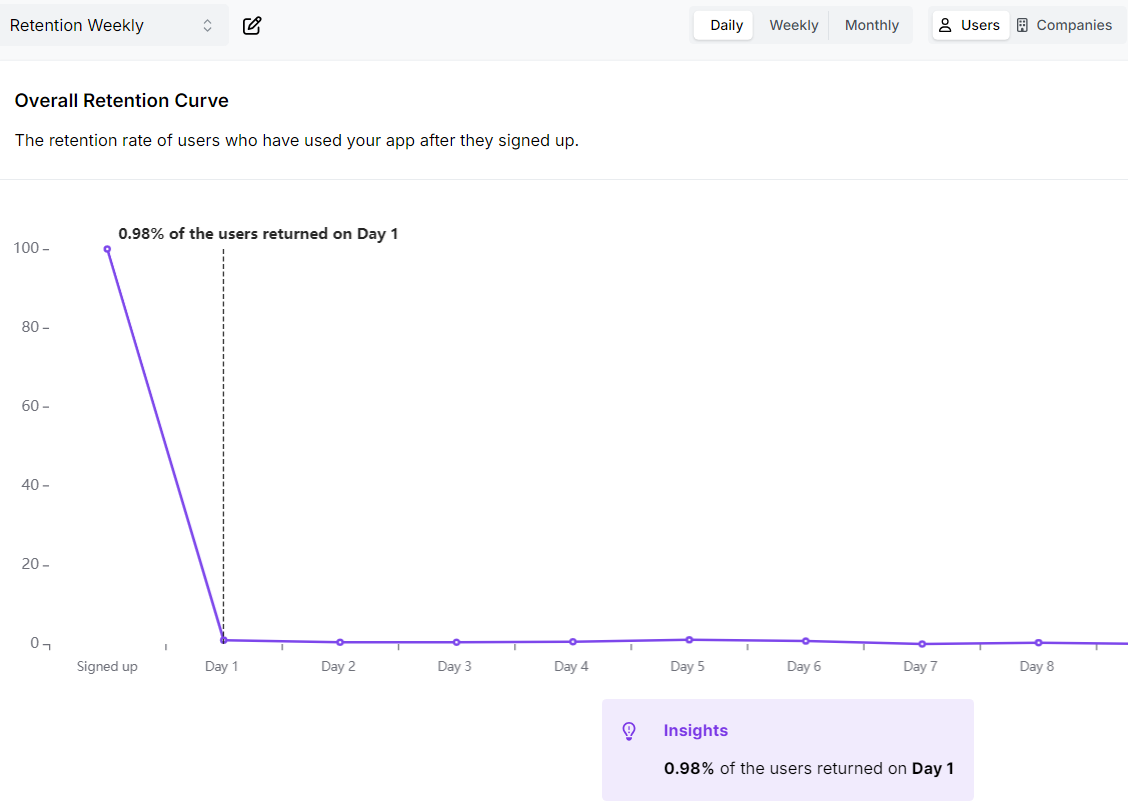
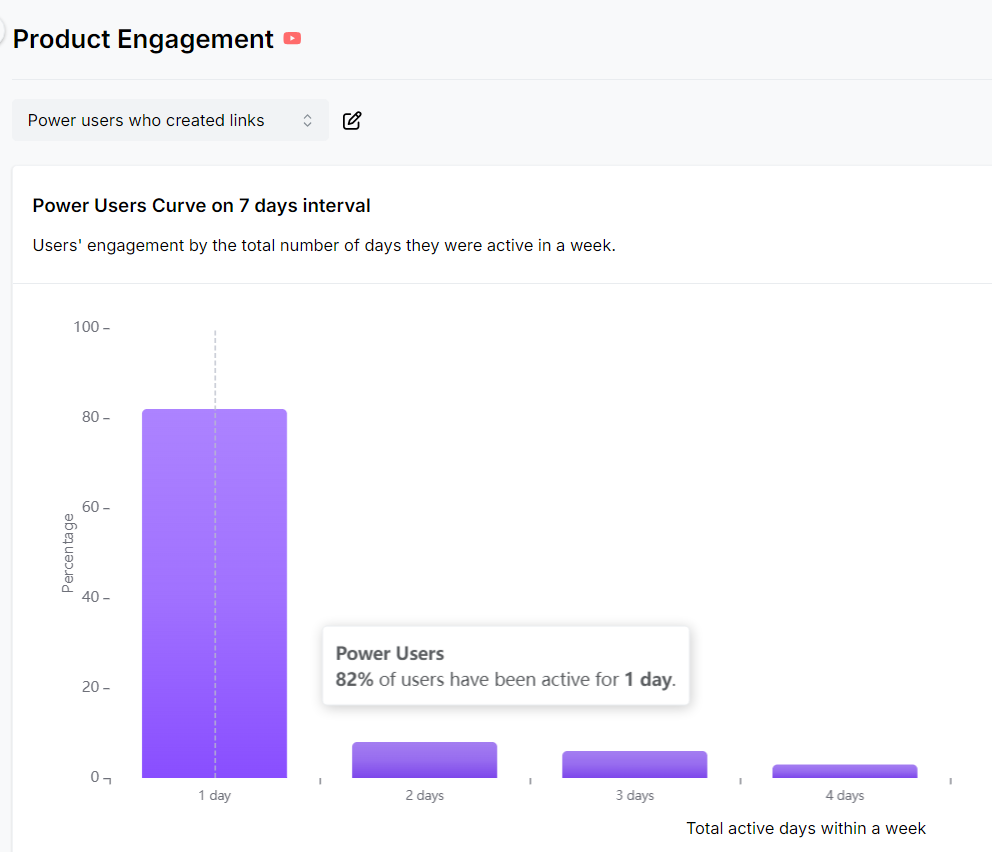
5. Usermaven
Usermaven is a top-tier, privacy-friendly product and web analytics tool designed for marketers and enterprises of all sizes. It provides comprehensive insights, robust data privacy, and seamless integration with multiple platforms, empowering you to make data-driven decisions with confidence and precision.
Key features:
Automated event tracking: Simplify your workflow with automated tracking of user activities within your app.
Multi-touch attribution: Identify the most effective marketing channels driving conversions with precision.
Cross-domain tracking: Monitor user journeys seamlessly across multiple websites within your domain.
Conversion funnel visualization: Discover where users disengage in your sales process with intuitive funnel visualizations.
Custom event tracking: Capture specific user interactions tailored to your business objectives.
Feature adoption reports: Gain clear insights into the utilization of new features by your users.
Segmentation: Analyze and interpret data for distinct, targeted user groups.
Pricing
Pros
Cons
Pro – $14/mo Premium- $24/mo Customize as per the number of events
As a powerful digital analytics tool, Google Analytics dissects website traffic, uncovering visitor demographics, behavior patterns, and content engagement. By gleaning these insights, you can refine your website to attract your target audience and maximize your online impact.
Pricing
Pros
Cons
Google Analytics 360 starts at US$ 50,000 per year.
Comprehensive data tracking Integration with Google services Free for most features
The steep learning curve Limited customer support
Customer relationship management tools
7. HubSpot
HubSpot is an all-in-one growth platform for businesses. It unifies marketing, sales, and customer service tools with a focus on inbound strategies. This means attracting website visitors, converting them into leads, and nurturing them into loyal customers – all within a single platform. Many SaaS development companies leverage HubSpot to streamline their operations, enhance customer relationships, and optimize their marketing efforts.
Pricing
Pros
Cons
Different pricing for each solution. (Visit Website)
Multiple features under one platform
Expensive advanced plans can be overwhelming for small businesses
8. Salesforce
Salesforce is a powerful cloud-based CRM (Customer Relationship Management) platform. It allows businesses to manage leads, contacts, opportunities, and customer relationships all in one place. Also check: Top 10 Salesforce alternatives and competitors, with its various Salesforce clouds tailored to specific business needs.
Pricing
Pros
Cons
Different pricing for each product. (Visit Website)
Highly customizable Extensive integrations Scalable for businesses of all sizes
High cost Steep learning
9. Zendesk
Zendesk is a customer service-oriented CRM platform that provides tools for ticketing, live chat, and customer support management. It helps businesses deliver efficient and effective customer service experiences. It allows businesses to deliver efficient, best Knowledge Bases and effective customer service experiences
Pricing
Pros
Cons
Starts at $19
Multi-channel support Robust ticketing system Good for customer service teams
Expensive Requires training to use effectively
Boost your conversion rates with irresistable CTAs with
Constant Contact is an email marketing platform that offers customizable templates, contact management, and performance tracking. It helps small businesses create and manage effective email campaigns while integrating some of the best market research tools to enhance audience targeting and campaign success.
Pricing
Pros
Cons
Premium – $80/month Standard – $35/month Lite – $12/month
User-friendly interface Extensive templates Good customer support
Limited automation features Price increases with subscribers
11. Mailchimp
Mailchimp is a comprehensive email marketing tool that offers features such as campaign creation, audience segmentation, and detailed analytics. It also integrates with various e-commerce and CRM platforms.
Pricing
Pros
Cons
Starts at $15/month
Generous free plan Easy to use Robust automation tools
Limited support on free plan Advanced features require higher tiers
12. Campaigner
Campaigner is an email marketing solution that provides advanced automation, segmentation, and reporting tools. It helps businesses create personalized and effective email campaigns to engage their audience.
Pricing
Pros
Cons
Starter – $59/ mo Essential – $179/ mo eCommerce – $79.95/ mo Advanced – $649/ mo
Advanced automation features A/B testing Good deliverability rates
Expensive for small businesses Complex interface
Designing tools
13. Canva
Canva is a user-friendly graphic design tool that offers a wide range of templates, images, and design elements. It enables users to create professional-quality visuals for digital and print media without needing advanced design skills.
Limited features on free plan Less powerful for professional designers
14. Adobe Creative Cloud
Adobe Creative Cloud is a suite of professional design software, including Photoshop, Illustrator, and InDesign. It provides powerful tools for photo editing, graphic design, and layout creation, catering to creative professionals.
Pricing
Pros
Cons
Visit website for pricing details.
Industry-standard tool Comprehensive feature set Regular updates
Expensive Steep learning curve
15. Figma
Figma is a collaborative design tool supporting real-time interface design and prototyping collaboration. It allows teams to work together on design projects, making it ideal for UI/UX designers.
Pricing
Pros
Cons
Professional Team$15/full seat/mo Organization -$45/full seat/mo Enterprise – $75/full seat/mo
Real-time collaboration Browser-based Strong prototyping features
Limited offline functionality It can be expensive for large teams
16. FreePik
Freepik is a popular online platform that provides a vast library of high-quality graphics, including vector images, AI images, photos, and icons. Freepik is an excellent tool for designers who need quick access to a wide array of graphic resources but may require a premium subscription for those who want to avoid attribution or need exclusive content.
Pricing
Pros
Cons
Free plan available Premium plan: Starts at $9.99 per month
Extensive library Strong prototyping features
Limited exclusivity Attribution required
Content management systems
17. WordPress
WordPress is a popular content management system that powers millions of websites. It offers extensive customization through themes and plugins, making it suitable for blogs, business sites, and e-commerce stores.
Highly customizable, extensive plugin ecosystem, free to start
It can be complex for beginners, and requires regular maintenance
18. Joomla
Joomla is a flexible CMS that combines ease of use with powerful features. It supports a variety of extensions and templates, making it a versatile choice for different types of websites, from simple blogs to complex portals.
Pricing
Pros
Cons
Visit the website for pricing details.
Fast, lightweight and easy to install
Fewer plugins than WordPress Old and unintuitive
Drupal is a powerful CMS known for its scalability and security. It is ideal for complex, large-scale websites, offering extensive customization and functionality through its modular architecture.
19. Drupal
Pricing
Pros
Cons
Visit website.
Highly flexible Strong security features Good for complex sites
Steep learning curve Requires technical knowledge
SEO Tools
20. Ahrefs
Ahrefs is an all-in-one SEO toolset that provides insights into website performance, backlinks, and competitor analysis. It helps users improve their search engine rankings through comprehensive keyword research and site audits.
Pricing
Pros
Cons
Lite – $ 4 Standard – $ 249 /mo Advanced – $ 449 /mo Enterprise – $ 14,990 /yr
Extensive analysis Powerful keyword research Detailed site audits
Expensive
21. Semrush
Semrush is a leading SEO and marketing tool that offers keyword research, site audits, and competitive analysis. It helps businesses enhance their online visibility and optimize their digital marketing strategies.
Pricing
Pros
Cons
Pro- $139.95/monthly Guru- $249 .95/monthly Business – $499.95/monthly
Comprehensive SEO features PPC and social media tools In-depth analytics
High cost It can be overwhelming for new users
Project management tools
22. Asana
Asana is a project management tool that enables teams to organize, track, and manage their work. An in-depth Asana review highlights features like task assignments, project timelines, and progress tracking, showing how it helps teams stay productive and on schedule.
Pricing
Pros
Cons
Starter US$10.99 Advanced- US$24.99
User-friendly Customizable workflows
Limited features on free plan It can be expensive for larger teams
23. Basecamp
Basecamp is a project management and collaboration tool that centralizes tasks, files, and communication. Its user-friendly interface and integrated tools simplify project workflows and enhance team collaboration.
Pricing
Pros
Cons
Visit website
All-in-one solution, Flat pricing Easy to use
Lacks advanced features It can be overkill for small team
A complete link management solution
for marketing professionals & agencies.
Try Replug for free
Communication and collaboration tools
24. Krisp.ai
Krisp.ai is a voice and audio enhancement SaaS. It strips away background noise like barking dogs or busy keyboards, creating crystal-clear audio for webinars, call-center workflows, or recording on the go. It also offers real-time transcription, AI-powered meeting note-taking, summaries, and speaker analytics, all powered locally to preserve privacy. Compatible with Windows, macOS, iOS, Android, and major conferencing apps like Zoom, Teams, and Meet.
Pricing
Pros
Cons
Free plan – $0/mo Pro plan – $8/mo Teams plan – $10/user/mo Enterprise – Custom
AI noise cancellation Transcription Meeting notes Collaboration features centralized billing Analytics
Limited free version
25. Slack
Slack is a messaging platform designed for team communication and collaboration. It supports channels, direct messaging, file sharing, and integrations with other tools, making it a central hub for workplace communication.
Pricing
Pros
Cons
Pro – $8.75 $4.38 /mo for 3 months Business plus- $15/mo
Real-time messaging Integrations Easy to use
Limited features on free plan It can be distracting
26. MirrorFly
MirrorFly is a customizable communication solution offering functionalities such as messaging, voice, and video call. It supports real-time collaboration and integrates with various platforms, enhancing team connectivity.
Pricing
Pros
Cons
Essentials- $399 Premium- $999
Highly customizable Secure communication Supports chat Voice, and video
Custom pricing can be expensive Requires technical setup
E-commerce Tools
27. Shopify
Shopify is a leading e-commerce platform that allows businesses to create and manage online stores. It offers a range of customizable templates, payment processing, and marketing tools to support e-commerce operations.
Pricing
Pros
Cons
Basic – $25 USD/month For small teams- $65USD /month Advanced -$399 USD/month Plus- $2,300 USD/month
User-friendly, extensive app ecosystem, excellent customer support
Transaction fees, can be expensive with add-ons
28. Wix
Wix is a website builder that also offers robust e-commerce capabilities. The tool provides customizable templates, drag-and-drop design, and integrated payment options, making it easy to create and manage an online store.
Drag-and-drop builder, affordable pricing, good for small businesses
Limited advanced e-commerce features, c
Video conferencing tools
29. Zoom
Zoom is a widely-used video conferencing tool that offers high-quality video and audio, screen sharing, and recording capabilities. It supports meetings, webinars, and virtual events, making it ideal for remote communication.
Pricing
Pros
Cons
Visit the website for pricing details
High-quality video and audio, easy to use, extensive features
Security concerns, can be expensive for large teams
30. Google Meet
Google Meet is a video conferencing service that integrates with Google Workspace. It provides secure, high-quality video meetings with features like screen sharing, live captions, and real-time collaboration.
Pricing
Pros
Cons
$0 to $18 per month, per user (plus custom-priced Enterprise option)
Easy integration with Google Workspace, reliable performance, free for Google users
Limited features compared to Zoom, requires Google account
Accounting and finance tools
31. QuickBooks
QuickBooks is an accounting software designed for small to medium-sized businesses. It offers features for invoicing, expense tracking, payroll, and financial reporting, helping businesses manage their finances efficiently.
With QuickBooks desktop hosting, businesses get the power of Desktop software with cloud flexibility, enabling multi-user access, enhanced data security, and seamless collaboration.
Pricing
Pros
Cons
Simple Start -$18 /mo US $1 for 6 months Essentials – $27 /mo US$2 for 6 months Plus – $38/moUS$3 for 6 months Advanced – $76/mo
Comprehensive accounting features, user-friendly interface, good customer support
Can be expensive, and occasional performance issues
32. Xero
Xero is a cloud-based accounting software that provides tools for invoicing, bank reconciliation, inventory management, and financial reporting. It is known for its user-friendly interface and integration capabilities.
Pricing
Pros
Cons
Starter: Usually $29Now $14.50 /mo Save $87 over 6 months Standard: Usually $46Now $23/ mo Save $138 over 6 months Premium: Usually $62 Now $31/ mo Save $186 over 6 months
Cloud-based, easy to use, integrates with many apps
Limited customer support can be expensive for advanced plans
33. Venngage
Venngage is an infographic tool with a huge template library. It has a free AI infographic generator tool that helps to create highly engaging and customizable infographics by just writing an AI prompt in any style or tone.
Pricing
Pros
Cons
Free
User-friendly
Limited features
Premium Plan
Access to 10,000 templates
Slightly pricey
34. DesignWiz
DesignWiz is a simple and affordable tool for businesses and individuals to create professional flyers effortlessly. It offers a user-friendly platform with high-quality templates and customization features.
Pricing
Pros
Cons
Basic Free – $0
Easy-to-use interface
Advanced features available in the Pro plan
Pro – $9.99/month
Wide range of customizable templates
35. Tagembed
Tagembed is a social media aggregator that allows businesses to collect, curate, and embed social media feeds on websites. It supports multiple platforms, helping brands enhance engagement and showcase user-generated content.
Pricing
Pros
Cons
Free Plan Available,
Easy integration
Real-time updates take some time
Basic – $19/month
Supports multiple social platforms
Customization options may require technical knowledge.
Pro – $29/month
Other commonly used tools
AI Tools
Online survey tools
HR tools
Document management tools
Demo booking automation tools
How do you buy SAAS tools?
Here are some important steps you need to keep in mind when buying a SaaS tool.
Identify needs & budget: Clearly define the problem you’re trying to solve and the features you need. Set a realistic budget for the tool.
Research & shortlist: Explore different SaaS options in your chosen category. Reviews, software comparison websites, and demos from vendors can be helpful.
Free trials & demos: Take advantage of free trials and demos offered by most SaaS companies. This lets you test the tool’s functionality and user interface.
Read reviews & ratings: Look for user reviews and expert ratings to get insights into the tool’s strengths, weaknesses, and real-world experiences.
Negotiate pricing (Optional): For some SaaS, especially with annual Subscriptions, there might be room for negotiation on pricing, especially for larger teams or longer contracts.
Consider security & integrations: Make sure the tool offers secure data storage and integrates well with any existing software you use.
Training & support: Check if the vendor offers training resources and reliable customer support to help you get the most out of the tool.
Start small & scale up: If you’re unsure, start with a basic plan and upgrade as your needs evolve.
Maximize marketing ROI
by transforming ordinary URLs into branded short links that convert.
Try Replug for free
Conclusion
Choosing the right SaaS tools can be overwhelming. This blog post has provided an overview of 30 essential tools across various business functions. Remember to carefully evaluate your specific needs, budget, and team size when making your selections.
FAQs related to the SaaS tool
Are SaaS tools secure?
Most SaaS providers implement robust security measures, including encryption, regular security audits, and compliance with industry standards. However, it’s essential to review each provider’s security protocols to ensure they meet your requirements.
How do I choose the right SaaS tool for my business?
Identify your specific needs, budget, and team size. Research different options, read reviews, and consider free trials or demos. Evaluate features, pricing, and customer support before making a decision.
Are there any free SaaS tools available?
Yes, many SaaS providers offer free plans or limited free versions of their tools. Some popular options include:
– Cost-effective: No upfront costs, typically subscription-based. – Accessibility: Accessible from anywhere with an internet connection. – Scalability: Easily adjust plans based on business growth. – Automatic updates: Software is regularly updated with new features.
How can I integrate different SaaS tools?
Many SaaS tools offer integrations with other platforms. You can use integration platforms or APIs to connect different tools and streamline workflows. Additionally, some tools offer built-in integration capabilities.
You’re creating amazing content every day, but the solid financial rewards just aren’t there. We get it—it’s frustrating to see all that hard work not translating into the income you deserve.
But what if we tell you that you could turn your passion for sharing great products into a reliable income stream?
Yes, you heard us right. Say hello to affiliate marketing, where your genuine recommendations can earn you countless commissions.
In this guide, we’ll cover everything you need to know about affiliate marketing, from the key benefits for brands to marketers. And introduce you to the Replug affiliate program, providing you with a clear, step-by-step process to get started and succeed.
Ready to turn your content into cash? Let’s get you started!
What are affiliate programs?
Affiliate programs are a type of performance-based marketing strategy where businesses reward affiliates (individuals or businesses) for promoting their products or services.
Affiliates typically earn a commission when a customer clicks their unique affiliate link and completes a desired action, such as making a purchase or signing up for a free trial.
These programs offer a wealth of advantages for both businesses and affiliates.
Boost ROI with branded URLs!
Enhance your marketing campaigns by creating shareable, trackable, and fully multi-purpose
customizable branded URLs.
Top perks for content creators, brand managers & influencers etc
Monetization opportunity
Turn your content into cash by promoting affiliate products and earning commissions on sales through your unique links.
Increased organic traffic
Capture email addresses through affiliate links, creating a valuable asset for future marketing campaigns.
Content longevity
Create evergreen content with affiliate links that continue to generate income long after they are published.
Building relationships with brands
Develop long-term partnerships with brands, opening doors to future collaborations and exclusive deals.
Passive income stream
Enjoy the potential for passive income as well-placed affiliate links continue to generate commissions over time.
Top 3 affiliate programs of 2026
1. Replug
Transform your links into powerful marketing tools with Replug’s affiliate program, offering high commissions and excellent support.
Maximize your earnings by promoting a tool that boosts engagement and tracks performance effortlessly.
2. ContentStudio
Earn generous commissions bypromoting ContentStudio, an all-in-one content marketing and social media management platform. Help businesses streamline their content strategy and social media presence while benefiting from a lucrative affiliate program.
Join Usermaven’s affiliate programand capitalize on promoting this top-tier product analytics tool. Earn commissions by helping businesses understand their user behavior and improve their product offerings with comprehensive analytics.
Open your web browser and go to the official website: Replug.io.
Navigate to the bottom of the homepage and look for the “Affiliate Program” link. This is typically found in the footer or under the “Company” or “Partnership” sections.
Or you can also access this link from the resources section of the header menu.
Step 2: Access the affiliate program page
Click on the “Affiliate Program” link. You will be redirected to a page with information about the affiliate program, including benefits, commission rates, and sign-up instructions.
Review the details to ensure the program aligns with your goals and expectations.
Step 3: Register for an Account
On the Affiliate Program page, look for the “Sign Up” or “Join Now” button. Click on it to start the registration process.
You will be prompted to enter your personal details, which typically include your name, email address, and password.
Step 4: Complete the application form
After signing up, you’ll be redirected to the dashboard.
Fill out the application form here with accurate and up-to-date information.
Add in all the necessary information and click “Update”.
Step 5: Access your affiliate dashboard
Explore the dashboard to familiarize yourself with available tools, tracking features, and marketing materials.
Then, add in the payout method.
Step 8: Track your performance
Track your performance through the affiliate dashboard to monitor clicks, conversions, and commissions earned.
Replug will handle payments based on their commission structure. Ensure you have set up your payment details correctly in the affiliate dashboard.
Payments are usually processed on a regular schedule (e.g., monthly). Check the payment terms and conditions for specifics on how and when you will receive your earnings.
Conclusion
Signing up for the Replug affiliate program is a straightforward process that can lead to substantial earnings if you effectively promote their services.
By following the steps outlined in this guide, you’ll be on your way to becoming a Replug affiliate and earning commissions through your promotional efforts.
That wraps up our quick guide for today. If you have any questions or need further assistance, don’t hesitate to reach out. Our customer support team is here to help and will get back to you promptly.
A complete link management solution
for marketing professionals & agencies.
Try Replug for free
FAQs related to affiliate programs
How does the Replug affiliate program work?
The Replug affiliate program allows you to earn commissions by promoting Replug’s link management and engagement tools, such as its top-notch short URL shortener. You share your unique affiliate links, and when users sign up or make a purchase through your link, you earn a commission.
What are the benefits of joining the Replug affiliate program?
As a Replug affiliate, you gain access to high commissions, excellent support, and a platform that helps you maximize your earnings by boosting engagement and tracking performance effectively.
Who can join the Replug affiliate program?
Anyone with an audience, including marketers, content creators, bloggers, and influencers, can join the Replug affiliate program to monetize their content and drive revenue.
How do I sign up for the Replug affiliate program?
Visit the Replug website, navigate to the “Affiliate Program” link, and follow the registration steps. You’ll need to fill out an application form and set up your affiliate dashboard.
As of the tail-end of 2025, Instagram had over 1.4 billion monthly active users. 70% of Instagram users watch stories daily, and 86.6% of Instagram users post stories. That’s a massive number.
From the introduction of Stories and Reels to the rollout of shopping and creator tools, Instagram has demonstrated a keen understanding of what its users want and need.
Therefore, we have conducted in-depth research to give you the best list of hacks for Instagram stories that will boost your Instagram engagement and increase your audience. We have divided these 21 hacks into 5 groups to make it easier to understand
5 types of Instagram story hacks
Instagram Story Designing Hacks
Instagram Story Video And ImageHacks
Instagram Story Management Hacks
Instagram Story Sticker Hacks
Creative Instagram Story Hacks
Instagram story designing hacks
1. Create story with a patterned backdrop
If you want your Story posts to be the talk of the town, then it’s time to get funky with your backgrounds. Trust me, the more patterns you throw in there, the more excitement you’ll inject into your stories.
To share a post from your feed in your stories, simply take a snapshot and crop it so that only the post is visible.
Select “Add post to your Story” from the original feed post by clicking the “share” symbol.
Make the feed post full-screen by increasing its width. Following this procedure, your completed Instagram Story will feature a clickable link to the original post.
Select a picture or pattern from your library as a background.
Next, insert the portion of the screenshot you cut out in Step 1.
Put the story online.
Set up something eye-catching, but make sure not too flashy to distract your audience from the message you’re trying to convey.
2. Create visual art with texts or emojis
The design of your Instagram Story is like the ultimate fashion statement. It will either make you the trendsetter of the century or leave you looking like a fashion disaster. So, choose wisely, my friends.
Here’s an example by Starbucks:
To start typing on your Instagram story:
Tap the “Aa” icon on the top-left corner or click anywhere on the screen to activate the text field.
Change the text font, adjust the size, or change the color.
Apply effects like shadows, outlines, and different background colors to change your text to your brand colors.
On the other hand, adding emoticons to your Instagram story is a simple and effective method. Take, for example, Rhode, which included a cute strawberry emoji in its story to promote its new product, strawberry gazing lip gloss.
Here’s how you can do the same:
Tap the “square smiley face icon” To open the emoji selection screen. Or directly add from your keyboard.
Tap on the ones you want to add to your story.
Add multiple emojis to your story by tapping the emoji icon again and selecting additional emojis.
Rearrange, resize, and adjust them until you’re satisfied with the composition.
Also, you can Pinch or expand with two fingers to resize the emoji or text. Or layer emojis, text, and other elements by adding them one after the other.
3. Add filters and translucent colors
With so many tones, color grades, and effects, finding a filter that fits your brand is very easy. Use transparent overlays to add a customized color tint to your images or videos.
Just like this Instagram story by Insomiacookies:
Follow these steps to create a catchy overlay:
Upload the photo or video to your Story.
Open the Story and tap the three dots in the upper right corner.
Select “Draw,” then select the desired font color.
To make an overlay, click and hold your finger on the screen until the overlay covers your photo or video.
Such overlays let you cover up important information or products while alerting users that something is going on, and keep your audience waiting for the big reveal.
To apply an effect to your Instagram Story. Open your camera and swipe to the end to select “Browse Effects.” Scroll, and you’ll find hundreds of options.
4. Use the eraser tool for dramatic reveals & cool effects
If you want to impress your Instagram followers, we have a super cool hack for you. All you need is a little bit of creativity! Use the eraser or doodle feature to create all sorts of cool effects!
This lets you create Instagram Stories to cover a new story for a dramatic reveal, as shown in the image below.
Fellas, you can wow your Instagram followers with this simple hack with some creativity.
Instagram story video & image hacks
5. Use the boomerang feature
If you’re an Instagram user, you should use the Boomerang feature on your feed. It’s a quick and fun way to save memories, and easy to do. Just click the camera icon, record a short video, and click “Boomerang.”
You’ll get a preview of your video with the boomerang effect in the upper left corner. Click “Save” to save your boomerang as a photo or video. When you post it again, it will play back in reverse.
Now, let’s not sugarcoat this. As your travel options are severely curtailed due to the busy workload, you’ll have to make do with people-watching in Turks and Caicos this summer.
But, with the help of some cutting-edge green screen technology, you may get your viewers there in no time. And you won’t even need to invest in any special tools.
To access Search Filters, open your stories, swipe to the end of the filters, and you see the green screen option.
Also, you may use the search bar to look for “green screen” by tapping on that. Many other green-screen effects will be available to you.
7. Multi-Image stories in one go
Oh, this feature is super useful when you want to share a story! It’s actually one of the main reasons why people love using Instagram stories. If you upload one story at a time and you have active users, they might lose interest because their experience could become confusing.
But if you publish multiple snapshots in your story at once, you’ll be able to keep your audience engaged. You can also display Instagram feed on website to showcase your Stories and posts, helping visitors stay connected and boosting overall engagement.
Besides that, ensure that you use the correct Instagram story dimensions. The minimum dimension is 1.91:1, and the maximum is 9:16. The recommended aspect ratio is 9:16, with a size of 1080px by 1920px.
What else can I do to make my stories more engaging?
Another way to engage your audience is to create and fill out a template. Then share the same template unfilled, and ask your followers to take a screenshot and fill the template. They will share it on their Instagram stories and increase your account’s visibility.
The template will, of course, be branded, so your name will already be there, giving you visibility in new circles.
Also, you will find multiple templates on Canva, ready-made. You can easily edit them too.
Instagram story management hacks
8. Schedule your stories in advance
Everyone knows that consistency is key. In order to maintain engagement levels, it is important to consistently post content. Additionally, this will enable you to prepare your content in advance and plan everything accordingly. This is important because there may be times when you are unavailable to publish a post.
Additionally, by understanding the peak engagement time on your account, you can strategically schedule your stories to maximize views.
How can stories be scheduled? Instagram does have a scheduling tool called Insta Planner. But that isn’t enough. Instead, we recommend use a highly effective Instagram management tool that takes care of all aspects, including composing posts and monitoring performance.
9. Use Instagram story analytics
Instagram’s story analytics provide a comprehensive range of data and insights. They can provide you with valuable insights into the types of stories that were successful and those that were not.
Using this method will assist you in developing a content calendar that has a greater impact. Additionally, you have the option to utilize the Instagram analytics tool, which provides a comprehensive analysis of your content strategy.
To access various engagement metrics in Insights, simply tap on the Content tab. Here, you will find metrics such as reach, impressions, follows, link clicks, and more.
To check the analytics of a specific story, simply open the story and then swipe up. Next, tap on the bars to access the analytics. This way you can analyse which types of stories work best for you and focus on creating similar content to increase engagement.
Mention stickers are the best way to tag other users while sharing shoutouts or promoting the partner brand. The mention sticker includes the following features:
Encouraging your followers to post their own stories in return for a mention, which in turn promotes your event.
Tag the people appearing at your upcoming events to promote them.
Mention stickers, on the other hand, can boost the visibility of your stories.
Location stickers increase the chances of appearing on public feeds and reaching people who do not follow you.
Location stickers increase the chances of appearing on public feeds and reaching people who do not follow you.
Countdown stickers are also handy when launching a product or a specific event.
One way to go about it is to add all the hashtags and mentions on the story and then hit the stickers option. Choose to ‘add a photo from camera’ and layer the image that you want to put up on the base.
Another way to go about it is to open the text box and add as many hashtags and mentions as you want. Then from the color tool, select the dropper and pick a color from the image to turn the text into. This will camouflage the text in the background.
Which hashtags to add?
If you don’t know which hashtags to add, the composer feature in ContentStudio is a lifesaver. You can create a pool of hashtags from which you can pick and choose every time you put something up, or create a pre-set to go with every post.
A story hop is an excellent way to keep your audience engaged. It can also be used to bring in more followers. So, what really is a story hop? It is when you collaborate with multiple, similar Instagram accounts and decide on an activity to do together.
You can also share their stories on your feed or story. So, just like your followers are likely to hop on to the stories of influencers you referred to, followers from other accounts will reach your stories as well
Instagram story sticker hacks
12. Add a link sticker to your story
Capture the attention of your audience by directing them to a webpage. If you are selling something, make sure to connect your story to the corresponding page.
Here we spotted Madewell on Instagram doing the same.
However, if you don’t have too many follower then we’d prefer you to add an Instagram bio link in the meantime. It is preferable if you put up branded short links using an efficient short URL shortener, because you can track the link clicks through its built-in UTM builder. Replug is an all-in-one link optimization platform, offering such top-nocth features at hand!
How to create Shoppable Stories?
Create your Instagram Story
Go to Stickers
Select the product sticker and add the item
Customize and match it with your brand.
How do we add a link to the Instagram story?
Use the Link sticker to include a link in your Instagram story. Tap on the sticker to be redirected.
To put on a Link sticker, do the following:
Capture or upload content to include in your Insta story.
Select the sticker tool from the upper navigation bar.
Hit the “Link” sticker to insert your desired link, then tap “Done.”
Tap to check color variations after placing the sticker on your narrative, just like the other stickers
Using GIFs on Instagram is like adding a dash of pizzazz to your story. It’s the secret ingredient that can make your viewers go,
“Whoa, that’s fancy!”
Here we spotted crumble cookies using gifs in its Instagram story.
Here’s how you can do it:
Simply go to the “create mode”
Scroll to the GIF tab to add thousands of GIFs.
Use GIFs as the background for your Instagram stories.
Or create GIFs using editing apps like ImgPlay etc.
14. Ask a question
It doesn’t matter what kind of business you have. Your audience will always have questions for you, and you can also ask your followers questions. It’s a great way to keep your audience engaged.
For instance, you can ask your audience what’s going on questions just like Topgear did:
To ask a question, click on add story and go to Instagram elements. You’ll find questions there.
Creative Instagram story hacks
15. Polls at Play
Why not try putting up a poll to get people engaged? It’s a great way to get everyone involved!
You can make it as easy as just asking your audience what they think about a social issue or a fashion choice. You have endless possibilities!
What do you like more? X/Y
Do you think this is right? Yes/No
Should we launch this next? Yes/No
These are just some examples of polls you can put up.
However, if your business, like Victoria’s Secret, is product-based. You can create a poll asking your audience to choose between two product types.
16. Add music to your stories
Let’s all agree that music has an instant impact on the listener. So, when you’re putting up a new story or a post, put up a popular song that people are likely to recognize.
This way, a lot of people will keep on watching your stories just for the song, increasing your account engagement.
Here’s how you can do it:
Open the stickers options and click on music.
It will take you to a library of songs you can choose from.
Here we spotted Astonmartin using an intriguing sound in its highlights.
17. Host a contest or do giveaways
This is one of the easiest ways to boost engagement. You can host a giveaway in collaboration with someone or on your own. Or do a giveaway of your product or a service voucher. Just make sure that whatever you pick is something your audience will want.
There are different types of contests. Some ask you to just tag a few of your friends, others require you to ensure your tagged friends follow the account as well. Then some giveaways ask you to answer a question and the best answer wins.
Though, some giveaways or contests also involve participants sharing your post or story within theirs. This gives an instant boost to your account and deeper penetration into similar audiences.
18. The shorter, the better
Here’s another trick to help you quickly skim through stories. So if you summarize what you’re saying in each post, people are more likely to read your whole storyline. Well, the reason is that it actually takes people less time to go through your stories.
Just focus on the main point of your story, keeping it short and sweet. Just like this Instagram story by Mcdonalds:
Aim for 10-15 words so viewers can read it in 15 seconds. If they have to tap on a story to hold, it’s going to mess with the whole experience. And you don’t want that, do you?
19. Promote your stories
Like feed posts, you can promote your stories to reach a bigger audience, too. Since stories are more interactive and relatable, their promotion success rate is greater in getting more followers and engagement than feed posts.
20. Do an Instagram Live session
First and foremost, do an Instagram Live to earn the first spot in stories. Second, Instagram notifies all your followers when you go live. Also, live stories are favored by Instagram’s algorithm. Over 82% of people prefer Instagram Live to feed posts.
There are multiple ways you can go about Instagram Live. For instance, if you are a digital marketer, you can invite another marketing expert so the audience can ask questions. The trick is to call someone relevant to your niche. To further ensure your replay content is optimized for different platforms afterward, consider using a video transcoder to convert the recording into the right formats.
Finally, Instagram Live allows you to build stronger bonds with your followers. Taking all of this into account, Instagram Live has become increasingly popular.
In contrast to the post feed, where Instagram’s algorithm mostly determines exposure, your followers are more likely to see your story. Because of this, it’s a good idea to promote your feed post within your stories.
Do it in a way that inspires curiosity and begs the viewer to tap into the story. Just like this Instagram story by Destineecosmeticss:
An interesting tip to put feed posts up on Instagram stories is to hide what the post is about.
FAQs for Instagram Story hacks
Can I share stories with selected people?
We don’t always want everyone to see our story. The “Close Friends” option on Instagram allows you to exclude people from your Instagram story. This hack can assist the brand in providing VIP treatment to specific members and groups of customers.
How do I make my Instagram stories attractive?
– Take Boomerangs – Creative Fonts & Stickers – Custom Backgrounds – Adding Filters – Adding Music – Adding GIFs and Memes – Create Dramatic Reveals – Put Attractive Templates
Does Instagram notify you when you screenshot a story?
Instagram does not send screenshot notifications for stories, posts, reels, permanent DMs, or any other content on the app. Instagram will only notify you if someone takes a screenshot of a disappearing photo or video sent in a private DM thread.
Mixpanel, Usermaven, Amplitude, Heap, Kissmetrics, and the list of product analytics tools go on…
Can’t decide where to stop your search? Well, this blog might end your search for the best product analytics tool. We’ve got you covered with comprehensive discussions on all aspects of analytics software.
To ensure we recommend the best fit for you, we evaluated the product analytics platforms mentioned below through a multi-step process.
First, we analyzed user reviews and satisfaction scores on G2, a trusted platform for software reviews.
We then conducted hands-on testing, exploring features and user interfaces to assess their suitability for different needs and technical skill sets.
Finally, we created a detailed feature comparison to identify which tool excelled in areas like automated tracking, funnel analysis, and data visualization
Key Takeaways:
Factors to consider:
User interface, budget, scalability, customizable dashboards, free trials, reviews, integrations, and privacy.
Top choice: Usermaven
Usermaven stands out with its advanced features, ease of use, affordable pricing, and strong data privacy compliance.
Best product analytics platforms – comparative analysis
Usermaven vs Mixpanel:
Usermaven offers AI insights, no-code event tracking, and better data privacy.
Usermaven vs Amplitude:
Usermaven provides real-time data, personalized support, and affordable pricing.
Usermaven vs Heap:
Usermaven is beginner-friendly and more affordable, especially for small businesses.
Usermaven vs Kissmetrics:
Usermaven excels in data retention, advanced features, and customer support.
Usermaven vs Pendo:
Usermaven offers a broader set of features and focuses on real-time data and AI insights.
Usermaven vs Posthog:
Usermaven is easier to use and excels in real-time data visualization.
Usermaven vs Quantum Metrics:
Usermaven offers detailed user journey mapping and other analytics.
Usermaven vs Woopra:
Usermaven provides AI-powered insights and lower costs, making it accessible for wider team participation.
8 benefits of using product analytic tools
The above part was just a drop in the bucket. Now we’ll talk ‘business’. We’ll show you some of the best benefits of using product analytics tools.
By utilizing this product analytics tool, product owners and managers, UX designers, product engineers, and marketers can significantly reduce the time required for their tasks.
Real-time data measurement allows for precise ROI calculations.
Strengthens the connection with your customers, building a more solid relationship.
See where users abandon your product and optimize your funnel to improve conversion rates and increase revenue.
Use historical data to predict user behavior and identify potential churn risks.
Gain actionable insights from live data and make data-driven decisions that boost your bottom line. To make these insights even more powerful, integrate product analytics with cloud management platforms or a robust link management platform to enable smoother data handling, URL tracking, and scalability, especially for campaign performance.
For instance, using a simple custom URL maker free online can shorten and customize your URLs, making it easier to embed trackable links across channels and feed cleaner data directly into your analytics dashboard.
Try out fresh features and assess feature adoption metrics to pinpoint the most optimal features for your product.
Maintain a high user retention rate by taking proactive steps to keep them engaged and happy.
9 best product analytics tools of 2026
Tools
G2 Ratings
Limitations
Standout features
Usermaven
4.9/5
Limited features in free-trial
Advanced features set overall & provide 100% data control
Packed with a multitude of features, Usermaven is the ultimate product analytics platform that surpasses other tools. Get a fast and user-friendly interface, scalable pricing based on events, exceptional customer support, etc., and thank us later.
And if privacy is your top priority, then this platform is just perfect for you. It excels in this aspect by fully complying with GDPR & CCPA and ensuring the protection of user data.
What’s in it for you?
There’s a lot in it for you… Let’s start with the key features.
Convenient dashboard
Gain instant clarity into key metrics with a user-friendly interface, allowing you to focus on what matters most. It pulls together all the key stats, like user acquisition by channel, DAU/MAU, feature usage, most engaged users, and much more.
Automated event tracking
Automated event tracking makes life easier by automatically keeping track of what users are doing in your app. No need to manually set up tracking for every click or page view—it’s all handled for you.
Funnel analysis
Usermaven’s funnel analysis breaks down the steps your users take to achieve a goal, like making a purchase or signing up. You can get a hold of conversion rate, average time spent, drop-off rate, etc.
Granular attribution analysis
Multi-touch attribution helps you pinpoint which marketing channels are driving the most conversions. You can analyze data using the following attribution models.
First touch
This credits the very first channel a user interacted with on their conversion journey.
Last touch
This assigns credit to the last channel a user interacted with before converting.
Linear
This acknowledges that users often interact with multiple channels before converting and assigns equal credit across those touchpoints.
U Shaped
This model gives 40% weightage to the first and last channel involved in conversions during the customer journey.
Time Decay
This model assigns more weight to touch points closer to the conversion and gradually reduces credit for earlier interactions.
First touch non-direct
This is just like the first touch attribution model, but it excludes the direct traffic channel if it occurs at the first touch.
Last touch non-direct
This is just like the last touch attribution model, but it excludes the direct traffic channel if it occurs at the last touch.
Cohort analysis
Compare the behavior of different user groups acquired at different times. This helps you understand user trends and measure the long-term impact of product changes.
Feature adoption reports
Feature adoption reports give you a clear picture of how new features are being used. They show you which features are hitting the mark and which ones need tweaking. With these insights, you can make informed decisions about future developments.
Visualize the user journey.
Visualizing the user journey is like mapping out the path users take through your product. It shows you the common routes they follow and highlights any spots where they might get confused or stuck.
Seeing this journey laid out visually helps you understand how users interact with your product and where you can make changes to create a smoother, more enjoyable experience for them.
Retention data
Retention data tracks how many users continue to use your product over time. It helps you understand the stickiness of your product and identify patterns in user behavior. By analyzing retention rates, you can determine what keeps users coming back and address issues causing churn.
Engagement data
Engagement rate measures how actively users interact with your product. It includes metrics like session frequency, duration, and feature usage. This information helps you gauge user interest and identify which aspects of your product are most engaging.
Go beyond basic data with Usermaven’s Maven AI tool, an intelligent data assistant. It provides actionable recommendations to optimize your SaaS analytics. Simply ask questions using natural language, and Maven AI delivers precise answers.
What else? Forget fumbling with multiple tools – Usermaven is your one-stop shop for understanding how users interact with your product and website. See which marketing campaigns bring in the most visitors by tracking UTM parameters. Or set and conversion track goals for key actions like sign-ups, purchases, and downloads, so you know what’s working. Besides that, enjoy features like content tracking, bounce rate, first-party pixel connection, total sessions, total events, heatmaps, audience demographics, referral sources, and mobile vs. Desktop analytics.
“This is one of the best tracking tools out there”David K.CEO
“Usermaven is 100 times easier than GA4!”Ferdinand M.Founder
“Uncomplicated Analytics Magic for Real-Time Insights!”Lori V.
2. Mixpanel
Best for: Teams who prefer features like custom dashboards, custom event tracking, and quick reports.
Why choose this product analytics tool?
Mixpanel helps app creators understand the why of analytics! By tracking how users tap, swipe, and click, Mixpanel exposes what works and what flops and creates a product that your users will love.
Custom event tracking: This allows you to set up custom events within your app to monitor specific user actions.
User group targeting: Group users based on their behavior and tailor your app experience to keep them happy.
Fast onboarding insights: See how well users navigate that initial app setup. Identify any onboarding roadblocks and smooth the way for new users.
Feature adoption reports: Track how users engage with new features. This helps you see what’s working, what flops, and where to improve.
Remember that Mixpanel may not offer full control over your data privacy and lacks auto-capture event tracking. Moreover, its custom pricing structure, particularly for larger companies, could lead you to explore Mixpanel alternatives.
User reviews of Mixpanel
Users think that it’s great for startups:
“Great for startup product analytics”
Users think that the tool has data privacy issues.
“ The only downside is that there are data privacy concerns”
Mixpanel vs Usermaven summary
Features
Mixpanel
Usermaven
Product analytics
Yes
Yes
Funnel analysis
Yes
Yes
AI funnel insights
No
Yes
100% data control
No
Yes
Advance feature analysis
Yes
Yes
Onboarding reports
Yes
Yes
Data retention
Up to 6 months
2 years to forever
No-code event tracking
No
Yes
Cohort analysis
Yes
Yes
Power users report
No
Yes
User-friendly interface
Yes
Yes
Live chat support
Add-on ( with extra fee)
Yes
Pricing transparency
Yes
Yes
Mixpanel vs Usermaven: Pricing comparison
Mixpanel
Usermaven
Free plan at $0 with extremely basic features
You get a 30-day free trial
Growth plan starts at $28/ month
Premium plan starts at $24 /month
Offers custom enterprise plan
Offers custom enterprise plan
3. Amplitude
Best for: Large teams and enterprises needing in-depth behavioral insights.
Why choose this product analytics tool?
Amplitude, an event-based analytics platform founded in 2012, stands out as a premier choice for businesses looking to deeply understand user behavior and optimize their digital products.
Customizable dashboards and reports: With Amplitude, users can create customized dashboards and reports that suit their specific needs. The intuitive interface allows for easy visualization of key metrics, making it simple to track performance and share insights with stakeholders.
Wide integration capabilities: The platform integrates seamlessly with a variety of other tools and platforms, such as Slack, Salesforce, and Google Analytics.
Pathfinder reports: Pathfinder reports provide detailed insights into user behavior, helping businesses uncover hidden patterns and opportunities for improvement.
Retention analysis: By analyzing retention data, product managers can identify which actions or behaviors lead to long-term engagement and customer loyalty.
User reviews of Amplitude
“Great tool for understanding user’s experiences” Amelia S. (Product Analyst)
“I like amplitude because it helps to make the dashboard easy and fast”
Eduard V. (Product Manager)
Usermaven vs Amplitude summary
Features
Amplitude
Usermaven
Product analytics
Yes
Yes
User journeys
Yes
Yes
Auto-capture events
Through plugin
Yes
On-boarding reports
Yes
Yes
Share dashboards externally
Yes
Yes
Custom events
Yes
Yes
Slipping away user reports
No
Yes
Unsampled data
No
Yes
100% data control
No
Yes
Value for money
No
Yes
Live chat support
Limited
Yes
Usermaven vs Amplitude: Pricing comparison
Amplitude
Usermaven
Plus from $61/mo
You get a 30-day free trial
Growth plan most likely to start around $995/month
Premium plan starts at $24 /month
Enterprise plan likely to start at $2,000+/month
For enterprise plans contact the sales team
4. Heap
Best for: Teams looking for a detailed user journey mapping.
Why choose this product analytics tool?
Heap, a cloud-based data analytics platform known for its high-end feature set and customization capabilities. It provides real-time analytics by tracking every user interaction on the web or app, highlighting the user’s digital journey which businesses can use to improve customer retention. Here are some important points:
Complete user behavior visibility: Unlike traditional analytics tools that require predefined event tracking, Heap provides retroactive analysis. This means you can explore and analyze user behavior even if you didn’t set up tracking beforehand.
Segmentation and personalization: It enables segmentation based on user attributes and behaviors, empowering you to personalize user experiences and target specific user groups.
Collaboration and sharing: Heap facilitates collaboration by allowing team members to easily share insights and reports, fostering a data-driven culture across your organization.
Despite its strengths, Heap has some notable drawbacks. It has a steep learning curve, limited segmentation capabilities, poor customer support, high pricing, and complex integration processes. These issues may lead businesses to consider alternative analytics tools.
User reviews of Heap
“Heap is a great analytics tool”
Tyler J. (Small-Business-Owner)
“Great self-service user metrics tool”
Verified User in Real Estate Mid-Market
Usermaven vs Heap summary
Features
Heap
Usermaven
Product analytics
Yes
Yes
100% data control
No
Yes
Feature adoption
Yes
Yes
Funnel analytics
Yes
Yes
Cookie less tracking
No
Yes
Product engagement report
Yes
Yes
Data retention
12 months or more available as an add-on
2 years to forever
Custom channel mapping
N/A
Yes
Easy user interface
No
Yes
Retention report
Yes
Yes
Complete data control
No
Yes
Dashboard sharing
Yes
Yes
Dedicated support specialist
Yes
Yes
Usermaven vs Heap: Pricing comparison
Heap
Usermaven
Contact sales for exact pricing
You get a 30-day free trial
Premium plan starts at $24 /month
For enterprise plans contact the sales team
5. Kissmetrics
Best for: Businesses focused on improving user retention and conversion.
Why choose this product analytics tool?
Kissmetrics, another well-known name in the product tool industry, was initially developed by Neil Patel and Hiten Shah, particularly for e-commerce businesses. Kissmetrics offers a range of features including:
Funnel reports: With Kissmetrics, you can create and analyze conversion funnels to track user journeys through various stages of your sales or conversion process.
Cohort analysis: It offers powerful cohort analysis capabilities, allowing you to group users based on shared characteristics or behaviors and track how these cohorts perform over time.
Customer lifetime value (LTV) analysis: Kissmetrics helps businesses calculate and analyze the lifetime value of their customers.
Wide integration capabilities: It offers integrations with a wide range of third-party tools and platforms, including CRM systems, email marketing software, and customer support platforms.
While Kissmetrics provides many useful features, it comes at a higher price point than some of its competitors. This can be a barrier for small businesses or startups with limited budgets.
User reviews of Kissmetrics
“A metrics and analytics solution to drive growth for any organization”
Brian E. (Senior Human Resources Generalist)
“Helped us to increase our conversions”
Nicholas D. (Marketing Professional)
Usermaven vs Kissmetrics summary
Features
Kissmetrics
Usermaven
Product analytics
Yes
Yes
Automated event tracking
No
Yes
Segmentation
Yes
Yes
Funnel reports
Yes
Yes
Simplified UI
No
Yes
Analytics dashboard
Yes
Yes
Custom reports
Yes
Coming soon
AI funnel insights
No
Yes
Cohort reports
Yes
Yes
Affordable pricing
No
Yes
Detailed documentation
No
Yes
Data retention
36 Months
2 years to forever
Good customer support
Yes
Yes
Usermaven vs Kissmetrics: Pricing comparison
Kissmetrics
Usermaven
Pay as you go plan starts at $25 per month
You get a 30-day free trial
Silver plan starts at $199/mo
Premium plan starts at $24 /month
Gold plan starts at $499/mo
For enterprise plans contact the sales team
Custom plan
6. Posthog
Best for: Teams needing full data control and customization.
Why choose this product analytics tool?
The next on our list is Posthog, an analytics tool that gives a strong challenge to Usermaven as both tools offer a comprehensive suite of features. Posthog is ideal for teams who need in-depth user insights and the ability to run experiments for optimization. Besides that, it also allows integrations with popular marketing and analytics platforms.
Self-hosted or cloud-hosted options: PostHog gives you the flexibility to deploy it either on your infrastructure (self-hosted) or use their cloud-hosted service, depending on your preferences and requirements.
Feature flags and A/B testing: It includes feature flags and A/B testing capabilities, allowing you to safely roll out new features and experiment with different variations to optimize user experience and conversions.
API and integrations: It provides API and supports integrations with various third-party tools and platforms, allowing you to centralize your data and extend PostHog’s functionality as needed.
User reviews of PostHog
“As a young startup founder, Potshog Analytics has helped me improve my product a ton!”
Tristan M. (CEO, Founder)
“So much better than Google Analytics”
Donald L. (FunnelHacker)
Posthog vs Usermaven: Summary
Features
PostHog
Usermaven
Product analytics
Yes
Yes
Dashboard
Yes
Yes
Funnel reports
Yes
Yes
Track custom events
Yes
Yes
User paths
Yes
Yes
Data retention
1 – 7 years
2 years to forever
Advance segmentation
No
Yes
Customization capabilities
No
Yes
Drag-and-drop functionalities
No
Yes
High-end customer support
No
Yes
Real-time reporting
No
Yes
Predictive insights
No
Yes
Best for non-technical users
No
Yes
Posthog vs Usermaven: Pricing comparison
Posthog
Usermaven
Does offer a free trial
You get a 30-day free trial
Custom pricing only
Premium plan starts at $24 /month
Custom pricing only
For enterprise plans contact the sales team
Maximize marketing ROI
by transforming ordinary URLs into branded short links that convert.
Try Replug for free
7. Pendo
Best for: Teams focused on user onboarding, engagement, and collecting user feedback.
Why choose this product analytics tool?
Pendo offers a well-rounded product analytics suite with a strong focus on user onboarding, engagement, and feature adoption. In easier words, it excels at guiding users through product features with walkthroughs and tooltips and provides insights into feature usage.
In-app surveys: Gather real-time feedback directly from users through customizable in-app surveys. Trigger surveys based on user behavior to collect targeted, relevant feedback.
In-app guidance and messaging: Create step-by-step walkthroughs, tooltips, and banners to help users navigate your product. Enhance user experience and reduce support requests with proactive guidance.
Feature adoption reports: Understand how users interact with your product’s features through detailed adoption reports. Identify popular features and areas needing improvement or additional guidance.
User reviews of Pendo
“Sadly not very customer-centric, multiple product glued together and missing a lot of features”
Best for: Teams focused on rapid product iteration and improvement.
Why choose this product analytics tool?
Quantum Metrics is a user analytics platform geared towards businesses with a large user base and development teams. It utilizes artificial intelligence to analyze vast amounts of user data, automatically pinpointing areas where users encounter friction or frustration. This focus on automation allows for quick identification of conversion roadblocks and usability issues.
Some of its prominent features include:
Revenue attribution: Understand how different user groups and behaviors contribute to revenue.
Error monitoring: Automatically detect and monitor errors that users encounter on your site or app. Quickly address and resolve issues to improve user experience and reduce frustration.
Journey analysis: Visualize and analyze user journeys to understand the paths users take through your site or app.
Session replay: Watch recordings of user sessions to see exactly how users interact with your site or app. This helps in understanding user behavior and identifying pain points.
User reviews of Quantum Metrics
“Gives great insights, but set up is cumbersome”
Vikas M. (Product Manager)
“Opportunities for improvement but overall a great experience”
Verified User in Insurance
Quantum Metrics vs Usermaven: Summary
Features
Quantum Metric
Usermaven
Product analytics dashboard
Yes
Yes
In-depth user journey
Basic
Yes
AI insights
Yes
Yes
Detailed documentation
No
Yes
Behavioral metrics
Yes
Yes
Segmentation
Yes
Yes
Customer churn
Yes
Yes
Heatmaps
Yes
Yes
Easy for non-technical users
No
Yes
Advanced reporting capabilities
No
Yes
Affordable pricing plans
No
Yes
Quantum Metrics vs Usermaven: Pricing comparison
Quantum metrics
Usermaven
Custom pricing only
You get a 30-day free trial
Premium plan starts at $24 /month
For enterprise plans contact the sales team
A complete link management solution
for marketing professionals & agencies.
Try Replug for free
9. Woopra
Best for: Organizations seeking to analyze user behavior across all digital channels to optimize customer experiences and drive growth.
Why choose this product analytics tool?
Lastly, we have Woopra renowned for its real-time customer analytics, enabling businesses to track and analyze user behavior as it happens.
Real-time reporting: Get insights into user behavior as it happens. This allows you to identify and address any issues immediately, optimizing your product for maximum impact.
Powerful funnels & journeys: Identify drop-off points within your sales or onboarding funnels. Woopra’s journey mapping helps you visualize the complete customer path and identify areas for improvement.
However, Usermaven provides so much more alongside AI-powered insights, and potentially lower cost (depending on usage) could be advantageous for businesses seeking a comprehensive analytics platform that doesn’t require constant monitoring.
Woopra vs Usermaven: Summary
Features
Woopra
Usermaven
Product analytics dashboard
Yes
Yes
Custom event tracking
Yes
Yes
Funnel reporting
Yes
Yes
Cookieless tracking
No
Yes
Heatmaps
No
Yes
Attribution reports
Yes
Yes
User journey tracking
Yes
Yes
Customization capabilities
No
Yes
Cohort analysis
Yes
Yes
Real-time reporting
Yes
Yes
Easy to use
No
Yes
Data retention
2 years to forever
24+ Months
Affordable pricing plans
No
Yes
User reviews of Woopra
“Very useful insight”
Verified User in Professional Training & Coaching
“Very strong CDP platform that could help our company have more critical market insight”
Verified User in Media Production
Woopra vs Usermaven: Pricing comparison
Woopra
Usermaven
The core plan is free
You get a 30-day free trial
Pro plan $ 999/ month
Premium plan starts at $24 /month
For enterprise plans contact the sales team
For enterprise plans contact the sales team
Bonus: Enterpret – Customer Insights from Your Product Analytics
While traditional product analytics tools focus on tracking user behavior, Enterpret takes things further by enabling you to analyze your product analytics alongside customer feedback, helping you understand the why behind user actions.
Key benefits:
Detect trends in feature usage and user sentiment.
Identify friction points and areas for improvement.
Combine quantitative analytics with qualitative insights for smarter decisions.
Think of Enterpret as a bridge between product analytics and customer experience, providing actionable insights that complement tools like Usermaven or Mixpanel.
What is the best product analytics platform?
You might have heard that there isn’t one “best” product analytics platform since the perfect choice varies depending on your requirements and priorities.
However, we don’t think the same. Through extensive research and testing of analytics tools, we have concluded that Usermaven (a digital analytics tool offering website and product data) is undoubtedly a top choice among other analytics software.
Must-have factors to look out for in product analytics tools
With a wide range of product analytics tools available, choosing the right one can be overwhelming. A well-structured product management checklist can help simplify this decision by outlining essential features and requirements. Here are some of the most important things to keep in mind.
Key factors to consider
Description
User interface
Opt for an intuitive interface that makes it easy to explore and understand your data. A user-friendly design streamlines decision-making and analysis.
Budget and scalability
Consider your budget and growth plans. Choose a tool with transparent pricing and scalable features that can grow with your business needs.
Customizable dashboards
Find a tool that lets you create dashboards tailored to your specific metrics and reporting needs. This way, you can focus on what matters most to your business.
Free trails or demos
Take advantage of free trial periods to test the tool’s functionalities firsthand. Free trials allow you to assess compatibility with your business needs and evaluate ease of use before making a commitment.
Reviews and ratings
Research user reviews and expert ratings to gauge the tool’s performance, reliability, and customer support. Insights from other users provide valuable perspectives on real-world usability and satisfaction.
Integrations
Make sure the tool integrates smoothly with other platforms you use, such as CRM or marketing automation software.
Privacy focused
Prioritize tools that uphold robust data privacy and security measures. Look for compliance with industry standards (e.g., GDPR, CCPA) to safeguard sensitive information and build trust with users.
Conclusion
So grab a coffee, ditch the stress, and let’s find your analytics bestie!
As this comprehensive guide cuts through the confusion to reveal the ultimate solution for your needs. We’ve meticulously analyzed and compared top contenders, and guess what? There’s a clear winner!
Usermaven stands out for its comprehensive features, ease of use, and affordability. Its advanced analytics, AI-powered insights, and strong data privacy compliance make it an excellent choice for businesses of all sizes.
Whether you’re a startup or a large enterprise, investing in a tool like Usermaven can greatly enhance your ability to make informed decisions.
Here are a few more that didn’t make the top list but are worth your consideration as an analytics tool.
GA4
Hotjar
FullStory
Indicative
Userpilot
LogRocket
Simple analytics
Baremetrics
FAQs related to product analytics
What are product analytics tools & how do they work?
Product analytics tools are used to collect, analyze, and visually represent data associated with a product. In simple words, product teams and marketers can see how users interact with their digital products.
Your product analytics tool should answer these questions. – What are the most common user flows within the product? – Which features are users engaging with the most? – Are there any features with low usage that could be improved or removed? – At what points do users most commonly disengage or abandon their tasks within the product?
And much more because the possibilities for analysis are endless.
What are product metrics?
Product metrics are quantifiable data points that measure various aspects of a product’s performance, usage, and user behavior.
Who uses product analytics tools?
Product managers, UX designers, marketers, and data analysts commonly use product analytics tools. These tools help them make informed decisions based on user behavior and product performance data.
How user-friendly are product analytics tools for non-technical users?
Many product analytics tools offer intuitive interfaces and no-code features, making them accessible to non-technical users. User-friendly designs and AI assistants further simplify data analysis for broader team participation.
How do these tools handle data privacy and GDPR compliance?
Product analytics tools typically include features to ensure data privacy and GDPR compliance, such as data anonymization, user consent management, and secure data storage. They often provide documentation and support to help businesses maintain compliance.
Can these tools track user engagement across different devices?
Yes, many SaaS analytics platforms, can track user engagement across multiple devices. They provide a unified view of user interactions to help businesses understand cross-device behavior.
When to invest in a product analytics tool?
Invest in a product analytics tool when you need detailed insights into user behavior, want to optimize product performance, and aim to drive data-driven decision-making across your team. It’s especially valuable during product growth or transformation phases
Stop losing leads! Create exit-intent popups that convert.
Unsure what they are?
These are pop-ups triggered when a user is about to leave your website. Like
“Wait! Don’t Miss Out on This Exclusive Offer!”
“Leaving So Soon? Get 20% Off Your Next Purchase!”
The last-minute deal or incentive can encourage users to take action, whether it’s making a purchase, signing up for a newsletter, or downloading a resource.
That’s what exit intent pop-ups do.
Wanna know more? Let’s explore this detailed guide together:
What are exit popups & how do they work?
Exit popups, also known as exit-intent popups, are website overlays displayed right before a user appears to be leaving the page.
They use advanced technology to track user behavior and trigger the popup when someone moves their cursor toward the “X” to close the tab or scroll up to the browser bar.
Boost your conversion rates with irresistable CTAs with
Exit popups can be highly effective when used strategically. Studies show they can:
Cut down bounce rates: By offering a last-minute incentive or addressing potential concerns, exit popups can convince visitors to stay and explore further.
Quick conversion boost: Regain the attention of indecisive shoppers and nudge them towards completing a purchase.
Upsell or cross-sell opportunities: Based on a visitor’s browsing behavior, exit-intent popups can suggest complementary products or services. This can increase your average order value and boost overall revenue.
However, poorly designed pop-ups can be intrusive and backfire. The key is to use them thoughtfully and provide a genuine benefit to the user.
Must-do practices for successful exit-intent popups
Headline: Create an attention-grabbing headline that addresses a specific pain point or offers a compelling incentive.
Copy: Keep your message short and sweet, highlighting the benefit or value of your offer.
Catchy visuals: Use appealing visuals, like a shopping cart picture and a discount badge, to make your popup more attractive.
Brand-specific colors: Stick to your brand colors but use a bold color for the CTA button to make it pop.
Set duration: Trigger the popup to appear just as the user is about to leave to catch their attention at the perfect moment.
If you’re looking to simplify your pop-up creation process, opt for a no-code pop-up maker. With no-code tools, you can effortlessly design, customize, and launch pop-ups — no developers or designers needed.
Some exit-intent pop-up examples that caught our eye
Here are some of the most engaging pop-ups that caught our eye so far;
1. ContentStudio
At the forefront is ContentStudio, a premium social media management tool packed with advanced features. In a thoughtful move, the brand offers its users an exclusive AI powered marketing tool. Highlighting the key points in bold catches user attention. Given that the audience largely consists of social media professionals and content creators, this strategy is likely to attract significant interest and engagement.
2. Scarlettos
We came across a fantastic exit intent example from Scarlettos, a shoe store. They remind shoppers about the items still in their cart and offer a 20% discount on their exit popup, but only for first-time buyers.
3. Yesplshealth
Yesplshealth uses a vibrant and eye-catching exit-intent pop-up that offers 10% off on the first purchase for users who provide their email addresses.
4. Stylerunner
Here’s another thoughtful touch: users love freebies. So, alongside offering 10% off in exchange for an email address, you’re giving them a gift they can’t resist.
5. Zendesk
Zendesk’s exit-intent pop-up combines a sleek design with a compelling message. By offering a free trial or demo of its customer service software, Zendesk appeals to the immediate needs of its audience.
6. Le Creuset
Free shipping is another excellent tactic most e-commerce businesses use to capture users’ attention. By offering free shipping, you remove a common barrier to purchase, making it easier for customers to complete their orders and increasing overall conversion rates.
A complete link management solution
for marketing professionals & agencies.
Try Replug for free
05 common benefits of exit-intent popups
Exit-intent popups can be a game-changer for your website.
Here’s a look at how they can help you keep visitors engaged and boost your conversions.
1. Grow your email list
Capture valuable leads by offering something of value (e.g., discount code, free guide) in exchange for an email address.
This can significantly increase your email sign-ups, giving you a larger audience to nurture and convert over time.
2. Promote special offers & events
Got a special promotion or a new product launch? Use exit-intent popups to make sure visitors don’t miss it.
Highlighting special offers or important updates in a popup can drive more engagement and conversions, especially if the offer is time-sensitive.
3. Save abandoned carts
If you run an e-commerce site, abandoned carts are a big deal.
Exit-intent popups can help you recover lost sales by offering a discount or reminding customers of the items they’ve left behind. This gentle reminder can be just what they need to complete their purchase.
Ever wonder why people are leaving your site? Exit-intent popups can ask visitors for feedback just before they go.
A simple question like, “Why are you leaving today?” can provide you with insights into what’s not working on your site and what you can improve.
5. Better user experience
When done right, exit-intent popups can actually improve the user experience.
They provide timely and relevant information just when the visitor is about to leave, making their interaction with your site more engaging and valuable.
A complete link management solution
for marketing professionals & agencies.
Try Replug for free
Some secret exit intent hacks no one told you about
1. Speed up your pop-ups for instant impact
Boost the effectiveness of your pop-ups by ensuring they load quickly and seamlessly. Fast-loading pop-ups grab attention before visitors get distracted, leading to higher engagement and more conversions.
2. Send personalized messages to different user groups
Segment your audience based on the analytics of your pop-up. Then send personalized content that speaks directly to users’ interests and needs, enhancing engagement and fostering stronger connections.
3. Respect visitor preferences with easy opt-outs
Show your visitors you value their choices by providing simple opt-out options for pop-ups and notifications. Easy opt-outs build trust and create a more positive user experience, which can lead to greater loyalty.
4. Prioritize mobile-friendly experiences
Ensure your pop-ups are as effective on mobile devices as they are on desktops. Mobile-friendly designs cater to the growing number of smartphone users, providing a seamless and engaging experience on all screens.
5. Add a strong call to action (CTA)
Guide your visitors toward the desired action with a compelling call to action. A strong exit intent pop-up can drive more sign-ups, downloads, or purchases, enhancing your conversion rates.
6. Match your website’s design
Keep your branding consistent by aligning your pop-ups with your website’s design. Matching fonts, colors, and styles creates a cohesive user experience, making your pop-ups feel like a natural part of your site.
7. Test and learn with A/B testing
A/B testing different pop-up designs, messages, and triggers allows you to determine what works best for your audience. By continuously experimenting and analyzing results, you can optimize your pop-ups for maximum impact and improve overall site performance.
Boost your conversion rates with irresistable CTAs with
If you run marketing campaigns using links, ads or personalized webpages then one of the best options out there isReplug. It’s a versatile tool that does more than just exit intent pop-ups. It offers multiple types of CTA’s e.g. banner CTA, form CTA etc.
With Replug, you can easily adjust colors, images, and layouts to create visually appealing and highly effective pop-ups.
The platform also provides advanced targeting options, so you can set your pop-ups to appear at the precise moment a user is about to leave your site.
Here’s how you can create an exit-intent pop-up with Replug.
Enter the campaign name and choose the CTA campaign.
Note: You can also add your domain instead of using Replug’s shortened domain.
Step 4: Select CTA Type
Add a button, link, or form to your CTA campaign. We have selected the “button CTA” and “exit intent popup” CTA type.
Once you have selected the exit intent popup CTA, then add your CTA image that you wish to display on your CTA link.
Step 5: Add your CTA message
Then add a headline, body, and actual CTA of your exit intent pop-up.
Helpful tip: UTM tracking
Add UTM parameters to your pop-up to track the effectiveness of your campaigns. By including specific UTM tags like source, medium, and campaign in your popup URLs, you can easily identify which channels and messages are driving the most conversions. This data allows you to refine your marketing strategies and optimize future campaigns for better results.
Step 6: Customize your exit Intent popup template
The next step is to add background colors to your text and button. Also, add a background image, ensuring your CTA image and text is clearly visible.
Step 7: Select “On Exit-intent”
In the next step, choose when your CTA should appear. We are creating an exit intent CTA so we will select “On Exit-intent”.
Step: Preview & publish the exit intent popup
Lastly, preview your exit intent pop-up CTA and “Save campaign” to publish your CTA on the live link.
Check this exit intent popup yourself. Move the cursor on the address bar, and it will appear.
Replug is a complete link management tool
Apart from CTA’s, the core function of the tool is to optimize and personalize your URLs with the help of its top-notch URL shortener. With Replug, you can add retargeting pixels to your CTA links and generate QR codes for them.
Set various filters to route & rotate traffic on your CTA shortened links based on time, date, region, etc. Moreover, enhance the user experience using deep linking for your CTA links for seamless navigation. Lastly, track clicks and conversions for each CTA campaign you create.
Other tools you can use to create exit-intent popups
OptinMonster: Known for its user-friendly interface and powerful features, OptinMonster allows you to create and customize exit-intent pop-ups with ease. It also offers advanced targeting options and A/B testing.
Sumo: Sumo provides a range of tools for creating exit-intent pop-ups, including customizable templates and detailed analytics to track your pop-up’s performance.
Privy: Privy offers a simple setup process and robust customization options. It’s particularly popular among e-commerce businesses for its ability to reduce cart abandonment and boost sales.
Boost your conversion rates with irresistable CTAs with
Continuously monitor the performance of your pop-ups and be ready to make adjustments based on what works best for your audience.
All in all, by using these tools and following these best practices, you can create effective exit-intent pop-ups that help reduce bounce rates and convert visitors into customers or subscribers.
FAQs
Are exit popups good?
Yes, exit popups can be effective in capturing the attention of users about to leave, potentially converting them into leads or customers with timely offers or messages.
What is the exit-intent form?
An exit-intent form is a pop-up that encourages users to add their email in exchange for an offer, discount, or other relevant content to retain their interest.
What is a pop-up strategy?
A pop-up strategy involves the planned use of pop-ups on a website to engage visitors, capture leads, and drive conversions through targeted and timely messages.
Do exit popups work on mobile?
Yes, exit popups can work on mobile devices by detecting user behaviors, such as swiping away or tapping the back button, to trigger the pop-up.
Do pop-ups affect SEO?
Excessive or intrusive pop-ups can negatively affect SEO by impacting user experience and page load times, potentially leading to lower search engine rankings.
When not to use a popup?
Avoid using pop-ups when they disrupt the user experience, such as during critical navigation moments or on pages where users are highly engaged with content.
Affiliate marketing has a bright future ahead. It’s a great opportunity for agencies to expand their revenue streams and provide valuable services to clients.
By teaming up with the right programs, you can use your skills to generate leads, boost sales, and earn hefty commissions.
But with so many options out there, it can be tough to choose the best affiliate programs. This list highlights the top 25+ affiliate programs, including SAAS tools, crypto tools, and more. Let’s kick things off!
What is affiliate marketing?
Affiliate marketing is a performance-based advertising strategy where you (the affiliate) earn commissions for promoting another company’s (the merchant’s) products or services.
And SaaS (Software as a Service) affiliate marketing is the same.
Here’s the breakdown:
The merchant: A company selling a subscription-based software service. The affiliate: You! You’ll promote the merchant’s SaaS product to your audience. The customer: Someone who signs up for the SaaS product through your unique affiliate link.
So when a customer clicks your affiliate link and signs up for the SaaS product, you earn a commission.
It’s a win-win-win!
The merchant gets a new customer, you get paid for the referral, and the customer hopefully discovers a valuable tool.
Factors to consider when choosing an affiliate program
Commission rate
Cookie duration
Payment methods
Minimum payout threshold
Reputation of the merchant
Product or service relevance to your audience
Support and resources provided by the affiliate program
Frequency of payoutsTracking and reporting tools
Program restrictions and requirements
Marketing materials and promotional support
Refund and return policies
Top affiliate programs
Sr.
Tool
Commission Rate
1.
Replug
Up to 30% recurring commission
2.
Linkly
30% recurring commission
3.
ContentStudio
30% recurring commission
4.
OneUp
20% commission on the first year’s payments
5.
Usermaven
20% recurring commission
6.
Semrush
Offers multiple affiliate tiers
7.
ConvertKit
30% recurring commission
8.
Drip
Multiple commission rates (15 %, 20%, 25%)
9.
Amazon associate
Earn up to 10% commission
10.
Shopify
Variable based on merchant location
11.
BigCommerce
200% of the customer’s first monthly payment or $1,500 per enterprise customer
12.
WriterSonic
30% recurring commission
13.
Grammarly
$0.20 per free sign-up and $20 per paid subscription
Here’s a detailed rundown of the best affiliate programs.
Top Link management tools
1. Replug
It all starts with a link! That’s why on top of the list we have Replug, an all-in-one solution that allows you to shorten, track, and optimize your links with ease.
By joining our affiliate program, you can earn up to 30% recurring commission while helping others manage their links more effectively.
Here’s a quick overview of Replug’s features:
Custom-branded URLs: Create custom short links that reflect your brand identity.
Retargeting pixels: Track visitors and target them with ads across the web.
Bio-link pages: Combine multiple links into a single, customizable landing page.
Link analytics: Monitor and analyze the performance and traffic of your links.
Link rotator: Rotate multiple URLs under a single short link for split testing or traffic distribution.
White-label solution: Customize the tool with your branding for a seamless user experience.
A/B testing: Test different versions of links to determine the most effective option.
Once you sign up, you can access your affiliate dashboard to find your unique referral link. This link is essential for tracking conversions and earning your rewards and commissions.
Your affiliate dashboard provides all the tools you need to succeed. Here’s what you can expect:
Real-time analytics: Monitor the performance of your referral links with up-to-date analytics.
Promotional materials: Access banners, logos, and other promotional materials to enhance your marketing efforts.
Support and resources: Get access to comprehensive support and resources to help you make the most of your affiliate journey.
Sign up today, grab your unique referral link, and start raking in the dough!
2. Linkly
Linkly is your go-to for link tracking and analytics. Features like link cloaking, tracking pixels, A/B testing, and QR code generation take your marketing to the next level.
Promote Linkly and enjoy a 30% recurring commission, making it a win-win for you and your audience.
Top social media management tools
3. ContentStudio
ContentStudio is your all-in-one solution for managing content and social media effectively. Discover trending content to stay ahead of the curve, schedule posts across various platforms to save time, and curate engaging content from different sources.
With features like AI-powered caption suggestions and social media analytics, ContentStudio helps you not only craft compelling content but also measure its impact and optimize your strategy for better results.
The platform affiliate program offers a 30% recurring commission, perfect for social media users.
4. OneUp
OneUp simplifies social media management by allowing you to schedule and recycle posts efficiently. With bulk uploading and automation, it saves you tons of time.
Join OneUp’s affiliate program and receive a 20% commission on all payments from customers you refer to OneUp for the first year.
Usermaven is a lightweight, feature-rich, and user-friendly product and web analytics tool, which helps you turn user behavior into actionable insights to help you increase product adoption and reduce churn.
Here are some of the most prominent features of Usermaven:
Semrush is an all-in-one SEO tool that helps with keyword research, competitor analysis, and site audits. It’s a must-have for improving online visibility.
ConvertKit is ideal for creators looking to build and manage email marketing campaigns. With automation, segmentation, and landing pages, it helps you grow and engage your audience.
Affiliates earn a 30% recurring commission, making ConvertKit a lucrative choice for email marketers.
8. Drip
Drip offers personalized email marketing automation, perfect for e-commerce platforms. It helps drive sales with tailored messages.
The Amazon Associates program, also known as Amazon Affiliate Marketing, allows content creators and website owners to earn commissions by promoting Amazon products.
You can sign up for free and gain access to millions of products to advertise. Once approved, you’ll create special links that track clicks from your audience. If someone clicks your link and completes a purchase on Amazon (within a specific timeframe), you earn up to 10% commission on that sale.
10. Shopify
Shopify is a leading platform for creating and managing online stores. It offers everything you need to sell products and manage your business. Your earnings as a Shopify Affiliate vary based on the location of the merchants you refer. Additionally, your earnings may be subject to taxes depending on your local tax regulations and your location.
Grammarly is an AI-powered writing assistant that helps improve your grammar, spelling, and style across various platforms.
Their affiliate program offers $0.20 per free sign-up and $20 per paid subscription, making it a lucrative choice for affiliates.
Best crypto affiliate programs
14. Bybit
Bybit is a cryptocurrency trading platform known for its advanced trading features and high liquidity. It offers a secure and user-friendly experience for trading digital assets.
Additionally, Bybit provides a seamless referral program, allowing you to invite friends to access all its products using a single referral code. For a detailed Bybit review, you can explore its features and benefits in-depth.
15. Kraken
Kraken is a popular cryptocurrency exchange known for its wide range of digital currencies and advanced trading features. It’s secure and reliable.
The Kraken affiliate program rewards its partners with a 20% commission for the lifetime of the referral, surpassing the typical 90-day period offered by most other exchanges.
Best gold affiliate programs
16. Augusta Precious Metals
Augusta Precious Metals enables you to secure your retirement through gold and silver IRAs.
With the Augusta Precious Metals affiliate plan, you can earn $200 for each qualified lead. Additionally, the platform offers virtual conferences for all qualified leads, designed by our Harvard-trained economic analyst.
17. Goldco
Goldco offers precious metal IRAs to diversify your retirement portfolio, providing guidance and support for investing in gold and silver.
There is currently no limit to the earnings potential with the Goldco Affiliate program. The platform pays out millions every month to its affiliate partners and is prepared to double or even triple that amount!
Best real estate affiliate programs
18. Foreclosure
Foreclosure.com is a dedicated property search engine focusing on foreclosure listings. Subscribers gain early access to detailed property information before it hits the general market.
Affiliate partners can earn a 25% commission by promoting website subscriptions. A key benefit of this affiliate program is that high-volume affiliates may qualify for upgraded partnership agreements.
19. DealCheck Affiliate
DealCheck is the premier property analysis platform for real estate investors, wholesalers, and agents, utilized by over 350,000 professionals globally.
As an affiliate partner of Dealcheck, you’ll earn 30% of every subscription payment made by users you refer, providing a steady stream of recurring income.
Best health affiliate programs
20. Life Line Screening
Life Line Screening offers preventive health screenings to detect potential health issues early, promoting proactive healthcare. It’s essential for maintaining good health.
Ted’s Woodworking provides a massive collection of woodworking plans, perfect for DIY enthusiasts. It’s all about creating beautiful home decor projects.
Whirlpool offers a high-quality affiliate program with a 2% commission rate per sale, which is competitive within the industry. Additionally, their 30-day cookie duration provides ample time to earn commissions.
Best pet affiliate programs
24. BarkBox
BarkBox delivers monthly subscription boxes filled with toys, treats, and accessories for dogs. It’s a joy for pets and their owners.
Petco offers a wide variety of pet supplies and services, including food, toys, grooming, and veterinary services. It’s a one-stop shop for pet owners.
For more details regarding the program we suggest you visit their affiliate plan.
Best travel affiliate programs
26. Viator
Viator offers an extensive selection of tours and activities worldwide, allowing travelers to book unique experiences and skip-the-line tickets. It enhances travel adventures. Their affiliate program offers an 8% commission per sale, making it a profitable option.
27. GetYourGuide
GetYourGuide provides easy booking for tours, activities, and sightseeing around the world. It simplifies travel planning and offers unforgettable experiences. GetYourGuide offers an 8% base commission rate through their direct program, though successful affiliates can negotiate for rates as high as 10 and 12%.
06 reasons why you should join a marketing affiliate program
1. Low barrier to entry
Affiliate programs typically don’t require a big investment to get started.
There are minimal upfront costs, and you can often begin promoting products or services right away.
2. Performance-based commission
You only get paid when you generate a sale or lead, which means you can focus your efforts on what converts and avoid wasting time on marketing strategies that don’t yield results.
3. Reach a wider audience
By partnering with a company that has a well-established brand, you can tap into their audience and potentially reach a much larger customer base than you could on your own.
4. Promote products you believe in
Many affiliate programs allow you to choose which products or services to promote.
This means you can focus on items that you believe in and that align with your own brand or niche.
5. Build trust with customers
People are more likely to trust recommendations from people they know or follow.
By promoting products you use and endorse, you can build trust with your audience and increase the likelihood of conversions.
6. Flexibility
Affiliate marketing allows you to work from anywhere and set your hours.
This makes it a great option for people who want to be their own boss or who are looking for a way to supplement their income.
Conclusion
Affiliate marketing is a fantastic way for agencies to expand their revenue streams and offer even more value to clients. With so many options out there, it can feel overwhelming to pick the right programs. That’s why we’ve put together this list of 25+ top affiliate programs tailored for agencies in 2026.
By partnering with the right affiliate programs, you can use your expertise to generate leads, drive sales, and earn solid commissions. Whether you’re looking to promote SaaS products, real estate tools, or health and wellness services, there’s something here for everyone.
Remember, the key is to choose programs that align with your agency’s strengths and audience. With the right approach, affiliate marketing can become a highly profitable part of your business.
Thanks for taking the time to read through our guide. We hope it helps you find the perfect affiliate programs to boost your agency’s success in 2026 and beyond!
FAQs related to affiliate marketing
What is affiliate marketing?
Affiliate marketing is like earning a referral fee for recommending products or services online. You promote a product through a unique link, and when someone buys it, you earn a commission.
How do I choose the right affiliate programs?
Look for programs that match your expertise and appeal to your audience. Consider factors like commission rates, cookie duration, and the reputation of the company.
What are the benefits of affiliate programs?
They provide additional income without the need to create products. Recommend useful products to clients and earn commissions.
How can I effectively promote affiliate products?
Create genuine, informative content that resonates with your audience. Use SEO, social media, email marketing, and advertising to reach potential customers and drive conversions.


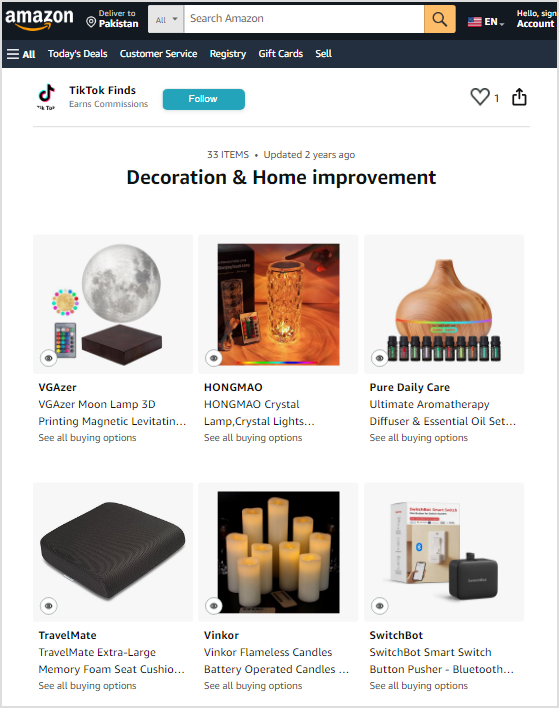
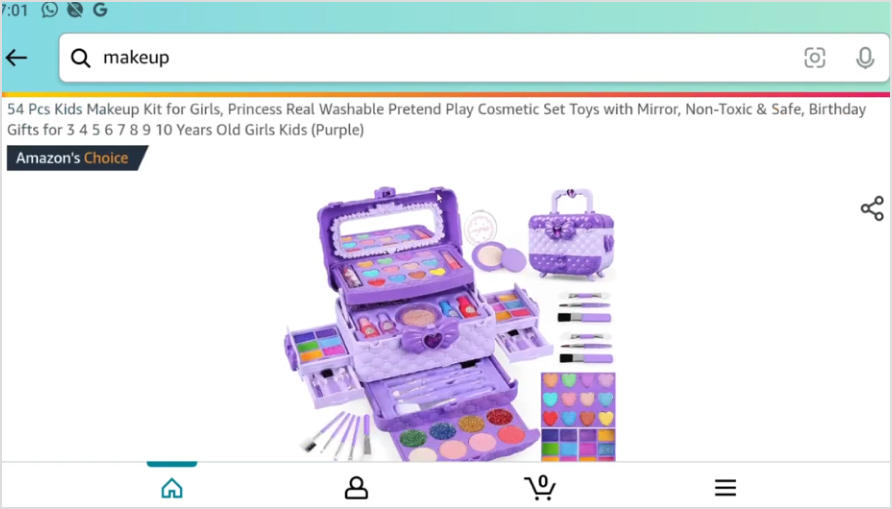
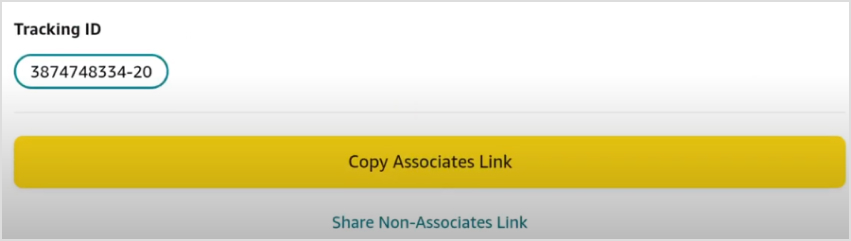

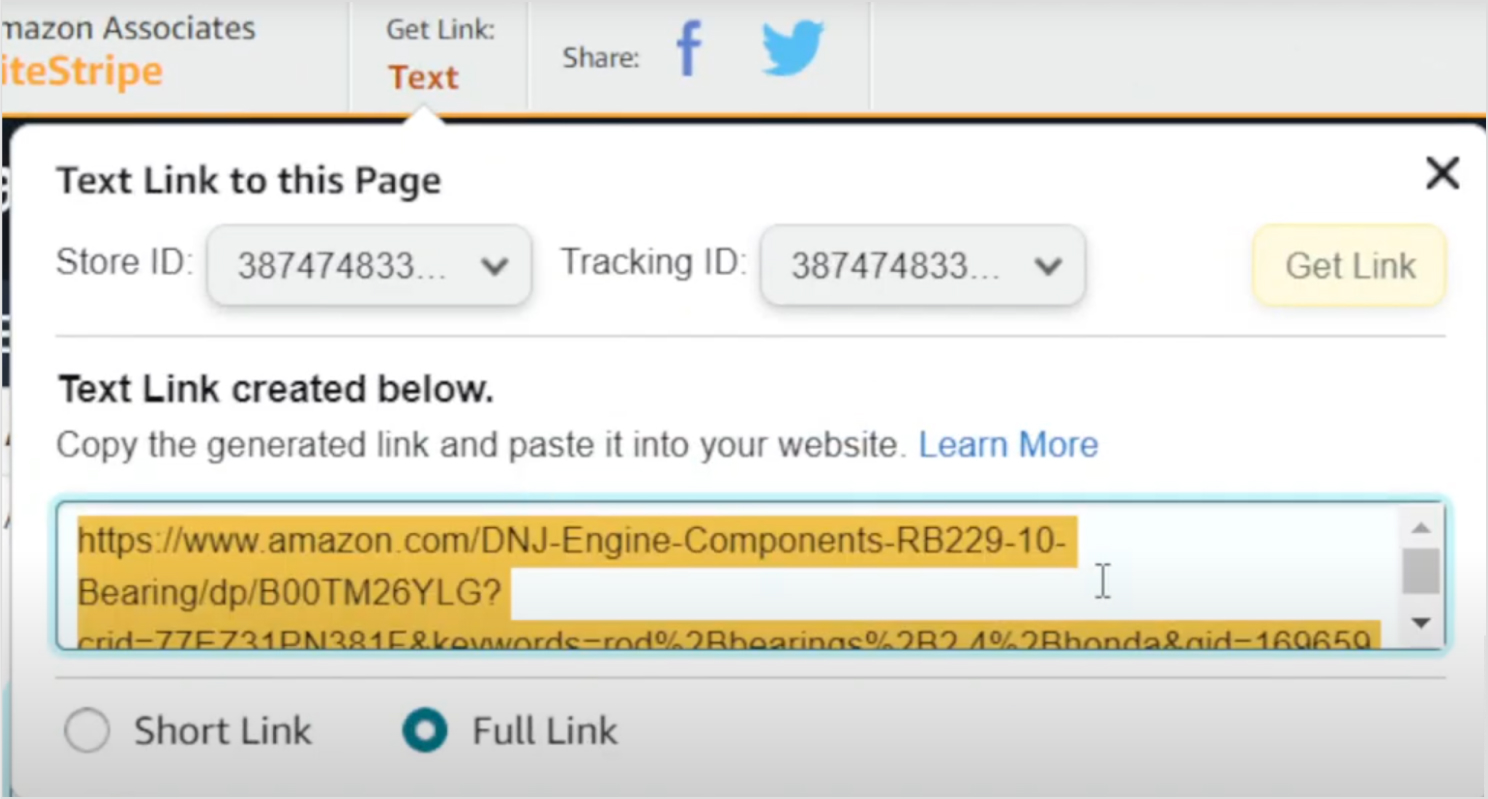
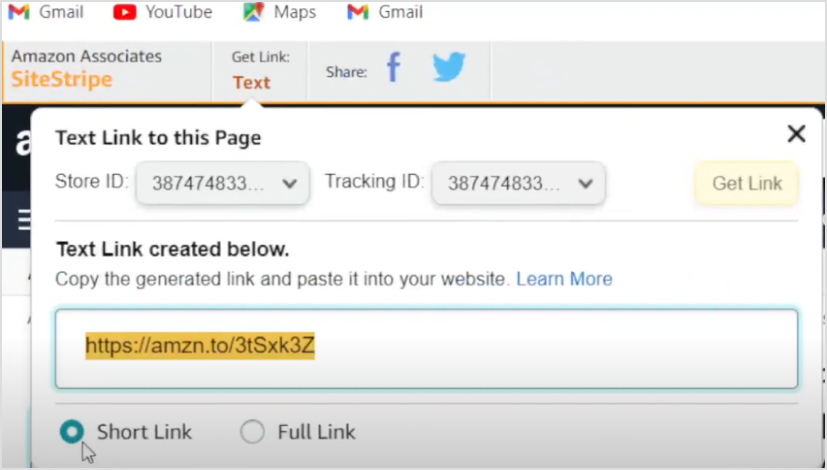
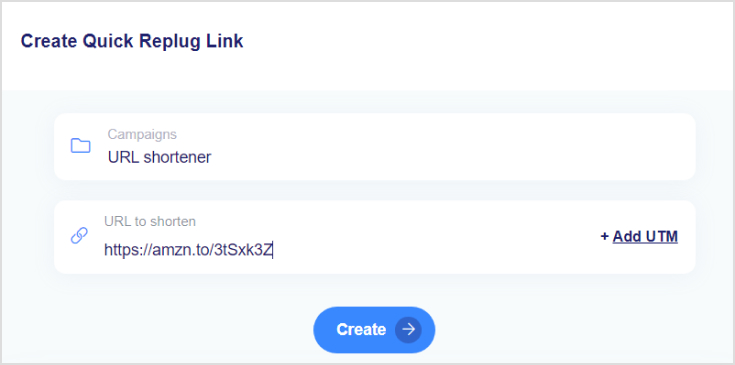
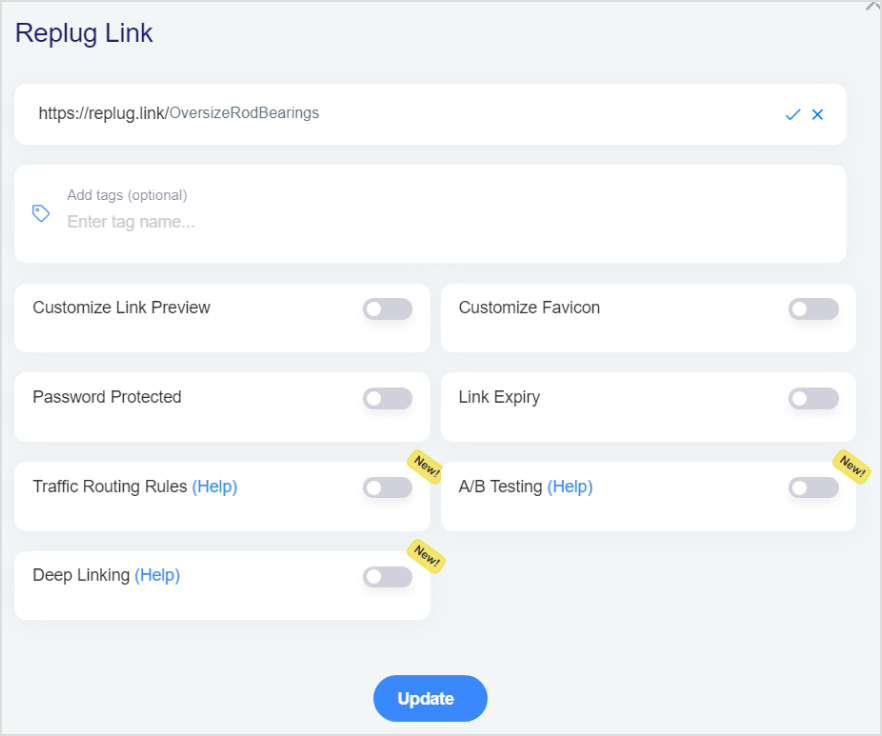


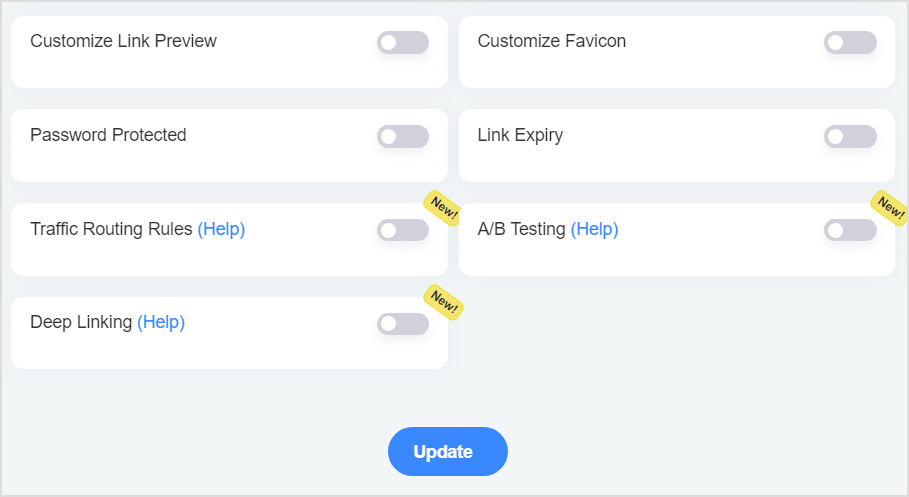


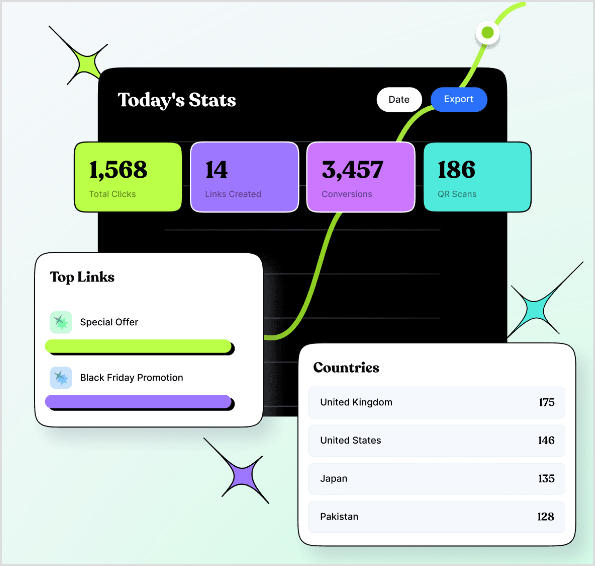
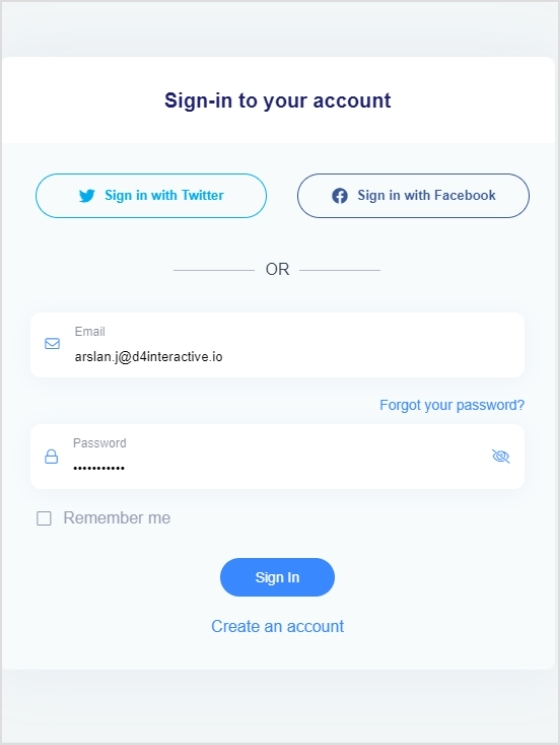
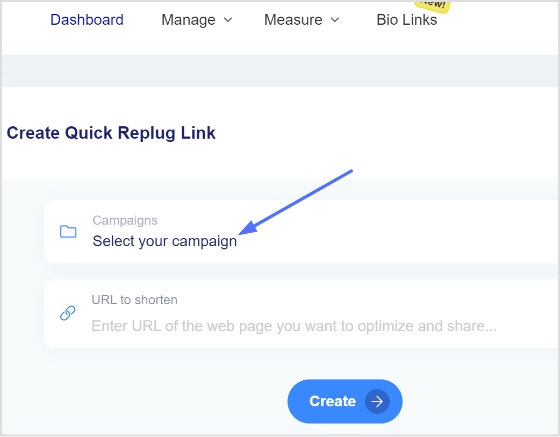
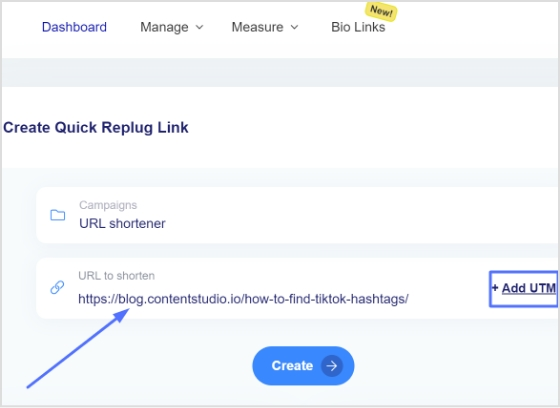
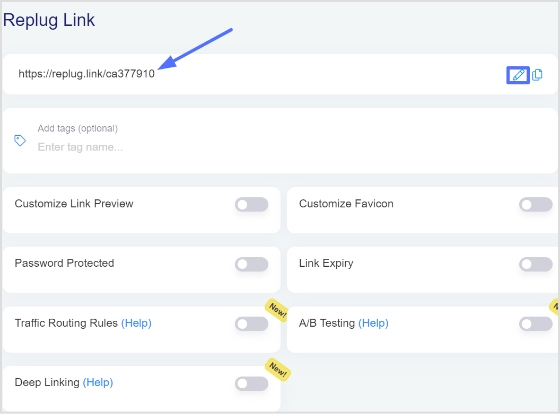
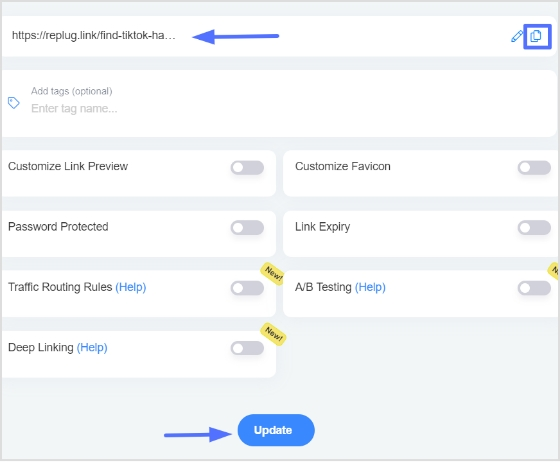
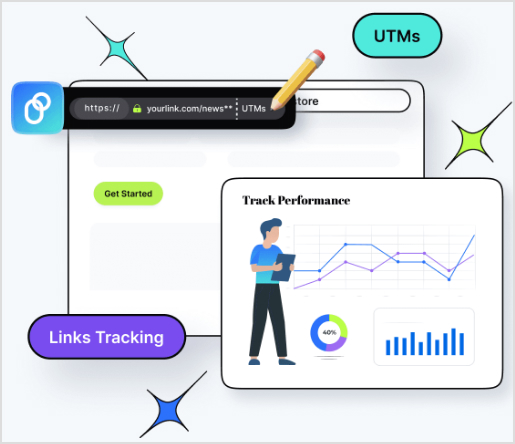
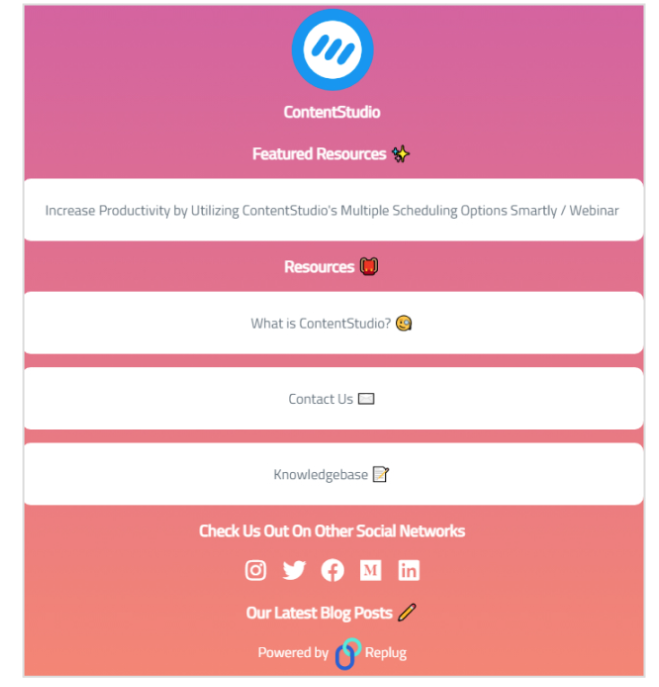
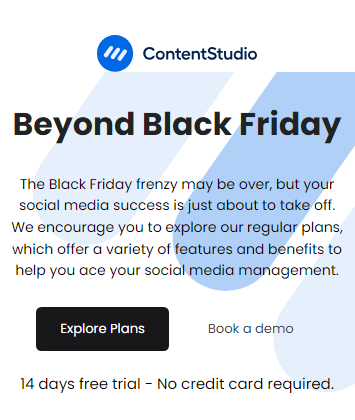

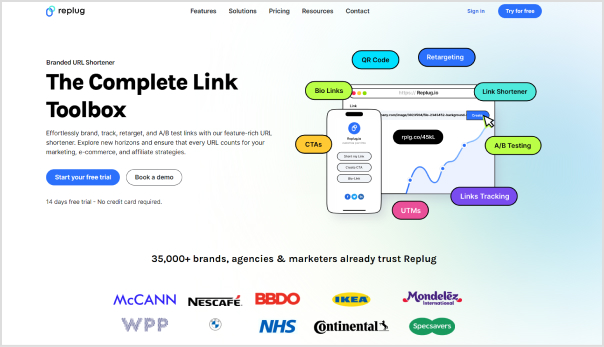
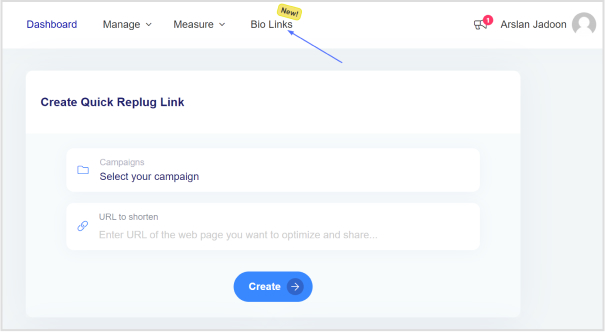
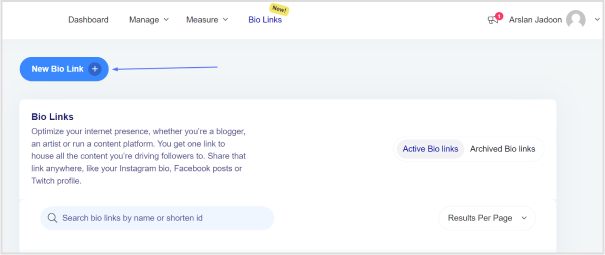
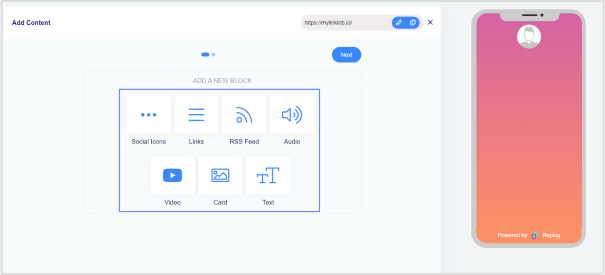
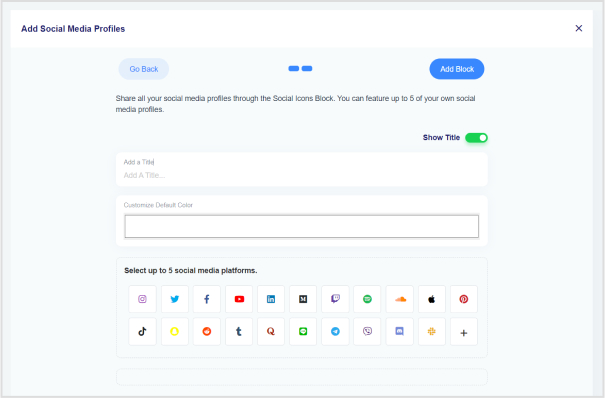
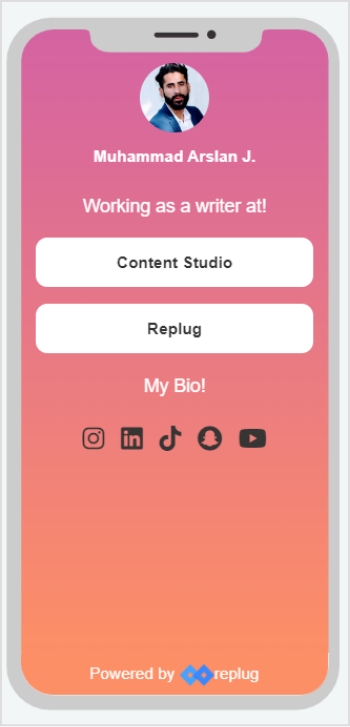


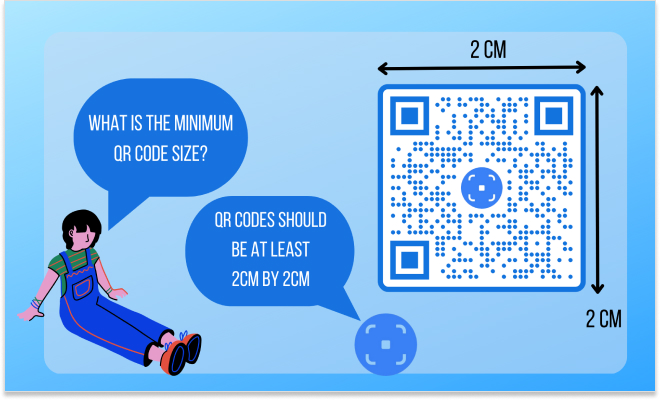














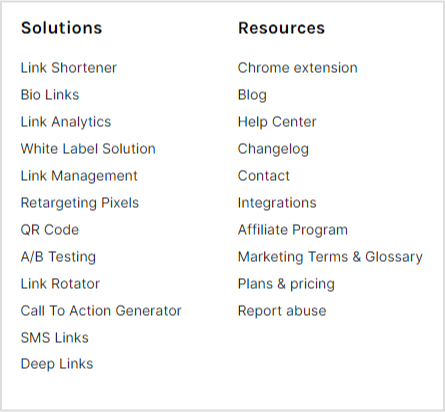
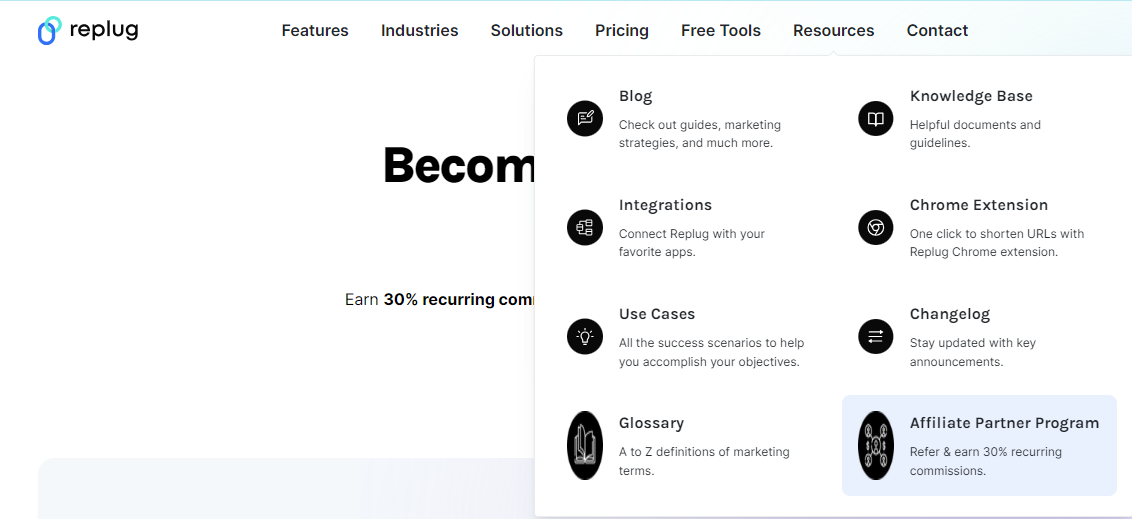

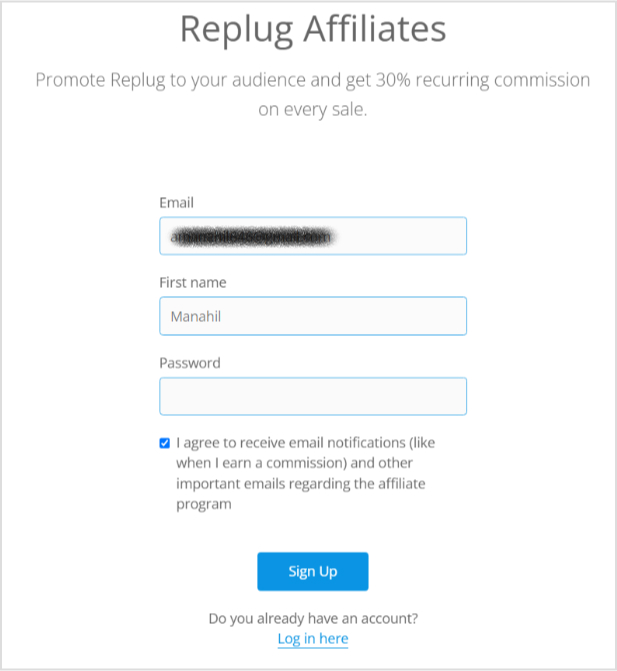
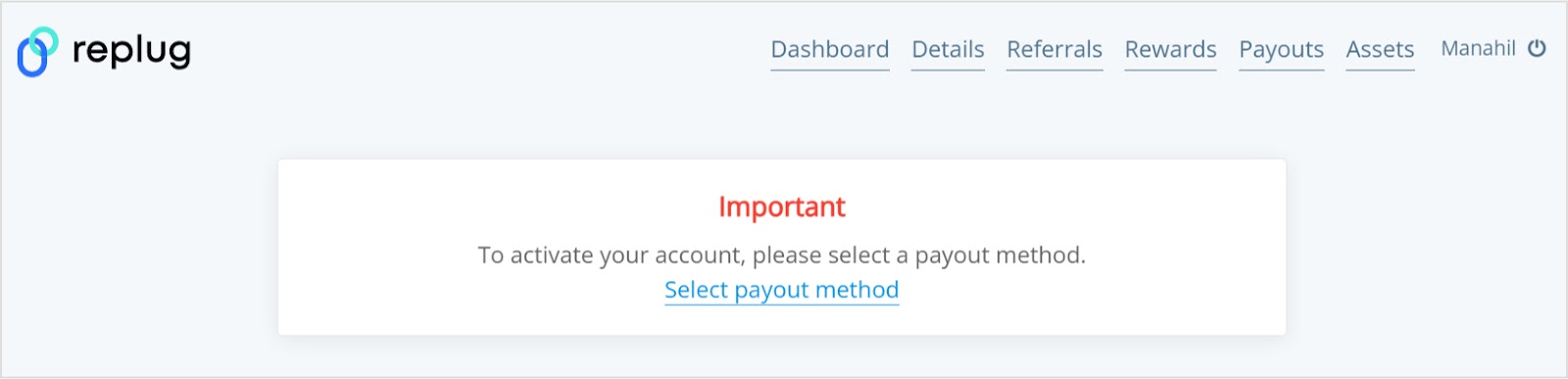
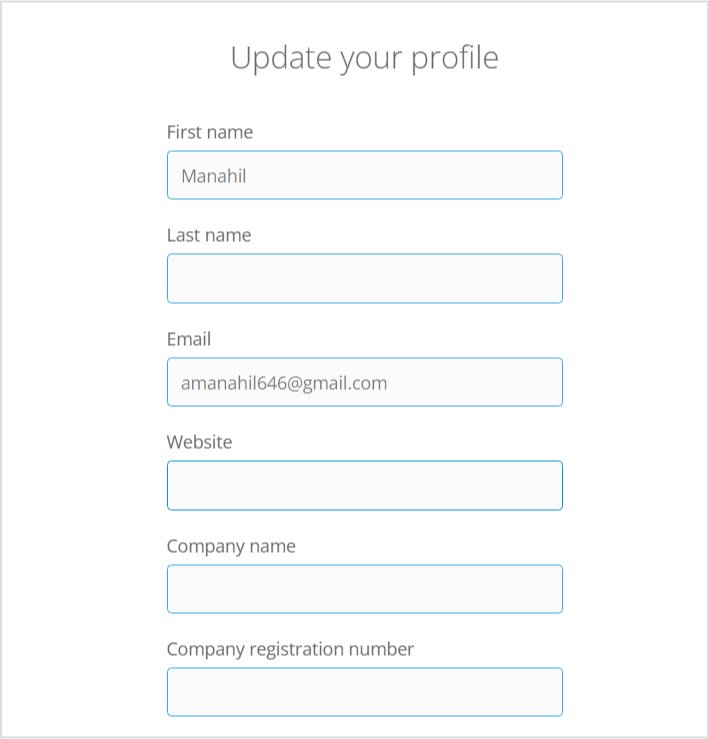
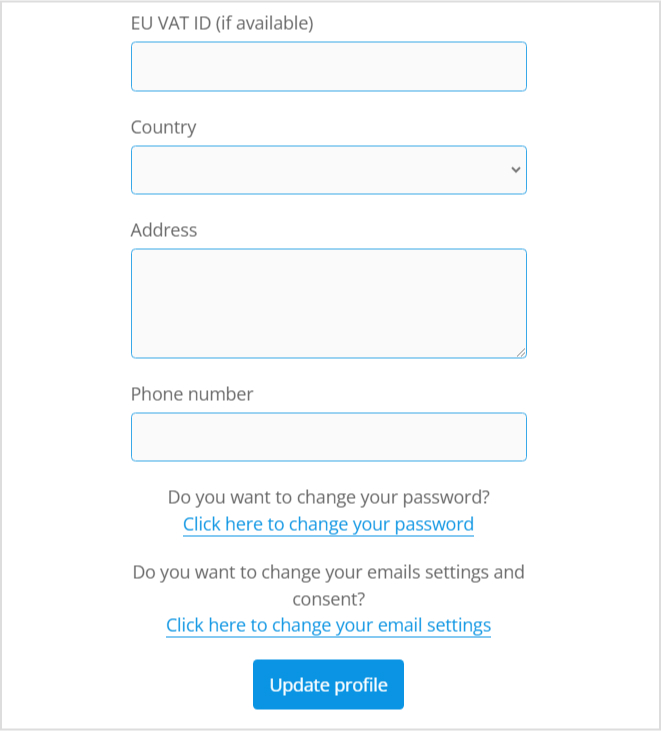
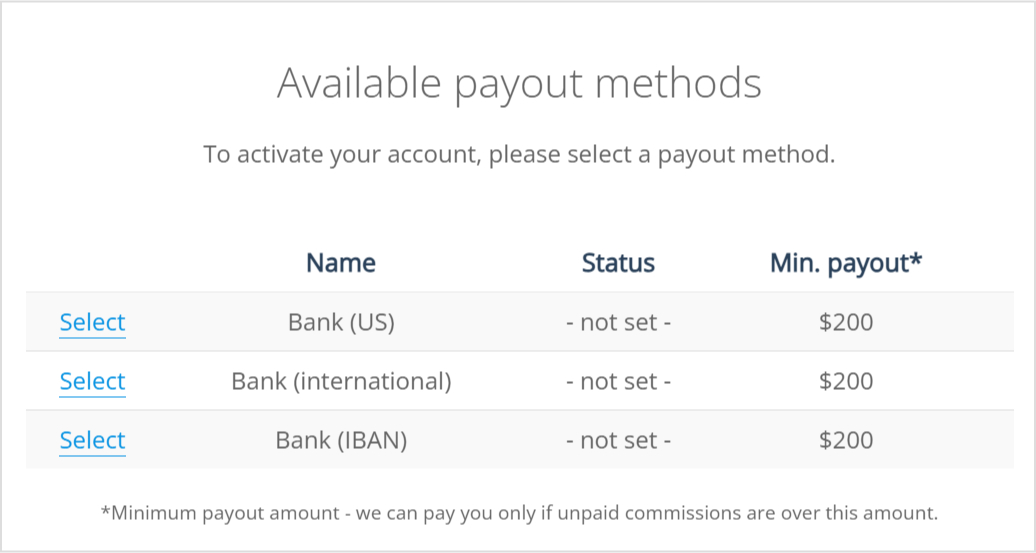
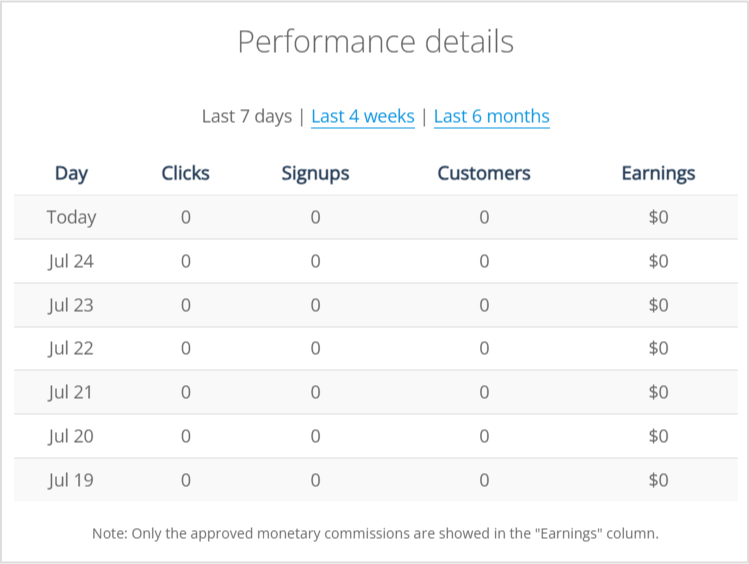
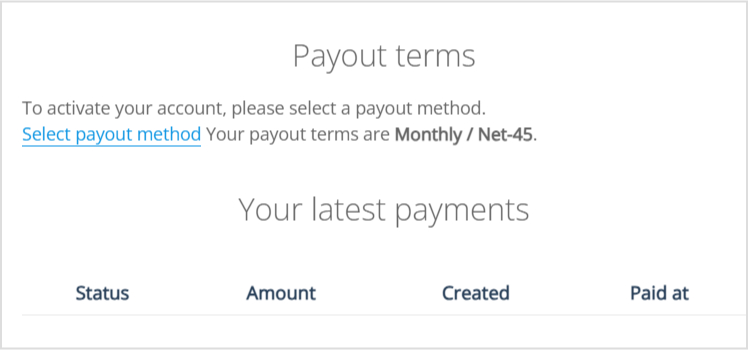




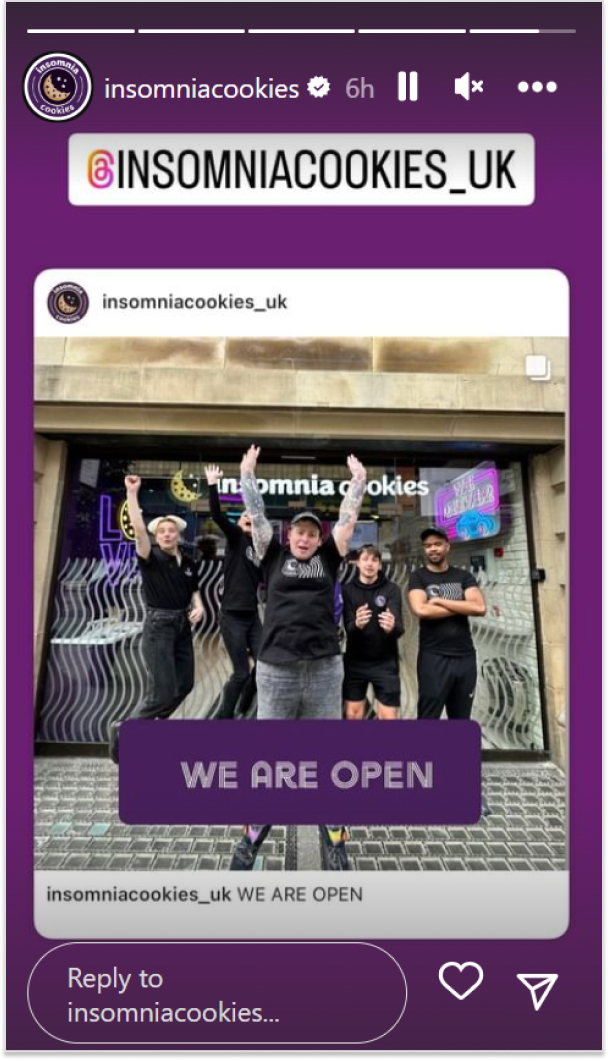





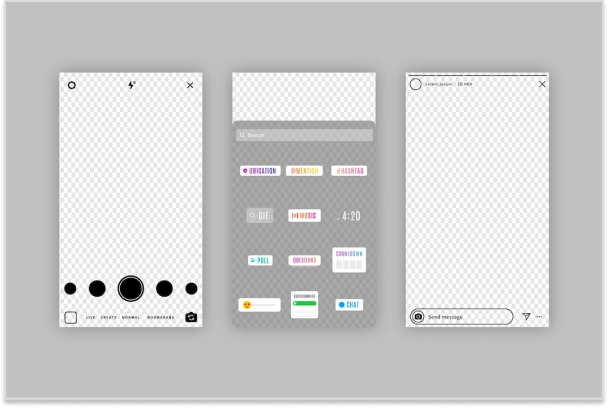


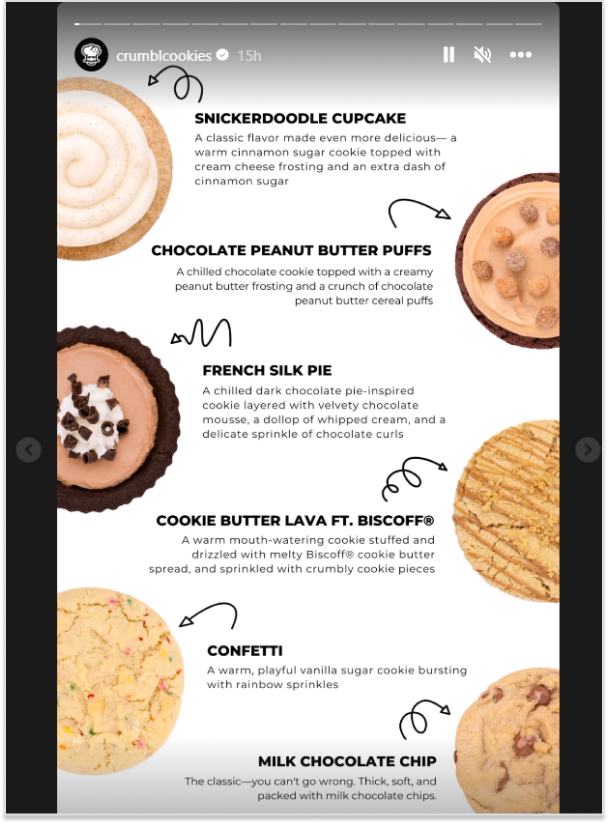





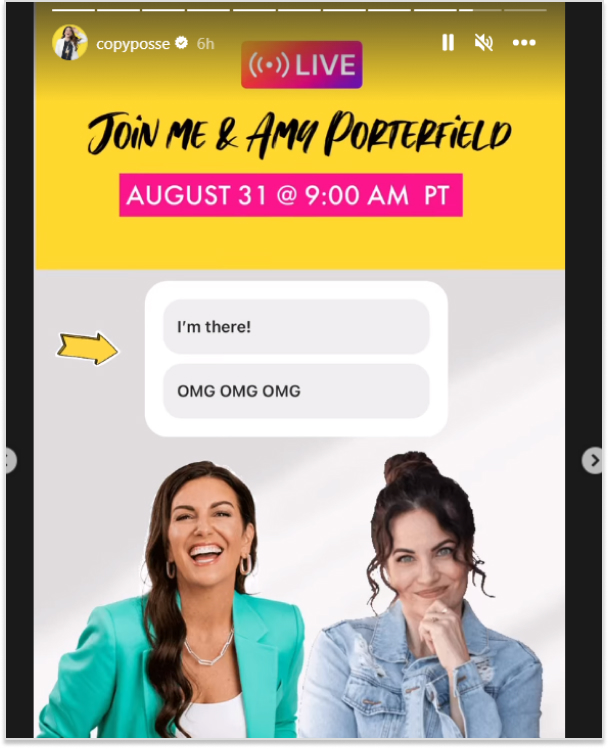

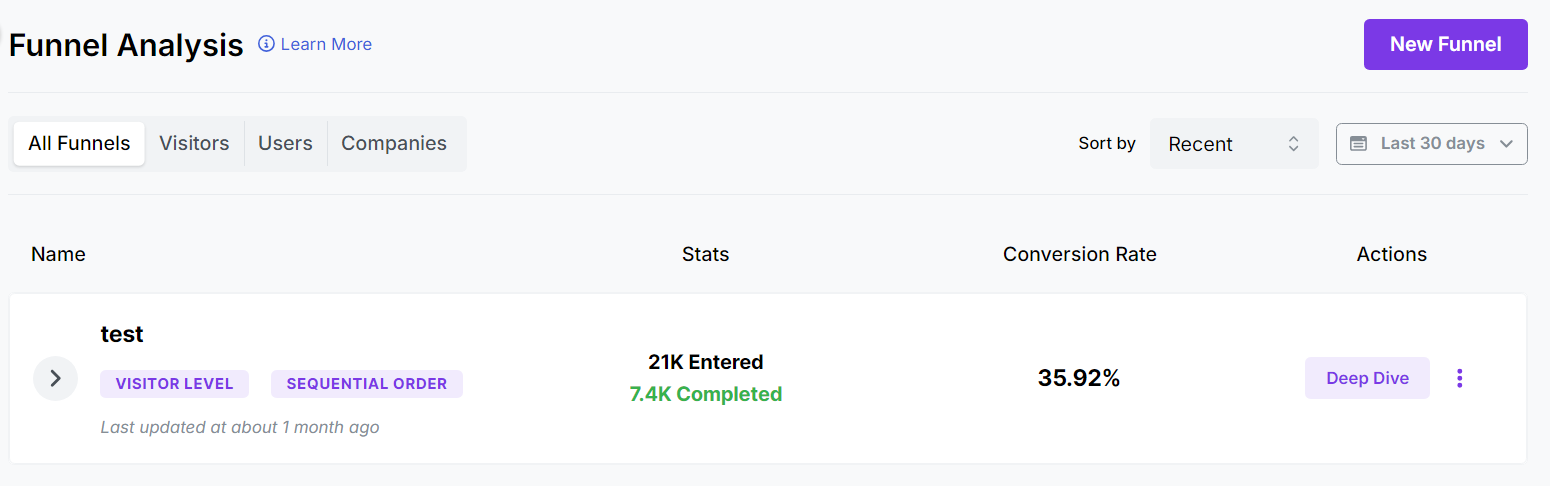
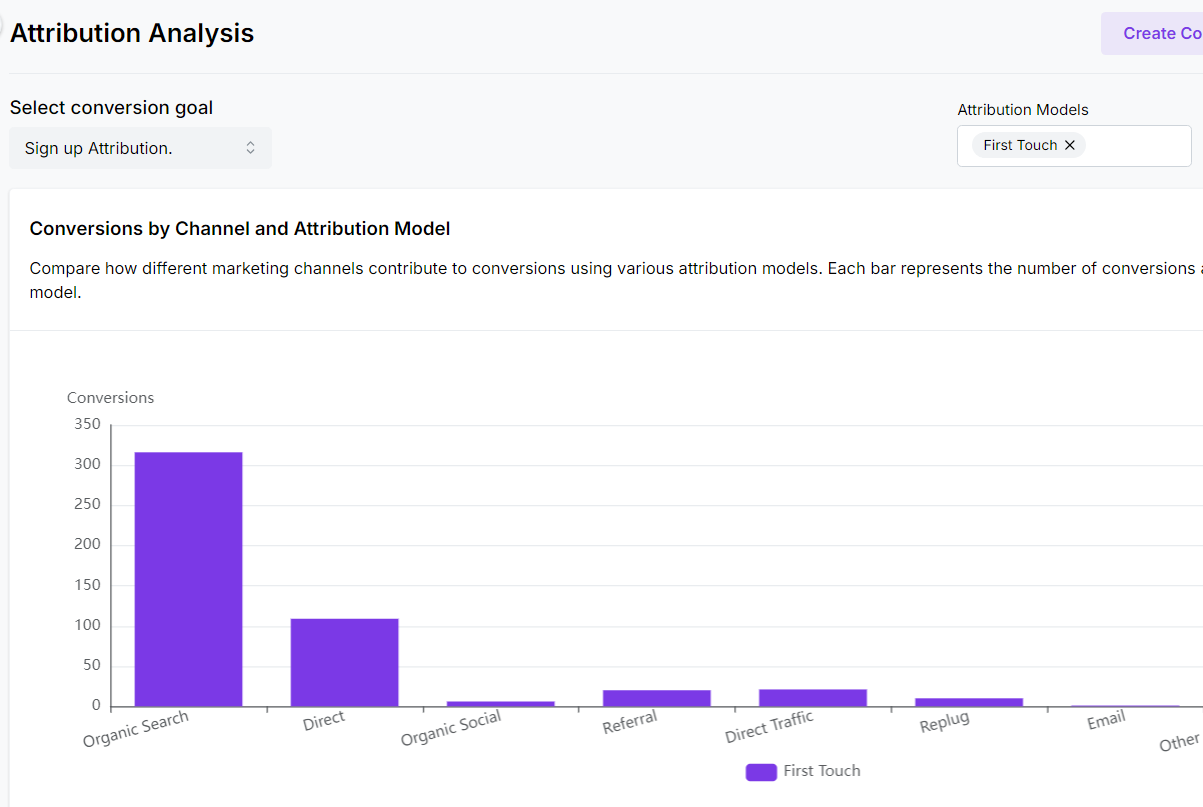
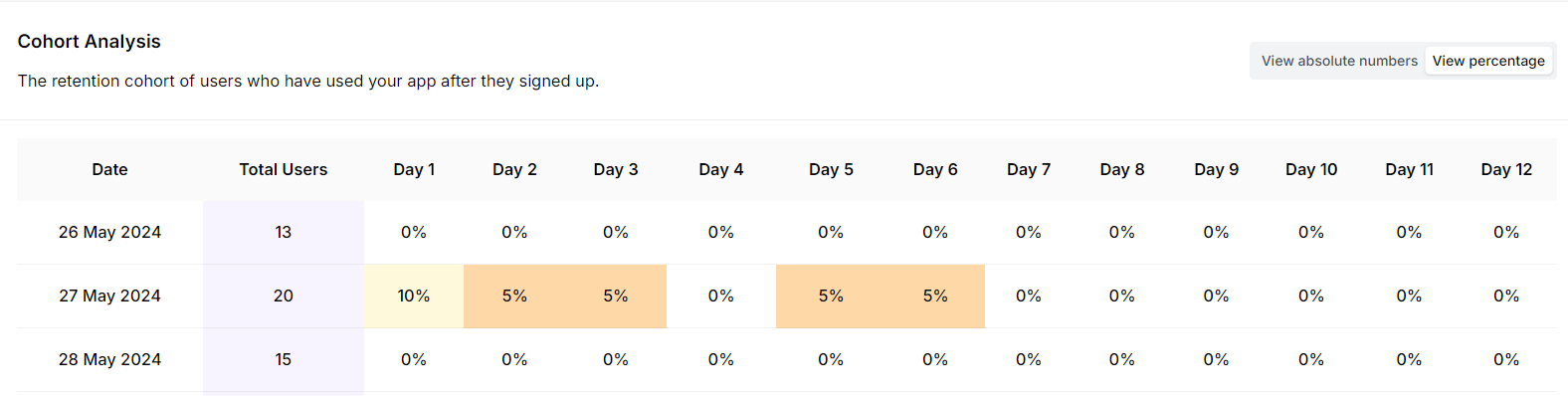
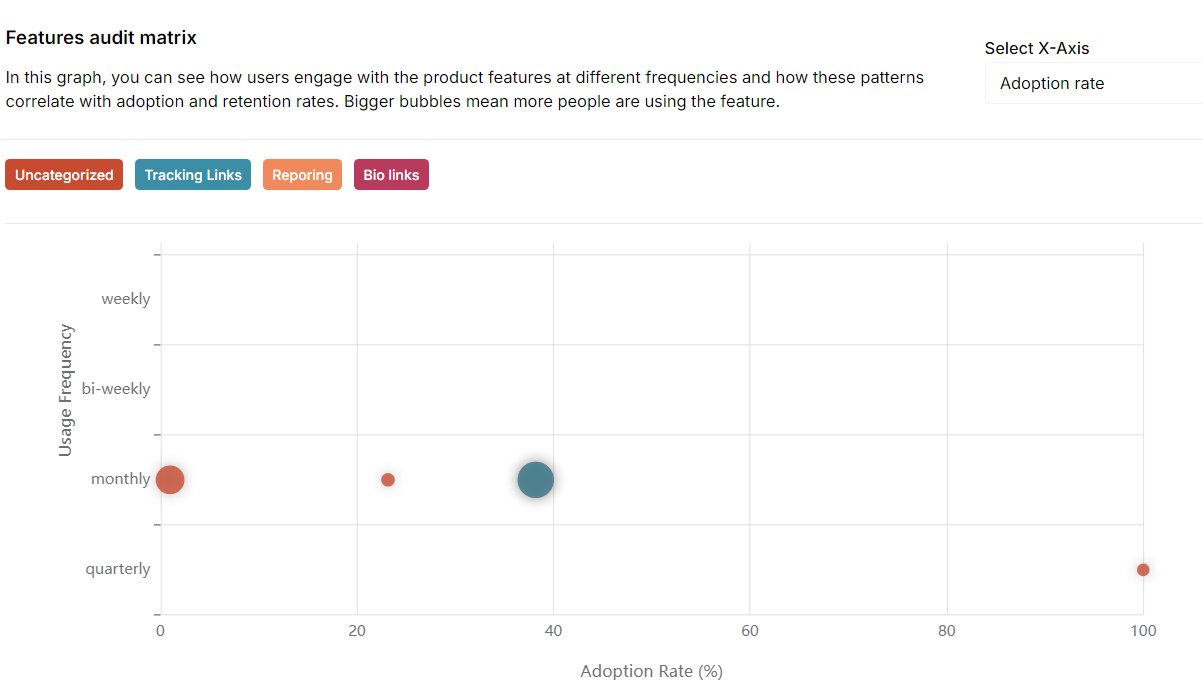
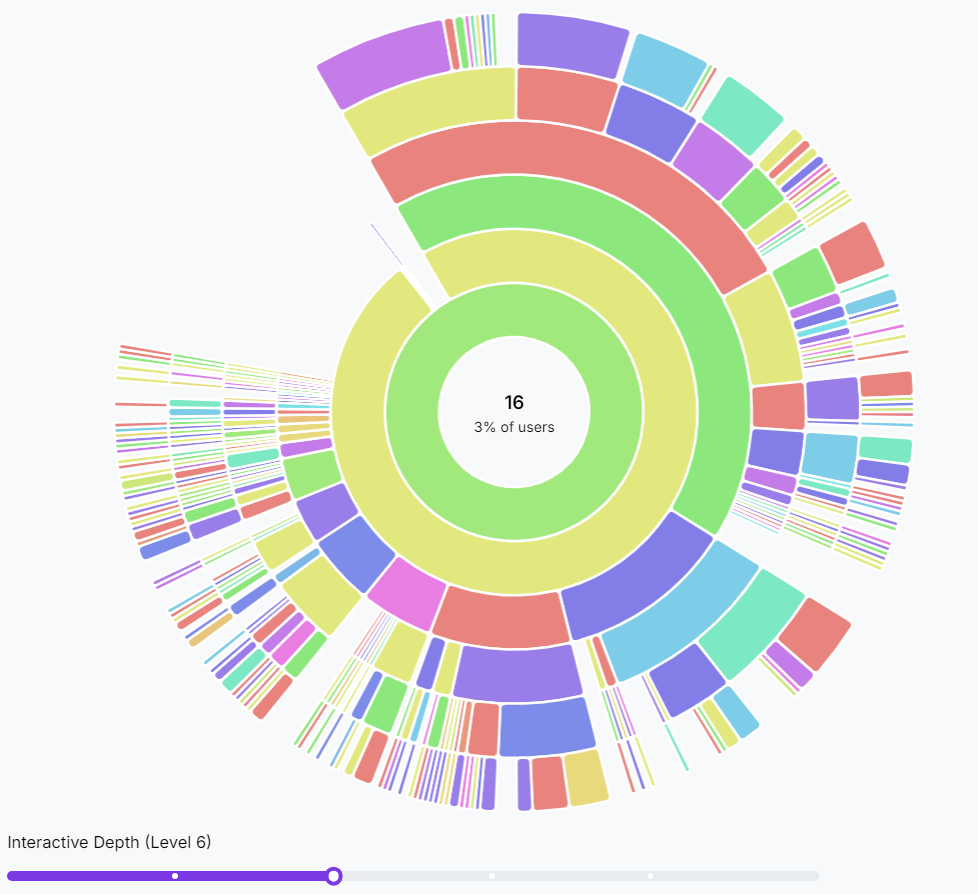
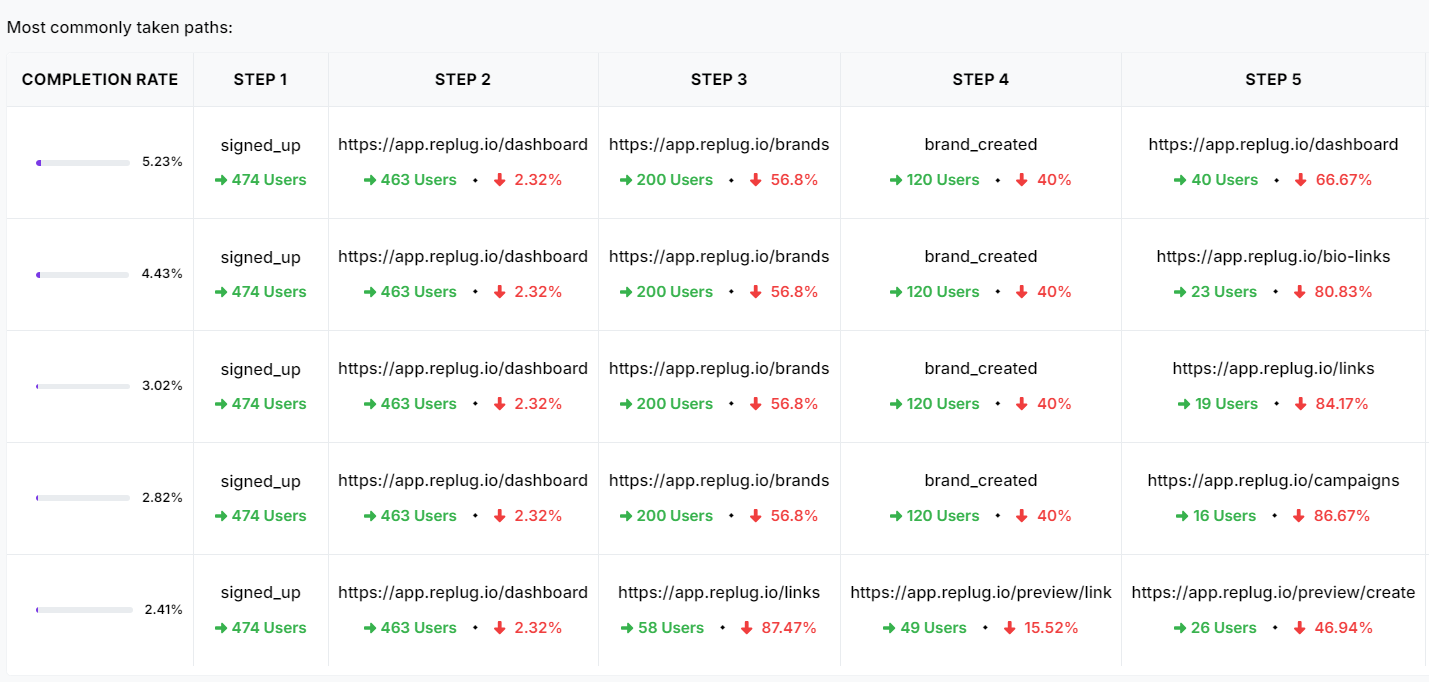 Seeing this journey laid out visually helps you understand how users interact with your product and where you can make changes to create a smoother, more enjoyable experience for them.