Creating UTM links is a straightforward process that helps you track the effectiveness of your marketing campaigns and understand where your website traffic is coming from. UTM parameters are tags added to your URLs to provide more information about the source of a click.
Here’s a quick and effective approach to creating UTM links:
Understand UTM Parameters:
UTM parameters are tags added to the end of a URL to provide more information about the source of a click. They are essential for tracking and analyzing the performance of your campaigns, allowing you to make data-driven decisions and optimize your marketing strategies.
Here’s a breakdown of the key UTM parameters and their purposes:
utm_source:
Purpose: Identifies the specific source of the traffic, such as a website, platform, or publication.
Replug is a feature-rich link management platform that excels in simplifying UTM tracking while offering robust link management capabilities. Its versatility, customization options, and detailed analytics make it a compelling choice for marketers.
Additionally, Replug provides precise link shortening via a brilliant URL shortener free tool, efficient campaign organization, and seamless integration possibilities, making it an attractive option for businesses of all sizes.
Here’s how to add UTM codes to your URLs using Replug:
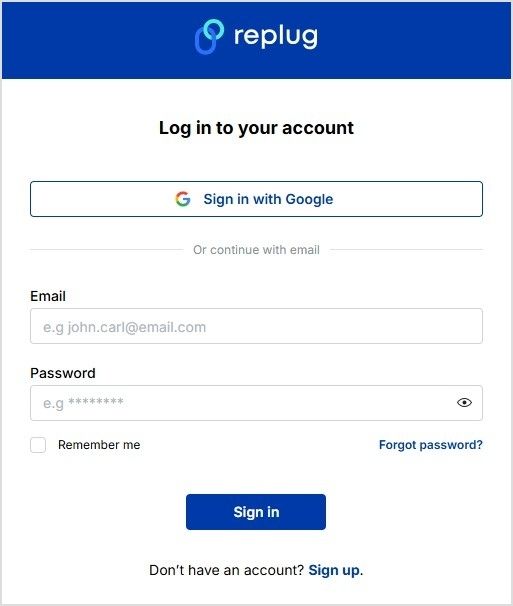
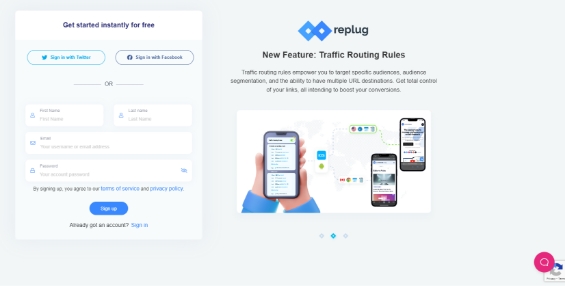
Step 1: Sign in or create an account
Begin by signing in to your Replug account. If you don’t have one yet, you can easily create a free account.
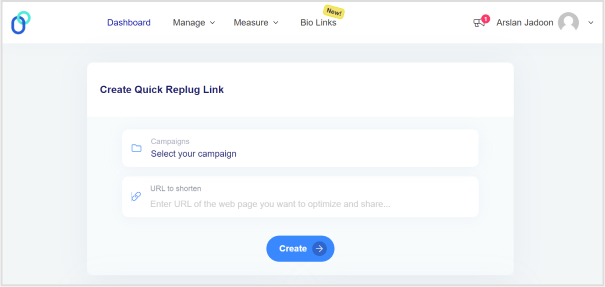
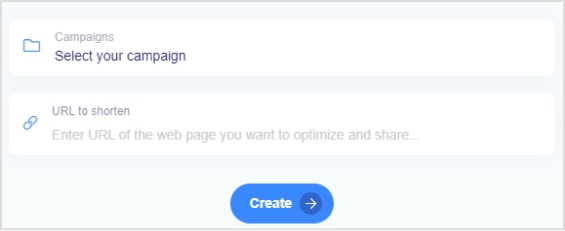
Step 2: Select your campaign
Once you’re logged in, click “Select your campaign” on the main dashboard or create a new campaign.
Step 3: Paste the URL
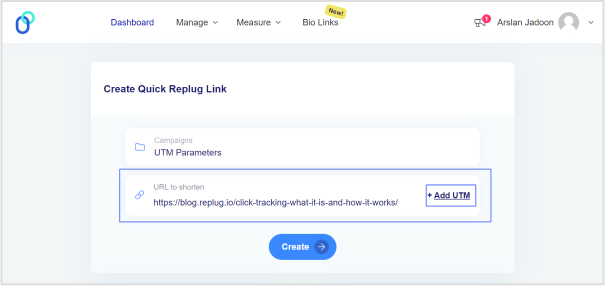
Locate the “URL to shorten” section below “Select your campaign”, and paste the URL to which you want to add UTM parameters.
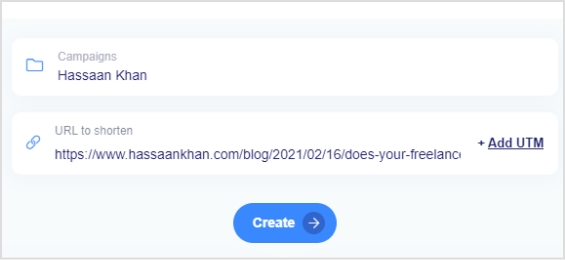
Step 4: Add UTM tag
At the end of the “URL to shorten” section, you’ll see an “add UTM” tag. Click on it to proceed.
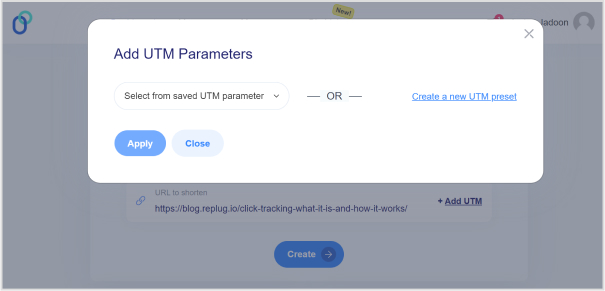
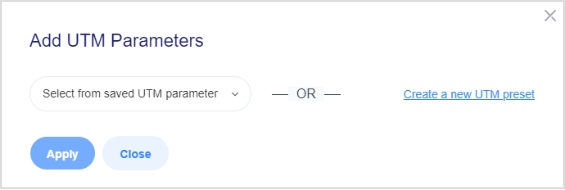
Step 5: Choose UTM parameters
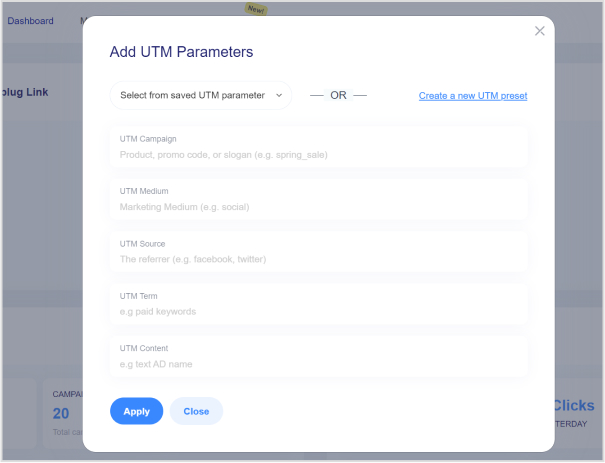
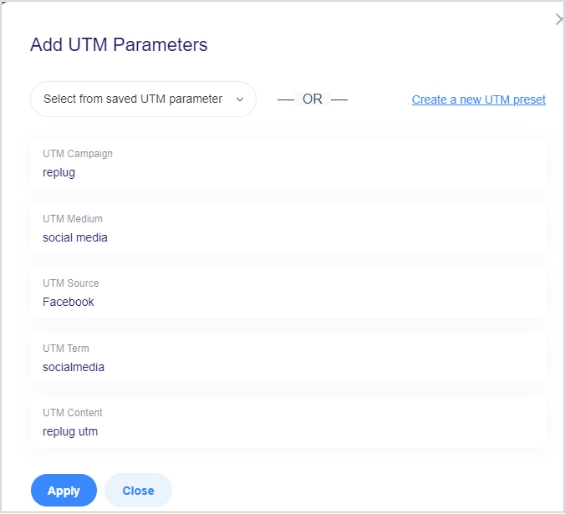
You have the option to either “select from saved UTM parameters” if you’ve used these before or “create a new UTM parameter.”
Step 6: Fill in UTM parameters
If you decide to create a new UTM parameter, provide the necessary information such as the source, medium, campaign, term, and content. Once you’ve completed this, click “Apply.”
Step 7: Create the URL
Click the “create” button, and Replug will automatically generate a shortened URL with the added UTM parameters.
Step 8: Edit UTM code (optional)
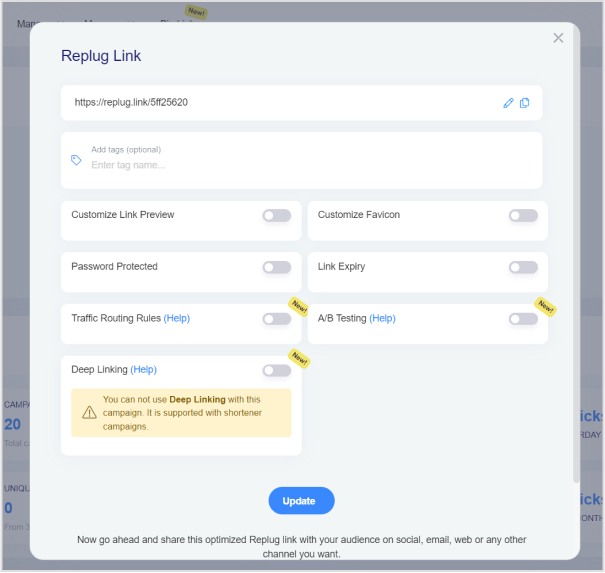
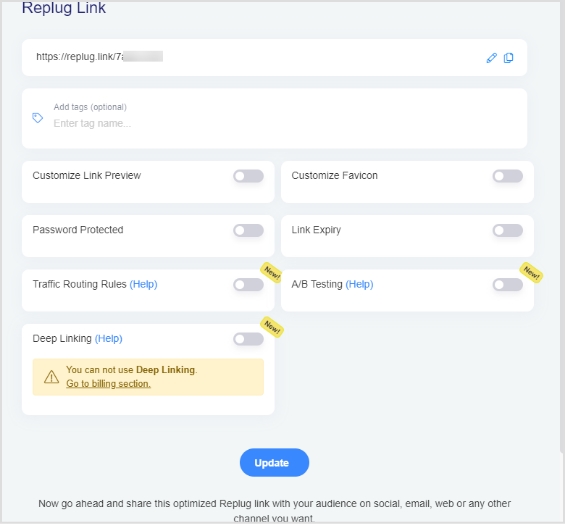
If you wish to further customize the URL, you can do so by clicking the edit icon.
Step 9: Copy and update
After any edits (if necessary), simply copy the URL with the UTM parameters and click the “update” button to save your changes.
Step 10: Access your URL
To access and manage the URL you’ve just created with UTM parameters, navigate to the “Manage” section in Replug and click on “Replug links.”
By following these steps, you can harness the full potential of Replug to seamlessly integrate UTM codes into your URLs, improving the accuracy and effectiveness of your marketing campaign tracking and analysis.
A complete link management solution
for marketing professionals & agencies.
Try Replug for free
Frequently asked questions
What are UTM parameters?
UTM parameters are tags added to URLs to track the source and performance of your marketing links. They’re essential for understanding where your traffic comes from and how effective your campaigns are.
How do I create UTM links for my marketing campaigns?
Use Replug’s free online UTM builder or manually add UTM parameters to your URLs to create UTM links. For efficiency, it’s better to use a tool.
What are the common mistakes to avoid when using UTM parameters?
Avoid using spaces or special characters in your UTM parameters, and make sure they are applied consistently. Be careful with sensitive data like user information in UTM parameters.
Ever felt frustrated by Instagram’s link limit? You’re not alone! While Instagram now allows up to five links in your bio, that might not be enough if you have multiple websites, social media accounts, or affiliate links to share.
That’s where Replug comes in. It lets you create a single, sleek bio link page where you can add unlimited links, making it easier for your audience to find everything in one place.
Let’s dive into how you can set up multiple links in your Instagram bio using this top-notch URL shortener!
Why add a Replug link to your Instagram bio?
Before we discuss the how, let’s know the why.
Why should you even consider integrating a Replug link into your Instagram bio?
Beyond the obvious advantage of offering an in-depth view of your presence, here are some compelling reasons:
Boost your follower base: Direct your Instagram followers to explore your other platforms, encouraging them to follow you on those as well. You can also add links to your Instagram in the bios of your other accounts to drive cross-platform engagement and get leads from social media.
Monetize your audience: Replug helps you turn Instagram followers into customers by linking to your e-commerce store, Etsy shop, or other products. Direct users to your purchasable content, turning your followers into potential buyers and boosting sales for Instagram business accounts.
Monitor analytics: Replug provides insights into user engagement, tracking clicks, views, and click-through rates (CTR). For influencers, this data is essential for refining your content strategy, helping you optimize performance and improve audience engagement across platforms.
Offline connection: Share your Instagram QR code with followers to connect them to your other platforms. Whether it’s for a restaurant menu or event info, the offline-to-online connection creates an easy way for users to engage with your content anytime, anywhere.
Customizable landing pages: Build a personalized landing page with Replug that reflects your brand’s style and identity. Customize everything from layout to colors to create an on-brand experience for your audience.
Unlimited links: Replug allows you to share an unlimited number of links through its bio link feature. From your website and blog posts to products and affiliate content, it gives you a simple place to drive traffic and keep your audience engaged.
Retargeting pixel support: Improve your ad campaigns with retargeting by tracking visitors who clicked your links. This feature helps you stay connected with your audience and drive conversions by reaching users who have shown interest.
Mobile-friendly and fast: Replug ensures that your landing pages and links work seamlessly on all devices, offering a fast and smooth experience for users accessing your content from smartphones, tablets, or desktops.
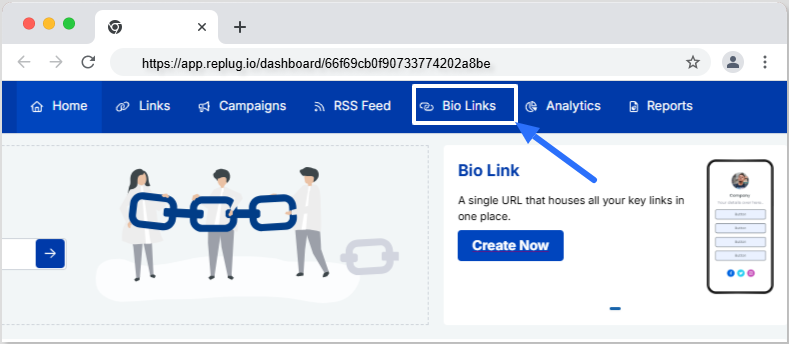
Step 2: Access the “bio links” feature on the Replug dashboard.
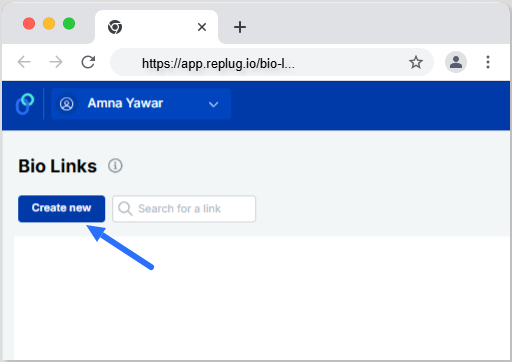
Step 3: Click the “New Bio Link” button to create a new bio link specifically for your Instagram bio.
Step 4: Personalize your bio profile to your heart’s content. With Replug, you can add a profile picture, profile title, bio description, and even a verification badge!
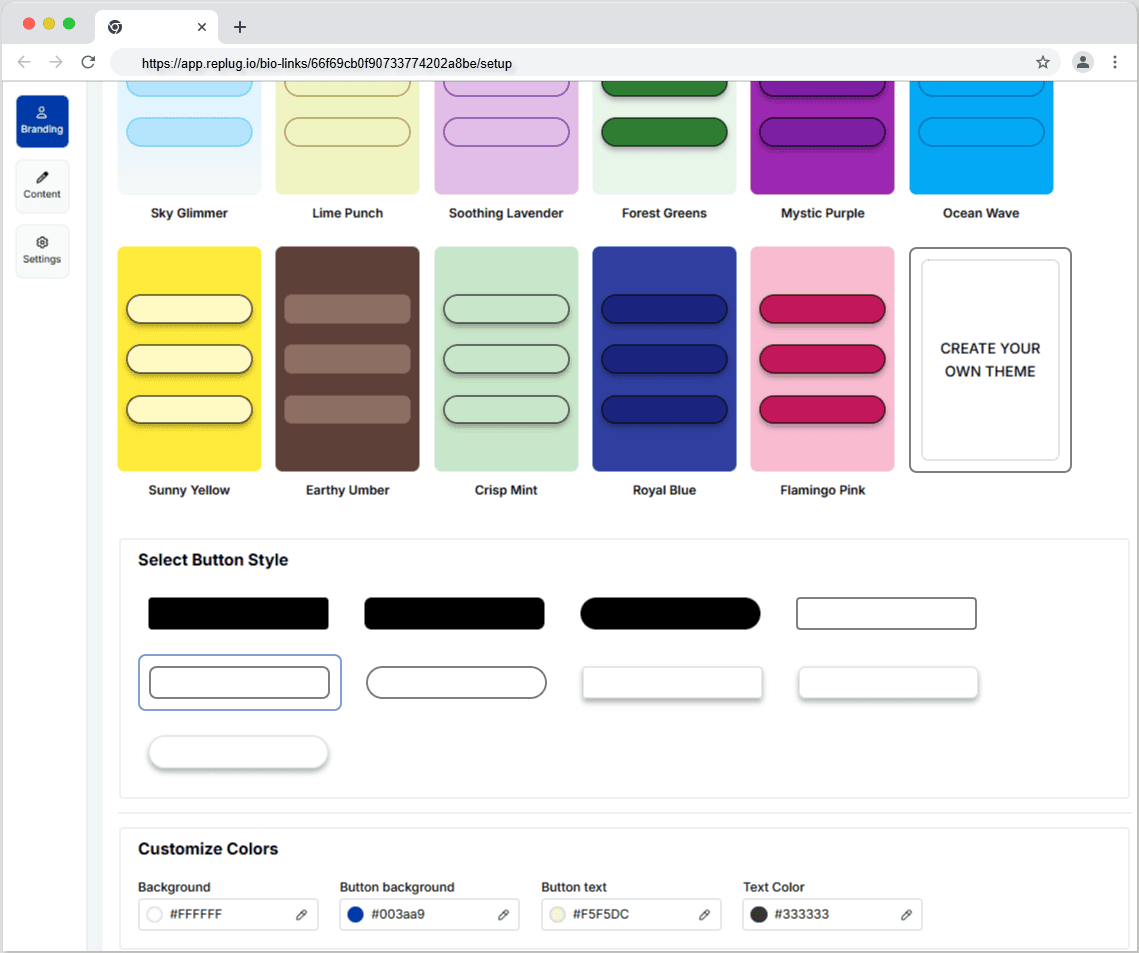
Now comes the creative and fun part. You choose from stunning pre-designed templates or create your own. You can also customize colours, select from button styles, and customize colours.
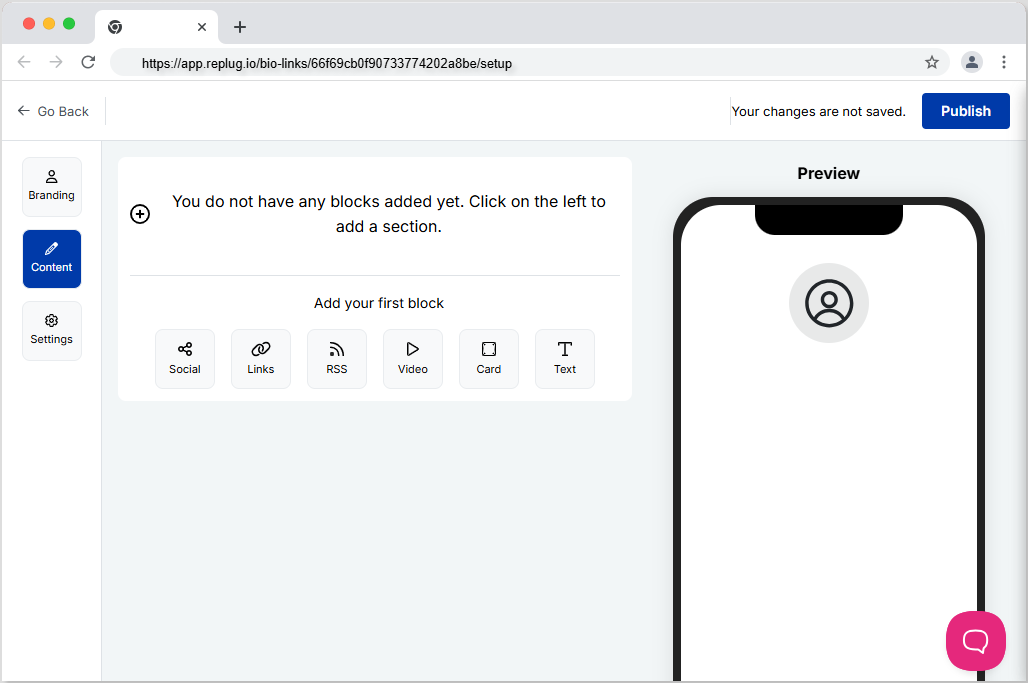
Step 5: Now customize the content you want on your bio link landing page. You can choose from multiple blocks, including social, links, RSS, video, card, and text. This is a great way to add all your links inside a single and clean landing page. It prevents your bio from looking cluttered and messy because of multiple links.
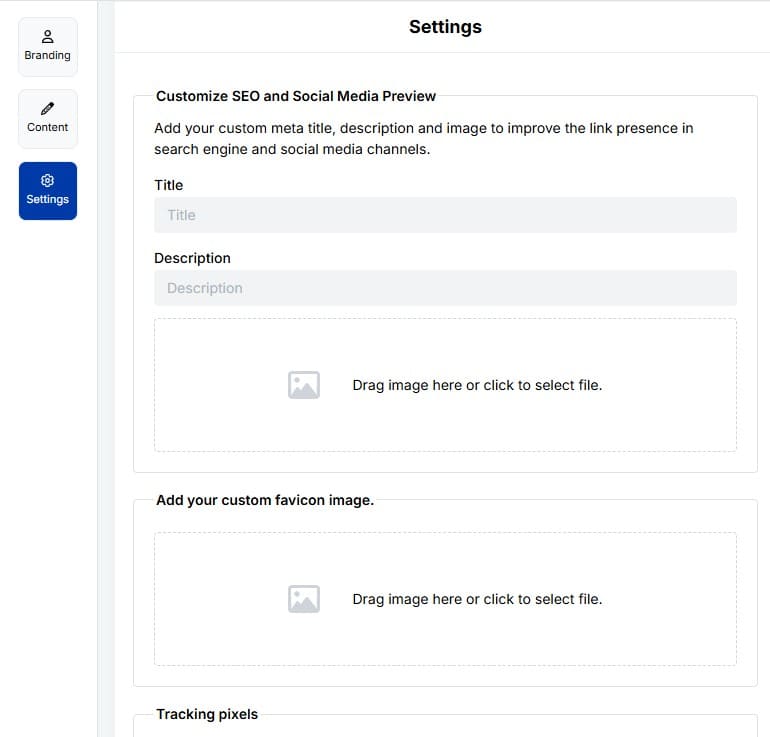
Step6: The final step is to customize SEO and social media preview. Here, you’ll have the option to add your custom meta title, description, custom favicon image, and retargeting pixel to improve the link presence in search engines and social media channels.
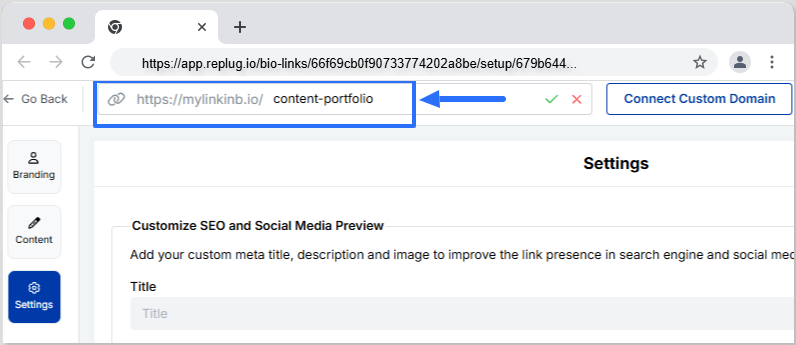
Step 7: Customize your bio link slug for a personalized touch.
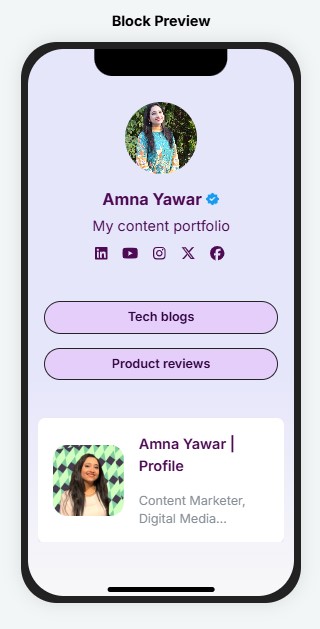
Step 8: Update your bio link and preview it for final touches.
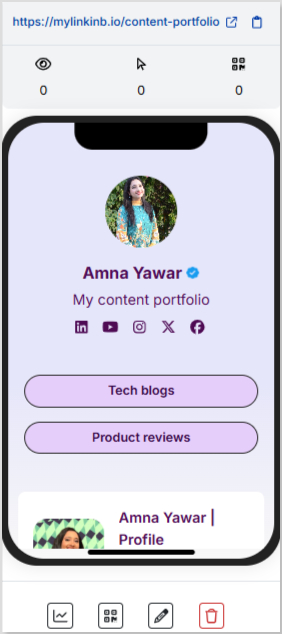
Step 9: Go back to your bio link dashboard. You will now see that your bio link has been generated and is live.
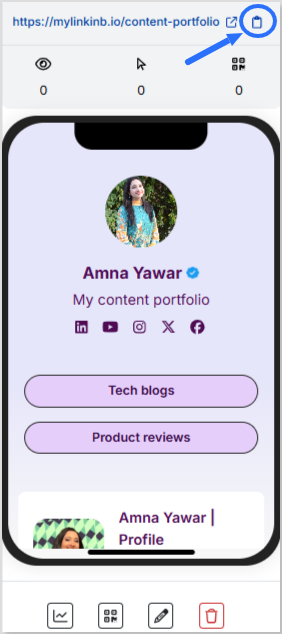
You can now copy your bio link URL, view your bio link analytics, download the QR for easy sharing, edit your bio link if required, or delete it permanently.
Add bio link URL to Instagram bio:
Step 1: Copy your bio link URL from Replug.
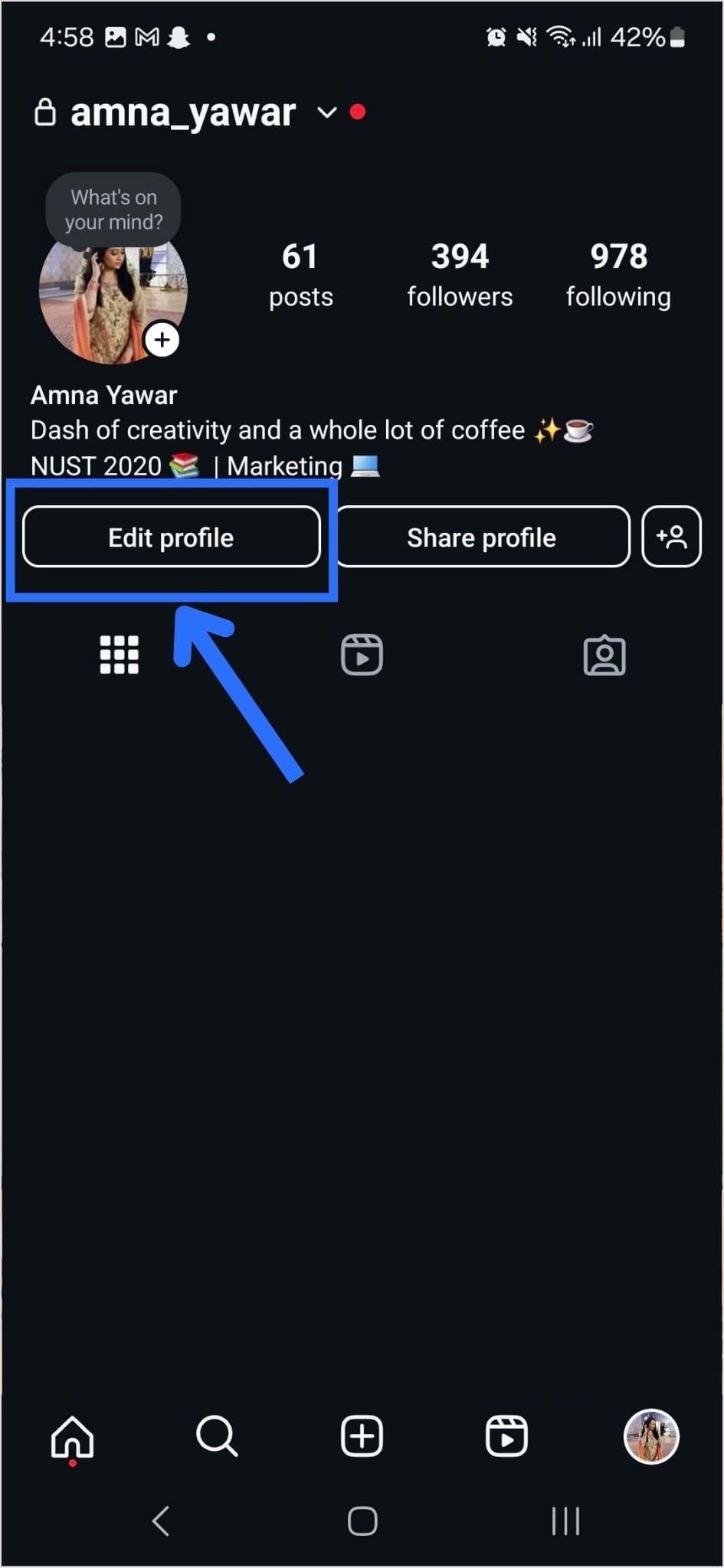
Step 2: Open Instagram on your mobile and tap your profile icon in the bottom right corner.
Step 3: Tap on the edit profile button on your profile page.
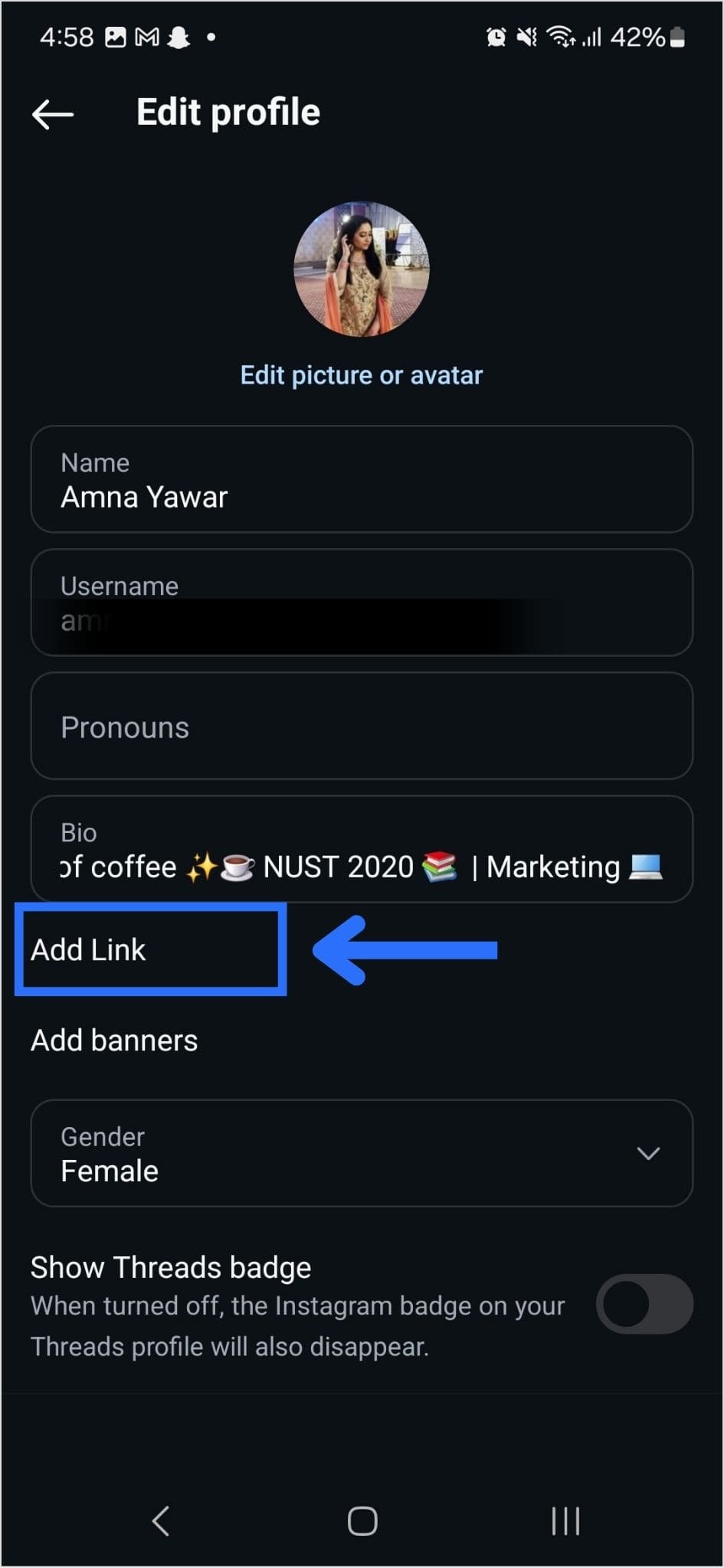
Step 4: Now, you will see the add link section on your mobile screen. Tap on it.
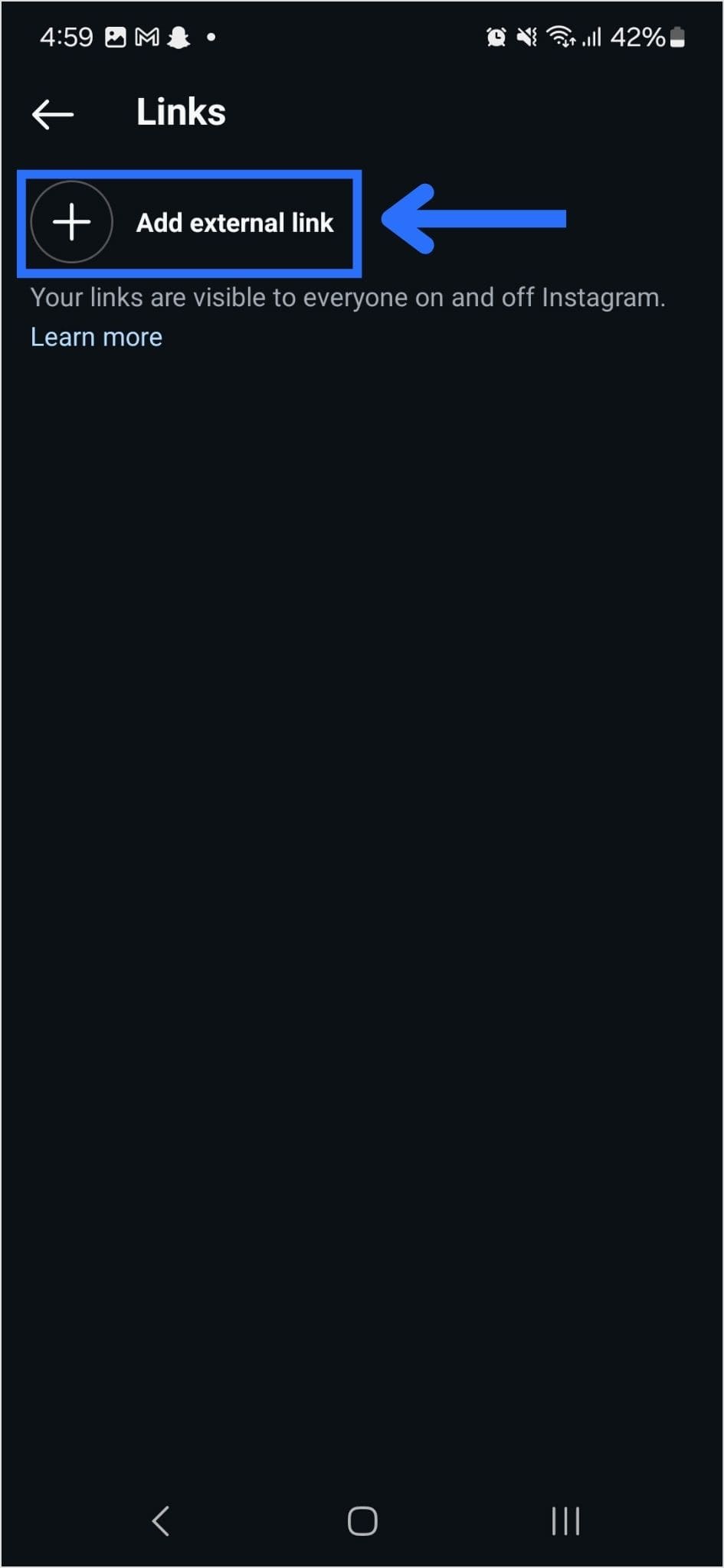
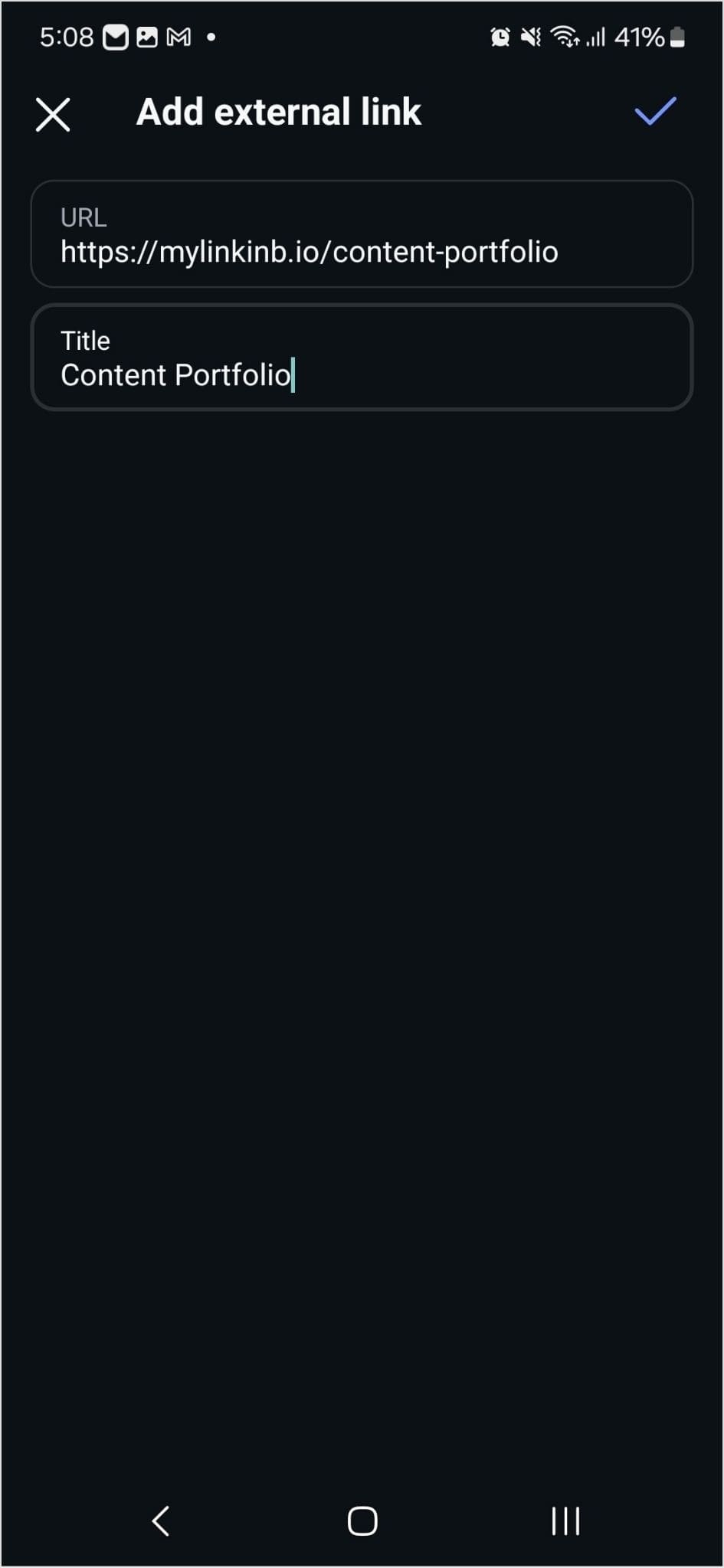
Step 5: Tap the add external link section to add your website address.
Step 6: Paste the bio link URL in the URL section and add a title in the title section.
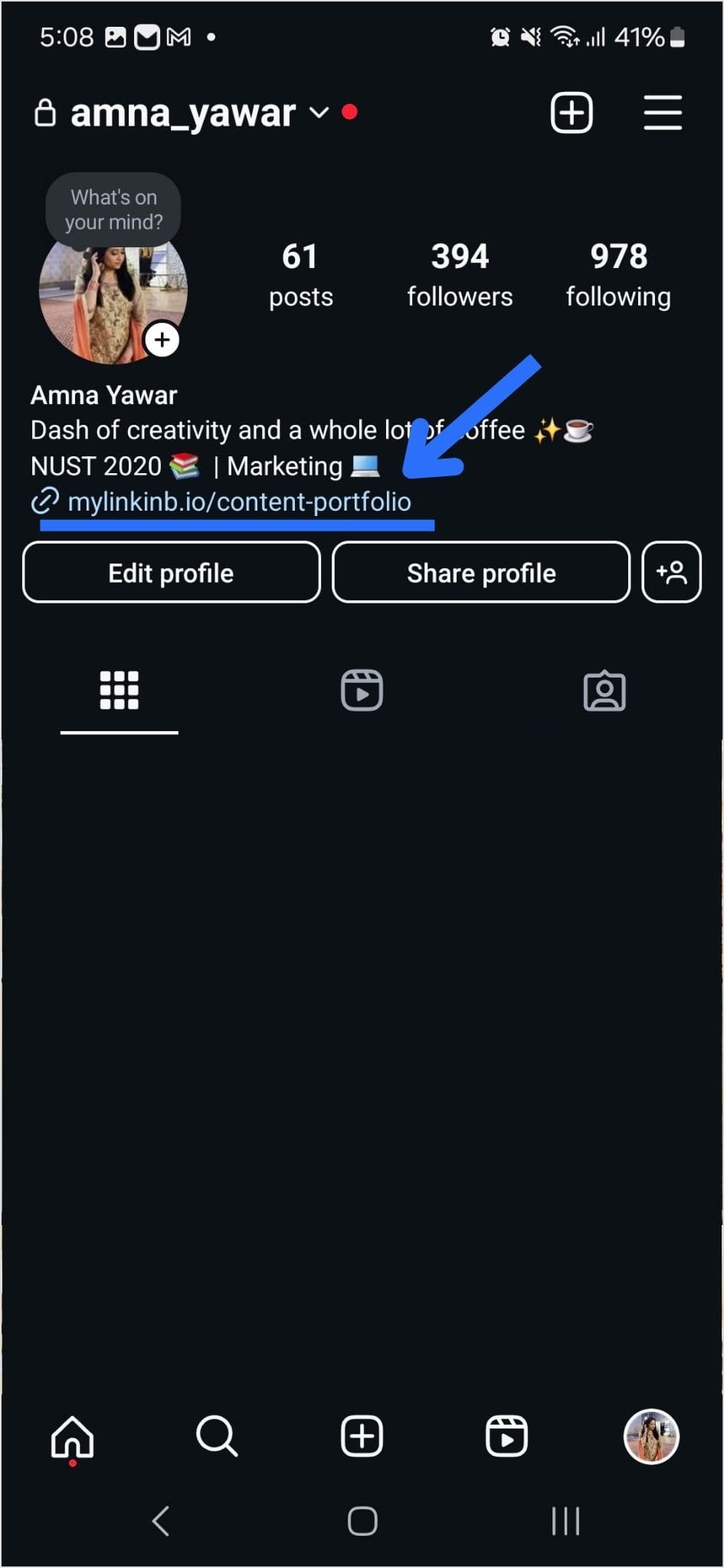
Step 7: Your link in the bio will now appear in your profile.
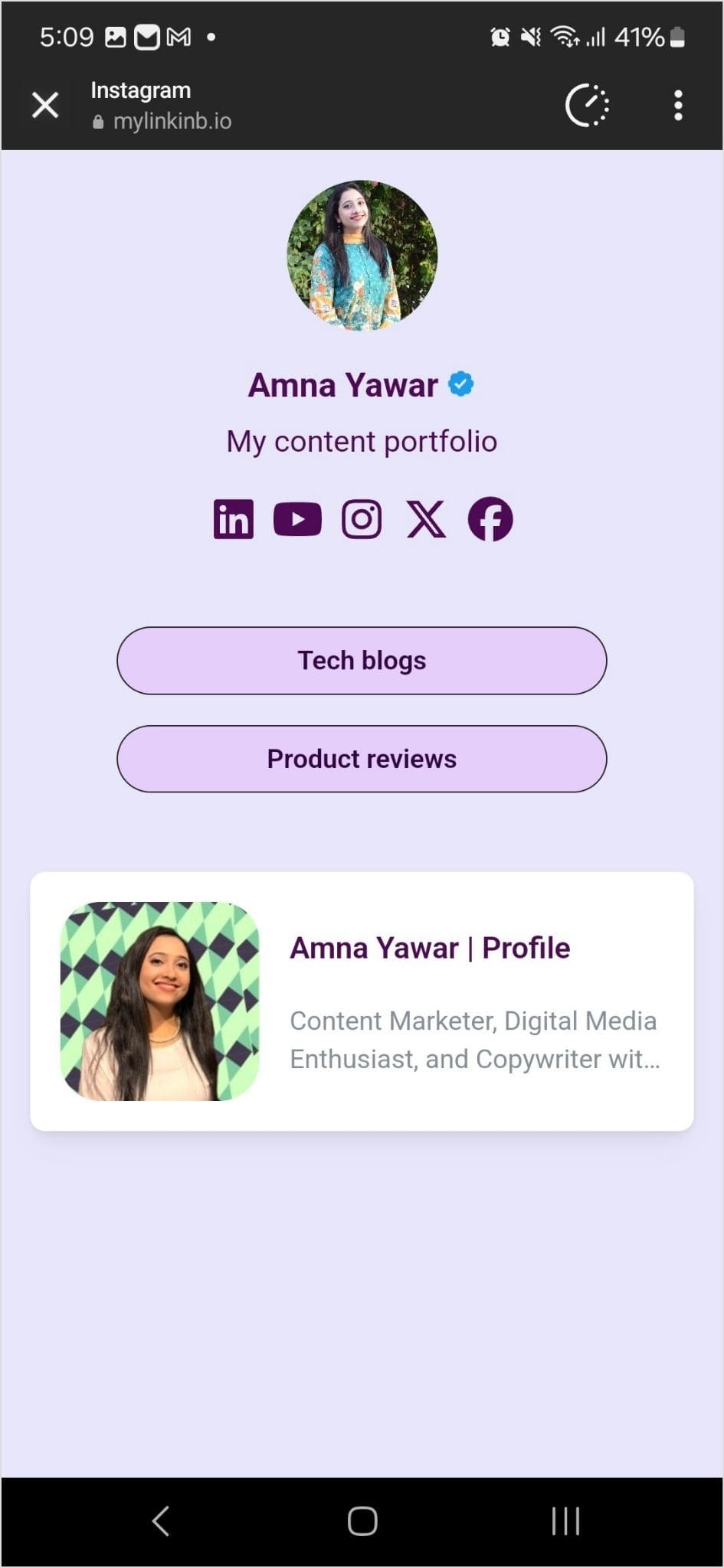
Step 8: Your Instagram profile now has multiple links in the bio. The bio link URL is now clickable. Here’s what the landing page looks like in our example:
Adding multiple links to your Instagram bio can enhance your profile’s functionality and engagement. By using services like Replug and following the steps mentioned earlier, you can efficiently manage and share multiple links within your Instagram bio.
Keep your audience informed and connected with your content. Explore the possibilities and make the most of your Instagram presence!
Have you ever shared an interesting post, recommended a funny video, or perhaps even critiqued an article that missed the mark? We’ve all been there.
However, what you may not realize is that the way you share these online treasures can have a significant impact on your brand identity.
If you’ve been using plain, generic short links to share content, it’s time to take a closer look. By doing so, you may unknowingly promote other brands instead of your own.
We’ll get straight to the point and discuss the difference between branded links vs. short links inside this blog. We’ll help you understand the implications of your choice and how it can affect your brand’s online presence.
So, let’s get straight to it!
What is a short link?
A short link, also known as a “short URL” or a “generic short link”, uses a public domain from a third-party service to compress a long version of a web address or URL.
Short links are created to simplify lengthy URLs, making them easier to share, remember, and use. They play a key role, especially in contexts where character limits are a concern, such as social media or printed materials.
Generic short links typically redirect users to the original, longer URL when clicked.
Check out this example of a short link:
👉 Example: bit.ly/3XyZ9aL
This type of link uses a generic shortening domain and a random string of characters. It’s quick to create and works across any platform, but doesn’t reflect your brand identity.
What makes short links so practical & powerful
Higher click-through rates (CTRs): Short links are clean, simple, and visually appealing, encouraging users to click more often compared to long, cluttered URLs.
Enhanced recognition: Even generic short links can reflect consistency and professionalism, helping users associate your content with reliability and trust.
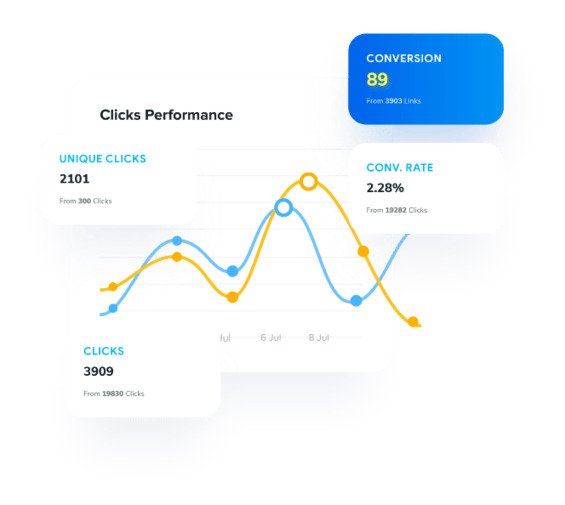
Data-driven insights: These links provide measurable analytics, such as click counts, location, and device type, enabling you to optimize your campaigns with actionable data.
Seamless user experience: Shortened links load quickly, look better across platforms, and make sharing effortless, improving the overall experience for your audience.
Major use cases for short links
SMS marketing: Short links save character space in text messages while tracking engagement, making them perfect for concise, measurable mobile campaigns.
Social media: Generic short links appear clean, fit better within character limits, and enable consistent tracking across platforms like X, Instagram, and LinkedIn.
Email campaigns: Using short links keeps your emails neat and improves click tracking, helping marketers measure the effectiveness of each link more accurately.
QR codes: Short links integrate seamlessly with QR codes, ensuring faster scans, shorter URLs, and flexible tracking of offline-to-online traffic.
Organic sharing: These links make content easier to share across blogs, forums, and emails, increasing reach without cluttering the message.
Offline marketing materials: Placing short links on posters, flyers, or packaging makes it easy for users to type or scan, bridging the gap between offline and online engagement.
Customer support & feedback: Support teams use such links to quickly direct users to FAQs, surveys, or troubleshooting pages without confusing them with long URLs.
A branded link, also known as a “custom short link” or a “vanity URL”, is a type of shortened URL that includes a brand’s or organization’s name or a custom keyword as part of the link.
Unlike generic short links that use a random combination of characters and numbers, branded links are customized to reflect the brand’s identity, making them more recognizable and trustworthy to users.
3 key elements of a branded link are:
Domain – The custom name that represents your brand (e.g., go.yourbrand.com), helping build recognition and trust.
TLD (top-level domain) – The extension that follows the domain (e.g., .com, .io, .link), which can be chosen to align with your brand’s identity or industry.
URL slug – The customizable part after the slash (e.g., /summer-sale), used to describe the content or campaign clearly and memorably.
Example of a branded link:
👉 Example: go.yourbrand.com/offer
A branded link uses a custom domain (e.g., go.yourbrand.com, link.apple.com, etc.). It reinforces brand recognition, looks more trustworthy, and still provides all the tracking and analytics benefits of a short link.
What makes branded links so practical & powerful
Stronger brand identity: Branded links carry your custom domain, reinforcing your brand’s identity every time someone shares or clicks your link.
Increased trust & credibility: Users are more likely to click links that clearly display a recognizable brand name, making them appear legitimate and secure.
Easy to remember & share: Simple, descriptive branded links are easier to recall and share, helping your campaigns gain more organic traction.
Enhanced brand awareness: Every branded link acts as a micro touchpoint, spreading your brand name across social media, email, and digital channels.
Actionable insights & control: You can track clicks, sources, and audience behavior in detail, allowing you to optimize your campaigns with data-driven precision.
Clean & consistent link appearance: Branded links look professional and tidy across all platforms, maintaining consistency in tone and presentation.
Improved SEO & discoverability: Descriptive, keyword-rich branded links can enhance search visibility, helping both users and search engines better understand your content.
Major use cases for branded links
Marketing campaigns: Use branded links to track and analyze engagement across multiple campaigns, improving ROI measurement.
Social media marketing: Create short, on-brand links for platforms like X, Instagram, and LinkedIn to increase clicks and maintain brand consistency.
Affiliate marketing: Provide affiliates with custom-branded URLs to ensure trust, improve conversions, and monitor performance.
Email marketing: Include branded links in newsletters or promotional emails to increase click-through rates and minimize the risk of being filtered as spam.
Influencer collaborations: Give influencers branded links to share, securing brand visibility and accurate tracking of their impact.
Paid advertising: Use branded short links in PPC ads or sponsored content to make URLs look cleaner and more credible.
Event promotion: Share memorable branded links for event registrations, webinars, or launches to simplify access and tracking.
Offline & print media: Utilize branded URLs in flyers, posters, or business cards for easy recall and consistent branding.
Product launches or updates: Direct audiences to specific landing pages for new products or announcements with clear, branded links.
Branded links offer several advantages, particularly in strengthening your brand identity and enhancing user trust. They are valuable for businesses and individuals seeking to establish a cohesive online presence and improve user engagement.
Short links, on the other hand, are helpful in cases where you need a precise link to share with friends or family members, without worrying about online presence.
Feature
Branded Links
Short Links
Domain
Uses a custom, brand-specific domain (e.g., brand.co/link).
Uses a third-party domain (e.g., bit.ly, tinyurl.com).
Branding
Reinforces brand visibility and consistency in every link.
Offers no brand identity or recognition.
Credibility & Trust
Instantly recognizable and trusted due to brand association.
It may appear suspicious or spammy to users.
Click-Through Rate
Higher CTR because branded links look professional and secure.
Typically lower, as users hesitate to click on unfamiliar links.
Use Case
Ideal for marketing, promotions, and professional brand communication.
Suitable for quick personal sharing or temporary links.
Best For
Businesses, marketers, and organizations focused on brand growth and analytics.
Individuals or small-scale, non-branded usage.
The choice depends on your priorities
The choice between branded links and short links eventually depends on your specific goals and the context in which you plan to use them.
Branded links: If strengthening your brand identity, increasing trust, and improving user recognition are important to you, branded links are an excellent choice. They excel in marketing campaigns and content sharing where branding matters.
Short links: If brevity and saving space are crucial, short links are suitable. They are especially dominant in platforms with character constraints. They also make shared URLs look easier to remember, improving overall user experience.
How to create a branded short link using Replug
Are you ready to start using branded links for your own brand? Replug, a powerful free link shortener and branding tool, simplifies the process of creating custom, branded short links.
Let’s walk through the steps to create these links and amplify your brand’s reach.
Step 1: Add your custom domain
The first step in creating branded links with Replug.io is to incorporate your custom domain.
While Replug provides a default shortener domain (rplg.co), using your custom domain strengthens your brand identity and reputation.
Open your Replug dashboard and navigate to “Settings.” Then select “Custom Domains” from the dropdown menu.
Click on “Add Domain” to begin setting up your custom short URL.
On the next screen, provide the essential details, including your custom domain and settings such as the 404 redirect URL and branded domain.
Click “Connect” to add your custom domain to your Replug account.
After successfully connecting your custom domain, you can manage it within your Replug account. Check connectivity status, edit domain settings, or delete domains as needed.
With your custom domain integrated into Replug, you’re now ready to create your custom-branded link. Here’s how:
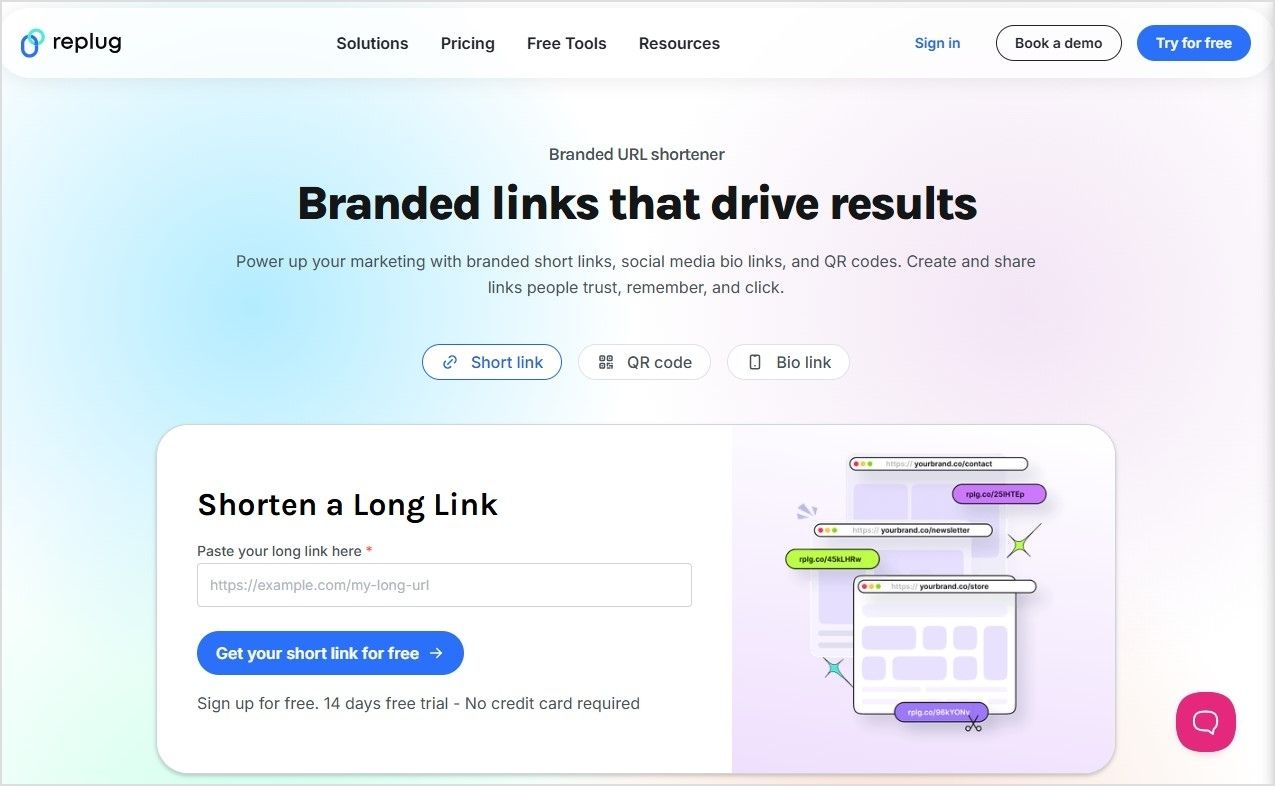
Paste your long URL in the bar under “Quickly shorten your link”.
Next, click on the blue arrow. Replug will automatically generate a short link for your long URL.
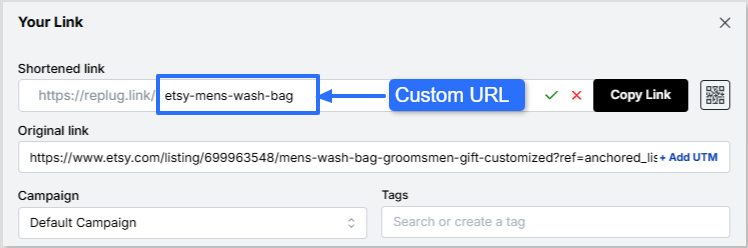
You can rename the link easily. All you need to do is change the slug of your short link.
Finally, save your shortened link. Now your link is ready to share anywhere on Instagram, Discord, or in an email campaign.
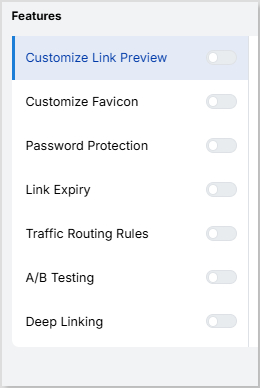
Note: You can add some amazing Replug features to your generated link, like customizing your link preview, adding custom favicons, A/B test your links, and more! You can also add retargeting pixels or custom CTAs to your link-shortening campaigns.
Leading brands & businesses prefer branded short links
Let’s take a look at how some of the most popular brands use branded links to their advantage:
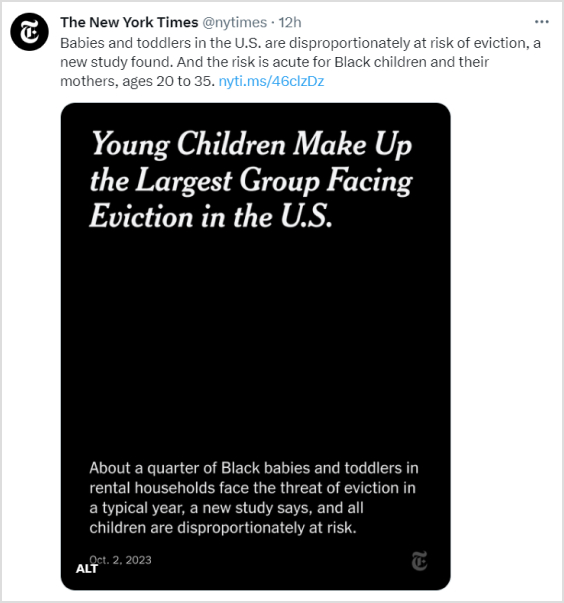
The New York Times – nyti.ms
The renowned newspaper, “The New York Times”, simplifies sharing long article URLs on social media and beyond by using the branded link nyti.ms. This branded link not only shortens the URL but also reinforces the brand’s identity with every click.
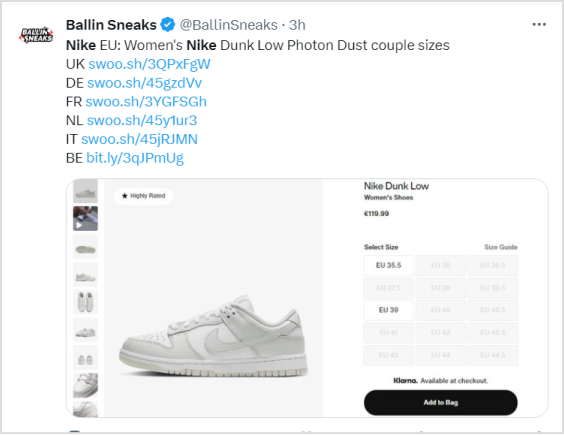
Nike – swoo.sh
When it comes to sports and lifestyle, Nike is a standout name. They utilize the branded link swoo.sh to create a memorable link for their products and promotions. This reinforces the Nike brand with every shared link.
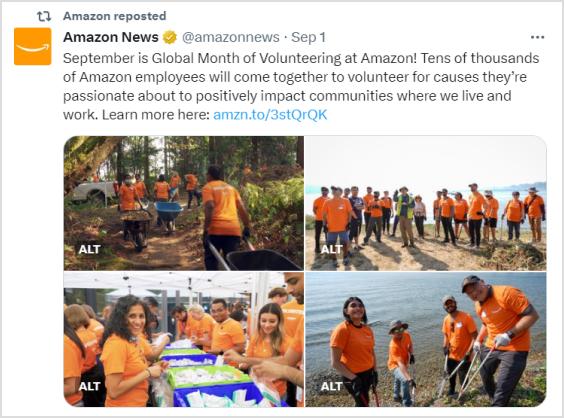
Amazon – amzn.to
E-commerce giant “Amazon” opts for the branded link amzn.to, to shorten product URLs. This not only saves space in printed materials but also keeps the focus on their products rather than the URL itself.
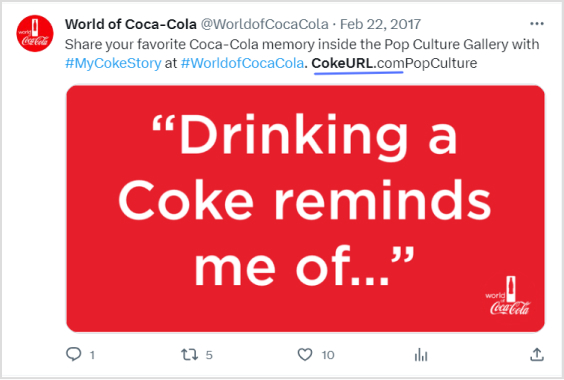
Coca-Cola – cokeurl.com
Coca-Cola, a global beverage icon, maintains brand consistency by using branded links, such as cokeurl.com. This approach guarantees that every link shared aligns with their brand image.
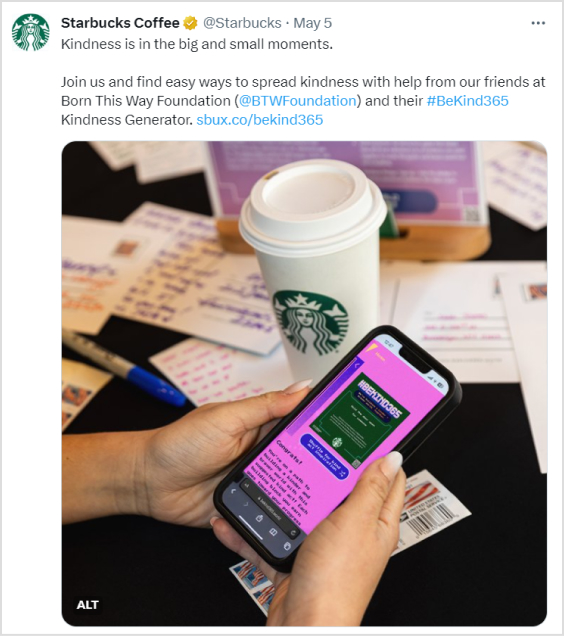
Starbucks – sbux.co
Starbucks is a renowned global coffee chain that utilizes branded links with the domain sbux.co to simplify the sharing of promotional content. This reinforces their brand identity and keeps their links looking clean and professional.
Conclusion
At the end of the day, the choice between branded links and generic short links comes down to your goals.
Short links are ideal when you need something quick, simple, and space-saving. But if you want to strengthen brand identity, build trust, and boost engagement, branded links clearly stand out. That’s why brands like Nike, Amazon, and Starbucks rely on them.
It’s not just about shortening a URL, it’s about making every click count.
With tools like Replug, you don’t have to choose between convenience and branding; you can get both. Whether you’re sharing on social media, in emails, or even offline, branded links let you stay consistent, professional, and memorable.
So instead of sending traffic through someone else’s domain, take control of your links and make them work harder for your brand.
Frequently asked questions
Why should I consider using branded links for my brand or business?
Branded links, which use your custom domain (e.g., yourbrand.ly/link), enhance brand visibility and recognition with every share, fostering customer loyalty. They improve click-through rates by up to 34% compared to generic links, as they appear more professional and trustworthy. Additionally, they protect against link hijacking and provide valuable analytics to refine marketing strategies.
Are branded links more trustworthy than short links?
Yes, branded links are generally more trustworthy because they incorporate your recognizable domain, signaling legitimacy and reducing user hesitation from unknown shorteners. Studies show they can boost trust by 25-30%, minimizing phishing concerns. In contrast, generic short links often hide the destination, potentially alarming users in an era of heightened cybersecurity awareness.
Can I track the performance of branded links?
Absolutely, most branded link services, such as Replug or Rebrandly, offer rich analytics, including click counts, geographic data, referral sources, and device types. This enables real-time monitoring and A/B testing to optimize campaigns for maximum effectiveness. Integration with tools like Google Analytics further enhances tracking, providing insights into user behavior and ROI.
Why should short links be a part of every marketer’s strategy?
Short links condense lengthy URLs, making them ideal for character-limited platforms like X (Twitter) and improving shareability across social media. They enable precise tracking of engagement metrics, helping marketers measure campaign effectiveness and audience preferences. Moreover, they enhance aesthetics in emails and ads, potentially increasing click rates by 20-40% while supporting retargeting efforts.
When to use short links and branded links?
Use generic short links for quick, internal, or low-stakes sharing where branding isn’t crucial, such as casual social posts or temporary redirects. Opt for branded links in marketing campaigns, email newsletters, or affiliate programs to reinforce brand identity and build trust. Branded links excel in professional contexts, such as ads or content syndication, while short links are sufficient for everyday use.
Provide some valuable tips when using short links?
When using short links:
– Make sure they’re concise yet recognizable to build trust, avoiding overly cryptic formats. – Maintain consistency across your organization by using a unified link structure or platform to reinforce branding and simplify tracking. – Incorporate UTM parameters in destination URLs to effectively monitor traffic sources and campaign performance in analytics tools.
Tired of guesswork in SEO? Embrace the science of SEO split testing!
Discover how small changes to your website’s structure, keywords, and content can have a big impact on search rankings, organic traffic, and user engagement.
Let’s supercharge your website’s organic search results with our SEO split testing guide.
What is SEO Split Testing?
SEO split testing is the process of comparing different versions of web pages to measure their impact on search engine rankings. It’s like a controlled experiment, where you have a variant page with changes and a control page. By tracking the performance of each variant, you can identify the best performing webpage and enhance your website’s visibility in search engines.
The benefits of SEO split testing
Data-driven decision-making: You can make informed decisions based on empirical evidence on the effectiveness of different variations.
Improved user experience: Testing different elements can lead to a better user experience, resulting in higher engagement and improved rankings.
Increased organic traffic: You can attract more organic traffic from search engines by optimizing your website based on test results.
Better conversion rates: Split testing helps identify the most effective strategies to drive conversions.
Adaptation to algorithm changes: It allows you to adjust your SEO strategies in response to algorithm updates.
Stakeholder buy-in: A/B Split test results provide tangible evidence of the impact of SEO efforts.
Below are the benefits of split testing the SEO strategy that might convince you to invest your time in them:
1. Improve Conversion Rates:
Conversion rate optimization (CRO) and SEO are closely related concepts. By split testing your SEO campaign, you can increase traffic and conversion rates. You can fine-tune your SEO strategy to enhance user experience and boost conversions by testing various iterations of landing pages and calls-to-action buttons.
2. Optimize SEO Efforts:
By using split-testing, you can compare various iterations of your SEO strategy, including :
Keyword usage
Meta tags/descriptions
On-page optimization
Content organization
This practice allows you to identify which tactic produces the best outcomes. It assists you in determining the best strategies to raise your search engine rankings and increase organic traffic.
3. Keeping up with algorithm changes:
Search engine algorithms are always changing, so what works today might not work tomorrow. Split-testing enables you to modify and polish your SEO approach to conform to algorithm updates. You can make sure your website maintains its search engine optimization and visibility in the constantly shifting environment by being proactive and conducting ongoing testing.
4. Convince stakeholders and quatify Impact:
The impact of SEO can be quantified by measuring key metrics both before and after changes by performing an SEO Split test. This data-driven strategy offers verifiable proof of the efficacy of your SEO strategy, enabling you to convince stakeholders of the value of your optimizations and make wise resource allocation choices.
5. Refine user experience:
Split-testing SEO components can help you improve your website’s overall user experience. By testing various layouts, navigation structures, page load times, and mobile responsiveness, you can find changes that make your website more user-friendly
Factors to consider before performing the SEO Split test?
These several factors must be considered before performing an SEO split test.
Clear objectives: Define clear objectives for your test. What specific aspect of your SEO strategy are you testing?
Testing scope: Determine the scope of your test. Decide whether you’ll be testing a single webpage or multiple pages.
Sample size: Strive for a sample size that provides meaningful insights without being too resource-intensive.
Test duration: Determine the appropriate duration for your test within the time frame of changing dynamics.
Statistical significance: Establish the level of statistical significance you require for your results to be reliable. This helps determine the confidence level you need to make decisions based on the test data.
Choosing the right testing tool: Use a reliable, user-friendly A/B split testing tool with a solid track record.
Consistency in testing conditions: Make sure the testing conditions, such as the user demographics, devices, browsers, and traffic sources, are constant throughout the test.
Segmentation and personalization: Depending on user characteristics, decide whether you want to segment your audience or personalize the variations.
Data collection and analysis: Establish a clear plan for data collection and analysis to derive actionable conclusions.
Documentation and reporting: Document your test process, including the variations tested, metrics measured, and results obtained. This documentation will be valuable for future reference
How do you know if an SEO test is successful?
Keyword rankings:
When it comes to evaluating your SEO results, one important aspect to consider is monitoring your keyword rankings on search engine results pages (SERPs). While rankings should not be the sole focus of your SEO campaign, they provide valuable insights into the performance and effectiveness of your targeted keywords. By regularly checking your rankings, you can track whether they are improving, declining, or remaining stagnant over time. If you find out that you are not ranking for the keywords you targeted, reevaluate whether it is worth continuing to focus on those keywords or considering alternative options.
Organic traffic:
Another way to see whether your SEO test was successful is by analyzing your website’s organic traffic. There are comprehensive tools like Content Studio that help you look for trends and changes in traffic volume, sources, and user behavior. Compare the data before and after implementing SEO strategies to identify any positive impact on organic traffic.
An increase in organic traffic serves as a strong indicator of the effectiveness of your SEO efforts. However, do keep in mind that organic traffic data is more important than overall traffic. It is because factors outside of SEO can influence overall traffic numbers. Conversely, a decrease in organic traffic suggests that your SEO tests are not working.
Backlinks:
Evaluate the quantity and quality of backlinks to your website. Backlinks from reputable and relevant sources can improve your website’s authority and search rankings. When implementing effective SEO practices, it is natural to witness an increase in backlinks. You need to assess whether the number of links and unique domains they originate from is growing, declining, or stagnant. However, quantity alone is not sufficient; the quality of backlinks also holds great importance. Low-quality backlinks can be detrimental to your website’s reputation, similar to having no links at all. Boost your business visibility in local search with professional services from Copify.
Check impressions:
Impressions refer to the number of times your website appears in search results without receiving any clicks. It serves as an initial metric to consider. This is because, when you begin optimizing for keywords, it’s unlikely that you’ll immediately land on the first page of search results.
Starting from lower pages means that even if your website appears in searches, there is a lower chance that it will be clicked. Knowing that you have begun ranking for those keywords will help you keep working toward the top of the page. You can use ‘Social Media Analytics’ by Content Studio to check your organic impressions. If it shows an increase in the number of organic impressions, your SEO tests are working if not better perform the tests again.
Bounce rate:
Another important aspect to consider when evaluating your SEO performance is analyzing the bounce rate of your website. The bounce rate refers to the percentage of visitors who leave your site after viewing only one page. By examining this metric, you can gain insights into how well your SEO tests are working. You should aim to have a lower bounce rate. This means that visitors find value in your content and are more likely to explore multiple pages on your website.
To improve your bounce rate, focus on creating high-quality content that is relevant, informative, and engaging. Ensure that your website is user-friendly, with clear navigation and intuitive design. Additionally, optimize your landing pages to align with the search intent of your target audience, delivering the information or solution they are seeking.
Conversion rates:
Tracking the number of conversions is one technique you can use to gauge the effectiveness of your SEO strategy. Start with form submissions, purchases, sign-ups, and any other desired actions on your website. A rise in conversion rates indicates that your SEO tactics are effectively attracting visitors who are genuinely interested in your offerings. It signifies that your website’s content, user experience, and overall SEO optimization are aligned with the needs and expectations of your target audience.
Note: To calculate the conversion rate, divide the number of conversions by the total number of visitors and multiply it by 100 to get the percentage.
This metric provides a clear indication of how well your website is performing in terms of converting visitors into customers or achieving your desired goals.
A/B Split Testing using Replug
Replug is a comprehensive platform for URL shortening and tracking. It provides many features to help you manage links and improve your marketing.
Users can shorten and customize URLs with Replug’s trustworhty URL shortener, track link performance, and enhance the overall link shortening experience.
It allows split A/B testing of various URL variations. By doing this you can determine their effect on click-through rates and overall performance.
Follow the steps given below using Replug’s A/B testing tool and perform A/B split tests efficiently in no time at all!
Step 1
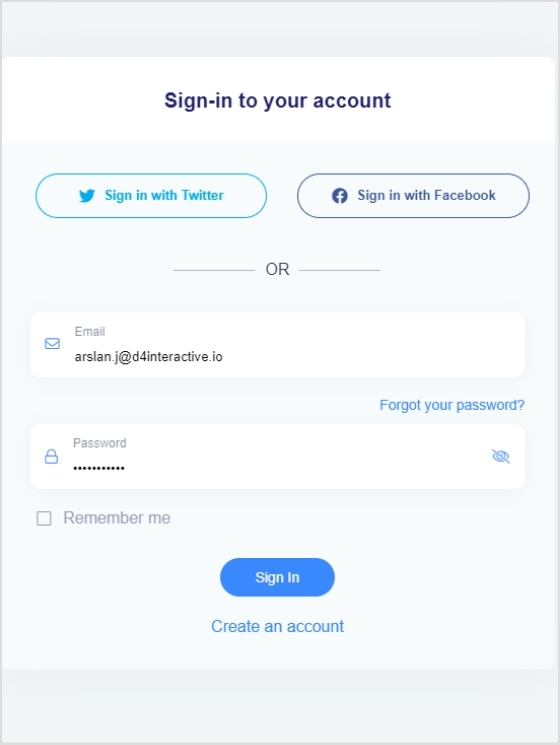
To access the Replug application, begin by logging in to your account.
Once logged in, navigate to the Replug Links page.
Locate and click on the New Link button to initiate the process of creating a new link. Follow the subsequent steps provided to complete the link creation procedure.
Step 2
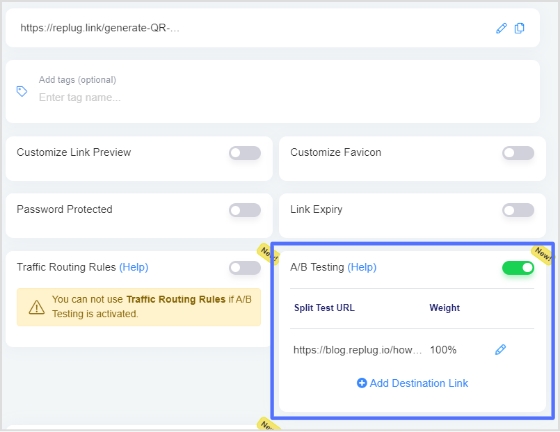
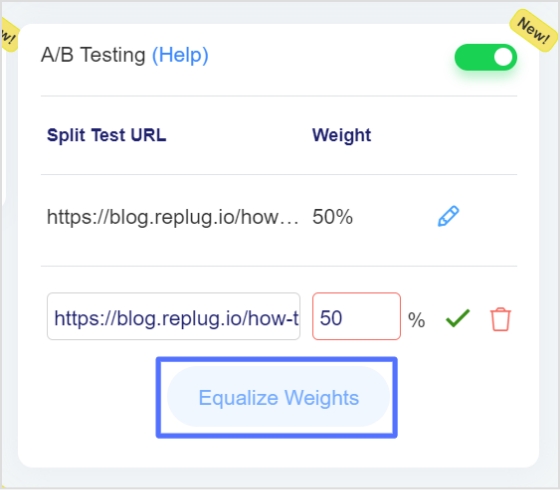
Before saving the link, activate the A/B Split testing feature by switching on the toggle button. This action will automatically set your destination URL as the initial A/B Testing Link with a weightage of 100%.
To include additional URLs for testing, simply click on the “Add Destination Link” button.
Step 3
You have the flexibility to assign different weights to each URL, as long as the total weightage adds up to 100%.
To simplify the process, you can utilize the “Equalize Weights” button, which automatically distributes the weightage equally among the URLs.
This allows for easy adjustment and optimization of the weight distribution for your A/B testing purposes.
Step 4
After enabling the A/B Testing feature, you are ready to save your branded link. Start engaging your audience by sharing your Replug Link
Now analyze link performance and keep using the best performing one.
Note: It’s important to note that the weightage assigned to each URL is not influenced by previous visits and does not have strict constraints.Whenever the short link is accessed, the final destination URL is selected based on the defined weightage, ensuring a dynamic and varied user experience. However, it’s worth mentioning that if your campaign type is CTA (Call-to-Action) and the specified link does not support iframe functionality, the link cannot be saved for A/B Testing. This limitation is due to the requirement of displaying web page content within another website using an iframe. If the source website does not permit iframe inclusion, Replug displays a warning when creating CTA Campaigns.
FAQs
What is A/B testing?
A/B testing is a method used to compare two versions of a webpage, advertisement, email, or marketing campaign to determine which one performs better.
When discussing “what is A/B testing” in detail, it refers to showing different variations to separate audience groups and analyzing user behavior to identify the most effective option for improving conversions and engagement.
Does A/B Testing hurt SEO?
A/B testing itself does not hurt SEO. It can be a valuable strategy to optimize your website for better search engine rankings. When running A/B tests, it’s important to ensure that the changes you make align with SEO best practices and guidelines provided by search engines. By running tests you can improve your search engine ranking in Google search results.
Most common mistakes to avoid while running SEO split tests
– No clear goals/ objectives – Simultaneous testing of multiple variations – Not collecting and analyzing enough data to draw statistically significant conclusions. – Not giving the test enough time to run and produce valid data. – Not documenting and tracking the modifications that were made and their impact on SEO performance. – Ignoring additional outside elements that could affect the test results.
What SEO elements can I test using split testing?
You can test various SEO elements to improve your website’s performance. Some elements you can consider testing include:
– Page titles – Meta descriptions – Keyword usage and optimization – Headings and subheadings (H1, H2, etc.) – Content length and formatting – Navigation and site architecture – Calls-to-action – Linking strategies – Image optimization – Mobile responsiveness – URL structure – Site speed
What’s the difference between conducting a split test and an A/B test
A split test and an A/B test are two different terms used to refer to the same type of experiment. However, the term “split test” is a broader term that encompasses any test where different versions are compared including A/B tests. In other words, it refers to dividing the traffic between multiple variations to measure their impact on key metrics. Whereas an A/B test specifically refers to comparing two versions: a control version (A) and a variant version (B).
Brand marketing examples showcase the power of effective strategies and creative execution in building successful brands.
From captivating ad campaigns and engaging social media presence to memorable brand experiences, these branding examples demonstrate how businesses have leveraged storytelling, differentiation, and consumer insights to create strong brand identities that resonate with their target audiences.
Before moving on to branding examples, let’s see what key elements make brand marketing successful.
10 Key elements of brand strategy
Brand purpose: Defining a clear and meaningful purpose that aligns with the values and aspirations of the target audience.
Brand positioning: Identifying and establishing a unique and compelling position in the market that sets the brand apart from competitors.
Target audience: Understanding the target audience’s specific demographics, psychographics, and needs to effectively tailor brand messaging and experiences.
Brand identity: Developing a cohesive and distinctive visual and verbal identity, including logo, typography, color palette, and brand voice.
Brand messaging: Crafting compelling and consistent messaging that communicates the brand’s values, benefits, and unique selling propositions to the target audience.
Brand storytelling: Creating a compelling narrative around the brand that connects emotionally with the target audience and builds a strong brand image.
Brand experience: Designing and delivering consistent and exceptional experiences at every touch point, including physical locations, online platforms, customer service, and product quality.
Brand differentiation: Identifying and communicating key points of differentiation that set the brand apart from competitors, emphasizing unique features, benefits, or values.
Brand consistency: Ensuring consistent messaging, visuals, and experiences across all brand touchpoints to build recognition, trust, and loyalty among customers.
Brand monitoring and adaptation: Continuously monitoring brand performance, market and AI design trends, and customer feedback to adapt and evolve the brand strategy as needed, staying relevant and competitive in the market.
From strategy to success: 5 Powerful examples of branding
Here are a few branding examples for stronger brand marketing:
1. TOMS “One For One” brand marketing strategy
TOMS’ brand marketing strategy revolves around its unique “One for One” concept. For every pair of shoes purchased, TOMS donates a pair to a person in need. This strategy emphasizes social responsibility, creating a powerful connection between the brand and customers who want to make a positive impact.
Additionally, TOMS utilizes storytelling and powerful visuals to communicate its mission, inspiring customers to buy its products and support its charitable initiatives. Through this strategy, TOMS has successfully differentiated itself in the market and built a loyal customer base that aligns with its purpose-driven approach.
2. Starbucks’ “It Starts with You” campaign
Starbucks’ branding example shows why creating a welcoming and personalized experience is important. Their iconic green logo, cozy store ambiance, and seasonal promotions establish a sense of familiarity and indulgence, making Starbucks a beloved global coffee brand.
Starbucks’ “It Starts with You” campaign was a successful initiative that highlighted the positive impact individuals can make in their communities.
Starbucks encouraged acts of kindness and community engagement, positioning itself as a brand that cares about making a difference.
The campaign resonated with customers, fostering a sense of connection and inspiring them to take action.
In the branding example, Starbucks creates a premium and aspirational image, enticing customers to spend more. Through visually appealing displays, seasonal promotions, and a customer rewards program, Starbucks encourages repeat visits and larger purchases.
This unwavering loyalty is a testament to Starbucks’ ability to create a unique and meaningful experience that resonates with its customers on a deeper level.
3. Patagonia’s “Don’t Buy This Jacket” campaign
Patagonia, an outdoor apparel company, has built a strong brand relationship with its customers through its commitment to environmental sustainability and activism.
Patagonia’s “Don’t Buy This Jacket” campaign aimed to raise awareness about overconsumption and encourage responsible consumer behavior. It taught a valuable lesson about the importance of sustainability and conscious purchasing choices.
By aligning its brand values with its target audience, Patagonia has created a loyal community of customers who share their passion for the outdoors and environmental preservation.
4. Nike from “Just Do It” to “Believe in Something”
Nike’s branding example can be seen in its iconic “Just Do It” campaign. “Just Do It” encapsulates Nike’s brand ethos, inspiring individuals to push their limits, overcome obstacles, and achieve greatness in sports and life.
Nike’s ability to navigate controversy and position itself as a champion of social change has proven to be a successful marketing tactic, driving both financial success and a positive brand image.
Nike turns controversy into dollars through its marketing by strategically embracing social issues and aligning with controversial figures. Nike generates significant media attention and sparks conversations worldwide by taking a bold stance on divisive topics.
This heightened visibility helps increase brand awareness and exposure. While the company may face initial backlash from some segments of the population, Nike’s marketing strategy appeals to its target audience, which includes socially conscious individuals who value progressive values and inclusivity.
This approach fosters a strong emotional connection and loyalty among these consumers, leading to increased sales and revenue for the brand.
Best Branding Example: Nike’s Colin Kaepernick ad
Nike’s Colin Kaepernick ad was a resounding success. Released in 2018, the ad featured the controversial football player and activist kneeling during the national anthem, accompanied by the powerful message: “Believe in something.” Even if it means sacrificing everything.”
The ad sparked widespread conversation and polarizing reactions, but it ultimately reinforced Nike’s commitment to social issues and resonated with its target audience. Despite the backlash, the campaign garnered significant attention, boosting brand awareness and sales.
Nike’s bold stance and alignment with Kaepernick’s activism tapped into the cultural zeitgeist, praising their willingness to take a stand on divisive social issues and inspiring a new wave of brand loyalty among consumers who shared similar values.
Apple’s brand marketing exemplifies innovation, simplicity, and elegance. Their iconic “Think Different” campaign and product launches build anticipation and create a strong emotional connection with consumers.
Apple’s meticulously planned product launches generate excitement and drive sales. Their strategy showcases the power of building anticipation, creating a buzz, and cultivating a strong brand community.
Apple has established a strong and distinctive brand identity through various campaigns that resonate with consumers worldwide. Apple’s campaigns highlight its ability to create compelling narratives, evoke emotions, and showcase the unique features of its products.
The neuroscience of branding explores how our brains respond to different aspects of a brand. Scientists use brain imaging techniques to understand how things like logos, colors, and associations with a brand affect our thoughts and feelings.
They’ve found that branding can make us feel logical and emotional, so companies must create positive and memorable experiences.
By understanding how our brains react to branding, businesses can make smart choices to create a strong connection with customers and make them more likely to choose and stick with their brand.
URL shorteners can play a role in branding by providing concise and memorable links that promote a brand’s online presence. Having a branded domain is a smart branding strategy that offers a cleaner and more professional appearance, increasing trust and click-through rates.
Additionally, branded short links can be tracked and analyzed, providing valuable insights into user engagement and marketing campaigns.
Replug.io is an excellent URL shortener that offers several link management tools for brands and marketers. It’s a complete toolkit to manage short, branded URLs for brand marketing and digital media campaigns.
In the bid to improve brand marketing, Replug could be useful in many ways. No wonder thousands of brands and marketers use Replug to shorten links and manage them effectively.
Here are some prominent Replug features has to offer to upscale your branding efforts.
Branded domain and custom URLs
It’s been learned that branded URLs could significantly improve audience trust and user clickability. Many brands, entrepreneurs, and digital marketers use branded domains for social media sharing and email marketing.
Here’s an online branding example
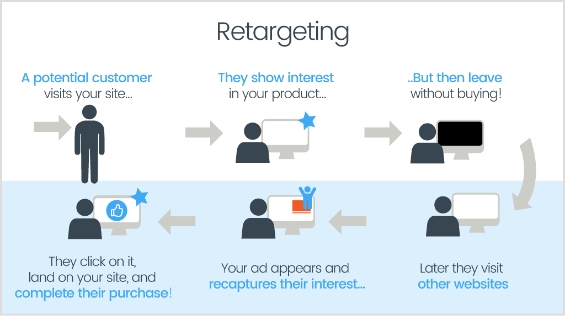
You can also retarget audiences using branded links. Implement this marketing strategy on your branded links to retarget the website visitors who have clicked on your short links.
You just need to add pixel codes to Replug from your famous social media platforms like Facebook, Twitter, and Quora, then reach out to them through social media ads.
Bio links for Social Media
Bio links are in trend these days. The purpose behind bio-links is to have all of your content, from links to audio-visual content, on a single custom webpage.
The webpage is easy to create with drag-and-drop functionality. You can set up your bio link webpage in just a few clicks.
Now anyone can use this one-link solution to create social media bio links and connect all your social media profiles, such as TikTok, Instagram, Facebook, and Twitter, with this link.
Branded CTA
Replug allows you to customize and place CTA’s to your short links. Creating branded CTAs encourage immediate action and reinforce brand identity and messaging.
Aligning CTAs with a brand’s tone, values, and visual elements can strengthen your brand’s recognition and drive higher conversions.
QR Code Marketing
QR codes offer a unique opportunity for branding by providing a versatile and interactive marketing tool.
Incorporate branded QR codes into their promotional materials to create seamless offline and online experiences.
Businesses can reinforce their visual identity and increase brand recognition enhancing the overall brand experience.
FAQs on branding examples
What is brand marketing with example?
Brand marketing is promoting a brand to create awareness, build a strong reputation, and establish a connection with consumers. Example: Nike’s “Just Do It” campaign.
What is an example of brand preference?
An example of brand preference is when a consumer consistently chooses a particular brand over its competitors based on personal preference or loyalty. For instance, a person always purchases Nike shoes over other sports shoe brands due to their perceived quality, style, and alignment with personal values.
What is the best example of a branding strategy?
Apple’s branding strategy revolves around simplicity, innovation, and a focus on user experience. They have consistently communicated their brand values through sleek design, intuitive interfaces, and cutting-edge technology. This strategy has helped them create a strong emotional connection with customers.
A tracking URL is a link that contains one or more URL parameters to track, identify, and analyze user activity or behavior on a website.
URL tracking is an engagement strategy used in digital marketing that allows marketers to track the clickability, conversion rate, and call-to-action buttons on the websites.
Have you seen a call-to-action button in an email newsletter or cloaked Amazon affiliate links?
The reason behind it is that e-commerce marketers utilize tracking tools that allow them to add parameters that help track user behavior and also to win back customers through retargeting.
Why is URL tracking important?
URL tracking is an essential process in online marketing that helps marketers in analyzing the overall performance of the URLs. It includes factors such as number of clicks and conversions.
The reason why the URL tracking process is important for bloggers, affiliate marketers, and digital marketers is that it assists users in determining the link performance in an article or on a website page.
It’s nearly impossible to track affiliate sales without URL tracking. Almost every affiliate network or affiliate marketing software uses URL parameters in the product links to track the clicks and conversions.
Digital marketing experts use UTM parameters to track their website visitors and understand the source of the traffic. They set separate UTM parameters for Google ads, Facebook ads, social media, landing pages, etc.
To sum it up, the reason why URL tracking is important in the digital marketing world is that it provides users with insights into link performance, conversion rate, and tracking clicks data.
How does the URL tracking work?
URL tracking is an online marketing strategy that monitors the impact of the marketing campaigns through link performance. Following are the activities that can be tracked with URL tracking:
Clicks
Conversion
Affiliate commissions
Click-through rate
Traffic sources
Leads generated
URL tracking process
Define the purpose of URL tracking:
Bloggers and marketers don’t vaguely start tracking random URLs. Instead, there is always an agenda behind the tracking.
URL selection:
Pinpoint the URLs that you can track over the next few weeks or months.It’s almost impossible to manually track hundreds of thousands of URLs.
Opt for the most suitable UTM parameters:
Opt for the most suitable UTM parameters to insert in the URL to track. A UTM parameter is a tiny code that goes into the URL address to track the sources of website page traffic.
Tracking the UTM parameters:
The last and most important part of the URL tracking process is tracking the UTM parameters. Track UTM parameters through Replug or also can use Google Analytics.
When should I use a tracking URL?
There are several use cases for tracking URLs. Once you have figured out what tracking a URL means, it gets easier to apply the tactics.
Here are different scenarios when you should use a tracking URL:
Record the clicks on the links:
Whenever you want to know how many clicks a link has gotten, the easiest way to track the clicks is by using a tracking URL.
Track sales and conversions:
E-commerce stores and online businesses track sales and conversion through a tracking URL. It usually comes in handy when businesses want to know where the sale or conversion has come from on their website.
Identify the top-performing pages:
When there are multiple sales pages with unique UTM parameters, it’s easier to identify the top-performing sales page.
Study the performance of the links on a site:
There are site-wide links available on every blog or website. Tracking URLs help admins understand the overall link performance on the website.
Allot the affiliate commissions appropriately:
Tracking URLs are imperative in affiliate marketing. No wonder the affiliate product links are long and clunky. The affiliate networks use URL parameters to identify and allot the affiliate sales to the appropriate affiliate account.
Find the traffic sources for a landing page:
When marketers create a new landing page for a new product, they share the landing page link across all channels, such as social media, email newsletter, blog sidebar, etc. Therefore, the source of the website visitor is easily traceable with a tracking URL.
Trace the footprints of the generated leads:
Lead generation means when a visitor signs up for a trial account or downloads a freebie. Marketers insert a UTM parameter that explains where the lead came from.
Types of URL tracking
There are three types of URL tracks that are being used:
1. Auto-tagging
The auto-tagging URL tracking is a URL tracking system that automatically adds relevant slugs to the URL that helps in tracking the data. There is no need to manually add a tag to every URL.
2.Manual tagging for backend systems
Manual tagging for backend systems relies on the ValueTrack parameters. These parameters track information about the ad clicks. Adding these parameters to your ad campaign, the user can track or identify the details such as device, location, and other information about the audience.
3.Manual-tagging
In a manual-tagging system, the user needs to put in the UTM parameters using a URL builder. Usually, the UTM tracking generators have a form and the users need to fill in the blanks using the parameters to generate the tracking URL.
How to track URLs with UTM parameters?
Are you wondering about tracking URLs with UTM parameters?
Here are four steps to follow:
#1. Select the URLs to track
The URL tracking process begins with selecting the URLs to track. Most experts start with choosing the UTM parameters and bypassing step no. 1, which doesn’t make sense. So start with the URL selection and then get to the UTM parameters afterward. Usually, digital marketing experts use UTM parameters on the call-to-action buttons in email newsletters, landing pages, discount offer pages, and Facebook or Google ads.
#2. Choose appropriate UTM parameters
The next up is to choose the suitable UTM parameters to add to your URL. Digital marketers who run Google ads or Facebook ad campaigns know the effectiveness of these UTM parameters. Moreover, a campaign’s URL could have multiple UTM parameters doing their specific jobs. The most common UTM parameters are mentioned below:
utm_source:
To identify the traffic platform sending traffic to a website
utm_medium:
To understand the type of link where it’s being used
utm_campaign:
To specify a certain campaign or promotion
utm_term:
To recognize the search term the brand is targeting
utm_content:
To explain the type of content used to drive website visitors such as an article text or a sidebar banner.
#3. Place the UTM parameter tracking
UTM parameters placement does seem a difficult task, especially for online marketers who have zero experience with HTML or website code editing. However, the manual insertion of the UTM parameter isn’t the only way to do it. There are several UTM tracking code generators available on the market that lets you insert the UTM parameters into a URL. Not only are these UTM generators spot on, but they also make the process faster.
#4. Analyze the results
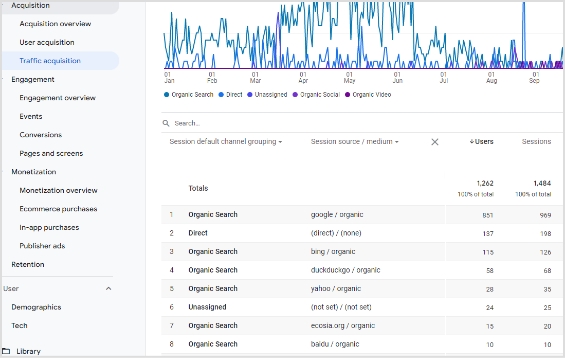
It’s necessary to keep an eye on the campaign results to navigate along the way. To get started with tracking your UTM campaign results, follow these steps: Go to your Google Analytics account for further steps Head over to the Acquisition. Then go to the Traffic Acquisition.
You’ll see all the traffic acquisition channels.
The UTM campaign would reflect under the source/medium section, so look out for that.
How to get a tracking URL?
The UTM parameters are extremely helpful when tracking user behavior during an online campaign. A tracking URL with complete tracking anecdotes could come in handy in social media marketing, online advertising, and email marketing.
Have you ever hovered over a link in an email that includes various terms such as source or medium? The reason is that these are types of UTM parameters that facilitate to track the performance of the email marketing campaigns.
You might wonder, how do I get a tracking URL? Well, you can opt for a decent UTM tracking tool that allows you to add UTM tags to your URLs without making a big deal out of it.
Add UTMs with Replug
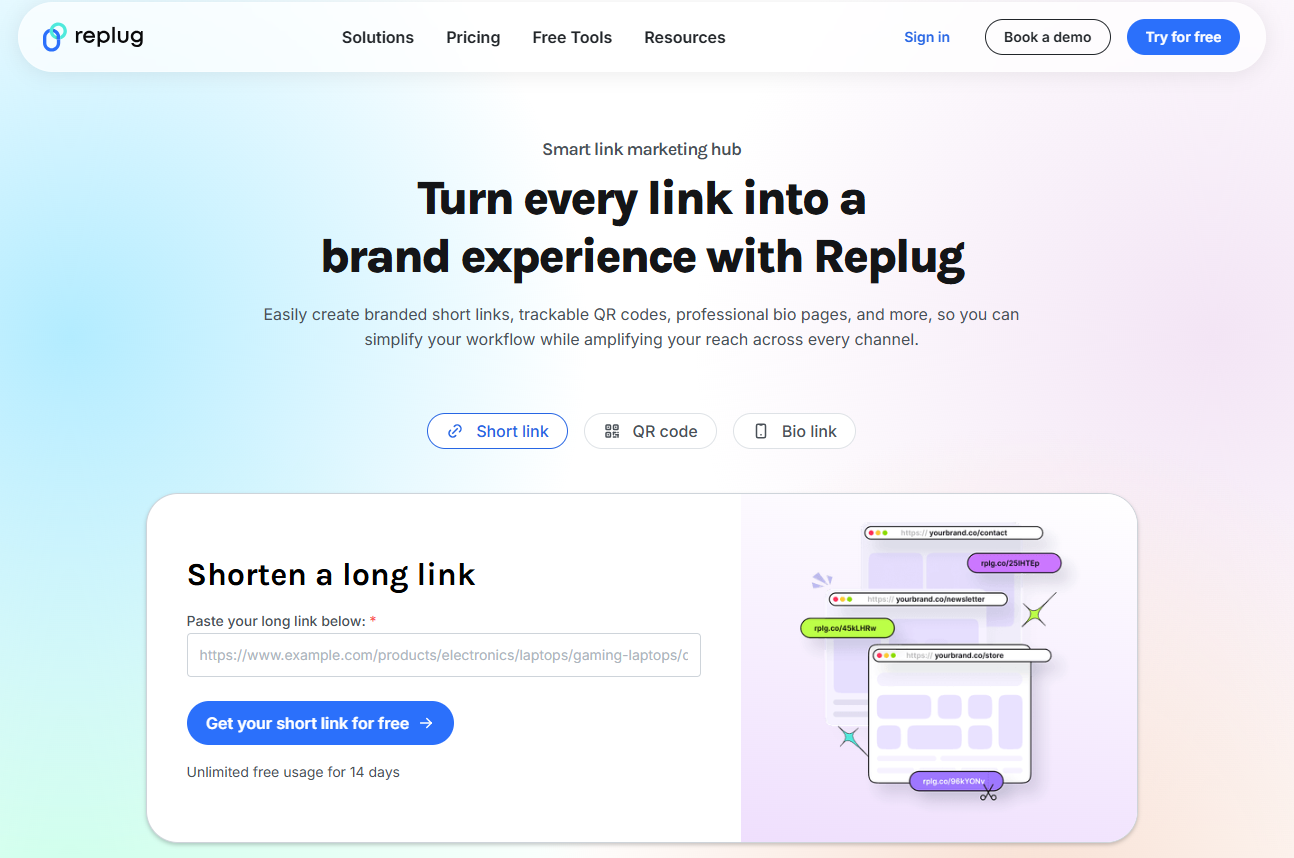
Replug is an all-in-one link management platform for creating, managing and tracking vanity URLs for social media, online advertising, or email newsletters. Its custom URL shortener free tool allows users to shorten the long URLs so that they appear clean anywhere you share them.
Moreover, the additional Replug features include UTM, retargeting, bio links, QR generation, mobile deep linking, and more.
Here are four simple steps to get a tracking URL using Replug:
Step 1: Log in to your Replug account Go to the Replug app and log in to your account.
Step 2: Enter the URL to shorten After the login, you’ll see a URL shortening snippet right on the dashboard. Select the Replug campaign and paste the long URL you want to shorten and add UTM parameters to the campaign. If you haven’t created a campaign, you’ll be better off creating one.
The moment you paste the URL to shorten it, an “Add UTM” CTA button will appear next to the URL.
Step 3: Add UTM parameters
Click on the “Add UTM” CTA button to include the UTM parameters to add the ability to track the URL using Replug.
Once you click that CTA, you’ll be prompted with a UTM screen – you’d have to select an already created UTM or add a new one.
If you choose to create a new UTM code, a form will pop up to fill out.
Go through this step as it’s crucial to add the URL tracking. Once you’re done with adding all required parameters, proceed to the next step.
Step 4: Generate the short URL After you add the parameters, they will appear along with your URL. Proceed further to generate that short URL along with UTM parameters to track link performance.
Start Tracking
Generating a tracking URL is a great tool for online marketers to push sales growth. The fundamentals of a tracking URL will remain the same whether you use Google Analytics or a URL shortener tool. However, the benefits of URL shorteners are still yet to be explored to its maximum potential.
Brands and entrepreneurs use advanced link tracking for branding, building a custom audience, and generating more sales.
Frequently asked questions
Can URL be tracked?
Any URL that contains the tracking parameters can be tracked. The ideal method is to include UTM parameters to track the URL performance.
What is URL tagging?
URL tagging is the process of infusing identifiers to the URLs to attribute the traffic to a specific campaign or event.