Tag: leads

  • What is lead tracking: A complete guide

    What is lead tracking: A complete guide

    Marketers, bloggers, and SEOs strive to get the readers’ attention through different means. 50% of the marketers consider lead generation a top priority when running marketing campaigns.

    One of the key indicators of readers’ interest in the content is lead generation.

    This can be seen through actions such as clicks on CTAs, downloads of opt-in incentives, or sign-ups for a free trial.

    However, the challenge that occurs is how to track those leads. 

    Without leads tracking, it’s impossible to determine where these leads are coming from or what’s working best for the campaign.

    In fact, 61% of marketers consider generating traffic and leads to be their biggest challenge.

    Let’s explore the idea of lead tracking and try to comprehend the processes behind tracking leads effectively.

    What is lead tracking?

    Lead tracking is a process of monitoring the stage of the leads during their conversion journey, understanding where they are in the funnel, and ensuring a smooth transition for the conversion.

    Most prospects don’t convert right away; they take some time before they press the buy button. 

    Therefore, companies come up with a system to follow up with potential customers regularly until the deal is closed.

    Simply put, it’s about understanding the behavior of potential customers and keeping an organized record of their engagements, requests, and actions.


    Replug Branded Short Links CTA
    A complete link management solution
    for marketing professionals & agencies.
    Try Replug for free

    Why is it important to track leads?

    A well-designed leads tracking mechanism helps marketers and brands analyze the effectiveness of their lead generation funnel. 

    Sometimes, a potential customer is willing to buy the product but can’t figure out something tiny – it could hinder the transactional part of the purchase. The lead tracking system can identify where the prospect is stuck and fix what’s stopping the potential customer from converting. 

    Therefore, lead tracking activity can provide a sense of understanding to the seller what these potential customers might want to know or what might be the appropriate action to take right now.

    5 Benefits of tracking marketing leads

    To truly understand the importance of tracking marketing leads, it’s vital to go through its benefits to comprehend the effectiveness of this course fully:

    1. Improved conversion rates 

    The first and foremost benefit of tracking leads is the improved conversion rate. By monitoring prospects or lead behaviors, marketers can identify which strategies and touchpoints are most effective in converting leads to customers. 

    Such an action assists marketers in understanding the situation, allowing optimization of sales efforts and improving the conversion funnel.

    Lead funnel

    2. Enhanced sales forecasts

    Lead tracking helps brands come up with valuable data that allows brands to predict future sales trends with more precision. 

    Tracking leads assists sellers in understanding the journey of leads through the sales funnel and provides an opportunity for businesses to make informed decisions on resource allocation and strategy adjustments.

    3. Customer insights 

    Marketers are keen to know where the potential customers stand after inquiring about the product clicking on the ad or filling up the sign-up form. Lead tracking provides a whole heap of useful data about potential customers’ preferences, behaviors, and pain points. 

    These insights can help brands and marketers create tailor-made offers to meet the customers’ expectations and eliminate the ambiguities in the customers’ minds.

    4. Streamline sales system

    One of the benefits of lead tracking is that it helps businesses identify and eliminate bottlenecks and streamline sales processes, ensuring a smoother journey from lead to customer. 

    Once the sales process is streamlined, the sales cycle is faster and more efficient.

    Lead conversion

    5. Data-driven targeting

    Lead tracking revitalizes lead conversion by implementing effective engagement techniques. A significant advantage of tracking such campaigns is that it enables marketers to segment leads based on demographics, behavior, and their stage in the buyer’s journey. This segmentation allows for the creation of more personalized and targeted marketing campaigns, leading to improved results.

    Campaign tracking, therefore, is essential for brands and marketers to optimize their lead generation funnel and enhance overall lead conversion. These are just some of the many benefits of lead tracking that marketers should leverage to drive better outcomes.

    How does lead tracking work?

    Lead tracking is an integral tool in digital marketing that helps companies gather the necessary information to close deals and boost revenue. It involves identifying the sources and locations of potential customers and taking every step necessary.

    A crucial aspect of lead tracking is data collection, where marketers gather useful information on the leads. The data enables digital marketers and conversion experts to improve their campaigns, customize offers, expand their customer base, and eventually drive more sales.

    One of the significant advantages of lead tracking is the ability to provide a detailed picture of marketing campaign outcomes. According to Neil Patel, 76% of marketers struggle to estimate campaign ROI.

    UTM

    More importantly, lead tracking allows marketers to go deep into the sales and marketing insights and capture useful information that otherwise would have been kept in the box. Businesses and marketers can use this crucial information to increase marketing campaigns and organizational efficiency.

    It’s safe to say that by implementing an efficient lead-tracking system, businesses can improve customer retention, evaluate the effectiveness of their marketing tactics, and optimize their customer acquisition process.

    5 Steps of lead tracking process

    Take a look at the essential steps involved in tracking leads:

    1. Plan the campaign: First things first, map out the plan of the lead tracking process. Determine what you want to achieve and why it’s important for success.  
    2. Identify a “good” lead: Before diving deep into the process, be clear on the concept of a good lead. Every lead is different, so try to optimize the process to generate high-quality leads.  
    3. Pick a lead-tracking software: Opt for an affordable, easy-to-use CRM tool that offers lead-tracking service. There are several types of lead tracking softwares that differently, but the idea is the same. 
    4. Capture and nurture leads: Once the lead generation process starts to capture leads, build strategies to nurture leads. Don’t bombard your leads with offers to convert – give them some time. Free courses, tutorials, and workshops often help push the leads convert into customers.   
    5. Track leads conversion: Finally, step up to track leads conversion using the lead tracking tool. Conversion tracking would give you an inside-out report on the effectiveness of the lead tracking process. 

    6 Elements of lead tracking

    Here are the essential lead-tracking elements that one should be tracking:

    1. Name: The names of the leads help marketers or brands identify, communicate, and sort them through if needed. Without a unique name, it might not be possible to manage and organize the leads.
    2. Company name: The company name is the workplace where this person works. Stating the company name ensures that the marketer or brand can find out about the employment status.
    3. Job role: A job role tells about the designation and the job description of the lead. It’ll be useful to know what role this person plays at a company.
    4. Phone number: The phone number ensures that the marketer or brand can reach out to this person via telephone.
    5. Email address: The email addresses of the leads help marketers send out necessary emails, such as discount offers, follow-up emails, and order confirmations.
    6. Postal address: A postal address is mandatory if the business is selling a physical address. Without a postal or mailing address, the brand might not be able to mail stuff.

    So, this is the list of data items to track when setting up a lead-tracking campaign.

    6 Best ways to track leads

    Let’s take a look at some of the best ways to track leads:

    1. Capitalize on UTM parameters

    UTM parameters are a great way to track and analyze link performance based on different engagement metrics. It’s a set of codes that appear next to the URL slug. These parameters are extremely efficient in tracking clicks, conversion, and CTR.

    By incorporating UTM parameters in your URLs, you can identify which marketing campaigns are driving the most traffic and conversions. Thus, a detailed tracking link allows for precise adjustments in link strategy, enhancing overall marketing effectiveness.

    The following are the best tools to add UTM parameters to a link:

    Replug

    Replug allows you to effortlessly create UTM parameters for your links, enabling detailed link tracking of your marketing campaigns. The good part is that the tool offers both Free and paid version. The advance version allows you to monitor clicks, conversions, and other key metrics to optimize your strategy.

    Usermaven: Free UTM Builder

    Usermaven’s free UTM builder is another powerful tool that helps you generate UTM parameters quickly and efficiently. 

    2. Use a powerful CRM tool

    A CRM tool refers to a customer relationship management tool – it’s a dashboard that administers the engagement, collaboration, and communication between a company and the customer. Using an efficient and reliable CRM tool can come in handy in tracking leads.

    Moreover, a robust CRM system, with the expertise of Dynamics CRM consultants, not only tracks interactions but also integrates with other tools and platforms, offering a broader experience of all customer activities.This integration aids in identifying potential leads and nurturing them through personalized communication and targeted marketing efforts.

    Try the following CRM tools to help start customer engagement:

    3. Utilize an analytics tool

    Digital analytics tools are crucial to keeping track of business performance. It’s vital for a business to keep track of every bit of detail about its prospects and customers. An analytics tool assists with monitoring and tracking different engagement and conversion metrics. It sure is one of the best ways to track leads.

    Analytics tools offer insights into user behavior, helping businesses understand what works and what doesn’t. By digging deeper into the data, such as page views, session duration, and bounce rates, companies can refine their strategies to improve lead generation and conversion rates.

    These are two of the best analytics tools on the market:

    4. Set up promo codes

    Promo codes are given to the customers by merchants to avail of a special discount offer – usually, such discount offers are for a limited period. It turns out, promo codes can also track leads and conversion.

    All merchants have to do is track the specific promo code and fetch all the transactions that happened using the promo code. As a result, businesses can determine the effectiveness of their marketing campaigns.

    This tracking method also helps in identifying which customer segments are most responsive to promotional offers, enabling opportunities for more accurate and targeted campaigns in the future.

    Here are two promo code tools to try out:

    • Coupon X
    • Reveal Button

    5. Follow-up in person

    Follow-up in person is a common way to track leads. Marketers and sales representatives often follow up with prospects who inquire about the product or use the trial version. 

    A sales representative can reach out to the prospect and inquire about the plan for converting into a paid customer.

    In-person follow-ups create a more direct and meaningful connection with potential customers. Not only does it help in gathering feedback but also in addressing any concerns or objections the prospect might have, increasing the likelihood of conversion.

    Here are two ways to track leads in person:

    • Email 
    • Text message

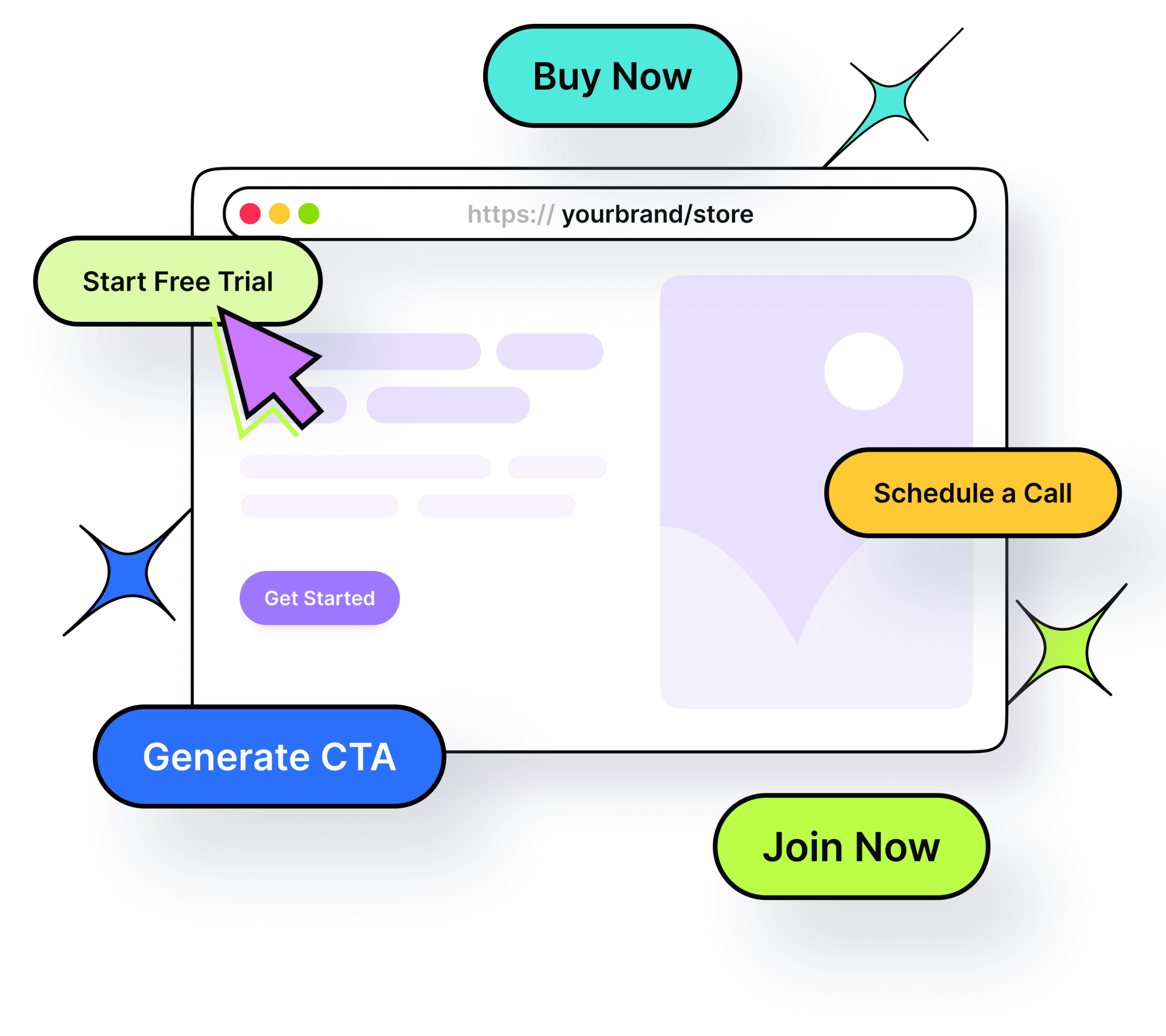
    6. Setup custom CTAs & shortened links

    Leads tracking has never been this fun and exciting. Now marketers and bloggers can create short URLs or custom call-to-actions and track leads with the help of this amazing short url shortener

    Replug is a go-to link optimization platform that does it all. All you need is to sign up for an account and try it for yourself. To track leads, one must know how to create the specific campaign accordingly. 

    Replug allows users to track leads using CTAs and short URLs. Let’s learn how you can do this: 
    Boost ROI with branded URLs - Replug dashboard showing performance metrics and branded URL creation
    Boost your conversion rates with irresistable CTAs with

    for your marketing campaigns.

    Check

    Higher clicks

    Check

    More leads

    Check

    Better ROI

    Generate free CTAs

    How to track leads using custom CTAs?

    Lead tracking comes in different shapes and forms. 

    One of the ways to track leads is by using custom call-to-action.

     Let’s find out how users can create custom CTAs and track leads using a powerful URL-tracking tool called Replug:

    Step #1: Sign up for a Replug account 

    Start with signing up for a Replug account – it has a 14-day free trial with no strings attached.

    After the successful sign-up, log in to your Replug account using your login credentials.

    Sign-up on Replug

    The Replug dashboard, which is the main window, will appear. Users can navigate to various sections from here.

    Step #2: Create a new brand and campaign

    We’re assuming you’re just getting started on Replug. So, you should set up your brand and campaign to get started with tracking leads.

    However, it’s best to start analyzing or accessing the analytics section after at least a couple of weeks for results.

    Create Brand

    Anyway, click on the Manage button from the top menu bar and select the Brands option. 

    Add New Brand

    This is where you create a Brand. All you have to do is fill out the form and provide the brand details, and you’re good to go.

    Add relevant details

    Head over to the Manage section from the top menu, and now click on the Campaigns option from the drop-down menu.

    Generate New camoaign

    It’s time to create a new campaign. Click on the New Campaign button on the Campaigns page.

    Click on "New Campaign"

    Just remember to choose the brand name you just created for this campaign.

    Select your Brand

    The next up is the Select Campaign Type section where you enter the campaign name, select the custom domain if available, and select the campaign’s type.

    Choose Campaign type

    Choose the Call-to-Action option from the Widgets section.

    As soon as you choose the Call-to-Action from the widgets, a CTA will pop up.

    Add Button, link or Form in your CTA

    Press the next button and go to the CTA Style area. This is the area where you can choose the CTA type, such as button, link, or form, select the CTA style, and upload the image.

    Choose Form

    Since you’re tracking leads using Replug, select the Form option and choose the email service provider you have already integrated with your Replug account.

    Select your email service provider

    Once done, hit the next button.

    The next section is called the Call-to-Action Message section, where you can add a headline, message body, CTA button text, and the destination URL.

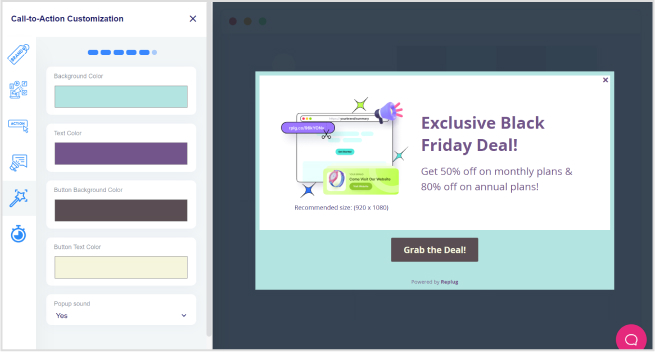
    Go ahead and press the next button. You’ll now land on the Call-to-Action Customization section, where you can choose the call-to-action text and button colors.

    In the end, there is the setting for the call-to-actions popping up; choose the number of seconds after it should appear or select the exit intent to ensure that the pop-up appears when the visitor is leaving the website. Now, save the CTA campaign.

    Step #3: Track leads using the Replug analytics

    After several weeks, when you’re ready to track leads, log in to your Replug account and get ready to analyze the leads.

    Track leads using Replug

    Go to the Measure section from the top menu bar on the dashboard and choose the Analytics option.

    Filter by time or campaign Type

    Start by adjusting the analytics view. You can choose either the List View or the Detailed View. It’s better to choose the detailed view, though.

    Now, adjust the parameters, such as the brand, campaign, and form, to retrieve the required lead tracking data.

    Now, you’ll be able to see the leads generated through Replug.

    Boost ROI with branded URLs - Replug dashboard showing performance metrics and branded URL creation
    Boost your conversion rates with irresistable CTAs with

    for your marketing campaigns.

    Check

    Higher clicks

    Check

    More leads

    Check

    Better ROI

    Generate free CTAs

    Track leads using digital analytics tools

    Digital analytics tools refers to any website and app statistics tools that reports on the performance metrics, such as page views, unique visitors, unique clicks, conversion rate, referrals, etc. These analytics tools can be used to track leads now. 

    Usermaven is a state-of-the-art website and app analytics tool that provides a handful of engagement and conversion statistics. It’s a complete analytics toolkit for tracking unique hits, page views, events, conversions, etc.

    Here’s how you can track leads using the Usermaven tool:

    Step #1: Log in to your Usermaven account

    First things first, sign up for a Usermaven account if you still need to do so. Once you’ve signed up, you’re all set to log in to your account.

    Usermaven-Digital analytics tool

    Use your login credentials to sign in.

    Step #2: Create a conversion goal

    Now, go to the Attributes section from the sidebar and look out for the conversion goal feature.

    Go to attributes

    You’ll land on the conversion goals page – click the Create Conversion Goal button to start creating your first conversion goal.

    Generate conversion Goal

    The conversion goal creation page will appear now.

    Choose a conversion goal name and select the event. For instance, In this case, where you’re tracking leads for a request submission form, you can choose the Page URL option. 

    The next bit is very important: you can simply add the condition “is” and provide the “Successful submission” page URL.

    What it means is that the conversion is recorded when a visitor lands on the “Successful submission” page – the visitors are supposed to visit the “Successful submission” page only after submitting the request form.

    Therefore, the conversion goal would be completed.

    Fill up the form and finish creating the event.

    Step #3: Track conversion goal 

    Give your conversion goal a good few weeks before hopping on the analytics section.

    Access the Usermaven account for at least three to four weeks.

    Analytics section

    Once logged in, go to the Website Analytics section and look out for the conversion goal section – you’ll see the conversion goal data.

    So, that’s how you can track leads using Usermaven.

    Lead tracking best practices

    Here are some of the best lead-tracking best practices:

    • Fine-tune your lead sources to generate more leads by focusing on the channels that yield high-quality prospects. Avoid spreading your efforts thin across every possible channel, especially if your target audience doesn’t frequent those channels. 
    • Set crystal clear goals to steer your marketing and sales strategies. Your approach will be shaped by whether you aim for more customers, higher sales per customer, or sales of higher-margin products. 
    • Map out your process, even if it seems informal. Whether you use sticky notes, email folders, old spreadsheets, or rely on someone with an excellent memory, recognizing and organizing your current process is crucial.
    • Prepare a tailored message for the targeted audience. Understand the needs of leads at various stages to develop a relevant strategy. Simply sending a monthly email blast won’t effectively nurture your prospects toward a purchase. 
    Lead tracking
    • Create customer segments to benefit marketing, sales, and customer service teams. Create content and messaging tailored to each segment’s needs to enhance engagement and effectiveness.
    • Nurture your captured leads effectively by tracking their position in your pipeline and sending content that matches their current needs. Keep leads engaged with personalized emails that guide them toward a purchase, such as cart abandonment reminders or sales demo offers.

    5 best lead tracking tools

    Let’s take a quick look at some of the best lead-tracking tools:

    Best lead tracking toolsDescriptions
    ReplugA powerful link management tool that offers several URL management features including URL shortening, advance tracking, CTA’s, lead tracking, deep linking, and more.It’s an all-in-one solution for generating, managing, and tracking short, branded URLs. It allows users to create and track short URLs for social media, PPC ads, email marketing, and other marketing campaign.  
    UsermavenUsermaven is an advanced website and app analytics tool that assists SAAS and online businesses in monitoring their website or app statistics and data.A powerful analytics tool gives an inside-out report on the keywords, rankings, page views, unique hits, and other essential website tracking metrics. 
    HubspotHubspot is a powerful CRM tool that offers a complete suite for customer management. It has a lead-tracking system that allows businesses, agencies, and entrepreneurs to track leads.
    PipedrivePipedrive is a comprehensive lead management tool that keeps track of the leads using its advanced CRM products.
    FreshworksFreshworks is an AI-powered, user-friendly CRM tool that serves thousands of businesses in the lead generation and tracking areas.

    Mistakes to avoid when tracking leads

    Here are some of the common mistakes when tracking leads:

    • The lack of categorization in lead generation often causes confusion and inefficiency in follow-ups and tracking.
    • Keeping the recorded lead data is crucial to the follow-ups. Failing to update lead information regularly can result in outdated and inaccurate data, which could hinder the lead-tracking process.
    • Lead tracking sources are vital to the whole process. Overlooking lead source tracking makes it difficult to evaluate the effectiveness of marketing campaigns.
    • Every lead is different than the other. Ignoring inactive leads instead of nurturing them can lead to missed opportunities.
    • A huge mistake beginner marketers make is that don’t set reminders for the follow-ups, which can result in lost leads due to delayed responses.
    • Utilizing effective lead generation and tracking software gets the job done quite well. Relying solely on manual tracking increases the risk of human error and data loss.
    • It’s necessary to prioritize the leads based on their potential. Failing to prioritize leads based on their potential value can waste time on low-value prospects.
    • CRM integration helps the lead-tracking process. Unable to configure the lead tracking campaign with a CRM system can lead to fragmented and incomplete data. To ensure a unified view of all customer activity, utilizing a virtual phone number that integrates seamlessly with the CRM is essential.

    Replug Branded Short Links CTA
    Maximize marketing ROI
    by transforming ordinary URLs into
    branded short links that convert.
    Try Replug for free

    Get started with lead tracking

    SAAS companies, software houses, online website-based tools, and Shopify plugin developers should pay close attention to lead tracking.

    One of the reasons why these businesses should adopt lead tracking is that their competitors might already be doing it. As a general rule of thumb, if your competitors are doing something, you shouldn’t ignore it either.

    Are you ready to get started with lead tracking? We hope this piece of content will help you step on the right foot.

    FAQs about lead tracking

    Allow us to answer some of the frequently asked questions about the lead track:

    What is the best way to track leads?

    There are numerous ways to track leads that are quite effective in most niches, such as CRM-based tracking, UTM tracking, and setting up promo codes.

    What is the cost per lead tracking?

    The cost per tracked lead depends on the total cost of the campaign and the number of total leads tracked. All you need is to divide the total cost by the number of leads tracked.

    What is CRM lead tracking?

    It’s a lead-tracking system that utilizes the power of a CRM tool. Most CRMs offer a complete marketing and engagement toolkit and lead tracking is one of the tools available in the CRM.

    How do you track lead quality?

    The quality of the tracked lead depends on the tactics and strategies used to find and bring it into the funnel. The next up is to nurture the quality leads. If a tracked lead is unresponsive and doesn’t respond, then it’s a red flag.

  • What is lead generation: How it works & top tools for success

    What is lead generation: How it works & top tools for success

    Lead generation is the heartbeat that keeps companies alive and thriving. It is a fundamental aspect of marketing that helps businesses identify potential customers and nurture them towards making a purchase. The ultimate goal of lead generation is to create a pipeline of prospects who can be guided through the sales funnel, eventually becoming loyal customers.

    This guide will explain what lead generation is, how it works, and explore the best tools available for generating leads.

    What is lead generation?

    Lead generation is a marketing strategy that many businesses, influencers, and experts use for attracting and converting potential customers into leads by capturing their contact information, typically through offers of valuable content or incentives.

    How does lead generation work?

    Lead generation serves as the cornerstone of effective marketing strategies, driving businesses to attract and convert potential customers into valuable leads. Here’s a detailed breakdown of the lead generation process:

    1. Attracting traffic: Businesses leverage a myriad of digital channels including websites, social media platforms, email marketing, and targeted advertising campaigns to drive qualified traffic to their online platforms.
    2. Offering value: To entice visitors to take action, businesses offer compelling incentives such as free trials, exclusive eBooks, informative webinars, or enticing discounts.
    3. Capture information: Interested visitors willingly provide their contact information by filling out a form, granting access to the valuable offer or resource.
    4. Lead nurturing: Once captured, leads undergo a nurturing process through personalized marketing efforts like targeted email campaigns, relevant content, and strategic follow-up communications. Many businesses choose to hire a virtual assistant to streamline these tasks efficiently.
    5. Conversion: Through effective nurturing, leads progress through the sales funnel, ultimately resulting in conversions where they make a purchase, sign up for a service, or engage in another desired action.
    6. Measurement & optimization: Throughout the entire process, businesses use lead tracking to monitor key performance metrics and evaluate the effectiveness of their lead generation initiatives. By leveraging data-driven insights, businesses continuously refine and optimize their strategies to achieve superior results over time.
    Replug Branded Short Links CTA
    A complete link management solution
    for marketing professionals & agencies.
    Try Replug for free

    Types of lead generation

    Different types of lead generation tactics are implemented by the experts. However, lead generation has two main categories, such as inbound lead generation and outbound lead generation. These main categories encapsulate multiple lead-generation strategies that we know or use today. Let’s find out:

    1. Outbound lead generation

    Outbound marketing refers to the engagement where brands directly reach out to prospective customers through various means. Here are multiple outbound lead generation strategies to check out:

    Email marketing:

    In email marketing, subscribers give marketers or brands permission to reach out to them via email. It allows brands or marketers to communicate with the subscribers to update on the latest developments or offer new products. If you’re leveraging email marketing as part of your lead generation strategy, ensuring that your emails land in the inbox and not in spam is crucial. Using a free mail tester by Maileroo can help you optimize your email deliverability by identifying potential issues before sending out campaigns

    Direct mail:

    Direct mailing is yet another way to communicate with the prospects, for instance, sending pamphlets, flyers, and posters to the prospects is an example of direct mailing.

    Advertising:

    Advertising is a marketing form that has been around for years. Retargeting ads is a cost effective way to remind visitors to revisit your site and complete the purchase.

    Cold calling:

    Cold calling is an outbound marketing strategy in which brands reach out to customers over the phone. Virtual call centers use this technique of outbound call to sell products or services.

    Did you know?

    Only 18% of marketers perceive outbound lead generation to yield valuable leads, highlighting the importance of adopting innovative and strategic approaches to lead generation (source: Bloggingwizard) .

    You may also like: Email marketing mistakes to avoid

    2. Inbound lead generation

    Inbound marketing refers to the engagement where prospective customers find out about the brand through search, content, or social media. Let’s take a look at some of the popular inbound lead generation tactics:

    SEO:

    Search engine optimization is the basic inbound lead generation strategy that entrepreneurs, brands, and marketers use to bring in the relevant audience to their websites.

    Blogging:

    Blogging doesn’t only help in SEO, but it also assists brands and marketers in engaging social media users. It’s one of the most powerful ways to generate leads on the market.

    Social media:

    Social media has turned out to be a useful source of traffic, attention, and conversion. It can also generate inbound leads once the social media content starts to get traction.

    Replug Branded Short Links CTA
    Maximize marketing ROI
    by transforming ordinary URLs into
    branded short links that convert.
    Try Replug for free

    How to generate market qualified leads?

    Generating market qualified leads (MQLs) is crucial for driving sales and business growth. Here’s a comprehensive guide on how to effectively generate MQLs:

    1. Define your target audience

    • Ideal customer profile (ICP): Start by defining your ICP based on demographics, firmographics, behavior, and pain points. Understanding who your ideal customer is helps tailor your marketing efforts to attract the right leads. For companies looking to accelerate results, partnering with commercial lead generation services can help define and reach their ideal prospects efficiently, ensuring a steady pipeline of qualified B2B leads.
    • Buyer personas: Develop detailed buyer personas to represent different segments of your target audience. These personas should include information on their job roles, challenges, goals, and decision-making processes.

    2. Content marketing

    Convincing-Content
    • Educational content: Create valuable and relevant content that addresses the needs and pain points of your target audience. This can include blog posts, eBooks, whitepapers, infographics, and case studies.
    • SEO optimization: Ensure your content is optimized for search engines to increase organic traffic. Use relevant keywords, meta descriptions, and high-quality backlinks to improve your search engine rankings. Partnering with a trusted SEO Reseller can also help you efficiently scale your digital marketing efforts and deliver exceptional results for your clients.
    • Content distribution: Promote your content through various channels such as social media, email newsletters, and industry forums to reach a wider audience.

    3. SEO and SEM

    • Search engine optimization (SEO): Optimize your website and content for search engines to attract organic traffic. Focus on on-page SEO (keywords, meta tags, headers) and off-page SEO (backlinks, social signals).
    • Search engine marketing (SEM): Use paid search advertising (PPC) to target specific keywords related to your business. Retargeting ads can help you reach potential leads who are actively searching for your products or services.

    4. Social media marketing

    • Platform selection: Identify which social media platforms your target audience uses the most and focus your efforts there. LinkedIn is particularly effective for B2B lead generation, especially when you know how to use LinkedIn Sales Navigator to generate leads effectively. Facebook and Instagram work well for B2C.
    • Engagement: Actively engage with your audience by sharing valuable content, responding to comments, and participating in relevant groups and discussions.
    • Paid advertising: Use social media ads to target specific demographics and interests. Platforms like LinkedIn, Facebook, and Twitter offer robust targeting options to reach your ideal audience.

    5. Email marketing campaigns

    • Segmentation: Segment your email list based on criteria such as industry, job role, and engagement level to deliver personalized and relevant content.
    • Lead nurturing: Develop automated email sequences to nurture leads through the sales funnel. Provide educational content, case studies, and product information through email automation to move leads closer to a purchase decision.
    • A/B testing: Experiment with different URLs, subject lines, content formats, and calls to action (CTAs) to optimize your email campaigns for better performance.

    6. Lead magnets

    Call to action
    • Offers and incentives: Provide valuable offers such as free trials, demos, webinars, and downloadable resources in exchange for contact information. These lead magnets should address a specific pain point or need of your target audience.
    • Landing pages: Create dedicated landing pages for your lead magnets with clear and compelling CTAs. Ensure the landing page is optimized for conversions with a simple form and persuasive copy.
    • Exit-intent popups: Use exit-intent popups to capture visitors’ attention just before they leave your site, offering them a compelling reason to stay or subscribe.

    7. Lead scoring

    • Criteria definition: Establish criteria for scoring leads based on their behavior and engagement with your content. This can include website visits, content downloads, email opens, and social media interactions.
    • Automation tools: Use marketing automation tools to track and score leads in real-time. Platforms like ContentStudio, Marketo, and Salesforce can help automate the lead scoring process.
    • Qualification thresholds: Define thresholds for when a lead becomes market qualified. This helps your sales team prioritize leads that are most likely to convert. As a Flow State Sales expert says, “a proper sales training program can help your team to understand marketplaces and effective sales methodologies to generate leads”.

    8. Analytics and refinement

    • Performance tracking: Use analytics tools to monitor the performance of your lead generation efforts. Track metrics such as website traffic, conversion rates, lead quality, and ROI.
    • Continuous improvement: Regularly analyze your data to identify areas for improvement. A/B test different strategies and make data-driven decisions to optimize your lead generation process.
    • Feedback loop: Create a feedback loop between marketing and sales teams to ensure continuous alignment and improvement. Sales teams can provide insights on lead quality and help refine the lead generation process. To support these efforts, using the best AI meeting note taker can ensure that important discussions and action points from internal strategy meetings are automatically captured and shared across departments, improving follow-through and collaboration

    9. Leverage social proof

    social proof
    • Testimonials and reviews: Display customer testimonials and reviews prominently on your website and social media profiles.
    • Case studies: Share detailed case studies showcasing your product or service’s success in solving customer problems.

    10. Utilize interactive content

    • Quizzes and surveys: Create engaging quizzes or surveys related to your industry. Require an email address to receive the results.
    • Interactive tools: Offer tools like calculators or assessments that provide personalized results in exchange for contact information.

    11. Offer exclusive content

    • Gated content: Provide high-value content such as ebooks, whitepapers, or research reports behind a sign-up form.
    • Webinars and live events: Host live webinars or virtual events on relevant topics and require registration to attend.

    12. Referral programs

    • Incentivize referrals: Create a referral program that rewards existing customers for referring new leads.
    • Partnerships: Form strategic partnerships with complementary businesses to cross-promote and share leads.

    13. Retargeting ads

    • Ad campaigns: Use retargeting ads to re-engage visitors who have previously interacted with your website but didn’t convert.
    • Lookalike audiences: Create lookalike audiences based on your existing leads to target similar potential customers.

    14. Leverage video content

    • Explainer videos: Create short explainer videos that highlight the benefits of your product or service.
    • Live streaming: Use platforms like Facebook Live, Instagram Live, or YouTube Live to engage with your audience in real-time and capture leads.

    8 best lead generation tools

    Let’s take a look at some of the best lead-generation tools on the market:

    1. Replug

    Boost ROI with branded URLs - Replug dashboard showing performance metrics and branded URL creation
    Boost your conversion rates with irresistable CTAs with

    for your marketing campaigns.

    Check

    Higher clicks

    Check

    More leads

    Check

    Better ROI

    Generate free CTAs

    Replug.io is an excellent link management tool that offers several URL management and tracking services for brands, agencies, influencers, and bloggers. It’s an all-in-one URL management software that helps users shorten the URLs with its efficient link shortener and provides the necessary tools to manage and track them.

    Top features of Replug

    • Lead generation: Replug lets users create lead generation widgets to target the audience that clicks on the short URLs. It’s a customizable call-to-action widget that pops up when users click on the short links once activated for the campaign.
    • Bio links: It allows Replug to create a personalized web page for all links, such as website, blog, social media, etc. The bio link goes into the social media profile link section and helps users showcase multiple links via the Replug bio link option.
    • Link rotation: Link rotation is a feature that Replug users can activate if they want to generate leads based on parameters, such as time, date, region, or web browser.
    • A/B testing: The A/B testing feature allows Replug users to compare two different-looking links that go to the same destination URL and see which link performs better than the other.
    • Personalized CTAs: Users can create personalized CTAs for user engagement. The CTA types available in Replug are forms, buttons, and links.
    • Branded URL: Replug has a custom domains feature that lets you create short, branded URLs. It can significantly improve your lead generation campaign.
    • While labeling: The white labeling feature allows users to set up a custom domain, theme, and logo instead of Replug branding.

    Price: Replug pricing starts at $19 per month

    Free trial: Yes (14-day free trial)

    2. Usermaven:

    Usermaven-CTA-1-1

    When it comes to lead generation, Usermaven has accurate and comprehensive data on your website visitors and their behaviors. Usermaven is a cutting-edge analytics tool that empowers marketers and product professionals with the insights they need to maximize their lead-generation efforts.

    Key features of Usermaven:

    1. Effortless lead tracking: Usermaven’s accurate tracking captures all sources automatically, including organic traffic, inorganic traffic, and UTM sources, ensuring you never miss a potential lead. No more relying on developers or complex setup processes.
    2. Powerful event tracking: Easily track and analyze critical user events, such as form submissions, button clicks, and scroll depth, to gain a comprehensive understanding of your lead generation funnel’s performance.
    3. AI-powered insights: Leverage the power of Maven AI, Usermaven’s built-in data assistant, or explore specialized AI recruiting software to uncover hidden patterns and opportunities for optimizing your lead generation funnel.
    4. Comprehensive visitor journey: Understand your prospects’ behavior with detailed user journeys, funnels, and attribution data, allowing you to identify bottlenecks and optimize conversion paths.
    5. Segmentation made easy: Usermaven’s intuitive segmentation tools enable you to slice and dice your audience data, helping you target specific segments with tailored messaging and offers.
    6. Privacy-friendly analytics: Usermaven prioritizes user privacy, making it a trustworthy choice for responsible lead-generation practices.

    Price:

    Usermaven offers flexible pricing plans to cater to businesses of all sizes:

    • Pro plan ($14 per month)
    • Premium plan ($24/month)
    • Enterprise plan (Custom pricing)

    3. LeadFeeder

    Leadfeeder is a powerful lead generation tool loaded with a bunch of useful tips to generate, manage, and monitor leads and take your digital marketing campaign to the next level. Its seamless integration with other marketing tools makes it a great choice for lead generation.

    Key features of LeadFeeder:

    • Visitor identification: It’s easier with Leadfeeder to identify anonymous website visitors coming from top companies
    • Prospect segmentation: Leadfeeder assists users in prospects’ segmentation. It helps brands in segmentation using behavioral and demographic filters to find leads with the highest potential
    • Seamless integration: It flawlessly integrates with several CRM and marketing tools, such as Zoho, Pipedrive, zapier, HubSpot, salesforce, and others
    • Automatic lead scoring: One of the key features of Leadfeeder is that it intelligently attributes visitors with a lead score and helps users prioritize the top visitors
    • Powerful customer insights: It also offers in-depth tracking and analysis that lets marketers and brands track the performance of the lead generation campaign.

    Price: The paid plan costs €99 per month

    Free trial: It offers a free plan (with no limits)

    4. ZenRows

    Zenrows

    When it comes to lead generation, ZenRows transforms hours of manual prospecting into a fast, reliable, and automated data pipeline that feeds fresh, high-intent contacts directly into your CRM. It streamlines capturing accurate lead data from public web sources—all without getting blocked.

    Key features of ZenRows:

    • Automated, scalable lead acquisition: ZenRows builds customizable scraping workflows—from company names and locations to growth indicators—so you can generate high-quality leads at scale and enrich existing prospects with precision.
    • Anti‑bot robustness: Its Universal Scraper API handles proxy rotation, headless browsing, CAPTCHA bypassing, and anti-bot defenses—so scraping remains uninterrupted even on heavily protected sites.
    • Real-time discovery capabilities: Stay ahead with continuous tracking of new listings, reviews, domain registrations, job postings, and social signals for on-the-fly lead detection.
    • CRM-ready output & integrations: Seamlessly push enriched leads into CRMs and automation tools in real time, with no-code glue via Zapier, Clay, Make.com, etc.
    • Developer-friendly flexibility: Whether you’re using SDKs in Python or Node.js or no-code integrations like workflows, ZenRows adapts to your technical stack.
    • High success rates & efficiency: Users report an industry-leading success rate (over 99.9%), ensuring more reliable lead capture without friction.

    Price: ZenRows offers a starting plan of $69/month, with a free trial available.

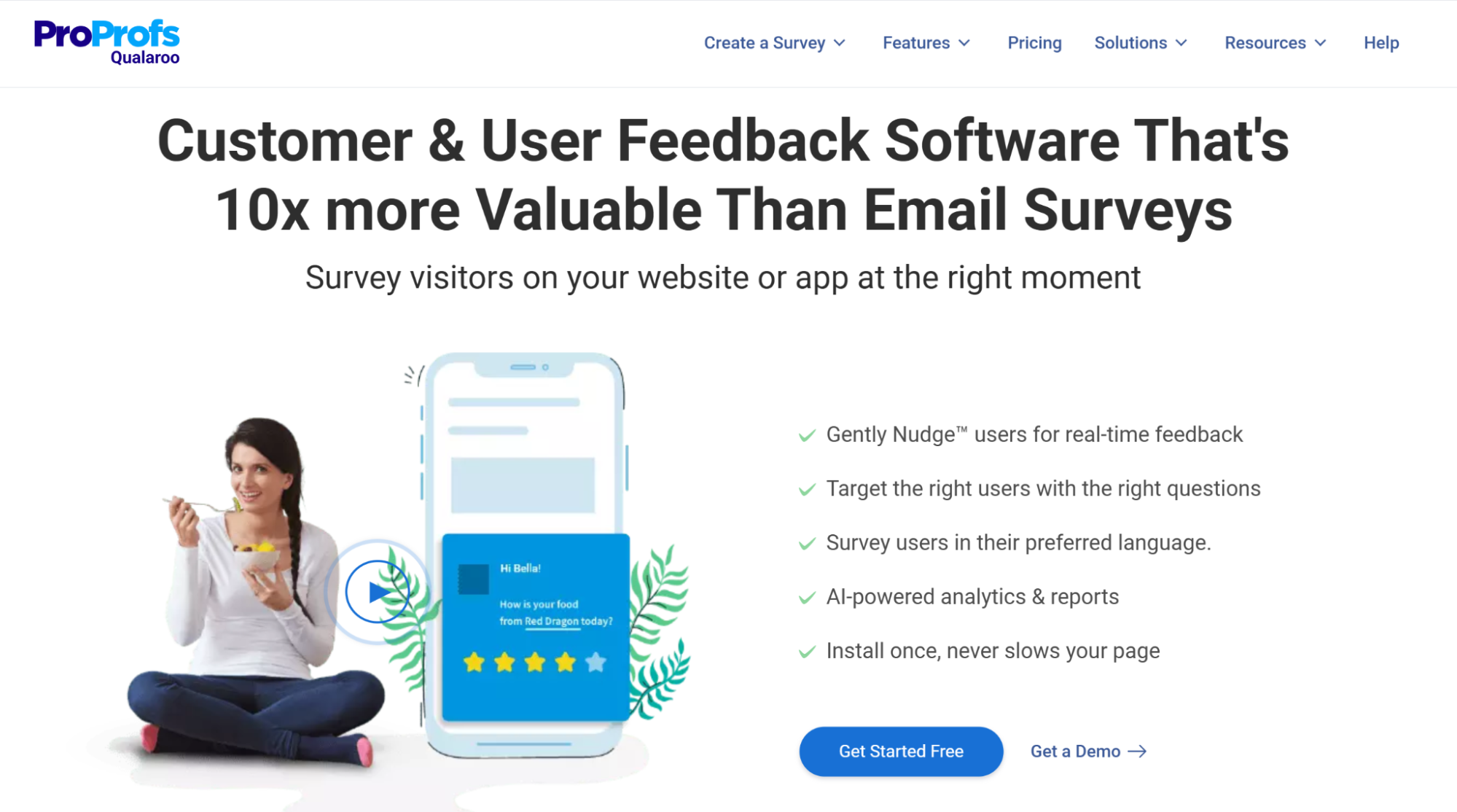
    5. Qualaroo

    Qualaroo

    Qualaroo is a powerful user feedback and survey tool designed to help businesses understand why users behave the way they do. With its intelligent targeting, AI-powered analysis, and seamless multi-platform deployment, Qualaroo enables teams to collect high-quality qualitative insights that fuel better product decisions, conversions, and user experience improvements.

    Key features of Qualaroo:

    • Advanced user targeting: Target users based on behavior, demographics, device type, location, exit intent, scroll activity, visit number, and more, ensuring surveys reach the right users at the right moment. 
    • Beautiful, customizable surveys: Create branded surveys with your logo, colors, and custom styling. Choose placement such as bottom-right, top-left, center, or full-screen and make the experience feel native. 
    • AI-powered sentiment analysis: Qualaroo uses IBM Watson to automatically analyze open-text responses, detect sentiment, categorize themes, and generate word clouds for quick insights. 
    • Multi-platform deployment: Run surveys across websites, mobile sites, native iOS and Android apps, and even UX prototypes (Figma, InVision, AdobeXD, Marvel, Axure). 
    • Logic branching & personalization: Use question branching, skip logic, and targeting rules to ask relevant follow-up questions and reduce survey fatigue. 
    • Integrations that scale: Connect with tools like HubSpot, Salesforce, Slack, Segment, Mailchimp, and Google Analytics to automate workflows and analyze feedback in your existing systems.

    Price:

    Qualaroo provides a range of pricing options suitable for individuals, SMBs, and large enterprises:

    • Free plan ($0/month)
    • Essentials plan ($19.99/month — billed annually)
    • Business plan ($49.99/month — billed annually)
    • Enterprise plan ($149.99/month — billed annually; custom features available)

    6. Reply.io

    Reply-

    Reply is an excellent lead generation tool and one of the leading AI sales tools, with an AI-powered sales engagement platform that transforms and scales the prospect outreach campaign. It’s an effective channel to acquire new customers and grow revenue faster than ever.

    Key features of Reply:

    • Outreach data sourcing: Discover the most relevant leads through a powerful AI-based outreach toolkit
    • Automated multichannel sequence: Create an automated, multichannel communication sequence that increases the chance of engagement and conversion
    • Social media integration: It seamlessly connects with social media platforms and makes lead generation even better through the power of social media marketing
    • Email and sequences templates: Unleash the effectiveness of existing email and sequence templates available to the users
    • AI-based sales assistant: It has an AI-based assistant that automates your emails and responses and increases the chances of getting attention from the receiver.

    Price: The paid plans start at $49 per month

    Free trial: It offers a free plan (with limited features)

    7. Meet Alfred

    meetalfred

    Meet Alfred is a fantastic lead-generation tool for marketers, brands, and agencies. It allows users to create and send completely automated messages on LinkedIn, Twitter, and email. It’s a tool that takes your lead generation to the next level

    Key features of Meet Alfred:

    • Multichannel connectivity: It’s an efficient tool that helps brands and marketers send out messages with ease. Instead, it allows marketers to send out automated messages across different platforms, such as Twitter, LinkedIn, and email
    • Personalized messaging: It doesn’t only automate messaging across different platforms, but it also enables marketers and brands to send out personalized messages to the leads. It massively improves the effectiveness of the message
    • Improve efficiency: Automation makes it easier to send messages, follow up on the leads, and increase overall efficiency. This is why such features make all the difference
    • Impressive integration: It integrates with over 3,000 apps and platforms, which is mind-boggling.

    Price: It starts at $39 per month

    Free Trial: The free trial is available

    8. LeadIQ

    leadiq

    LeadIQ is a smart B2B lead generation tool that tracks accurate prospect data, creates personalized email messages, and tracks campaign performance effectively. It’s astonishingly good at connecting with the right audience, making it easier to engage and convert.

    Key features of LeadIQ:

    • Huge verified contacts database: It lets you find verified contacts with its smart database technology and helps connect with prospects faster than ever
    • AI-powered email writing: Use the power of AI to write effective, high-quality emails to your prospects and existing clients
    • Personalized messaging: Make the email messages more authentic and trustworthy by adding personalization to them
    • Robust integration: Integrate with the industry’s leading marketing tools and softwares and take the luxury of this tool to the next level

    Price: The paid plans start at $39 per month

    Free Trial: LeadIQ has a free plan

    FAQs about lead generation

    What are the 3 approaches of lead generation?

    The three best approaches to lead generation are content marketing, search engine optimization, and social media marketing.

    What is the most common lead generation?

    The most common lead generation technique is driving visitors to a landing page through SEO and converting them into paying customers or subscribers (lead).

    Which activities will not help with lead generation?

    Several activities will not help any lead generation campaign, such as social media marketing with no planning, a vague content marketing strategy, targeting the wrong audience through ads, and trying to sell to everyone.

    What is the lead generation lifecycle?

    It looks like this: Awareness > Findability > Reputation > Conversion > Advocacy

    What comes after leads?

    Once the lead is generated, it’s usually nurtured in the funnel until it’s ready to make a purchase decision. Nurturing involves educating this segment and preparing them to take their game to the next stage.

    What are the 4 steps of the lead generation process?

    The four steps of the lead generation process are: aware, convert, close, and delight.