Tag: branding

  • How to Increase Brand Awareness: 9 Best Strategies

    How to Increase Brand Awareness: 9 Best Strategies

    In a market where 46% of U.S. consumers value trust over price, brand awareness is make-or-breakA well-executed strategy using Replug . You might lag even with stellar products, great service, and competitive prices if your brand needs to be recognized.

    Consumers lean towards familiar names for a sense of security. Crafting a robust brand awareness strategy is vital. Need help figuring out where to start? 

    Here are nine strategies to reach and resonate with new audiences, essential for business success.

    What is brand awareness?

    Brand awareness refers to the extent to which a target audience is familiar with and recognizes a particular brand. It is a crucial aspect of marketing and branding, indicating how well consumers can recall or recognize a brand in various contexts, such as when seeing a logo, hearing a brand name generator, or encountering a product or service.

    High brand awareness is often associated with increased customer trust and loyalty. When consumers are familiar with a brand, they are more likely to choose its products or services over those of competitors. 

    Effective brand awareness strategies typically involve marketing efforts that make the brand visible and memorable to the target audience, contributing to a positive brand image and influencing consumer purchasing decisions.

    Why is brand awareness important?

    Here are four compelling reasons that underscore the importance of brand awareness:

    Competitive edge:

    Recognizable brands gain a competitive edge as consumers are naturally drawn to what they know. Being a familiar choice increases the likelihood of winning customer business.

    Brand loyalty and trust:

    Strong brand awareness builds trust, leading to increased brand loyalty. Consumers are willing to pay more for trusted brands, and familiarity reduces the risk of unpleasant surprises in products or services.

    Employee attraction:

    Strong brand awareness positively impacts recruitment, with companies seeing 50% more job applicants compared to rivals.

    Job seekers often consider a company’s brand reputation before applying, and that reputation often amplified by executive recruitment agencies reflects key drivers of employee engagement, such as a positive workplace culture, recognition, and growth opportunities, supported by the best performance management software that helps reinforce transparency and growth.

    Indicator of success:

    Brand awareness serves as an indicator of overall company performance. Measurement of increased brand awareness reflects the effectiveness of various business aspects, including digital presence and customer support.
    How to increase brand awareness: 9 effective strategies

    Here are nine effective strategies to raise brand awareness:

    1. Content marketing campaign:

    • Create valuable content, such as blog posts, quizzes, e-books, and infographics, to convey your brand’s voice and expertise.
    • Incorporate video content, given its rising popularity, to effectively communicate with your audience.
    • Establish yourself as a thought leader and problem-solver to build trust among current and potential customers.
    • Consider using ecommerce PPC campaigns to drive targeted traffic and boost online sales.

    2. Enhance social media presence:

    • Utilize social media networks strategically to connect with your audience, share information, and answer questions.
    • Target the platforms where your customer demographic is most active by surveying your current customers.
    • Implement a content calendar for consistent posting and research relevant hashtags to increase post visibility.

    3. Collaborate with influencers:

    • Choose influencers aligned with your brand, considering their usage and authenticity.
    • Micro-influencers can offer cost-effective partnerships for reaching specific audiences. For improved results, consider establishing agreements with influencers. Once all terms are settled, finalize the documents using electronic signatures.
    • Establish a genuine connection between the influencer and your brand to maximize effectiveness.

    4. SEO targeting branded keywords:

    • Optimize content with SEO techniques to enhance online visibility.
    • Focus on keywords that include your brand name, using tools like Semrush or Google Keyword Planner.
    • Incorporate specific keywords in headlines, body content, and URL slugs for better search engine ranking.

    5. Paid advertising:

    • Invest in paid ads on social media platforms (Facebook, LinkedIn, Instagram) and Google Adwords.
    • Identify the social media networks where your target audience is most active.
    • Allocate a budget within your social media marketing budget for effective paid advertising to increase brand visibility.

    6. Referral program:

    • Implement a referral program to encourage satisfied customers to become advocates.
    • Offer rewards like discounts, gift cards, or credits to incentivize customers to refer friends and family.
    • Utilize word-of-mouth marketing to build trust and increase brand awareness.

    7. Brand partnerships:

    • Partner with brands that share similar values and target audiences but are not direct competitors.
    • Leverage partnerships to combine reach and build trust among both brand’s audiences.
    • Collaborate on joint initiatives that benefit both brands and enhance brand awareness.

    8. Free trials:

    • Offer free trials of your products or services to eliminate financial barriers for potential customers.
    • Provide a taste of what your brand offers to increase awareness and trust.
    • Allow customers to experience your offerings before making a financial commitment.

    9. Host or sponsor events:

    • Participate in or sponsor events that align with your target audience’s interests.
    • Attach your company’s name and logo to event materials for positive recognition.
    • Leverage event registration tools to manage attendee sign-ups, streamline invitations, and capture valuable lead data.
    • Choose events that provide exposure to potential buyers, whether in-person or online, to increase brand awareness.

    Also read: How to Create a Brand Identity: A Quick Guide

    Replug Branded Short Links CTA
    A complete link management solution
    for marketing professionals & agencies.
    Try Replug for free

    How to measure brand awareness?

    Brand awareness is gauged through several key metrics:

    1. Brand impressions:

    Brand impressions refer to the number of times your campaign material, such as ads or content, is displayed to the audience. It’s a quantitative measure that indicates the potential reach of your brand. However, it’s essential to note that impressions alone do not provide insights into individual views or the impact on brand recognition. Marketers typically use additional analytics to assess the effectiveness of their efforts in building brand awareness.

    2. Website traffic:

    Website traffic is a crucial metric that shows the number of visitors to your website. By analyzing website traffic, particularly in the aftermath of a brand awareness campaign, marketers can gauge the impact on online visibility and audience interest. An increase in website traffic following a campaign suggests a positive correlation with heightened brand awareness.

    3. Social media engagement:

    Social media engagement encompasses various metrics such as reach, impressions, likes, shares, comments, clicks, followers, mentions, and hashtags. These metrics provide a comprehensive view of how the public is interacting with and discussing your brand on social platforms. Monitoring social media engagement helps marketers understand the sentiment around their brand, identify popular content, and measure the success of brand awareness initiatives.

    Also read: From Likes to Love: Comprehensive Social Media Engagement Guide

    4. Search volume data:

    Search volume data involves assessing the volume of searches related to your business and industry keywords. This metric is particularly relevant for understanding how potential consumers are actively seeking information about your brand or related solutions. By analyzing search volume data, marketers can refine their keyword strategies, ensuring alignment with consumer interests and increasing brand visibility on search engines like Google.

    5. Brand-awareness surveys:

    Brand-awareness surveys provide qualitative insights into consumers’ perceptions and awareness of a brand. By engaging in one-on-one conversations with the target audience, companies can gather valuable feedback that goes beyond quantitative metrics. These surveys contribute to a deeper understanding of branding benchmarks and guide improvement efforts, fostering a more personal connection with the audience.

    6. Earned media:

    Earned media includes third-party mentions, such as references in articles, social media tags, and blog comments. This metric reveals who is talking about your brand, the context of discussions, and the sentiment expressed. Monitoring earned media helps assess the organic spread of brand awareness and identifies influential voices within your target audience.

    7. External links:

    External links are a valuable metric for assessing brand awareness, particularly in the online domain. By managing and analyzing external links, companies can gauge the reach of their brand across different platforms. Additionally, this metric helps identify broken links or misspelled words on a website, ensuring that potential opportunities for brand exposure are not missed due to credibility issues.

    8. Tracking key metrics:

    Tracking key metrics involves analyzing various performance indicators related to user interaction with brand content. These include clicks, average cost-per-click (CPC), click-through rate (CTR), and cost-per-thousand (CPM). By closely examining these metrics, marketers gain insights into the effectiveness of their campaigns, audience engagement, and the overall impact on brand awareness.

    Replug Branded Short Links CTA
    A complete link management solution
    for marketing professionals & agencies.
    Try Replug for free

    How to increase brand awareness in the shortest time possible?

    Effectively and rapidly increasing brand awareness requires strategic efforts. Here’s a streamlined version:

    Fast-track brand awareness:

    Successful brand awareness brings widespread recognition, word-of-mouth referrals, and a boost in the bottom line.

    Key tool: Replug

    Replug is an essential tool for creating, executing, and measuring brand awareness campaigns.

    • Utilize Replug for short links and robust link-tracking metrics.
    • Choose the right plan for your business to kickstart brand growth.

    Actionable steps:

    • Craft a compelling brand message.
    • Utilize this link shortener for concise and trackable links.
    • Implement targeted brand awareness campaigns.
    • Measure success with Replug’s comprehensive metrics.

    Result:

    A well-executed strategy using this top-notch link optimization platform accelerates brand awareness, leading to increased recognition and business growth.

    Replug Branded Short Links CTA
    A complete link management solution
    for marketing professionals & agencies.
    Try Replug for free

    Frequently asked questions

    What is brand awareness?

    Brand awareness is the extent to which consumers recognize and recall a brand. It’s vital for businesses as it builds trust, and loyalty, and influences purchasing decisions.

    How can I measure brand awareness for my company?

    Measure brand awareness through metrics like impressions, website traffic, social media engagement, search volume, brand awareness surveys, earned media, external links, and tracking key metrics.

    What are the key strategies for building brand awareness?

    Strategies include content marketing campaigns, social media presence enhancement, collaboration with influencers, targeted SEO, paid advertising, referral programs, brand partnerships, free trials, and event sponsorship.
  • Learn the art of branding: 5 best branding examples

    Learn the art of branding: 5 best branding examples

    Brand marketing examples showcase the power of effective strategies and creative execution in building successful brands.

    From captivating ad campaigns and engaging social media presence to memorable brand experiences, these branding examples demonstrate how businesses have leveraged storytelling, differentiation, and consumer insights to create strong brand identities that resonate with their target audiences.

    Before moving on to branding examples, let’s see what key elements make brand marketing successful.

    10 Key elements of brand strategy

    1. Brand purpose: Defining a clear and meaningful purpose that aligns with the values and aspirations of the target audience.
    2. Brand positioning: Identifying and establishing a unique and compelling position in the market that sets the brand apart from competitors.
    3. Target audience: Understanding the target audience’s specific demographics, psychographics, and needs to effectively tailor brand messaging and experiences.
    4. Brand identity: Developing a cohesive and distinctive visual and verbal identity, including logo, typography, color palette, and brand voice.
    5. Brand messaging: Crafting compelling and consistent messaging that communicates the brand’s values, benefits, and unique selling propositions to the target audience.
    6. Brand storytelling: Creating a compelling narrative around the brand that connects emotionally with the target audience and builds a strong brand image.
    7. Brand experience: Designing and delivering consistent and exceptional experiences at every touch point, including physical locations, online platforms, customer service, and product quality.
    8. Brand differentiation: Identifying and communicating key points of differentiation that set the brand apart from competitors, emphasizing unique features, benefits, or values.
    9. Brand consistency: Ensuring consistent messaging, visuals, and experiences across all brand touchpoints to build recognition, trust, and loyalty among customers.
    10. Brand monitoring and adaptation: Continuously monitoring brand performance, market and AI design trends, and customer feedback to adapt and evolve the brand strategy as needed, staying relevant and competitive in the market.

    Related: Top 29 personal branding tools to upscale your marketing efforts

    From strategy to success: 5 Powerful examples of branding

    Here are a few branding examples for stronger brand marketing:

    1. TOMS “One For One” brand marketing strategy

    TOMS’ brand marketing strategy revolves around its unique “One for One” concept. For every pair of shoes purchased, TOMS donates a pair to a person in need. This strategy emphasizes social responsibility, creating a powerful connection between the brand and customers who want to make a positive impact.

    Additionally, TOMS utilizes storytelling and powerful visuals to communicate its mission, inspiring customers to buy its products and support its charitable initiatives. Through this strategy, TOMS has successfully differentiated itself in the market and built a loyal customer base that aligns with its purpose-driven approach.

    2. Starbucks’ “It Starts with You” campaign

    Starbucks’ branding example shows why creating a welcoming and personalized experience is important. Their iconic green logo, cozy store ambiance, and seasonal promotions establish a sense of familiarity and indulgence, making Starbucks a beloved global coffee brand.

    Starbucks’ “It Starts with You” campaign was a successful initiative that highlighted the positive impact individuals can make in their communities.

    Starbucks encouraged acts of kindness and community engagement, positioning itself as a brand that cares about making a difference.

    The campaign resonated with customers, fostering a sense of connection and inspiring them to take action.

    In the branding example, Starbucks creates a premium and aspirational image, enticing customers to spend more. Through visually appealing displays, seasonal promotions, and a customer rewards program, Starbucks encourages repeat visits and larger purchases.

    This unwavering loyalty is a testament to Starbucks’ ability to create a unique and meaningful experience that resonates with its customers on a deeper level.

    3. Patagonia’s “Don’t Buy This Jacket” campaign

    Patagonia, an outdoor apparel company, has built a strong brand relationship with its customers through its commitment to environmental sustainability and activism.

    Patagonia’s “Don’t Buy This Jacket” campaign aimed to raise awareness about overconsumption and encourage responsible consumer behavior. It taught a valuable lesson about the importance of sustainability and conscious purchasing choices.

    By aligning its brand values with its target audience, Patagonia has created a loyal community of customers who share their passion for the outdoors and environmental preservation.

    Related: Brand Consistency:  Build Brand Consistency Using Branded Links

    4. Nike from “Just Do It” to “Believe in Something”

    Nike’s branding example can be seen in its iconic “Just Do It” campaign. “Just Do It” encapsulates Nike’s brand ethos, inspiring individuals to push their limits, overcome obstacles, and achieve greatness in sports and life.

    Nike’s ability to navigate controversy and position itself as a champion of social change has proven to be a successful marketing tactic, driving both financial success and a positive brand image.

    Nike turns controversy into dollars through its marketing by strategically embracing social issues and aligning with controversial figures. Nike generates significant media attention and sparks conversations worldwide by taking a bold stance on divisive topics.

    This heightened visibility helps increase brand awareness and exposure. While the company may face initial backlash from some segments of the population, Nike’s marketing strategy appeals to its target audience, which includes socially conscious individuals who value progressive values and inclusivity.

    This approach fosters a strong emotional connection and loyalty among these consumers, leading to increased sales and revenue for the brand.

    Best Branding Example: Nike’s Colin Kaepernick ad

    Nike’s Colin Kaepernick ad was a resounding success. Released in 2018, the ad featured the controversial football player and activist kneeling during the national anthem, accompanied by the powerful message: “Believe in something.” Even if it means sacrificing everything.”

    The ad sparked widespread conversation and polarizing reactions, but it ultimately reinforced Nike’s commitment to social issues and resonated with its target audience. Despite the backlash, the campaign garnered significant attention, boosting brand awareness and sales.

    Nike’s bold stance and alignment with Kaepernick’s activism tapped into the cultural zeitgeist, praising their willingness to take a stand on divisive social issues and inspiring a new wave of brand loyalty among consumers who shared similar values.

    Related: How to build your brand on YouTube – branding on YouTube the right way!

    5. Apple “Think Different”

    Apple’s brand marketing exemplifies innovation, simplicity, and elegance. Their iconic “Think Different” campaign and product launches build anticipation and create a strong emotional connection with consumers.

    Apple’s meticulously planned product launches generate excitement and drive sales. Their strategy showcases the power of building anticipation, creating a buzz, and cultivating a strong brand community.

    Apple has established a strong and distinctive brand identity through various campaigns that resonate with consumers worldwide. Apple’s campaigns highlight its ability to create compelling narratives, evoke emotions, and showcase the unique features of its products.

    Related: Effective Risk Management Strategies to Manage Social Media Risks

    Neuroscience of branding


    The neuroscience of branding explores how our brains respond to different aspects of a brand. Scientists use brain imaging techniques to understand how things like logos, colors, and associations with a brand affect our thoughts and feelings.

    They’ve found that branding can make us feel logical and emotional, so companies must create positive and memorable experiences.

    By understanding how our brains react to branding, businesses can make smart choices to create a strong connection with customers and make them more likely to choose and stick with their brand.

    Related: What is brand awareness? 9 trending techniques to expand your businesses via social media

    Online branding with Branded Link Management Tool

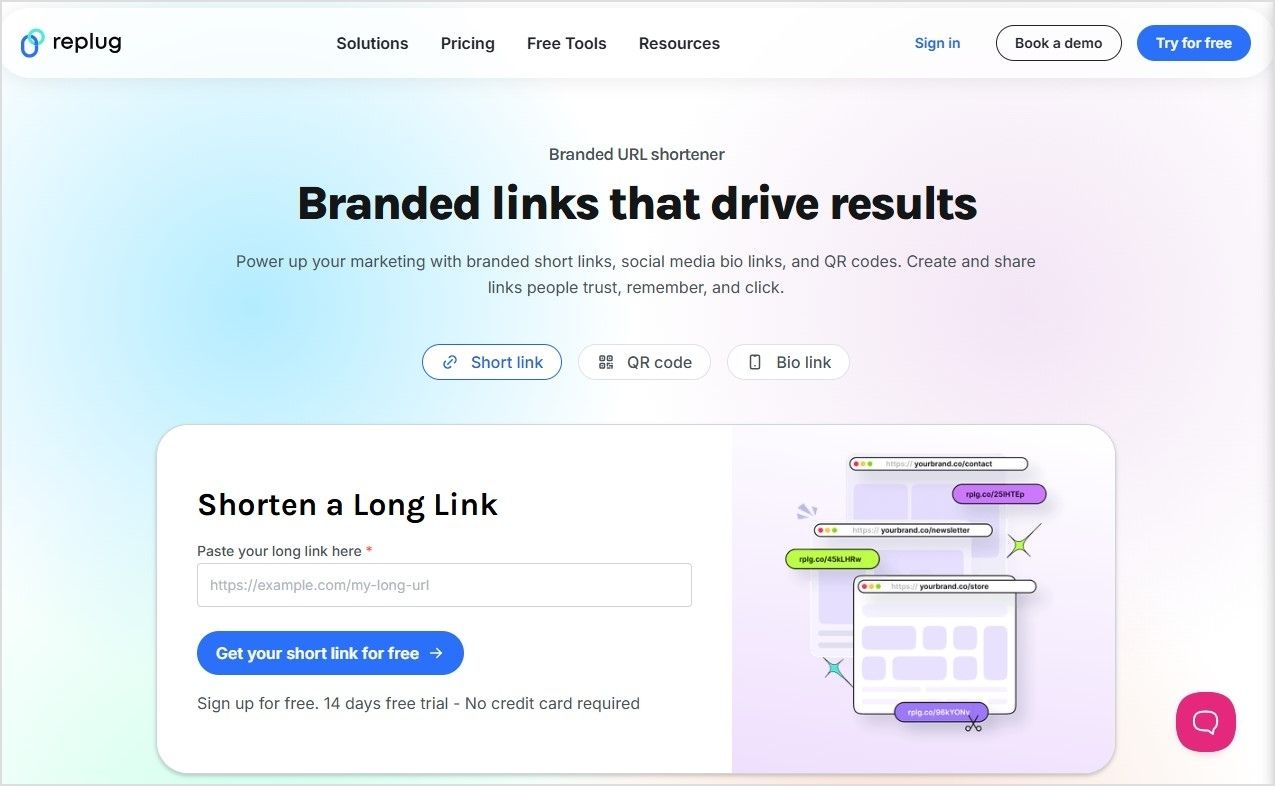
    URL shorteners can play a role in branding by providing concise and memorable links that promote a brand’s online presence. Having a branded domain is a smart branding strategy that offers a cleaner and more professional appearance, increasing trust and click-through rates.

    Additionally, branded short links can be tracked and analyzed, providing valuable insights into user engagement and marketing campaigns.

    Replug

    Replug.io is an excellent URL shortener that offers several link management tools for brands and marketers. It’s a complete toolkit to manage short, branded URLs for brand marketing and digital media campaigns.

    In the bid to improve brand marketing, Replug could be useful in many ways. No wonder thousands of brands and marketers use Replug to shorten links and manage them effectively.

    Here are some prominent Replug features has to offer to upscale your branding efforts.

    Branded domain and custom URLs

    It’s been learned that branded URLs could significantly improve audience trust and user clickability. Many brands, entrepreneurs, and digital marketers use branded domains for social media sharing and email marketing.

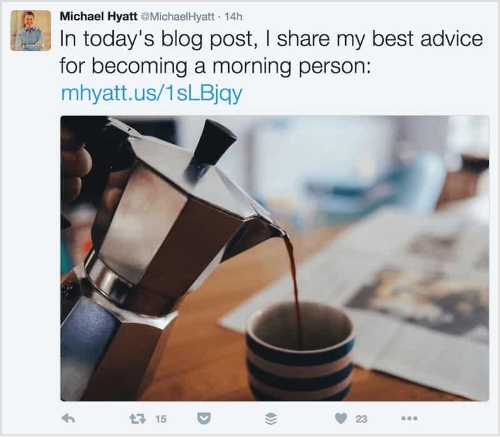
    Here’s an online branding example

    michael-hyatt-branded-url-shortener

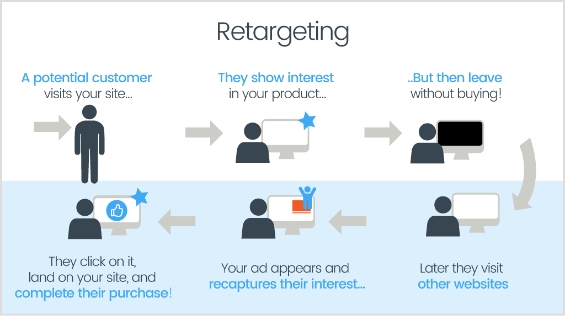
    You can also retarget audiences using branded links. Implement this marketing strategy on your branded links to retarget the website visitors who have clicked on your short links.

    retargeting-infographic

    You just need to add pixel codes to Replug from your famous social media platforms like Facebook, Twitter, and Quora, then reach out to them through social media ads.

    Bio links for Social Media

    Bio links are in trend these days. The purpose behind bio-links is to have all of your content, from links to audio-visual content, on a single custom webpage.

    The webpage is easy to create with drag-and-drop functionality. You can set up your bio link webpage in just a few clicks.

    Now anyone can use this one-link solution to create social media bio links and connect all your social media profiles, such as TikTok, Instagram, Facebook, and Twitter, with this link.

    Branded CTA

    Replug allows you to customize and place CTA’s to your short links. Creating branded CTAs encourage immediate action and reinforce brand identity and messaging.

    Aligning CTAs with a brand’s tone, values, and visual elements can strengthen your brand’s recognition and drive higher conversions.

    QR Code Marketing

    QR codes offer a unique opportunity for branding by providing a versatile and interactive marketing tool.

    Incorporate branded QR codes into their promotional materials to create seamless offline and online experiences.

    Businesses can reinforce their visual identity and increase brand recognition enhancing the overall brand experience.

    FAQs on branding examples

    What is brand marketing with example?

    Brand marketing is promoting a brand to create awareness, build a strong reputation, and establish a connection with consumers. Example: Nike’s “Just Do It” campaign.

    What is an example of brand preference?

    An example of brand preference is when a consumer consistently chooses a particular brand over its competitors based on personal preference or loyalty. For instance, a person always purchases Nike shoes over other sports shoe brands due to their perceived quality, style, and alignment with personal values.

    What is the best example of a branding strategy?

    Apple’s branding strategy revolves around simplicity, innovation, and a focus on user experience. They have consistently communicated their brand values through sleek design, intuitive interfaces, and cutting-edge technology. This strategy has helped them create a strong emotional connection with customers.

    You may also like:

    How to Disguise a Link Using a URL Shortener?

    6 ways brands can use Replug to strengthen the customer’s journey

    15 proven Facebook SEO techniques to try in 2026

    Unique URLs: What They Are and How to Use Them?